
Chariots and Elephants: The Role of War Animals in Ancient Indian Battles

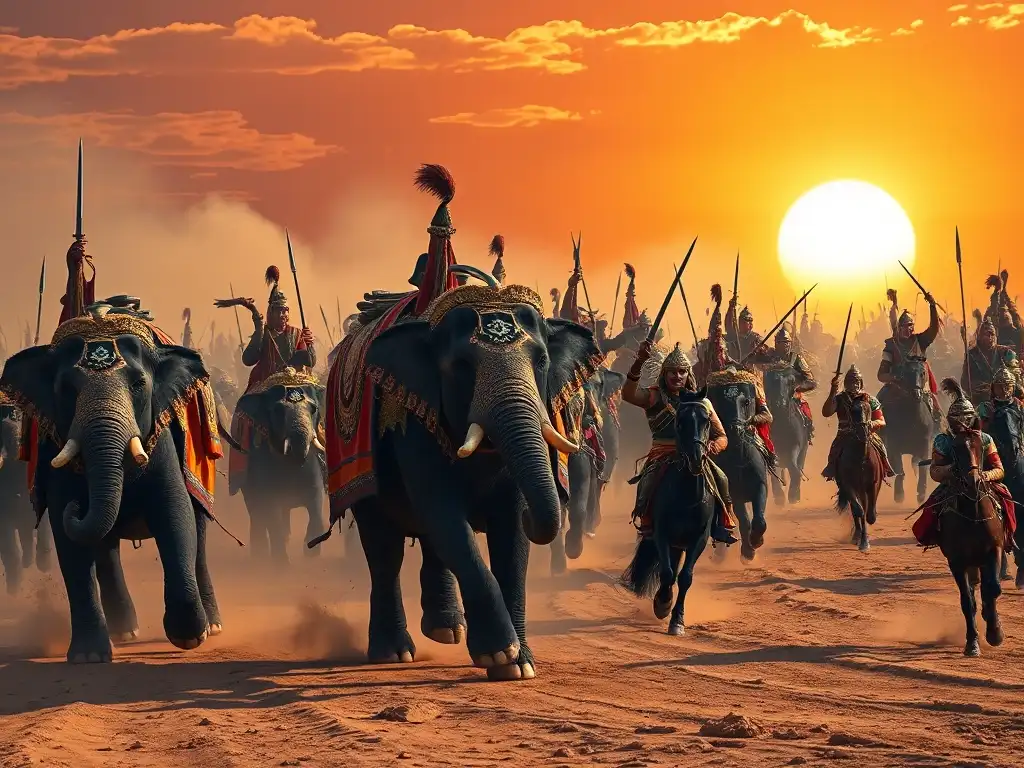
Welcome to Ancient India History, where we embark on an exhilarating journey through the rich tapestry of India's past! In this exploration, we dive deep into the fascinating world of war animals in ancient India, uncovering how chariots and elephants became pivotal in shaping the military strategies of legendary battles. What drove these magnificent creatures into the heart of conflict, and how did they influence the outcomes of wars?
Prepare to be captivated as we unravel the stories and significance of these noble beasts in the grand narrative of ancient Indian civilization. Continue reading to discover the powerful legacy they left behind!
- Introduction to War Animals in Ancient India
- Types of War Animals Used in Ancient India
- Historical Context of War Animals in Ancient Indian Battles
- Training and Care of War Animals in Ancient India
- Comparative Analysis of War Animals in Other Civilizations
- Conclusion: The Legacy of War Animals in Ancient Indian History
-
Frequently Asked Questions
- What role did war animals play in ancient Indian battles?
- How were elephants utilized in ancient Indian military strategies?
- What were the advantages of using chariots in warfare?
- Did ancient Indian civilizations have specific training for war animals?
- How did the use of war animals influence the outcome of battles in ancient India?
- Final Reflection: The Enduring Legacy of War Animals in Ancient India
- Discover the Power of War Animals!
Introduction to War Animals in Ancient India
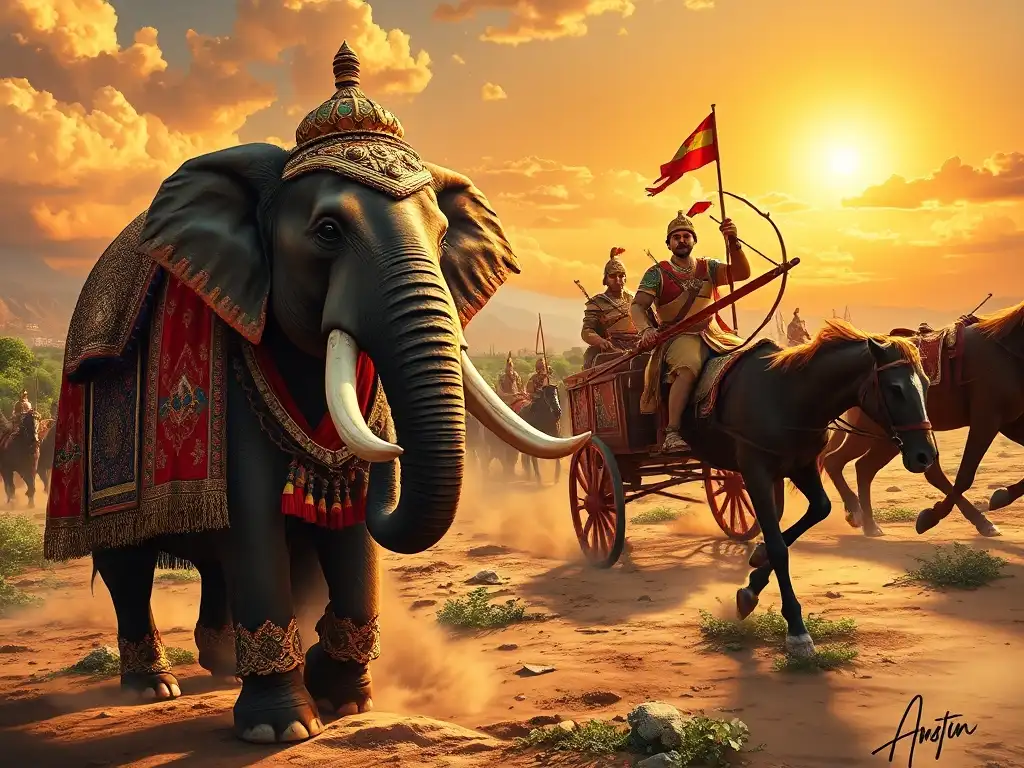
In the vast tapestry of ancient Indian history, the significance of war animals cannot be overstated. From the majestic elephants of the Indus Valley to the agile horses of the Gupta Empire, these creatures played a pivotal role in shaping the outcomes of battles and the fortunes of kingdoms.
War animals in ancient India were not merely beasts of burden; they were integral to military strategy, symbolizing power, and serving as vital components of the armies that expanded empires and defended territories. This article delves into the various roles that war animals, particularly elephants and horses, played in ancient Indian warfare, highlighting their importance in both combat and ceremonial contexts.
The Significance of War Animals in Indian Warfare
The use of war animals in ancient Indian battles can be traced back to early civilizations where they were viewed as symbols of strength and authority. Elephants, in particular, were revered for their size, strength, and intelligence. They were often adorned with armor and used to charge into enemy lines, causing chaos and fear among opposing troops.
- Roles of War Animals:
- Combat Support: Elephants were used to break enemy formations and trample soldiers, while horses provided speed and mobility for cavalry units.
- Logistical Aid: War animals also assisted in carrying supplies, weapons, and wounded soldiers, making them invaluable in prolonged campaigns.
- Psychological Warfare: The sheer sight of war elephants charging into battle could demoralize enemy forces, giving an advantage to the Indian armies.
Historical texts and inscriptions reveal that different regions in ancient India utilized these animals in unique ways, adapting their tactics based on the terrain and the nature of their adversaries.
Overview of Ancient Indian Battles and Warfare Strategies
Ancient Indian warfare was characterized by a blend of strategic ingenuity and the effective utilization of war animals. Battles were not solely about brute strength; they involved intricate planning and well-coordinated maneuvers.
- Notable Battles:
- The Battle of the Hydaspes (326 BCE) showcased the use of war elephants by King Porus against Alexander the Great, highlighting the significance of these animals in large-scale confrontations.
- The Kalinga War (262-261 BCE) marked a transformative moment in Indian history, where the Mauryan emperor Ashoka’s forces employed war elephants to great effect.
- Warfare Strategies:
- Formation Tactics: Armies often arranged their war animals in strategic formations, creating a formidable front line that protected infantry and archers.
- Combined Arms Approach: The integration of infantry, cavalry, and war animals allowed for diverse tactics, making ancient Indian armies versatile in combat.
The role of war animals in ancient Indian battles was multifaceted, impacting not only the outcomes of conflicts but also the cultural identity of the civilizations that revered them. As we explore the dynamics of warfare in ancient India, the contributions of these remarkable animals remain a testament to their importance in military history.
Types of War Animals Used in Ancient India
Elephants as Mighty War Beasts
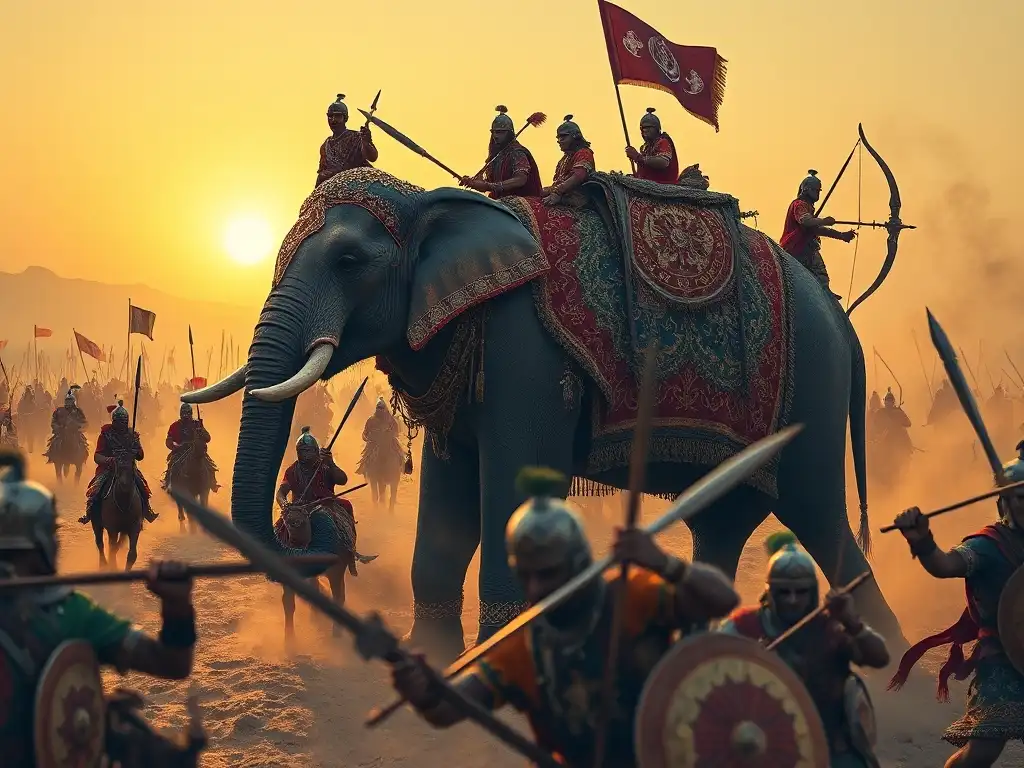
War animals in ancient India played a crucial role in shaping the battlefield strategies and outcomes of conflicts. Among these, elephants held a particularly esteemed position, often regarded as the ultimate symbols of power and strength. War elephants were not merely beasts of burden; they were sophisticated instruments of warfare, employed for both their physical presence and psychological impact on the enemy.
The Role of War Elephants in Ancient Indian Armies
War elephants were integral to various ancient Indian armies, including those of the Maurya and Gupta Empires. These majestic creatures were used for multiple purposes:
- Frontline Assault: Elephants were often stationed at the front lines, charging into enemy formations to cause chaos and disarray. Their sheer size and weight could crush infantry and disrupt organized ranks.
- Command Platforms: Commanders frequently used elephants as mobile platforms, allowing them to oversee the battlefield and issue commands from a vantage point above the fray.
- Psychological Warfare: The sight of a massive war elephant would instill fear in opposing soldiers, often leading to breaks in formation and increasing the likelihood of victory for the side employing them.
Tactical Advantages of Using Elephants in Combat
The tactical advantages of incorporating elephants into warfare were manifold:
- Intimidation Factor: The mere presence of elephants could demoralize enemy troops, leading to premature surrender or retreat.
- Crowd Control: Elephants could effectively scatter enemy formations, creating openings for infantry and cavalry to exploit.
- Durability: With their thick skin and sheer size, elephants could withstand a significant amount of damage, making them formidable opponents in prolonged engagements.
Despite their advantages, managing war elephants required expertise and training, as they could easily become uncontrollable if injured or frightened. Therefore, skilled mahouts (elephant handlers) were essential for ensuring these animals performed effectively during battles.
Horses and Chariots: The Backbone of Cavalry
In addition to elephants, horses and chariots formed the backbone of ancient Indian warfare. The combination of speed, agility, and strategic mobility provided by these animals was invaluable on the battlefield.
The Importance of Cavalry in Ancient Warfare
Cavalry units, composed primarily of horse-mounted soldiers, were pivotal in ancient Indian military tactics. The advantages of cavalry included:
- Mobility: Cavalry could traverse the battlefield quickly, allowing for rapid flanking maneuvers and quick retreats.
- Versatility: Horsemen were adept at both offense and defense, capable of launching charges while also maneuvering to defend key positions.
- Scouting and Intelligence: Cavalry units often served as scouts, gathering vital information about enemy movements and terrain.
The incorporation of cavalry transformed the nature of warfare, allowing commanders to execute strategies that would have been impossible with infantry alone.
Chariotry: Speed and Mobility in Battle
Chariots, drawn by horses, complemented cavalry forces by providing additional speed and maneuverability. They were especially significant in the following ways:
- Rapid Strike Capability: Chariots enabled quick strikes against enemy lines, allowing for both hit-and-run tactics and direct assaults.
- Transport of Archers: Many chariots carried archers, who could unleash volleys of arrows while being mobile, increasing the overall effectiveness of the unit.
- Command and Control: Just like elephants, chariots allowed commanders to maintain a higher vantage point, improving battlefield awareness and coordination.
The effective use of war animals, particularly elephants and horses, significantly influenced the military strategies and outcomes of battles in ancient India, establishing a legacy that would be remembered in military history.
Historical Context of War Animals in Ancient Indian Battles
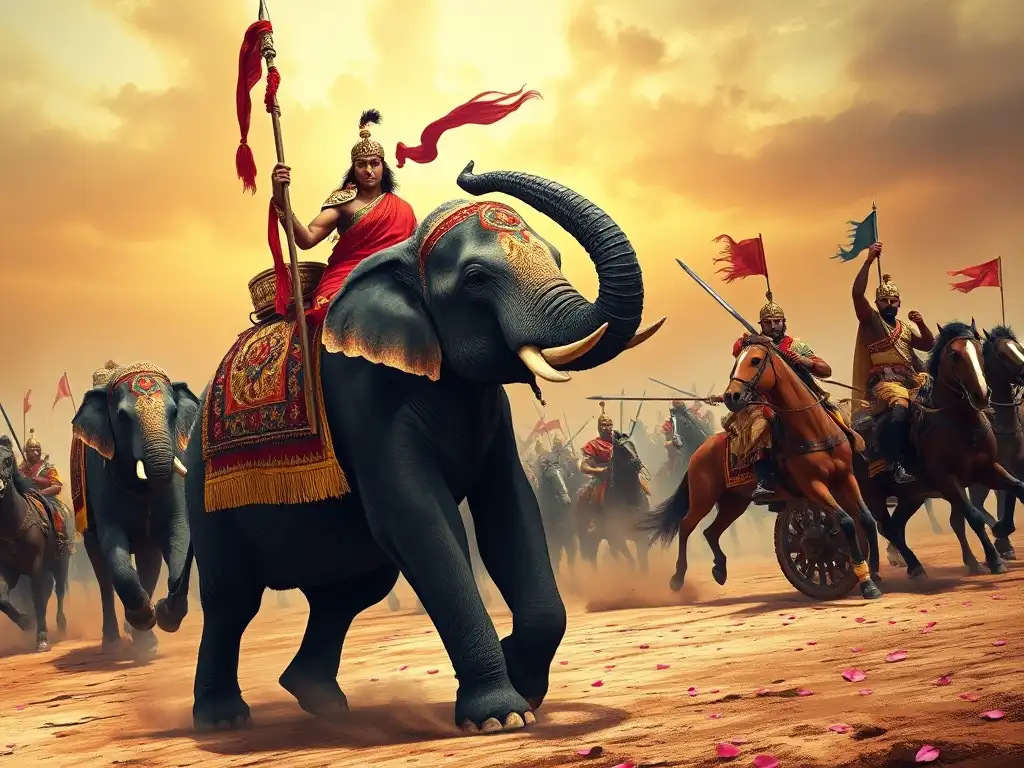
The use of war animals in ancient India dates back to the early civilizations, where they played a pivotal role in both warfare and the cultural fabric of society. Elephants, horses, and even dogs were trained for combat, serving as powerful assets on the battlefield. Ancient texts, inscriptions, and archaeological findings highlight the strategic importance of these animals, not only in military engagements but also as symbols of power and prestige.
War elephants were particularly significant, often regarded as the "tanks" of ancient warfare. They provided both a psychological advantage and physical strength, capable of trampling infantry and instilling fear in opposing troops. Horses also played an essential role, facilitating swift movement and rapid assaults, while dogs were used for various tactical purposes, including scouting and tracking.
The integration of war animals into military strategies reflects a deeply ingrained understanding of their capabilities, shaping the outcomes of numerous conflicts throughout ancient Indian history. This context sets the stage for analyzing specific battles and the cultural significance attributed to these formidable companions in warfare.
Key Battles Featuring War Animals
The Battle of Kalinga and its Strategic Use of Elephants
The Battle of Kalinga, fought in 261 BCE, is one of the most renowned conflicts in ancient Indian history, particularly noted for its strategic use of war elephants. This battle marked a significant turning point for Emperor Ashoka of the Mauryan Empire, who sought to expand his territory into Kalinga, a region fiercely protective of its independence.
Strategic Deployment:
- Psychological Warfare: Ashoka employed war elephants to create chaos among enemy ranks. The sheer size and strength of these animals often intimidated enemy soldiers, disrupting their formations and morale.
- Tactical Advantage: Elephants were used to charge into enemy lines, breaking through infantry and causing disarray. This tactic allowed Ashoka's forces to gain the upper hand in the thick of battle.
The aftermath of the battle had profound implications, leading to Ashoka's conversion to Buddhism and his advocacy for non-violence. Despite the victory, the human cost was immense, prompting Ashoka to reflect on the consequences of warfare and the role of elephants in such brutal conflicts.
The Role of War Animals in the Mauryan Empire
The Mauryan Empire, under the reign of Chandragupta Maurya and later Ashoka, extensively utilized war animals in its military campaigns. Elephants, in particular, were not just tools of war but symbols of imperial power and authority.
Key Aspects:
- Training and Care: War elephants were meticulously trained for combat, often beginning their training at a young age. They were cared for by skilled mahouts (elephant trainers), who developed a bond with the animals, ensuring their responsiveness in battle.
- Integration into Military Tactics: The Mauryan army intricately integrated war animals into their strategies, using them for various roles—ranging from heavy infantry support to logistical tasks like transporting supplies.
The significance of war animals during the Mauryan period illustrates how military strategies evolved, with elephants becoming a central component of ancient Indian warfare.
Cultural Representations of War Animals
Depictions of War Elephants in Ancient Indian Art and Literature
War elephants have been a recurring motif in ancient Indian art and literature, symbolizing strength, power, and nobility. They are often depicted in various forms, from sculptures to paintings and literary texts, showcasing their importance in both warfare and society.
Artistic Representations:
- Sculptures and Inscriptions: Numerous sculptures from ancient temples depict elephants adorned with armor and ornaments, emphasizing their grandeur and significance in royal processions and warfare.
- Literature: Texts like the Mahabharata and the Arthashastra provide vivid descriptions of war elephants, detailing their training, roles in battles, and the emotional bond between mahouts and their elephants.
These artistic expressions reflect the cultural reverence for war animals, portraying them not merely as beasts of burden but as integral members of the warrior class.
The Symbolism of War Animals in Indian Culture
War animals, particularly elephants, hold deep-rooted symbolic meanings in Indian culture, transcending their roles in battle. They embody virtues such as strength, loyalty, and wisdom.
Cultural Significance:
- Religious Symbolism: Elephants are often associated with deities, such as Ganesha, symbolizing prosperity and good fortune. Their presence in religious rituals further solidifies their esteemed status in society.
- Royal Emblems: In ancient kingdoms, owning war elephants was a symbol of wealth and power. Kings would showcase their elephants in parades, reinforcing their authority and connection to divine favor.
This symbolism illustrates how war animals were woven into the very fabric of ancient Indian culture, influencing not only military practices but also societal values and beliefs.
Training and Care of War Animals in Ancient India
Methods of Training Elephants for Battle
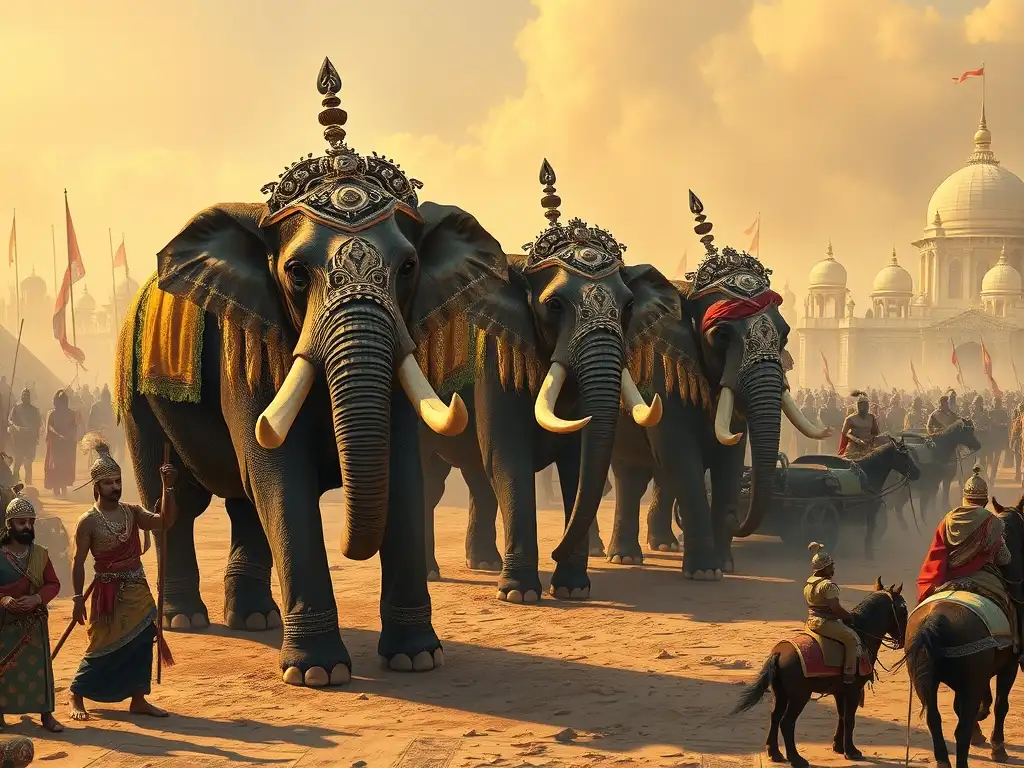
Training elephants for battle in ancient India was a meticulous process that required considerable time, expertise, and patience. The process typically began when elephants were young, as their temperament and behavior were shaped during their formative years. Here are the key steps involved in training these majestic creatures:
- Early Handling:
- Young elephants were handled gently to build trust with their trainers, known as mahouts.
- They were exposed to various environments, sounds, and sights to desensitize them to the chaos of battle.
- Basic Commands:
- Elephants were trained to respond to specific verbal commands and gestures. Common commands included:
- “Hut!” for stopping
- “Go!” for moving forward
- “Turn!” for changing direction
- Elephants were trained to respond to specific verbal commands and gestures. Common commands included:
- Desensitization to Weapons:
- To prepare elephants for the chaos of battle, they were gradually introduced to the sounds and sights of weapons and armor.
- This included playing loud drums and clashing metal to ensure they would not panic in the heat of battle.
- Mock Battles:
- Elephants participated in controlled mock battles, allowing them to practice their responses to various stimuli without the actual danger of war.
- This training helped reinforce their bravery and discipline.
- Rider Training:
- Mahouts were trained to ride the elephants effectively, learning how to communicate with them through subtle cues and body movements.
- The bond between the mahout and the elephant was crucial, as trust was essential for successful maneuvers in battle.
Cavalry Training Techniques for Horses
Horses played a pivotal role in the armies of ancient India, particularly in cavalry units. The training of horses for war was equally rigorous and involved several techniques aimed at ensuring their readiness for battle:
- Basic Ground Training:
- Young horses underwent groundwork to learn basic commands and to develop a bond with their handlers.
- This included leading, haltering, and desensitization to various sounds and movements.
- Saddle and Bridle Training:
- Horses were gradually introduced to saddles and bridles, ensuring they became accustomed to the equipment they would wear in battle.
- This training was critical to ensure comfort and familiarity, reducing potential distractions during combat.
- Riding Techniques:
- Riders practiced mounting and dismounting, learning to maintain balance and control while on the horse.
- Techniques such as side-saddle riding were also taught for women riders, reflecting the diverse roles horses played in ancient Indian warfare.
- Drills and Maneuvers:
- Cavalry units practiced various formations and maneuvers, enabling them to execute complex strategies with precision during battles.
- Exercises included galloping in formation, charging, and flanking movements.
- Exposure to Combat Scenarios:
- Similar to elephants, horses participated in mock battles to prepare for the sounds and chaos of real combat.
- This exposure helped build their confidence and resilience in the face of noise and confusion.
The Daily Care and Maintenance of War Animals
The daily care and maintenance of war animals were vital to ensure their health, strength, and readiness for battle. The following practices were commonly observed in ancient India:
- Feeding and Nutrition:
- War animals were provided with a balanced diet tailored to their specific needs. Elephants, for instance, required large quantities of fodder, fruits, and vegetables, while horses were often fed grains and hay.
- Proper nutrition was essential for maintaining their stamina and strength during long campaigns.
- Grooming and Hygiene:
- Regular grooming was important to keep the animals clean and free from parasites. This included brushing their coats and checking for injuries.
- Mahouts and caretakers would often bathe elephants and clean horses to ensure their well-being.
- Health Monitoring:
- Routine health checks were conducted to detect any signs of illness or injury. This involved observing their behavior, appetite, and physical condition.
- In case of injury, immediate care and treatment were essential to prevent long-term health issues.
- Rest and Exercise:
- War animals required adequate rest to recover from training and battles. They were given time to graze and roam freely in designated areas.
- Exercise routines were also integrated into their daily schedules to keep them fit and agile.
- Bonding and Trust Building:
- The relationship between the animal and its handler was nurtured through daily interactions. This involved feeding, grooming, and spending time together.
- A strong bond ensured that the animals would respond well to commands during critical moments in battle.
The training and care of war animals in ancient India were integral to their success in warfare. Through dedicated methods of training and meticulous daily care, elephants and horses became formidable contributors to ancient Indian military might, embodying both strength and loyalty on the battlefield.
Comparative Analysis of War Animals in Other Civilizations
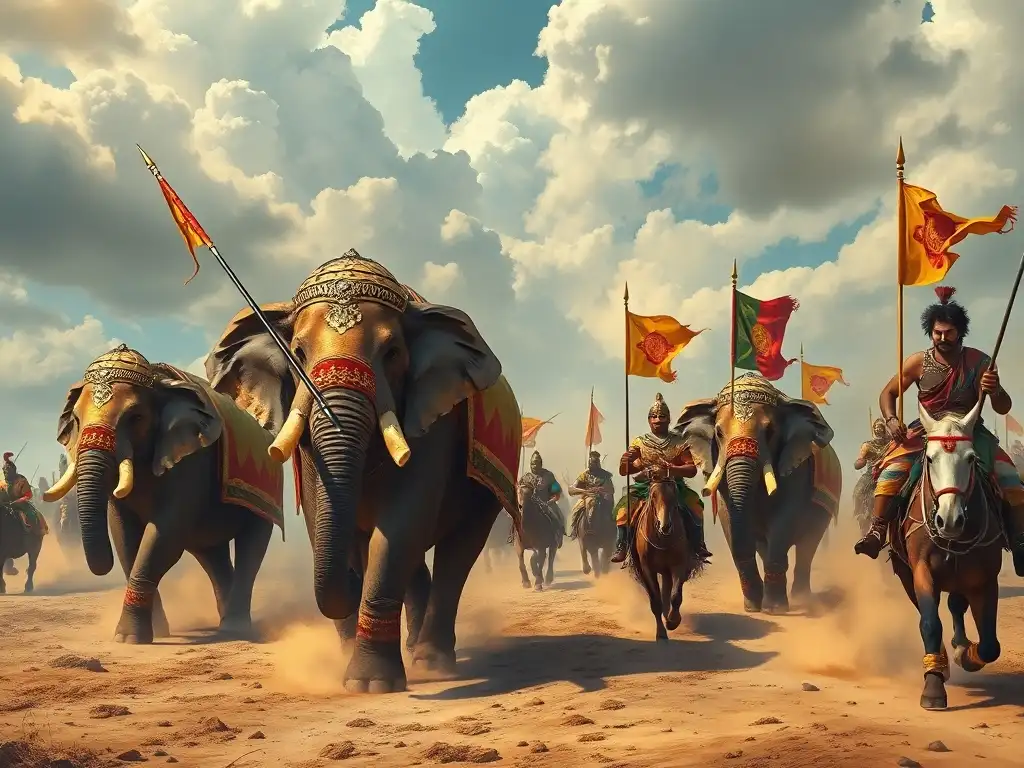
The utilization of animals in warfare is a phenomenon that transcends cultures and geographies. While ancient India famously employed war elephants, other civilizations also integrated various animals into their military strategies. This section aims to examine the roles of war animals across different cultures, focusing on both similarities and differences, thereby enriching our understanding of their significance in warfare.
War Animals in Ancient Civilizations: A Global Perspective
Across the globe, various ancient civilizations employed animals for combat. The most notable examples include:
- Elephants: Predominantly used in India and Southeast Asia, war elephants served as a symbol of power and were instrumental in breaking enemy lines.
- Horses: In cultures such as the Mongols and Romans, horses were crucial for cavalry units, providing speed and maneuverability.
- Camels: Utilized in desert warfare, particularly by the Arabs, camels offered endurance and the ability to traverse arid landscapes where other animals struggled.
- Dogs: Employed in various cultures, including the Greeks and Persians, dogs were used for tracking, guarding, and even direct combat.
The strategic use of these animals often depended on the terrain, climate, and combat style of the civilization. For instance, the vast steppes of Central Asia favored horse-mounted warriors, while the dense forests of India suited the mobility of war elephants.
Comparison of War Elephants and War Horses in Different Cultures
| Feature | War Elephants (Ancient India) | War Horses (Mongols & Romans) |
|---|---|---|
| Size & Strength | Large, intimidating, capable of trampling troops | Agile, fast, excellent for cavalry maneuvers |
| Tactics | Used to charge enemy formations, break lines | Flanking maneuvers, shock tactics |
| Training | Extensive training for coordination with soldiers | Training focused on speed and obedience |
| Psychological Impact | Instilled fear, often causing enemy panic | Created chaos in enemy ranks by outmaneuvering |
| Logistics | Required significant resources for upkeep | More versatile and easier to maintain |
War elephants were often adorned with armor and weapons, and their sheer presence could intimidate opponents. In contrast, war horses were prized for their speed and agility, allowing for rapid engagement and disengagement in battle.
Lessons from Ancient Indian Warfare: The Use of Animals in Combat
The incorporation of war animals in ancient Indian warfare offers valuable lessons still relevant today.
- Strategic Diversity: The combination of elephants, cavalry, and infantry provided a multi-faceted approach to combat. This diversity allowed commanders to adapt to various battle scenarios, demonstrating the importance of flexibility in military strategy.
- Logistical Considerations: The management of war animals required careful planning regarding feeding, training, and transportation. Ancient Indian armies developed sophisticated logistical systems to maintain their war animals, highlighting the necessity of support structures in military campaigns.
- Psychological Warfare: The impact of war animals extended beyond physical combat; they played a crucial role in psychological warfare. The sight of a massive war elephant could demoralize enemy troops before a battle even began, emphasizing the need for psychological tactics in warfare.
The study of war animals in ancient India not only illuminates their military significance but also provides insights into the broader context of warfare across civilizations. The lessons learned from their use can inform modern military strategies, emphasizing the importance of adaptability, logistics, and psychological tactics in achieving success on the battlefield.
Conclusion: The Legacy of War Animals in Ancient Indian History
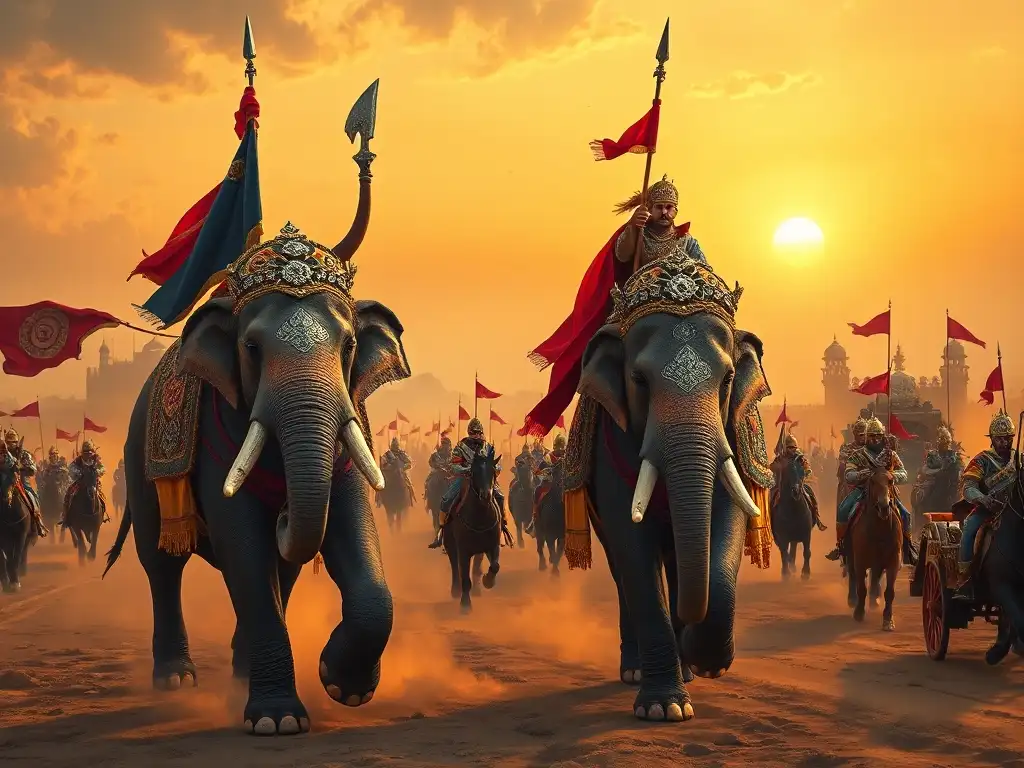
The legacy of war animals in ancient India is a testament to the ingenuity and tactical prowess of Indian military leaders throughout history. War animals, particularly elephants and horses, played a pivotal role in battles, influencing not only military outcomes but also the cultural and political landscape of the time. The strategic deployment of these animals showcased the importance of integrating natural strength with human ingenuity, leading to advancements in warfare tactics that were ahead of their time.
The Impact of War Animals on Military Strategies
War animals in ancient India revolutionized military strategies by enhancing mobility, strength, and psychological warfare. Elephants, for instance, were not only used for their brute force but also served as platforms for archers, effectively combining ranged and melee combat. Their towering presence on the battlefield instilled fear in enemies, often causing disarray before the battle even commenced.
- Mobility and Speed: Horses were essential for rapid troop movements, allowing armies to outmaneuver opponents. Chariots drawn by horses facilitated quick strikes and retreats, significantly impacting tactical decisions.
- Psychological Warfare: The sight of a massive war elephant charging into battle could demoralize enemy troops. This psychological advantage often tipped the scales in favor of the Indian armies, as fear could be as potent as physical strength.
- Diverse Roles: Different animals served varied functions—while elephants were used for shock tactics and heavy charges, horses provided speed and agility, allowing for effective flanking maneuvers. This diverse application of war animals led to innovative battlefield strategies that emphasized flexibility and adaptability.
Reflecting on the Role of War Animals in Shaping Ancient Indian Civilization
The role of war animals transcended mere military applications; they were emblematic of the rich cultural and societal values of ancient India. Elephants, revered for their intelligence and strength, were often associated with royalty and divinity. Their use in warfare not only reflected military capability but also cultural importance, linking the animal to the notions of power and prestige.
- Cultural Significance: The presence of war animals in royal processions and rituals underscored their significance in ancient Indian society. Texts from the period, including the Mahabharata, highlight the reverence for these animals, showcasing their integral role in both warfare and cultural identity.
- Economic Implications: The breeding, training, and maintenance of war animals constituted a significant aspect of the economy, involving specialized knowledge and practices. This created a system that supported not only the military but also various trades related to animal husbandry.
- Legacy in Art and Literature: War animals have been immortalized in ancient Indian art and literature, symbolizing strength and valor. They continue to inspire modern interpretations of ancient Indian civilization, emphasizing their lasting impact on cultural heritage.
The legacy of war animals in ancient Indian history is multifaceted, encompassing military innovations, cultural significance, and economic ramifications. The strategic integration of these powerful creatures into warfare not only defined battles but also shaped the very fabric of ancient Indian society. Their enduring influence is a reminder of the dynamic interplay between nature and human civilization in the annals of history.
Frequently Asked Questions
What role did war animals play in ancient Indian battles?
War animals, particularly elephants and horses, were crucial in ancient Indian warfare, serving as transportation, intimidation, and combat support.
How were elephants utilized in ancient Indian military strategies?
Elephants were used for their size and strength to break enemy lines, carry warriors, and create psychological impact on the battlefield.
What were the advantages of using chariots in warfare?
Chariots provided mobility, allowed for rapid troop movement, and offered a platform for archers and spearmen to attack from a distance.
Did ancient Indian civilizations have specific training for war animals?
Yes, there were dedicated training programs for war animals, focusing on obedience, combat techniques, and battlefield behavior to enhance their effectiveness.
How did the use of war animals influence the outcome of battles in ancient India?
The presence of war animals often determined the balance of power in battles, as they could sway the outcome by causing chaos among enemy ranks or providing tactical advantages.
Final Reflection: The Enduring Legacy of War Animals in Ancient India
The exploration of war animals in ancient India reveals not only their strategic significance in battles but also their profound cultural impact that resonates today. As we reflect on the intricate relationship between humans and animals in warfare, it becomes clear that these majestic creatures were not merely tools of war; they were symbols of power, loyalty, and bravery. The legacy of these war animals continues to shape our understanding of military history and the intricate dynamics of ancient societies.
The influence of war animals extends beyond the battlefield, permeating the cultural and social fabric of ancient India. These animals were revered not just for their strength but for their roles in rituals, art, and literature, embodying the spirit of the times. The stories of elephants charging into battle or chariots racing across the plains are not just tales of valor; they reflect the deep-seated respect and bond between humans and animals. The greatness of a nation and its moral progress can be judged by the way its animals are treated.
– Mahatma Gandhi. This quote resonates deeply as it highlights the ethical considerations surrounding our treatment of animals, a theme that echoes through history and remains relevant today.
As we conclude this exploration, I invite you to reflect on the lessons learned from the role of war animals in ancient India. Consider how these lessons can be applied to our contemporary world, where the relationship between humans and animals continues to evolve. Let us honor the legacy of these noble creatures by advocating for their welfare and recognizing their intrinsic value beyond their historical roles. Embrace the call to action: think about how you can contribute to a more compassionate world, where the stories of war animals inspire respect and empathy for all living beings.
Discover the Power of War Animals!
Thank you for taking the time to explore the fascinating role of war animals in ancient Indian battles. You've unraveled a captivating aspect of history that showcases the ingenuity and strategic prowess of our ancestors. Now, it’s time to take that knowledge and put it into action!
Here’s how you can dive deeper into this intriguing subject and share your insights with others:
- Start a conversation: Discuss the significant contributions of elephants and chariots in warfare on social media. Use the hashtag #AncientWarAnimals to connect with fellow history enthusiasts!
- Visit local museums or historical sites that feature exhibitions or artifacts related to ancient Indian warfare. Engaging with tangible history can deepen your understanding and appreciation.
- Explore more resources: Look for additional articles or books about ancient Indian military strategies, or consider joining a local history discussion group to enhance your knowledge.
What intrigues you most about the role of war animals in shaping battles and strategies? Share your thoughts in the comments below!