
The Art of War: Military Strategies of Ancient Indian Civilizations

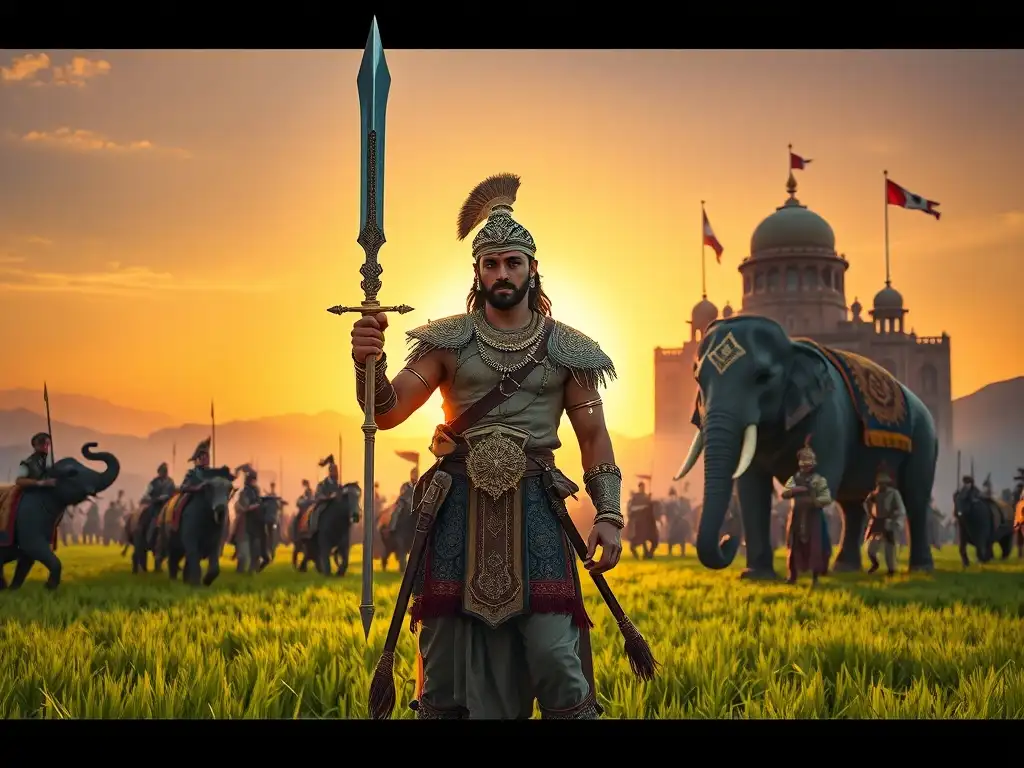
Welcome to Ancient India History, where we journey through the fascinating tapestry of one of the world's oldest civilizations. In our featured article, "The Art of War: Military Strategies of Ancient Indian Civilizations," we delve into the intricate and sophisticated military tactics that shaped the course of history from the Indus Valley to the Gupta Empire.
What innovative strategies did these ancient warriors employ, and how did they influence the world around them? Join us as we uncover the secrets of ancient Indian military prowess, igniting your curiosity and inspiring you to explore the rich legacy left behind by these remarkable civilizations.
Introduction to Ancient Indian Military Strategies
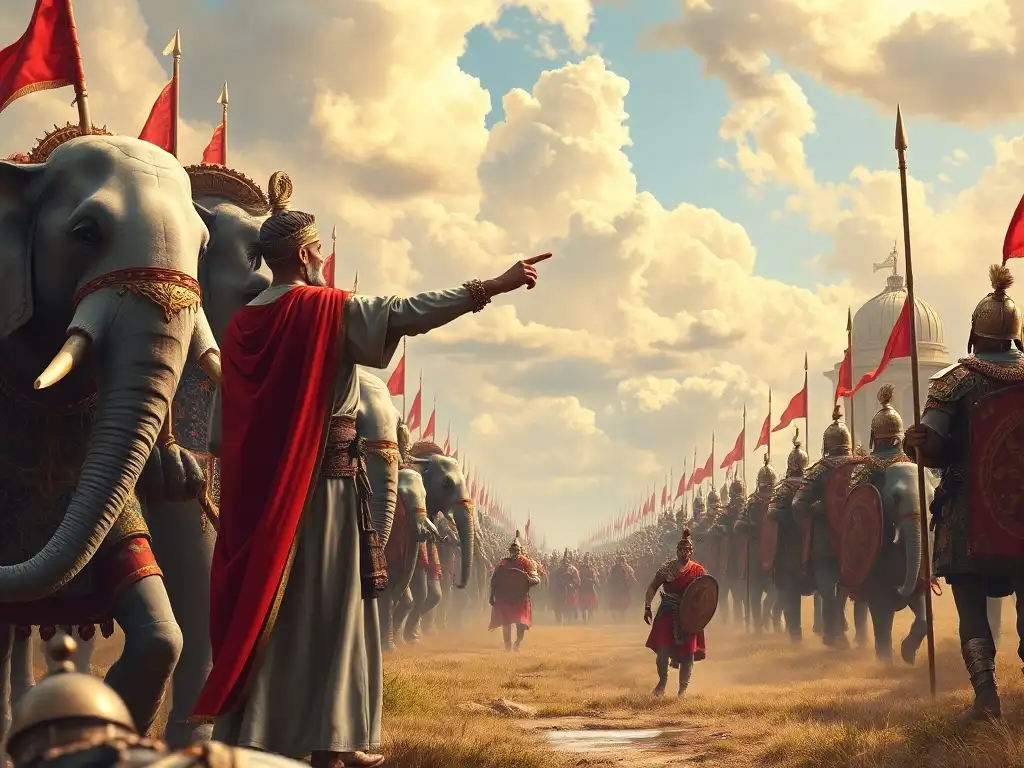
The military strategies of ancient Indian civilizations encapsulate a rich tapestry of techniques, philosophies, and cultural influences that shaped the subcontinent's historical trajectory. From the well-planned defenses of the Indus Valley Civilization to the sophisticated tactics employed during the Gupta Empire, ancient Indian military strategies are a testament to the ingenuity and adaptability of its peoples.
This exploration not only highlights the methods of warfare but also reflects the societal values, political structures, and technological advancements of the times. Understanding these strategies provides profound insights into how ancient Indian civilizations sustained their sovereignty and engaged with both internal and external challenges.
Overview of Ancient Indian Warfare
Ancient Indian warfare was characterized by its complexity and diversity, influenced by geographical, cultural, and technological factors. The subcontinent's vast terrains—from the formidable Himalayas to the extensive plains and dense forests—shaped various military approaches. Warfare was not solely about conquest; it was often a means of preserving dharma (righteousness) and maintaining social order. Notable military texts, such as the Arthashastra, attributed to Kautilya, provide a glimpse into the strategic thought processes of ancient Indian leaders, emphasizing the importance of espionage, diplomacy, and psychological warfare alongside direct confrontation.
Importance of Military Strategies in Ancient India
Military strategies in ancient India were crucial for several reasons:
- Defense of Territories: Protecting vast and diverse territories from invasions was a primary concern. Effective military strategies ensured the defense of borders and maintenance of peace within regions.
- Political Stability: Successful military campaigns were often linked to the consolidation of power by ruling dynasties, enhancing their legitimacy and control over their subjects.
- Cultural Identity: Warfare and military prowess contributed to the cultural identity of various kingdoms, fostering a sense of pride and unity among their populations.
- Technological Advancement: The need for effective warfare led to innovations in weapons, fortifications, and tactics, which had lasting impacts on subsequent generations.
Historical Context of Military Strategies in Ancient India
To fully appreciate the evolution of ancient Indian military strategies, it is essential to examine the historical context in which they developed. Each period brought forth unique challenges and responses that shaped the military landscape of the region.
The Indus Valley Civilization and Its Defense Mechanisms
The Indus Valley Civilization (circa 3300–1300 BCE) is renowned for its advanced urban planning and infrastructure. Archaeological findings suggest that its cities, such as Harappa and Mohenjo-Daro, were equipped with fortified walls and sophisticated drainage systems. These defensive mechanisms indicate a proactive approach to security, likely aimed at deterring invasions from rival tribes or neighboring regions. The emphasis on planning and organization during this period laid the groundwork for future military strategies.
Vedic Period: Formation of Warrior Classes
During the Vedic period (circa 1500–500 BCE), the emergence of the Kshatriya (warrior) class marked a significant shift in military organization. This era saw the codification of warfare principles in texts such as the Rigveda, which highlighted the valor and dharma of warriors. The establishment of clans and kingdoms led to more structured military formations, with an increasing reliance on cavalry and chariots in battles. Rituals and religious ceremonies began to intertwine with military practices, reinforcing the cultural significance of warfare.
Mauryan Empire: Consolidation of Military Power
The Mauryan Empire (circa 322–185 BCE) represented a pinnacle of military strategy and organization. Under the reign of Chandragupta Maurya and his grandson Ashoka, the empire expanded significantly. The Mauryan military employed a combination of infantry, cavalry, and war elephants, showcasing tactical versatility. Ashoka's campaigns, particularly the conquest of Kalinga, illustrated the devastating potential of military power, which ultimately influenced his later promotion of non-violence and dharma governance. The Arthashastra served as a critical guide for statecraft, emphasizing intelligence gathering, economic warfare, and the strategic use of alliances.
Gupta Empire: Innovations in Military Tactics
The Gupta Empire (circa 320–550 CE) is often regarded as a golden age of Indian culture and military innovation. This period saw the introduction of new tactics and technologies, including the use of archers and improved siege techniques. The Gupta rulers maintained a standing army and established a network of forts for defense. Warfare during this time was not only about expansion but also involved complex logistical planning to ensure the sustenance of troops during campaigns. The integration of diverse military units reflected a sophisticated understanding of strategy and adaptability to changing battle conditions.
The military strategies of ancient Indian civilizations were multifaceted and evolved significantly over time, influenced by changing socio-political landscapes and technological advancements. The examination of these strategies provides valuable insights into the resilience and ingenuity of ancient Indian societies in the face of challenges.
Key Ancient Indian Military Strategies
Ancient Indian military strategies were a blend of innovative tactics, comprehensive planning, and a deep understanding of the art of war. These strategies evolved over centuries, influenced by various factors such as geography, available resources, and the socio-political landscape. Military leaders and kings employed a wide array of techniques that not only emphasized direct confrontations but also incorporated psychological warfare and diplomacy.
Some of the most prominent strategies included the effective use of war elephants, chariots, and cavalry units, alongside well-organized infantry tactics and robust fortifications. This multifaceted approach allowed ancient Indian civilizations to respond adeptly to various challenges and adversaries.
Use of Elephants in Warfare
War elephants were a significant asset in ancient Indian military tactics. These majestic creatures served multiple roles on the battlefield, acting as both a psychological weapon and a physical force. The presence of elephants could instill fear in enemy troops, disrupting their formations and morale.
Moreover, elephants were equipped with armor and often carried archers or spearmen on their backs, allowing them to attack from a height. Historical battles, such as those fought by Chandragupta Maurya and later by Emperor Ashoka, demonstrated the effective deployment of war elephants in both offense and defense. Additionally, elephants were utilized to break enemy lines and create chaos, often leading to decisive victories.
Charioteers and Cavalry: The Backbone of Ancient Armies
Chariots and cavalry units formed the backbone of ancient Indian armies, providing speed and mobility during warfare. Chariots, typically drawn by horses, were used for rapid maneuvers and to execute hit-and-run tactics. Skilled charioteers could effectively navigate the battlefield, striking at vulnerable points in the enemy's formation.
Cavalry units, comprising mounted soldiers, complemented this strategy by allowing for quick flanking movements and pursuit of retreating foes. The importance of these mobile units is highlighted in texts like the Mahabharata, where chariot warfare plays a crucial role in the epic battles described. The combination of charioteers and cavalry enabled ancient Indian states to adapt to various combat scenarios, making them formidable opponents.
Infantry Tactics: Formation and Maneuvering
The infantry was crucial in ancient Indian warfare, and various formations and tactics were employed to maximize their effectiveness. Infantry units often fought in organized formations, such as the Vyuha (battle array), which allowed for coordinated attacks and defenses. Commanders would adapt their tactics based on the enemy's strengths and weaknesses, utilizing formations like the Chakra (wheel) or Kshatriya (warrior) formations.
Infantry soldiers were trained in various combat techniques, including archery, spear fighting, and hand-to-hand combat. The flexibility and discipline of infantry units, combined with effective communication and leadership, played a vital role in securing victories in numerous battles throughout ancient Indian history.
Fortifications and Defensive Strategies
Defensive strategies and fortifications were integral to the military architecture of ancient India. Cities and forts were often constructed on elevated ground or near strategic resources, making them difficult to besiege. The use of thick walls, moats, and intricate gate systems enhanced the defensive capabilities of these structures.
Rulers like the Mauryas and Guptas invested in fortifications to protect their territories from invasions. Additionally, various tactics, such as guerilla warfare and ambush strategies, were employed by smaller kingdoms and tribes to resist larger armies. This approach allowed them to leverage their knowledge of the local terrain and utilize surprise attacks effectively.
The Role of Geography in Ancient Indian Military Strategies
Geography played a critical role in shaping ancient Indian military strategies. The diverse landscapes, ranging from the Himalayas in the north to the Deccan plateau in the south, influenced military campaigns and the movement of troops. Understanding the geographical advantages and challenges allowed commanders to formulate strategies that capitalized on their environment. Rivers, mountains, and forests not only served as natural barriers but also as potential routes for ambushes and surprise attacks. The ability to navigate these geographical features was essential for successful military operations.
Terrain and Its Impact on Warfare
The varied terrain of ancient India significantly impacted warfare strategies. Different environments, such as rugged mountains, dense forests, and vast plains, required distinct approaches to battle. For instance, mountainous regions favored ambush tactics and guerrilla warfare, while open plains were conducive to large-scale cavalry charges and chariot warfare. Commanders had to assess the terrain before engaging in battle, often using it to their advantage to outmaneuver opponents. The strategic selection of battlefields based on terrain considerations was a hallmark of ancient Indian military planning, showcasing a deep understanding of the land and its implications for warfare.
Strategic Locations and Their Importance in Battles
Strategic locations played a pivotal role in ancient Indian military strategies. Control over key passes, river crossings, and trade routes was vital for both offensive and defensive operations. Major battles often took place at these strategic points, where armies could leverage their position to gain an advantage over their enemies.
Additionally, cities situated at crossroads or near resources were fortified to ensure control over the region. The significance of these locations is highlighted in various historical accounts, where the outcome of battles hinged on the ability to secure and defend these critical areas. Understanding and utilizing strategic locations allowed ancient Indian states to enhance their military effectiveness and sustain their power.
Notable Battles and Military Campaigns
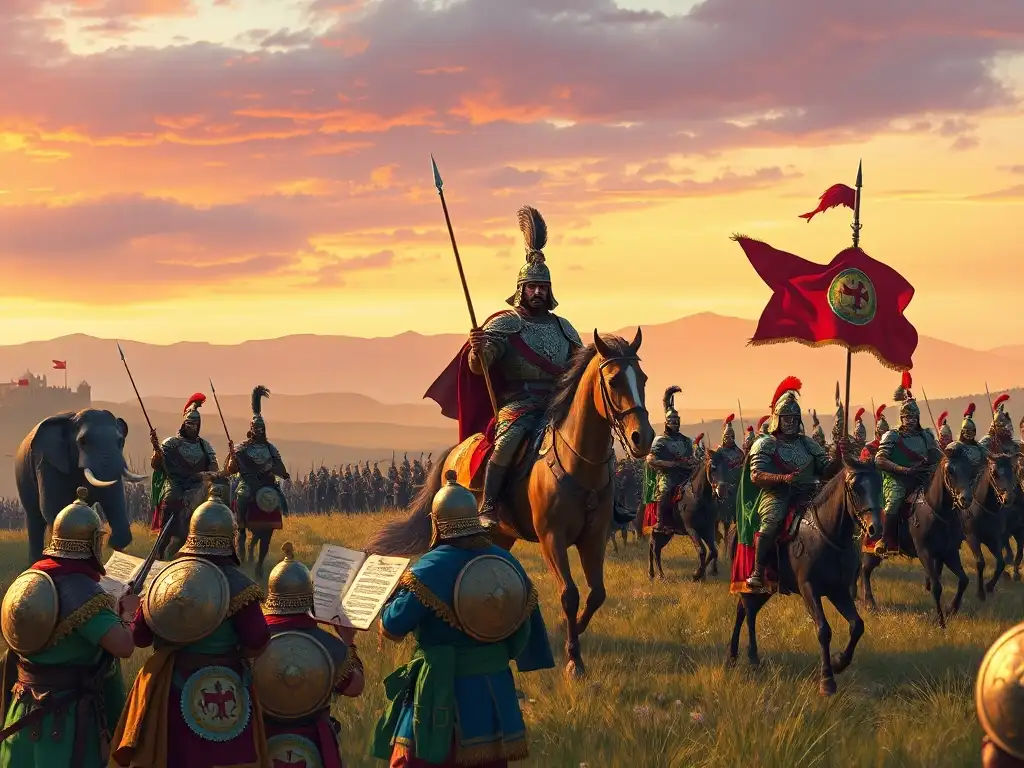
Ancient Indian military history is rich with notable battles and campaigns that shaped the trajectory of its civilizations. These encounters not only reflect the strategic prowess of ancient Indian leaders but also illustrate the intricate relationship between warfare, politics, and culture. From the fierce confrontations of the Mauryan Empire to the tactical brilliance of the Gupta period, ancient Indian military strategies were diverse and sophisticated. Key battles such as the Battle of Kalinga and the campaigns led by Chandragupta Maurya exemplify the evolution of military tactics and the philosophical underpinnings that guided them.
The Battle of Kalinga: A Turning Point in Mauryan Warfare
The Battle of Kalinga, fought in 261 BCE, stands out as one of the most significant military confrontations in ancient India. It marked a pivotal moment for the Mauryan Empire, led by Emperor Ashoka. The battle is notable not only for its scale but also for its profound impact on Ashoka's outlook towards warfare and governance.
- Background: Kalinga was a prosperous region on the eastern coast of India, known for its wealth and strategic importance. The conflict arose when Ashoka sought to expand his empire and bring Kalinga under Mauryan control.
- The Conflict: The battle was marked by intense violence, with estimates suggesting that over 100,000 soldiers and civilians lost their lives. The sheer brutality of the conflict left a lasting impression on Ashoka.
- Aftermath: Following the battle, Ashoka experienced a profound change of heart. He embraced Buddhism and renounced further conquests, focusing instead on spreading the principles of non-violence and dharma throughout his empire. The impact of Kalinga was not just military but also philosophical, leading to the promotion of ethical governance.
The Strategies of Chandragupta Maurya
Chandragupta Maurya, the founder of the Mauryan Empire, is celebrated for his military acumen and innovative strategies that laid the groundwork for one of the largest empires in ancient India.
- Guerrilla Warfare: Chandragupta employed guerrilla tactics, utilizing the element of surprise to ambush larger enemy forces. This strategy was particularly effective against the fragmented kingdoms of northern India.
- Alliances and Diplomacy: He skillfully forged alliances with local chieftains and states, strengthening his military position without always resorting to direct conflict. This approach allowed him to consolidate power and expand his influence.
- Integration of Forces: Chandragupta's military organization was notable for its integration of various units, including infantry, cavalry, and war elephants. This diverse army composition enabled him to adapt to different combat scenarios effectively.
- Role of Kautilya: His advisor, Kautilya (Chanakya), was instrumental in devising strategies and political maneuvers that complemented Chandragupta’s military efforts, culminating in the establishment of a centralized and formidable empire.
Gupta Military Campaigns: Expansion and Defense
The Gupta Empire, often referred to as a golden age of ancient India, saw significant military campaigns that contributed to its expansion and defense against external threats.
- Expansionist Strategies: Under rulers like Samudragupta, the Gupta Empire expanded significantly through a series of military campaigns. Samudragupta is known for his campaigns in northern India, where he subdued numerous kingdoms, effectively creating a vast empire.
- Defensive Tactics: The Guptas also focused on fortifications and creating a robust defensive network to protect their empire from invasions. Strategic locations were fortified, and the use of local militias helped in defending against potential threats.
- Diplomatic Engagements: The Gupta rulers frequently engaged in diplomacy, employing marriage alliances and treaties to secure peace with neighboring states, thus reducing the need for prolonged military engagements.
- Cultural Integration: Military campaigns during the Gupta period were often accompanied by cultural integration, with conquered regions adopting Gupta practices in governance, art, and religion, further solidifying the empire's influence.
Philosophical and Ethical Aspects of Ancient Indian Warfare
The approach to warfare in ancient India was deeply intertwined with philosophical and ethical considerations. The concept of dharma and the writings of strategists like Kautilya provided a moral framework for military conduct.
The Concept of Dharma in Warfare
Dharma, often translated as duty or righteousness, played a crucial role in shaping the ethical framework of warfare in ancient India.
- Moral Imperatives: Warriors were expected to uphold dharma, which dictated that they engage in battle for just causes, such as defending their land, protecting the weak, and restoring order. Engaging in warfare for personal gain was frowned upon.
- Warrior Codes: The Kshatriya class, responsible for warfare, adhered to a code that emphasized honor, valor, and loyalty. This code influenced the conduct of battles, ensuring that warfare was approached with a sense of duty rather than mere aggression.
- Consequences of Warfare: The philosophical discourse surrounding dharma also encompassed the consequences of war, encouraging leaders to consider the impact of their actions on society and the environment.
Treatises on War: Arthashastra by Kautilya
The Arthashastra, authored by Kautilya, is a seminal text that offers profound insights into the military strategies and political philosophies of ancient India.
- Comprehensive Strategy: Kautilya’s work covers various aspects of warfare, including strategy, espionage, and the importance of intelligence in military campaigns. It emphasizes the need for thorough planning and adaptability in the face of changing circumstances.
- Realpolitik: The Arthashastra advocates for a pragmatic approach to governance and warfare, encouraging rulers to prioritize statecraft and the welfare of the state over moral considerations. This realist perspective was groundbreaking in the context of ancient Indian thought.
- Military Organization: Kautilya provided detailed guidelines on organizing an army, including the roles of different units and the importance of maintaining discipline and morale among troops.
- Long-term Vision: The treatise emphasizes the significance of long-term strategies in warfare, advocating for a balance between military might and diplomatic engagement to achieve sustainable peace and security.
Ancient Indian military strategies were characterized by notable battles, philosophical considerations, and profound tactical insights that have left a lasting legacy on military thought and practice.
Conclusion: The Legacy of Ancient Indian Military Strategies
The legacy of ancient Indian military strategies is profound and multifaceted, reflecting the complexities of warfare in the subcontinent. These strategies were not merely about brute force; they encompassed a rich tapestry of tactics, philosophies, and ethical considerations. From the meticulous planning seen in the Arthashastra to the innovative formations employed by various dynasties, ancient Indian military thought emphasized adaptability, intelligence, and the importance of understanding the terrain and enemy.
The strategic insights gained from ancient Indian warfare continue to resonate today. Modern military leaders and scholars frequently reference these methods, recognizing their relevance in contemporary contexts. The emphasis on psychological warfare, espionage, and the use of terrain remains significant in modern military doctrines worldwide. Thus, the principles derived from ancient Indian military strategies have carved a niche in both historical scholarship and practical military applications.
Influence on Subsequent Indian Warfare
The influence of ancient Indian military strategies can be traced through successive empires and kingdoms that followed. The Mauryan Empire, with its centralized military organization, adopted and adapted strategies from prior civilizations, blending them with indigenous practices. The Gupta Empire, known for its cultural and scientific advancements, also prioritized military prowess, utilizing strategies that drew from earlier texts like the Arthashastra.
As India transitioned through the medieval period, these foundational strategies informed the tactics used by regional powers such as the Rajputs and the Mughal Empire. The Mughals, in particular, integrated elements of Persian and Central Asian warfare with indigenous strategies, showcasing the adaptability of ancient Indian military thought. This synthesis of strategies contributed significantly to the effectiveness of their military campaigns, illustrating the enduring legacy of ancient Indian approaches to warfare.
Contributions to Global Military Strategy
Ancient Indian military strategies have made noteworthy contributions to global military thought. Texts such as the Arthashastra by Kautilya (Chanakya) introduced concepts of statecraft, diplomacy, and strategic warfare that have transcended geographical boundaries. The treatise's insights on deception, intelligence gathering, and the importance of economic stability in supporting military endeavors have influenced military theorists worldwide.
Additionally, the principles of warfare articulated in ancient Indian texts resonate with modern strategic frameworks. Concepts such as the use of terrain, the importance of morale, and the integration of various forms of warfare (land, naval, and aerial) are echoed in military doctrines across the globe. As a result, the strategic innovations of ancient India have become a critical component of the broader narrative of military history.
Further Reading on Ancient Indian Military History
For those interested in delving deeper into the military history of ancient India, an array of scholarly resources is available that highlight the strategies, battles, and contributions of this rich historical tapestry.
Recommended Books and Resources
- The Arthashastra by Kautilya - A classic text detailing statecraft, military strategy, and economics.
- Warfare in Ancient India by K. R. Qanungo - A thorough examination of military practices and strategies in ancient Indian warfare.
- Ancient Indian Warfare: History and Historiography: by Ashok Kumar - This book explores various historical accounts and interpretations of ancient Indian military strategies.
- The Art of War by Sun Tzu (translated by various authors) - While not Indian, this foundational text complements understanding of military strategies and can be compared with Indian approaches.
- Indian Military History by various authors - An anthology that covers various aspects of military history throughout different periods in India.
Notable Scholars and Historians in the Field
- Ramesh Chandra Sharma - Renowned for his research on ancient Indian military systems.
- Romila Thapar - A prominent historian whose works often touch upon aspects of warfare in ancient India.
- K. M. Panikkar - A historian known for his extensive writings on Indian history, including military strategies.
- A. V. Narasimha Rao - Noted for his contributions to understanding ancient Indian warfare and its implications.
- B. R. Ambedkar - While primarily known for his work in social reform, his writings also provide insights into the military and political structures of ancient India.
These resources and scholars offer a wealth of information for anyone seeking to understand the intricate and sophisticated military strategies that characterized ancient Indian civilizations.
- Introduction to Ancient Indian Military Strategies
- Historical Context of Military Strategies in Ancient India
- Key Ancient Indian Military Strategies
- The Role of Geography in Ancient Indian Military Strategies
- Notable Battles and Military Campaigns
- Philosophical and Ethical Aspects of Ancient Indian Warfare
- Conclusion: The Legacy of Ancient Indian Military Strategies
- Further Reading on Ancient Indian Military History
- What were the main military strategies of ancient Indian civilizations?
- How did geography influence ancient Indian military strategies?
- What role did warfare play in the political landscape of ancient India?
- Can you name some ancient Indian texts that discuss military strategies?
- How did ancient Indian military strategies evolve over time?
Frequently Asked Questions
What were the main military strategies of ancient Indian civilizations?
Ancient Indian civilizations employed diverse military strategies, including guerrilla tactics, phalanx formations, and the use of war elephants to gain advantages in battles.
How did geography influence ancient Indian military strategies?
The geographical diversity of India, including mountains and rivers, shaped military strategies by necessitating adaptation to terrain and the development of fortified positions for defense.
What role did warfare play in the political landscape of ancient India?
Warfare was crucial in establishing and expanding empires, as it allowed rulers to conquer territories, gain resources, and assert dominance over rival states.
Can you name some ancient Indian texts that discuss military strategies?
Key texts like the Arthashastra by Kautilya and Mahabharata contain extensive discussions on military tactics, statecraft, and the philosophy of warfare.
How did ancient Indian military strategies evolve over time?
Military strategies evolved from the Indus Valley civilization through the Maurya and Gupta empires, adapting to new technologies, changing warfare dynamics, and foreign invasions.
Final Reflection: The Enduring Legacy of Ancient Indian Military Strategies
The exploration of ancient Indian military strategies reveals not only the tactical brilliance of past civilizations but also their profound relevance in today's world. As we navigate complex geopolitical landscapes, the wisdom embedded in these strategies serves as a reminder that understanding the art of conflict is crucial for peace and stability. The lessons from ancient battles resonate with modern military and diplomatic strategies, emphasizing that knowledge and adaptability are timeless virtues.
The impact of these ancient military strategies extends far beyond the battlefield; they have shaped cultural narratives and influenced contemporary thought. From the intricate formations of the Kauravas and Pandavas to the philosophical underpinnings of Sun Tzu's teachings, the legacy of these strategies continues to inspire military leaders and strategists alike. In the midst of chaos, there is also opportunity.
This quote encapsulates the essence of ancient Indian military wisdom, urging us to find clarity and purpose even in tumultuous times.
As we reflect on the teachings of the past, let us carry forward the lessons learned from ancient Indian military strategies into our daily lives. Consider how the principles of strategy, adaptability, and foresight can be applied to your personal and professional challenges. Embrace the opportunity to cultivate a mindset that values wisdom and preparation, ensuring that you are equipped to navigate the complexities of the future with confidence and resilience.
Unveil the Wisdom of Ancient Strategies
Thank you for diving into the intriguing world of ancient Indian military strategies! You've uncovered valuable insights into the brilliance of these timeless techniques. Now, let’s take your engagement with this rich history to the next level.
Here’s how you can deepen your understanding and share the wisdom of these strategies:
- Explore further by reading about other influential military leaders in ancient India and their unique tactics.
- Join the conversation by sharing your thoughts on which ancient strategy resonates with you the most!
- Share this article with friends and fellow history enthusiasts to foster a community that appreciates the depth of ancient wisdom.
What aspect of ancient Indian military strategies do you think could be applied to modern challenges? Let’s discuss!