
The Fall of Empires: Analyzing the Role of Warfare in Ancient Indian History

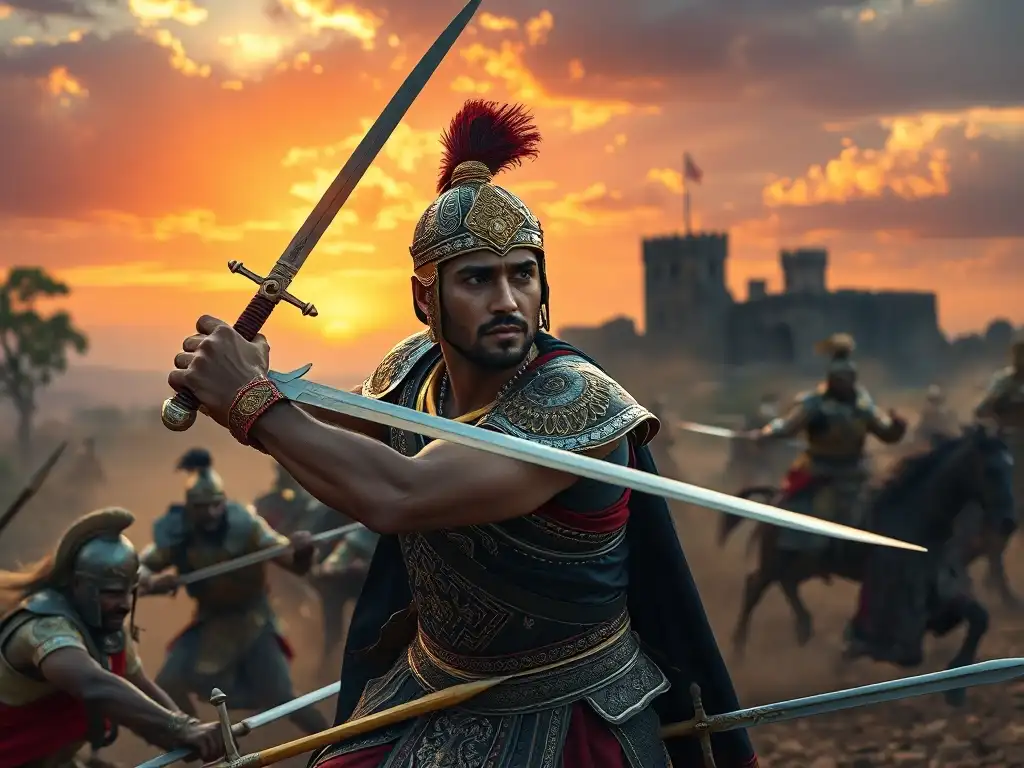
Welcome to Ancient India History, where we embark on a captivating journey through the rich tapestry of India’s past. Here, we delve deep into the fascinating world of Warfare in Ancient Indian Civilizations, uncovering how conflicts shaped the very foundations of society from the Indus Valley to the Gupta Empire. In our featured article, "The Fall of Empires: Analyzing the Role of Warfare in Ancient Indian History," we unravel the intricate dynamics of military strategy, cultural impact, and the rise and decline of great empires.
Are you ready to discover how the echoes of ancient battles continue to resonate in our understanding of history? Join us as we explore the complexities of warfare that forged a legacy still felt today!
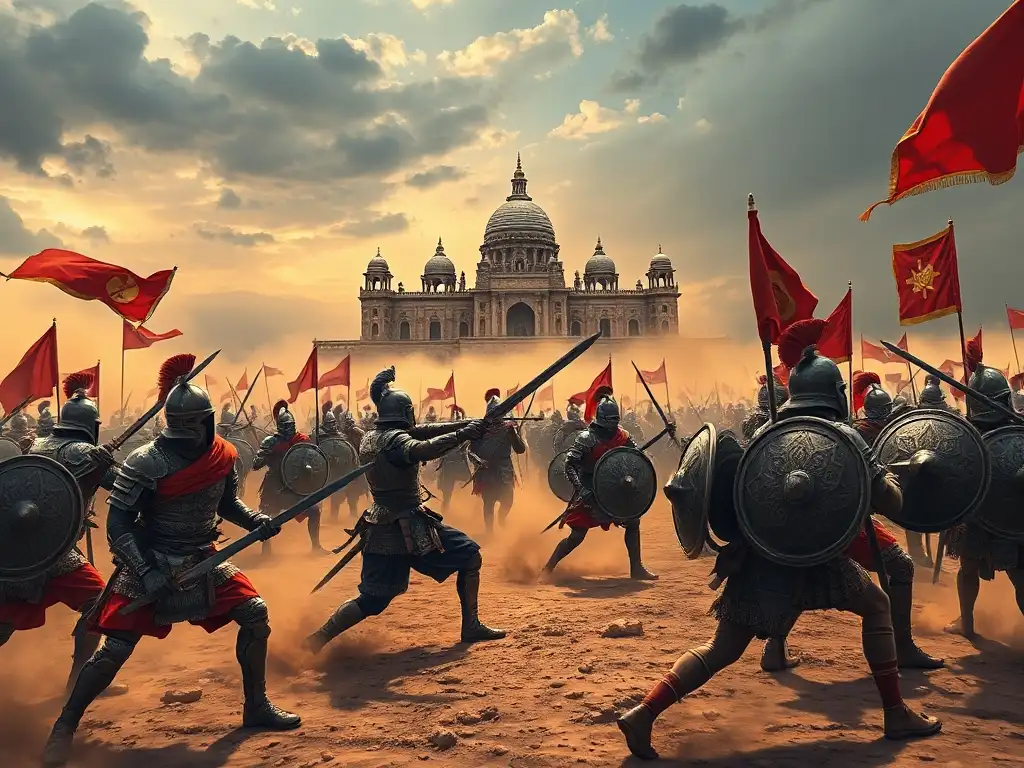
Warfare has played a pivotal role in shaping the trajectory of ancient Indian civilizations, influencing not only the rise and fall of empires but also the cultural and social nuances that define this vast subcontinent's history. From the meticulously planned military campaigns of the Indus Valley Civilization to the strategic conquests of the Maurya and Gupta Empires, the impact of warfare is profound and multifaceted.
As we dive into the intricate tapestry of ancient Indian warfare, we uncover how military strategies and conflicts were instrumental in both the preservation and dissolution of powerful states. This exploration aims to dissect the complexities of warfare in ancient Indian civilizations, providing insights into its causes, consequences, and the lessons learned from these historical narratives.
Introduction to Warfare in Ancient Indian Civilizations
Warfare in ancient Indian civilizations was not merely a matter of physical confrontation; it was deeply intertwined with the socio-political fabric, religious beliefs, and economic conditions of the time. The evolution of military tactics and weaponry mirrored advancements in technology and societal organization. Understanding the historical context of warfare allows us to appreciate how these factors contributed to the dynamics of power and governance in ancient India.
The Historical Context of Warfare in Ancient India
Warfare in ancient India cannot be viewed in isolation; it is essential to consider the broader historical context that shaped military practices and strategies. Various ancient civilizations, each with distinctive cultural characteristics, approached warfare in unique ways that reflected their values and priorities.
Early Civilizations and Military Strategies
The roots of warfare can be traced back to the early civilizations of India, such as the Indus Valley Civilization (c. 3300–1300 BCE). Although evidence of organized military structures is sparse, archaeological findings suggest the existence of fortified cities and strategic locations, indicating a need for defense against potential threats. The military strategies during this period were likely based on:
- Defensive Tactics: Construction of fortified walls and strategic placement of settlements to deter invasions.
- Resource Control: Control over trade routes and access to water resources often dictated military engagements.
The subsequent rise of kingdoms and empires saw the evolution of more sophisticated military strategies, incorporating cavalry, infantry, and chariots.
Major Empires and Their Militaristic Approaches
As ancient Indian history progressed, major empires like the Maurya (c. 322–185 BCE) and Gupta (c. 240–550 CE) showcased the significance of warfare in their expansion and consolidation efforts. Their militaristic approaches included:
- Centralized Military Command: The Mauryan Empire is noted for its organized military structure, which included a standing army and a network of spies.
- Coalitions and Alliances: Both empires often formed strategic alliances with neighboring states to strengthen their military might and deter adversaries.
- Technological Advancements: The introduction of iron weapons and war elephants revolutionized warfare, providing significant advantages in battles.
These militaristic strategies were not only crucial for territorial expansion but also played a vital role in the cultural exchanges and diplomatic relations that characterized ancient India's rich history. Understanding these elements provides a deeper insight into how warfare shaped the civilizations within this region, influencing their legacies in profound ways.
Warfare as a Catalyst for Change
Warfare has played a pivotal role in shaping the trajectory of ancient Indian civilizations. It served not only as a means of territorial expansion but also as a significant catalyst for political, social, and cultural transformations. The relentless nature of conflicts often led to the rise and fall of empires, altering the fabric of society and governance. As various dynasties engaged in warfare, they were compelled to innovate in military strategy and organization, leading to advanced tactical frameworks that would influence future generations.
Moreover, warfare prompted shifts in societal structures. The emergence of warrior classes, such as the Kshatriyas, underscored the importance of martial prowess and nobility. This transformation was further amplified by the need for resources, which often drove empires to conquest, leading to the assimilation of diverse cultures and practices. Thus, while warfare resulted in destruction, it paradoxically fostered cultural exchanges and the evolution of societal norms.
Internal Conflicts and Power Struggles
Internal conflicts in ancient India often stemmed from power struggles among regional rulers, leading to fragmentation within empires. The Maurya Empire, for instance, faced significant challenges due to the ambitions of local chieftains and rival factions. The succession crises following the reign of Ashoka led to weakened central authority and civil strife. These internal disputes not only drained resources but also created opportunities for external enemies to exploit the disunity.
The rise of the Rajput clans during the medieval period exemplifies how internal rivalries could culminate in warfare. As different clans vied for supremacy, their conflicts often escalated into larger battles, affecting the political landscape of northern India. Such power struggles contributed to the eventual decline of powerful dynasties, demonstrating that internal warfare could be as destabilizing as external threats.
External Invasions and Their Impact
External invasions have significantly influenced the course of ancient Indian history. The incursions of the Indo-Greeks, Scythians, and later the Huns disrupted established political systems and led to the fragmentation of empires. For example, the invasion of Alexander the Great in the 4th century BCE not only challenged the Mauryan Empire but also introduced new military tactics and cultural exchanges that would have lasting effects.
The impact of external invasions often resulted in the amalgamation of diverse cultures and the introduction of new technologies. The subsequent establishment of the Kushan Empire showcased how invaders could adapt and integrate into the existing socio-political framework, benefiting from the rich traditions of Indian civilization. However, these invasions also led to significant destruction and loss of life, shaping the resilience of Indian societies in the face of adversity.
The Evolution of Military Tactics and Technology
The evolution of military tactics and technology in ancient India reflects the dynamic nature of warfare throughout its history. As various empires expanded their territories, they continuously adapted their strategies to respond to both internal and external challenges. The introduction of organized infantry, cavalry, and chariot warfare marked significant advancements in military organization.
Furthermore, the development of fortifications and defensive structures became increasingly sophisticated. The strategic use of geographical features, such as rivers and mountains, played a crucial role in warfare, influencing the outcomes of battles. This evolution not only improved military effectiveness but also showcased the ingenuity of ancient Indian military leaders in overcoming challenges.
Weaponry and Warfare Techniques in Ancient India
Ancient Indian warfare was characterized by a diverse array of weaponry and techniques. Archery was a prominent aspect, with the bow and arrow being central to both individual and collective combat strategies. The use of swords, spears, and axes further diversified the arsenal available to warriors. Notably, the Kshatriya class was trained in various combat techniques, emphasizing skills that could be employed in different terrains and situations.
Siege warfare also developed as a critical component of military strategy, with techniques for breaching fortified cities becoming increasingly advanced. The incorporation of elephants into battle formations provided a unique tactical advantage, allowing armies to intimidate and disrupt enemy lines. This rich tapestry of weaponry and techniques illustrates the complexity of warfare in ancient India and its capacity for innovation.
Strategic Alliances and Diplomacy
In addition to direct military engagements, strategic alliances and diplomacy played a crucial role in shaping warfare in ancient India. Rulers often sought to forge alliances with neighboring states to strengthen their positions or counter external threats. The Mauryan Empire, for instance, utilized diplomacy effectively to consolidate power and expand its influence without resorting solely to military might.
The concept of Rajput marriages, where royal families intermarried to secure alliances, exemplifies the role of diplomacy in maintaining peace and mitigating conflicts. Such strategies allowed for a balance of power and often resulted in cooperative military campaigns against common foes. The interplay between warfare and diplomacy not only influenced the political landscape of ancient India but also highlighted the importance of strategic foresight in navigating the complexities of ancient conflicts.
The Consequences of Warfare on Ancient Indian Empires
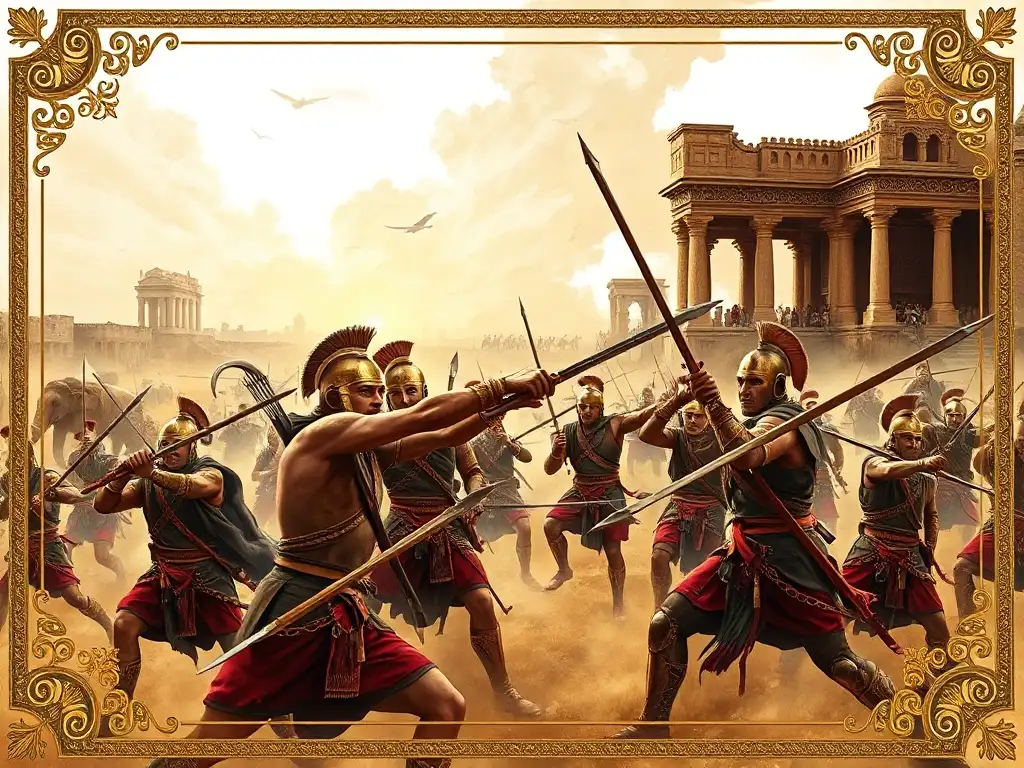
Warfare has played a pivotal role in shaping the trajectories of ancient Indian empires, influencing not only their rise but also their eventual decline. The consequences of warfare extend far beyond the battlefield, affecting the social, economic, and political fabric of these civilizations. The intense conflicts, both internal and external, often dictated the fate of empires, leading to significant transformations that resonated throughout history.
The dynamics of warfare led to shifts in power, territorial acquisitions, and, unfortunately, the destruction of cultural and architectural legacies. As empires engaged in constant military campaigns, the consequences of these conflicts rippled through their societies, altering their course and leaving an indelible mark on their history. Understanding these consequences is essential to grasp the complex interplay between warfare and the fate of ancient Indian civilizations.
Social and Economic Effects of Warfare
Warfare in ancient India had profound social and economic repercussions. On the social front, continuous conflicts often led to the displacement of populations, as communities were uprooted and forced to flee from war-torn regions. This displacement not only shattered social structures but also introduced new cultural dynamics as refugees settled in different areas, leading to a blend of traditions and practices.
Economically, warfare strained resources and diverted attention from agricultural and trade activities. The need to fund military campaigns often resulted in increased taxation, burdening the populace. Additionally, the destruction of infrastructure during battles hampered trade routes and agricultural productivity, leading to famine and economic instability.
The caste system also experienced changes due to warfare; warriors gained prominence while some traditional roles diminished, contributing to a shift in societal hierarchies. Moreover, the aftermath of conflicts often saw the rise of new power structures, as victors imposed their authority and redistributed land, further altering the social landscape.
The Decline of Major Empires Due to Warfare
Several prominent empires in ancient India faced decline largely due to the repercussions of warfare. The Maurya Empire, for example, which experienced significant territorial expansion under Chandragupta Maurya and his grandson Ashoka, eventually faced challenges from internal strife and external invasions. The empire's military campaigns, while initially successful, drained resources and led to a lack of cohesion among its vast territories.
Similarly, the Gupta Empire, known for its golden age of culture and science, began to wane in the face of relentless invasions by the Huns. The internal conflicts and the inability to maintain a unified military front weakened the Gupta's hold over its territories, leading to fragmentation and decline.
The Chola Empire, despite its naval prowess and military conquests, also faced difficulties due to overextension and the challenges of governing distant territories. Warfare not only exhausted their resources but also made them susceptible to rebellions and rival kingdoms, ultimately contributing to their decline.
Conclusion: The Legacy of Warfare in Ancient Indian Civilizations
The legacy of warfare in ancient Indian civilizations is multifaceted, encapsulating both destruction and transformation. While conflicts led to the downfall of mighty empires, they also paved the way for new political entities and cultural exchanges. The influences of warfare are evident in the subsequent societal structures, economic practices, and cultural developments that emerged from the ashes of conflict.
In examining the role of warfare in ancient Indian history, it is crucial to recognize its dual nature: as a force of ruin and a catalyst for change. The lessons learned from these historical conflicts continue to resonate, reminding us of the delicate balance between power and peace. Ultimately, the legacy of warfare shapes our understanding of ancient Indian civilizations, offering insights into their resilience and adaptability in the face of adversity.
Further Reading on Warfare in Ancient Indian Civilizations
To deepen your understanding of warfare in ancient Indian civilizations, a multitude of resources are available that explore various aspects, including military strategies, weapons, and the socio-political impacts of warfare. Here are some recommended readings:
- Books:
- "Warfare in Ancient India" by A. K. Sharma: This book provides a comprehensive analysis of military tactics and the evolution of warfare from the Indus Valley Civilization through to the Gupta Empire. It examines not just the battles but also the military organization and technology of the time.
- "The Art of War in Ancient India" by R. C. Gupta: As a detailed exploration of ancient Indian military texts, this book discusses prominent treatises such as the Arthashastra by Kautilya, providing insights into the strategies and philosophies that shaped Indian warfare.
- "Military History of Ancient India" by R. S. Sharma: This work offers a chronological overview of significant military events and campaigns in ancient India, along with an analysis of their consequences on the political landscape.
- Journals and Articles:
- Journal of Military History: This academic journal often features articles on ancient warfare, including studies focused on Indian civilizations. Searching its archives can yield valuable insights.
- "Battles of the Ancient Indian Subcontinent": Look for articles that detail specific battles, such as the Battle of the Hydaspes, to understand strategic decisions and their impacts on the respective empires.
- Online Resources and Databases:
- Digital Library of India: This extensive repository includes a variety of texts and manuscripts relating to ancient Indian warfare, allowing for a deeper exploration of historical documents.
- Google Scholar: Searching for "Warfare in Ancient Indian Civilizations" will provide access to a range of scholarly articles, theses, and books that can enhance your understanding of the subject.
- Documentaries and Lectures:
- YouTube Channels: Channels dedicated to history often feature documentaries on ancient Indian civilizations that include sections on warfare. Look for series that cover the Mauryan and Gupta empires specifically.
- Coursera and edX: These platforms sometimes offer courses on ancient history that include modules on warfare in ancient India, providing structured learning from experts in the field.
By engaging with these resources, you will gain a richer perspective on the complexities of warfare in ancient Indian civilizations and its role in shaping their histories.
- Introduction to Warfare in Ancient Indian Civilizations
- The Historical Context of Warfare in Ancient India
- Warfare as a Catalyst for Change
- The Evolution of Military Tactics and Technology
- The Consequences of Warfare on Ancient Indian Empires
- Conclusion: The Legacy of Warfare in Ancient Indian Civilizations
- Further Reading on Warfare in Ancient Indian Civilizations
- What role did warfare play in the rise and fall of ancient Indian empires?
- How did ancient Indian warfare differ from other civilizations?
- What were the main weapons used in ancient Indian warfare?
- How did the geography of India influence its warfare strategies?
- What lessons can modern societies learn from ancient Indian warfare?
Frequently Asked Questions
What role did warfare play in the rise and fall of ancient Indian empires?
Warfare was crucial in shaping the boundaries and power dynamics of ancient Indian civilizations. Empires like the Maurya and Gupta often expanded through military conquests, leading to both prosperity and eventual decline.
How did ancient Indian warfare differ from other civilizations?
Ancient Indian warfare was characterized by a blend of strategy, diplomacy, and cultural values. Unlike some contemporaries, Indian states often sought alliances and negotiations alongside direct military action.
What were the main weapons used in ancient Indian warfare?
Ancient Indian warriors utilized a variety of weapons, including bows, swords, and chariots. The kshatriya class was particularly trained in the martial arts, emphasizing both skill and valor in battle.
How did the geography of India influence its warfare strategies?
The diverse geography of India, with its mountains, rivers, and plains, played a significant role in determining military tactics. Different terrains required unique strategies, affecting how battles were fought and won.
What lessons can modern societies learn from ancient Indian warfare?
Ancient Indian warfare highlights the importance of strategic planning, the value of diplomacy, and the need for cultural cohesion in times of conflict. These lessons remain relevant in contemporary international relations and conflict resolution.
Final Reflection: The Enduring Legacy of Warfare in Ancient Indian Civilizations
The intricate relationship between warfare and the rise and fall of empires in ancient India remains profoundly relevant today. As we navigate a world still shaped by conflict and power dynamics, understanding how warfare influenced the trajectory of civilizations can provide critical insights into contemporary geopolitical landscapes. The lessons learned from the past remind us that the echoes of history resonate in our present, urging us to reflect on the cyclical nature of conflict and its impact on society.
The role of warfare in shaping not only the political boundaries but also the cultural identities of ancient Indian civilizations is undeniable. The strategies, alliances, and conflicts of the past have left an indelible mark on the social fabric of modern India. As we examine these historical narratives, we recognize that they continue to influence contemporary discussions about national identity and cultural heritage. History is a vast early warning system.
— Norman Cousins. This quote encapsulates the essence of our exploration, reminding us that understanding our past equips us to face the future with greater wisdom.
As we conclude this exploration of warfare in ancient Indian civilizations, I invite you to reflect on the lessons embedded in these historical accounts. Consider how the themes of conflict, resilience, and transformation can inform your own life and choices. Whether in personal relationships, community engagements, or broader societal issues, the ability to learn from history empowers us to forge a path toward peace and understanding. Let us carry forward the lessons of the past, ensuring that the legacy of ancient empires inspires us to build a more harmonious future.
Unveil the Lessons of History Today!
Thank you for diving into the compelling world of ancient Indian history with us! We hope this exploration of the fall of empires has sparked your curiosity and provided valuable insights into the profound impact of warfare on civilization. Now, it's time to take that knowledge further.
Here are some ways to engage with the rich tapestry of history you've just uncovered:
- Connect with fellow history enthusiasts: Join our forum to share your thoughts and interpretations about the role of warfare in shaping empires. Your insights can inspire meaningful discussions!
- Delve deeper: Explore our curated reading list on ancient warfare and political strategies; you'll discover captivating stories that shaped India’s illustrious past!
- Spread the knowledge: Share this article with friends or on social media to spark interest in the intricate complexities of ancient civilizations. Every share helps to expand the community of history lovers!
What aspect of ancient warfare do you believe had the most significant impact on the rise or fall of empires? Your thoughts could ignite valuable discussions!