
The Cultural Significance of Warfare in Ancient India

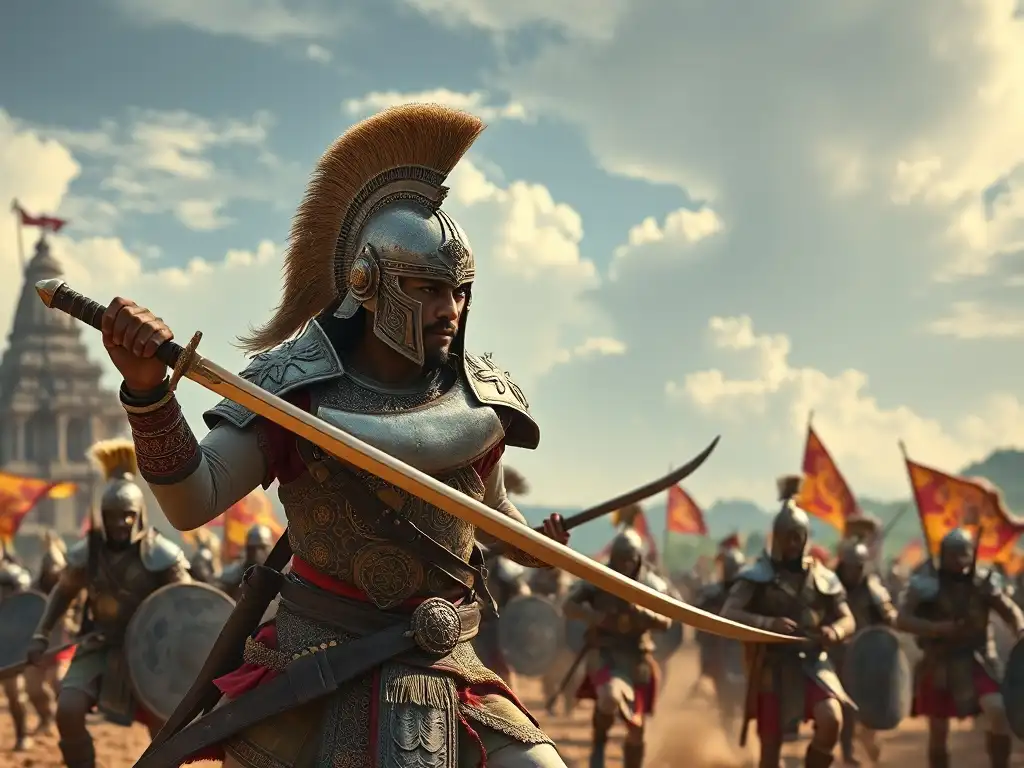
Welcome to Ancient India History, your gateway to uncovering the rich tapestry of one of the world's oldest civilizations. As we delve into our featured article, "The Cultural Significance of Warfare in Ancient India," prepare to explore how ancient conflicts shaped not just military tactics, but the very fabric of society, art, and philosophy in this vibrant era. What drove the warriors of the Indus Valley and the valiant kings of the Gupta Empire?
Join us on this journey to reveal the profound influence of warfare on culture, and discover why understanding this aspect of history is crucial for appreciating the legacy of ancient India. The past is waiting—are you ready to dive in?
- Introduction to the Cultural Significance of Ancient Indian Warfare
- Historical Context of Warfare in Ancient India
- The Role of Warfare in Shaping Ancient Indian Society
- Cultural Expressions of Warfare in Ancient India
- The Legacy of Ancient Indian Warfare
- Cultural Significance in Contemporary India
- Conclusion: The Enduring Cultural Significance of Warfare in Ancient India
-
Frequently Asked Questions
- What was the role of warfare in ancient Indian society?
- How did ancient Indian warfare impact culture and art?
- What were the primary weapons used in ancient Indian warfare?
- How did warfare influence the political landscape of ancient India?
- What lessons can modern society learn from ancient Indian warfare?
- Final Reflection: The Enduring Legacy of Ancient Indian Warfare
- Uncover the Wisdom of Warfare: Engage with Ancient Insights!
Introduction to the Cultural Significance of Ancient Indian Warfare
The cultural significance of warfare in ancient India extends beyond the mere act of conflict; it encompasses a complex interplay of societal values, religious beliefs, and political dynamics that shaped the very fabric of Indian civilization. Warfare served not only as a means of territorial expansion but also as a vital component of the cultural identity, influencing art, literature, philosophy, and social structures.
From the strategic maneuvers of the Indus Valley civilization to the grand battles documented in the epics of the Mahabharata, the narratives of ancient Indian warfare reveal insights into the ethos of its people and their understanding of honor, duty, and sacrifice.
Overview of Warfare in Ancient India
Warfare in ancient India was characterized by its diversity in tactics, weaponry, and motivations. The earliest evidence of organized military activity can be traced back to the Indus Valley civilization (circa 3300–1300 BCE), where archaeological findings suggest the presence of fortified cities and complex urban planning indicative of defensive strategies. As time progressed, different kingdoms emerged, each contributing to a unique military tradition.
- Key Periods in Ancient Indian Warfare:
- Indus Valley Civilization: Focus on urban fortifications and trade protection.
- Vedic Period: Introduction of chariots and cavalry, with warfare often linked to religious rituals.
- Mauryan Empire: Centralized military strategies and large-scale campaigns under leaders like Ashoka.
- Gupta Empire: Advances in military technology and the resurgence of regional powers.
The motivations behind warfare varied widely, ranging from territorial conquest and resource acquisition to the defense of one’s homeland. Additionally, battles often held cultural significance, with warriors seeking glory and honor, which was celebrated through poetry and art.
Importance of Understanding Cultural Context
Understanding the cultural context of ancient Indian warfare is crucial for several reasons:
- Reflection of Societal Values: Warfare was intertwined with the moral and ethical frameworks of ancient Indian society. The concepts of Dharma (duty) and Karma (action) played pivotal roles in shaping the motivations and justifications for war.
- Influence on Literature and Arts: The portrayal of warfare in texts like the Mahabharata and Ramayana reveals how battles were not merely historical events but also served as allegories for the struggles between good and evil. This has left an indelible mark on Indian literature, theater, and visual arts.
- Lessons for Modern Society: Analyzing the cultural significance of ancient warfare can provide valuable insights into contemporary issues such as conflict resolution, national identity, and the role of military power in shaping civilizations.
The cultural significance of ancient Indian warfare transcends the battlefield, reflecting the intricate relationship between military endeavors and the broader cultural landscape of ancient India. This exploration not only enriches our understanding of historical events but also highlights the enduring legacy of these narratives in shaping modern Indian identity.
Historical Context of Warfare in Ancient India
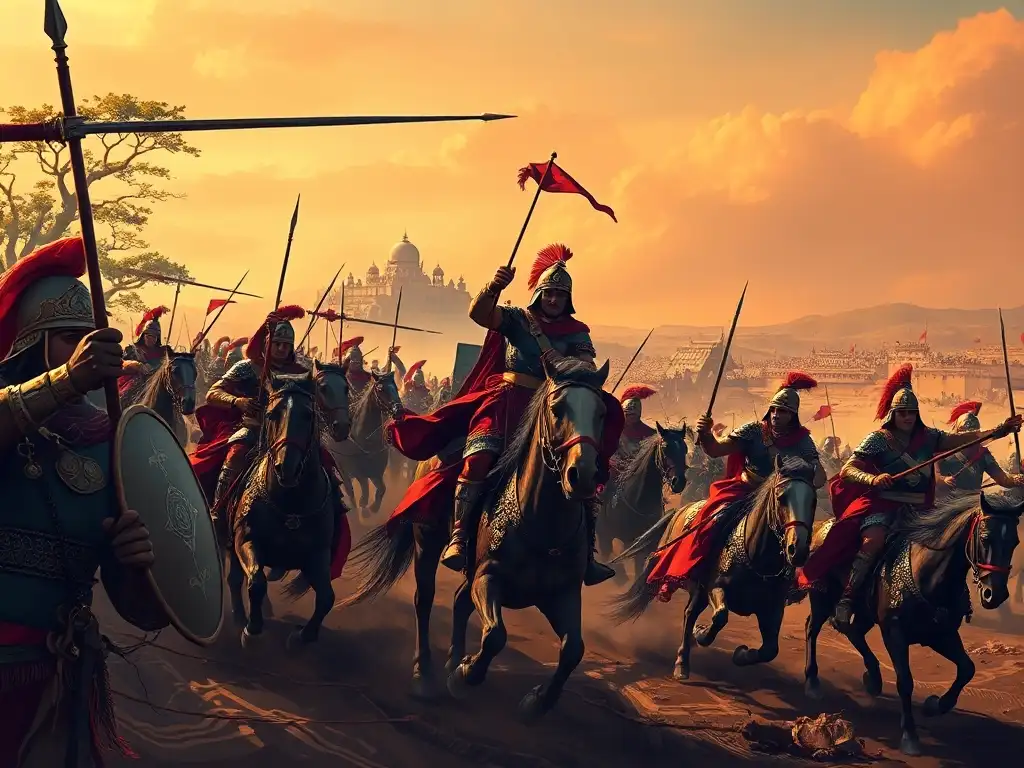
Key Civilizations and Their Military Traditions
Warfare in ancient India was deeply intertwined with the cultural, social, and political fabric of its civilizations. The historical context of warfare reveals how various cultures influenced military practices and strategies, shaping the landscape of ancient Indian history.
Indus Valley Civilization Military Practices
The Indus Valley Civilization (c. 3300–1300 BCE) is one of the earliest urban cultures in the Indian subcontinent, marked by well-planned cities like Harappa and Mohenjo-Daro. Although evidence of organized warfare is scant, archaeological findings suggest a focus on defense and fortification.
- Defensive Structures: The cities featured thick walls and gateways, indicating a preparedness for conflict. Some scholars believe these structures were not solely for protecting against invasions but also served to control trade routes and manage resources.
- Weapons and Tools: Artefacts such as terracotta figurines, seals, and metal implements imply that the Indus people possessed tools suitable for combat. However, the lack of large-scale weaponry suggests a more defensive approach to military engagement.
- Cultural Significance: Warfare, while not prominent, played a role in shaping the socio-political hierarchy of the civilization. The ability to protect resources and maintain order was essential for the stability of urban life.
Vedic Period Warfare and Its Cultural Implications
The Vedic Period (c. 1500–500 BCE) marks a significant transformation in ancient Indian warfare, reflecting a shift towards more organized military practices. The emergence of the "Kshatriya" warrior class during this time highlights the cultural significance of warfare in society.
- Epic Literature: Texts like the Mahabharata and Ramayana illustrate the importance of dharma (duty) in warfare, portraying battles not just as physical confrontations but as moral and ethical dilemmas. These epics contributed to the cultural memory of warfare in ancient India.
- Rituals and Warfare: The Vedic people believed that rituals could influence the outcomes of battles. Sacrifices and offerings to deities were common, aimed at securing divine favor in conflicts. This intertwining of spirituality and warfare reflects the broader cultural significance of military endeavors.
- Military Organization: The formation of large armies, known as "Senani," with chariots, infantry, and cavalry marked the evolution of military tactics. The Kshatriyas were celebrated not just for their combat skills but also for their role as protectors of the realm and upholders of justice.
Major Dynasties and Their Contributions to Warfare
As ancient Indian civilizations progressed, major dynasties emerged, each contributing unique strategies, technologies, and cultural dimensions to warfare.
Maurya Dynasty: Military Innovation and Strategy
The Maurya Dynasty (c. 322–185 BCE) is known for its significant advancements in military organization and strategy under leaders like Chandragupta Maurya and Ashoka the Great.
- Centralized Army Structure: The Mauryan military was highly organized, with a standing army that included infantry, cavalry, elephants, and chariots. This centralization allowed for efficient mobilization and greater control over vast territories.
- Innovative Tactics: The use of war elephants in battle was a hallmark of Mauryan warfare, providing psychological and tactical advantages. The effective deployment of elephants in the battlefield exemplified a strategic innovation that would influence future military practices.
- Cultural Integration: Ashoka's reign marked a shift toward non-violence after the Kalinga War, illustrating a unique cultural approach to warfare. His focus on dharma and moral governance transformed the narrative of military success into one of ethical responsibility, influencing future Indian rulers.
Gupta Empire: Warfare and Cultural Flourishing
The Gupta Empire (c. 240–550 CE) is often regarded as a golden age in Indian history, characterized by significant cultural achievements alongside military prowess.
- Military Excellence: The Guptas maintained a well-equipped army and developed advanced military tactics, including the use of cavalry and archery. Their campaigns expanded the empire and established a legacy of military leadership.
- Cultural Exchange through Warfare: Military conquests facilitated cultural exchanges, resulting in the spread of ideas, art, and religion. The Gupta period saw the flourishing of classical Indian culture, including advancements in science, mathematics, and literature.
- Philosophical Reflections on War: The Gupta Empire also witnessed the emergence of philosophical discourses on warfare, as seen in texts like the Arthashastra by Kautilya. This treatise not only discussed military strategy but also emphasized the political and economic dimensions of warfare, reinforcing its cultural significance in governance.
The cultural significance of ancient Indian warfare is deeply rooted in the historical context and the evolution of various civilizations. From the defensive strategies of the Indus Valley to the philosophical reflections of the Gupta Empire, warfare shaped not only military practices but also the cultural and social identity of ancient India.
The Role of Warfare in Shaping Ancient Indian Society
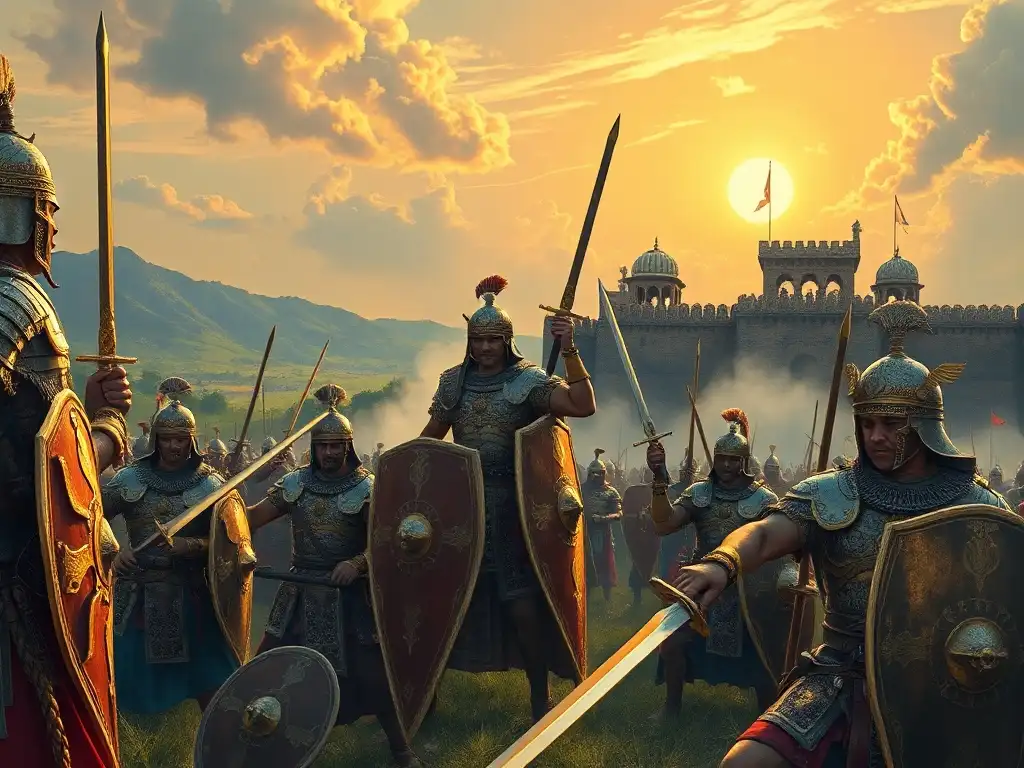
Martial Values and Codes of Conduct
Warfare in ancient India was deeply entrenched in the societal fabric, influencing not only military strategy but also the values and codes of conduct that governed personal and communal behavior. The concept of Kshatriya, or warrior class, was pivotal in this regard. Members of this caste were expected to uphold martial virtues such as bravery, honor, and loyalty. This expectation was not merely a reflection of individual character but a societal imperative that shaped the ethos of entire communities.
The Mahabharata and Ramayana, two of the most revered epics in Indian literature, offer profound insights into the martial values of the time. They illustrate the significance of dharma (duty/righteousness) in warfare, which served as a guiding principle for warriors. The narratives emphasize the importance of fighting for just causes and adhering to ethical standards during combat, thereby intertwining martial conduct with moral philosophy.
The Concept of Dharma in Warfare
The concept of dharma was central to the cultural significance of ancient Indian warfare. It dictated that warriors must engage in battle not for personal gain but for the protection of their community and upholding justice. This philosophical underpinning was manifest in the Bhagavad Gita, where Lord Krishna counsels Arjuna on the righteous path of warfare, emphasizing the necessity of fighting for what is just while maintaining a sense of detachment from the outcomes.
This view of dharma fostered a culture where the act of warfare transcended mere conflict; it became an expression of moral duty. The warriors were not only seen as fighters but also as custodians of societal values, reinforcing the idea that valor in battle was synonymous with virtue in life.
Heroism and Valor in Ancient Texts
Heroism and valor are recurrent themes in ancient Indian texts, often celebrated through the portrayal of epic battles and legendary figures. Characters such as Bhishma, Arjuna, and Rama epitomize ideal warriors whose exploits serve as moral exemplars. Their stories are not just about military prowess but also about the ethical dilemmas and sacrifices they faced.
These narratives fostered a warrior ethos that permeated society, inspiring future generations to emulate these ideals. They served to instill a sense of pride and identity among the populace, where martial valor became a cornerstone of cultural significance. The glorification of heroism in these texts also played a role in legitimizing the socio-political structures of the time, reinforcing the authority of ruling classes and their right to govern.
Gender Roles in Warfare and Society
The cultural significance of ancient Indian warfare extended to gender roles, challenging the stereotypical notions of masculinity and femininity within the context of conflict. While men predominantly occupied the role of warriors, women also played crucial parts in warfare, both directly and indirectly.
Women Warriors in Ancient India
Historical accounts and texts reveal that women in ancient India were not mere passive observers of warfare. Figures such as Rani Durgavati and Rani Lakshmibai exemplify the active participation of women in combat. These warriors defended their kingdoms with valor and strategic acumen, often leading troops into battle during times of crisis.
Additionally, texts like the Mahabharata highlight the presence of female characters who displayed martial prowess. The character of Kunti, mother of the Pandavas, showcases the complexities of women's roles in warfare, as she navigated the challenges of family loyalty and duty to her sons while facing the realities of war.
The Impact of Warfare on Family Structures
Warfare significantly influenced family structures in ancient Indian society. As men left for battles, women often took on increased responsibilities, managing households and fields. This shift not only empowered women but also led to a redefinition of familial roles.
Moreover, the repercussions of warfare often resulted in the loss of male family members, which necessitated that women adapt to new social realities. In some instances, women ascended to leadership roles, becoming regents or rulers in their own right, thereby altering the traditional dynamics of power within families and society at large.
The cultural significance of ancient Indian warfare is multifaceted, encompassing martial values, gender roles, and the ethical frameworks that shaped societal interactions. Through its influence on literature, philosophy, and social structures, warfare in ancient India served as a catalyst for cultural identity and continuity.
Cultural Expressions of Warfare in Ancient India
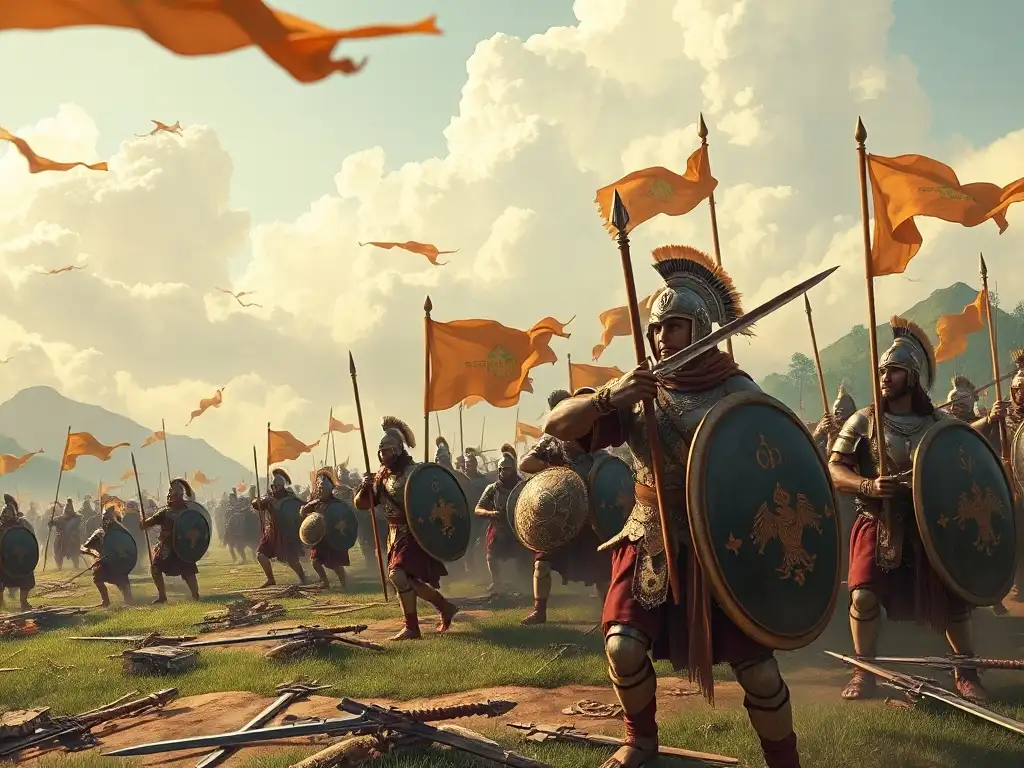
Literature and Texts Reflecting Warfare Culture
The cultural significance of ancient Indian warfare is vividly portrayed through various literary texts that not only recount battles but also reflect the values, ethics, and philosophies surrounding warfare. These texts often served as moral guides, revealing the complex relationship between duty, honor, and the consequences of war.
The Mahabharata and Its Lessons on War
The Mahabharata, one of the longest epic poems in the world, is a cornerstone of Indian literature that intricately weaves the themes of war, morality, and duty. The central narrative revolves around the Kurukshetra War, a monumental conflict between the Pandavas and Kauravas, which symbolizes the eternal struggle between good and evil.
- Dharma and Warfare: The epic explores the concept of dharma (righteous duty), emphasizing that warfare is not merely a physical contest but also a moral one. Characters like Arjuna face dilemmas that question the righteousness of their actions, showcasing the psychological and ethical dimensions of warfare.
- Strategic Wisdom: The text also includes extensive discussions on military strategy and tactics, often attributed to the figure of Krishna, who serves as Arjuna's charioteer and advisor. His teachings underscore the importance of strategy, foresight, and the psychological aspects of warfare.
In essence, the Mahabharata presents warfare as a profound cultural phenomenon, intertwining the personal and the political, the ethical and the practical.
Historical Accounts and Military Treatises
In addition to epic literature, ancient Indian warfare is documented in various historical accounts and military treatises that further illustrate its cultural significance. Works like the Arthashastra by Kautilya detail strategies, statecraft, and the economics of war.
- Kautilya's Insights: The Arthashastra emphasizes the importance of espionage, alliances, and resource management in warfare, reflecting on how military engagements were deeply intertwined with politics and governance.
- Regional Chronicles: Numerous inscriptions and chronicles from rulers across different regions provide insights into specific battles, military tactics, and the political ramifications of warfare, showcasing how martial prowess was esteemed among ancient Indian kings.
These texts not only document historical events but also serve as a reflection of the societal values and priorities shaped by warfare.
Art and Architecture Influenced by Warfare
The impact of warfare on ancient Indian culture is also manifest in its art and architecture. Temples, sculptures, and monuments commemorating battles serve as enduring legacies that highlight the reverence for military valor and the cultural narratives surrounding war.
Temples and Monuments Commemorating Battles
Ancient Indian temples often celebrated victories in battle, with inscriptions and iconography that narrate heroic deeds. For instance, the Brahadeeswarar Temple in Thanjavur features sculptures that depict scenes from legendary battles, showcasing the importance of military success in legitimizing royal authority.
- Symbolic Structures: Many temples were constructed to honor deities associated with war and victory, such as Durga and Kartikeya, reinforcing the belief that divine support was crucial for success in battles.
- Commemorative Inscriptions: Inscriptions found in temple complexes often recount the achievements of rulers, serving to immortalize their military exploits and reinforce their divine right to rule.
These architectural marvels highlight how warfare was not only a means of territorial expansion but also a way to affirm divine favor and royal legitimacy.
Sculpture and Reliefs Depicting Combat
Sculptural art from ancient India frequently depicts scenes of combat and valor, illustrating the cultural significance of warfare through visual storytelling. Temples and public spaces are adorned with intricate reliefs that capture the intensity of battle.
- Dynamic Representations: Sculptures often portray warriors in dynamic poses, showcasing their strength and valor. The depiction of mythological battles, such as those found in the Khajuraho temples, reflect the glorification of martial prowess.
- Cultural Narratives: These artistic expressions serve as a visual narrative of the values associated with warfare, including bravery, sacrifice, and the hero's journey. They communicate the cultural memory of battles fought, preserving the legacy of warriors for future generations.
Through these artistic endeavors, ancient Indian societies articulated their reverence for warfare, embedding it within their cultural consciousness.
The cultural significance of ancient Indian warfare is deeply rooted in literature, art, and architecture, all of which reflect the complexities and values that shaped the martial traditions of the time.
The Legacy of Ancient Indian Warfare
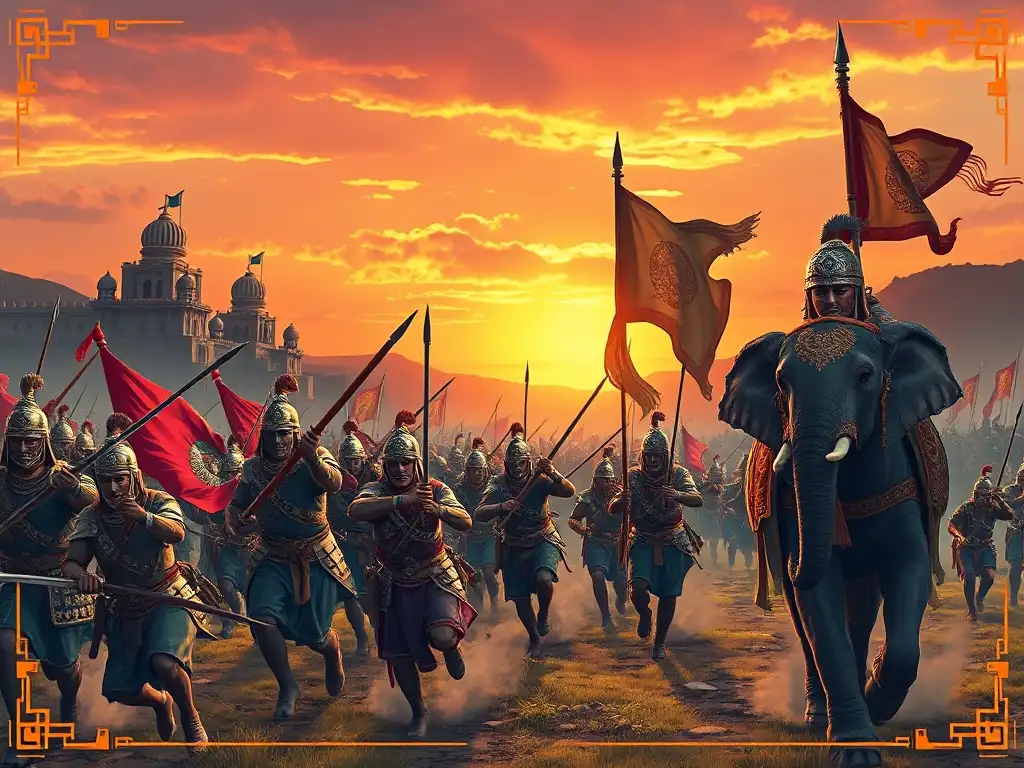
The legacy of ancient Indian warfare is profound, influencing military strategies, sociopolitical structures, and cultural narratives throughout the ages. The practices and philosophies developed during this era laid the groundwork for future military engagements in India, shaping the way wars were fought, understood, and memorialized.
Influence on Subsequent Indian Military Practices
The military traditions of ancient India, particularly those established during the Vedic and post-Vedic periods, significantly influenced subsequent military practices. Key factors include:
- Strategic Formations: Ancient Indian texts, such as the Arthashastra by Kautilya, detailed various formations and tactics that were utilized in warfare. The emphasis on intelligence, espionage, and diplomacy was revolutionary and set the stage for future military strategies.
- Use of Elephants and Chariots: The deployment of war elephants and chariots became a hallmark of Indian warfare, influencing military formations across the subcontinent. This unique aspect was later adopted and adapted by various regional powers, including the Mauryan and Gupta empires.
- Integration of Philosophy and Warfare: The concept of Dharma Yuddha (righteous war) introduced a moral dimension to warfare, emphasizing ethical considerations. This integration of philosophy with military practice can still be observed in the strategic thinking of later Indian rulers.
The legacy of these practices not only shaped the immediate military landscape but also left an indelible mark on the cultural narratives surrounding warfare.
Adaptations in Medieval and Modern Warfare
As India transitioned into medieval and modern periods, the core principles established in ancient warfare evolved but remained influential. Key adaptations include:
- Hybrid Warfare: Medieval Indian kingdoms, such as the Rajputs and Mughals, combined ancient tactics with new innovations, such as gunpowder weapons. This hybrid approach allowed for a more flexible and dynamic military strategy.
- Cultural Assimilation: The arrival of foreign powers, particularly during the Mughal era, led to the amalgamation of different military traditions. The exchange and adaptation of tactics, armaments, and military organization created a rich tapestry of martial practices.
- Nationalism and Military Identity: In the modern era, the legacy of ancient warfare was invoked in the context of nationalism. The valor and strategies of ancient warriors became symbols of pride and resistance against colonial powers, influencing the military ethos of modern India.
The adaptations in warfare highlight the resilience and dynamism of Indian military traditions, showcasing how ancient practices continued to inform and shape the military landscape through changing times.
Cultural Significance in Contemporary India
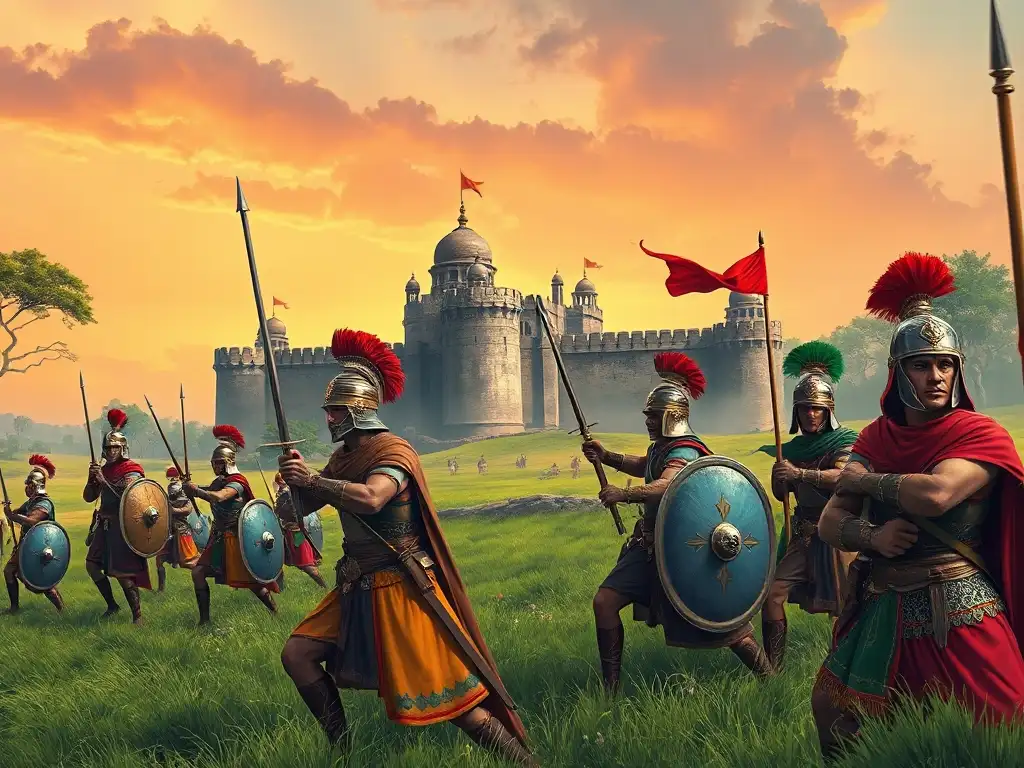
The cultural significance of ancient Indian warfare extends beyond historical analysis; it resonates deeply in contemporary Indian society. The narratives of valor, strategy, and ethics associated with ancient battles continue to influence national identity and collective memory.
Reflection on National Identity and Historical Memory
In contemporary India, the legacy of ancient warfare plays a critical role in shaping national identity. This reflection can be observed through:
- Mythology and Literature: Epic tales, such as the Mahabharata and Ramayana, not only recount battles but also explore the moral implications of warfare. These texts are integral to cultural education, instilling values of heroism, duty, and righteousness in the collective consciousness.
- Commemoration of Historical Figures: The valor of ancient warriors, such as Chandragupta Maurya and Ashoka, is celebrated in modern Indian society. Memorials, literature, and films often glorify their military achievements, reinforcing a sense of pride and continuity in Indian history.
- Symbolism in National Discourse: The principles of Dharma Yuddha continue to influence contemporary discussions on justice and morality in warfare. National discourses often invoke ancient philosophies to frame modern military engagements, reflecting a deep-rooted connection to historical legacies.
The cultural significance of ancient Indian warfare thus serves as a bridge between past and present, continuously shaping India's national identity and historical memory, and ensuring that the lessons of ancient battles remain relevant in contemporary society.
Conclusion: The Enduring Cultural Significance of Warfare in Ancient India
Summary of Key Points
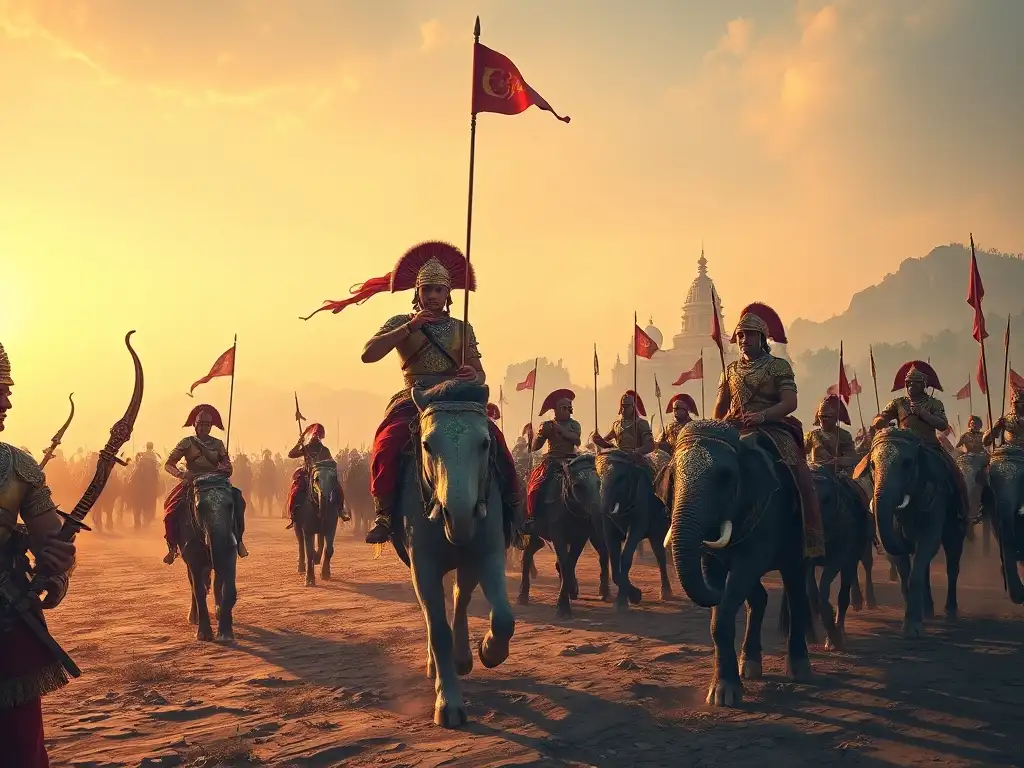
The cultural significance of ancient Indian warfare extends far beyond the battlefield. Throughout history, warfare has been a catalyst for cultural exchange, political unification, and the manifestation of societal values. Here are some key points that encapsulate this significance:
- Religious Context: Many ancient Indian battles had deep religious undertones, with deities often invoked for victory. This reflects the integral relationship between religion and warfare in shaping cultural narratives.
- Literary Contributions: Epic texts such as the Mahabharata and Ramayana not only recount battles but also embed moral and philosophical lessons, influencing the cultural psyche of communities across generations.
- Art and Architecture: The impact of warfare is also evident in the artistic expressions and architectural developments that arose from military campaigns, including fortifications and temples dedicated to warrior deities.
- Social Structure: The organization of armies and the valorization of warriors played a critical role in defining social hierarchies and roles within ancient Indian society.
- Cultural Exchange: Conquests often led to the amalgamation of diverse cultures, resulting in enriched traditions, languages, and practices as victors and the vanquished interacted.
Final Thoughts on Warfare’s Role in Cultural Identity
Warfare in ancient India was not merely a means of territorial expansion; it was a profound element of cultural identity that shaped the societal framework. The narratives surrounding these conflicts have left an indelible mark on the cultural consciousness of the subcontinent.
As we reflect on the cultural significance of ancient Indian warfare, it becomes clear that the lessons learned from these historical events continue to resonate. The valor, ethics, and philosophies derived from these battles inform contemporary discussions around conflict, identity, and national pride.
Understanding the multifaceted role of warfare in ancient Indian civilization allows us to appreciate its enduring legacy in shaping not only historical narratives but also the very fabric of cultural identity that persists today. The cultural significance of ancient Indian warfare remains a vital area of study, offering insights into the complexities of human experience throughout history.
Frequently Asked Questions
What was the role of warfare in ancient Indian society?
Warfare played a crucial role in shaping the political and social structures of ancient Indian civilizations. It influenced territorial expansion, resource acquisition, and the establishment of dynasties.
How did ancient Indian warfare impact culture and art?
The cultural significance of warfare is evident in ancient Indian art and literature, which often depicted heroic battles and mythological themes, showcasing the values of bravery and honor.
What were the primary weapons used in ancient Indian warfare?
Ancient Indian warfare utilized a variety of weapons including bows, swords, and chariots. The design and craftsmanship of these weapons reflected the technological advances of the time.
How did warfare influence the political landscape of ancient India?
Warfare led to the rise and fall of empires, establishing new kingdoms and changing trade routes. It was a significant factor in the unification of regions under powerful rulers.
What lessons can modern society learn from ancient Indian warfare?
Modern society can draw insights from the strategies and diplomacy practiced in ancient Indian warfare, emphasizing the importance of negotiation over conflict and understanding the cultural implications of war.
Final Reflection: The Enduring Legacy of Ancient Indian Warfare
The cultural significance of ancient Indian warfare extends far beyond the battlefields of history; it resonates in the values, philosophies, and narratives that shape contemporary Indian society. As we explore the intricate tapestry of warfare in ancient India, we uncover not only the strategies and valor of warriors but also the profound impact these elements have on identity, morality, and cultural heritage. The echoes of these ancient conflicts remind us that understanding our past is crucial for navigating the complexities of our present.
The influence of ancient Indian warfare is palpable in various aspects of modern culture, from literature to cinema, where tales of heroism and sacrifice continue to inspire. The narratives of epic battles, such as those found in the Mahabharata and Ramayana, serve as a foundation for moral and ethical discussions in today's society. War is not merely a matter of life and death; it is more than that. It is a matter of the future of humanity.
This quote encapsulates the ongoing relevance of warfare's cultural significance, urging us to reflect on how these ancient stories inform our understanding of conflict and resolution in the modern world.
As we conclude this exploration, I invite you to reflect on the lessons of ancient Indian warfare and consider how they can be applied to your own life. What values of courage, strategy, and resilience can you draw from these historical narratives? Embrace the opportunity to learn from the past, allowing its wisdom to guide your actions and decisions today. In doing so, we honor the legacy of those who came before us and contribute to a more profound understanding of our shared human experience.
Uncover the Wisdom of Warfare: Engage with Ancient Insights!
Thank you for taking the time to delve into the fascinating cultural significance of warfare in ancient India! You have uncovered key perspectives that shape our understanding of history and humanity. Now, it’s time to take the next steps toward deepening this knowledge and enriching your exploration.
- Boldly explore an ancient battlefield: Research a specific battle or event from ancient India and visit your local library or online archives to gather more historical context.
- Share your thoughts: Engage with friends or online communities about your insights on how warfare influenced culture and society throughout ancient Indian history.
- Join discussions: Participate in relevant forums or social media groups that focus on ancient history and share what you've learned to spark meaningful conversations.
What aspect of ancient Indian warfare do you find most intriguing, and how do you believe it has influenced modern society?