
Warfare in the Indus Valley: Uncovering Evidence of Early Military Strategies

Welcome to Ancient India History, where we embark on an enthralling journey through the vast tapestry of India's past. Delve into the remarkable Indus Valley military strategies with our latest article, “Warfare in the Indus Valley: Uncovering Evidence of Early Military Strategies.” Discover the ingenious tactics and resilient spirit of one of the world's earliest civilizations, which laid the groundwork for future empires. Are you ready to uncover the secrets of ancient warfare and how it shaped the course of history? Join us as we explore these captivating tales and more!
- Introduction to Indus Valley Military Strategies
- Historical Context of the Indus Valley Civilization
- Evidence of Indus Valley Military Strategies
- Analysis of Military Strategies in the Indus Valley
- Comparison of Indus Valley Military Strategies with Other Ancient Cultures
- The Role of Trade and Diplomacy in Military Strategies
- Decline of the Indus Valley Civilization and Its Military Implications
- Conclusion: Legacy of Indus Valley Military Strategies
- References and Further Reading on Indus Valley Military Strategies
-
Frequently Asked Questions
- What were the primary military strategies used in the Indus Valley?
- How did the geography of the Indus Valley influence its military tactics?
- What role did trade play in the military power of the Indus Valley civilization?
- Were there any notable battles or conflicts recorded in the Indus Valley civilization?
- How did the Indus Valley military strategies compare to those of other ancient civilizations?
- Final Reflection: The Enduring Legacy of Indus Valley Military Strategies
- Uncover the Secrets of Indus Valley Warfare!
Introduction to Indus Valley Military Strategies
The Indus Valley Civilization, one of the earliest urban cultures in the world, flourished between 3300 BCE and 1300 BCE, primarily in present-day Pakistan and northwest India. While much is known about its remarkable achievements in urban planning, trade, and craftsmanship, the aspect of warfare and military strategies remains less explored yet equally significant.
Understanding the military strategies employed by the Indus Valley inhabitants offers valuable insights into their societal structure, governance, and interactions with neighboring cultures. This article delves into the evidence of military tactics, fortifications, and the overall strategic mindset of one of history’s most enigmatic civilizations, highlighting how these early military strategies laid foundational aspects for future Indian warfare.
Overview of Ancient Indian Warfare
Ancient Indian warfare is characterized by a rich tapestry of diverse strategies, technologies, and philosophies that evolved over millennia. From the chariot-based battles of the Vedic period to the fortified cities of the Maurya and Gupta empires, military tactics were deeply intertwined with the socio-political dynamics of the time.
- Key Features of Ancient Indian Warfare:
- Use of Chariots: Chariots played a crucial role in early battles, providing mobility and speed.
- Infantry and Cavalry Tactics: As societies progressed, infantry units became more organized, and cavalry units were developed to enhance battlefield effectiveness.
- Fortifications: The construction of fortified cities and strategic military outposts was prominent, particularly in the Indus Valley, reflecting a sophisticated approach to defense and military planning.
The evolution of these elements showcases the complexity of warfare in ancient India, with the Indus Valley serving as a pivotal early example of organized military strategy.
Importance of Military Strategies in the Indus Valley
The military strategies of the Indus Valley Civilization were essential not only for defense against potential invasions but also for maintaining internal order and facilitating trade. The strategic placement of cities like Harappa and Mohenjo-Daro, with their sophisticated layouts and protective walls, indicates a proactive approach to military preparedness.
- Key Aspects of Military Importance:
- Defensive Architecture: The use of mud-brick walls and bastions around urban centers demonstrates an understanding of defensive tactics.
- Resource Management: Control over resources, including water supply and agricultural land, was vital for sustaining military campaigns and ensuring the survival of the civilization.
- Diplomatic Relations: The military strategies also encompassed diplomatic efforts, as trade networks established peace agreements and alliances with neighboring regions, reducing the need for constant conflict.
Overall, the study of Indus Valley military strategies reveals a civilization that valued both military prowess and diplomacy, setting the stage for the complex military history of ancient India.
Historical Context of the Indus Valley Civilization
The Indus Valley Civilization (IVC), one of the world's earliest urban cultures, thrived from approximately 3300 BCE to 1300 BCE in what is now Pakistan and northwest India. This civilization is renowned for its advanced urban planning, architecture, and social organization. Understanding the historical context of the IVC is crucial for exploring its military strategies, as the geopolitical landscape of the time influenced the development and execution of warfare.
Timeline of the Indus Valley Civilization
The timeline of the Indus Valley Civilization can be segmented into several key phases:
- Early Harappan Phase (c. 3300–2600 BCE): This period marks the emergence of small agricultural communities, which gradually evolved into more complex societies.
- Mature Harappan Phase (c. 2600–1900 BCE): Characterized by the development of major urban centers, such as Harappa and Mohenjo-Daro, this era saw the height of the IVC in terms of trade, culture, and possibly military organization.
- Late Harappan Phase (c. 1900–1300 BCE): The decline of urban centers and the eventual disbandment of the civilization, often attributed to environmental changes, economic factors, or invasions.
The significance of this timeline lies not only in the chronological progression of the civilization but also in the understanding of socio-political dynamics that may have shaped military strategies during the IVC.
Key Characteristics of the Indus Valley Society
The Indus Valley society exhibited several defining characteristics that influenced its structure and military strategies:
- Urban Planning and Architecture:
- Cities were meticulously planned, with grid layouts, advanced drainage systems, and fortified structures.
- The presence of citadels in cities like Mohenjo-Daro suggests a focus on defense and military organization.
- Trade Networks:
- The IVC established extensive trade connections with neighboring regions, indicating a wealth that could support military endeavors.
- Artifacts such as seals suggest that trade routes may have also served as conduits for military logistics.
- Social Hierarchy:
- Evidence of social stratification indicates a complex societal structure that likely included elite classes responsible for military leadership.
- The role of religion and governance may have intertwined, influencing military decisions and strategies.
- Agricultural Practices:
- The agrarian base of the IVC provided sustenance for the population, which would have been essential in times of conflict.
- Innovations in agriculture could also lead to surplus production, enabling the support of a standing military force.
- Craftsmanship and Technology:
- The development of metallurgy and weaponry suggests a capacity for warfare, although direct evidence of military confrontations remains limited.
- Tools and weapons made from bronze and copper may have played a role in both defense and offense during conflicts.
The examination of these characteristics provides insight into how the Indus Valley military strategies may have evolved in response to internal and external pressures. Understanding the interplay between society, economy, and military organization is vital for comprehending the complexities of warfare in this ancient civilization.
Evidence of Indus Valley Military Strategies
The Indus Valley civilization, one of the earliest urban cultures in the world, offers a wealth of information regarding its military strategies through various archaeological findings. While direct evidence of warfare is relatively scarce compared to other ancient civilizations, a closer examination of artifacts, urban planning, and fortifications reveals significant insights into the military capabilities and strategies employed by these early societies.
Archaeological excavations at prominent Indus Valley sites, such as Harappa and Mohenjo-Daro, have unearthed a range of artifacts that suggest the existence of organized military strategies. Among the most notable discoveries are:
- Chalcolithic Weapons: Excavations have revealed weapons made from copper and bronze, including arrowheads, daggers, and spears. These items indicate a level of sophistication in weapon design and metallurgy that would have been crucial in warfare.
- Seals and Inscriptions: Indus seals often depict animals and mythical creatures, but some show figures that may represent soldiers or warriors, suggesting a societal structure that included military roles. The inscriptions on these seals, while still undeciphered, could potentially provide insights into military organization.
- Burials with Weapons: Certain burial sites have been found where the deceased were interred with weapons, indicating that military prowess was valued and possibly associated with status within the society.
Fortifications and Defensive Structures in the Indus Valley
The urban layout of Indus Valley cities reflects a strong emphasis on defense, which is a crucial aspect of military strategy. Key features include:
- City Walls: Many cities, such as Harappa and Mohenjo-Daro, were surrounded by massive walls made from baked bricks. These fortifications not only served as protection against invasions but also demonstrated the administrative capability to mobilize labor and resources for large-scale construction.
- Strategic Location: The placement of cities along rivers and on elevated terrain provided natural defensive advantages. Control of water sources was vital for sustaining the population and could also be a strategic point during conflicts.
- Gateways and Entrances: The design of city entrances often included narrow passageways that could be easily defended. This architectural choice indicates an understanding of defensive tactics, allowing for better control during potential attacks.
Weapons and Tools Used in Indus Valley Conflicts
The types of weapons and tools utilized by the Indus Valley civilization reveal much about their approach to warfare. Analysis of various artifacts shows:
- Bronze and Copper Tools: The Indus Valley craftsmen were adept at creating tools from bronze and copper, which were more effective than their stone counterparts. This technological advancement would have provided a significant edge in combat situations.
- Projectiles: Numerous arrowheads and spearheads have been found, indicating that ranged combat was likely a feature of their military strategies. The design of these projectiles suggests a focus on both lethality and efficiency.
- Chariots and Animal Domestication: Evidence of animal remains, particularly horses and oxen, hints at the use of chariots or carts in warfare. These innovations could have enhanced mobility on the battlefield, allowing for quicker maneuvers and strategic positioning.
While the evidence for warfare in the Indus Valley may not be as pronounced as in other ancient civilizations, the archaeological findings provide valuable insights into their military strategies. From fortifications to weaponry, these elements underscore the sophistication of the Indus Valley civilization and its preparedness for conflict.
Analysis of Military Strategies in the Indus Valley
The Indus Valley Civilization, known for its advanced urban planning and sophisticated societal structures, also exhibited a remarkable understanding of military strategies. This analysis delves into key elements that defined the military strategies in this ancient civilization, including the strategic locations and geography, military organization and hierarchy, and the combat techniques and tactics employed.
Strategic Locations and Geography
The Indus Valley, primarily located in present-day Pakistan and northwest India, was characterized by a unique geography that shaped its military strategies. The civilization flourished along the Indus River and its tributaries, providing fertile land and a reliable water source. This geography offered several strategic advantages:
- Natural Barriers: The Himalayan mountain range to the north and the Thar Desert to the east created natural fortifications, restricting invasions from these directions. This allowed the Indus Valley cities to focus their defenses towards the more accessible western regions.
- Urban Centers: Major cities such as Mohenjo-Daro and Harappa were strategically located near trade routes, enabling quick mobilization of resources and troops. The infrastructure, including wide streets and fortified walls, facilitated military logistics and defense against potential threats.
- Access to Resources: Proximity to vital resources like copper and precious stones allowed the Indus Valley civilization to equip its military effectively. The ability to control these resources provided both economic power and a strategic advantage in warfare.
Military Organization and Hierarchy
The organization of the military in the Indus Valley Civilization is less documented compared to other ancient civilizations; however, archaeological evidence suggests a structured approach to military leadership and operations. Key aspects include:
- Leadership Structure: Evidence indicates a hierarchical system, likely led by chieftains or a ruling elite. This leadership would have played a crucial role in coordinating military efforts, making strategic decisions, and leading troops into battle.
- Professional Soldiers: The presence of fortified cities and complex urban planning implies the existence of a standing army or at least a group of professional soldiers who could be mobilized when necessary. These soldiers would have been trained in various combat techniques to defend their cities effectively.
- Community Involvement: Military organization was likely integrated with community structures, where local militias could be assembled in times of conflict. This community involvement would have ensured rapid response to threats and a collective defense strategy.
Combat Techniques and Tactics
The combat techniques and tactics employed by the Indus Valley military were influenced by both their geographical context and available resources. While there is limited direct evidence of warfare, several aspects can be inferred:
- Use of Defensive Structures: The construction of fortified walls around cities indicates a focus on defense. These walls served as both a deterrent and a means of protection during invasions, reflecting a strategic military approach to urban warfare.
- Weaponry and Tools: Archaeological finds suggest that the Indus Valley civilization utilized a variety of weapons, including bronze tools and possibly early forms of chariots. These advancements would have provided an edge in both offensive and defensive strategies.
- Tactical Maneuvers: The geographical layout of the Indus Valley allowed for possible ambush tactics, leveraging the terrain to surprise invading forces. The use of river routes for quick troop movements would have enabled swift responses to threats, reflecting a strategic understanding of their environment.
The military strategies of the Indus Valley Civilization were shaped by their strategic locations, organized military hierarchy, and effective combat techniques. These elements contributed to their ability to defend their cities and maintain stability within their society, underscoring the sophisticated nature of warfare in ancient India.
Comparison of Indus Valley Military Strategies with Other Ancient Cultures
Similarities with Contemporary Civilizations
The military strategies of the Indus Valley Civilization (IVC) exhibit notable similarities with those of other ancient cultures, particularly in terms of fortification and resource management. For instance, both the IVC and the Mesopotamian civilizations utilized fortified cities as a defensive mechanism. Structures like the citadel of Mohenjo-Daro and the walls of Ur reveal a shared understanding of the importance of strategic location and fortification in warfare.
- Shared Practices:
- Fortification Walls: Both civilizations constructed thick walls to ward off potential invaders.
- Centralized Control: Like the Egyptians, the IVC appears to have had a centralized authority that organized military efforts and resources.
Moreover, the presence of similar artifacts, such as weaponry and tools, suggests that trade and cultural exchanges influenced military tactics across regions. For instance, the use of bronze weapons in the IVC aligns with contemporary cultures like the Shang Dynasty in China, indicating a broader trend towards advanced metallurgy in military applications.
Differences in Warfare Approaches
While there are similarities, significant differences also distinguish the military strategies of the Indus Valley Civilization from those of its contemporaries. One of the most striking contrasts is the apparent lack of extensive warfare evidenced in the archaeological record of the IVC.
- Key Differences:
- Limited Evidence of Conflict: Unlike the warlike societies of Mesopotamia and Egypt, where military conquests and battles are well-documented, the IVC lacks direct evidence of large-scale warfare. This suggests a unique approach to conflict resolution, possibly favoring trade and diplomacy over military engagement.
- Urban Planning and Civil Defense: The planning of Indus cities, characterized by grid patterns and advanced drainage systems, indicates a focus on civil stability and defense rather than military fortification. This is in stark contrast to the highly militarized city-states of Sumer, which often prioritized military architecture over urban planning.
- Diversity in Military Resources: The IVC's geographical context provided limited access to horses and chariots, which were pivotal in the warfare strategies of civilizations like the Indo-Europeans. Instead, the IVC may have relied more on infantry tactics, possibly utilizing local resources and manpower.
While the Indus Valley military strategies share some characteristics with contemporary civilizations, they also reflect a distinct approach that emphasizes urban stability, trade, and limited military engagement. This nuanced understanding of warfare in the Indus Valley highlights the complexity of ancient military strategies and their dependence on environmental, cultural, and social factors.
The Role of Trade and Diplomacy in Military Strategies
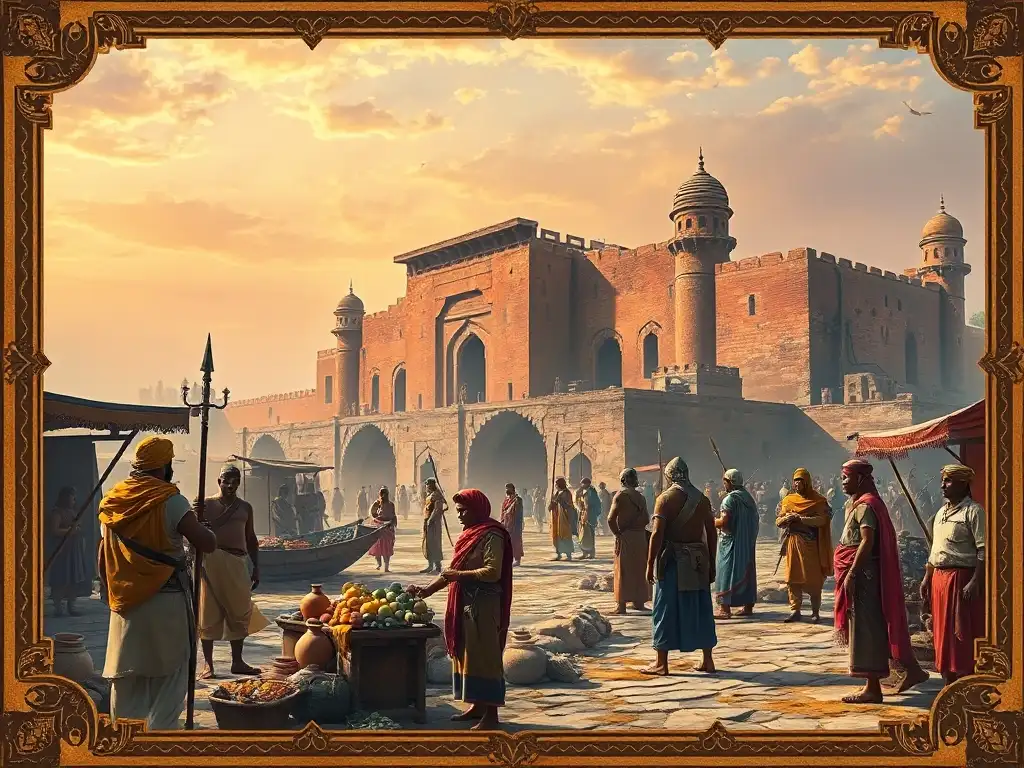
The Indus Valley Civilization (IVC), known for its advanced urban planning and sophisticated social structures, also exhibited notable military strategies that were deeply intertwined with trade and diplomacy. The geographical location of the Indus Valley, flanked by the Himalayas in the north and the Arabian Sea in the south, facilitated trade routes that were essential for the civilization's economic prosperity. This economic strength, in turn, influenced military strategies and diplomatic relations.
Economic Factors Influencing Indus Valley Warfare
The economic landscape of the Indus Valley Civilization played a crucial role in shaping its military strategies. The civilization thrived on agriculture, trade, and craft production. Key economic factors included:
- Resource Acquisition: The IVC was strategically positioned to access vital resources such as metals (copper, bronze) and precious stones from surrounding regions. Control over these resources was essential for maintaining military strength and technological advancement.
- Trade Networks: The extensive trade networks established by the IVC facilitated not only economic exchange but also military alliances. Engaging with neighboring regions allowed for the sharing of resources and technologies, which could be leveraged in military contexts. For instance, trade with Mesopotamia and Persia provided access to advanced weaponry and tactics.
- Wealth and Funding: The economic prosperity of the IVC enabled the funding of military expeditions and the maintenance of a standing army. Wealth accumulation through trade meant that the leaders could invest in fortifications, equipment, and training for their military forces.
- Territorial Control: The desire to protect trade routes and resource-rich territories likely influenced military engagements. Conflicts may have arisen from the need to secure these vital economic lifelines, leading to strategic military campaigns aimed at consolidating and defending territory.
Diplomatic Relations and Conflict Resolution
In addition to economic factors, diplomacy played a significant role in the military strategies of the Indus Valley Civilization. The following aspects highlight how diplomacy impacted conflict resolution and military engagement:
- Alliances and Treaties: The Indus Valley likely engaged in diplomatic negotiations with neighboring tribes and civilizations to form alliances that bolstered their military capabilities. Treaties could have been established to ensure peace and mutual defense, minimizing the need for warfare.
- Conflict Avoidance: The sophisticated urban centers of the IVC suggest a preference for conflict avoidance through diplomacy. By negotiating trade agreements and establishing mutual interests, the IVC could maintain stability and reduce military confrontations.
- Cultural Exchange: Diplomatic relations often led to cultural exchanges, which could include sharing military knowledge and practices. This exchange would not only enhance the military strategies of the IVC but also fostered a sense of unity and cooperation among diverse groups.
- Adaptation and Learning: The IVC's interactions with other civilizations allowed them to adapt and refine their military strategies. Learning from both allies and adversaries contributed to the development of effective tactics, fortification designs, and weaponry.
The interplay between trade, diplomacy, and military strategies in the Indus Valley Civilization underscored a complex approach to warfare that prioritized economic stability and conflict resolution. Understanding these dynamics provides valuable insights into the military strategies employed by one of the world's earliest urban societies.
Decline of the Indus Valley Civilization and Its Military Implications
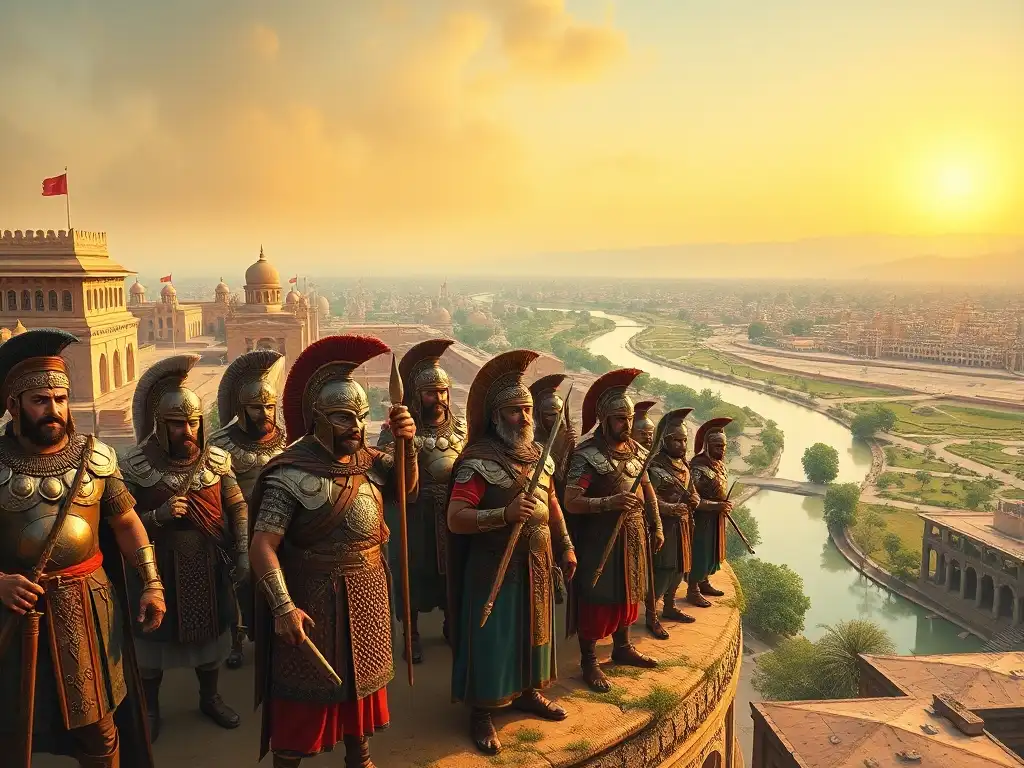
The decline of the Indus Valley Civilization, which flourished from approximately 3300 to 1300 BCE, is a complex subject intertwined with various factors, including environmental, economic, and military influences. The civilization, known for its advanced urban planning and trade networks, experienced a gradual decline, leading to its eventual disappearance. Understanding the military implications of this decline sheds light on the effectiveness of the Indus Valley's military strategies and their role in the civilization's fate.
Factors Leading to the Decline
Several interconnected factors contributed to the decline of the Indus Valley Civilization, each playing a significant role in altering the social and military landscape:
- Environmental Changes:
- Climate Shifts: Evidence suggests that climate change, particularly a shift towards arid conditions, adversely affected agriculture. The once-fertile lands began to dry up, leading to food shortages.
- River Dynamics: The Indus River, a lifeline for the civilization, experienced changes in its course. This not only disrupted agriculture but also affected trade routes, leading to economic instability.
- Economic Decline:
- Trade Disruption: The decline in agricultural productivity led to a downturn in trade. As connections with neighboring regions weakened, the economy suffered, which had direct implications for maintaining military resources.
- Resource Scarcity: With reduced agricultural output, the ability to support a standing military became increasingly difficult. This scarcity likely limited the effectiveness of military strategies employed by the civilization.
- Invasion Theories:
- Potential Invasions: Some scholars propose that invasions from external groups, such as the Indo-Aryans, might have played a role in the civilization's decline. The lack of robust military defenses may have made the Indus Valley vulnerable to incursions.
- Internal Conflicts: There is also speculation regarding internal strife or social unrest, which could have weakened the societal structure and military cohesion, further accelerating the decline.
- Urban Decay:
- Abandonment of Cities: Archaeological evidence indicates that several urban centers were abandoned, which may reflect a loss of control over territories and a decline in centralized power. This abandonment signifies not only a military defeat but also a breakdown in societal order.
Impact of Military Strategies on the Civilization's Fate
The military strategies employed by the Indus Valley Civilization had a profound impact on its fate. While the civilization is often characterized by its advanced urban infrastructure rather than its military prowess, the military implications of its decline reveal several critical insights:
- Defensive Structures:
- Walled Cities: The Indus Valley cities, such as Mohenjo-Daro and Harappa, featured fortified walls, suggesting a need for defense against potential threats. However, the effectiveness of these defenses during times of crisis is still debated among historians.
- Limited Military Engagement: Unlike other ancient civilizations, there is scant evidence of large-scale warfare or military engagement, which may indicate reliance on defensive strategies rather than offensive military campaigns.
- Resource Allocation:
- Military vs. Civilian Needs: As environmental and economic pressures mounted, the allocation of resources towards military maintenance may have diminished in favor of sustaining the civilian population. This shift could have led to a weakened military presence and reduced capacity to respond to threats.
- Adaptation to Change:
- Failure to Adapt: The inability of the Indus Valley Civilization to adapt its military strategies to the changing circumstances—such as climate shifts and external pressures—may have resulted in its vulnerability. This lack of flexibility in military tactics could have been a critical factor in the civilization's decline.
- Cultural Implications:
- Military Influence on Culture: The decline of military power may have also influenced cultural practices and social structures within the civilization. As military strategies became less effective, changes in societal norms and values may have emerged, reflecting a shift in priorities from defense to survival.
The decline of the Indus Valley Civilization was marked by a confluence of environmental, economic, and military factors. The effectiveness of its military strategies, or lack thereof, played a crucial role in shaping the civilization's fate, highlighting the intricate relationship between military prowess and societal stability in ancient times.
Conclusion: Legacy of Indus Valley Military Strategies
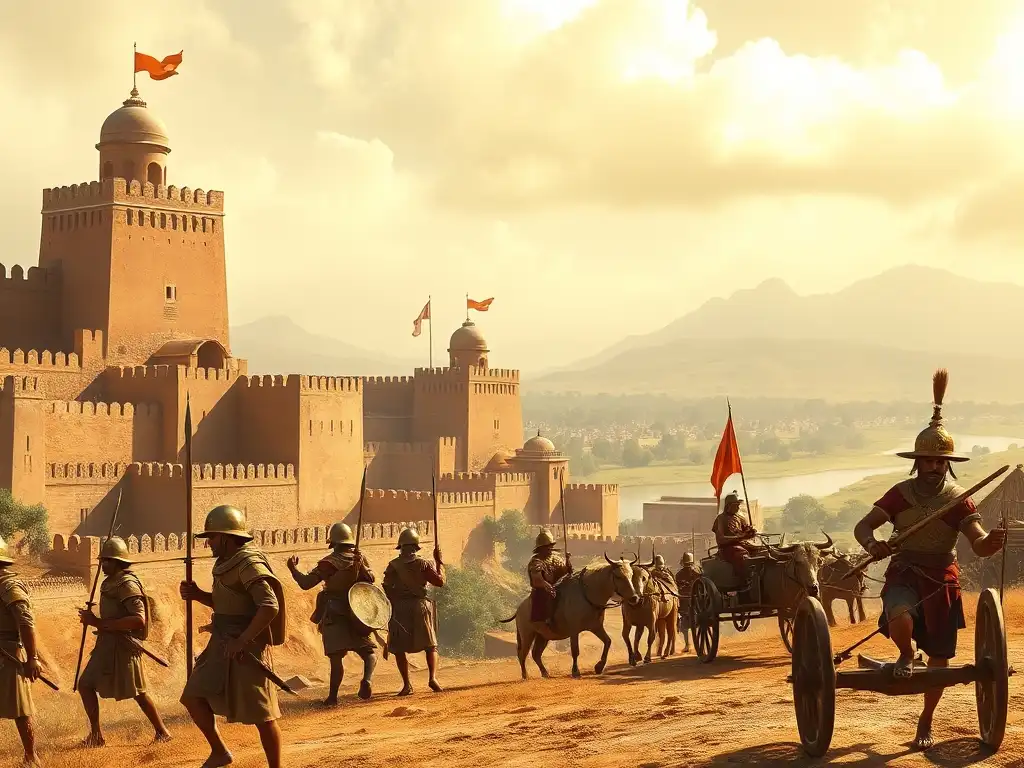
The military strategies of the Indus Valley Civilization, while not extensively documented, have left a significant legacy that shaped subsequent Indian warfare. Archaeological findings provide insights into the defensive structures and urban planning of major sites like Mohenjo-Daro and Harappa, suggesting a sophisticated approach to warfare and conflict management. The implications of these strategies can be observed throughout Indian history, influencing various aspects of military organization, fortification, and strategy.
Influence on Subsequent Indian Warfare
The Indus Valley military strategies set a precedent for the construction and organization of fortified cities, which became a hallmark of later Indian civilizations.
- Fortification Techniques: The use of mud-brick walls and strategic layouts in Indus Valley cities influenced the defensive architecture of subsequent empires. For example, the Mauryan and Gupta empires adopted and adapted similar techniques in their fortifications to protect against invasions.
- Urban Planning: The meticulous urban planning of the Indus cities, including the grid layout and drainage systems, demonstrated an understanding of both defense and logistics. This level of urban sophistication can be seen in later Indian capitals, which prioritized strategic positioning and resource management in military contexts.
- Military Organization: Evidence suggests that the Indus Valley had a structured approach to military organization. This might have influenced the militaristic structures of later Indian dynasties, where organized armies became essential for maintaining power and expanding territories.
Lessons Learned from the Indus Valley Military Approach
The Indus Valley Civilization's strategies provide several lessons that resonate even in modern military theory.
- Adaptation to Environment: The ability to adapt military strategies to local geography was evident in the Indus Valley. They utilized their river systems for transport and communication, a concept that later civilizations recognized as crucial for logistical advantage.
- Emphasis on Defense: The focus on defensive strategies, including the construction of walls and watchtowers, highlights the importance of protecting urban centers. This lesson is timeless, as it underscores the need for strong defensive capabilities in any military doctrine.
- Resource Management: Efficient management of resources, including food and supplies for the population during times of conflict, was essential in the Indus Valley. This principle is vital for modern military operations, where logistics can determine the outcome of campaigns.
- Collaborative Defense Strategies: Evidence suggests that the Indus Valley may have engaged in regional alliances for mutual defense against common threats. This collaborative approach to warfare can be seen in later Indian history, where alliances and coalitions played critical roles in military campaigns.
The Indus Valley military strategies not only laid the groundwork for subsequent military practices in India but also imparted enduring lessons in defense, resource management, and strategic planning. These elements continue to influence military thought and practice, demonstrating the lasting impact of one of the world's earliest civilizations on the art of warfare.
References and Further Reading on Indus Valley Military Strategies
Key Texts and Archaeological Reports
When delving into the Indus Valley military strategies, several key texts and archaeological reports provide invaluable insights into the military practices, fortifications, and strategies employed by the ancient civilizations of the Indus Valley. Here are some of the most significant works:
- "The Indus Civilization: A Contemporary Perspective" by Gregory L. Possehl
- This comprehensive volume explores various aspects of the Indus Valley Civilization, including its urban planning and defensive architecture, which are crucial for understanding military strategies.
- "Indus Valley Civilization: A Historical Overview" by R. S. Sharma
- Sharma offers a broad perspective on the socio-political structures of the Indus Valley, shedding light on how these influenced military organization and strategies.
- "Excavations at Mohenjo-Daro" by Sir John Marshall
- This classic report details the archaeological findings from one of the most significant Indus Valley sites, providing evidence of fortifications and potential military installations.
- "The Archaeology of Ancient India" by R. C. Sharma
- An essential read that discusses various archaeological findings, including weapons and defensive structures that give context to military tactics of the time.
- "War in Ancient India" by Upinder Singh
- Singh's work focuses on the evolution of warfare in ancient India, offering insights into the military practices during the Indus Valley period and how they influenced subsequent Indian warfare.
Suggested Academic Journals and Articles
For those seeking a deeper understanding of Indus Valley military strategies, the following academic journals and articles are highly recommended:
- Journal of Indo-European Studies
- This journal often features articles on ancient Indian history, with discussions on military strategies and archaeological findings related to the Indus Valley.
- Ancient Asia
- A peer-reviewed journal that publishes research on various aspects of ancient Asian civilizations, including articles that analyze the military tactics and strategies of the Indus Valley Civilization.
- "Defensive Architecture of the Indus Valley Civilization" by R. K. Sharma (published in the Journal of Ancient Indian History)
- This article evaluates the defensive structures found in various Indus Valley sites, providing insights into strategic military planning.
- "Weapons and Warfare in Ancient India" by M. A. Dandekar (published in the Indian Journal of History)
- Dandekar's exploration of weaponry and its implications on military strategies offers a focused look at how these elements shaped warfare during the Indus Valley period.
- "The Role of Trade in Indus Valley Warfare" by L. N. Bhagat (published in South Asian Studies)
- This article examines how trade routes influenced military strategies, highlighting the interconnectedness of commerce and warfare.
These resources collectively enhance the understanding of Indus Valley military strategies, providing both foundational knowledge and specialized insights into this fascinating aspect of ancient Indian history.
Frequently Asked Questions
What were the primary military strategies used in the Indus Valley?
The Indus Valley civilization employed various military strategies that included fortified cities, strategic location of settlements, and the use of defensive structures to protect against invasions.
How did the geography of the Indus Valley influence its military tactics?
The geography of the Indus Valley, with its rivers and mountains, provided natural barriers that shaped military tactics by making certain areas easier to defend and others more vulnerable to attacks.
What role did trade play in the military power of the Indus Valley civilization?
Trade contributed to the military power of the Indus Valley by enabling the acquisition of resources, fostering economic strength, and enhancing alliances with neighboring regions, which could be pivotal in conflicts.
Were there any notable battles or conflicts recorded in the Indus Valley civilization?
While historical records are limited, archaeological findings suggest that the Indus Valley civilization faced challenges from other groups, possibly leading to conflicts which might have influenced their military strategies.
How did the Indus Valley military strategies compare to those of other ancient civilizations?
The Indus Valley military strategies were characterized by defensive rather than offensive tactics, differing from other ancient civilizations like the Mesopotamians, who often engaged in more aggressive warfare.
Final Reflection: The Enduring Legacy of Indus Valley Military Strategies
The exploration of early military strategies in the Indus Valley reveals not only the sophistication of ancient civilizations but also their relevance in understanding contemporary military practices. As we delve into the past, we uncover strategies that shaped the very foundations of warfare, showcasing how the ingenuity of our ancestors continues to inform modern tactics and approaches to conflict. The lessons learned from the Indus Valley are not merely historical artifacts; they resonate with the complexities of today's geopolitical landscape.
Cultural and social dynamics have always been intertwined with military strategies, and the Indus Valley is no exception. The evidence of organized warfare and strategic planning from this ancient civilization highlights the importance of adaptability and innovation in the face of challenges. As we reflect on these early military strategies, we recognize their profound impact on the evolution of societies. History is not a burden on the memory but an illumination of the soul.
This quote reminds us that understanding our past equips us to navigate the future more wisely.
As you ponder the insights gained from the Indus Valley's military strategies, I invite you to consider how these lessons can be applied in your own life. Reflect on the importance of strategy, adaptability, and foresight in your personal and professional endeavors. Just as the leaders of the Indus Valley faced their challenges with ingenuity, so too can you harness the power of strategic thinking to overcome obstacles and achieve your goals. Embrace the wisdom of history, and let it guide you toward a more informed and resilient future.
Uncover the Secrets of Indus Valley Warfare!
Thank you for diving into the fascinating world of early military strategies in the Indus Valley! Your interest in ancient history helps keep these stories alive and relevant. Now, let's take the next step together and explore the untold narratives of this remarkable civilization.
Here are some ways you can engage further:
- Dive Deeper: Research a specific site within the Indus Valley and discover its significance in the context of ancient warfare. Consider writing a brief article to share your findings!
- Join the Conversation: Engage with fellow history enthusiasts on social media platforms or in dedicated forums for ancient Indian history. Share insights and learn from one another!
- Share Your Thoughts: Leave a comment below to express your perspective on how ancient military strategies have influenced modern military practices.
What aspect of early Indus Valley military strategies intrigues you the most? Let's discuss!