
The Legacy of Ancient Indian Warfare: How It Shaped Modern Military Thought

Welcome to Ancient India History, where we embark on an exhilarating journey through the rich tapestry of ancient Indian civilizations. From the advanced urban planning of the Indus Valley to the intellectual heights of the Gupta Empire, our exploration reveals the profound impact of these cultures on the world.
In our featured article, "The Legacy of Ancient Indian Warfare: How It Shaped Modern Military Thought," we delve into the intriguing influence of ancient Indian warfare, uncovering strategies and philosophies that resonate in today's military practices. Prepare to uncover secrets that not only shaped the past but continue to echo in the present—your adventure into the depths of history begins now!
Introduction to Ancient Indian Warfare Influence
The influence of ancient Indian warfare on modern military thought is a compelling narrative that reflects not only the strategic ingenuity of early Indian civilizations but also their profound impact on contemporary military practices. From the sophisticated military strategies employed during the Indus Valley Civilization to the tactical advancements during the Maurya and Gupta Empires, the legacy of these early warriors is evident in various aspects of military theory and practice today.
As we delve into the rich tapestry of ancient Indian warfare, we uncover a legacy that extends beyond mere conflict, encompassing philosophy, ethics, and innovations that have shaped the way we understand military strategy across the globe.
Overview of Ancient Indian Military Strategies
Ancient Indian military strategies were characterized by their diversity and adaptability, reflecting the unique geographical and cultural landscape of the subcontinent. Key elements included:
- Formation and Tactics: Various formations such as the Chakra (wheel) and Makara (crocodile) were employed to maximize combat efficiency.
- Use of Terrain: Commanders strategically utilized the diverse Indian terrain—from mountains to rivers—to enhance their tactical advantages.
- Psychological Warfare: Ancient Indian leaders understood the importance of morale and often employed strategies aimed at demoralizing the enemy through psychological means.
Ancient texts such as the Arthashastra by Kautilya provide insights into these strategies, illustrating a sophisticated understanding of warfare that resonates with modern military doctrines.
Importance of Studying Ancient Indian Warfare
Studying ancient Indian warfare is crucial for several reasons:
- Cultural Heritage: It contributes to our understanding of India's rich cultural and historical tapestry.
- Military Innovations: Many innovations from ancient India, such as advanced metallurgy and the use of elephants in warfare, laid the groundwork for future military advancements.
- Philosophical Insights: The ethical and philosophical discussions surrounding warfare in texts like the Bhagavad Gita offer valuable perspectives that continue to influence military ethics today.
Historical Context of Ancient Indian Warfare
To truly appreciate the influence of ancient Indian warfare, it is essential to explore its historical context, which reveals the evolution of military thought across various periods.
The Indus Valley Civilization and Early Warfare
The Indus Valley Civilization (c. 3300–1300 BCE) represents one of the earliest examples of organized urban culture, showcasing evidence of military activity through archaeological findings. While direct records of warfare are scarce, the presence of fortified cities and advanced drainage systems indicates a society prepared for defense and conflict.
Key features include:
- Fortifications: Cities like Mohenjo-Daro and Harappa were fortified with walls, suggesting a need for protection against invaders.
- Weaponry: Artifacts such as copper weapons point to an early understanding of metallurgy and warfare.
The Vedic Period: Emergence of Military Thought
The Vedic Period (c. 1500–500 BCE) marked a significant shift in military thought, with the emergence of concepts that would influence future Indian warfare. This era saw the formulation of early texts that discussed not only the art of war but also the ethical implications of conflict.
Highlights include:
- Warrior Classes: The rise of the Kshatriya varna (warrior class) emphasized the societal role of warriors in upholding dharma (righteousness).
- Strategic Treatises: Texts such as the Mahabharata provided insights into complex strategies and the moral dilemmas faced in warfare.
The Maurya and Gupta Empires: Military Innovations
The Maurya (c. 322–185 BCE) and Gupta (c. 320–550 CE) Empires are often regarded as the zenith of ancient Indian military prowess. These empires introduced groundbreaking innovations that not only altered the course of Indian history but also contributed significantly to the evolution of military thought globally.
Noteworthy advancements include:
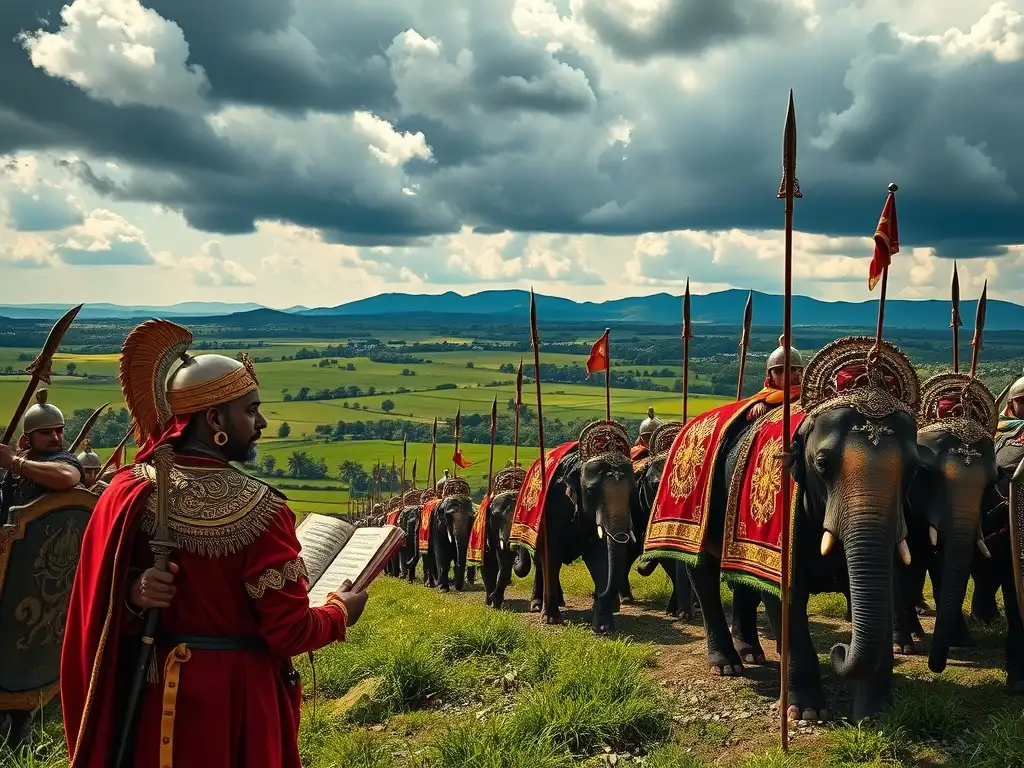
- War Elephants: The use of war elephants became a hallmark of Indian military strategy, providing both psychological and physical advantages in battle.
- Advanced Tactics: The Mauryan Empire, under Chandragupta and Ashoka, showcased remarkable logistical organization and battlefield tactics, influencing military leaders for centuries to come.
By examining these periods, we can see the intricate ways in which ancient Indian warfare has shaped military thought and continues to resonate in modern contexts.
Key Features of Ancient Indian Warfare
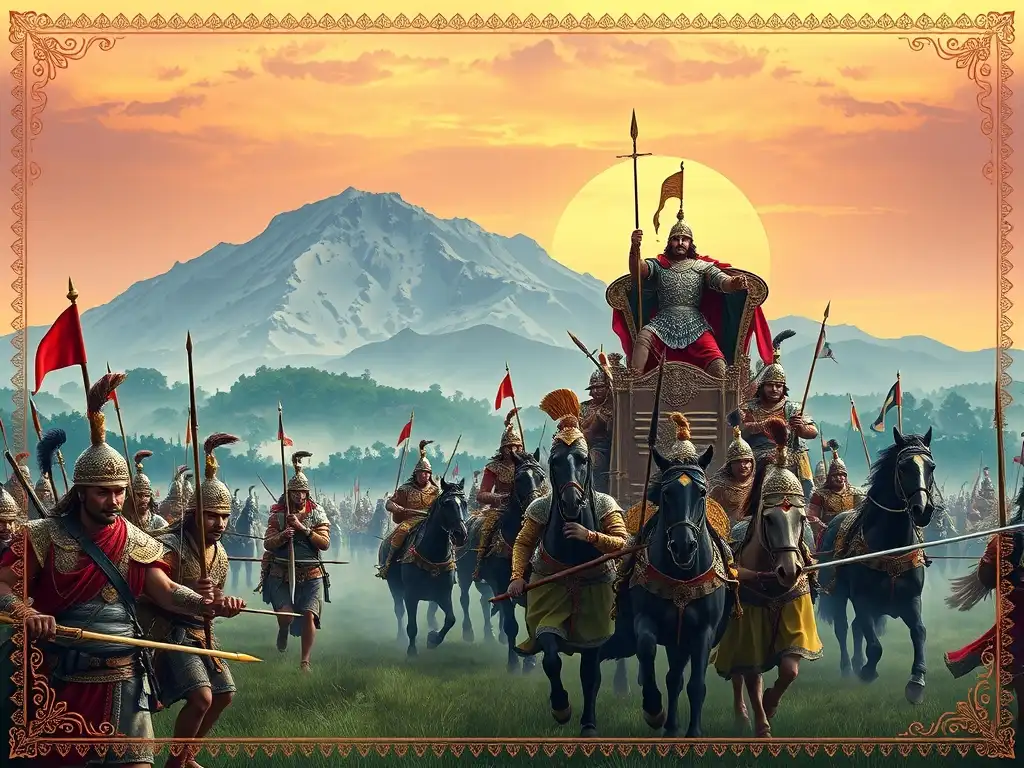
Ancient Indian warfare was characterized by a unique blend of strategies, technologies, and philosophies that set it apart from contemporary military practices elsewhere in the world. One of the most notable features was the emphasis on chariot-based warfare during the early periods, especially seen in the Vedic texts. Chariots, pulled by horses, served as mobile platforms for archers and warriors, allowing for greater maneuverability on the battlefield.
Another defining characteristic was the hierarchical organization of military forces. Armies were structured around a core of professional warriors, supported by auxiliary troops, which could include infantry, cavalry, and elephants. This organization allowed for flexibility and adaptability in various combat scenarios. Furthermore, the use of fortifications and strategic positioning played a critical role, with many ancient Indian states investing in the construction of formidable forts to protect their territories.
Weapons and Armor Used in Ancient Indian Battles
The arsenal of ancient Indian warfare included a diverse range of weapons, each designed for specific combat situations. The bow and arrow were among the most prominent, with skilled archers playing pivotal roles in battles. Swords, spears, and axes were also common, crafted from high-quality metals like iron, which were often superior to those used in other regions during the same period.
In terms of armor, ancient Indian warriors utilized various protective gear made from materials like leather, metal, and cloth. Notable examples include the use of padded armor or chainmail, which provided a balance between mobility and protection. Helmets, shields, and greaves were also integral components of a warrior's attire, reflecting both functionality and the status of the wearer.
Military Tactics and Strategies in Ancient India
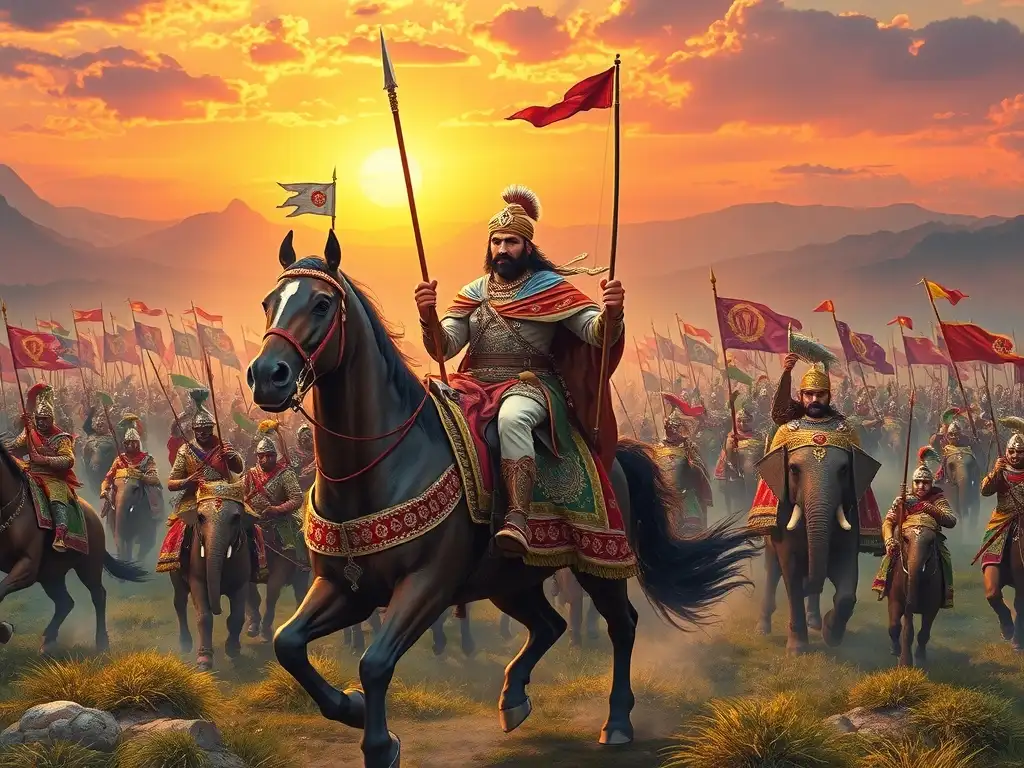
Military tactics in ancient India were heavily influenced by the terrain and socio-political contexts of the time. Terrain played a crucial role in determining the effectiveness of different strategies; for instance, battles in hilly regions required guerrilla tactics, while open plains favored cavalry charges and chariot warfare.
Surprise attacks, ambushes, and flanking maneuvers were common strategies employed by commanders to gain the upper hand. The ancient Indian military texts, notably the Arthashastra, emphasize the importance of intelligence and psychological warfare—spying on the enemy and demoralizing them before the actual confrontation was seen as vital for victory.
Role of Elephants and Cavalry in Warfare
Elephants were a cornerstone of ancient Indian military strength, often used as war machines capable of trampling infantry and cavalry alike. Their sheer size and strength made them intimidating on the battlefield, and they were sometimes equipped with armor and weapons to enhance their combat effectiveness. Elephants also served logistical purposes, transporting troops and supplies across challenging terrains.
Cavalry units, composed of horsemen, complemented the infantry's capabilities, providing rapid movement and the ability to execute swift attacks. The combination of elephants and cavalry allowed armies to achieve tactical superiority and exert dominance in various engagements. This integration of diverse forces marked a sophisticated approach to warfare that influenced military practices in neighboring regions.
Philosophical and Cultural Influences on Warfare
Ancient Indian warfare was deeply intertwined with philosophical and cultural beliefs, shaping not only military practices but also societal values. Concepts of dharma (duty) played a central role, where the act of fighting was often seen as a righteous endeavor, particularly in the context of defending one’s homeland or upholding moral principles.
The narratives found in epics such as the Mahabharata and Ramayana reflect the complex relationship between warfare, heroism, and ethics, showcasing how warriors were expected to balance their martial duties with adherence to moral codes. This intertwining of philosophy and warfare created a unique cultural framework that influenced the approach to conflict throughout the ages.
The Art of War: Kautilya's Arthashastra
Kautilya's Arthashastra, a seminal text on statecraft and military strategy, offers profound insights into ancient Indian warfare. Written in the 4th century BCE, it emphasizes the importance of a well-organized military structure, effective resource management, and the necessity of diplomacy and espionage in achieving strategic objectives.
Kautilya advocates for the use of both direct and indirect approaches in warfare, including the element of surprise and psychological tactics to destabilize the enemy. His teachings on the importance of understanding the enemy's strengths and weaknesses resonate with modern military thought, highlighting the timeless relevance of strategic planning in warfare.
Spiritual and Ethical Dimensions of Warfare in Ancient India
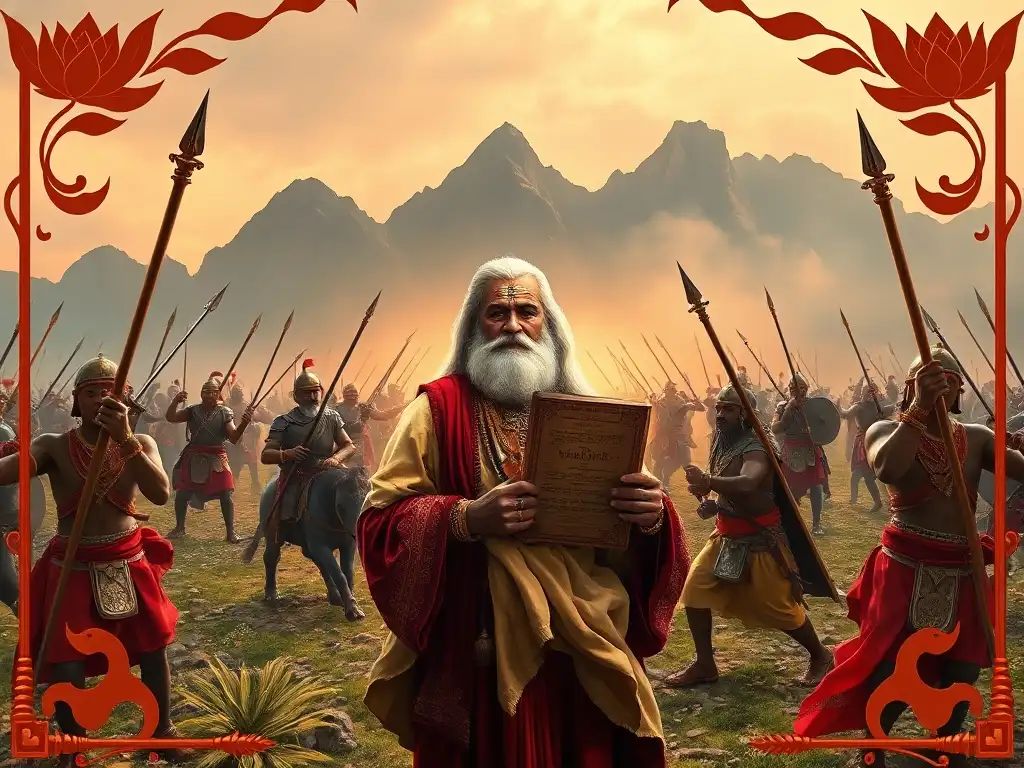
The spiritual and ethical dimensions of warfare in ancient India were significant, with many warriors believing in divine sanctioning of their actions. Battles were often framed as struggles between good and evil, further legitimizing the use of force. The concept of dharma-yuddha, or righteous war, underscored the belief that warfare should be conducted for just causes, with strict codes of conduct governing the behavior of warriors.
These spiritual beliefs influenced the way battles were fought and the rituals surrounding them, including prayers for success and offerings to deities before significant confrontations. Such practices underscored the integration of spirituality into the very fabric of military operations, shaping the mindset of ancient Indian warriors.
Influence of Religion on Military Practices
Religion played a pivotal role in shaping military practices in ancient India. The major religions, including Hinduism and Buddhism, contributed to the ethical frameworks within which wars were waged. Hindu texts provided guidelines on the conduct of war, emphasizing the need for warriors to act in accordance with their duties while upholding moral values.
Buddhism, while advocating for peace, also recognized the necessity of defending against aggression. This duality allowed for a nuanced approach to warfare, where the protection of the realm and its citizens was seen as a sacred responsibility. The influence of religious tenets on military practices created a distinctive blend of duty, ethics, and spirituality that permeated the ancient Indian battlefield.
The Evolution of Military Thought
The evolution of military thought in ancient India is a rich tapestry woven with intricate strategies, philosophical underpinnings, and practical applications. Ancient Indian warfare was not merely about combat; it encompassed a broader understanding of strategy, ethics, and governance. The ancient texts, particularly the Arthashastra by Kautilya (Chanakya), outline comprehensive military doctrines that emphasize the importance of intelligence, diplomacy, and statecraft alongside brute force.
This evolution can be traced through various periods, starting from the Indus Valley Civilization, which showcased advanced fortifications and urban planning, indicating an early understanding of defense mechanisms. As time progressed, military thought became more sophisticated, integrating theoretical frameworks with practical warfare experiences. The rise of empires like the Maurya and Gupta dynasties saw the formalization of military strategies that influenced not only the Indian subcontinent but also the regions beyond its borders.
From Ancient Indian Warfare to Medieval Military Strategies
The transition from ancient to medieval warfare in India was marked by significant changes in tactics, technology, and organization. The ancient Indian armies were primarily composed of infantry, cavalry, and elephants, with a strong emphasis on chariot warfare. However, as new technologies emerged, including the introduction of gunpowder and firearms during the medieval period, military strategies evolved to accommodate these advancements.
Medieval Indian warfare saw the incorporation of fortified structures, guerilla tactics, and alliances with local rulers, reflecting a more complex battlefield environment. The strategies employed by leaders such as Shivaji Maharaj during the Deccan Wars showcased the adaptability of ancient principles to contemporary challenges. Moreover, the influence of ancient texts on medieval commanders ensured that the foundational concepts of warfare remained integral, bridging the gap between ancient and modern military thought.
The Impact of Ancient Warfare on Modern Military Theories
Ancient Indian warfare has had a profound impact on modern military theories, particularly in the realms of strategy and ethics. The principles articulated in texts like the Arthashastra have found resonance in contemporary military academies around the world, emphasizing the strategic importance of intelligence and resource management.
Modern military thought has also adopted the concept of asymmetrical warfare, which mirrors the tactics utilized by ancient Indian warriors who often faced larger armies. The emphasis on psychological warfare, deception, and the use of terrain as a strategic advantage can be traced back to ancient practices. Furthermore, the ethical considerations surrounding warfare, including the idea of Dharma Yuddha (righteous war), continue to influence discussions on just war theory in modern contexts.
Comparative Analysis: Ancient Indian Warfare vs. Other Ancient Civilizations
When comparing ancient Indian warfare to other ancient civilizations, several distinct features emerge. While civilizations such as the Greeks and Romans focused heavily on infantry formations and siege warfare, Indian warfare encompassed a more diverse array of units, including cavalry and war elephants.
The strategic doctrines of ancient India, as articulated in texts like the Mahabharata, often emphasized the moral and ethical dimensions of warfare, which differed from the more pragmatic and sometimes ruthless approaches seen in other cultures. Additionally, ancient Indian commanders employed a unique combination of diplomacy and warfare, often opting for negotiation and alliance-building before resorting to battle, a contrast to the more confrontational styles of their contemporaries.
Case Studies of Notable Battles and Leaders
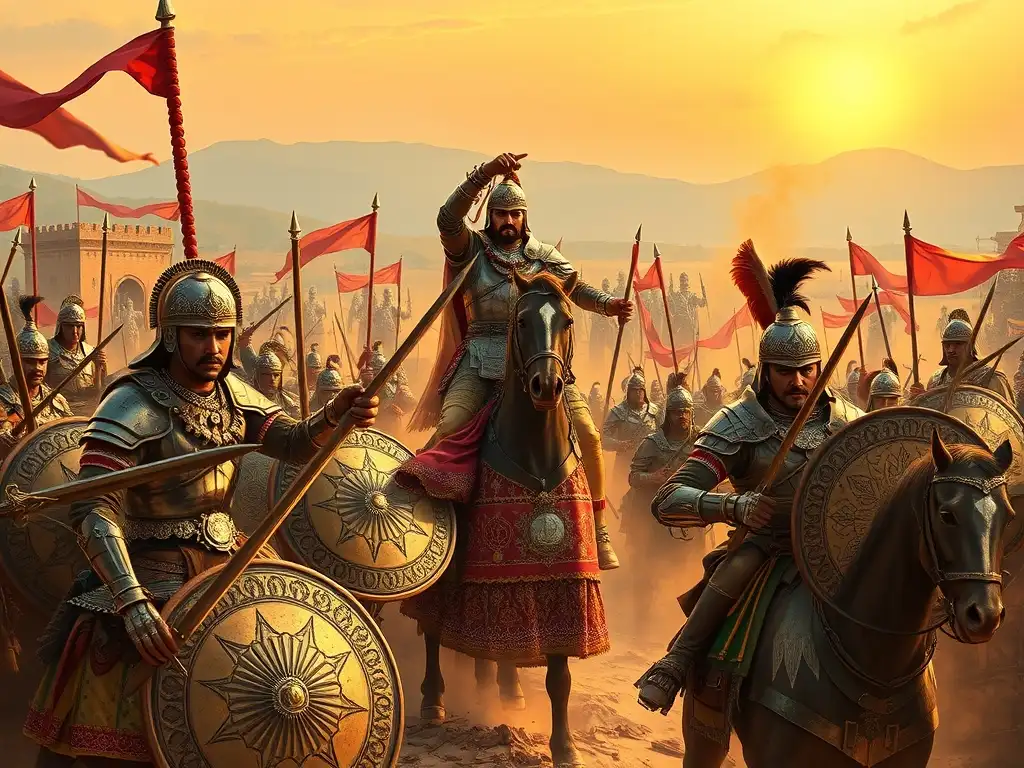
The Battle of Kalinga: A Turning Point in Indian Warfare
The Battle of Kalinga, fought in 261 BCE, stands as one of the most significant conflicts in ancient Indian history. This battle not only marked a turning point for Emperor Ashoka but also transformed the nature of Indian warfare. The large-scale loss of life and the suffering witnessed during the battle led Ashoka to embrace Buddhism and advocate for non-violence, fundamentally altering the approach to warfare in India.
The strategies employed during the battle, including the use of war elephants and innovative formations, showcased the military prowess of the Mauryan Empire. The aftermath of Kalinga emphasized the psychological impact of warfare, leading to a reassessment of military ethics and the responsibilities of rulers towards their subjects.
Chandragupta Maurya: Strategic Genius and Military Reformer
Chandragupta Maurya, the founder of the Maurya Empire, is often hailed as a strategic genius whose military reforms laid the foundation for one of the most powerful empires in ancient India. His ability to unite diverse factions and implement innovative military strategies, including the effective use of cavalry and infantry, was crucial in overthrowing the Nanda dynasty.
Chandragupta's collaboration with Kautilya resulted in the development of comprehensive military strategies that emphasized not only combat but also the importance of espionage and intelligence-gathering. His reign marked the beginning of a new era in Indian warfare, characterized by organized military campaigns and strategic territorial expansion.
Samudragupta: The Conqueror and His Military Campaigns
Samudragupta, often referred to as the "Great Emperor," was a formidable military leader whose campaigns expanded the Gupta Empire significantly. His strategic acumen is evidenced in the way he executed rapid and decisive military operations against various kingdoms across northern India.
The conquests of Samudragupta were characterized by a blend of diplomacy and military strength; he often offered the choice of submission to his adversaries before engaging in battle. This approach not only minimized casualties but also facilitated the integration of conquered territories into his empire. His legacy as a military commander continues to influence perceptions of effective leadership and warfare in the modern context.
The Legacy of Ancient Indian Warfare in Modern Times
The legacy of ancient Indian warfare is profound and extends far beyond the historical battlefield. It has significantly influenced modern military thought, strategy, and tactics. The principles and practices developed by ancient Indian military leaders, such as Chandragupta Maurya and Ashoka the Great, continue to resonate in contemporary defense strategies. The intricate understanding of warfare that emerged from texts like the Arthashastra by Kautilya (Chanakya) has laid the groundwork for several military doctrines worldwide.
The strategic wisdom encapsulated in these ancient texts emphasizes the importance of intelligence, psychological warfare, and the socio-political context of conflicts, thus providing a comprehensive framework for modern military strategists to analyze and adapt tactics according to the prevailing conditions of warfare today. Additionally, the organizational structure and division of armed forces in ancient India reflect principles that are still relevant in contemporary military operations.
How Ancient Indian Warfare Influences Contemporary Military Tactics
Ancient Indian warfare introduced various tactical innovations that have been adapted and adopted in modern military operations. One of the most significant influences is the emphasis on guerrilla warfare, which was effectively utilized by ancient Indian kings during their campaigns. For instance, the use of hit-and-run tactics, ambushes, and the element of surprise are strategies that modern armies incorporate in asymmetric warfare today.
Furthermore, the concept of Dharma Yuddha, or righteous warfare, stresses the ethical dimensions of conflict, which has implications for contemporary military ethics and rules of engagement. Modern militaries now consider the moral justification of their actions in combat, reflecting the ancient Indian belief in the righteousness of a cause.
Additionally, the ancient Indian practice of meticulous planning and preparation for warfare aligns closely with contemporary military doctrine, which emphasizes intelligence gathering, strategic alliances, and resource management.
The Relevance of Ancient Military Texts in Modern Defense Studies
The ancient Indian military texts, particularly the Arthashastra, remain highly relevant in modern defense studies. These texts provide insights into statecraft, military strategy, and economic policies related to warfare. Scholars and military leaders analyze these works to glean strategies that address current global security challenges.
The Arthashastra outlines various forms of warfare, including psychological warfare, espionage, and the use of deception, which are crucial in today's information warfare landscape. Moreover, the text's guidelines on fortification and supply chain management continue to serve as foundational principles in military logistics and infrastructure planning.
Academic institutions and military academies around the world have begun integrating the study of these ancient texts into their curricula, highlighting their enduring significance in shaping military leadership and strategic thought.
Case Studies of Modern Military Leaders Inspired by Ancient Indian Warfare
Many modern military leaders have drawn inspiration from ancient Indian warfare, exemplifying its lasting impact on military strategy. One notable figure is General K. M. Cariappa, the first Commander-in-Chief of the Indian Army, who advocated for the principles of combined arms and maneuver warfare that echo the tactical innovations of ancient Indian generals.
Additionally, military theorists such as Sun Tzu, who, while not Indian, have recognized the strategic relevance of ancient Indian texts, often referencing their philosophies in discussions of warfare. These case studies illustrate how ancient wisdom continues to inform and inspire contemporary military thinking and operations, bridging the past and present in the realm of military strategy.
Conclusion: The Enduring Influence of Ancient Indian Warfare
The enduring influence of ancient Indian warfare extends deeply into modern military thought and practice. The principles established by ancient strategists have not only shaped the methods of warfare in their time but continue to provide valuable lessons for contemporary military leaders.
Summary of Key Insights on Ancient Indian Warfare Influence
The influence of ancient Indian warfare on modern military tactics is evident in several key areas:
- Guerrilla Warfare: The tactical innovations of hit-and-run strategies and ambushes.
- Ethical Warfare: The concept of righteous war shaping contemporary military ethics.
- Strategic Planning: The emphasis on intelligence and meticulous preparation.
- Textual Relevance: The continued study of ancient military texts in modern defense studies.
These insights underscore the foundational role that ancient Indian warfare plays in contemporary military strategies and ethical considerations.
Final Thoughts on the Importance of Understanding Ancient Military History
Understanding ancient military history, particularly that of ancient India, is vital for several reasons. It enriches our comprehension of military strategy and provides a historical context for the evolution of warfare. By studying ancient practices, contemporary military leaders can adapt and innovate strategies that are relevant for today’s complex and dynamic security environment. This perspective not only honors the legacy of ancient civilizations but also equips modern militaries with the wisdom to navigate future challenges effectively.
- Introduction to Ancient Indian Warfare Influence
- Historical Context of Ancient Indian Warfare
- Key Features of Ancient Indian Warfare
- Weapons and Armor Used in Ancient Indian Battles
- Military Tactics and Strategies in Ancient India
- Role of Elephants and Cavalry in Warfare
- Philosophical and Cultural Influences on Warfare
- The Art of War: Kautilya's Arthashastra
- Spiritual and Ethical Dimensions of Warfare in Ancient India
- Influence of Religion on Military Practices
- The Evolution of Military Thought
- Case Studies of Notable Battles and Leaders
- The Legacy of Ancient Indian Warfare in Modern Times
- Conclusion: The Enduring Influence of Ancient Indian Warfare
- What was the significance of ancient Indian warfare in shaping military strategies?
- How did the Indus Valley Civilization contribute to early military practices?
- What role did the Gupta Empire play in the evolution of warfare?
- How did religion and philosophy impact ancient Indian military thought?
- What are the modern implications of studying ancient Indian warfare influence?
Frequently Asked Questions
What was the significance of ancient Indian warfare in shaping military strategies?
Ancient Indian warfare introduced innovative tactics and strategies that influenced military thought across the world, emphasizing the importance of cavalry and archery.
How did the Indus Valley Civilization contribute to early military practices?
The Indus Valley Civilization showcased advanced urban planning and fortifications, which laid the groundwork for organized defense and military infrastructure in later periods.
What role did the Gupta Empire play in the evolution of warfare?
The Gupta Empire marked a golden age, where warfare strategies were refined, including the use of war elephants and siege tactics, influencing future military campaigns.
How did religion and philosophy impact ancient Indian military thought?
Ancient Indian military thought was deeply intertwined with religion and philosophy, as texts like the Arthashastra provided ethical guidelines on warfare and governance.
What are the modern implications of studying ancient Indian warfare influence?
Studying ancient Indian warfare influence helps modern military leaders understand the historical context of strategy and fosters an appreciation for cultural diversity in military practices.
Final Reflection: The Enduring Influence of Ancient Indian Warfare
The legacy of ancient Indian warfare continues to resonate profoundly in today's military strategies and philosophies. As we explore the intricate tapestry of tactics, ethics, and leadership from this rich historical period, it becomes evident that the insights gained from ancient Indian warfare are not merely relics of the past but vital components that shape modern military thought. The principles of strategy, the emphasis on dharma (righteousness), and the innovative use of technology from ancient times serve as a foundation for contemporary military doctrines, reminding us that history is a living guide.
The influence of ancient Indian warfare extends beyond the battlefield, permeating cultural narratives and social structures. Its teachings on honor, duty, and the complexities of conflict continue to inspire leaders and strategists around the world. As we reflect on this enduring impact, we are reminded of the words of Sun Tzu: In the midst of chaos, there is also opportunity.
This quote encapsulates the essence of how ancient Indian warfare not only addressed the challenges of its time but also provided frameworks that are applicable in our modern context, urging us to find clarity and purpose amidst turmoil.
As we conclude this exploration, I invite you to reflect on how the lessons from ancient Indian warfare can influence your own life and decisions. Consider the principles of strategy, ethics, and resilience in your personal and professional endeavors. Embrace the wisdom of the past to navigate the complexities of the present and future, recognizing that the legacy of ancient Indian warfare is not just a historical account but a call to action for us all. Let us honor this legacy by applying its teachings to foster a more thoughtful and strategic approach to the challenges we face today.
Uncover the Impact of Ancient Indian Warfare Today!
Thank you for exploring the legacy of ancient Indian warfare with us! Your interest in this fascinating topic highlights the profound influence these strategies have on modern military thought. Now, let’s turn that knowledge into action!
Here are some practical steps you can take to continue exploring this rich history:
- Dive deeper: Read a significant book on ancient military strategies that has shaped contemporary tactics and leadership.
- Share your insights: Discuss your findings with friends or fellow history enthusiasts to spark engaging conversations.
- Join a community: Connect with online groups or forums dedicated to historical military strategies to broaden your understanding and exchange ideas.
How have the principles of ancient warfare influenced your perspective on modern conflicts?