
The Role of Ancient Indian Military Treatises in Shaping Warfare

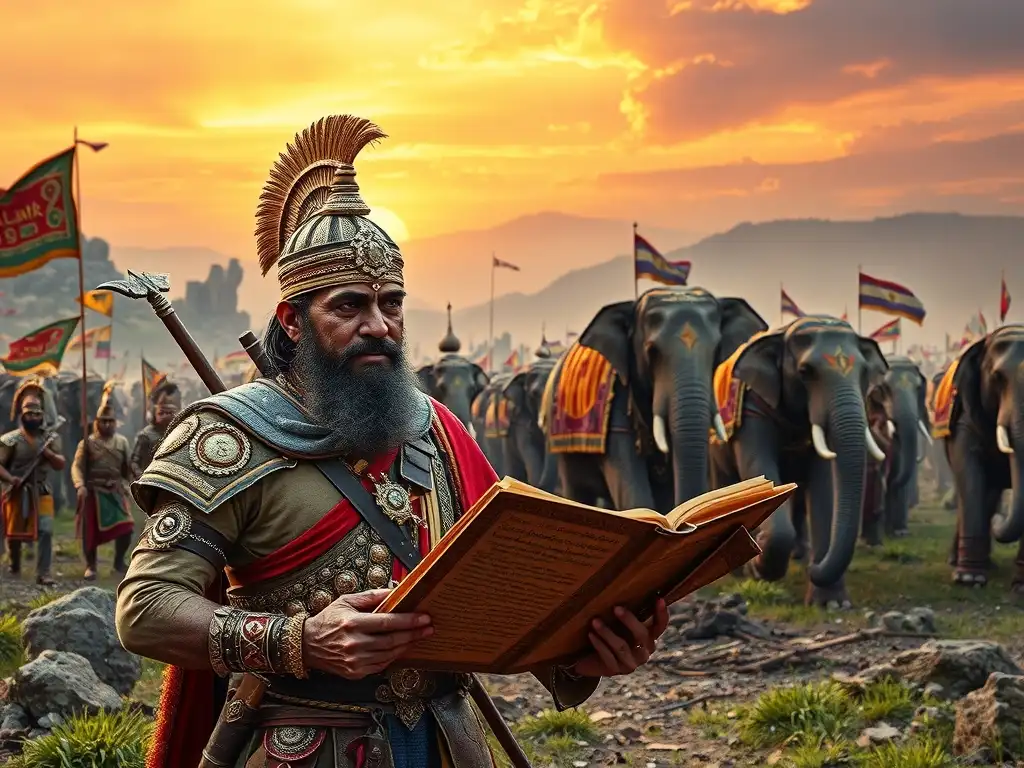
Welcome to Ancient India History, where we embark on a fascinating journey through the rich tapestry of ancient Indian civilizations. From the enigmatic Indus Valley to the illustrious Gupta Empire, our exploration uncovers the profound cultural contributions that shaped not only India but the entire world. In this article, delve into the intriguing world of ancient Indian military strategies, discovering how timeless military treatises influenced the art of warfare and left an indelible mark on history.
Are you ready to unravel the secrets of these ancient tactics? Join us as we ignite your curiosity and guide you deeper into the legacy of military innovation in ancient India!
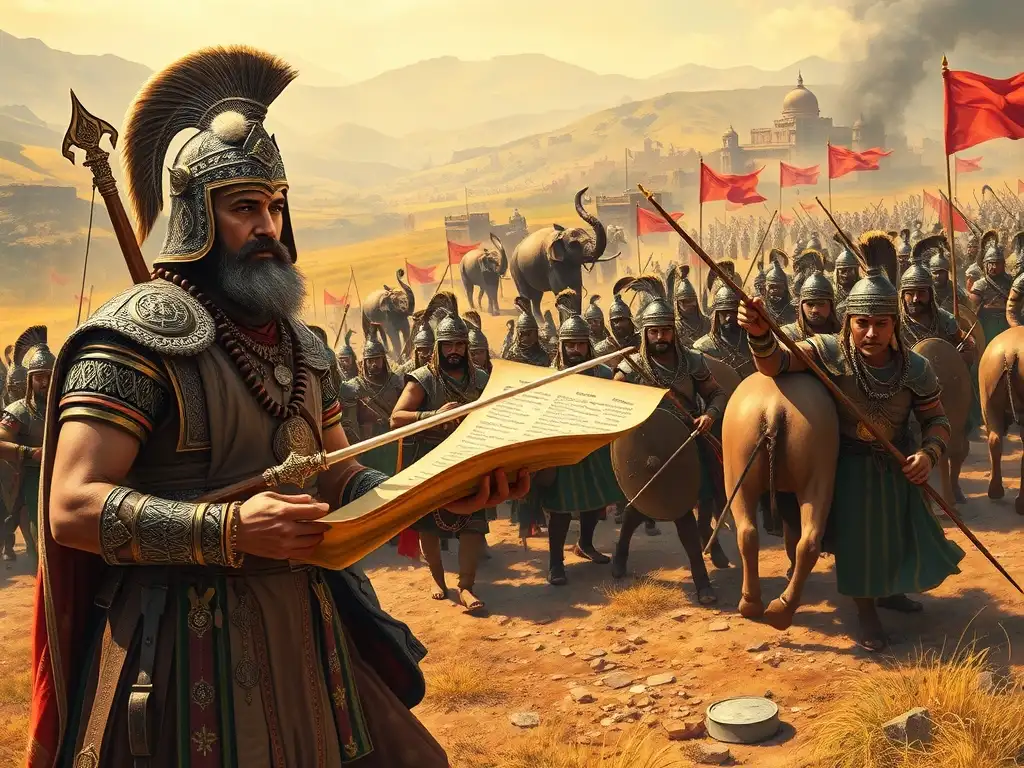
The study of ancient Indian military strategies reveals a rich tapestry of thought and practice that has significantly influenced the art of warfare throughout history. From the strategic brilliance of the Indus Valley Civilization to the elaborate military doctrines of the Gupta Empire, ancient India produced a wealth of military treatises that shaped both the techniques of combat and the philosophical underpinnings of statecraft.
This article delves into the intricate world of these military texts, examining their role in formulating strategies, guiding leaders, and ultimately contributing to the successes and failures of various ancient Indian kingdoms. By exploring key military treatises and understanding their context within ancient Indian civilization, we uncover the lasting legacy of Indian military thought and its relevance to contemporary discussions on warfare.
Introduction to Ancient Indian Military Strategies
Ancient India was home to a diverse range of military strategies that evolved over centuries, shaped by social, political, and geographical factors. The significance of warfare in this historical context cannot be overstated, as it played a crucial role in the rise and fall of empires, the expansion of territories, and the preservation of cultural identities. The military strategies developed during this period were not merely about brute force; they encompassed a comprehensive understanding of tactics, logistics, and diplomacy.
Overview of Military Treatises in Ancient India
Military treatises from ancient India serve as invaluable resources for understanding the complexities of warfare during this era. These texts provided a systematic approach to military organization, strategy, and even psychological warfare. Major works like the Arthashastra and Nitisara offer insights into the minds of strategists and rulers, reflecting the sophisticated nature of ancient Indian military thought.
- Key Features of Military Treatises:
- Detailed strategies for battlefield tactics
- Guidelines for the governance of military forces
- Philosophical reflections on the nature of warfare and statecraft
- Integration of ethical considerations in military decisions
Importance of Warfare in Ancient Indian Civilization
Warfare was not merely a matter of survival for ancient Indian civilizations; it was intricately woven into the fabric of society. The success of a kingdom often depended on its military capabilities, which could influence trade routes, diplomatic relations, and cultural exchanges. Additionally, the valor and heroism depicted in the narratives of warfare contributed to the cultural identity of various communities, fostering a sense of pride and unity.
Key Ancient Indian Military Treatises
In the realm of ancient Indian military strategies, several treatises stand out for their depth and influence. These works not only shaped military practices but also contributed to the broader discourse on governance and ethics.
Arthashastra: The Comprehensive Guide to Warfare
Authored by the ancient philosopher Kautilya (Chanakya), the Arthashastra is one of the most significant texts on statecraft and military strategy in ancient India. This treatise covers a wide array of topics, including:
- Military Organization: Guidelines on the recruitment, training, and deployment of troops.
- Tactics and Strategies: In-depth analysis of battlefield tactics, siege warfare, and psychological warfare techniques.
- Diplomacy: Insights into the importance of alliances and the role of espionage in warfare.
The Arthashastra emphasizes a pragmatic approach to governance and warfare, advocating for the use of cunning and strategy over mere force.
Kamandaka's Nitisara: The Art of Governance and Warfare
Another crucial text, Nitisara, authored by Kamandaka, expands on the principles laid out in the Arthashastra but places a stronger emphasis on governance and ethical conduct in warfare. Key themes include:
- Ethics of Warfare: The moral responsibilities of rulers and soldiers during conflict.
- Strategic Governance: The intersection of military strategy and effective governance.
- Leadership Qualities: Traits that a ruler must possess to lead successfully in both peace and war.
Kamandaka’s work highlights the importance of integrating ethical considerations into military strategies, ensuring that the pursuit of victory does not come at the cost of moral integrity.
Through these influential texts, ancient Indian military strategies not only shaped the battlefield but also laid the groundwork for a nuanced understanding of power, governance, and ethics that resonates even today.
The Influence of Ancient Indian Military Treatises on Warfare
Ancient Indian military treatises played a significant role in shaping the strategies and tactics employed in warfare throughout the subcontinent. These texts, such as the Arthashastra by Kautilya and Brahmastra treatises, offered profound insights into military organization, logistics, and tactics that were instrumental in both statecraft and warfare. The principles outlined in these documents were not merely theoretical; they were designed to be practical, addressing the realities of conflict and governance.
The treatises emphasized the importance of intelligence and psychological warfare, advocating for the collection of information about the enemy's strengths and weaknesses. This strategic foresight allowed commanders to make informed decisions that could turn the tide of battle. Furthermore, concepts such as the use of terrain to one’s advantage and the mobilization of resources reflect a sophisticated understanding of military science that was ahead of its time.
Moreover, these military texts contributed to the codification of various martial arts and combat techniques, influencing not only military leaders but also the warrior classes of ancient India. The emphasis on training and discipline can be seen in various regional martial traditions that evolved from these treatises, ensuring that military effectiveness was maintained through rigorous preparation and skill development.
Strategic Insights from Ancient Indian Military Literature
Ancient Indian military literature is rich with strategic insights that remain relevant even in modern contexts. For instance, Kautilya’s Arthashastra presents a holistic view of warfare that integrates economic, political, and military strategies. It outlines the importance of diplomacy alongside military action, emphasizing that successful warfare often involves negotiation and alliances as much as it does direct confrontation.
The treatises also delve into the concept of Dharma (righteousness) in warfare, suggesting that moral considerations should guide military actions. This ethical framework was fundamental in shaping the conduct of war, promoting the idea that battles should be fought not only for territorial gains but also for just causes. Such insights contribute significantly to discussions about the ethics of warfare in contemporary military theory.
Moreover, the strategic emphasis on adaptability and learning from past conflicts resonates with modern military doctrines that advocate for flexibility and innovation in the face of changing battle conditions. The ability to evolve tactics based on situational analysis is a key takeaway from these ancient texts, highlighting their lasting relevance.
Comparison with Contemporary Military Theories
When comparing ancient Indian military strategies with contemporary military theories, several parallels and distinctions emerge. Modern military strategies often emphasize technology and mechanization, while ancient Indian treatises focused heavily on human factors, such as morale, leadership, and the psychological state of troops.
For example, contemporary theories, such as those articulated by military strategists like Carl von Clausewitz, also recognize the dynamic nature of warfare and the importance of adaptability. However, ancient Indian military literature predates these theories and offers a more integrated approach by considering economic, social, and political dimensions alongside military engagement.
Furthermore, the ancient texts illustrate a profound understanding of psychological operations, akin to contemporary strategies that prioritize information warfare and propaganda. This alignment underscores the timeless nature of certain strategic principles, suggesting that while the tools and technologies of warfare may evolve, the underlying strategies often remain grounded in historical wisdom.
Case Studies: Application of Ancient Indian Military Strategies
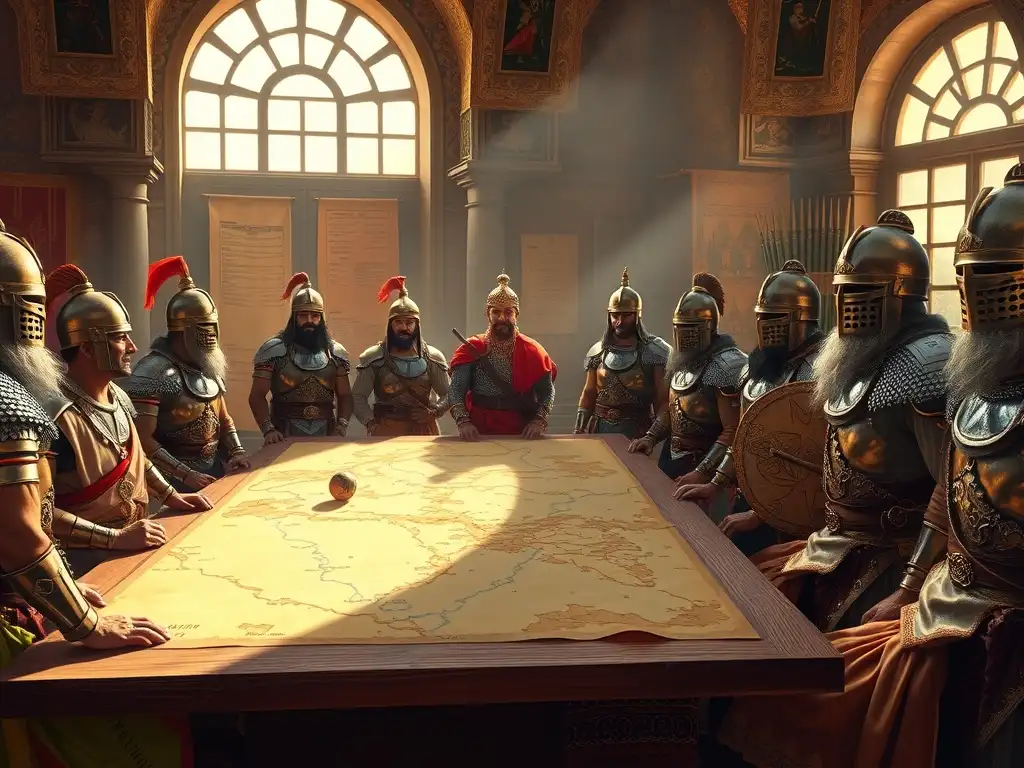
Ancient Indian military strategies were not only theoretical constructs; they were applied in various historical contexts that demonstrate their effectiveness. One significant case is the Mauryan Empire, where Chandragupta Maurya utilized Kautilya’s teachings to establish a powerful state. His strategic alliances and efficient use of resources exemplified the practical application of the principles laid out in the Arthashastra.
Another notable instance is the Gupta Empire, where military strategies were pivotal in repelling invasions and expanding territorial control. The Guptas employed a combination of cavalry, infantry, and war elephants, reflecting the comprehensive approach to warfare advocated in ancient texts. Such examples showcase the enduring legacy of these military treatises in shaping the course of Indian history.
Historical Examples of Military Treatises in Action
One prominent historical example is the use of the Arthashastra during the Mauryan period. Kautilya’s strategies were instrumental in the successful campaigns that led to the unification of much of northern India. His emphasis on espionage and intelligence allowed Chandragupta to gain crucial advantages over rival kingdoms.
Additionally, during the conflicts faced by the Gupta Empire, the application of military strategies from ancient texts played a crucial role in their defense against foreign invaders, such as the Huns. The Gupta military’s effective use of terrain and formation tactics, as outlined in various treatises, exemplified the real-world applicability of these ancient strategies.
Lessons Learned from Ancient Indian Warfare
The study of ancient Indian warfare yields several lessons that are applicable even today. One key takeaway is the importance of comprehensive preparation that encompasses not only military readiness but also economic stability and societal support. This holistic approach ensures that a state is not just prepared for conflict but can sustain prolonged engagements if necessary.
Another lesson is the value of adaptability in strategy. Ancient Indian military leaders often modified their tactics based on their understanding of the battlefield and the enemy’s behavior. This principle remains vital in modern warfare, where the ability to pivot and adjust in response to real-time developments can determine the outcome of conflicts.
Moreover, the ethical considerations surrounding warfare, as emphasized in ancient texts, remind contemporary military strategists of the importance of moral frameworks in guiding military actions. Balancing military objectives with ethical considerations can aid in maintaining legitimacy and support both domestically and internationally.
The ancient Indian military treatises not only shaped the warfare strategies of their time but continue to offer valuable insights and lessons for modern military practices. Their enduring relevance underscores the rich legacy of ancient Indian civilization in the realm of military history.
Conclusion: The Lasting Legacy of Ancient Indian Military Strategies
The ancient Indian military strategies, as articulated in various treatises, have left an indelible mark on the art of warfare, influencing not only contemporaneous practices but also shaping the military doctrines of subsequent civilizations. The synthesis of philosophical and tactical insights within these texts provides a comprehensive framework for understanding the complexities of conflict and strategy. The principles outlined in treatises such as the Arthashastra by Kautilya and the Bhagavad Gita highlight the multifaceted nature of warfare, emphasizing the importance of ethics, psychology, and strategy in achieving victory.
Moreover, the integration of diplomacy, espionage, and resource management in these military strategies underscores their relevance across ages. The lessons derived from ancient Indian military thought continue to resonate, showcasing a legacy that transcends time and geography. This enduring influence manifests in the military strategies of various cultures, serving as a testament to the depth and sophistication of ancient Indian warfare.
Impact on Subsequent Generations of Military Thinkers
Ancient Indian military treatises have significantly impacted military thinkers across the globe. Scholars such as Sun Tzu, who wrote The Art of War, have drawn parallels between their strategies and those outlined in Indian texts. The emphasis on strategic deception, the importance of knowing the enemy, and the effective use of terrain and resources can be seen echoed in many military doctrines developed over the centuries.
Moreover, the moral and ethical considerations highlighted in texts like the Bhagavad Gita have influenced not only military leaders but also political strategists. The philosophical discussions surrounding duty, righteousness, and the consequences of war have shaped the way military strategies are perceived and implemented in various cultures. This cross-cultural dialogue illustrates the universality of the principles espoused in ancient Indian military literature, reinforcing their significance in shaping modern military thought.
The Relevance of Ancient Indian Military Treatises in Modern Warfare Studies
In the context of modern warfare studies, ancient Indian military treatises provide invaluable insights into asymmetric warfare, guerrilla tactics, and psychological operations. As contemporary conflicts increasingly involve non-state actors and unconventional strategies, the principles derived from these ancient texts are becoming increasingly relevant.
Military academies and think tanks are beginning to re-examine these historical strategies to inform current practices. Concepts such as the importance of morale, the adaptability of forces, and innovative resource management can be traced back to ancient Indian doctrines. Furthermore, the comprehensive nature of these treatises, which encompass not only battlefield tactics but also the socio-political context of warfare, offers a holistic approach to understanding military strategy today.
References
Suggested Readings on Ancient Indian Military Strategies
- Arthashastra by Kautilya: A foundational text on statecraft and military strategy that covers various aspects of governance and warfare.
- Bhagavad Gita: A philosophical dialogue that explores the ethical and moral dilemmas of warfare, providing insights into leadership and duty.
- The Art of War by Sun Tzu: While not an Indian text, it parallels many of the strategies found in ancient Indian military literature.
Key Historical Sources and Texts
- Mahabharata: An epic that not only narrates the story of the Kurukshetra War but also contains extensive discussions on strategy, ethics, and tactics.
- Sushruta Samhita: Although primarily a medical text, it discusses ancient battlefield medicine and the importance of maintaining troop health.
- Kautilya's Arthashastra: A detailed manual on warfare, diplomacy, and governance that provides a strategic framework that is still studied today.
- Introduction to Ancient Indian Military Strategies
- Key Ancient Indian Military Treatises
- The Influence of Ancient Indian Military Treatises on Warfare
- Case Studies: Application of Ancient Indian Military Strategies
- Conclusion: The Lasting Legacy of Ancient Indian Military Strategies
- References
- What are ancient Indian military strategies?
- How did military treatises impact warfare in ancient India?
- Who were some prominent figures in ancient Indian military history?
- What was the significance of the Arthashastra in military strategy?
- How do ancient Indian military strategies compare to those of other civilizations?
Frequently Asked Questions
What are ancient Indian military strategies?
Ancient Indian military strategies encompassed a variety of techniques and tactics utilized in warfare, influenced by the unique geography and cultural context of India.
How did military treatises impact warfare in ancient India?
Military treatises, such as the Arthashastra, provided comprehensive guidelines on strategy, logistics, and tactics, shaping the effectiveness of ancient Indian armies in various conflicts.
Who were some prominent figures in ancient Indian military history?
Notable figures include Chandragupta Maurya and Ashoka, who applied innovative military strategies and diplomacy to expand and maintain their empires.
What was the significance of the Arthashastra in military strategy?
The Arthashastra, authored by Kautilya, is a key text that outlines administrative, political, and military strategies, emphasizing the importance of intelligence and strategic alliances.
How do ancient Indian military strategies compare to those of other civilizations?
Ancient Indian military strategies often prioritized flexibility and adaptability, contrasting with the more rigid formations of contemporary civilizations, thereby reflecting India’s diverse cultural influences.
Final Reflection: The Enduring Legacy of Ancient Indian Military Strategies
The exploration of ancient Indian military treatises reveals their profound relevance in today's strategic landscape. The principles and tactics outlined in these texts not only shaped the warfare of their time but continue to influence modern military thought and practices. As we navigate an increasingly complex world, understanding these ancient strategies offers invaluable insights into leadership, strategy, and the art of conflict resolution.
The impact of these military treatises extends far beyond the battlefield; they have woven themselves into the very fabric of cultural and social dynamics. The teachings of strategists like Chanakya and Sun Tzu resonate with leaders and thinkers across various fields, emphasizing the importance of foresight, adaptability, and ethical considerations in decision-making. The greatest victory is that which requires no battle.
This quote encapsulates the essence of these ancient strategies, reminding us that wisdom often lies in prevention rather than confrontation.
As we reflect on the lessons from these ancient texts, I invite you to consider how you can apply their principles in your own life. What strategies can you adopt to navigate challenges and conflicts with greater wisdom and foresight? Embrace the teachings of the past to inform your present actions, and let the legacy of ancient Indian military strategies inspire you to lead with integrity and insight in your personal and professional endeavors.
Unleash the Wisdom of Ancient Warfare!
Thank you for taking the time to explore the profound insights of ancient Indian military treatises with us. You've gained a unique perspective on how these texts shaped the art of warfare. Now, it’s time to put this knowledge into action and dive deeper into this fascinating subject.
Here’s how you can continue your journey:
- Explore a specific treatise that intrigues you and summarize its key strategies in your own words to enhance your understanding.
- Share your newfound insights with friends or fellow history enthusiasts by discussing how these principles can apply to modern scenarios.
- Engage with our community by joining our forums or commenting below—let’s discuss how these ancient tactics could influence today’s strategic thinking!
What aspects of ancient military strategy do you think hold the most relevance in our modern world today?