
The Use of War Drums and Music in Ancient Indian Military Culture

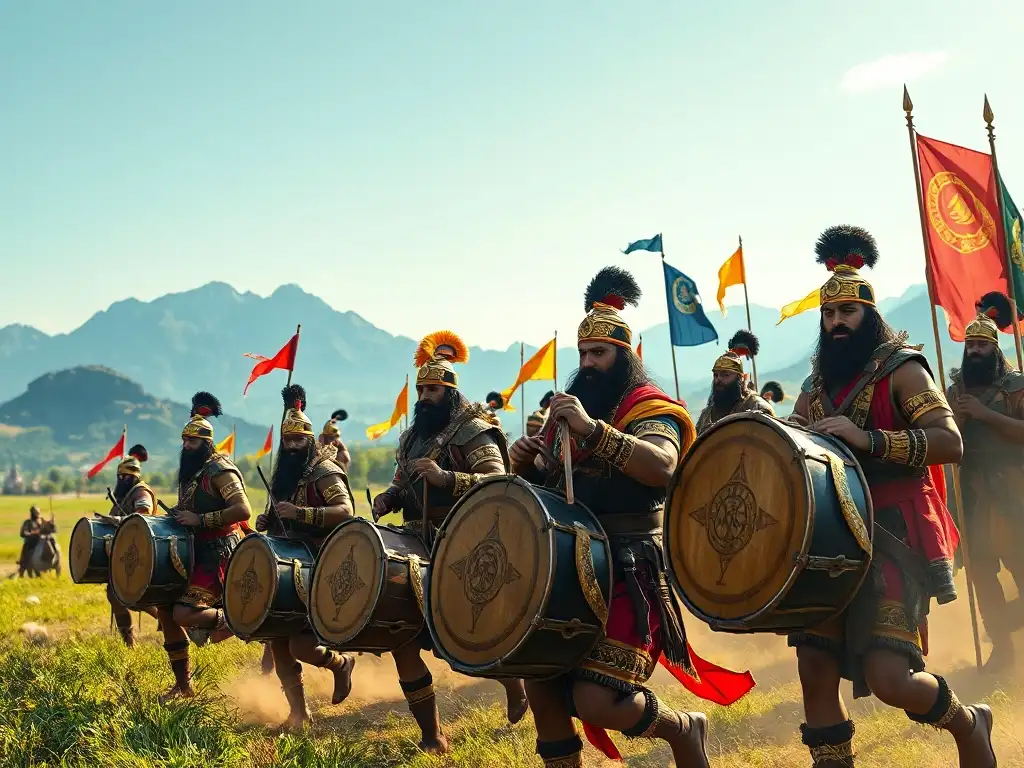
Welcome to Ancient India History, where we embark on a fascinating journey through the rich tapestry of ancient Indian civilizations. In this exploration, we delve into the intriguing realm of military culture, uncovering the vital role of war drums and music in shaping the strategies and spirit of ancient Indian armies. Have you ever wondered how the rhythmic beats of drums could inspire bravery on the battlefield? Join us as we unravel the history of ancient Indian military music and its profound impact on warfare, culture, and legacy. Your adventure into the echoes of the past begins now!
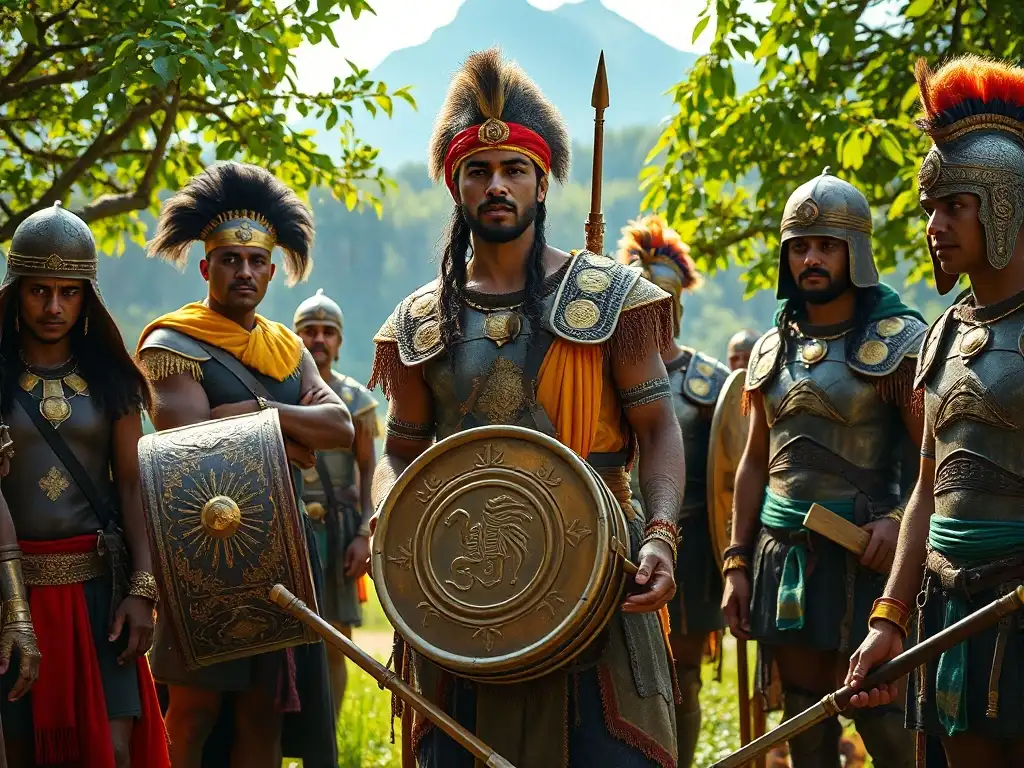
Introduction to Ancient Indian Military Music History
The intricate tapestry of ancient Indian military culture is woven with threads of music and rhythm that played a pivotal role in shaping the conduct and morale of armies. From the resonant beats of war drums to the melodic strains of battle hymns, music was not merely an accompaniment but a fundamental aspect of military strategy and communication.
Ancient Indian military music history reveals how sound and rhythm were employed to inspire troops, intimidate foes, and create a sense of unity and purpose among soldiers. Understanding this musical heritage offers profound insights into the broader cultural and historical contexts of ancient Indian civilizations, highlighting their innovative approaches to warfare and community organization.
Overview of Ancient Indian Military Music
Ancient Indian military music was characterized by a variety of instruments, techniques, and practices that evolved over centuries. Key components included:
- War Drums: Drums like the dhol and nagada were central to military operations, providing rhythmic signals during battles.
- Wind Instruments: Instruments such as the shehnai and bansuri contributed to both ceremonial occasions and battlefield morale.
- Vocal Music: Chants and songs served to boost the spirits of soldiers and convey messages across the ranks.
This multifaceted musical tradition not only served functional purposes but also reflected the rich cultural diversity of ancient India, integrating local traditions and influences from neighboring regions.
Importance of Music in Ancient Indian Warfare
Music played a crucial role in ancient Indian warfare, functioning as a powerful tool for:
- Communication: Drummers and musicians communicated commands and strategies, allowing for coordinated movements among troops.
- Psychological Warfare: The sound of drums could strike fear into the hearts of enemies, while uplifting melodies fostered bravery among soldiers.
- Ceremonial Significance: Music was integral to rituals and ceremonies, marking the beginning of campaigns and honoring victories.
The strategic use of music in warfare exemplified the sophisticated understanding of human emotions and group dynamics in ancient Indian military culture.
Historical Context of Military Music in Ancient India
Understanding the historical context of military music in ancient India requires exploring its origins and evolution through different eras.
Origins of War Drums in Indian Military Culture
The roots of war drums in Indian military culture can be traced back to the early Vedic period, where percussion instruments were first documented in sacred texts. War drums served as instruments of communication, marking the rhythms of battle that resonated across the plains and valleys.
- Early References: Ancient texts such as the Rigveda reference the use of drums during rituals and warfare.
- Symbolism: Drums symbolized authority and power, often associated with deities of war and protection.
Evolution of Military Music through Different Eras
As Indian civilization progressed, so too did its military music, reflecting changes in society, warfare techniques, and cultural exchanges.
- Maurya to Gupta Periods: The rise of powerful empires saw the formalization of music in military training, with systematic incorporation of musicians into army ranks.
- Medieval Contributions: The influence of regional styles and the arrival of new instruments enriched the military music landscape, further solidifying its role in warfare.
The evolution of military music in ancient India is a testament to the interplay between culture, warfare, and music, showcasing how these elements shaped the identity of ancient Indian civilizations.
Types of War Drums Used in Ancient Indian Armies
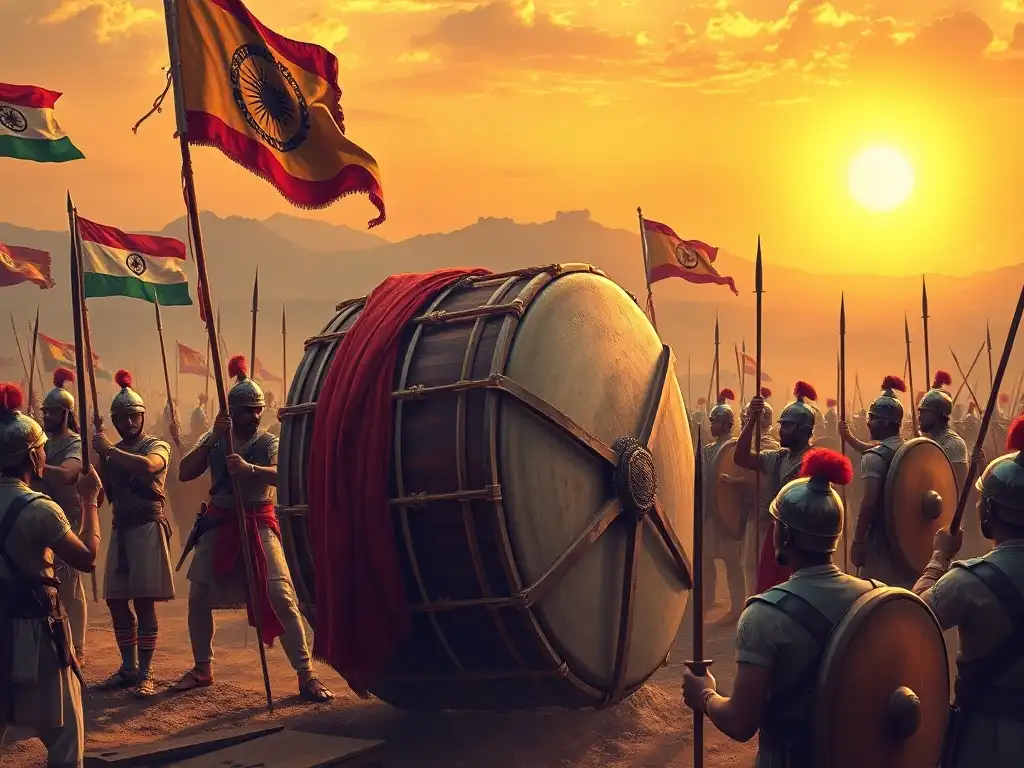
Ancient Indian armies utilized a variety of war drums, each serving unique purposes and designed to instill a sense of unity and morale among soldiers. These drums were not merely instruments; they were integral to the military culture, often accompanying troops into battle and during ceremonial events. The most notable types include:
- Dhol: A double-headed drum made of wood and animal skin, the dhol produced a powerful sound that resonated across the battlefield. It was played by soldiers to rally troops and boost morale.
- Nagada: This large, cylindrical drum was often used in military processions. Its deep, resonant tones were believed to intimidate enemies and signify the might of the army.
- Mridanga: A two-headed drum often associated with religious rituals, the mridanga was also used in military contexts. Its rhythmic beats were conducive to maintaining unit cohesion during movements.
- Damaru: A small two-headed drum that was traditionally associated with the deity Shiva, the damaru was used to invoke divine blessings before battles and was believed to signify the rhythm of the universe.
Description of Prominent War Drums
The prominent war drums in ancient Indian military culture were not only musical instruments but also symbols of power and authority. Each drum had its unique features:
- Dhol: Typically constructed from a hollowed log, the dhol was played with sticks, producing a loud, booming sound. It was often decorated with intricate designs, showcasing the artistry of the craftsmen.
- Nagada: Made from thick wood or metal, the nagada featured a prominent body that could amplify sound significantly. Its craftsmanship often included decorative motifs, enhancing its visual appeal during military displays.
- Mridanga: This drum was known for its versatility in sound, capable of producing both high and low pitches. The mridanga's construction involved a complex process of skin tensioning, allowing for varied rhythms that could adapt to different military scenarios.
- Damaru: The damaru's unique hourglass shape allowed it to produce a distinctive sound that could carry over long distances, making it particularly useful in conveying messages during battles.
Materials and Construction Techniques of Ancient Drums
The construction of war drums in ancient India involved a selection of specific materials and techniques that contributed to their durability and sound quality. The primary materials included:
- Wood: Different types of wood, such as teak and bamboo, were commonly used for drum bodies due to their resonance qualities. The wood was often treated to enhance its durability against the elements.
- Animal Hides: Skins from goats, cows, and other animals were used for drum heads. The selection of hides was crucial, as the thickness and tension affected the drum's tonal quality.
- Metal: In some cases, metal was employed for constructing larger drums like the nagada. Techniques such as metalworking were advanced, allowing for the creation of drums that not only produced powerful sounds but were also visually striking.
- Binding Materials: Natural fibers such as jute and cotton were used to secure the drum heads. These materials needed to withstand tension and environmental conditions, ensuring consistent sound quality during performances.
The Role of Music in Military Strategy
Music played a critical role in ancient Indian military strategy, serving as a tool for psychological warfare, communication, and the maintenance of troop morale. The rhythms and melodies of war music were strategically employed to enhance the effectiveness of military operations.
Psychological Impact of War Music on Soldiers
The psychological effects of music on soldiers were profound. The sounds of war drums and accompanying music had the following impacts:
- Morale Booster: The rhythmic beats of drums instilled a sense of courage and camaraderie among troops. Music was often used before battles to elevate spirits and prepare soldiers mentally for the challenges ahead.
- Fear Inducer: The thunderous sound of war drums could intimidate opposing forces, creating a psychological advantage. The mere presence of these instruments during a military display acted as a deterrent.
- Ritualistic Significance: Music connected soldiers to their cultural roots, reinforcing a sense of identity and purpose. The songs and rhythms often contained historical narratives, enhancing the soldiers' resolve.
Use of Music for Communication in Battle
Music served as a vital communication tool on the battlefield, allowing commanders to convey orders and strategies effectively:
- Signal Commands: Specific drum patterns or musical cues were established to signal different maneuvers. For instance, a rapid beat might indicate a charge, while a slower rhythm could instruct troops to hold their positions.
- Rallying Troops: During chaotic moments, the sound of drums provided a focal point for soldiers, helping them regroup and maintain cohesion amidst the tumult of battle.
- Coordination Among Units: Different sections of an army could coordinate movements through prearranged musical signals, ensuring synchronized attacks or retreats.
Rituals and Ceremonies Involving Military Music
Beyond the battlefield, music played a significant role in various military rituals and ceremonies, marking important events in the lifecycle of an army:
- Victory Celebrations: After a successful campaign, music and drumming were integral to victory celebrations, reinforcing a sense of achievement and pride among soldiers.
- Ceremonial Parades: Military parades featured the prominent display of war drums, with musicians performing to honor the troops and demonstrate military prowess to the public.
- Ritual Offerings: Before battles, music was often part of rituals aimed at seeking blessings from deities. The sound of drums and chants created an atmosphere of reverence and heightened the spiritual connection of the soldiers.
Through these diverse roles, war music and drums became indispensable elements of ancient Indian military culture, echoing the rich history of strategies and traditions that shaped the armies of the time.
Famous Ancient Texts on Military Music
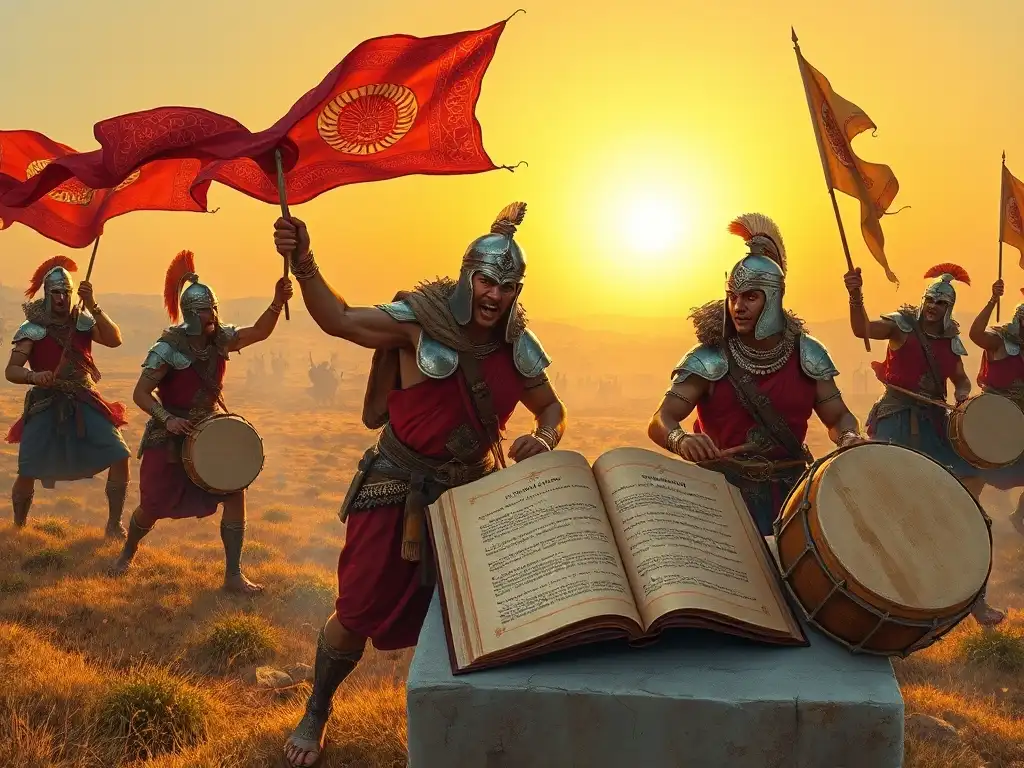
Ancient Indian military music history is extensively documented in various texts that highlight the integral role of music and war drums in military culture. These texts not only provide insights into the practical applications of music in warfare but also reflect the philosophical and cultural significance of sound in motivating troops and signaling commands. Among the primary sources, Kautilya's Arthashastra and the epic narratives of the Mahabharata and Ramayana stand out for their detailed references to military music.
References in Kautilya's Arthashastra
Kautilya's Arthashastra, a foundational text on statecraft and military strategy written in the 4th century BCE, includes significant references to the use of music in warfare. Kautilya emphasized the psychological impact of music on soldiers, illustrating how specific rhythms and melodies could inspire courage and instill fear in enemies.
The text outlines various instruments, including drums, that were crucial in coordinating troop movements and rallying soldiers during battle. For instance, the use of the dhol and nagada (large drums) was common, as their loud, resonant sounds could be heard over the din of battle, serving both as a morale booster for troops and a means to communicate tactical maneuvers.
Mentions in Epic Literature: Mahabharata and Ramayana
The Mahabharata and Ramayana, two of the most significant epic poems in ancient Indian literature, are replete with references to music and war. In the Mahabharata, the battlefield of Kurukshetra is described not only in terms of strategy and valor but also through the sounds of conch shells and drums, which signified the commencement of battle.
The Ramayana similarly highlights the use of music, portraying how the sound of war drums accompanied the armies of Rama and Ravana, evoking both fear and valor among the warriors. These epics illustrate how music was woven into the fabric of military life, serving as a rallying cry and a means of invoking divine favor in times of conflict.
Influence of Music on Military Tactics
Music in ancient Indian military culture was not merely an accompaniment to warfare; it played a strategic role in shaping tactics. The rhythmic beats of drums could dictate the pace of advancement during battle, allowing soldiers to synchronize their movements, which was essential in the chaotic environment of war.
Furthermore, specific musical compositions were tailored for various situations—victory marches, retreat signals, or the preparation for battle—demonstrating an acute understanding of how sound could influence the psychological state of troops. This symbiotic relationship between music and military tactics underscores the sophistication of ancient Indian warfare, where morale and discipline were as crucial as weaponry.
Case Studies: Notable Battles and the Use of Music
The historical significance of music in ancient Indian military culture can be illustrated through various notable battles. These case studies reveal how music was not only a tool for communication but also a source of inspiration and a means to mark significant moments in warfare.
The Battle of Kurukshetra
The Battle of Kurukshetra, a central event in the Mahabharata, exemplifies the profound role of music in warfare. As described in the epic, the blowing of conch shells and the beating of drums signified the commencement of battle, rallying the warriors on both sides. The sound of instruments played a crucial role in boosting morale, while also serving as a tactical signal for maneuvers. The presence of musicians on the battlefield illustrated the importance placed on music as a force multiplier, enhancing the combat effectiveness of the armies engaged in this legendary conflict.
Chandragupta Maurya's Conquests
During the conquests of Chandragupta Maurya, music played an essential part in the military campaigns that led to the establishment of the Maurya Empire. Historical accounts suggest that the use of war drums and musical instruments was commonplace in the armies of Chandragupta. Musicians accompanied the troops, creating an atmosphere of excitement and fervor that inspired soldiers to fight valiantly. The strategic use of music also aided in coordinating movements and signaling the start of attacks, showcasing the tactical applications of sound in orchestrating military success.
Music in Celebratory and Mourning Ceremonies
In addition to its role in active combat, music in ancient India was integral to the rituals surrounding military life, including both celebratory and mourning ceremonies. Victorious armies often celebrated their triumphs with grand displays of music and dance, reinforcing camaraderie and national pride. Conversely, the loss of soldiers in battle was marked by somber music that reflected grief and remembrance, demonstrating the dual nature of music as both a celebratory and a mournful expression. These ceremonies not only honored the fallen but also reinforced the cultural significance of music in the collective identity of ancient Indian civilizations.
The Legacy of Ancient Indian Military Music
The legacy of ancient Indian military music is profound, echoing through the ages and leaving an indelible mark on both historical narratives and modern practices. Military music in ancient India served not only as a means of communication on the battlefield but also as a tool for morale, unity, and the expression of cultural identity.
The war drums, particularly the dhol and nagada, played a crucial role in rallying troops, instilling fear in adversaries, and creating a sense of rhythm that facilitated coordinated movements during combat. These instruments were often accompanied by chants and songs that recounted the valor of warriors, celebrated victories, and honored the fallen.
Moreover, ancient texts such as the Mahabharata and Ramayana reference the use of music during warfare, illustrating its significance in the socio-political landscape of the time. The integration of music into military strategy not only highlights its practical utility but also reflects the deeper spiritual and emotional connections that ancient Indian civilizations had with their cultural expressions. This legacy continues to inform the ways in which music is utilized in military contexts today, emphasizing the enduring nature of these traditions.
Continuation of Traditions in Modern India
In modern India, the traditions of ancient military music have not been forgotten. The armed forces continue to use music as a means of fostering camaraderie and discipline among soldiers. Regimental bands play a pivotal role in parades and ceremonies, often incorporating traditional instruments and compositions that hark back to their ancient predecessors. The dhol and nagada have found their places in contemporary military functions, preserving the sounds that once echoed across battlefields.
Additionally, cultural festivals and state-sponsored events often feature performances that celebrate traditional Indian military music. These occasions serve as a reminder of the historical significance of military music and its role in national identity. The revival of interest in folk and traditional music has also led to a resurgence of ancient military music styles, ensuring that they remain alive within the cultural fabric of modern India.
Influence on Contemporary Military Music Practices
The influence of ancient Indian military music can be seen in various contemporary military practices, both within India and beyond. Modern military bands often draw inspiration from the rhythmic patterns and compositional structures of ancient music. This connection can be particularly observed in ceremonial music, where the integration of traditional instruments enhances the sense of heritage and pride among troops.
Moreover, the use of music for psychological warfare, a strategy that has roots in ancient practices, remains relevant. The sound of drums can still be employed to intimidate foes, create a sense of urgency, and maintain troop morale during operations. As such, the principles established by ancient military musicians continue to inform modern tactics, reflecting a lineage that persists through the ages.
Preservation of Ancient Instruments and Techniques
Preserving the ancient instruments and techniques of military music has become a focus for cultural heritage organizations and musicologists in India. Efforts are being made to document and revive traditional instruments like the dhol, nagada, and shehnai, which are integral to the musical heritage of ancient Indian military culture. Workshops and festivals dedicated to folk music often feature demonstrations of these instruments, allowing younger generations to learn and appreciate their historical significance.
Furthermore, organizations dedicated to the preservation of cultural heritage are collaborating with military institutions to ensure that ancient techniques are not lost. This includes the training of musicians within military bands to incorporate traditional playing styles and repertoire. Through these initiatives, the vibrant sounds of ancient Indian military music are being safeguarded for future generations, ensuring that they continue to resonate within the cultural memory of the nation.
Conclusion
Summary of Ancient Indian Military Music History
The history of ancient Indian military music is rich and multifaceted, rooted deeply in the cultural and military practices of the time. From the rhythmic beats of war drums to the evocative melodies of ancient chants, music served as a vital component of military culture, enhancing communication, boosting morale, and fostering a sense of unity among troops. The legacy of this music has transcended centuries, influencing contemporary practices and remaining a significant aspect of India's cultural identity.
Final Thoughts on the Cultural Significance of War Drums and Music
The cultural significance of war drums and music in ancient Indian military history cannot be overstated. These musical forms not only provided practical benefits on the battlefield but also contributed to the broader narrative of identity, spirituality, and community cohesion.
As we reflect on this legacy, it becomes clear that the sounds of the past continue to shape the present, reminding us of the profound connection between music and the human experience, particularly in times of conflict. The preservation of these traditions ensures that the essence of ancient Indian military music remains a vibrant part of India's cultural heritage, inspiring future generations to honor their rich historical roots.
- Introduction to Ancient Indian Military Music History
- Overview of Ancient Indian Military Music
- Importance of Music in Ancient Indian Warfare
- Historical Context of Military Music in Ancient India
- Types of War Drums Used in Ancient Indian Armies
- Description of Prominent War Drums
- Materials and Construction Techniques of Ancient Drums
- The Role of Music in Military Strategy
- Famous Ancient Texts on Military Music
- Case Studies: Notable Battles and the Use of Music
- The Legacy of Ancient Indian Military Music
- Conclusion
- What role did war drums play in ancient Indian military culture?
- How did music influence ancient Indian military strategies?
- Were there specific instruments used in ancient Indian military music?
- How did the Gupta Empire impact the evolution of military music in India?
- Is there any historical evidence of military music practices in ancient India?
Frequently Asked Questions
What role did war drums play in ancient Indian military culture?
War drums were crucial for communication on the battlefield, serving to coordinate troop movements and boost morale among soldiers.
How did music influence ancient Indian military strategies?
Music was used to inspire courage and foster unity among troops, with specific compositions designed to evoke emotions and instill a sense of purpose during battles.
Were there specific instruments used in ancient Indian military music?
Yes, ancient Indian military music featured instruments like dhols, nagadas, and shehnais, each contributing to the ritualistic and ceremonial aspects of warfare.
How did the Gupta Empire impact the evolution of military music in India?
The Gupta Empire recognized the importance of music in warfare, leading to the formalization of military music traditions and the integration of cultural performances into military training.
Is there any historical evidence of military music practices in ancient India?
Yes, numerous texts, sculptures, and archaeological findings document the use of military music, showcasing its significance in battles and royal ceremonies throughout ancient India.
Final Reflection: The Resonance of Ancient Indian Military Music
The exploration of ancient Indian military music history reveals how the use of war drums and music was not merely a backdrop to battle; it was an essential element that shaped the very fabric of military culture. Today, as we navigate a world often fraught with conflict, the lessons from these historical practices remind us of the profound power of sound in uniting people and instilling courage. The rhythms of war drums echo through time, urging us to recognize the importance of music in both preparation for and reflection on the human experience of conflict.
The impact of military music extends far beyond the battlefield, influencing cultural identity and collective memory. The traditions of ancient Indian military music have left an indelible mark on contemporary practices, reminding us that music can serve as a powerful tool for cohesion and motivation. As noted by renowned historian R. C. Majumdar, "Music has always been a vital force in the life of a nation, reflecting its ethos and aspirations." This observation underscores the ongoing relevance of military music as a means of expressing shared values and fostering resilience in the face of adversity.
As we reflect on the significance of ancient Indian military music, I invite you to consider how the lessons from this history can be applied in your own life. Think about the role that music plays in your personal experiences—how it inspires you, connects you with others, or even helps you navigate challenges. Let the rhythms of the past guide you in harnessing the power of sound to create unity and strength in your own community, ensuring that the legacy of ancient military music continues to resonate in a world that desperately needs harmony and understanding.
Unleash the Power of Ancient Sounds!
Thank you for diving into the fascinating interplay of music and warfare in ancient Indian culture. We hope you've uncovered the rich significance of war drums and their role in uniting warriors and empowering armies! Now, it's time to take that knowledge and transform it into actionable steps.
- Explore Authentic Rhythms: Seek out performances or recordings of traditional Indian war music. Experience firsthand the sounds that once echoed through battlefields.
- Share the Knowledge: Discuss these intriguing cultural insights with friends or in community forums—ignite a conversation about the impact of music on society and history.
- Create Your Own Beat: Grab an instrument or even kitchen items to produce your own war rhythm. Reflect on how music can motivate and inspire, just as it did in ancient times!
As you ponder these actions, consider this: How can you harness the power of music in your own life to inspire yourself or those around you? Let's start a meaningful discussion below!