
Sankhya and the Nature of Happiness: Philosophical Insights into WellBeing


Welcome to Ancient India History, where we embark on a captivating journey through the rich tapestry of ancient Indian civilizations. In today’s exploration, we delve into the profound realm of Sankhya philosophy and happiness, uncovering the intricate philosophical insights that illuminate our understanding of well-being. What secrets does this ancient wisdom hold about the nature of happiness?
Join us as we unravel the philosophical threads that connect the past to our present, inviting you to discover how these timeless teachings can inspire a more fulfilled life. Continue reading to unlock the mysteries of the mind and spirit through the lens of Sankhya!
- Introduction to Sankhya Philosophy and Happiness
- Foundations of Sankhya Philosophy
- The Nature of Happiness According to Sankhya
- Philosophical Insights into Well-Being
- Practical Applications of Sankhya Philosophy for Achieving Happiness
- Conclusion: The Relevance of Sankhya Philosophy and Happiness Today
- Frequently Asked Questions
- Final Reflection: Embracing Sankhya Philosophy for True Happiness
- Unveil Your Path to Lasting Happiness
Introduction to Sankhya Philosophy and Happiness

Sankhya philosophy, one of the six classical schools of Indian philosophy, offers profound insights into the nature of existence and the pursuit of happiness. Rooted in the ancient texts, particularly the Sankhya Karika attributed to Ishvara Krishna, this philosophical system provides a dualistic framework that distinguishes between the material and the spiritual. It emphasizes the importance of understanding the self (Purusha) and the nature of matter (Prakriti) to achieve true well-being. In this exploration, we delve into how Sankhya philosophy articulates the path to happiness, examining its principles and their relevance in the broader context of ancient Indian thought.
Overview of Sankhya Philosophy
Sankhya philosophy is characterized by its analytical approach to understanding reality through a systematic enumeration of the elements that constitute existence. The core tenets of this philosophy can be summarized as follows:
- Dualism: Sankhya posits a clear distinction between Purusha (consciousness) and Prakriti (matter). This dualism serves as a foundational concept, asserting that true knowledge arises from recognizing the interplay between these two realms.
- Evolution of the Universe: According to Sankhya, the universe evolves from Prakriti through a process of manifestation that involves the evolution of the tattvas (elements). This chain of evolution leads to the creation of the material world and, ultimately, to individual consciousness.
- Knowledge and Liberation: The attainment of knowledge (jnana) is central to Sankhya. Through understanding the nature of the self and its separation from material existence, individuals can achieve liberation (moksha) from the cycle of birth and death (samsara).
The emphasis on knowledge and discernment in Sankhya philosophy shapes its approach to happiness. By advocating for self-realization and understanding, it guides practitioners toward a state of inner peace and contentment.
Importance of Happiness in Ancient Indian Thought
Happiness, or sukha, is a fundamental concept in ancient Indian philosophy, intricately linked to the pursuit of a meaningful life. In the context of Sankhya, happiness is not merely a fleeting emotion but a state of being closely associated with self-realization and spiritual fulfillment. Key aspects include:
- Holistic Well-Being: Ancient Indian thought views happiness as encompassing physical, mental, and spiritual dimensions. The Sankhya approach encourages individuals to seek balance and harmony across these aspects to attain true well-being.
- Detachment from Material Desires: Sankhya philosophy teaches that attachment to material possessions and transient pleasures leads to suffering. By cultivating detachment and focusing on self-knowledge, individuals can transcend the limitations of the material world and experience lasting happiness.
- Integration with Other Philosophies: The insights of Sankhya on happiness resonate with other philosophical systems in ancient India, such as Yoga and Vedanta. This interconnectedness underscores a shared understanding of happiness as a goal achievable through disciplined practice and introspection.
Exploring the relationship between Sankhya philosophy and happiness reveals a rich tapestry of ideas that have shaped ancient Indian thought. By understanding these philosophical insights, one can gain a deeper appreciation for the pursuit of well-being in the context of Sankhya, paving the way for a more fulfilling existence.
Foundations of Sankhya Philosophy
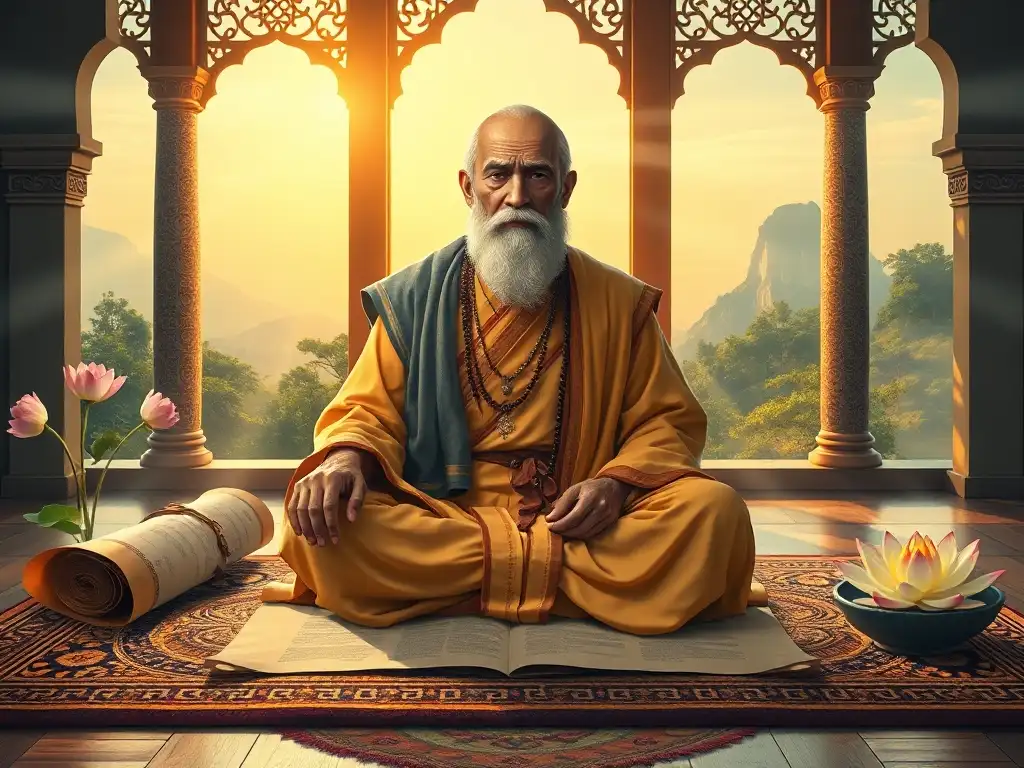
Sankhya philosophy, one of the six orthodox schools of Indian philosophy, offers profound insights into the nature of happiness and well-being. Rooted in ancient texts, particularly the Sankhya Karika by Ishvara Krishna, this philosophy establishes a comprehensive framework for understanding existence, consciousness, and the path to liberation (moksha). By distinguishing between the material and the spiritual, Sankhya provides a unique perspective on how individuals can achieve lasting happiness through self-realization and understanding the nature of reality.
Key Principles of Sankhya Philosophy
The key principles of Sankhya philosophy revolve around its foundational concepts of Purusha (consciousness) and Prakriti (matter). These principles are not only central to Sankhya but also serve as a guide to understanding happiness.
- Dualism of Purusha and Prakriti:
- Purusha: The eternal, unchanging consciousness that transcends the physical realm. It is the true self, often referred to as the soul or the witness.
- Prakriti: The dynamic, ever-changing material world that encompasses nature, emotions, and the mind. It is responsible for the manifestation of all forms of life and phenomena.
- The Three Gunas:
- Sankhya identifies three fundamental qualities (gunas) that govern Prakriti:
- Sattva: Represents purity, knowledge, and harmony. It is associated with happiness and clarity.
- Rajas: Symbolizes activity, passion, and restlessness. It can lead to both creative endeavors and suffering.
- Tamas: Denotes inertia, darkness, and ignorance. It is associated with confusion and despair.
- Sankhya identifies three fundamental qualities (gunas) that govern Prakriti:
- The Cycle of Birth and Rebirth:
- Sankhya teaches that the soul undergoes a cycle of birth and rebirth (samsara) based on karma (actions). The accumulation of experiences through this cycle influences one's state of happiness.
Understanding these principles allows individuals to recognize the interplay between their inner consciousness (Purusha) and external experiences (Prakriti). By cultivating Sattva and minimizing Rajas and Tamas, one can enhance their well-being and approach a more profound state of happiness.
The Concept of Purusha and Prakriti
The duality of Purusha and Prakriti forms the cornerstone of Sankhya philosophy. This distinction is critical in understanding how happiness is achieved.
- Purusha:
- Represents the true self, which is distinct from the physical body and mind. It exists beyond the fluctuations of Prakriti and is the source of awareness.
- Happiness from Purusha: True happiness, according to Sankhya, arises from realizing one’s identity with Purusha. This realization leads to liberation from the cycles of desire and suffering.
- Prakriti:
- Encompasses all material forms, including the mind and senses. It is influenced by the gunas, which shape experiences and perceptions.
- The Role of Prakriti in Happiness: Prakriti can be a source of temporary pleasures; however, these pleasures are often fleeting and can lead to attachment and suffering. Understanding its transient nature is essential for achieving lasting happiness.
By contemplating the nature of Purusha and Prakriti, individuals learn to detach from external circumstances and find contentment in the eternal self. This philosophical insight into the nature of happiness encourages a deeper exploration of one's consciousness.
Dualism in Sankhya: The Nature of Reality
The dualistic framework of Sankhya philosophy presents a nuanced view of reality, differentiating between the eternal and the ephemeral. This understanding is pivotal for grasping the philosophical insights into happiness.
- Nature of Reality:
- Sankhya posits that reality consists of two distinct entities: Purusha and Prakriti. This dualism suggests that the material world is not the ultimate reality; instead, it is a manifestation of Prakriti, which is constantly changing.
- This perspective encourages individuals to look beyond the transient pleasures of the material world and seek a deeper connection with the eternal self.
- Implications for Well-Being:
- Recognizing the duality of existence allows individuals to cultivate a balanced approach to life. By understanding the impermanence of Prakriti, one can detach from material pursuits that often lead to suffering.
- Path to Happiness: The realization of this dualism empowers individuals to focus on spiritual practices, such as meditation and self-inquiry, which foster a deeper connection with Purusha.
- Practical Application:
- Individuals can apply the insights from Sankhya to modern life by developing mindfulness and awareness. This practice aids in recognizing the influence of the gunas and encourages a shift towards Sattva, enhancing overall well-being.
The dualistic nature of Sankhya philosophy not only elucidates the nature of reality but also provides practical pathways to achieving happiness. By understanding and applying these principles, individuals can cultivate a deeper sense of well-being and fulfillment in their lives.
The Nature of Happiness According to Sankhya
Defining Happiness in the Context of Sankhya Philosophy
In Sankhya philosophy, happiness is perceived as a state of being that arises from the proper understanding of the self and the universe. This ancient Indian philosophical system, attributed to the sage Kapila, emphasizes the distinction between the eternal self (Purusha) and the temporary material world (Prakriti).
Happiness, in this context, is not merely an emotional state but is closely linked to the realization of one's true nature. The Sankhya ideology posits that true happiness can be achieved when an individual recognizes their Purusha, which is unchanging and beyond the fluctuations of life. This recognition leads to a state of inner peace and contentment, as it detaches one from external circumstances and transient pleasures.
The philosophical framework of Sankhya categorizes happiness as a sattvic quality, which is characterized by purity, knowledge, and tranquility. In contrast, happiness derived from material possessions or sensory pleasures is seen as rajasic (passionate) or tamasic (ignorant), both of which are temporary and ultimately unsatisfying. Therefore, the pursuit of happiness in Sankhya is aligned with spiritual growth and self-realization rather than external achievements.
The Role of Knowledge and Ignorance in Happiness
Knowledge plays a pivotal role in the Sankhya understanding of happiness. According to this philosophy, ignorance (Avidya) is the root cause of suffering and discontent. When individuals are unaware of their true nature and are entangled in the material world, they experience confusion, attachment, and ultimately pain.
Sankhya asserts that liberation (Moksha) and true happiness can only be attained through Vijnana—a deeper knowledge that transcends mere intellectual understanding. This knowledge reveals the distinction between Purusha and Prakriti, allowing individuals to see beyond the illusions of the physical world.
Consequently, the pursuit of knowledge is not just an academic endeavor but a transformative journey that leads to enlightenment. As one gains insight into the nature of reality, the attachments and aversions that cause distress begin to dissolve, paving the way for genuine happiness. This aligns with the idea that "knowledge is power," particularly in the philosophical context, where understanding equates to liberation.
Sankhya's Perspective on Suffering and Contentment
Sankhya philosophy offers a comprehensive understanding of suffering and its relationship with contentment. Suffering (Duhkha) is seen as an inherent part of the material existence, primarily arising from ignorance and attachment. The philosophical framework categorizes suffering into three types: physical, mental, and existential.
According to Sankhya, the key to overcoming suffering lies in the realization that one’s true essence is beyond the material realm. This insight fosters a sense of contentment (Santosha) that is not dependent on external factors. Instead, contentment is cultivated through self-knowledge and the understanding that the fluctuations of life do not define one's true happiness.
Moreover, the Sankhya approach advocates for a balanced life, emphasizing the importance of moderation in all aspects. By practicing detachment from the temporary pleasures and pains of life, individuals can maintain a state of equilibrium, which is essential for enduring happiness. This philosophy teaches that true contentment arises from within, emerging as a natural consequence of understanding one's place in the cosmos and embracing the impermanence of material existence.
The Sankhya philosophy intricately weaves together the concepts of happiness, knowledge, and suffering, providing profound insights into the nature of well-being. Through the lens of Sankhya, happiness is not merely a fleeting emotion, but a deep-seated state of being that can be achieved through self-realization and the pursuit of knowledge.
Philosophical Insights into Well-Being

The Sankhya philosophy, one of the six orthodox schools of Indian philosophy, provides profound insights into the nature of happiness and well-being. This ancient framework posits that understanding the duality of Purusha (consciousness) and Prakriti (matter) is essential for achieving true happiness. By dissecting the layers of existence, Sankhya philosophy guides individuals towards a more fulfilling life, emphasizing the need to transcend the ephemeral pleasures of the material world.
How Sankhya Philosophy Informs the Pursuit of Happiness
Sankhya philosophy asserts that happiness is not simply a result of external circumstances but is deeply rooted in internal awareness. Central to this philosophy is the idea that true happiness arises from the recognition of one's own nature as Purusha, which is eternal and unchanging. Here are some key aspects of how Sankhya informs the pursuit of happiness:
- Understanding Duality:
- The distinction between Purusha and Prakriti allows individuals to separate their true self from the transient aspects of life. This understanding fosters a sense of peace and contentment, as one learns to detach from the chaos of worldly desires.
- Clarity of Mind:
- Sankhya emphasizes the importance of a clear and discerning mind. By cultivating discernment (Viveka), individuals can navigate life's challenges more effectively and make choices that align with their true nature, leading to sustained happiness.
- The Role of Sattva:
- In Sankhya, the three Gunas (qualities) - Sattva (purity), Rajas (activity), and Tamas (inertia) - play a crucial role in shaping one's state of mind. A predominance of Sattva is associated with mental clarity, joy, and a sense of well-being, contributing to a more profound experience of happiness.
The Interconnectedness of Mind, Body, and Happiness
Sankhya philosophy provides a holistic view of happiness that recognizes the interconnectedness of the mind and body. This perspective can be broken down into several essential components:
- Mind-Body Relationship:
- The Sankhya framework posits that the mind (Manas) and body (Sharira) are intertwined. Mental states directly influence physical health and vice versa. For instance, stress (a mental state) can lead to physical ailments, while physical well-being can enhance mental clarity and happiness.
- Meditation and Self-Realization:
- Practices rooted in Sankhya, such as meditation and contemplation, foster self-realization. These practices help individuals cultivate a deeper connection with their inner self, promoting emotional stability and a sense of fulfillment that contributes to overall happiness.
- Healthy Living:
- The Sankhya approach encourages a balanced lifestyle that nurtures both the mind and body. This includes proper nutrition, physical exercise, and mental practices that promote well-being, illustrating the necessity of caring for both aspects to achieve a harmonious state of happiness.
The Impact of Sankhya on Modern Understandings of Well-Being
The principles of Sankhya philosophy have significantly influenced modern concepts of well-being and happiness. Its contributions can be observed in various contemporary fields:
- Psychology:
- Modern psychological theories increasingly recognize the importance of self-awareness and mindfulness, concepts deeply rooted in Sankhya. Techniques that promote mental clarity and emotional regulation are now commonplace in therapeutic practices.
- Wellness Practices:
- The rise of holistic wellness approaches embraces the Sankhya emphasis on the mind-body connection. Yoga, meditation, and other integrative practices are informed by the principles of Sankhya, promoting comprehensive well-being.
- Philosophical Discourse:
- Discussions around happiness in philosophical circles have been enriched by Sankhya insights. Its exploration of the nature of consciousness and existence encourages a deeper understanding of what it means to live a fulfilled life.
The Sankhya philosophy offers timeless wisdom regarding happiness and well-being, advocating for an understanding rooted in the self. By recognizing the interplay between the mind and body, as well as the impact of lifestyle choices, individuals can cultivate a state of enduring happiness informed by the rich traditions of ancient Indian thought.
Practical Applications of Sankhya Philosophy for Achieving Happiness
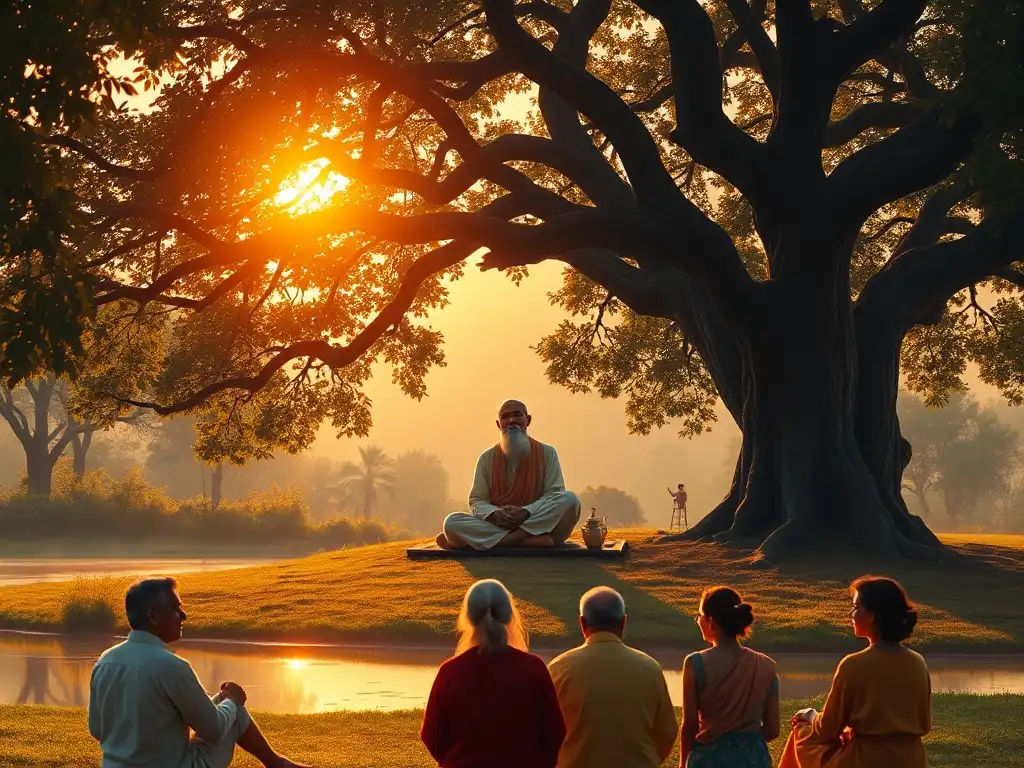
Sankhya philosophy, one of the six orthodox schools of Indian philosophy, offers profound insights into the nature of happiness and well-being. Its teachings emphasize a dualistic understanding of reality, distinguishing between the eternal self (Purusha) and the material world (Prakriti). By applying the principles of Sankhya, individuals can cultivate a deeper sense of happiness through practical methods. Below are key areas where Sankhya philosophy can be integrated into everyday life to enhance well-being.
Meditation and Mindfulness Practices in Sankhya
Meditation is a cornerstone of Sankhya philosophy, providing a pathway to self-realization and inner peace. By engaging in meditation, practitioners can transcend the distractions of the material world and connect with their true selves. Here's how meditation aligns with Sankhya teachings:
- Self-Reflection: Regular meditation encourages self-inquiry, allowing individuals to discern between the transient aspects of life and their eternal essence. This practice fosters a clear understanding of one’s thoughts, emotions, and desires, leading to greater emotional stability.
- Mindfulness: The Sankhya approach promotes mindfulness, where individuals learn to observe their thoughts and feelings without attachment. This non-attachment, or vairagya, is crucial in reducing suffering and enhancing happiness.
- Breath Awareness: Focusing on breath during meditation aligns with Sankhya’s emphasis on the connection between mind and body. Breath control techniques, or pranayama, help in calming the mind and enabling deeper states of awareness.
The Role of Detachment in Cultivating Happiness
Detachment is a fundamental aspect of Sankhya philosophy that plays a vital role in achieving happiness. By understanding the nature of attachment and its effects, individuals can cultivate a more balanced emotional state:
- Understanding Attachments: Sankhya teaches that attachments to material possessions, relationships, and outcomes lead to suffering. By recognizing the impermanence of these attachments, individuals can begin to let go of their dependence on external sources for happiness.
- Cultivating Equanimity: Through the practice of detachment, one learns to maintain equanimity in both joy and sorrow. This balance allows individuals to experience life fully without being swayed by its ups and downs.
- Freedom from Desires: Detachment fosters freedom from desires that often create inner turmoil. By reducing the grip of desires, individuals can find contentment in the present moment, aligning closely with the Sankhya view of achieving true happiness through self-realization.
Integrating Sankhya Principles into Daily Life
Applying Sankhya philosophy to daily life can significantly enhance overall well-being and happiness. Here are effective ways to integrate its principles:
- Daily Reflection: Set aside time each day for reflection on personal experiences and emotions. This practice helps in recognizing patterns of attachment and promotes self-awareness.
- Mindful Living: Incorporate mindfulness into daily activities, whether through mindful eating, walking, or conversing. Being present in each moment aids in cultivating a sense of peace and joy.
- Philosophical Study: Engage with Sankhya texts and teachings to deepen understanding. Learning from ancient wisdom can inspire practical applications in modern life.
- Community Practice: Join groups or communities dedicated to the practice of Sankhya philosophy. Sharing insights and experiences with others can reinforce commitment and enhance personal growth.
By embracing these practical applications of Sankhya philosophy, individuals can navigate the complexities of life with greater ease and cultivate a lasting sense of happiness rooted in self-awareness and detachment.
Conclusion: The Relevance of Sankhya Philosophy and Happiness Today

The Sankhya philosophy, one of the six orthodox schools of Indian philosophy, offers profound insights into the nature of happiness and well-being. Its dualistic framework, distinguishing between Purusha (consciousness) and Prakriti (matter), provides a basis for understanding the complexities of human existence. The relevance of Sankhya philosophy in contemporary society extends beyond academic discourse; it influences various aspects of modern life, including mental health, personal development, and holistic wellness practices.
As we navigate through the challenges of the modern world, the teachings of Sankhya remind us of the significance of self-awareness and the pursuit of inner peace. In essence, understanding the philosophical underpinnings of happiness as posited by Sankhya can lead to a more fulfilled life, encouraging individuals to seek a balance between their material pursuits and spiritual aspirations.
Lasting Influence of Sankhya on Contemporary Philosophy
The principles of Sankhya philosophy resonate with many contemporary philosophical movements, particularly those that emphasize the importance of self-knowledge and the nature of consciousness. Here are some ways in which Sankhya has influenced modern thought:
- Mindfulness and Self-Awareness: The concept of distinguishing between the observer (Purusha) and the observed (Prakriti) aligns closely with practices of mindfulness prevalent in modern psychology. This distinction encourages individuals to detach from their thoughts and emotions, fostering mental clarity and emotional resilience.
- Existentialism and Individual Experience: The dualistic nature of existence presented in Sankhya aligns with existentialist themes, focusing on individual experience and the quest for meaning. By recognizing the transient nature of material possessions and experiences, individuals can cultivate a deeper understanding of their purpose.
- Holistic Health Practices: The integration of Sankhya principles into yoga and Ayurveda illustrates its ongoing relevance. These disciplines emphasize the harmony between body, mind, and spirit, advocating for a balanced lifestyle that promotes overall well-being.
| Sankhya Concepts | Modern Relevance |
|---|---|
| Purusha vs. Prakriti | Mindfulness practices |
| Detachment from materiality | Existentialist philosophy |
| Paths to liberation | Holistic health approaches |
The enduring legacy of Sankhya philosophy in contemporary discourse emphasizes the universal quest for happiness and self-realization, making it a rich source of wisdom for those seeking deeper fulfillment.
Embracing the Wisdom of Sankhya for Modern Well-Being
To fully appreciate the insights of Sankhya philosophy and their applications to modern well-being, individuals can engage in several practices that embody its teachings:
- Self-Reflection: Regular self-assessment can enhance one's understanding of personal motivations and desires. Journaling or meditation can serve as tools for this introspection.
- Mindful Living: By cultivating awareness of the present moment and practicing non-attachment, individuals can reduce anxiety and foster a sense of peace. Simple techniques, such as focusing on breath or engaging with nature, can be beneficial.
- Balanced Lifestyle: Integrating the principles of Sankhya into daily routines can promote harmony. This includes prioritizing physical health through balanced nutrition, exercise, and adequate rest, while also nurturing emotional and spiritual well-being.
- Community Engagement: Building connections with others can foster a sense of belonging and support. Participating in group activities, such as yoga classes or philosophical discussions, can enhance one’s journey toward happiness.
The teachings of Sankhya philosophy provide profound insights into the nature of happiness and well-being that remain relevant today. By embracing its principles, individuals can navigate the complexities of modern life with greater awareness and purpose, ultimately leading to a more fulfilling existence.
Frequently Asked Questions
What is Sankhya philosophy?
Sankhya philosophy is an ancient Indian system of thought that explores the relationship between the material and spiritual aspects of existence, emphasizing knowledge as a means to achieve liberation and happiness.
How does Sankhya philosophy relate to happiness?
Sankhya philosophy posits that true happiness stems from understanding the nature of reality, distinguishing between the permanent and impermanent, and ultimately realizing one's true self beyond material attachments.
What are the key components of the Sankhya system?
The key components of Sankhya include the concepts of Purusha (consciousness) and Prakriti (matter), which together explain the dual nature of existence and how this understanding leads to well-being.
How can one apply Sankhya philosophy to modern life?
Applying Sankhya philosophy today can involve self-reflection, mindfulness, and the pursuit of knowledge, helping individuals navigate the complexities of life and cultivate inner peace and happiness.
What contributions did ancient Indian civilizations make to philosophical thought?
Ancient Indian civilizations, particularly through Sankhya and other philosophies, contributed significantly to understanding well-being, ethics, and metaphysics, influencing both Eastern and Western thought on happiness and existence.
Final Reflection: Embracing Sankhya Philosophy for True Happiness
In an age where the pursuit of happiness often feels like a fleeting endeavor, the insights drawn from Sankhya philosophy offer a profound framework for understanding well-being. This ancient philosophical system not only elucidates the nature of reality but also emphasizes the importance of self-awareness and discernment in our quest for lasting happiness. As we navigate the complexities of modern life, the teachings of Sankhya remind us that true contentment arises from within, not from external circumstances or material possessions.
Sankhya philosophy has significantly shaped our cultural and social landscape, encouraging a deeper exploration of what it means to be truly happy. The principles of this philosophy invite us to reflect on our thoughts, emotions, and actions, fostering a sense of inner peace and clarity. As the renowned philosopher and spiritual teacher J. Krishnamurti once said, It is no measure of health to be well adjusted to a profoundly sick society.
This quote resonates deeply with the essence of Sankhya, urging us to seek genuine happiness that transcends societal norms and expectations.
As we conclude our exploration of Sankhya and happiness, I invite you to reflect on your own journey toward well-being. Consider how the principles of Sankhya can be integrated into your daily life—through mindfulness, self-inquiry, and a commitment to understanding your true self. Let this be a call to action: to cultivate a deeper awareness of your thoughts and emotions, and to embrace the wisdom of Sankhya as a guiding light on your path to authentic happiness. Together, let us embark on this transformative journey toward a more fulfilling and meaningful existence.
Unveil Your Path to Lasting Happiness
Thank you for taking the time to explore the profound insights on happiness derived from Sankhya philosophy. You’ve gained a deeper understanding of well-being that can transform your approach to life. Now, it’s time to put that knowledge into action!
Here are some steps you can take to enhance your journey towards happiness:
- Reflect Daily: Spend 10 minutes each day contemplating what true happiness means to you. Adjusting your mindset is the first step towards embracing a more fulfilling life.
- Engage with Community: Consider joining a local group or participating in an online forum to discuss philosophical insights with others. Sharing perspectives can deepen your understanding and foster connections that enrich your life.
- Explore Further: Delve into literature on Eastern philosophies that resonate with you to broaden your perspective and acquire additional tools for achieving happiness.
What practices will you incorporate from Sankhya philosophy to cultivate a deeper sense of well-being in your daily life?