
The Importance of Northern India's Folklore and Oral Traditions in Shaping Identity

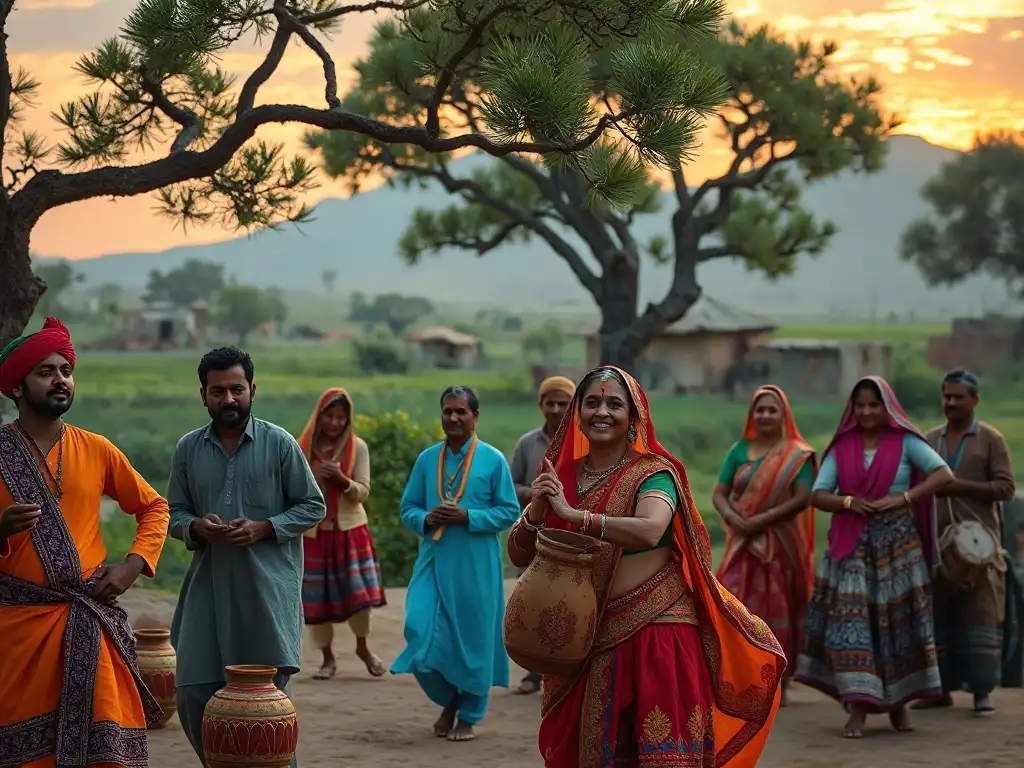
Welcome to Ancient India History, where we invite you to embark on a journey through the vibrant tapestry of India's past! Here, we delve into the rich and diverse history, culture, and contributions of ancient Indian civilizations, with a special focus on the enchanting northern India's folklore traditions. In our featured article, "The Importance of Northern India's Folklore and Oral Traditions in Shaping Identity," you'll uncover how these timeless stories and practices have influenced the collective identity of communities throughout the ages.
Get ready to be captivated by tales that echo through time and explore the profound impact of folklore on our understanding of history. Let's unravel the mysteries together!
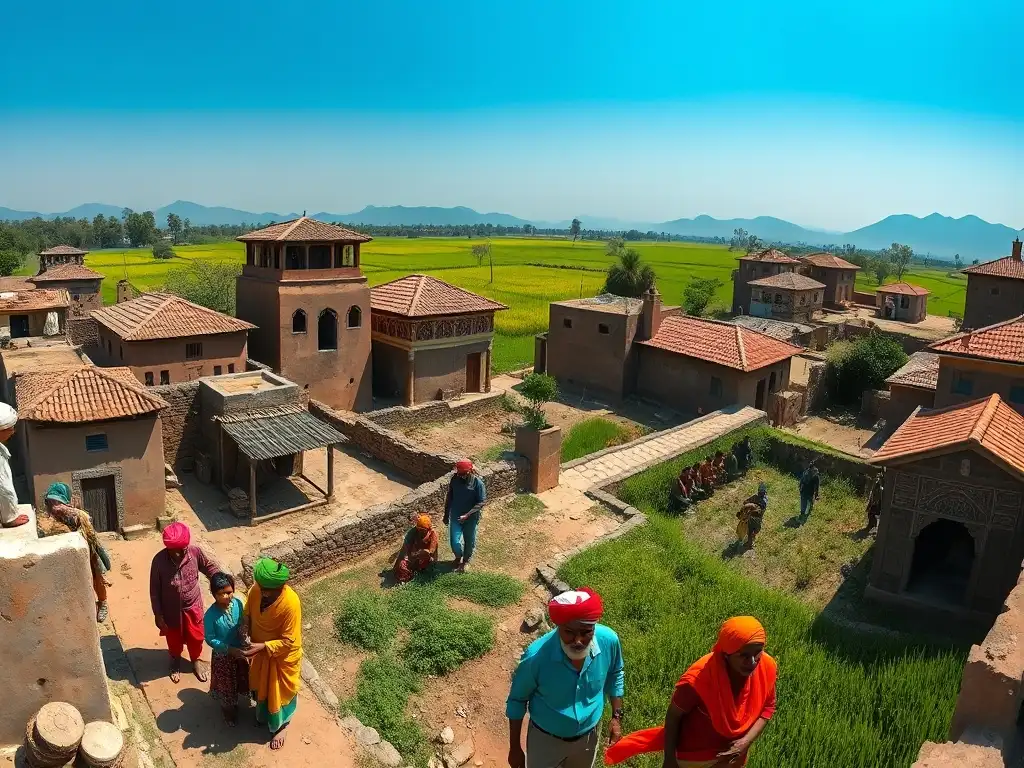
Introduction to Northern India's Folklore Traditions
Northern India's folklore traditions represent a rich tapestry of stories, beliefs, and practices that have been passed down through generations. These oral narratives, often steeped in history and cultural significance, serve not just as entertainment but also as vital tools for education, moral instruction, and community bonding.
From the vibrant tales of the Indus Valley civilization to the intricate narratives that emerged during the Gupta Empire, these traditions reflect the diverse identities and experiences of the people in this region. Understanding the importance of these folklore traditions is essential for comprehending how they shape cultural identity and community cohesion in Northern India.
Definition of Folklore and Oral Traditions
Folklore encompasses the traditional beliefs, customs, stories, songs, and practices of a particular community or culture. It is characterized by its oral transmission, meaning that these traditions are often shared verbally rather than through written texts. Oral traditions, a crucial aspect of folklore, include:
- Myths and Legends: Stories that explain the origins of the world, deities, and heroes.
- Folk Tales: Short narratives that often convey moral lessons or cultural values.
- Songs and Chants: Musical expressions that accompany rituals, celebrations, or daily life.
- Proverbs and Sayings: Pithy expressions that encapsulate wisdom and cultural truths.
These forms of expression not only entertain but also preserve the history and collective memory of communities.
Significance of Folklore in Cultural Identity
Folklore plays a vital role in shaping and maintaining cultural identity. It acts as a vessel for cultural heritage, allowing communities to:
- Preserve History: Folktales often contain historical events or figures, serving as a record of the past.
- Foster Community Bonds: Shared stories create a sense of belonging and unity among community members.
- Transmit Values and Beliefs: Through storytelling, essential cultural values and norms are imparted to younger generations.
- Reinforce Language and Dialect: Folklore often reflects the linguistic diversity of Northern India, preserving dialects that may otherwise fade away.
The richness of Northern India's folklore traditions thus contributes significantly to the cultural landscape, influencing the identity and continuity of its communities.
Historical Context of Northern India's Folklore
To fully appreciate the impact of folklore traditions in Northern India, it is essential to explore their historical context. This involves understanding how these traditions have evolved over time and the influences of various ancient civilizations on their development.
Evolution of Folklore Traditions in Northern India
The evolution of folklore traditions in Northern India can be traced back to ancient civilizations, with each era contributing unique elements to the folklore landscape. Key milestones include:
- Indus Valley Civilization: Early forms of storytelling likely emerged from this advanced urban culture, where symbols and seals suggest narrative practices.
- Vedic Period: The oral transmission of the Vedas enriched the folklore with spiritual and philosophical themes, influencing subsequent narratives.
- Post-Mauryan Era: Diverse regional stories began to form, reflecting local customs and societal changes following the decline of major empires.
As a result, what we see today as Northern India's folklore is a culmination of various influences and adaptations, continuously shaped by historical events and cultural exchanges.
Influences of Ancient Civilizations on Folklore
Ancient civilizations, such as the Maurya and Gupta Empires, left indelible marks on the folklore traditions of Northern India. These influences can be seen in:
- Religious Narratives: The spread of Hinduism and Buddhism introduced a plethora of myths and legends that continue to be integral to the folklore.
- Cultural Syncretism: Interactions between different communities led to the blending of various folklore elements, creating unique regional variations.
- Art and Literature: The patronage of arts during these empires fostered the creation of epic poems and plays, which in turn enriched oral traditions.
This dynamic interplay of historical influences highlights the importance of folklore as an enduring aspect of Northern India's cultural heritage, actively shaping identities across generations.
Key Elements of Northern India's Folklore Traditions
Northern India's folklore traditions are deeply rooted in the region's diverse culture and history. These traditions encompass a wide range of elements, including myths, legends, folk songs, and storytelling practices. Each component plays a critical role in reflecting the values, beliefs, and identity of the communities.
One of the key elements is the mythological narratives, which often intertwine historical figures and events with supernatural elements, providing insights into the moral and ethical frameworks of the societies that created them. Additionally, folk songs serve as a vital means of expression, capturing the emotions and experiences of the people, while also being integral to communal gatherings and celebrations.
Storytelling remains another cornerstone of these traditions, with oral transmission of tales creating a bond between generations. These narratives not only entertain but also educate, serving as a bridge to cultural heritage and shared experiences. Overall, the richness of Northern India's folklore traditions contributes significantly to the identity and continuity of its communities.
Myths and Legends in Northern Indian Folklore
Myths and legends are foundational to Northern India's folklore, often serving as allegorical tales that communicate deeper truths about existence, morality, and the human experience. They frequently feature deities, heroic figures, and moral dilemmas, embodying the cultural and spiritual beliefs of the region.
For example, the Ramayana and Mahabharata, although epic narratives, have given rise to numerous local legends that are celebrated in various forms across Northern India. These stories not only convey religious and philosophical teachings but also foster a sense of belonging among the people who share these narratives.
Moreover, local legends often explain natural phenomena, historical events, or cultural practices, thereby anchoring communities in their geographical and spiritual landscapes. Through retelling and performance, these myths and legends maintain their relevance and continue to shape the identity of Northern Indian societies.
Folk Songs and Their Role in Community Identity
Folk songs in Northern India are a vibrant aspect of the region's cultural tapestry, reflecting the everyday lives, struggles, and joys of its people. These songs serve multiple purposes, from celebrating seasonal changes and harvests to marking significant life events such as births, marriages, and festivals.
The lyrics of these folk songs are often imbued with local dialects and linguistic variations, making them a unique expression of community identity. They foster a sense of unity and belonging, as communities gather to sing, dance, and celebrate their shared heritage.
Additionally, folk songs can transmit historical narratives and traditional knowledge, ensuring that younger generations remain connected to their roots. This oral tradition acts as a living archive of cultural practices, values, and communal memory, reinforcing the identity of Northern Indian communities.
Storytelling Practices and Their Cultural Significance
Storytelling in Northern India is a cherished tradition that transcends mere entertainment; it is a vital cultural practice that reinforces community ties and preserves history. Storytellers, or kathakars, play a crucial role in this tradition, often captivating audiences with their expressive performances and ability to weave intricate narratives.
These storytelling practices usually occur during gatherings, festivals, or rituals, creating communal spaces where individuals can connect through shared stories. They often incorporate elements of humor, drama, and moral lessons, making the narratives accessible and relatable.
Furthermore, storytelling serves as a vehicle for imparting cultural values, social norms, and historical context, ensuring that the wisdom of elders is passed down to younger generations. This practice not only enriches the cultural landscape of Northern India but also fosters a sense of solidarity and collective identity among community members.
The Role of Folklore in Shaping Regional Identity
Folklore plays a pivotal role in shaping the regional identity of Northern India, serving as a defining characteristic that distinguishes different communities within the broader cultural landscape. The various elements of folklore—myths, legends, songs, and stories—intertwine to create a rich narrative that reflects the unique experiences and values of the people.
Through these traditions, communities articulate their understanding of the world and their place within it. Folklore becomes a living expression of regional identity, fostering a sense of pride and continuity that transcends generations.
How Folklore Reflects Local Culture and Values
Folklore is intrinsically linked to the local culture and values of Northern India, acting as a mirror that reflects the customs, beliefs, and social dynamics of the communities. The narratives and practices found within folklore often encapsulate the daily lives of the people, their struggles, and their aspirations, providing an authentic representation of the cultural milieu.
For instance, the themes of sacrifice, loyalty, and harmony with nature prevalent in many folk tales underscore the ethical frameworks that guide community interactions. Folk songs, too, often celebrate local festivals, agricultural practices, and traditional crafts, highlighting the unique cultural expressions that define each community.
Moreover, the adaptability of folklore allows it to evolve with changing societal norms, ensuring that it remains relevant and resonant. This dynamic nature of folklore not only documents cultural heritage but also reinforces communal identity in the face of modernity.
The Impact of Oral Traditions on Community Cohesion
Oral traditions are a cornerstone of community cohesion in Northern India, serving as a unifying force that fosters connections among individuals. These traditions create shared experiences that bind community members together, reinforcing a collective identity through storytelling, music, and ritual.
Participating in oral traditions promotes social interaction and collaboration, as communities come together to share tales, celebrate festivals, and engage in cultural practices. This collective engagement helps to strengthen relationships and establish a sense of belonging, which is crucial for the social fabric of Northern Indian societies.
Furthermore, the transmission of knowledge through oral traditions ensures that cultural values and historical narratives are preserved and celebrated. This continuity fosters resilience and adaptability, allowing communities to navigate challenges while remaining rooted in their heritage. Overall, the impact of oral traditions on community cohesion is profound, contributing to the stability and identity of Northern India's diverse populations.
Contemporary Relevance of Northern India's Folklore
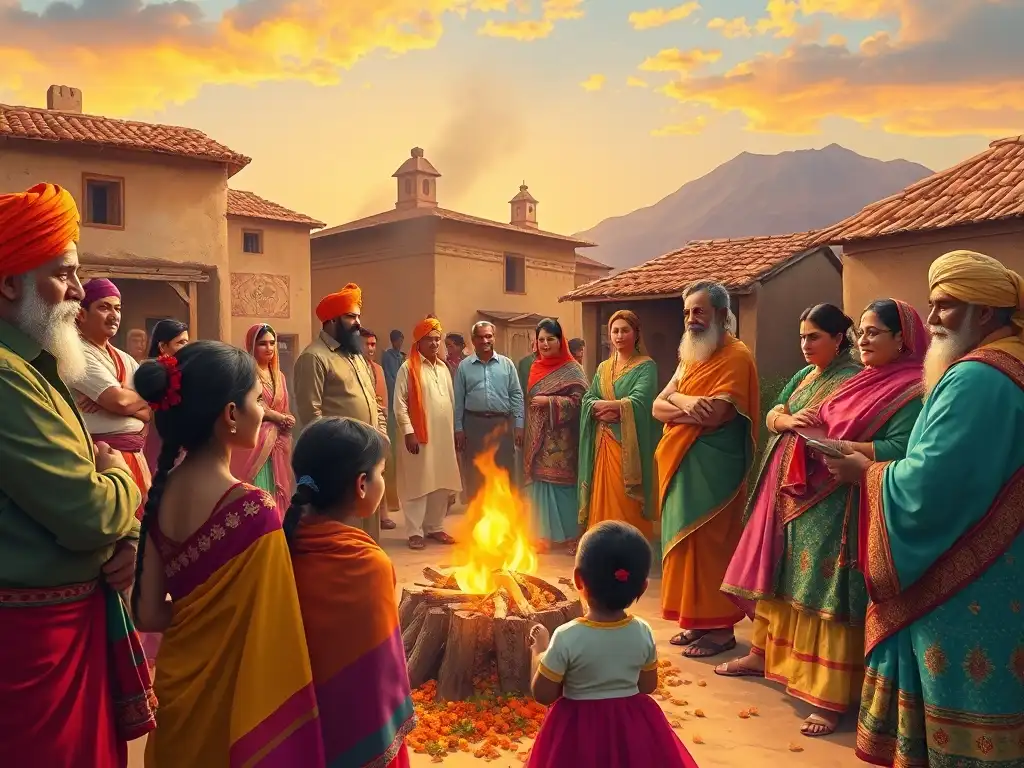
Northern India's folklore traditions play a crucial role in contemporary society, serving as a bridge between the past and present. These narratives, songs, and rituals not only encapsulate the rich cultural heritage of the region but also contribute to the identity and sense of belonging among communities. In an era characterized by rapid globalization and cultural homogenization, the preservation and promotion of these traditions have become increasingly important. Folklore provides insights into the values, beliefs, and social norms of communities, allowing for a deeper understanding of Northern India's diverse cultural landscape.
Moreover, folklore acts as a form of resistance against the erasure of local identities in the face of modernization. Many individuals and groups actively engage in reviving and practicing traditional art forms and storytelling to maintain their cultural uniqueness. This ongoing relationship with folklore allows for a dynamic interplay between tradition and modernity, where contemporary issues are addressed through the lens of ancient wisdom.
Preservation of Folklore in Modern Society
The preservation of Northern India's folklore in modern society is a multifaceted endeavor, involving various stakeholders, including local communities, cultural organizations, and academic institutions. Many initiatives focus on documenting oral traditions, conducting workshops, and promoting storytelling events to ensure that these rich narratives are passed down to future generations. For instance, community-based programs encourage the younger population to learn traditional folk arts like dance, music, and crafts, reinforcing their connection to their cultural roots.
Schools and educational institutions are also incorporating folklore into their curricula, recognizing its importance in fostering cultural awareness and sensitivity. By integrating local myths, legends, and folktales into education, students gain a deeper appreciation of their heritage, which helps in nurturing pride and identity. Additionally, cultural festivals and fairs serve as platforms for showcasing folklore, allowing communities to celebrate their traditions and share them with a broader audience.
The Influence of Folklore on Contemporary Arts and Literature
Northern India's folklore traditions significantly influence contemporary arts and literature, inspiring a new generation of creators. Artists, writers, and filmmakers often draw upon folk narratives, symbols, and motifs to convey complex themes and social commentary. This fusion of traditional elements with modern artistic expressions helps to keep folklore alive and relevant in a rapidly changing cultural landscape.
For example, contemporary Indian literature frequently incorporates folklore themes, exploring issues such as identity, displacement, and environmental concerns through the lens of traditional narratives. Similarly, visual artists may utilize folk motifs in their work, blending ancient techniques with modern aesthetics to create pieces that resonate with both local and global audiences. The revival of traditional music forms and dance styles in modern performances further exemplifies how folklore continues to be a source of inspiration and innovation in the arts.
Challenges Facing Northern India's Folklore Traditions
Despite the ongoing efforts to preserve Northern India's folklore traditions, several challenges hinder their sustainability. These challenges stem from various factors, including urbanization, changing lifestyles, and the influence of mass media. As communities become increasingly modernized, younger generations may lose interest in traditional practices, leading to a decline in participation and knowledge transmission.
Threats to the Preservation of Oral Traditions
One of the most pressing threats to the preservation of oral traditions is the diminishing number of elders within communities who are the custodians of these narratives. As these individuals pass away without adequately passing on their knowledge, entire repositories of stories and cultural practices risk being lost. Additionally, the rapid urbanization of Northern India often leads to disintegration of community structures that support the practice of folklore. Migration to urban areas for economic opportunities can disrupt traditional ways of life, making it difficult for communities to maintain their cultural heritage.
Furthermore, globalization plays a dual role in this context. While it can facilitate the sharing of folklore across different cultures, it can also lead to the commodification of these traditions. When folklore is commercialized, the depth and meaning of these narratives may be diluted, resulting in a loss of authenticity.
The Role of Technology in Changing Folklore Practices
Technology has both positive and negative implications for the preservation of Northern India's folklore traditions. On one hand, digital platforms provide new avenues for documenting and sharing folk narratives, allowing communities to reach wider audiences. Social media, for instance, enables storytellers to connect with younger generations and promote traditional arts in innovative ways. Digital archives can serve as repositories for oral traditions, ensuring that they are not lost to time.
On the other hand, the pervasive influence of technology can lead to the erosion of traditional practices. As entertainment increasingly shifts to digital formats, such as films and online games, younger audiences may find little incentive to engage with oral storytelling or live performances. This shift can result in a disconnect from their cultural heritage, posing a significant challenge to the continuity of folklore traditions.
While Northern India's folklore traditions face numerous challenges, their contemporary relevance remains strong. By understanding and addressing these issues, communities can work towards a future where their rich cultural heritage is honored and preserved for generations to come.
Conclusion: The Enduring Legacy of Northern India's Folklore
Northern India's folklore and oral traditions have played a pivotal role in shaping the identities of its diverse communities. These narratives, passed down through generations, encapsulate the values, beliefs, and historical experiences of the people. From the enchanting tales of the Ramayana and Mahabharata to local legends and folk songs, the richness of these traditions connects individuals to their cultural heritage and fosters a sense of belonging. The impact of folklore extends beyond storytelling; it influences art, music, dance, and social practices, making it a cornerstone of Northern Indian cultural identity.
The enduring legacy of Northern India's folklore is evident in the continued relevance of these stories, which adapt to contemporary contexts while retaining their core messages. Festivals, rituals, and community gatherings often revolve around these narratives, reinforcing their significance in daily life. As communities face modernization and globalization, the resilience of these folklore traditions remains a testament to their importance in preserving the unique tapestry of Northern India's cultural landscape.
Summary of the Importance of Folklore in Identity Formation
Folklore serves as a vital repository of collective memory and identity among the communities of Northern India. It encapsulates shared experiences and cultural narratives that shape individuals' understanding of their place in the world. Here are some key aspects of folklore's importance in identity formation:
- Cultural Continuity: Folklore preserves historical narratives and cultural practices, ensuring continuity across generations.
- Community Bonding: Shared stories foster social cohesion, bringing people together and reinforcing communal bonds.
- Moral and Ethical Lessons: Many folklore tales impart important moral values and lessons, guiding behavior and social norms.
- Cultural Diversity: The variety of folklore traditions across different regions highlights the rich diversity within Northern India, celebrating unique identities while promoting mutual respect and understanding.
In essence, folklore is not merely an art form but a crucial element in the construction and reinforcement of identity, making it indispensable to the cultural landscape of Northern India.
Future Prospects for the Preservation of Folklore Traditions in Northern India
The future of Northern India's folklore traditions hinges on a multi-faceted approach to preservation and promotion. As modernization poses challenges to these age-old practices, several strategies can be implemented to ensure their survival:
- Documentation and Archiving: Efforts to document oral traditions through audio and video recordings can help preserve these narratives for future generations.
- Educational Initiatives: Integrating folklore studies into school curricula can raise awareness among younger generations about their cultural heritage.
- Community Engagement: Encouraging local communities to actively participate in the revival and performance of folklore traditions can strengthen their relevance and appeal.
- Cultural Festivals: Organizing folklore festivals can provide platforms for artists and storytellers, fostering appreciation and enthusiasm for these traditions.
By prioritizing these initiatives, Northern India's folklore can continue to thrive, ensuring that these vital cultural expressions remain a living part of the region's identity for generations to come.
- Introduction to Northern India's Folklore Traditions
- Historical Context of Northern India's Folklore
- Key Elements of Northern India's Folklore Traditions
- The Role of Folklore in Shaping Regional Identity
- Contemporary Relevance of Northern India's Folklore
- Challenges Facing Northern India's Folklore Traditions
- Conclusion: The Enduring Legacy of Northern India's Folklore
- What are the key characteristics of Northern India's folklore traditions?
- How do oral traditions influence the identity of Northern Indian communities?
- What role do folklore and oral traditions play in modern Northern Indian society?
- How are Northern India's folklore traditions preserved and promoted today?
- What are some examples of prominent folklore themes in Northern India?
Frequently Asked Questions
What are the key characteristics of Northern India's folklore traditions?
Northern India's folklore traditions are characterized by a rich tapestry of stories, songs, and rituals that reflect the region's diverse cultural identities and historical narratives.
How do oral traditions influence the identity of Northern Indian communities?
Oral traditions serve as a vital means of preserving cultural heritage, fostering a sense of belonging, and passing down values and beliefs among Northern Indian communities.
What role do folklore and oral traditions play in modern Northern Indian society?
Folklore and oral traditions continue to shape social ties and cultural practices, influencing contemporary art forms, festivals, and community events across Northern India.
How are Northern India's folklore traditions preserved and promoted today?
Today, various organizations and local communities actively engage in documenting, performing, and teaching folklore, ensuring that these traditions remain vibrant and accessible for future generations.
What are some examples of prominent folklore themes in Northern India?
Prominent themes in Northern India's folklore traditions include heroic tales, mythical creatures, moral lessons, and the celebration of seasonal festivals, all of which reflect the region's rich cultural landscape.
Final Reflection: The Enduring Legacy of Northern India's Folklore Traditions
Northern India's folklore traditions are not just relics of the past; they are vibrant narratives that continue to shape identities and foster community connections today. In a world increasingly driven by technology and globalization, these oral traditions serve as a crucial reminder of our roots, emphasizing the importance of cultural heritage in defining who we are. The stories, songs, and rituals passed down through generations are not merely tales; they are the lifeblood of communities, preserving wisdom and values that resonate across time.
The influence of Northern India's folklore traditions extends far beyond mere storytelling; they are a powerful force in shaping social and cultural landscapes. These narratives foster a sense of belonging and continuity, allowing individuals to connect with their heritage and each other. As noted by cultural historian A. K. Ramanujan, “A people without folklore is like a people without memory.” This underscores the vital role that folklore plays in maintaining collective memory and identity, reminding us that our stories are integral to our existence and community cohesion.
As we reflect on the significance of these traditions, I invite you to explore how you can engage with and celebrate the folklore of your own culture or the cultures around you. Consider sharing stories with loved ones, participating in local traditions, or even documenting oral histories in your community. By doing so, you not only honor the past but also contribute to the ongoing narrative that shapes our identities today and for future generations. Let us embrace the richness of our folklore traditions and recognize their power in fostering understanding and connection in an ever-evolving world.
Unveil the Richness of Northern India's Folklore!
Thank you for diving into the fascinating world of Northern India's folklore and oral traditions. By exploring these rich narratives, you've gained a deeper understanding of how they shape identity and culture. Now, let’s take what you've learned further and make a personal connection to this vibrant heritage.
Here are your next steps to engage with Northern India's folklore:
- Discover a local storyteller: Seek out community events or online platforms where you can listen to **traditional tales** and share your own interpretations.
- Dive deeper into your cultural roots by researching folklore from your region—**write down a story or poem** inspired by your findings.
- Share this article with friends or family who appreciate history, and **start a discussion** about the meaning and impact of folklore in your lives.
What story from your own heritage resonates with you the most, and how can you share it to keep the tradition alive?