
The Cultural Synthesis of Northern India: Merging Aryan and Indigenous Traditions

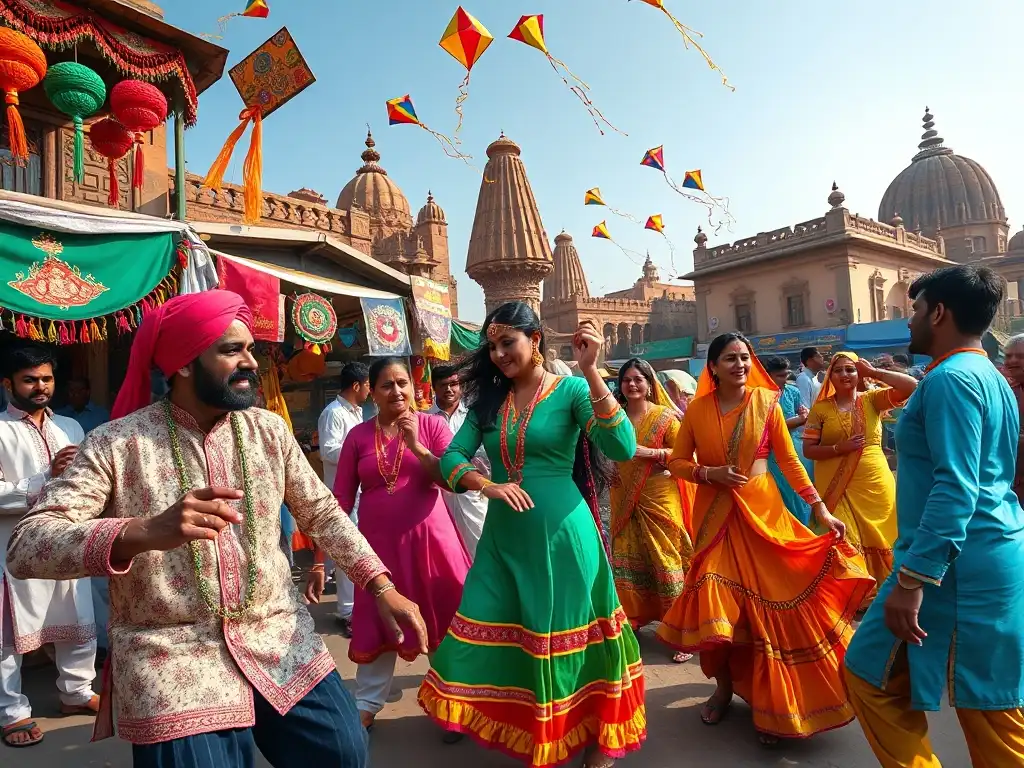
Welcome to Ancient India History, where we delve into the rich tapestry of civilizations that have shaped one of the world's oldest cultures. In this exploration, we invite you to uncover the fascinating Cultural Synthesis in Northern India, a remarkable phenomenon that emerged from the confluence of Aryan and indigenous traditions. What were the forces that brought these diverse groups together, and how did they influence the very fabric of society?
Join us as we embark on a journey through time, unraveling the stories and legacies that continue to resonate today. Your adventure into the intriguing past of ancient India begins here!
Introduction to Cultural Synthesis in Northern India
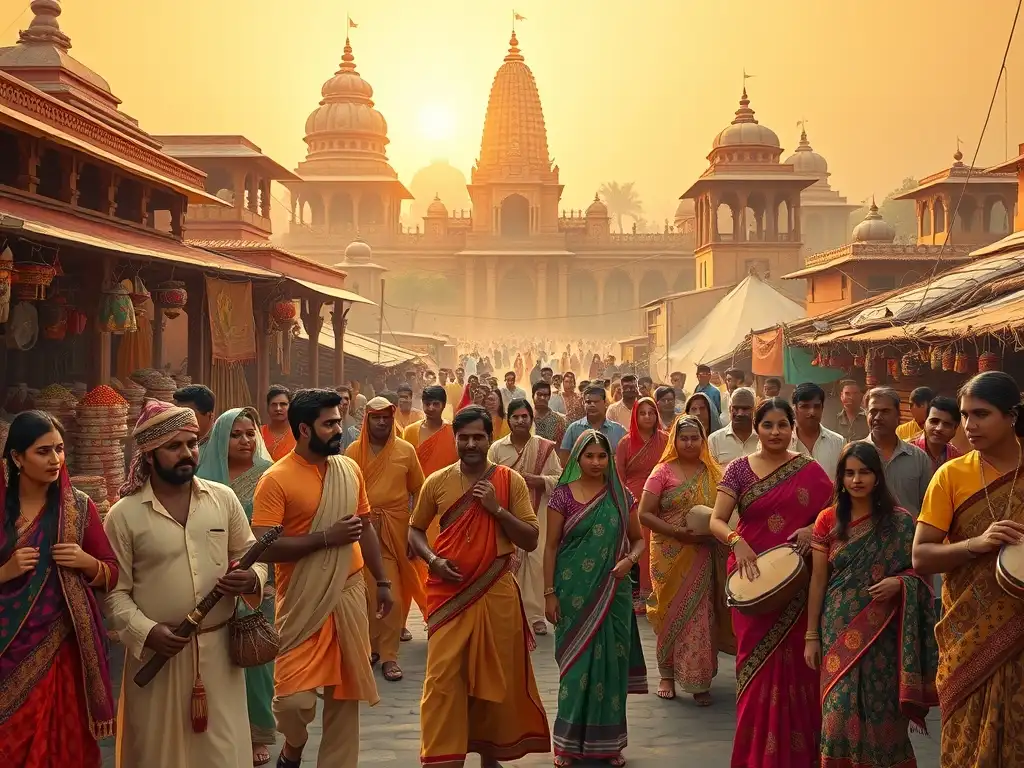
The concept of cultural synthesis in Northern India is a fascinating narrative that encapsulates the blending of diverse traditions, beliefs, and practices that have evolved over millennia. This synthesis primarily stems from the interaction between the Aryan settlers, who migrated to the subcontinent around 1500 BCE, and the indigenous populations that had already established rich cultures and societies in the region. The interplay between these two groups not only shaped the fabric of Northern Indian society but also laid the groundwork for the development of various philosophical, religious, and artistic traditions that continue to influence India today.
Cultural synthesis can be observed in various aspects of life, including language, religion, art, and social customs. For instance, the amalgamation of Aryan Vedic traditions with the indigenous beliefs led to the emergence of new religious practices and ideologies. This fusion was not merely a result of conquest or colonization; rather, it was a complex process of adaptation and integration, driven by trade, migration, and intermarriage. As a result, Northern India became a vibrant mosaic of cultural expressions, each contributing to a unique historical narrative.
Significance of Cultural Synthesis in Indian History
The significance of cultural synthesis in Northern India extends beyond mere historical interest; it has profound implications for understanding the evolution of Indian civilization as a whole. The merging of Aryan and indigenous traditions fostered a climate of tolerance and pluralism, which has been pivotal in shaping India's identity. This synthesis is reflected in:
- Religious Diversity: The coexistence of various faiths, such as Hinduism, Buddhism, and Jainism, showcases how different belief systems can enrich one another. The incorporation of local deities and practices into the Aryan religious framework exemplifies this blending.
- Linguistic Developments: The interaction between languages, particularly the influence of Sanskrit on regional dialects and vice versa, played a crucial role in the development of modern Indian languages. This linguistic synthesis facilitated communication and cultural exchange among the diverse populations of Northern India.
- Art and Architecture: The architectural styles and artistic expressions of Northern India reveal a confluence of ideas and aesthetics. From the intricate carvings of ancient temples to the frescoes of Buddhist stupas, this cultural synthesis has resulted in a rich artistic heritage that reflects the region's historical journey.
- Social Structures: The integration of different social customs and practices has led to the evolution of unique social frameworks, influencing everything from community organization to family structures.
In essence, the cultural synthesis of Northern India serves as a testament to the resilience and adaptability of its peoples. Understanding this historical phenomenon allows us to appreciate the complexities of Indian identity and the enduring legacy of its ancient civilizations. ✨
- Introduction to Cultural Synthesis in Northern India
- Significance of Cultural Synthesis in Indian History
- What is cultural synthesis in Northern India?
- How did Aryan and indigenous traditions influence each other?
- What were some significant contributions of ancient Indian civilizations?
- Which periods are most important in the context of cultural synthesis?
- How does the cultural synthesis of Northern India affect modern culture?
Historical Context of Northern India
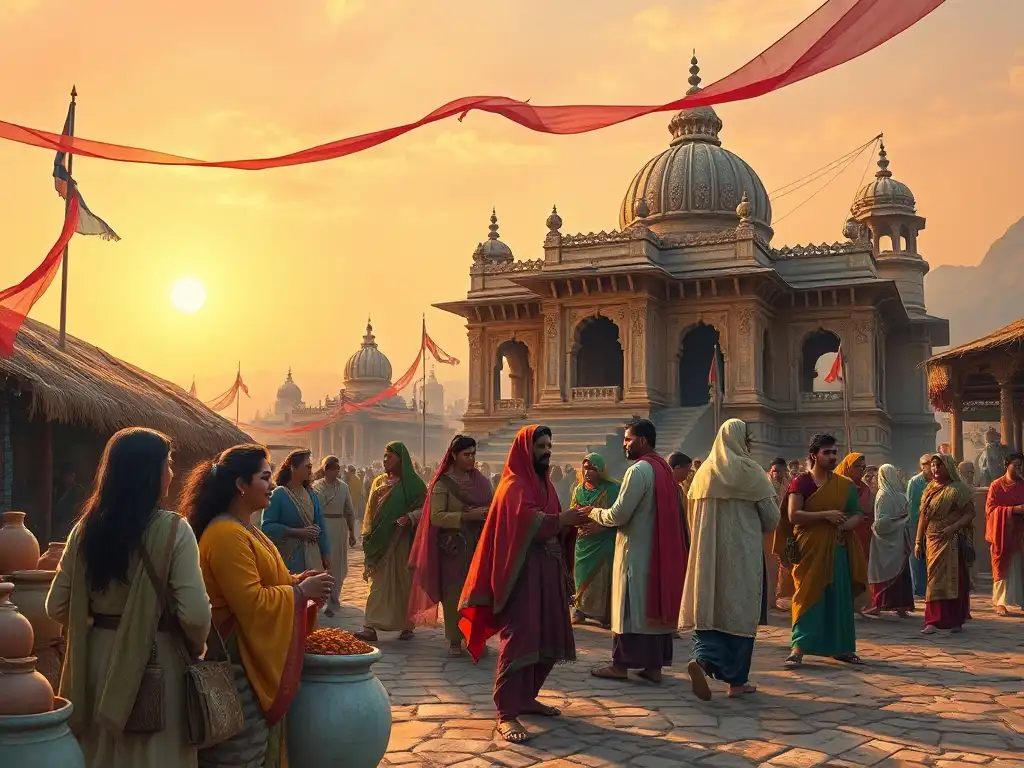
The historical context of Northern India is essential to understanding the complexity of its cultural synthesis, particularly the merging of Aryan and indigenous traditions. This region has been a melting pot of various cultures and influences, shaped by migrations, invasions, and interactions over millennia. By examining the roots of Aryan migration and the existing indigenous cultures, we can gain insights into how these elements converged to create a rich tapestry of traditions and practices.
Overview of Aryan Migration into Northern India
The migration of the Aryans into Northern India, around 1500 BCE, marked a pivotal point in the region's history. This movement was characterized by the arrival of Indo-European speaking peoples, who brought with them new languages, religious beliefs, and social structures. The Aryans settled primarily in the Punjab region, where they established small tribal communities and gradually spread across the northern plains.
- Key Factors of Migration:
- Agricultural Expansion: The fertile lands of the Indo-Gangetic plains attracted Aryans who were primarily pastoralists.
- Cultural Exchange: The interaction with existing communities led to the adaptation of various local customs.
- Socio-Political Structures: The Aryans introduced the varna system, which formed the basis of social stratification in the region.
The introduction of Vedic texts during this period became instrumental in shaping the philosophical and religious landscape of Northern India, establishing a foundation for Hinduism as it evolved.
Indigenous Cultures Prior to Aryan Influence
Before the arrival of the Aryans, Northern India was home to a variety of indigenous cultures. The most prominent among these was the Harappan civilization, which thrived in the Indus Valley (approximately 3300–1300 BCE). This civilization was characterized by:
- Urban Planning: Cities such as Harappa and Mohenjo-Daro featured advanced drainage systems, grid patterns, and public baths.
- Trade Networks: The Harappans engaged in trade with Mesopotamia and other neighboring regions, indicating a sophisticated economic system.
- Cultural Practices: The indigenous people had their own religious beliefs, which included the worship of fertility deities and nature spirits.
The decline of the Harappan civilization created a vacuum that allowed for the influx of Aryan culture. However, elements of the indigenous traditions persisted, influencing the cultural synthesis that followed.
Interaction Between Aryan and Indigenous Peoples
The interaction between Aryan migrants and indigenous populations of Northern India was multifaceted and dynamic. Initially, the two groups coexisted with limited contact; however, as the Aryans settled and expanded their influence, various forms of interaction emerged:
- Cultural Exchange:
- Religious Syncretism: The Aryans adapted some indigenous deities into their own pantheon, leading to a blending of religious practices.
- Language and Literature: The Sanskrit language, brought by the Aryans, began to incorporate words and expressions from local dialects, enriching its vocabulary.
- Social Integration:
- Marriage Alliances: Intermarriages between Aryans and local populations facilitated social integration and the sharing of customs.
- Agricultural Practices: The Aryans learned agricultural techniques from the indigenous communities, leading to improved crop production.
- Conflict and Resolution:
- Territorial Disputes: There were instances of conflict over land and resources, but these were often followed by negotiations and alliances.
- Cultural Adaptation: Over time, the Aryans incorporated many indigenous traditions into their own lifestyle, resulting in a more cohesive societal structure.
The cultural synthesis in Northern India was not a one-sided imposition of Aryan culture over indigenous traditions; rather, it was a complex and reciprocal process that enriched the social and cultural fabric of the region. This synthesis laid the groundwork for the diverse and vibrant culture that would characterize Northern India for centuries to come.
Key Elements of Cultural Synthesis in Northern India
Language and Literature: A Fusion of Aryan and Indigenous Dialects
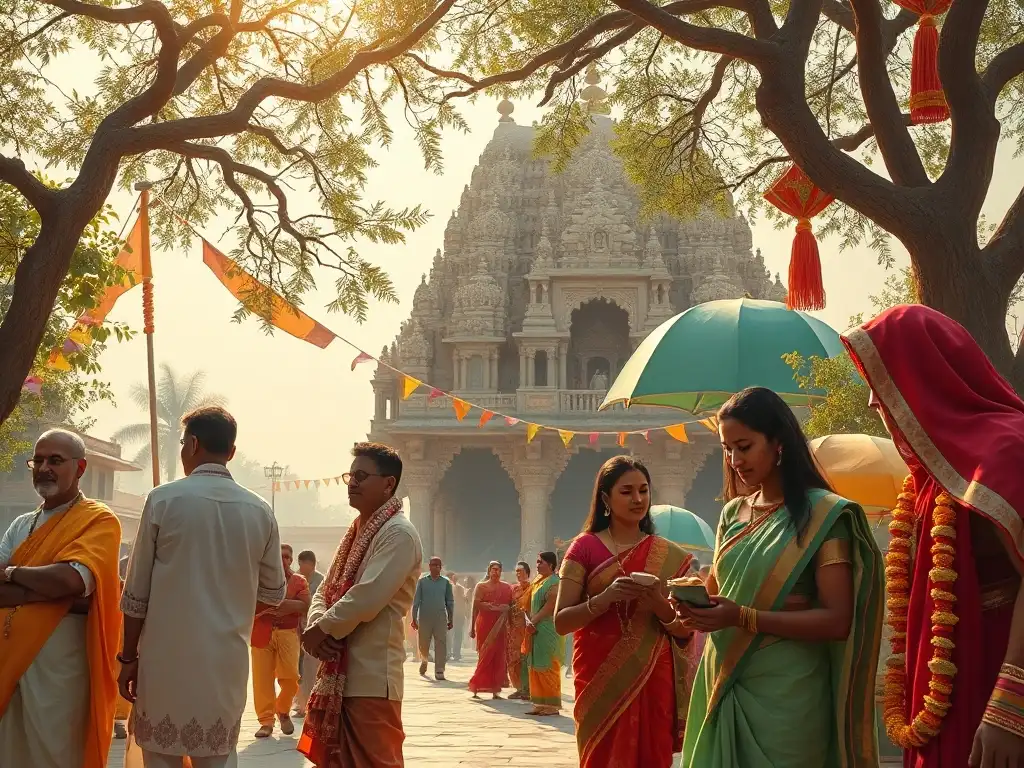
The linguistic landscape of Northern India presents a fascinating tapestry woven from both Aryan and indigenous dialects. This cultural synthesis is evident in the evolution of languages such as Hindi, Punjabi, and Bengali, which emerged from the ancient Indo-Aryan languages.
- Sanskrit Influence: Sanskrit served as the foundational language for many Aryan texts, including the Vedas and epics like the Mahabharata and Ramayana. Over time, the influence of Sanskrit trickled down into local dialects, enriching them with a vast vocabulary and grammatical structures.
- Regional Dialects: Indigenous languages, such as Prakrit and Apabhramsha, absorbed Sanskrit elements, leading to the formation of modern languages. For example, the Braj Bhasha and Awadhi dialects, spoken in regions of Uttar Pradesh, showcase a blend of Vedic and local linguistic features.
- Literary Works: The synthesis is also evident in literary traditions, where poets and authors combined Aryan themes with local narratives. The Ghazal, for instance, represents a fusion of Persian influences with Indian storytelling styles, highlighting the cultural exchange that marked this period.
This rich linguistic interplay not only reflects the cultural synthesis in Northern India but also plays a crucial role in shaping the identity of the region's diverse population.
Religious Practices: Blending Vedic Traditions with Indigenous Beliefs
The religious landscape of Northern India is characterized by a remarkable blending of Vedic traditions and indigenous beliefs. This synthesis is evident in various practices, rituals, and the overall spiritual ethos of the region.
- Vedic Religion: The early Aryans brought with them a polytheistic belief system centered around deities associated with natural forces, such as Indra (the god of rain) and Agni (the fire god). These Vedic practices laid the groundwork for later spiritual developments in the region.
- Indigenous Deities: As Aryan settlers interacted with indigenous tribes, local deities and folk traditions were incorporated into the broader religious framework. This resulted in a pantheon of gods that merged Aryan and indigenous characteristics. For example, the worship of village deities, or gramadevatas, became an integral part of the religious practices.
- Festivals and Rituals: The celebration of festivals such as Makar Sankranti and Diwali showcases this cultural synthesis. While Makar Sankranti has Vedic origins linked to solar worship, its observance includes local customs and rituals, demonstrating the amalgamation of traditions.
- Synthesis in Philosophy: Philosophical schools, such as Vedanta and Yoga, also evolved through the integration of Aryan thought with indigenous spiritual practices. The emergence of the Bhakti movement, emphasizing personal devotion to deities, illustrates this synthesis and has had lasting effects on the religious fabric of Northern India.
This blend of Vedic traditions with indigenous beliefs highlights the dynamic nature of spirituality in Northern India and emphasizes the importance of cultural synthesis in shaping religious practices.
Art and Architecture: Influences of Aryan and Local Styles
The art and architecture of Northern India reflect a beautiful synthesis of Aryan and indigenous styles, resulting in unique forms that embody the region's diverse cultural heritage.
- Architectural Styles: The introduction of Aryan architectural principles laid the groundwork for temple construction, with influences seen in the use of mandapas (pillared halls) and shikharas (towers). However, local artisans integrated indigenous styles, leading to the development of distinctive temple architectures, such as the Nagara and Dravidian styles.
- Sculpture: Sculptural art in Northern India showcases a blend of Aryan and indigenous elements. The intricate carvings found in temples like the Khajuraho and Konark reveal the influence of Vedic iconography alongside local motifs, such as flora and fauna, representing the region's rich biodiversity.
- Paintings: The synthesis of cultures is also evident in various forms of painting. For instance, the Madhubani and Pahari styles incorporate Aryan religious themes but are distinctly influenced by local narratives and aesthetics, creating vibrant works that tell the stories of both traditions.
- Craftsmanship: The fusion extends to various crafts, including pottery, textiles, and metalwork. Techniques and designs from both Aryan and indigenous backgrounds have been preserved and adapted over generations, leading to an array of artistic expressions that celebrate the region's cultural heritage.
The art and architecture of Northern India not only represent the aesthetic sensibilities of ancient civilizations but also serve as a testament to the cultural synthesis that has shaped the region's identity throughout history.
Case Studies of Cultural Synthesis in Northern India
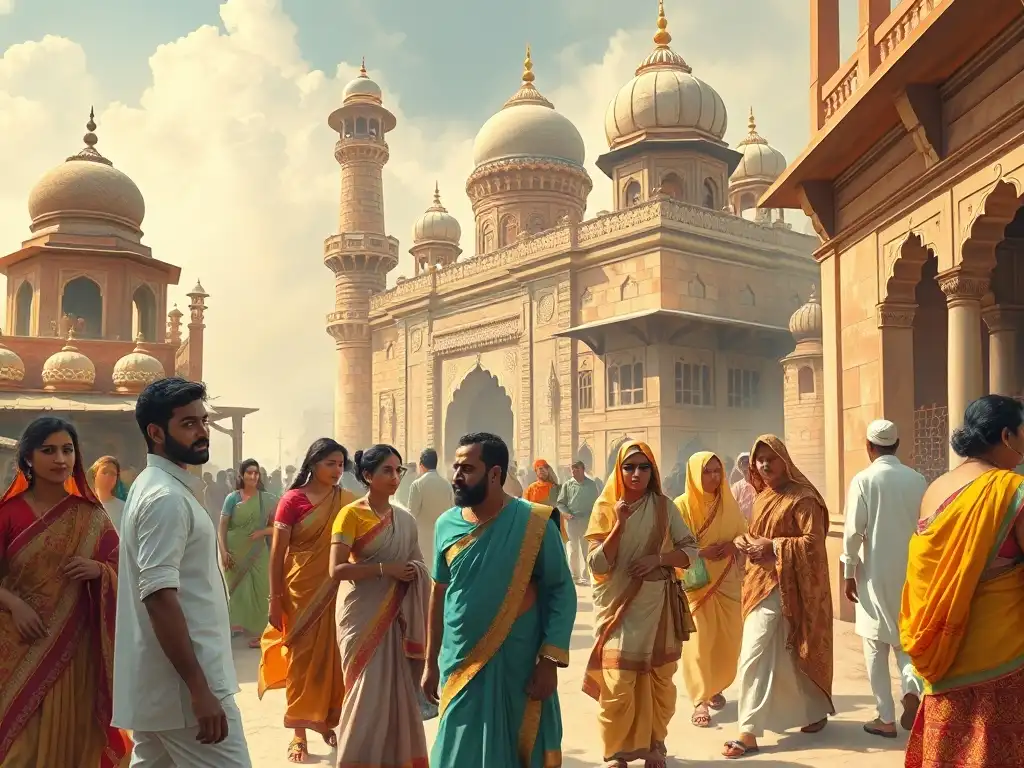
The Ganges Valley: A Hub of Cultural Interactions
The Ganges Valley has long been recognized as a pivotal area for the cultural synthesis in Northern India. This region served as a melting pot for various influences, notably the convergence of Aryan and indigenous traditions. The arrival of Aryan tribes around 1500 BCE introduced new languages, religious practices, and social structures that intermixed with the existing local cultures.
Key Aspects of Cultural Interactions
- Religious Syncretism: The Ganges Valley became a fertile ground for the blending of Hinduism, which evolved from Vedic traditions, with indigenous beliefs. This resulted in the emergence of new deities and practices that incorporated elements from both traditions.
- Linguistic Fusion: The vernacular languages, such as Prakrit, emerged as a result of this cultural intermingling. These languages not only enriched the local dialects but also provided a vehicle for the transmission of ideas and literature.
Notable Events
One of the most significant events highlighting this cultural synthesis was the establishment of the Mahajanapadas, which were tribal and urban centers that encouraged trade and communication. The interaction among diverse groups facilitated an exchange of ideas, arts, and religious beliefs, further solidifying the Ganges Valley's role as a cultural nexus.
The Role of Urban Centers in Promoting Cultural Synthesis
Urban centers emerged as crucial players in the promotion of cultural synthesis in Northern India. Cities such as Kashi (Varanasi), Pataliputra, and Mathura became vibrant hubs of commerce, politics, and culture, attracting traders, scholars, and artisans from various backgrounds.
Characteristics of Urban Centers
- Commercial Interactions: The growth of trade routes linked Northern India with distant regions, including Southeast Asia and the Middle East. This interaction brought new goods, ideas, and technologies that influenced local customs and practices.
- Cultural Institutions: Temples, monasteries, and educational institutions flourished in these urban areas, fostering an environment where diverse cultural practices could coexist and thrive. For instance, the role of Buddhist monasteries in disseminating knowledge and promoting dialogues among different sects exemplifies this phenomenon.
Impact on Society
The synthesis of cultures in urban centers led to the development of a pluralistic society. The inhabitants, comprised of various ethnicities and social backgrounds, contributed to a rich tapestry of traditions, evident in art, cuisine, and festivals that reflected a harmonious blend of Aryan and indigenous elements.
The Influence of Regional Kingdoms on Cultural Development
The rise of regional kingdoms played a significant role in shaping the cultural landscape of Northern India. Dynasties such as the Mauryas, Guptas, and Kushanas not only expanded territories but also facilitated cultural exchanges that enriched their realms.
Contributions of Major Kingdoms
- Mauryan Empire: Under the rule of Ashoka, the Mauryan Empire emphasized the spread of Buddhism, which encouraged the integration of various cultural practices. Ashoka’s edicts promoted moral values that transcended ethnic and religious divides, fostering unity.
- Gupta Period: Often referred to as the Golden Age of India, the Gupta Empire is notable for advancements in arts, science, and literature. The patronage of scholars like Kalidasa and the compilation of texts such as the Aryabhatiya reflect a synthesis of indigenous and Aryan intellectual traditions.
Lasting Effects
The influence of these kingdoms resulted in a lasting legacy of cultural synthesis, evident in the architecture, literature, and philosophical thought that emerged during and after their reigns. The blending of styles can be seen in temples and sculptures that incorporate both Aryan and local artistic motifs, symbolizing a shared cultural heritage.
The cultural synthesis in Northern India was a complex process driven by interactions in the Ganges Valley, the role of urban centers, and the influence of regional kingdoms. Each of these elements contributed to a vibrant and diverse cultural landscape that continues to impact the region’s identity today.
Impacts of Cultural Synthesis on Society
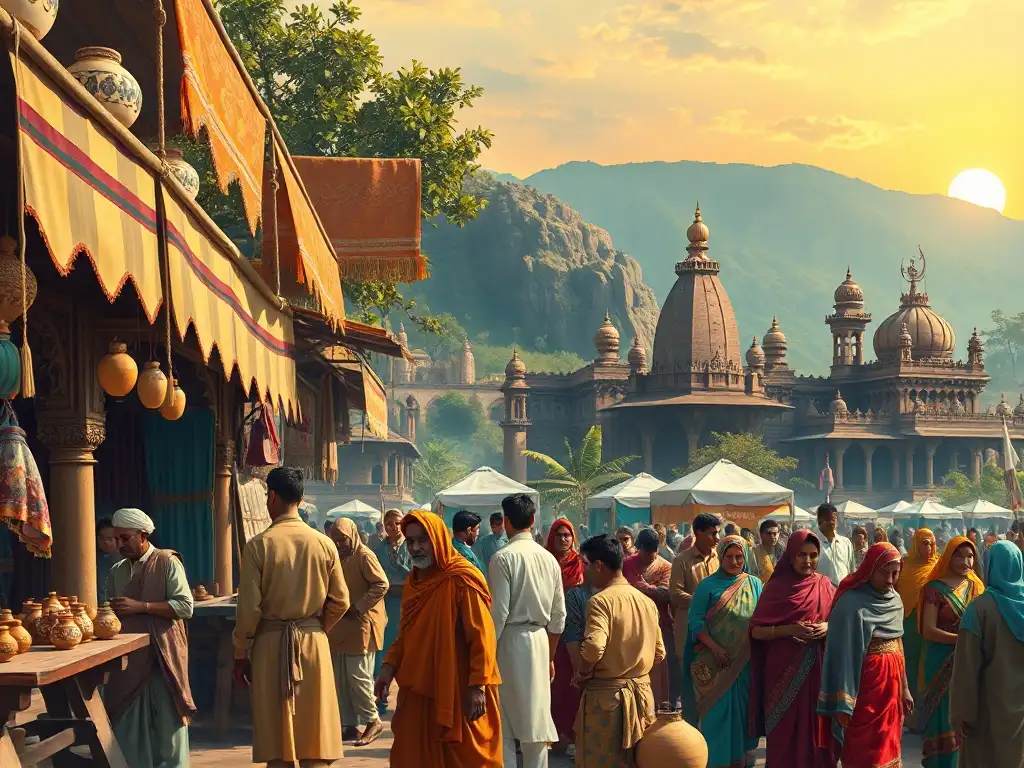
The cultural synthesis in Northern India, particularly during the early historical periods, had profound implications on various aspects of society. This synthesis led to the melding of Aryan and indigenous traditions, resulting in a unique societal framework that influenced social structures, economic interactions, and the preservation of cultural practices. Understanding these impacts provides a clearer picture of how ancient Indian civilization evolved and thrived.
One of the most significant outcomes of cultural synthesis in Northern India was the evolution of the social structure, particularly the caste system. The Aryan influx introduced a hierarchical order that was initially defined by occupational roles. Over time, this evolved into a more rigid caste system influenced by indigenous social practices.
- Varna System Foundations: The Aryans classified society into four main categories: Brahmins (priests), Kshatriyas (warriors), Vaishyas (traders), and Shudras (laborers). This classification laid the groundwork for the caste system.
- Integration with Indigenous Practices: Indigenous communities often had their own social hierarchies and divisions. As these groups interacted, the Varna system adapted, incorporating local customs and roles. For instance, certain tribal leaders gained recognition as Kshatriyas, while local artisans and farmers were integrated into the Vaishya and Shudra categories.
- Emergence of Jati: The diversification of occupations led to the emergence of numerous sub-castes (jatis), which were often regionally specific. This development was crucial in accommodating the diverse population of Northern India, enabling a more complex social fabric that reflected both Aryan and indigenous influences.
Thus, the synthesis of cultures not only shaped the caste system but also allowed for social mobility within certain confines, creating a dynamic yet structured society.
Economic Interactions: Trade and Cultural Exchange
The cultural synthesis in Northern India also facilitated significant economic interactions through trade and cultural exchange. As various groups interacted, they shared not only goods but also ideas, technologies, and cultural practices.
- Trade Routes and Networks: Northern India became a hub for trade, connecting the subcontinent with Central Asia, the Middle East, and beyond. Key trade routes facilitated the exchange of commodities such as spices, textiles, and precious metals.
- Cultural Exchange through Trade: Merchants and travelers served as conduits for cultural exchange. The introduction of new agricultural techniques, religious practices, and artistic styles occurred through these interactions. For example, the arrival of Buddhism from the eastern regions influenced local spiritual practices and art forms.
- Economic Specialization: The synthesis of Aryan and indigenous traditions led to the specialization of crafts and trades, which further enriched the economy. Local artisans began to incorporate Aryan motifs in their work, leading to the development of unique art styles that blended both traditions.
This vibrant economic landscape, characterized by trade and cultural exchange, played a crucial role in the overall prosperity of Northern Indian societies.
Preservation of Indigenous Traditions Amidst Aryan Influence
While the Aryan influence significantly shaped various aspects of Northern Indian culture, many indigenous traditions persisted, showcasing the resilience of local customs.
- Religious Practices: Indigenous beliefs and practices often coexisted with Aryan religions, leading to a unique spiritual blend. Many local deities were incorporated into the Vedic pantheon, and rituals evolved to include both Aryan and indigenous elements, such as the worship of nature and fertility symbols.
- Art and Architecture: The synthesis of cultures also affected artistic expressions. Indigenous art forms, such as pottery and textiles, retained their distinct styles while integrating Aryan motifs. This amalgamation is evident in the architecture of temples, where indigenous designs complemented Vedic architectural principles.
- Folk Traditions and Oral Narratives: Local folk traditions, including storytelling and music, continued to thrive despite external influences. These narratives often highlighted regional heroes and myths, preserving a rich tapestry of indigenous culture amidst the changing societal landscape.
The cultural synthesis in Northern India played a vital role in shaping the region's social structure, economic interactions, and the preservation of indigenous traditions. This dynamic interplay of cultures not only enriched the local heritage but also laid the groundwork for a diverse and complex societal framework that resonates through India's history.
Conclusion: The Legacy of Cultural Synthesis in Northern India
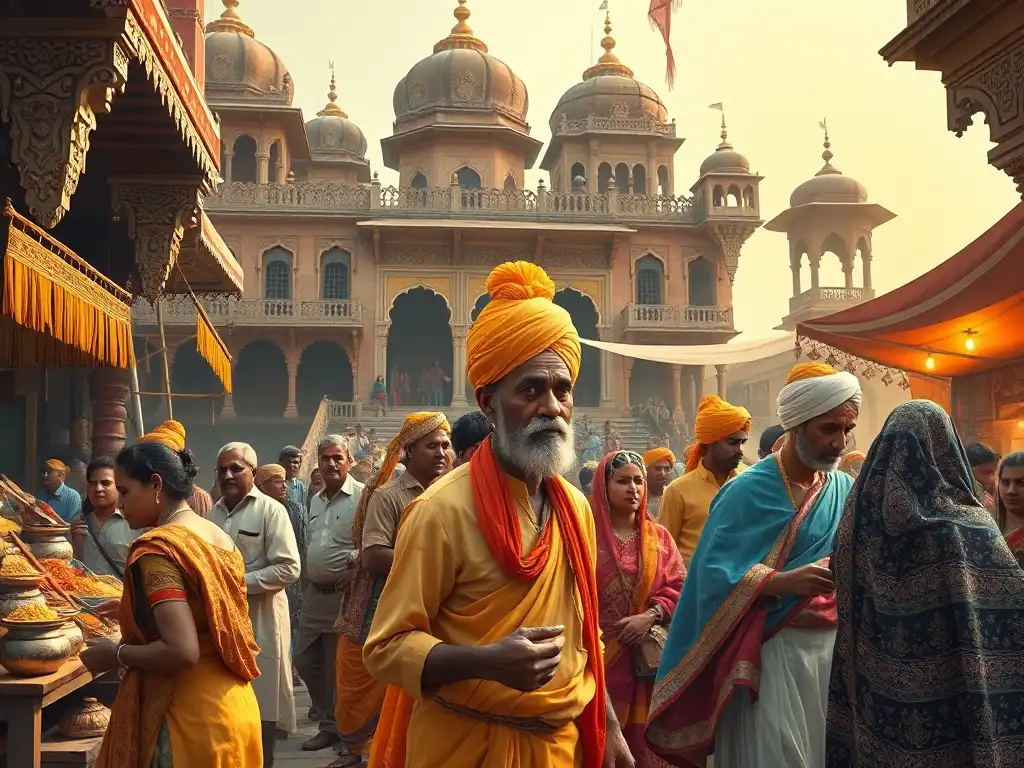
The cultural synthesis in Northern India, characterized by the merging of Aryan and indigenous traditions, has left an indelible mark on the region's historical and cultural landscape. This synthesis, which began around 1500 BCE and continued through various dynasties, created a rich tapestry of customs, beliefs, and practices that define Northern India's identity today.
The intermingling of these diverse cultural elements facilitated the development of unique art forms, architectural styles, and philosophical thought. For instance, the adoption of Hinduism, which integrated Vedic traditions with local beliefs, led to the proliferation of numerous deities and rituals that are still prevalent in contemporary practices. Furthermore, the blending of languages resulted in the emergence of regional dialects, enriching the linguistic diversity of Northern India.
Ultimately, the legacy of this cultural synthesis is a testament to the resilience and adaptability of communities, showcasing how various influences can converge to create a cohesive and vibrant society. By examining the historical processes that led to this synthesis, we gain insights into the complexities of Northern India's past and its continued relevance in the modern era.
Lasting Effects on Modern Indian Culture
The enduring impact of cultural synthesis in Northern India is evident in various aspects of modern Indian culture.
- Religious Practices: The integration of Aryan and indigenous beliefs has given rise to a multifaceted religious landscape. Hinduism, which absorbed local deities and practices, remains a predominant faith, while also fostering an environment of syncretism with other religions such as Buddhism, Jainism, and Sikhism.
- Festivals and Traditions: Many contemporary festivals, such as Makar Sankranti and Diwali, are direct descendants of ancient celebrations that merged indigenous agricultural practices with Aryan rituals. These festivals reflect the agricultural calendar and symbolize the unity of diverse cultural elements.
- Art and Literature: The rich literary heritage of Northern India, from the Vedas to modern poetry, showcases the fusion of various cultural influences. Classical dance forms like Kathak also evolved from this synthesis, reflecting themes from both Aryan and indigenous narratives.
- Cuisine: Northern Indian cuisine is a vibrant amalgamation of flavors and techniques, showcasing influences from various communities. Dishes often reflect regional ingredients and cooking methods, demonstrating the adaptability and evolution of cooking traditions over centuries.
The continued presence of these elements illustrates how cultural synthesis has shaped not only historical narratives but also the everyday lives of people in Northern India.
The Importance of Understanding Cultural Synthesis in Historical Studies
Understanding cultural synthesis in historical studies is crucial for several reasons:
- Comprehensive Historical Narratives: By analyzing the interactions between different cultures, historians can construct a more nuanced understanding of historical events and societal changes. This approach challenges simplistic narratives and acknowledges the complexity of cultural exchanges.
- Recognition of Diversity: Cultural synthesis highlights the diversity within India's history, emphasizing that no single narrative dominates. This recognition fosters a deeper appreciation for the contributions of various communities and cultures.
- Influence on Contemporary Issues: Acknowledging the historical foundations of cultural synthesis can provide insights into current social dynamics and intercultural relations in India. It encourages dialogue and understanding among different communities, promoting a sense of unity amidst diversity.
- Methodological Approaches: Studying cultural synthesis encourages interdisciplinary research, combining anthropology, archaeology, linguistics, and other fields. This holistic approach enriches our understanding of historical processes and their outcomes.
In essence, the study of cultural synthesis serves as a vital tool for historians, enabling a broader comprehension of the intricate tapestry that constitutes Northern India's past and its implications for the future.
References and Further Reading on Cultural Synthesis in Northern India
- Books:
- "The Cultural History of India" by J. C. Sharma
- "The Aryans: A Study of Indo-Aryan Civilization" by A. L. Basham
- "Cultural Synthesis in Northern India: The History of a Diverse Civilization" by R. K. Gupta
- Articles:
- "The Dynamics of Cultural Synthesis in Ancient India" - Journal of South Asian Studies
- "Merging Traditions: The Impact of Aryan Influence on Indigenous Cultures" - Historical Journal of India
- Online Resources:
- Indian History Congress (IHC) - A platform for scholarly articles and discussions on Indian history.
- Digital South Asia Library - A repository of resources related to South Asian history, including cultural studies.
This collection of references serves as a foundation for further exploration of the rich cultural synthesis that defines Northern India's history and its lasting influence on contemporary society.
Frequently Asked Questions
What is cultural synthesis in Northern India?
Cultural synthesis in Northern India refers to the merging of Aryan and indigenous traditions, resulting in a unique blend of practices, beliefs, and art forms that shaped the region's identity.
How did Aryan and indigenous traditions influence each other?
The interaction between Aryan invaders and indigenous tribes led to the incorporation of local customs into Vedic practices, enriching the cultural landscape through exchange of ideas and rituals.
What were some significant contributions of ancient Indian civilizations?
Ancient Indian civilizations made remarkable contributions in areas such as mathematics, astronomy, literature, and philosophy, influencing cultures far beyond their geographic boundaries.
Which periods are most important in the context of cultural synthesis?
The Vedic period and the Maurya and Gupta empires are crucial for understanding cultural synthesis, as these eras saw significant integrations of Aryan and local traditions.
How does the cultural synthesis of Northern India affect modern culture?
The cultural synthesis of Northern India has laid the groundwork for contemporary Indian culture, influencing festivals, art, music, and social practices that continue to thrive today.
Final Reflection: Embracing the Harmony of Cultural Synthesis in Northern India
The exploration of cultural synthesis in Northern India reveals a profound tapestry woven from the threads of Aryan and indigenous traditions, showcasing a remarkable resilience and adaptability that continues to resonate today. As we navigate an increasingly globalized world, the lessons from this synthesis remind us of the power of unity in diversity. The ability to blend distinct cultural identities into a cohesive whole is not just a historical phenomenon; it is a vital framework for understanding contemporary social dynamics and fostering inclusivity in our communities.
The rich interplay between Aryan and indigenous traditions has not only shaped the cultural landscape of Northern India but has also left an indelible mark on the broader social fabric of the region. This ongoing dialogue between cultures fosters a sense of belonging and identity that transcends individual differences. As Mahatma Gandhi once said, Our ability to reach unity in diversity will be the beauty and the test of our civilization.
This sentiment echoes the essence of cultural synthesis, urging us to celebrate our differences while finding common ground, a lesson that remains crucial in our increasingly polarized world.
As we reflect on the significance of cultural synthesis, I invite you to consider how these lessons can be applied in your own life. Embrace the diversity around you, seek to understand the stories and traditions of others, and contribute to a culture of acceptance and collaboration. Let the spirit of Northern India's cultural synthesis inspire you to foster connections that bridge divides, creating a harmonious environment where every voice is valued. Together, we can cultivate a future that honors our shared humanity while celebrating the unique contributions of each culture.
Embrace the Richness of Northern India’s Cultural Heritage!
Thank you for diving into the fascinating world of Northern India's cultural synthesis! You’ve explored how Aryan and indigenous traditions merge to create a vibrant tapestry of history and identity. Now, it’s time to keep that curiosity alive and engage further!
Here are some empowering actions you can take:
- Deepen your understanding by reading insightful books or watching documentaries on Northern India's diverse customs and traditions. Start with a well-reviewed title that piques your interest!
- Share your insights with friends or family—discuss your favorite aspects of the cultural blend to spread awareness!
- Join a local cultural group or visit an upcoming festival to experience the living traditions firsthand—immerse yourself in the vibrant festivities!
What aspect of Northern India’s cultural heritage intrigues you the most, and how can you explore it further?