
The Legacy of Sushruta: Father of Indian Surgery and His Techniques

Welcome to Ancient India History, where we embark on an exhilarating journey through the rich tapestry of ancient Indian civilizations. As you delve into the fascinating world of science and medicine, prepare to uncover the groundbreaking contributions that shaped the course of human knowledge. In our featured article, "The Legacy of Sushruta: Father of Indian Surgery and His Techniques," we will explore the innovative ancient Indian surgery techniques that laid the foundation for modern medical practices.
Join us as we unveil the secrets of the past and witness how these remarkable advancements continue to inspire and influence the world today. Your exploration begins now!
Introduction to Ancient Indian Surgery Techniques
The history of ancient Indian surgery techniques is rich and multifaceted, rooted in a tradition that dates back thousands of years. Among the most prominent figures in this domain is Sushruta, often referred to as the "Father of Indian Surgery." His contributions to the field of medicine and surgery have left an indelible mark on medical practices not only in India but across the world.
Sushruta's seminal work, the Sushruta Samhita, serves as a foundational text that outlines various surgical techniques, instruments, and the ethical considerations of surgery, showcasing the advanced understanding of human anatomy and surgical procedures in ancient India. This article delves into Sushruta's life, his contributions to surgery, and the significance of his techniques within the broader historical context of ancient Indian medicine.
Overview of Sushruta's Influence on Surgery
Sushruta's influence on surgery is profound, with his teachings and methods still resonating in modern medical practices. His Samhita is one of the earliest texts to systematically describe surgical procedures, including techniques for suturing, wound management, and even plastic surgeries such as rhinoplasty. His approach emphasized:
- Detailed anatomical knowledge: Sushruta performed dissections to understand human anatomy thoroughly.
- Innovative surgical tools: He introduced various surgical instruments, many of which are still in use today, albeit in evolved forms.
- Patient care: Emphasizing the importance of hygiene and post-operative care, Sushruta's techniques aimed to minimize infection and promote healing.
These contributions not only advanced surgical practices in his time but also laid the groundwork for future generations of surgeons.
Importance of Ancient Indian Surgery in Historical Context
The significance of ancient Indian surgery techniques extends beyond their practical applications. They reflect a sophisticated understanding of medical science in a historical context where many cultures were just beginning to explore the complexities of the human body. Ancient Indian texts provide insights into:
- Cultural values: The ethical dimensions of surgery highlighted in Sushruta’s work demonstrate a profound respect for life and the responsibilities of a surgeon.
- Interconnectedness of disciplines: The convergence of surgery with other fields such as herbal medicine and philosophy indicates a holistic approach to health and wellness.
- Global influence: Sushruta's methodologies influenced medical practices in neighboring regions, fostering cross-cultural exchanges that enriched the global medical landscape.
Sushruta: Historical Background and Contributions
Life and Times of Sushruta
Sushruta is believed to have lived during the 6th century BCE, in the region that is now part of modern-day India. His life coincided with a period of significant intellectual and cultural advancement in ancient Indian civilization. Not much is known about his personal history, but his contributions to medicine and surgery are well-documented in his texts. He is often associated with the Varanasi region, which was a hub for learning and scholarship.
Sushruta's Role in Ancient Indian Medicine
As a key figure in ancient Indian medicine, Sushruta's role was pivotal in transforming surgery from a rudimentary practice into a respected profession. His teachings established the principles of surgery, including:
- Surgical techniques: Detailed descriptions of invasive procedures, such as cataract surgery and hernia repairs.
- Instruments: A list of over 120 surgical instruments, many designed for specific procedures, showcasing an advanced understanding of surgical practices.
- Patient assessment: Guidelines on how to evaluate patients and determine the best course of treatment.
Through these contributions, Sushruta not only advanced surgical techniques but also elevated the status of surgeons in society, emphasizing their critical role in healthcare.
The Sushruta Samhita: A Comprehensive Text on Surgery
The Sushruta Samhita is a seminal text in the field of surgery, attributed to Sushruta, who is often revered as the "Father of Indian Surgery." This ancient treatise, dating back to around 600 BCE, is one of the oldest known medical texts and serves as a cornerstone of Ayurvedic medicine. Comprising a total of 184 chapters, the Sushruta Samhita meticulously outlines various surgical techniques, instruments, and the theoretical principles behind surgical practices.
Sushruta's work is notable not just for its depth but also for its systematic approach to surgery. It categorizes surgical knowledge into eight branches, known as "Ashtanga," which include surgery, gynecology, obstetrics, pediatrics, ENT (ear, nose, and throat), toxicology, general medicine, and rejuvenation therapy. This comprehensive framework illustrates the holistic nature of ancient Indian medicine, where surgery was seen as part of a broader therapeutic practice.
Structure and Content of the Sushruta Samhita
The Sushruta Samhita is structured into several sections, including:
- Sutrasthana: The first section, which introduces basic surgical principles, instruments, and techniques.
- Sthananga: This section details the anatomy of the human body, emphasizing the importance of understanding bodily structures for successful surgical intervention.
- Sharirasthana: Focuses on embryology and the development of the human body, providing insights into physiological processes.
- Chikitsasthana: Discusses various diseases and their surgical treatments, along with herbal remedies and therapeutic practices.
- Uttarasthana: The concluding section that covers advanced surgical procedures and post-operative care.
Each chapter is rich in detail, providing descriptions of surgical instruments, techniques, and the philosophical underpinnings of surgery, reflecting a sophisticated understanding of medical science.
Key Surgical Techniques Documented by Sushruta
Sushruta's contributions to surgical techniques are vast and varied, some of the most significant techniques include:
- Rhinoplasty (Nasal Reconstruction): Sushruta is credited with performing one of the earliest documented cases of rhinoplasty, using skin grafts to reconstruct the nose, which demonstrates his advanced understanding of anatomy and tissue healing.
- Cataract Surgery (Couching): He described methods to treat cataracts by displacing the lens using a specialized instrument, showcasing early intervention for eye diseases.
- Surgical Excision and Incision: Techniques for suturing, ligation, and excision of tumors and abscesses were detailed, illustrating the practical approach to common surgical problems.
- Amputation: Detailed methods for performing amputations of limbs, including considerations for cleanliness and post-operative care, were also documented.
These techniques not only highlight the innovative spirit of ancient Indian surgery but also underscore its effectiveness in treating various ailments.
Ancient Indian Surgery Techniques: Methods and Applications
Ancient Indian surgery techniques encompassed a wide range of methods, each tailored to address specific medical conditions effectively. The practices were grounded in a rich tradition of observation, experimentation, and philosophical inquiry.
Types of Surgical Procedures in Ancient India
The surgical procedures in ancient India were categorized into various types, including:
- Elective Surgery: Procedures that were planned, such as cosmetic surgeries and reconstructive surgeries for injuries.
- Emergency Surgery: Immediate interventions for traumatic injuries, like wounds and fractures, requiring quick and effective treatment.
- Therapeutic Surgery: Surgeries performed to alleviate diseases, such as the excision of tumors or abscesses, aimed at restoring health.
This classification demonstrates the versatility and depth of surgical practices, which were informed by a combination of empirical knowledge and spiritual beliefs.
Use of Herbal Remedies in Surgical Practices
In conjunction with surgical techniques, the Sushruta Samhita emphasizes the use of herbal remedies, which played a vital role in the healing process. Key aspects include:
- Pre-operative Preparations: Herbal mixtures were often used to prepare patients physically and mentally for surgery, ensuring optimal health prior to the procedure.
- Post-operative Care: Sushruta advocated for the application of herbal pastes and poultices to promote healing, reduce inflammation, and prevent infections.
- Pain Management: Certain herbs were documented for their analgesic properties, aiding in pain relief during and after surgical interventions.
The integration of herbal medicine into surgical practices reflects a holistic approach to health, where physical, mental, and spiritual well-being were given equal importance in the recovery process.
Innovations in Surgical Instruments by Sushruta
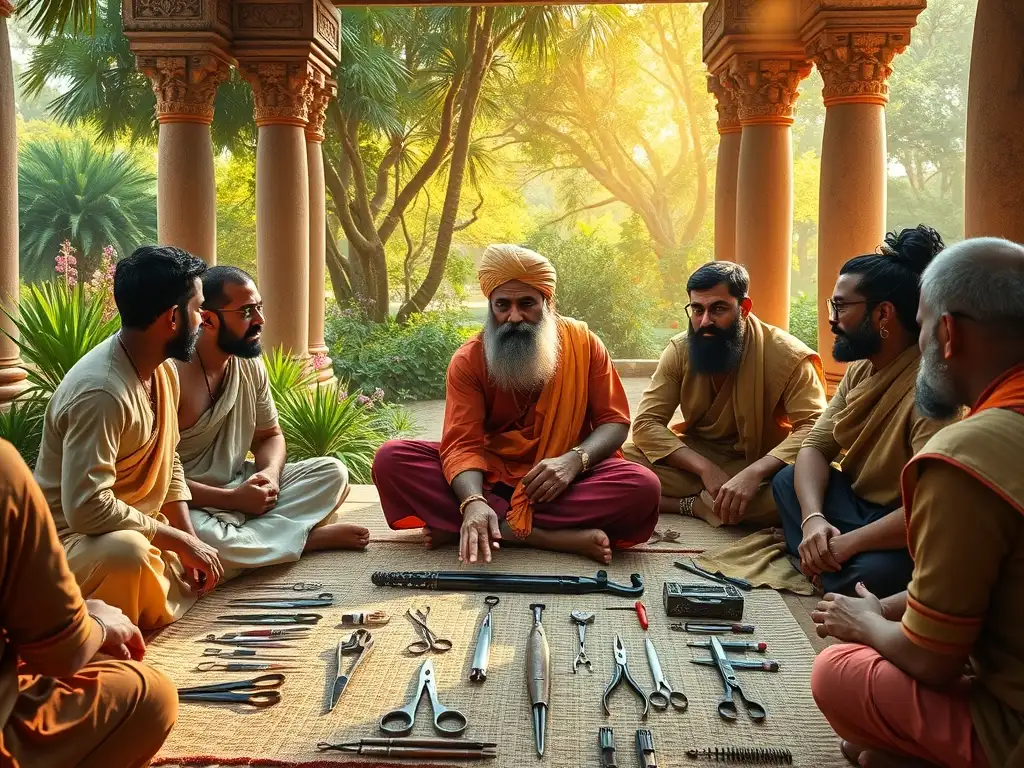
Sushruta, often regarded as the "Father of Indian Surgery," made groundbreaking contributions to the field of surgery during ancient times. His text, the Sushruta Samhita, details a variety of surgical instruments that he innovated, many of which laid the foundation for modern surgical tools. Sushruta emphasized the importance of using specialized instruments tailored for specific procedures, showcasing an early understanding of instrument design based on functionality.
Overview of Surgical Tools Used in Ancient Indian Surgery
In the Sushruta Samhita, Sushruta described over 120 surgical instruments made from materials such as metal, wood, and even ivory. Some notable tools include:
- Scalpels: Used for making incisions, these were crafted with fine edges for precision.
- Forceps: Employed for grasping tissues, Sushruta devised various types suited for different surgical needs.
- Probes: Essential for examining wounds and body cavities.
- Suction devices: Early forms of suction were used to clear blood and fluids from the surgical site.
These instruments were not only functional but also reflected an understanding of anatomy and the importance of cleanliness, which was vital for preventing infections.
The Importance of Precision in Sushruta's Techniques
Precision was a hallmark of Sushruta's surgical techniques. He believed that successful surgery depended on the surgeon's skill in making accurate incisions and performing delicate procedures. Sushruta meticulously detailed various surgical methods, emphasizing the need for:
- Anatomical Knowledge: Understanding the human body was crucial for performing surgeries effectively and safely.
- Technique: Sushruta prescribed specific techniques for various surgical procedures, ensuring that each operation was performed with care to minimize trauma to the surrounding tissues.
- Postoperative Care: He recognized the significance of postoperative care and rehabilitation, which was essential for recovery and preventing complications.
This commitment to precision not only ensured better outcomes for patients but also highlighted the advanced nature of surgical practices in ancient India.
Comparing Ancient Indian Surgery Techniques with Other Cultures
Ancient Indian surgical practices, as documented by Sushruta, share both similarities and differences with the surgical techniques of other ancient cultures, particularly those of Greece and Rome.
Similarities and Differences with Greek and Roman Surgical Practices
Both ancient Indian and Greco-Roman surgeons employed similar basic principles of surgery, such as the importance of asepsis and the use of anesthesia. However, there were notable differences:
- Instruments: While Sushruta developed a wide range of specialized tools, Greek and Roman surgeons primarily used simpler tools. The sophistication of Sushruta’s instruments showed a deeper understanding of surgical needs.
- Techniques: Sushruta's techniques included advanced procedures such as rhinoplasty (nose reconstruction) and cataract surgery, which were less common in Greek and Roman texts.
- Philosophy: The ancient Indian approach often integrated surgical practices with holistic medicine, while Greek and Roman practices were more focused on surgical intervention alone.
These differences reflect the unique cultural and philosophical contexts in which these surgical practices developed.
Influence of Ancient Indian Surgery on Modern Techniques
The surgical techniques and instruments developed by Sushruta have had a lasting influence on modern medicine. Many principles from the Sushruta Samhita can be seen in contemporary surgical practices:
- Surgical Techniques: Modern reconstructive surgeries often draw inspiration from Sushruta's methods, particularly in areas such as plastic surgery.
- Anatomical Knowledge: Sushruta’s detailed descriptions of human anatomy laid the groundwork for further anatomical studies and surgical training.
- Instruments: The evolution of surgical instruments can trace roots back to those designed by Sushruta, showcasing their enduring relevance.
Overall, Sushruta's contributions to ancient Indian surgery techniques continue to resonate in today's medical practices, highlighting the sophistication and foresight of ancient Indian medical knowledge.
The Legacy of Sushruta in Modern Medicine
Sushruta, often referred to as the Father of Indian Surgery, has left an indelible mark on the field of medicine, particularly in surgical practices. His seminal work, the Sushruta Samhita, is one of the earliest texts that systematically outlines surgical techniques and principles. This ancient treatise not only provides insights into surgical procedures but also emphasizes the importance of anatomy, patient care, and ethical considerations in medicine. The legacy of Sushruta is particularly significant as many of the techniques he developed have influenced modern surgical practices, demonstrating a continuity of knowledge and skills that transcends centuries.
Sushruta's contributions are not just historical curiosities; they serve as foundational elements in various modern medical disciplines. His emphasis on empirical observation, hands-on training, and the necessity of a thorough understanding of human anatomy laid the groundwork for surgical education and practice as we know it today. As modern medicine continues to evolve, the principles established by Sushruta remain relevant, highlighting the sophistication of ancient Indian medical practices.
How Sushruta's Techniques Are Relevant Today
The techniques developed by Sushruta are remarkably relevant in contemporary medicine, particularly in the fields of plastic and reconstructive surgery. For instance, Sushruta is credited with pioneering techniques for rhinoplasty (nose reconstruction) and otoplasty (ear reconstruction), which are still performed today. His method for repairing facial injuries by using skin grafts showcases an understanding of tissue viability and healing processes that resonate with modern surgical methods.
Moreover, Sushruta's approach to surgical instruments, many of which were precursors to modern tools, reflects an advanced understanding of the tools needed for specific procedures. His detailed descriptions of various instruments, including scalpels, forceps, and surgical needles, laid the groundwork for the development of surgical instrumentation. Today, many surgical tools can trace their origins back to Sushruta's designs, evidencing the lasting impact of his work on the development of surgical equipment.
Continuing Influence on Contemporary Surgical Practices
The influence of Sushruta extends beyond specific techniques; it permeates the ethical and philosophical dimensions of surgery. His emphasis on the surgeon's role in patient care and the importance of compassionate treatment resonates strongly with contemporary medical ethics. Sushruta advocated for a holistic approach to surgery, emphasizing the need for comprehensive patient evaluation, preoperative preparation, and postoperative care—principles that are echoed in modern surgical practices.
Additionally, Sushruta's contributions to understanding surgical complications and their management are reflected in current surgical training. His systematic approach to documenting surgical outcomes and complications has informed contemporary practices in quality control and continuous improvement in surgical procedures. This legacy of meticulous documentation and evaluation has been vital in enhancing patient safety and surgical success rates today.
Conclusion: The Enduring Impact of Sushruta on Surgery
The enduring impact of Sushruta on the field of surgery is profound and multifaceted. His pioneering work has not only enriched the field of ancient Indian medicine but has also significantly shaped the trajectory of surgical practices throughout history. Sushruta's methods and philosophies continue to be relevant as they inform modern surgical techniques and medical education.
Reflection on the Significance of Ancient Indian Surgery Techniques
Reflecting on the significance of ancient Indian surgery techniques reveals a rich tapestry of knowledge that has informed not only local practices but also global surgical developments. The sophistication of techniques such as those documented in the Sushruta Samhita highlights the advanced state of medical knowledge in ancient India. These techniques have contributed to a broader understanding of human anatomy and surgical practices worldwide, underscoring the importance of preserving and studying these ancient traditions.
Sushruta's Lasting Legacy in the Field of Medicine
Sushruta's lasting legacy in the field of medicine is a testament to the brilliance of ancient Indian scholars. His innovative surgical techniques, ethical considerations, and systematic approach to patient care have laid the groundwork for modern surgical practices. As we continue to explore the evolution of medicine, Sushruta's work serves as a reminder of the importance of historical knowledge in shaping contemporary practices, ensuring that the wisdom of the past continues to guide the future of surgery.
- Introduction to Ancient Indian Surgery Techniques
- Sushruta: Historical Background and Contributions
- The Sushruta Samhita: A Comprehensive Text on Surgery
- Ancient Indian Surgery Techniques: Methods and Applications
- Innovations in Surgical Instruments by Sushruta
- Comparing Ancient Indian Surgery Techniques with Other Cultures
- The Legacy of Sushruta in Modern Medicine
- Conclusion: The Enduring Impact of Sushruta on Surgery
Frequently Asked Questions
What are Sushruta's contributions to ancient Indian surgery?
Sushruta is often referred to as the Father of Indian Surgery due to his extensive writings on surgical techniques and procedures in the Sushruta Samhita, which laid the foundation for modern surgical practices.
How did ancient Indian surgery techniques differ from those in other cultures?
Ancient Indian surgery techniques were characterized by their holistic approach, combining surgical procedures with ayurvedic principles, focusing on both physical and spiritual well-being, unlike many contemporary practices.
What types of surgeries did Sushruta perform?
Sushruta was known for various surgical procedures, including plastic surgery, the treatment of wounds, and operations related to eye and ear ailments, showcasing a diverse understanding of human anatomy.
How are Sushruta's techniques relevant today?
Many of Sushruta's techniques have influenced modern surgical practices, particularly in areas such as reconstructive surgery and anesthesia, emphasizing the enduring legacy of his methods.
Where can I learn more about ancient Indian surgical practices?
To explore ancient Indian surgical practices, consider reading the Sushruta Samhita or academic articles that discuss the historical context and advancements in ancient Indian medicine.
Final Reflection: The Enduring Legacy of Ancient Indian Surgery Techniques
The remarkable contributions of Sushruta to the field of surgery are not just historical footnotes; they are a testament to the ingenuity and advanced understanding of medicine in ancient India. Today, as we navigate the complexities of modern healthcare, the principles and techniques pioneered by Sushruta continue to resonate, reminding us of the profound wisdom embedded in ancient practices. The legacy of Sushruta is a striking example of how knowledge transcends time, influencing contemporary medical practices and inspiring future generations of surgeons.
Sushruta's techniques have not only shaped the foundations of surgery but have also fostered a cultural appreciation for holistic healing and patient care. The impact of his work is evident in the way modern medicine integrates surgical precision with compassionate care. As we reflect on the ongoing influence of these ancient practices, we are reminded of the words of Sushruta himself: The physician must be able to tell the antecedents, know the present, and foretell the future.
This perspective encourages us to view medicine as a continuum, where the past informs the present and shapes the future.
As we conclude this exploration of Sushruta's legacy, I invite you to reflect on how these ancient Indian surgery techniques can inspire your own approach to health and wellness. Consider the importance of integrating knowledge from the past into your life today, whether through holistic practices, mindfulness, or a deeper understanding of the human body. Let Sushruta's wisdom guide you in your journey, fostering a connection between ancient insights and modern living, and encouraging you to embrace the lessons that history has to offer.
Embrace the Wisdom of Sushruta and Transform Your Perspective!
Thank you for diving into the fascinating legacy of Sushruta, a revolutionary figure in Indian surgery. You have explored remarkable techniques that shaped medical practices and continue to be relevant today. Now, it's time to take that inspiration and put it into action!
- Explore Sushruta's techniques: Research and consider implementing one of his surgical methods in your field, whether you are a medical professional or someone interested in health and wellness.
- Share your insights: Connect with like-minded individuals by discussing Sushruta's contributions on social media or in local community groups. Your voice could spark essential conversations!
- Join a workshop: Look for workshops or online courses focusing on ancient medical practices to deepen your understanding and possibly incorporate some of Sushruta's philosophies into modern health approaches.
Which techniques from Sushruta’s legacy resonate most with you, and how can they inspire the future of medicine today?