
The Fascinating World of Ancient Indian Veterinary Surgery

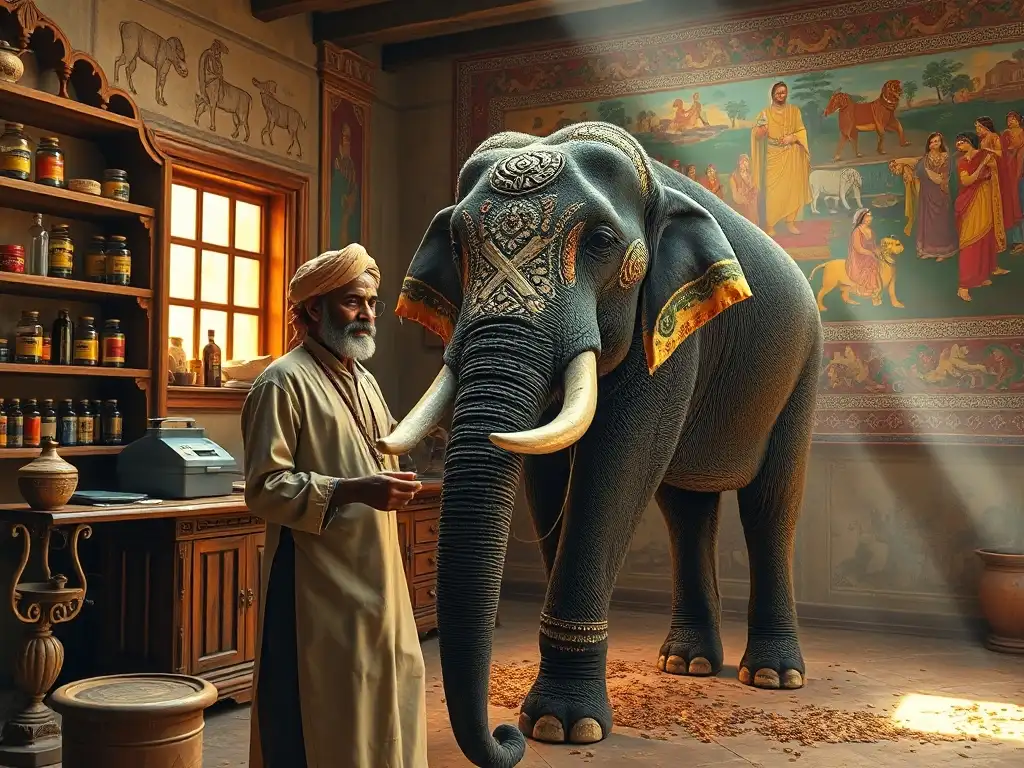
Welcome to Ancient India History, where we embark on a captivating journey through the rich tapestry of India's past. Dive into our latest article, "The Fascinating World of Ancient Indian Veterinary Surgery," and uncover the remarkable veterinary practices that shaped animal care in ancient civilizations. From the innovative techniques of the Indus Valley to the scholarly contributions of the Gupta Empire, this exploration reveals the profound connection between culture and science.
Prepare to be intrigued as we unveil stories that not only highlight the ingenuity of ancient practitioners but also inspire a deeper understanding of India's historical legacy. Join us as we unravel the secrets of a world long gone, yet still echoing through the ages.
Introduction to Ancient Indian Veterinary Practices
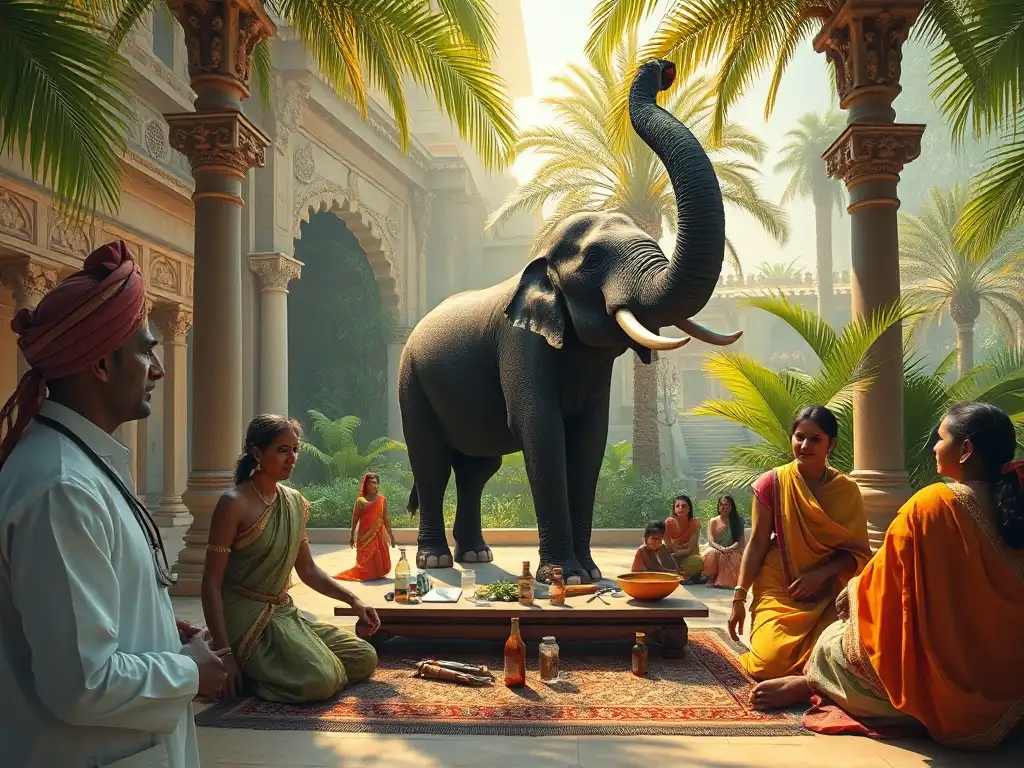
The exploration of ancient Indian veterinary practices reveals a fascinating tapestry of knowledge and skill that has significantly contributed to the field of animal care and surgery. This article delves into the intricate world of ancient Indian veterinary surgery, showcasing how these practices were not only advanced for their time but also deeply intertwined with the cultural and social fabric of ancient Indian civilization.
From the sophisticated methods developed during the Indus Valley Civilization to the refined techniques of the Gupta Empire, this journey illuminates the remarkable contributions of ancient Indian scholars and practitioners to the field of veterinary medicine.
Overview of Veterinary Medicine in Ancient India
In ancient India, veterinary medicine was a respected profession that addressed the health and welfare of animals, which played a pivotal role in agriculture, transportation, and daily life. The practice encompassed a wide range of techniques, including surgery, herbal remedies, and dietary management. Ancient texts such as the Sushruta Samhita and Ashtanga Hridaya laid the groundwork for these practices, emphasizing the importance of understanding animal anatomy and the need for surgical interventions.
- Key Aspects of Veterinary Medicine:
- Surgical Techniques: Procedures for treating injuries and diseases.
- Herbal Remedies: Use of medicinal plants for various ailments.
- Preventive Care: Emphasis on nutrition and health maintenance.
Importance of Animals in Ancient Indian Society
Animals were integral to the socio-economic structure of ancient India. They served as companions, laborers, and sources of food, making their health a matter of community concern.
- Roles of Animals:
- Agricultural Support: Bullocks and elephants were essential for farming and transport.
- Cultural Significance: Certain animals, like cows, were revered and had strong religious connotations.
- Economic Contribution: Livestock formed the backbone of the agrarian economy, affecting trade and livelihoods.
Historical Context of Ancient Indian Veterinary Surgery
The historical evolution of veterinary practices in ancient India reflects a blend of empirical observation and philosophical inquiry. The understanding of animal health was closely linked to the broader medical traditions of the time, which included Ayurveda and surgical techniques.
Evolution of Veterinary Practices in Ancient Civilizations
The roots of veterinary surgery in India can be traced back to early civilizations that recognized the need for specialized care for animals. Over centuries, knowledge was accumulated and refined through the experiences of practitioners and scholars.
- Key Milestones:
- Early mentions of animal treatment in Vedic texts.
- Development of surgical instruments tailored for veterinary use.
- Establishment of veterinary colleges and institutions during the Maurya and Gupta periods.
Key Texts and Manuscripts on Veterinary Medicine
Several ancient texts are pivotal in understanding the evolution of veterinary practices in India. These manuscripts served as comprehensive guides for practitioners, detailing surgical techniques, medicinal uses, and anatomical studies.
- Notable Texts:
- Sushruta Samhita: Discusses surgical methods applicable to both humans and animals.
- Ashvashastra: Focuses on the care of horses, reflecting their importance in warfare and transportation.
- Vedic Literature: Contains references to animal husbandry practices and veterinary care.
Influences from Other Cultures on Indian Veterinary Techniques
The field of veterinary medicine in ancient India was not developed in isolation; it was influenced by exchanges with other cultures and civilizations.
- Cultural Exchanges:
- Persian and Greek Influence: The introduction of new surgical techniques and herbal knowledge.
- Trade Routes: Facilitated the exchange of ideas and practices with neighboring regions.
The intermingling of knowledge from various cultures enriched ancient Indian veterinary practices, making them robust and multifaceted. The legacy of these practices continues to inspire modern veterinary medicine, highlighting the sophistication of ancient Indian surgical techniques.
Techniques and Methods in Ancient Indian Veterinary Surgery
Ancient Indian veterinary surgery was a sophisticated practice that integrated knowledge from various disciplines, including medicine, agriculture, and animal husbandry. The techniques employed were influenced heavily by the principles of Ayurveda, emphasizing a holistic approach to animal health. Some common surgical methods included:
- Incision and Drainage: This method was used to treat abscesses and infections in animals. Surgeons would carefully incise the area to allow purulent material to drain, followed by cleaning and dressing the wound to promote healing.
- Amputation: In instances where limbs were severely injured or infected, amputation was performed. This drastic measure was carefully executed to minimize pain and prevent further complications.
- Cauterization: Cauterization was employed to control bleeding and prevent infections during surgeries. Hot instruments or herbal preparations were applied to the wound to seal blood vessels.
The understanding of anatomy and the surgical techniques of ancient Indian veterinarians allowed for effective treatment of various conditions, showcasing the advanced state of veterinary medicine at the time.
Surgical Instruments Used in Ancient Indian Veterinary Practices
The surgical instruments of ancient India were crafted with great precision, often from metals such as bronze, iron, and steel. These tools were essential for performing various veterinary procedures and included:
- Scalpels: Used for making precise incisions in the skin and tissues of animals.
- Forceps: These instruments helped in grasping and holding tissues during surgery, ensuring better visibility and control.
- Needles and Sutures: Surgical needles made from metal were used for stitching wounds, with threads made from natural fibers or animal sinews.
- Cautery Devices: Tools used for cauterization, including heated metal rods, were vital in controlling bleeding during surgery.
The craftsmanship of these instruments reflects the advanced understanding of surgical needs and techniques in ancient Indian veterinary practices.
Common Surgical Procedures Performed on Animals
Ancient Indian veterinarians performed various surgical procedures to treat animals, many of which are still relevant today. Some of the common surgeries included:
- Wound Treatment: Addressing injuries through cleaning, suturing, and dressing to prevent infections.
- Tumor Excision: Removal of growths or tumors in animals, which required careful planning and execution to ensure complete removal without damaging surrounding tissues.
- Colic Relief: In cases of colic (abdominal pain), surgical intervention was sometimes necessary to relieve obstructions or complications.
- Setting Fractures: Techniques for realigning broken bones, often using splints made from natural materials to stabilize the limbs during healing.
These procedures highlight the practical applications of veterinary surgery in ancient India, showcasing the commitment to animal welfare and health.
Anesthesia and Pain Management in Ancient Veterinary Surgery
Pain management in ancient Indian veterinary surgery was crucial for ensuring the welfare of animals during procedures. Although modern anesthesia was not available, ancient practitioners employed various methods to manage pain, including:
- Herbal Anesthetics: Certain plants and herbs known for their sedative properties, such as cannabis and poppy, were used to alleviate pain. Preparations were administered orally or topically to calm the animals before surgery.
- Physical Restraint: Techniques such as gentle immobilization or the use of ropes minimized movement, reducing the animal's stress and potential pain during surgery.
- Calming Rituals: Some practitioners used chanting and soothing sounds to calm the animals, which can help in managing anxiety and discomfort during surgical procedures.
These early methods of pain management reflect the understanding of animal welfare and the importance of minimizing suffering in veterinary practices.
Prominent Figures in Ancient Indian Veterinary Medicine
Ancient Indian veterinary medicine was shaped by several prominent figures who contributed significantly to the field. Their teachings and writings laid the foundation for veterinary practices that continued for centuries.
Contributions of Charaka and Sushruta to Veterinary Practices
Charaka and Sushruta, two of the most revered figures in ancient Indian medicine, also made substantial contributions to veterinary practices.
- Charaka: Known primarily for his work in human medicine, Charaka also addressed animal health in his texts. He emphasized the importance of diet and lifestyle for maintaining the health of cattle and other domesticated animals.
- Sushruta: Often referred to as the "father of surgery," Sushruta's surgical techniques and instruments were not limited to human medicine. His comprehensive descriptions of surgical procedures and anatomical knowledge also applied to animals, showcasing a profound understanding of veterinary requirements.
Their collaborative efforts significantly improved surgical knowledge and practices, influencing generations of veterinarians.
Influence of Ayurveda on Animal Health and Surgery
Ayurveda, the ancient Indian system of medicine, played a crucial role in shaping the veterinary practices of ancient India. Its holistic philosophy emphasized the balance of body, mind, and spirit, which extended to animal care. Key influences include:
- Holistic Approach: Ayurvedic principles encouraged the treatment of animals not just through surgery but also through dietary adjustments, herbal remedies, and lifestyle changes to promote overall well-being.
- Diagnosis Methods: Ayurvedic diagnostic techniques, such as pulse diagnosis and examination of physical conditions, were adapted for animals, allowing practitioners to assess health and determine appropriate treatments.
- Preventive Care: The Ayurvedic focus on prevention led to practices that ensured animals remained healthy, reducing the need for surgical interventions.
This integration of Ayurvedic principles into veterinary practices established a comprehensive system for animal health, showcasing the depth of ancient Indian veterinary medicine.
Case Studies of Ancient Indian Veterinary Surgeries
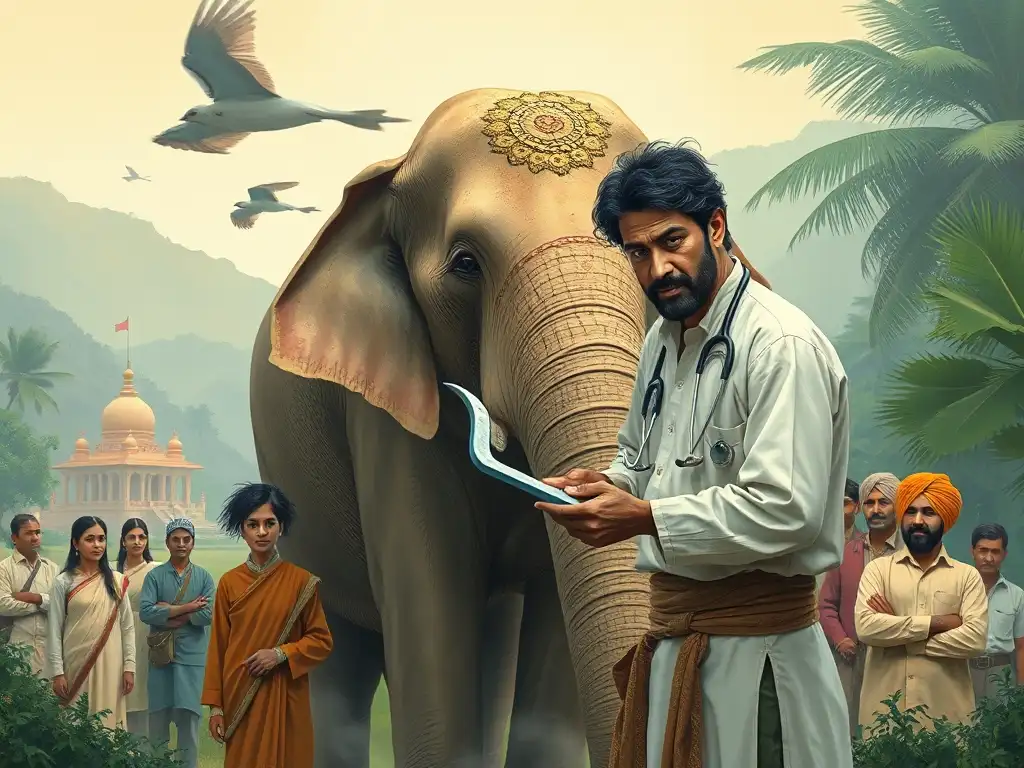
The field of ancient Indian veterinary surgery is not just a relic of the past; it is a fascinating exploration of techniques and practices that have shaped animal healthcare through the ages. Historical texts and archeological evidence provide a glimpse into the surgical methods employed by ancient Indian veterinarians, showcasing their remarkable understanding of anatomy and medicinal herbs.
Notable Surgeries Documented in Historical Texts
Several ancient texts, such as the "Sushruta Samhita" and "Charaka Samhita," reference veterinary practices alongside human medicine. The "Sushruta Samhita," attributed to the ancient physician Sushruta, includes detailed descriptions of surgical procedures performed on animals, especially elephants and horses, which were integral to warfare and transportation.
One notable case involves the surgical treatment of wounds in elephants, which were often injured in battles. Sushruta describes methods for suturing large lacerations and managing infections with herbal pastes. Another significant surgery documented involves the removal of cataracts from horses, showcasing the advanced understanding of ocular anatomy and surgical techniques at that time. These accounts reveal a sophisticated approach to veterinary care that prioritized both the health of the animals and the efficiency of their roles in society.
Results and Impact of Surgical Interventions on Animal Welfare
The surgical interventions documented in ancient texts had profound effects on animal welfare. Successful surgeries not only alleviated suffering but also enhanced the utility of animals in agrarian societies. For instance, the treatment of wounds in war elephants ensured that these majestic creatures could continue serving their crucial roles in battles, thus maintaining their significance in military strategies.
Moreover, the use of herbal remedies post-surgery demonstrated a holistic approach to animal healthcare, integrating surgery with natural treatments for recovery. This combination likely reduced mortality rates and improved the overall health of animals, reflecting an early understanding of veterinary ethics and the importance of animal well-being.
The Legacy of Ancient Indian Veterinary Practices
The insights and techniques from ancient Indian veterinary practices have left a lasting legacy that can still be observed today. The principles established centuries ago continue to influence veterinary medicine and animal care.
Influence on Modern Veterinary Medicine
Modern veterinary medicine has benefited greatly from ancient Indian practices. The emphasis on surgical precision and the use of herbal remedies can be seen in contemporary holistic approaches to animal healthcare. Many veterinary schools worldwide incorporate traditional practices into their curricula, acknowledging the historical significance of these ancient techniques.
Additionally, the surgical methods developed during ancient times laid the groundwork for future innovations in veterinary surgery. Techniques such as suturing and wound management have evolved but are rooted in the foundational knowledge established by ancient Indian surgeons.
Preservation of Ancient Techniques in Contemporary Practices
In recent years, there has been a resurgence of interest in the preservation and application of ancient veterinary techniques. Organizations dedicated to the study of traditional medicine actively promote the integration of these practices into modern veterinary care. This includes the use of specific herbal formulations that were historically used for pain relief and infection control, which are now being researched for their efficacy in current veterinary applications.
Furthermore, practitioners of alternative medicine often draw upon ancient texts to develop treatment protocols that align with both traditional wisdom and modern scientific understanding. This blend of ancient and contemporary practices not only honors the rich heritage of veterinary medicine in India but also ensures that valuable knowledge is not lost to time.
Conclusion
The exploration of ancient Indian veterinary surgery reveals a sophisticated understanding of animal health and welfare that was prevalent in ancient Indian civilizations. This knowledge, carefully documented in texts and practiced by skilled veterinarians, highlights the rich tapestry of contributions made by these societies to veterinary medicine. From the meticulous surgical techniques to the holistic approaches in animal care, ancient Indian veterinary practices laid the groundwork for many contemporary methods still in use today.
Summary of Ancient Indian Veterinary Contributions
Ancient Indian veterinary practices encompassed a wide array of surgical techniques and medicinal treatments that were innovative for their time. Notably, texts like the "Sushruta Samhita" not only addressed human surgery but also provided insights into animal care, reflecting an integrated approach to health. The contributions included:
- Surgical Procedures: Techniques such as suturing, wound care, and even more advanced procedures like cataract surgeries in animals.
- Herbal Medicine: Utilization of various plant-based remedies for treating ailments in livestock, emphasizing a deep understanding of natural medicine.
- Preventive Care: Practices focused on maintaining the health of animals, which included dietary considerations and regular health check-ups.
These contributions underscore the advanced knowledge and practices surrounding veterinary care in ancient India, influencing both local and global approaches to animal husbandry.
The Relevance of Ancient Practices in Today's Veterinary Medicine
The relevance of ancient Indian veterinary practices extends into modern veterinary medicine, where many principles continue to resonate. Contemporary veterinarians can learn from the holistic approaches taken by ancient practitioners, which emphasized the interconnectedness of animal health, environment, and nutrition. Key areas of influence include:
- Holistic Healing: Many modern veterinarians are adopting practices that consider the overall well-being of animals rather than focusing solely on treating symptoms.
- Natural Remedies: The resurgence of interest in herbal and natural treatments draws inspiration from ancient texts that cataloged effective plant-based solutions.
- Surgical Techniques: Some surgical methods described in ancient texts have found parallels in modern practices, showcasing the enduring legacy of these early veterinary pioneers.
By integrating ancient wisdom with contemporary knowledge, today's veterinarians can enhance animal care and promote better health outcomes.
References
Key Texts and Resources for Further Reading on Ancient Indian Veterinary Practices
- Sushruta Samhita - A foundational text that outlines various surgical techniques, including those applicable to animals, providing insights into the medical practices of ancient India.
- Ayurveda and Animal Care - Resources discussing the application of Ayurvedic principles to veterinary practices, emphasizing the holistic approach to animal health.
- The Veterinary Science of Ancient India - A compilation of research articles and studies focusing on the historical contributions of ancient Indian veterinarians.
Recommended Literature on Ancient Surgery and Medicine
- Surgery in Ancient India - A comprehensive examination of surgical techniques and practices as documented in ancient Indian texts.
- Traditional Indian Medicine: A Historical Perspective: - This book explores the evolution of medicinal practices in India, including veterinary applications.
- Herbal Remedies in Ancient India - A detailed look at the use of natural substances in ancient Indian medicine, highlighting their relevance in both human and veterinary practices.
By delving into these texts and resources, readers can gain a deeper appreciation for the intricate history of veterinary medicine in ancient India and its lasting impact on modern practices.
- Introduction to Ancient Indian Veterinary Practices
- Historical Context of Ancient Indian Veterinary Surgery
- Techniques and Methods in Ancient Indian Veterinary Surgery
- Prominent Figures in Ancient Indian Veterinary Medicine
- Case Studies of Ancient Indian Veterinary Surgeries
- The Legacy of Ancient Indian Veterinary Practices
- Conclusion
- References
- What were the primary ancient Indian veterinary practices?
- How did ancient Indian veterinarians learn their craft?
- What role did herbs and natural remedies play in veterinary medicine?
- Did ancient Indian veterinary practices influence modern veterinary medicine?
- What contributions did the Gupta Empire make to veterinary practices?
Frequently Asked Questions
What were the primary ancient Indian veterinary practices?
Ancient Indian veterinary practices included surgical techniques, herbal treatments, and the use of animal anatomy knowledge to care for livestock and domestic animals.
How did ancient Indian veterinarians learn their craft?
Veterinarians in ancient India often learned through apprenticeships with experienced practitioners, as well as through texts like the Sushruta Samhita, which detailed surgical practices.
What role did herbs and natural remedies play in veterinary medicine?
Herbs and natural remedies were essential in ancient Indian veterinary practices, as they were used for treating ailments, promoting healing, and maintaining the overall health of animals.
Did ancient Indian veterinary practices influence modern veterinary medicine?
Yes, many concepts from ancient Indian veterinary practices, such as surgical methods and holistic approaches, have had a lasting impact and can still be seen in contemporary veterinary medicine.
What contributions did the Gupta Empire make to veterinary practices?
During the Gupta Empire, there was a significant advancement in animal husbandry and veterinary science, leading to improved practices in animal care and the establishment of educational systems for veterinarians.
Final Reflection: Embracing the Legacy of Ancient Indian Veterinary Practices
The exploration of ancient Indian veterinary practices reveals a profound connection between humanity and the animal kingdom that resonates even today. In an era where modern veterinary medicine often overshadows traditional methods, it is essential to recognize the wisdom embedded in these ancient practices. The intricate surgical techniques and holistic approaches developed centuries ago not only highlight the ingenuity of our ancestors but also remind us of the enduring bond we share with animals.
Cultural heritage is a living entity, continuously shaping our understanding of the world around us. The influence of ancient Indian veterinary surgery extends beyond historical significance; it serves as a cornerstone for contemporary veterinary practices and animal welfare initiatives. As we navigate the complexities of modern society, we can draw inspiration from the past to foster a more compassionate approach to animal care.
> “The greatness of a nation and its moral progress can be judged by the way its animals are treated.” – Mahatma Gandhi. This quote encapsulates the essence of our responsibility towards animals, urging us to honor the legacy of those who came before us.
As we reflect on the insights gained from the fascinating world of ancient Indian veterinary practices, I invite you to consider how these lessons can be applied in your own life. Whether through advocating for animal rights, supporting sustainable practices, or simply nurturing a deeper appreciation for the creatures that share our planet, each of us has the power to make a difference. Let us carry forward the wisdom of the past into the future, ensuring that the legacy of compassion and care for animals remains a vital part of our cultural narrative.
Explore the Legacy of Ancient Indian Veterinary Wisdom!
Thank you for diving into the fascinating realm of ancient Indian veterinary surgery! By exploring this intricate topic, you've gained insights into the remarkable practices and knowledge that shaped animal care in historical India. Now, let’s take those insights and turn them into action!
- Dive deeper: Investigate a specific ancient technique used in veterinary surgery and consider how it could inform modern practices.
- Share the knowledge: Engage in discussions with your friends or share your findings on social media to spread awareness of this rich history and its significance.
- Engage with the community: Join online forums or groups dedicated to veterinary history or ancient practices to connect with others who share your passion for this topic.
Which ancient veterinary practice inspires you the most, and in what ways could it enhance contemporary animal care?