
Ancient Indian Culinary Practices: Nutritional Wisdom for Modern Diets

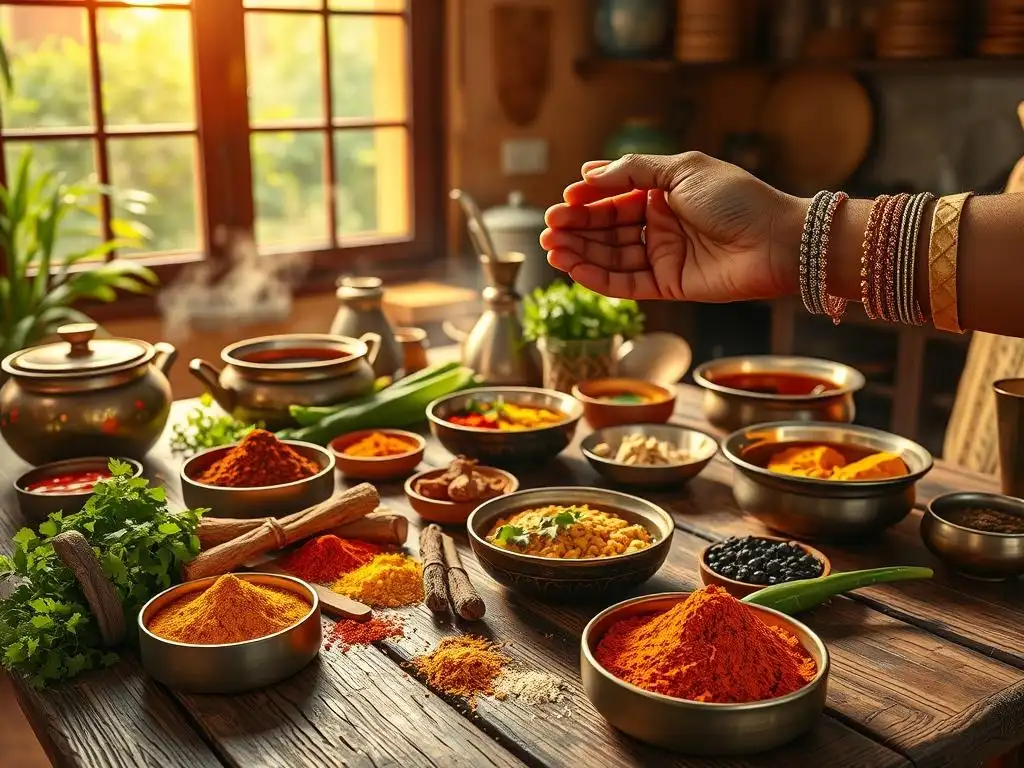
Welcome to Ancient India History, where we embark on a fascinating journey through the rich tapestry of ancient Indian civilizations. As we delve into the ancient Indian culinary practices, you'll discover how these time-honored traditions not only shaped the palates of yesteryears but also offer profound nutritional wisdom that resonates with modern diets. Prepare to uncover the secrets of flavors and techniques that have stood the test of time, inspiring innovations in today’s culinary landscape. Join us as we explore how the past continues to nourish our present and future—your adventure in history and gastronomy awaits!
- Introduction to Ancient Indian Culinary Practices
- Key Principles of Ancient Indian Culinary Practices
- Nutritional Benefits of Traditional Indian Ingredients
- Ancient Cooking Techniques and Their Modern Applications
- Plant-Based Diets in Ancient Indian Culinary Practices
- The Role of Ancient Indian Culinary Practices in Modern Health Trends
- Case Studies: Successful Integration of Ancient Practices
- Conclusion: Reviving Ancient Indian Culinary Practices for Modern Health
- Call to Action
-
Frequently Asked Questions
- What are ancient Indian culinary practices?
- How did the Indus Valley civilization influence culinary practices?
- What nutritional wisdom can be derived from ancient Indian diets?
- How do ancient Indian culinary practices relate to modern diets?
- What contributions did the Gupta Empire make to culinary practices?
- Final Reflection: Rediscovering Ancient Indian Culinary Practices for Modern Wellness
- Embrace Ancient Wisdom—Transform Your Modern Diet!
Introduction to Ancient Indian Culinary Practices
The culinary practices of ancient India are a fascinating blend of tradition, science, and artistry that have shaped not only the local diets but also influenced global culinary trends. From the sophisticated urban centers of the Indus Valley Civilization to the elaborate feasts of the Gupta Empire, ancient Indian civilizations showcased a profound understanding of nutrition, flavor, and food preparation techniques. These practices were deeply intertwined with cultural, spiritual, and medicinal beliefs, reflecting the diverse cultural tapestry of the region.
In this article, we will explore the rich history of ancient Indian culinary practices and their significant contributions to modern diets. We will delve into the historical context that shaped these practices and examine how they continue to influence contemporary nutrition and culinary arts. By uncovering the nutritional wisdom embedded in ancient recipes and cooking methods, we aim to provide insights that can be applied in today's health-conscious world.
Understanding the Historical Context of Indian Cuisine
Ancient Indian cuisine is not merely a collection of recipes; it is a reflection of the complex social, economic, and cultural dynamics that prevailed throughout history. The origins of Indian culinary practices can be traced back to the Indus Valley Civilization (circa 2500-1500 BCE), where archaeologists have discovered evidence of sophisticated food storage systems and cooking techniques. Archaeological findings indicate that the people of this era cultivated a variety of grains, legumes, and spices, laying the foundation for a rich culinary tradition.
- Key Contributions to Early Cuisine:
- Agriculture: The domestication of crops such as barley, wheat, and rice.
- Spices: An early understanding of the medicinal properties of spices like turmeric and cumin.
As we move through history, the influence of various dynasties, such as the Mauryas and Guptas, brought about further advancements in cuisine. The introduction of new ingredients and cooking techniques through trade and conquests enriched the diversity of Indian food. This period also saw the emergence of vegetarianism, influenced by philosophical and religious beliefs, which shaped dietary choices and practices.
The Influence of Ancient Indian Culinary Practices on Modern Diets
The culinary wisdom of ancient India is not only preserved in traditional recipes but also offers valuable insights for modern dietary practices. With an increasing focus on health and wellness, many contemporary diets are rediscovering the benefits of ancient culinary techniques. Here are some notable influences:
- Use of Spices: Ancient Indian cuisine's reliance on spices for flavor and preservation has garnered attention for its health benefits. Spices like turmeric, known for its anti-inflammatory properties, are now staples in health-focused diets.
- Whole Foods and Plant-Based Diets: The emphasis on whole grains, legumes, and vegetables in ancient diets aligns with the modern shift towards plant-based eating. This approach not only fosters better health but also supports sustainable practices.
- Fermentation and Preservation: Techniques such as fermentation, which have been used for centuries in Indian households, are gaining popularity for their probiotic benefits. Foods like yogurt and fermented pickles exemplify the nutritional wisdom of ancient practices.
Understanding ancient Indian culinary practices provides a roadmap for modern diets that prioritize health, sustainability, and flavor. By blending historical knowledge with contemporary nutritional science, we can create a more balanced and enriching approach to eating that honors the legacy of our ancestors while addressing the needs of today.
Key Principles of Ancient Indian Culinary Practices
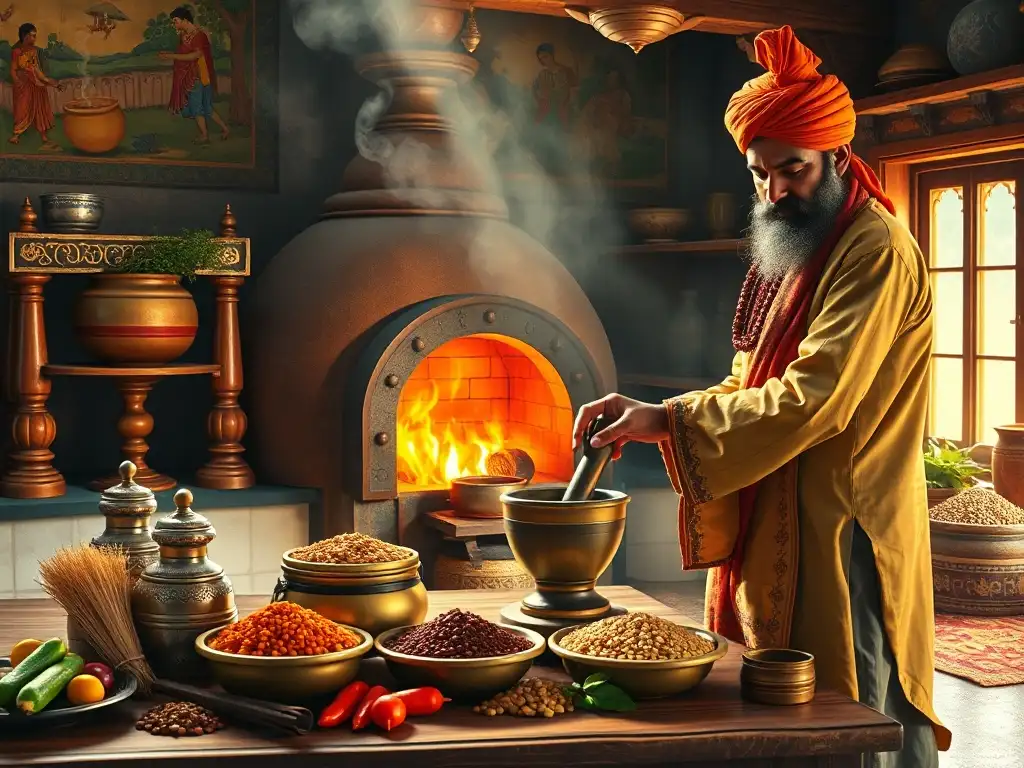
Ancient Indian culinary practices are deeply rooted in a holistic understanding of health, nutrition, and the environment. These practices not only encompass the preparation of food but also emphasize the significance of balance, quality, and the intrinsic properties of ingredients. By exploring these key principles, we can glean insights that remain relevant in today's dietary practices.
Nutritional Wisdom: Ayurveda and Its Role in Ancient Cooking
Ayurveda, the ancient Indian system of medicine, plays a pivotal role in shaping culinary practices in India. It is based on the idea that food is not just a means of sustenance but also a form of medicine that can promote well-being.
- Balance of Doshas: According to Ayurveda, every individual has a unique constitution, or "Prakriti," influenced by three doshas: Vata, Pitta, and Kapha. Ancient Indian culinary practices focus on balancing these doshas through diet:
- Vata: Light, dry, and cool foods are recommended.
- Pitta: Cooling and hydrating foods are favored.
- Kapha: Warm, light, and stimulating foods are suggested.
- Five Elements and Tastes: Ayurvedic philosophy identifies five elements—earth, water, fire, air, and space—that correspond with the six tastes (sweet, sour, salty, bitter, pungent, and astringent). Each taste is believed to impact health differently. For example:
- Sweet: Nourishing and grounding.
- Pungent: Stimulating and detoxifying.
- Cooking Techniques: Traditional cooking methods, such as steaming, boiling, and sautéing with ghee, are preferred as they preserve the nutritional properties of ingredients. These techniques also help in enhancing flavors while ensuring easy digestion.
The Importance of Seasonal and Local Ingredients
One of the cornerstones of ancient Indian culinary practices is the emphasis on seasonal and local ingredients.
- Sustainability: By sourcing ingredients that are in season, ancient civilizations minimized their ecological footprint. This approach ensured freshness and high nutritional value while promoting biodiversity.
- Health Benefits: Seasonal foods are often more aligned with the body’s needs. For example:
- Summer: Cooling vegetables like cucumber and fruits like watermelon help combat heat.
- Winter: Root vegetables and warming spices (e.g., ginger) are favored for their ability to provide warmth and energy.
- Cultural Significance: Many ancient recipes are tied to local festivals and traditions, highlighting the cultural importance of certain foods and ingredients. This connection fosters a sense of community and identity among people.
Spices and Herbs: The Heart of Ancient Indian Cuisine
Spices and herbs are not only essential for flavor in ancient Indian culinary practices but also serve as powerful health boosters.
- Medicinal Properties: Each spice and herb has specific health benefits. For instance:
- Turmeric: Known for its anti-inflammatory and antioxidant properties.
- Cumin: Aids in digestion and promotes gut health.
- Preservation Techniques: Spices have been used historically for preserving food, especially in hot climates where spoilage is rapid. The antimicrobial properties of spices like mustard and fenugreek were crucial for food safety.
- Flavor Complexity: The use of a variety of spices creates complex flavor profiles that enhance the sensory experience of eating. Ancient Indian dishes often combine multiple spices to achieve a harmonious balance of taste and health benefits.
Ancient Indian culinary practices reflect a sophisticated understanding of nutrition, health, and the environment. By integrating principles from Ayurveda, focusing on seasonal and local ingredients, and utilizing a variety of spices and herbs, these practices offer valuable wisdom that modern diets can benefit from immensely.
Nutritional Benefits of Traditional Indian Ingredients
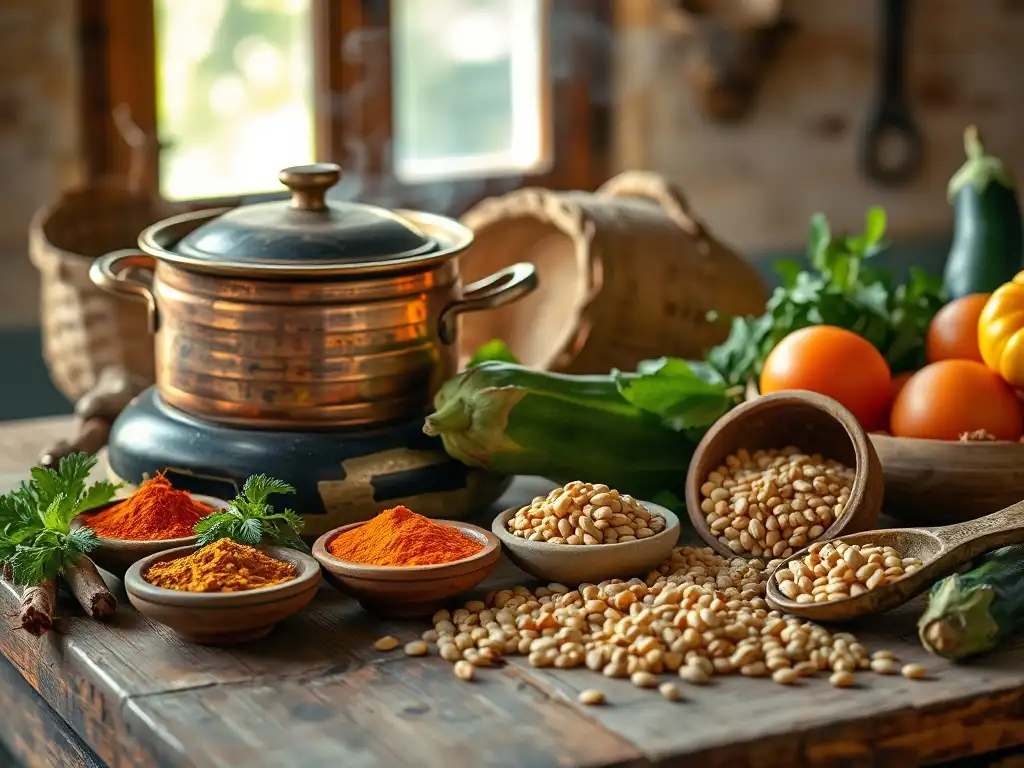
Ancient Indian culinary practices are deeply rooted in the principles of nutrition, utilizing a variety of ingredients that not only enhance flavors but also offer significant health benefits. These traditional foods embody the wisdom of ancient dietary knowledge, which can be effectively integrated into modern diets to promote overall well-being. Below, we delve into the nutritional benefits of key components found in ancient Indian diets.
Whole Grains: The Foundation of Ancient Diets
Whole grains have been a staple in ancient Indian culinary practices, forming the backbone of traditional diets. Varieties such as barley (jau), millet (bajra), and wheat (gehu) were commonly consumed, providing essential nutrients.
- Rich in Fiber: Whole grains are an excellent source of dietary fiber, which aids in digestion and helps maintain a healthy gut. The high fiber content also assists in regulating blood sugar levels and reducing the risk of chronic diseases such as diabetes and heart disease.
- Vitamins and Minerals: Whole grains are packed with B vitamins, iron, magnesium, and selenium. These micronutrients play crucial roles in energy production, immune function, and overall health.
- Sustained Energy: The complex carbohydrates found in whole grains provide a steady release of energy, making them an ideal choice for those engaged in physical activities.
| Whole Grain | Nutrients | Health Benefits |
|---|---|---|
| Barley (Jau) | Fiber, Magnesium, B vitamins | Lowers cholesterol, aids digestion |
| Millet (Bajra) | Antioxidants, Iron, Fiber | Improves heart health, boosts immunity |
| Wheat (Gehu) | Fiber, Protein, B vitamins | Enhances energy, supports metabolism |
Legumes and Pulses: Rich Sources of Protein
Legumes and pulses have been integral to ancient Indian diets, revered for their nutritional density and versatility. Varieties like lentils (dal), chickpeas (chana), and black beans (rajma) are not only staples but also embody the principles of plant-based nutrition.
- High in Protein: These ingredients are excellent sources of plant-based protein, making them ideal for vegetarians and vegans. For instance, one cup of cooked lentils provides approximately 18 grams of protein.
- Nutrient-Rich: Legumes are rich in essential nutrients, including folate, iron, and potassium. Folate is particularly important for pregnant women, as it supports fetal development.
- Heart Health: Regular consumption of legumes has been linked to lower cholesterol levels and improved heart health. Their low glycemic index also helps in managing blood sugar levels.
Legumes are a powerhouse of nutrition, supporting both individual health and sustainable food systems.
Fermented Foods: Health Benefits of Traditional Indian Probiotics
Fermented foods play a significant role in ancient Indian culinary practices, with items like yogurt (dahi) and fermented rice (idli) being prominent examples. Their inclusion in the diet highlights the importance of gut health in traditional Indian nutrition.
- Probiotic Properties: Fermented foods are rich in probiotics, which promote a healthy gut microbiome. A well-balanced microbiome is essential for digestion, immunity, and overall health.
- Enhanced Nutrient Absorption: The fermentation process increases the bioavailability of nutrients, making it easier for the body to absorb vitamins and minerals from the food consumed.
- Digestive Health: Regular consumption of fermented foods can alleviate digestive issues, such as bloating and constipation. Yogurt, for instance, is known to improve gut health due to its live bacterial cultures.
| Fermented Food | Probiotic Strains | Health Benefits |
|---|---|---|
| Yogurt (Dahi) | Lactobacillus, Bifidobacterium | Aids digestion, boosts immunity |
| Fermented Rice | Various Lactobacillus strains | Improves gut health, enhances nutrient absorption |
Integrating these ancient Indian culinary practices into modern diets not only honors traditional wisdom but also supports a holistic approach to nutrition. By understanding the nutritional benefits of these ingredients, individuals can make informed dietary choices that promote long-term health and well-being.
Ancient Cooking Techniques and Their Modern Applications
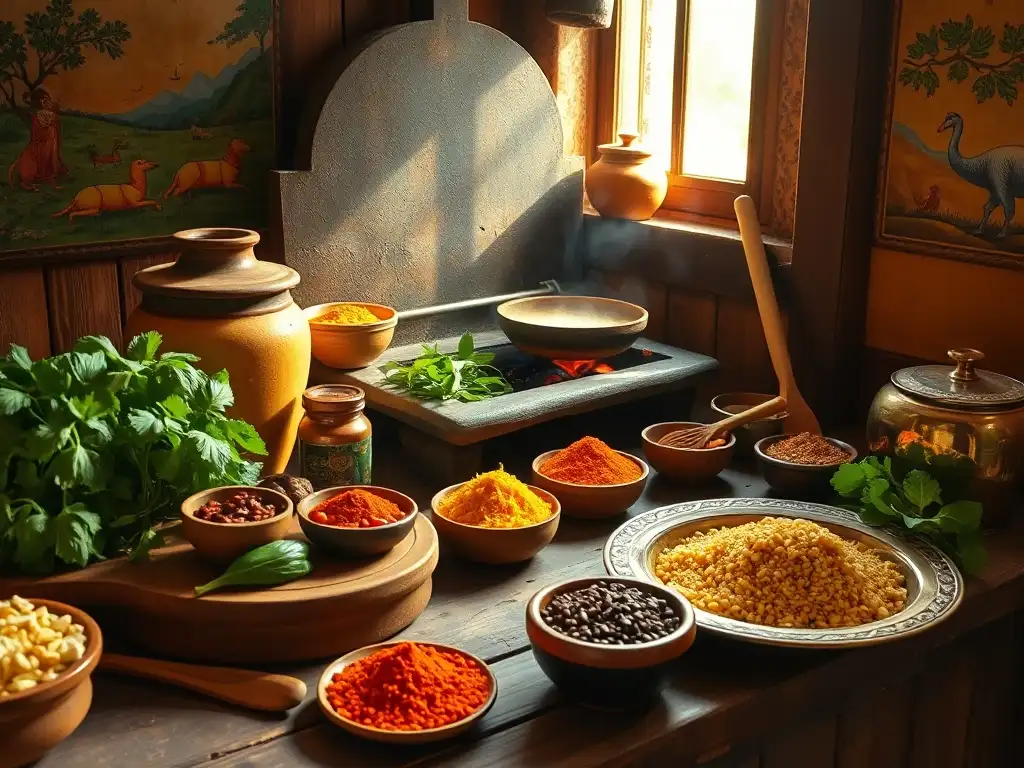
Slow Cooking: Preserving Nutrients and Enhancing Flavors
Slow cooking is a hallmark of ancient Indian culinary practices, primarily associated with traditional cooking methods like dum cooking, which involves cooking food at low temperatures for extended periods. This technique not only preserves the nutrients in the ingredients but also allows flavors to meld beautifully, creating rich, complex dishes.
- Nutrient Preservation: Slow cooking helps in retaining vitamins and minerals that are often lost in high-heat cooking. For example, studies have shown that slow-cooked vegetables retain more nutrients compared to those boiled or fried.
- Flavor Development: The prolonged cooking time enhances the flavors of spices and ingredients. The dum technique, which involves sealing the pot to trap steam, allows the food to cook in its own juices, intensifying the taste.
- Modern Applications: With the resurgence of interest in health-conscious cooking, slow cookers and pressure cookers have gained popularity in modern kitchens. These appliances replicate the ancient slow cooking methods, making it easier for individuals to prepare nutritious meals without the need for constant supervision.
Steaming and Boiling: Healthier Cooking Methods
Steaming and boiling are two ancient Indian cooking techniques that prioritize health and nutrition. These methods are particularly prevalent in regions where rice and vegetables are staples.
- Steaming: This method involves cooking food with steam, which is one of the healthiest ways to prepare meals. It preserves the color, texture, and nutrients of vegetables, making it a popular choice for dishes like idli and dhokla.
- Boiling: Contrary to common belief, boiling can also be a healthy cooking method if done correctly. For instance, boiling legumes not only makes them digestible but also helps in the retention of their protein content.
Benefits of Steaming and Boiling:
- Low Caloric Content: Both methods do not require added fats or oils, making them ideal for weight management.
- Enhanced Digestibility: Cooking foods like grains and legumes through these methods makes them easier to digest, which is crucial for overall health.
Tandoor Cooking: An Ancient Technique for Flavorful Meals
Tandoor cooking is a traditional method that has been used in India for centuries, characterized by its unique clay oven, known as a tandoor. This cooking style offers several benefits that can be applied to modern culinary practices.
- High Heat Cooking: The tandoor reaches extremely high temperatures, allowing for quick cooking. This method not only seals in moisture but also creates a distinct char that enhances the flavor of meats and breads, such as naan and roti.
- Healthier Options: Foods cooked in a tandoor require minimal oil, making it a healthier alternative to frying. For example, marinated chicken cooked in a tandoor is both flavorful and lower in calories compared to deep-fried options.
- Cultural Significance: Tandoor cooking is not just about flavor; it is also a social and cultural practice in India. Meals prepared in a tandoor are often shared among families and communities, reinforcing social bonds.
Modern Adaptations:
- Home Tandoors: With the growing interest in authentic cooking techniques, many modern kitchens have adapted small tandoor ovens, enabling home cooks to replicate traditional recipes.
- Grilling Techniques: The principles of tandoor cooking can be applied to modern grilling methods, offering a way to enjoy the smoky flavor imparted by the clay oven.
Incorporating these ancient Indian culinary practices into modern diets not only enhances nutritional value but also connects us to the rich heritage of Indian cooking. By understanding and applying these techniques, we can create meals that are both healthy and deeply rooted in history.
Plant-Based Diets in Ancient Indian Culinary Practices
The Vegetarian Tradition: Health Benefits and Ethical Considerations
Ancient Indian culinary practices are deeply intertwined with the philosophy of vegetarianism, which has roots in religious and cultural traditions, particularly in Hinduism, Buddhism, and Jainism. The concept of ahimsa, or non-violence, significantly influenced dietary choices, leading to a predominance of plant-based diets.
Health Benefits:
- Nutritional Richness: Ancient Indian vegetarian diets were rich in essential nutrients. Staples such as lentils, chickpeas, and a variety of vegetables provided a balanced intake of proteins, carbohydrates, and fibers.
- Chronic Disease Prevention: Research indicates that plant-based diets can reduce the risk of chronic diseases such as heart disease, diabetes, and certain cancers. The high fiber content in legumes and whole grains helps maintain healthy digestive systems, while antioxidants from fruits and vegetables combat oxidative stress.
- Weight Management: Studies show that vegetarian diets are often lower in calories and fat, which can aid in maintaining a healthy weight.
Ethical Considerations:
- Religious Roots: The ethical implications of consuming animals are profound in ancient Indian texts, which advocate for compassion towards all living beings. This principle has permeated Indian culture, promoting vegetarianism as a moral choice.
- Sustainability: Plant-based diets are generally more sustainable than meat-based diets, requiring fewer resources such as land and water. Ancient agricultural practices emphasized crop rotation and organic farming, which are gaining renewed attention in modern sustainability discussions.
Incorporating Ancient Indian Superfoods into Modern Meals
Ancient Indian culinary practices introduced numerous superfoods that can enhance modern diets. These ingredients are not only nutritious but also embody a rich cultural heritage.
- Turmeric: Known for its anti-inflammatory properties, turmeric has been a staple in Indian kitchens. Its active compound, curcumin, is linked to numerous health benefits, including improved brain function and reduced risk of heart disease. Incorporating turmeric into smoothies or using it as a seasoning in various dishes can provide a vibrant color and health boost.
- Ghee: Traditional clarified butter, ghee is revered for its rich flavor and health benefits. It contains butyrate, a fatty acid that supports gut health and reduces inflammation. Modern recipes can utilize ghee in place of oils for sautéing vegetables or in baking to add a unique taste.
- Moringa: Often referred to as a superfood, moringa leaves are packed with vitamins A, C, and E, calcium, and iron. Moringa powder can be easily added to soups, salads, or smoothies to enhance nutritional content.
- Bajra (Pearl Millet): This ancient grain is a great source of magnesium and fiber. It can be used to make traditional Indian flatbreads or incorporated into salads and porridge for added texture and nutrition.
- Amla (Indian Gooseberry): Amla is renowned for its high vitamin C content and antioxidant properties. It can be consumed fresh, as a juice, or in dried form, making it a versatile ingredient for modern culinary applications.
Recipes Inspired by Ancient Indian Vegetarian Cuisine
Here are a few simple yet flavorful recipes that draw from ancient Indian vegetarian cuisine, showcasing the richness of plant-based ingredients.
1. Kitchari (Spiced Lentil and Rice Dish)
Ingredients:
- 1 cup basmati rice
- 1 cup split yellow moong dal
- 4 cups water
- 1 tsp turmeric powder
- 1 tsp cumin seeds
- Salt to taste
- Fresh cilantro for garnish
Instructions:
- Rinse the rice and dal thoroughly.
- In a pot, heat a tablespoon of ghee and add cumin seeds until they sizzle.
- Add turmeric and the rinsed rice and dal, then stir for a minute.
- Pour in water, add salt, and bring to a boil.
- Reduce heat, cover, and simmer until the rice and dal are cooked (about 20 minutes).
- Garnish with fresh cilantro before serving.
2. Palak Paneer (Spinach and Cottage Cheese)
Ingredients:
- 2 cups fresh spinach leaves
- 200g paneer (Indian cottage cheese)
- 1 onion, finely chopped
- 2 tomatoes, pureed
- 1 tsp ginger-garlic paste
- Spices: cumin, garam masala, turmeric, and salt
Instructions:
- Blanch spinach in boiling water for 2 minutes, then blend to a puree.
- In a pan, heat ghee, add cumin seeds, and sauté onions until golden.
- Add ginger-garlic paste, tomato puree, and spices, cooking until oil separates.
- Stir in spinach puree and cook for 5 minutes.
- Add cubed paneer and simmer for another 5 minutes.
3. Chickpea Salad with Indian Spices
Ingredients:
- 1 can chickpeas, drained and rinsed
- 1 cucumber, diced
- 1 tomato, diced
- 1 red onion, finely chopped
- Juice of 1 lemon
- Spices: chaat masala, salt, and pepper
- Fresh coriander for garnish
Instructions:
- In a large bowl, combine chickpeas, cucumber, tomato, and onion.
- Drizzle lemon juice and sprinkle spices over the salad.
- Toss well and garnish with fresh coriander before serving.
These recipes not only reflect the nutritional wisdom of ancient Indian culinary practices but also adapt seamlessly into modern diets, promoting health and sustainability. By embracing these traditions, we can honor the past while nourishing our present and future.
The Role of Ancient Indian Culinary Practices in Modern Health Trends
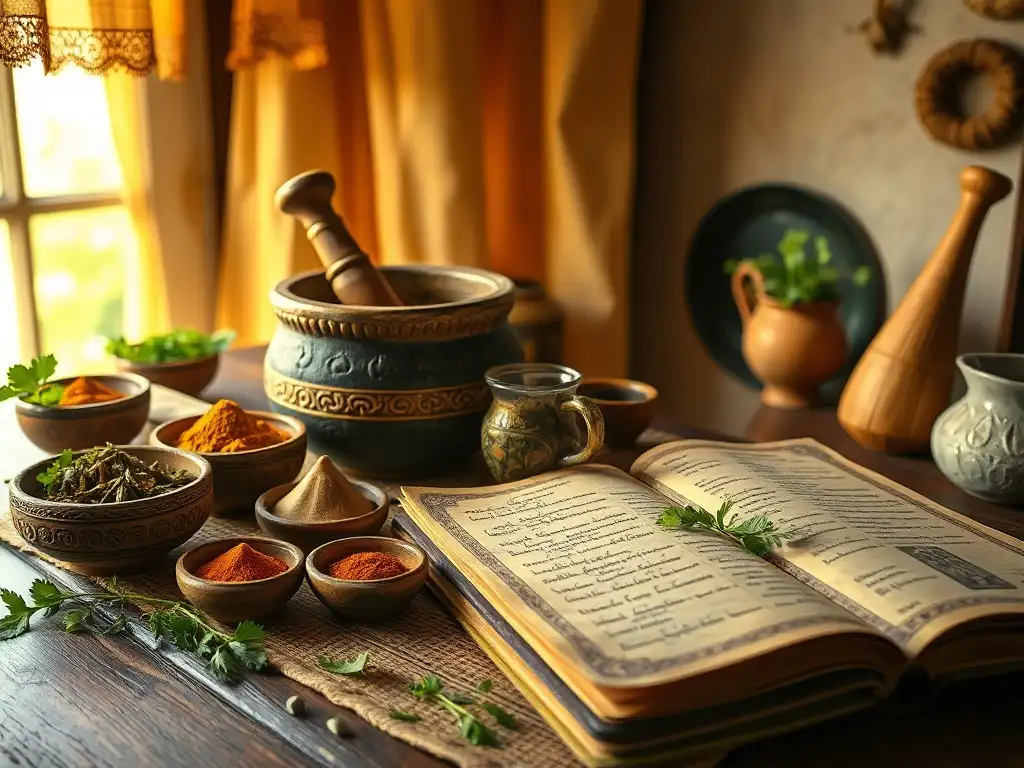
Mindful Eating: Learning from Ancient Practices
Mindful eating, a concept gaining traction in modern wellness circles, finds its roots in ancient Indian culinary practices. This approach emphasizes awareness and presence during meals, encouraging individuals to savor each bite and understand the nutritional value of food. Ancient texts, such as the Ayurveda, advocate for a deep connection with food, suggesting that eating should be a holistic experience rather than a mechanical act.
- Sattvic Diet: A key aspect of mindful eating is the Sattvic diet, which promotes purity and health. It emphasizes fresh, seasonal, and locally sourced ingredients, encouraging individuals to consume food that enhances mental clarity and emotional stability.
- Pratyahara: This principle, derived from yoga, encourages individuals to withdraw their senses from external distractions during meals, allowing for a more introspective eating experience.
Incorporating these practices can lead to improved digestion, enhanced satisfaction, and a greater appreciation for the food we consume. Research supports that mindful eating can reduce overeating and improve overall health, echoing the wisdom of ancient practices.
Detox Diets: The Influence of Ancient Indian Cleansing Methods
Detoxification has become a buzzword in today's health trends, with many looking for ways to cleanse their bodies of toxins. Ancient Indian culinary practices offer valuable insights into effective detox diets. The Panchakarma therapy, a traditional Ayurvedic detoxification process, illustrates this beautifully.
- Herbal Infusions: Traditional detox methods utilize herbal infusions made from ingredients like ginger, turmeric, and neem, which are known for their purifying properties. These herbs not only help in flushing out toxins but also boost the immune system and improve digestion.
- Seasonal Cleansing: Ancient Indians practiced seasonal cleansing, aligning detox diets with the changing seasons. For example, during the spring, lighter foods and herbs were recommended to clear winter stagnation from the body. This cyclical approach can be adapted to modern diets by incorporating seasonal fruits and vegetables.
Engaging in detox diets inspired by these ancient methods can promote better health, enhance vitality, and improve overall gut health, making it a valuable addition to contemporary wellness regimes.
Adapting Ancient Wisdom for Contemporary Nutritional Needs
As we strive for healthier lifestyles, adapting ancient Indian culinary practices to meet contemporary nutritional needs is essential. Many modern diets focus on specific macronutrients, often overlooking the holistic approach of ancient wisdom.
- Balanced Meals: Ancient Indian cooking emphasizes a balance of flavors—sweet, sour, salty, bitter, and pungent—ensuring that meals are not only nutritious but also satisfying. This concept can be integrated into modern meal planning by incorporating a variety of foods that provide essential nutrients.
- Fermented Foods: The use of fermented foods, such as dahi (yogurt) and idli, plays a crucial role in digestion and gut health. These foods are rich in probiotics, which can enhance the digestive process and boost overall immunity.
By blending ancient practices with contemporary nutritional science, individuals can create diets that are not only beneficial for health but also resonate with the rich heritage of ancient Indian culinary traditions. This holistic approach not only honors the past but also paves the way for a healthier future.
Case Studies: Successful Integration of Ancient Practices
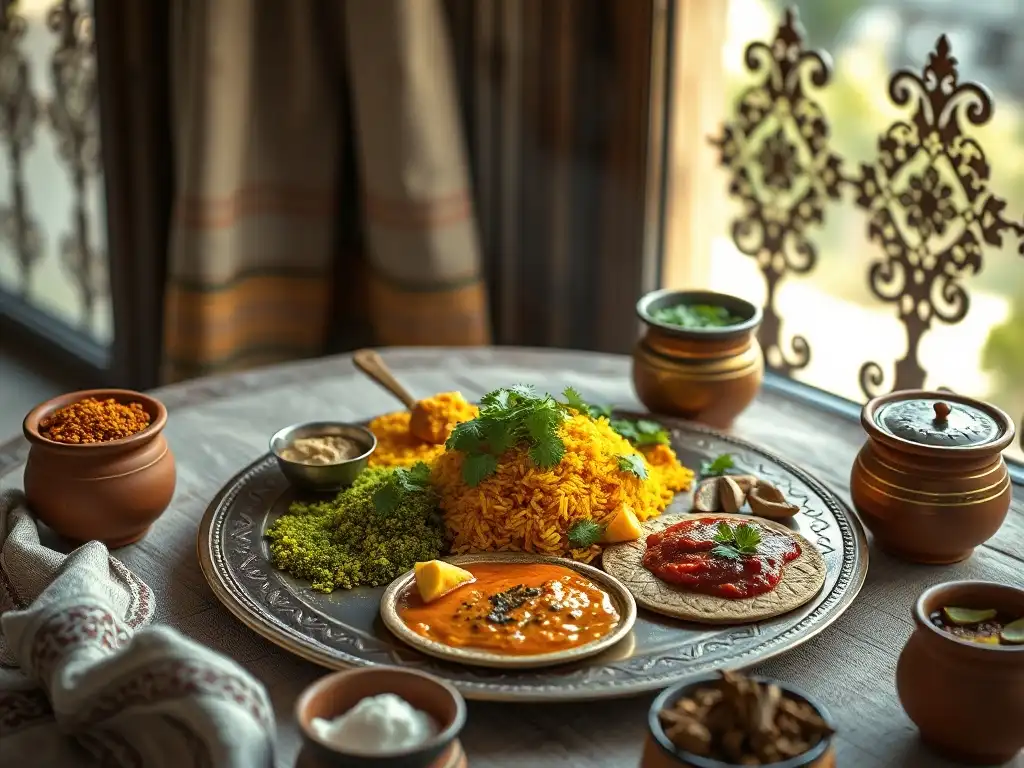
Restaurants Embracing Ancient Indian Culinary Techniques
In recent years, several restaurants across the globe have begun to embrace ancient Indian culinary practices, thereby honoring the rich traditions of Indian cuisine while catering to modern palates. These establishments focus on the sattvic principles of cooking, which emphasize purity and healthful ingredients, as well as traditional cooking methods that enhance flavor and nutrition.
One notable example is Sattva, a restaurant in New York City that specializes in Ayurvedic cuisine. The chefs at Sattva incorporate ancient practices such as the use of whole spices, fermented foods, and seasonal vegetables. Their menu is designed based on the dosha system, which aims to balance the three energies within the body—vata, pitta, and kapha. This approach not only caters to dietary preferences but also promotes holistic health.
Another successful example is Moksha, located in London, which focuses on using ancient grains like millet and quinoa in their dishes. By reviving these traditional ingredients, Moksha provides diners with a unique experience that highlights the nutritional benefits of ancient Indian foods. They also offer workshops that teach guests about the history and health benefits of these ingredients, further embedding ancient wisdom into the modern dining experience.
Health Products Inspired by Traditional Ingredients
The rise of health consciousness in modern society has led to a surge in products that draw inspiration from ancient Indian culinary practices. Companies are increasingly incorporating traditional ingredients known for their health benefits into their product lines.
For instance, many brands are now offering turmeric-based supplements. Turmeric has been used in Indian cooking and medicine for centuries due to its anti-inflammatory properties, and its popularity in the health market has soared. Brands like Garden of Life and Turmeric Life have integrated ancient wisdom into their formulations, providing consumers with the benefits of this powerful spice.
Another example is the resurgence of ghee, a clarified butter used in traditional Indian cuisine. Ghee is recognized for its high smoke point and rich flavor, as well as its health advantages, such as aiding digestion and boosting immunity. Companies like Pure Indian Foods are capitalizing on this trend by promoting organic, grass-fed ghee as a healthier alternative to conventional cooking oils.
Meal Plans and Cookbooks Incorporating Ancient Wisdom
The integration of ancient Indian culinary practices into modern diets is also evident in the emergence of meal plans and cookbooks that focus on these age-old techniques. Numerous authors and nutritionists are creating resources that not only celebrate traditional recipes but also adapt them for contemporary lifestyles.
One popular cookbook, "The Yoga Kitchen" by Leena Kejriwal, combines ancient culinary wisdom with modern dietary needs. The book includes recipes that align with the principles of Ayurveda, such as balancing flavors and using seasonal ingredients. Each recipe is designed to nourish the body and mind, providing a comprehensive approach to health.
In addition to cookbooks, several meal delivery services are beginning to offer plans based on ancient Indian dietary principles. For instance, Thrive Market features meal kits inspired by traditional Indian cuisine, focusing on using whole, organic ingredients typical of ancient cooking methods. This service allows consumers to experience the health benefits of these meals without the hassle of meal preparation.
By embracing these ancient culinary practices, both cookbooks and meal plans play a crucial role in educating individuals about the nutritional wisdom of ancient India, making it accessible and enjoyable for modern diets.
Conclusion: Reviving Ancient Indian Culinary Practices for Modern Health
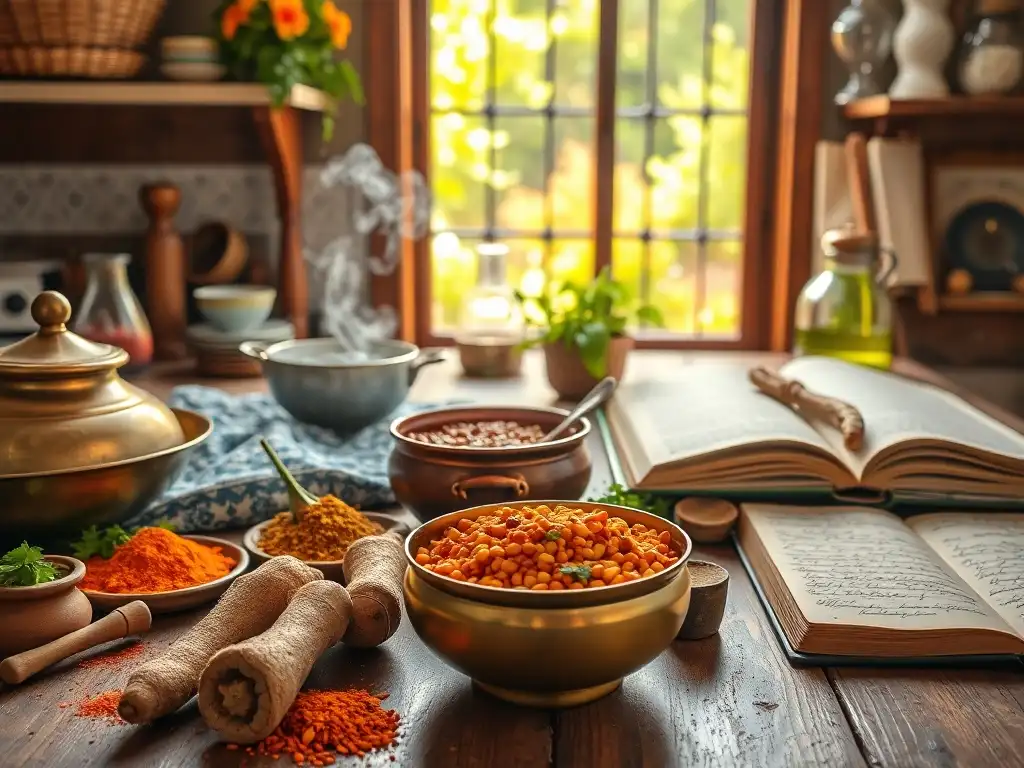
The culinary practices of ancient India offer profound insights into nutrition and health that can significantly influence modern diets. By revisiting these time-honored traditions, we can incorporate their wisdom into our contemporary lifestyle, promoting better health and well-being. Ancient Indian cuisine wasn't just about taste; it was intricately linked to the principles of Ayurveda, which emphasized balance and harmony in food choices. This knowledge can guide us in selecting ingredients that not only nourish the body but also maintain mental and emotional equilibrium.
The revival of ancient Indian culinary practices can also serve as a remedy for modern health issues. For example, the use of spices like turmeric, ginger, and cumin, which have been staples in Indian cooking, is backed by scientific research showing their anti-inflammatory and antioxidant properties. By integrating these elements into daily meals, individuals can enhance their nutritional intake while also enjoying the rich flavors of traditional dishes.
Moreover, the communal aspect of ancient Indian dining practices, which often involved sharing meals and emphasizing seasonal and local ingredients, fosters a sense of community and mindfulness around food consumption. This can counteract the isolation often felt in contemporary eating habits, promoting social connections and healthier relationships with food.
The Future of Nutrition: Bridging Ancient Wisdom and Modern Science
As we look to the future of nutrition, bridging ancient wisdom with modern science presents a unique opportunity for innovation in dietary practices. Researchers and nutritionists are increasingly recognizing the value of ancient dietary patterns, particularly those from India, in addressing current health crises such as obesity, diabetes, and cardiovascular diseases.
- Integrative Research: Studies are beginning to explore how traditional Indian practices, such as the use of fermented foods like idli and dosa, can contribute to gut health, a crucial component of overall wellness. Understanding the microbiome's role in metabolic processes can lead to more effective dietary recommendations.
- Nutritional Education: By incorporating ancient Indian culinary practices into educational programs, we can empower individuals to make informed food choices. For instance, teaching the health benefits of spices and the significance of meal timing can enhance nutritional literacy among diverse populations.
- Innovative Food Products: Food technologists are inspired by ancient recipes to develop new products that align with modern dietary needs while retaining the richness of traditional flavors. Superfoods like amaranth and quinoa, which have roots in ancient Indian agriculture, are gaining popularity as gluten-free alternatives that are high in protein and nutrients.
Encouraging Sustainable Eating Habits through Ancient Practices
Sustainability is a pressing concern in today's food systems, and ancient Indian culinary practices offer valuable lessons in this regard. The principles of seasonal eating, minimal waste, and plant-based diets prevalent in traditional Indian cooking align with modern sustainability goals.
- Seasonal and Local Sourcing: Ancient Indian diets were heavily based on locally sourced ingredients, which not only reduced carbon footprints but also ensured that the food was fresh and nutrient-dense. Emphasizing seasonal produce can lead to more sustainable eating habits today.
- Plant-Based Emphasis: Many traditional Indian meals are inherently plant-based, featuring a variety of lentils, vegetables, and grains. This aligns with modern dietary research advocating for reduced meat consumption for both health and environmental benefits.
- Waste Minimization: The use of all parts of vegetables and grains in ancient cooking practices teaches us to minimize food waste. Techniques like pickling, fermenting, and using leftovers creatively can help reduce environmental impact and promote resourcefulness in modern kitchens.
By embracing ancient Indian culinary practices, we not only honor the rich heritage of the past but also pave the way for healthier and more sustainable dietary choices in the present and future. The fusion of ancient wisdom with contemporary science holds the promise of a more holistic approach to nutrition, one that respects both our health and the planet.
Call to Action
Engaging with ancient Indian culinary practices not only enriches our understanding of historical diets but also provides valuable insights into modern nutrition. By embracing these time-tested techniques, we can cultivate healthier eating habits that pay homage to the wisdom of our ancestors.
Explore More on Ancient Indian Culinary Practices
Delving deeper into ancient Indian culinary practices opens up a world of flavors, techniques, and nutritional wisdom. From the use of spices to the art of fermentation, these practices have significantly influenced contemporary diets. Here are a few key aspects to explore:
- Spice Utilization: Ancient Indian cuisine often incorporated a variety of spices, not just for flavor but for their health benefits. Turmeric, for example, is known for its anti-inflammatory properties, while cumin aids digestion.
- Cooking Methods: Traditional cooking methods, such as slow-cooking and steaming, preserve nutrients that are often lost in modern cooking practices. Implementing these methods can enhance the nutritional value of meals.
- Seasonal Eating: The ancient practice of consuming seasonal ingredients ensures a diet rich in variety and nutrients. This approach can be adapted to modern diets by sourcing local, seasonal produce.
- Fermented Foods: Fermentation was a common technique to preserve food and enhance its nutritional profile. Incorporating fermented foods like dosa and idli into modern diets can improve gut health and digestion.
By understanding these elements, we can better appreciate how ancient culinary practices can inform our modern diets.
Join Our Community for Recipes and Nutritional Tips
Become a part of a vibrant community dedicated to preserving and promoting ancient Indian culinary wisdom. Engage with fellow enthusiasts who share a passion for healthful eating and explore a treasure trove of recipes and nutritional tips. Here’s how you can get involved:
- Weekly Recipe Exchange: Participate in our weekly recipe sharing sessions where members contribute their favorite ancient recipes and modern adaptations.
- Nutritional Workshops: Attend workshops focused on the health benefits of ancient ingredients and cooking methods, led by experts in both nutrition and culinary arts.
- Discussion Forums: Join discussions on the significance of various spices and their health benefits, as well as tips on incorporating ancient practices into everyday meals.
- Monthly Challenges: Take part in monthly cooking challenges that encourage the use of ancient practices, from spice blends to traditional cooking methods.
By joining our community, you not only gain access to a wealth of knowledge but also contribute to the revival of ancient Indian culinary practices, ensuring their relevance in today’s context. Together, we can celebrate and promote the nutritional wisdom that has been passed down through generations.
Frequently Asked Questions
What are ancient Indian culinary practices?
Ancient Indian culinary practices refer to traditional cooking techniques and recipes that have been passed down through generations, reflecting the rich cultural heritage of India.
How did the Indus Valley civilization influence culinary practices?
The Indus Valley civilization introduced various agricultural techniques and food preservation methods, laying the foundation for many modern Indian cuisines and dietary habits.
What nutritional wisdom can be derived from ancient Indian diets?
Ancient Indian diets emphasized the use of natural ingredients and regional spices, promoting a balanced and holistic approach to nutrition that is relevant for today's health-conscious consumers.
How do ancient Indian culinary practices relate to modern diets?
Many ancient Indian practices, such as using whole grains and incorporating a variety of vegetables and spices, align with modern dietary recommendations for a healthy lifestyle.
What contributions did the Gupta Empire make to culinary practices?
The Gupta Empire saw significant advancements in agriculture and food trade, which enriched the diversity of cuisine and introduced new flavors that are still celebrated in modern Indian cooking.
Final Reflection: Rediscovering Ancient Indian Culinary Practices for Modern Wellness
The wisdom embedded in ancient Indian culinary practices is more relevant today than ever, as we navigate a world increasingly focused on health and nutrition. In a time when processed foods dominate our diets and health issues are on the rise, the holistic approach of ancient Indian cuisine offers a beacon of hope. It teaches us that food is not merely sustenance but a means to achieve balance and well-being, emphasizing the profound connection between what we eat and how we feel.
The influence of these culinary traditions extends far beyond the kitchen; they shape our cultural identity and social interactions. As we embrace these age-old practices, we find ourselves not only nourishing our bodies but also reconnecting with our roots and fostering community. The words of renowned chef and food activist Alice Waters resonate deeply here: Food is a common ground, a universal experience.
This sentiment encapsulates the essence of ancient Indian culinary practices, reminding us that food can unite us, heal us, and guide us toward a more mindful existence.
As you reflect on the insights shared in this article, I invite you to explore how you can integrate these ancient practices into your daily life. Consider the ingredients you choose, the methods you employ, and the mindfulness you bring to your meals. By doing so, you not only honor the rich heritage of ancient Indian culinary wisdom but also embark on a journey toward improved health and well-being. Let us embrace this nutritional wisdom and allow it to transform our modern diets, one meal at a time.
Embrace Ancient Wisdom—Transform Your Modern Diet!
Thank you for exploring the rich tapestry of ancient Indian culinary practices with us! In today’s fast-paced world, harnessing the nutritional wisdom of the past can offer transformative benefits for our health and well-being. Now that you have this knowledge, it’s time to take action and integrate these practices into your daily life.
- Start incorporating traditional ingredients such as spices and whole grains into your meals. Consider adding turmeric or quinoa to your next dish!
- Join a community cooking class centered around ancient Indian cuisine; not only will you learn, but you'll also connect with others who share your passion for these culinary traditions.
- Share your favorite recipes or experiences on social media to inspire friends and family to rediscover these age-old techniques.
Which ancient recipe are you excited to bring back to your table?