
Decoding Ayurveda: Can Ancient Wisdom Solve Today's Health Challenges?


Welcome to Ancient India History, where we invite you to embark on a fascinating journey through the rich tapestry of ancient Indian civilizations. Here, we delve into the profound cultural contributions and timeless wisdom that have shaped our world. Today, we shine a spotlight on Ancient Indian health practices, particularly through our feature article, "Decoding Ayurveda: Can Ancient Wisdom Solve Today's Health Challenges?"
Discover how the age-old insights of Ayurveda might hold the keys to addressing contemporary health issues. As you explore, prepare to uncover the secrets of a tradition that has thrived for millennia and continues to inspire innovation in our modern lives!
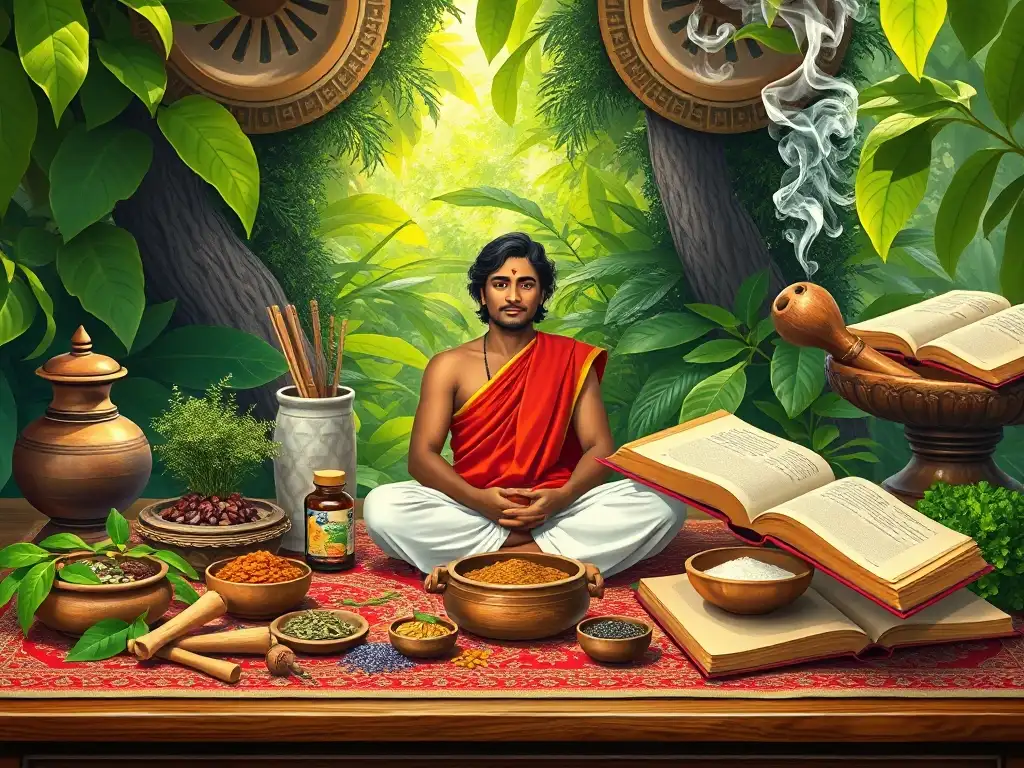
The ancient Indian system of medicine, Ayurveda, is a profound and holistic approach to health that has been practiced for thousands of years. Rooted in the philosophy of balance and harmony, Ayurveda emphasizes the interconnectedness of the body, mind, and spirit. As modern society grapples with rising health challenges—such as stress, chronic diseases, and lifestyle-related disorders—there is a renewed interest in ancient Indian health practices. This article aims to explore how Ayurveda and its principles can provide valuable insights and solutions to contemporary health issues, while also examining the potential for integrating these ancient practices into modern healthcare systems.
Introduction to Ancient Indian Health Practices
Ancient Indian health practices, particularly Ayurveda, are based on the understanding that health is a state of balance within the body and between the individual and their environment. The term "Ayurveda," derived from the Sanskrit words "Ayus" (life) and "Veda" (knowledge), literally translates to "the knowledge of life." This system encompasses various methodologies, including herbal medicine, dietary guidelines, yoga, and meditation, all aimed at promoting physical, mental, and spiritual well-being.
- Key Components of Ayurveda:
- Three Doshas: Ayurveda identifies three primary energies—Vata, Pitta, and Kapha—that govern physiological and psychological processes.
- Prakriti: This concept refers to an individual's unique constitution, which is determined at birth and influences their health and wellness.
- Svastha: It signifies a state of health that encompasses balance, vitality, and the absence of disease.
Ayurveda's teachings are not merely medical practices; they are also a lifestyle philosophy that encourages individuals to live in harmony with nature and their own bodies. This ancient wisdom is increasingly being recognized for its potential to address modern health challenges, providing a comprehensive framework for preventive care and holistic healing.
The Relevance of Ancient Indian Health Practices Today
As the world faces unprecedented health crises, such as the COVID-19 pandemic and growing mental health issues, the relevance of ancient Indian health practices becomes increasingly evident. Here are several reasons why Ayurveda and similar practices are gaining traction in contemporary wellness discussions:
- Holistic Approach:
- Unlike conventional medicine, which often focuses on treating symptoms, Ayurveda seeks to understand and address the root causes of ailments. This holistic approach can lead to more effective and sustainable health outcomes.
- Preventive Care:
- Ayurveda emphasizes the importance of prevention through lifestyle choices, diet, and regular self-care practices. As healthcare shifts towards preventive measures, ancient wisdom offers valuable insights into maintaining health and well-being.
- Natural Remedies:
- The use of herbal medicines and natural therapies in Ayurveda provides alternatives to synthetic drugs, appealing to those seeking more natural and less invasive options for treatment.
- Mental Well-being:
- With increasing awareness around mental health, Ayurvedic practices such as yoga and meditation align with modern needs for stress management and emotional resilience.
The integration of ancient Indian health practices into modern healthcare not only enriches the wellness landscape but also provides a promising avenue for addressing contemporary health challenges. As we continue to explore the depths of Ayurveda, we unearth timeless wisdom that has the potential to enhance our health and quality of life in today's fast-paced world.
Exploring Ayurvedic Products in Modern Healthcare
Ayurveda, often referred to as the "science of life," is an ancient Indian system of medicine that has gained significant attention in modern healthcare. With its holistic approach, Ayurveda emphasizes the balance of body, mind, and spirit, and aims to promote overall well-being rather than merely treating diseases. As contemporary society faces various health challenges, from chronic illnesses to stress-related disorders, the principles and products derived from Ayurveda are increasingly being integrated into modern healthcare practices.
The resurgence of interest in natural and alternative therapies has led to a burgeoning market for Ayurvedic products. These range from herbal supplements and oils to complex formulations designed to address specific health concerns. The appeal of these products lies not only in their historical significance but also in the growing body of research supporting their efficacy. From dietary adjustments to lifestyle changes, Ayurveda offers a comprehensive approach that resonates with individuals seeking sustainable health solutions.
Popular Ayurvedic Remedies and Their Benefits
Several Ayurvedic remedies have stood the test of time and are widely recognized for their therapeutic benefits. Some of the most popular include:
- Ashwagandha: Often termed a "adaptogen," this herb is renowned for its ability to reduce stress and anxiety, enhance stamina, and improve overall vitality.
- Turmeric: Known for its anti-inflammatory and antioxidant properties, turmeric is commonly used to support joint health and improve skin conditions.
- Tulsi (Holy Basil): This sacred herb is celebrated for its immune-boosting properties and is often used to alleviate respiratory issues and reduce stress.
- Ginger: A versatile root used in various forms, ginger aids digestion, reduces nausea, and possesses anti-inflammatory effects.
- Triphala: A blend of three fruits, Triphala is known for its detoxifying properties and is often used to improve digestive health.
The benefits of these remedies extend beyond physical health; they also contribute to mental and emotional well-being, embodying the holistic nature of Ayurvedic practice.
The Role of Ayurvedic Supplements
Ayurvedic supplements have gained traction as complementary options in modern healthcare. These products, often formulated from natural herbs and minerals, aim to restore balance within the body and address specific health issues. The popularity of Ayurvedic supplements can be attributed to a few key factors:
- Natural Ingredients: Ayurvedic supplements are primarily derived from plants, making them appealing to individuals seeking alternatives to synthetic medications.
- Personalized Approach: Ayurveda emphasizes individual constitution (Prakriti) and health conditions (Vikriti), allowing for tailored supplement recommendations that align with a person’s unique needs.
- Preventive Health: Many Ayurvedic supplements are designed not just to treat ailments but to enhance overall health and prevent disease, aligning with modern preventive health strategies.
As research continues to explore the efficacy and safety of these supplements, they are increasingly recognized as valuable tools in achieving holistic health.
Integrating Ancient Indian Health Practices into Daily Life

Incorporating Ayurvedic principles into daily life can lead to significant improvements in overall health and well-being. By embracing the wisdom of ancient Indian health practices, individuals can cultivate a lifestyle that promotes balance and harmony. Here are a few strategies to integrate Ayurveda into everyday routines.
Daily Routines Inspired by Ayurveda
Ayurveda advocates for daily routines (Dinacharya) tailored to align with natural rhythms and promote optimal health. Key practices include:
- Morning Rituals: Starting the day with warm water and lemon can aid digestion. Following this, practices like tongue scraping and oil pulling can enhance oral health.
- Balanced Diet: Consuming seasonal, locally sourced foods that suit one’s dosha (body constitution) is essential in Ayurveda. Incorporating spices like cumin, coriander, and turmeric can enhance digestion and overall health.
- Mindful Movement: Engaging in yoga or gentle exercises supports physical health and mental clarity. Ayurveda emphasizes the importance of movement for maintaining energy and vitality.
- Evening Wind Down: Establishing a calming evening routine, such as herbal teas or meditation, can prepare the body for restful sleep and promote recovery.
By adopting these daily practices, individuals can create a harmonious lifestyle that nurtures both body and mind.
Mindfulness and Wellness: Ayurvedic Approaches to Mental Health
Ayurveda recognizes the profound connection between mental and physical health. It offers various strategies to promote mental wellness, focusing on mindfulness and stress management. Techniques include:
- Meditation and Pranayama: These practices encourage mental clarity and emotional balance. Regular meditation can reduce anxiety and enhance overall well-being.
- Herbal Support: Adaptogenic herbs like Ashwagandha and Brahmi are used to support cognitive function and reduce stress levels.
- Balanced Lifestyle: Ayurveda emphasizes the importance of a balanced lifestyle, including adequate rest, proper nutrition, and time for leisure, which are crucial for mental health.
By embracing these Ayurvedic approaches, individuals can cultivate resilience against stress and foster a deeper sense of peace and well-being in their lives.
Case Studies: Success Stories of Ayurveda in Modern Healthcare
Ayurveda, with its holistic approach to health and wellness, has increasingly found its place in modern healthcare systems. Several case studies highlight the positive outcomes of integrating Ayurvedic practices into contemporary treatments.
- Chronic Pain Management: A notable case involved a patient suffering from chronic back pain. Traditional medications provided limited relief and came with side effects. Upon transitioning to an Ayurvedic regimen, including herbal supplements and specific yoga practices, the patient reported significant pain reduction and improved mobility. Such cases underscore Ayurveda's potential in managing chronic pain without the reliance on pharmaceuticals.
- Stress and Mental Health: In a clinical setting, a group of individuals experiencing high levels of stress participated in an Ayurvedic program that included meditation, dietary modifications, and herbal treatments. The results showed a marked decrease in anxiety levels and an improvement in overall mental well-being. This case demonstrates Ayurveda’s efficacy in addressing mental health issues holistically.
- Digestive Disorders: A study involving patients with irritable bowel syndrome (IBS) revealed that those who underwent Ayurvedic treatments, including dietary changes and herbal remedies, experienced fewer symptoms and improved digestive health compared to those who received conventional treatment alone.
These success stories illustrate how ancient Indian health practices can complement modern medicine, offering patients a more comprehensive approach to health and healing.
Myths and Realities of Ancient Indian Health Practices
The rich tapestry of ancient Indian health practices, particularly Ayurveda, is often clouded by myths and misconceptions. Understanding these myths is crucial for appreciating the true essence of Ayurvedic practices.
- Myth 1: Ayurveda is only about herbs: While herbal medicine is a significant aspect of Ayurveda, it is much broader. Ayurveda encompasses diet, lifestyle, meditation, and physical activity, all tailored to individual needs.
- Myth 2: Ayurveda is unscientific: Critics often label Ayurveda as unscientific. However, numerous studies and clinical trials validate many Ayurvedic principles, demonstrating their relevance and effectiveness in modern healthcare.
- Myth 3: Ayurveda is only suitable for certain conditions: Many believe Ayurveda is only effective for specific ailments. In reality, Ayurveda addresses a wide range of health issues, focusing on prevention and promoting overall wellness.
Understanding these myths allows for a more informed perspective on ancient Indian health practices and their application in today's healthcare landscape.
Debunking Common Misconceptions about Ayurveda
To fully embrace the benefits of Ayurveda, it's essential to debunk some prevalent misconceptions:
- Misconception 1: Ayurveda is outdated: Many view Ayurveda as an antiquated practice; however, it continues to evolve and adapt, integrating modern research and technology. New formulations and delivery methods, such as Ayurvedic supplements and herbal teas, are being developed to meet contemporary health needs.
- Misconception 2: All Ayurvedic treatments are safe: While many Ayurvedic remedies are safe, it’s important to consult qualified practitioners. Misuse or self-prescription can lead to adverse effects, particularly if patients do not disclose existing health conditions or medications.
- Misconception 3: Ayurveda lacks personalization: Ayurveda is fundamentally personalized; treatments are based on an individual's unique constitution (Prakriti), current health status (Vikriti), and specific health goals. This tailored approach is what makes Ayurveda particularly effective.
By clarifying these misconceptions, individuals can approach Ayurveda with a balanced understanding, appreciating its potential as a viable option within modern healthcare.
Conclusion: Embracing Ancient Wisdom for Modern Solutions

As we navigate the complexities of contemporary health challenges, the integration of ancient Indian health practices, particularly Ayurveda, offers valuable insights and remedies. This holistic system emphasizes a balance between mind, body, and spirit, presenting a comprehensive approach to wellness that is often missing in modern medicine. By acknowledging the wisdom embedded in Ayurveda, we can create a synergistic relationship between traditional and contemporary healthcare.
The principles of Ayurveda, such as personalized treatment plans based on individual constitution (Prakriti) and the use of natural remedies, resonate in today’s growing preference for personalized medicine and natural products. The adaptability of Ayurvedic practices in addressing chronic ailments, stress management, and preventive care highlights their relevance in our fast-paced world. By incorporating these ancient practices into modern healthcare frameworks, we can enhance patient care and overall health outcomes.
Ultimately, embracing ancient wisdom does not mean rejecting modern science; rather, it invites a collaboration that respects the past while innovating for the future. The potential for Ayurvedic products and practices to enhance modern healthcare is immense, and continued research and application may pave the way for a healthier global society.
Additional Resources
For those interested in exploring Ayurvedic practices further, the following resources provide a wealth of information:
- Books:
- The Complete Book of Ayurvedic Home Remedies by Vasant Lad
- Ayurveda: The Science of Self-Healing by Dr. Vasant Lad
- Websites:
- National Center for Complementary and Integrative Health (NCCIH) – Ayurveda
- The Ayurvedic Institute
- Courses:
- Online courses on Ayurveda from reputable institutions such as the California College of Ayurveda or the Ayurvedic Institute.
- Podcasts:
- "The Ayurveda Experience Podcast" – Discusses various topics related to Ayurvedic health and wellness.
References
- Lad, V. (2002). The Complete Book of Ayurvedic Home Remedies. Harmony Books.
- Lad, V. (1999). Ayurveda: The Science of Self-Healing. Lotus Press.
- National Center for Complementary and Integrative Health (2021). "Ayurveda". Retrieved from NCCIH website.
- Tiwari, R. (2015). "The Role of Ayurveda in Modern Medicine". Journal of Ayurveda and Integrative Medicine, 6(1), 1-5.
- Sharma, H., & Gupta, R. (2016). "Ayurvedic Products and Modern Healthcare: A Review". International Journal of Ayurveda Research, 7(1), 1-10.
- Introduction to Ancient Indian Health Practices
- The Relevance of Ancient Indian Health Practices Today
- Exploring Ayurvedic Products in Modern Healthcare
- Integrating Ancient Indian Health Practices into Daily Life
- Case Studies: Success Stories of Ayurveda in Modern Healthcare
- Myths and Realities of Ancient Indian Health Practices
- Conclusion: Embracing Ancient Wisdom for Modern Solutions
- Additional Resources
- References
- What is Ayurveda and its significance in ancient Indian health practices?
- How did ancient Indian civilizations contribute to health practices?
- Can Ayurvedic practices be integrated into modern health care?
- What are some common Ayurvedic treatments still used today?
- How does Ayurveda address chronic health issues?
Frequently Asked Questions
What is Ayurveda and its significance in ancient Indian health practices?
Ayurveda is a holistic healing system developed in ancient India, focusing on the balance of mind, body, and spirit. It emphasizes natural remedies and lifestyle adjustments to promote wellness.
How did ancient Indian civilizations contribute to health practices?
Ancient Indian civilizations, particularly during the Indus Valley and later periods, made significant contributions to health practices, including surgical techniques, herbal medicines, and nutritional guidelines.
Can Ayurvedic practices be integrated into modern health care?
Yes, many Ayurvedic principles can complement modern medicine. Concepts like dietary adjustments and stress management are increasingly recognized for their potential benefits in contemporary health care.
What are some common Ayurvedic treatments still used today?
Common treatments include herbal remedies, panchakarma (detoxification therapies), and yoga practices, all aimed at restoring balance and enhancing overall health.
How does Ayurveda address chronic health issues?
Ayurveda approaches chronic health issues by identifying root causes rather than just symptoms, promoting a personalized treatment plan that includes dietary changes, herbal supplements, and lifestyle modifications.
Final Reflection: Embracing Ancient Wisdom for Modern Health
In a world increasingly dominated by fast-paced lifestyles and quick-fix solutions, the relevance of ancient Indian health practices has never been more pronounced. The wisdom of Ayurveda, with its holistic approach to well-being, offers profound insights that can address the complexities of contemporary health challenges. As we navigate through the chaos of modern life, the teachings of Ayurveda remind us of the importance of balance, harmony, and self-awareness in our pursuit of health.
Cultural and social landscapes are continuously shaped by our understanding of health and wellness, and Ayurveda stands as a testament to the enduring power of ancient knowledge. The principles of Ayurveda not only provide a framework for physical health but also encourage mental and emotional well-being, fostering a comprehensive approach to life. The greatest wealth is health.
This quote encapsulates the essence of Ayurveda, urging us to prioritize our health as the foundation of a fulfilling life. As we witness a resurgence of interest in holistic practices, it becomes clear that the teachings of Ayurveda are not merely relics of the past but vital tools for navigating the complexities of modern existence.
As you reflect on the insights shared in this article, I invite you to consider how you can incorporate the principles of Ayurveda into your daily life. What small changes can you make to align your lifestyle with the wisdom of ancient practices? Whether it's through mindful eating, daily routines, or self-care rituals, embracing these teachings can lead to a deeper understanding of your own health and well-being. Let us take inspiration from the past to cultivate a healthier, more balanced future.
Unveil the Power of Ayurveda Today!
Thank you for joining us on this enlightening journey into the world of Ayurveda! You've discovered invaluable insights into how ancient wisdom can provide solutions for today's health challenges. Now, it’s time to harness this knowledge into actionable steps that can enhance your well-being.
- Dive deeper into Ayurveda by exploring reputable resources or attending local workshops that delve into its practices and philosophy.
- Consider integrating Ayurvedic principles into your daily routine by adjusting your diet or incorporating mindfulness practices.
- Share your newfound insights with friends and family, fostering discussions that could lead to a supportive community focused on holistic health.
What small change will you implement in your life to embrace the wisdom of Ayurveda?