
Measuring Time: Ancient Indian Innovations in Mathematics and Their Technological Relevance

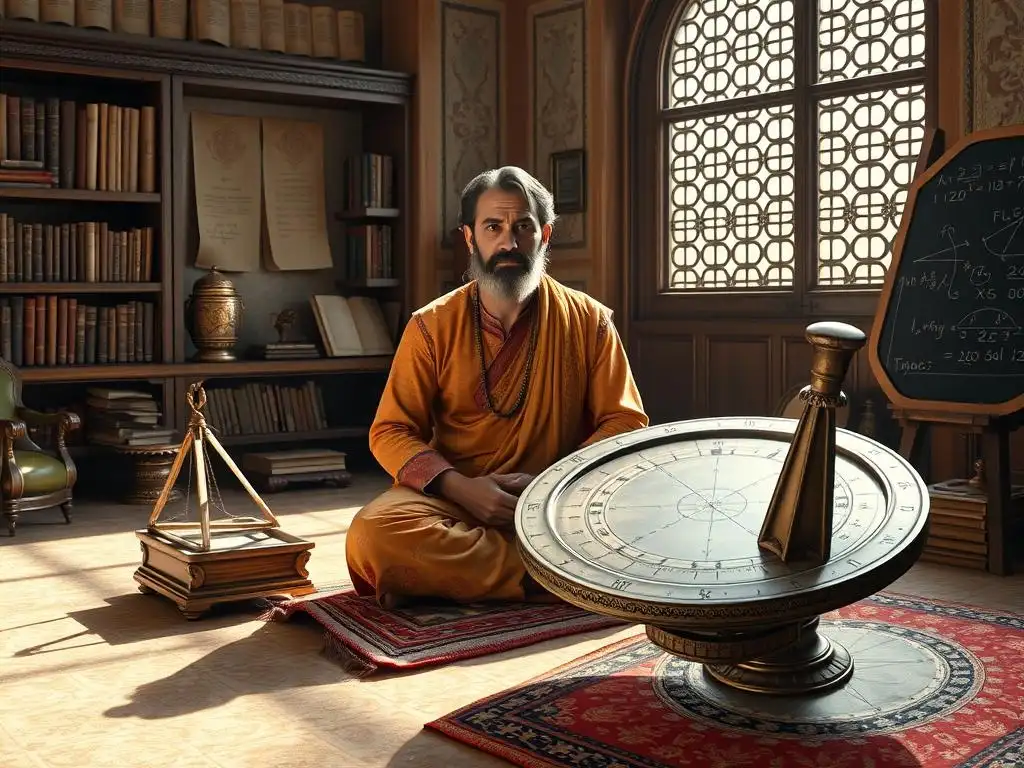
Welcome to Ancient India History, where we embark on a fascinating journey through the rich tapestry of one of the world's oldest civilizations. In this exploration, we delve into the intriguing world of Ancient Indian mathematics innovations, uncovering how these groundbreaking ideas shaped not only their time but also laid the foundation for modern technological advancements. From sophisticated calculations to the precise measurement of time, prepare to be amazed by the brilliance of minds that thrived thousands of years ago. Join us as we unravel these remarkable contributions and their lasting impact on our world today!
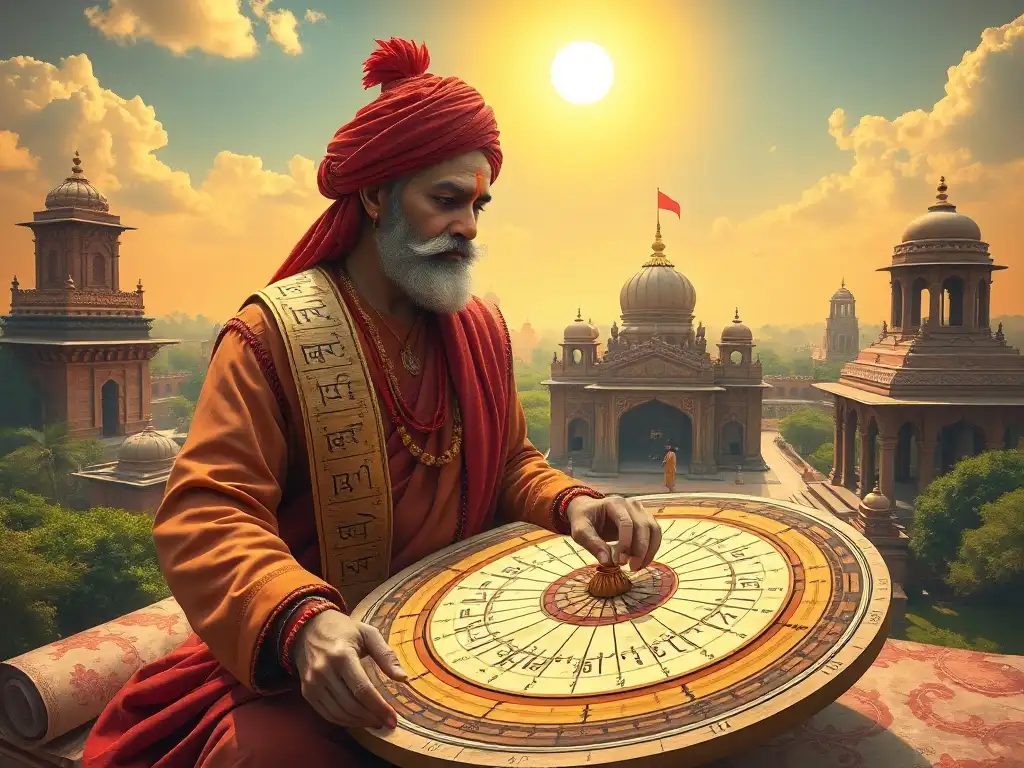
Introduction to Ancient Indian Mathematics Innovations
Ancient Indian mathematics innovations have played a pivotal role in shaping not only the mathematical landscape but also the technological advancements that we see today. From the meticulously designed measurement systems to the complex calculations that governed various aspects of life, ancient Indian mathematicians laid the groundwork for future innovations. Their contributions to fields such as astronomy, engineering, and commerce reflect a profound understanding of mathematical principles that was far ahead of their time.
These innovations are not merely historical curiosities; they are foundational elements that continue to influence modern technology and mathematical practices. By exploring the intricacies of ancient Indian mathematics, we uncover a treasure trove of knowledge that highlights the sophistication and ingenuity of these early scholars. This article delves into the rich history of ancient Indian mathematics, emphasizing its technological relevance and the lasting impact of these innovations on contemporary society.
Historical Context of Ancient Indian Mathematics
The history of mathematics in India dates back to ancient times, where it was intricately linked with various facets of culture and daily life. The evolution of mathematical concepts can be traced through several key periods and civilizations, each contributing uniquely to the mathematical canon.
The Role of Mathematics in Ancient Indian Society
Mathematics in ancient India was not only an academic pursuit but a vital tool for practical applications. It played a crucial role in:
- Agriculture: Farmers relied on mathematical calculations to determine the optimal planting times and harvest cycles based on astronomical observations.
- Architecture: The construction of temples and other significant structures required precise measurements and geometric understanding.
- Trade and Commerce: Merchants used mathematics for accounting and calculating profits, as well as to establish trade routes and manage resources.
These applications demonstrate how deeply intertwined mathematics was with the everyday lives of ancient Indians, showcasing its importance beyond theoretical study.
Key Civilizations and Their Contributions
Several civilizations in ancient India made remarkable contributions to mathematics, each leaving a legacy that continues to influence modern mathematics. Notable among them are:
- Indus Valley Civilization: Known for its advanced urban planning and architectural feats, evidence suggests the use of standardized weights and measures, indicating early mathematical understanding.
- Classical Period (Gupta Empire): This era saw the emergence of significant mathematicians such as Aryabhata and Brahmagupta, who introduced concepts such as zero, decimal systems, and algebraic formulas that were revolutionary for their time.
- Later Developments: The works of mathematicians like Bhaskara II further enriched the field, with contributions to calculus and numeral systems that laid the groundwork for future advancements.
These civilizations collectively fostered an environment where mathematics flourished, leading to innovations that extended far beyond their time and continue to resonate in today's technological landscape.
Innovations in Time Measurement by Ancient Indian Mathematicians
Ancient Indian mathematicians made significant contributions to the measurement of time, which laid the groundwork for modern concepts in both mathematics and astronomy. Their innovations were not merely theoretical but were practically applied to improve agricultural practices, cultural rituals, and navigation. This involved intricate calculations and the development of sophisticated instruments, reflecting a deep understanding of celestial movements.
One of the key innovations was the creation of accurate sundials and water clocks, which allowed for precise timekeeping. These devices were essential for daily life, agriculture, and religious practices. The meticulous observation of celestial bodies also led to the formulation of models that would eventually influence later scientific thought across the globe.
The Concept of Zero and Its Impact on Mathematics
The introduction of the concept of zero (śūnya) stands as one of the most profound achievements in ancient Indian mathematics. This concept revolutionized numerical systems, allowing for the representation of large numbers and the facilitation of calculations. The use of zero not only simplified arithmetic operations but also paved the way for the development of algebra and calculus.
In the context of time measurement, zero provided a reference point for calendars and timekeeping. It allowed mathematicians to calculate intervals, leading to more accurate predictions of celestial events. The significance of zero transcends mathematics; it influenced philosophy, science, and technology, demonstrating the interconnectedness of these disciplines in ancient India.
Development of Astronomical Instruments
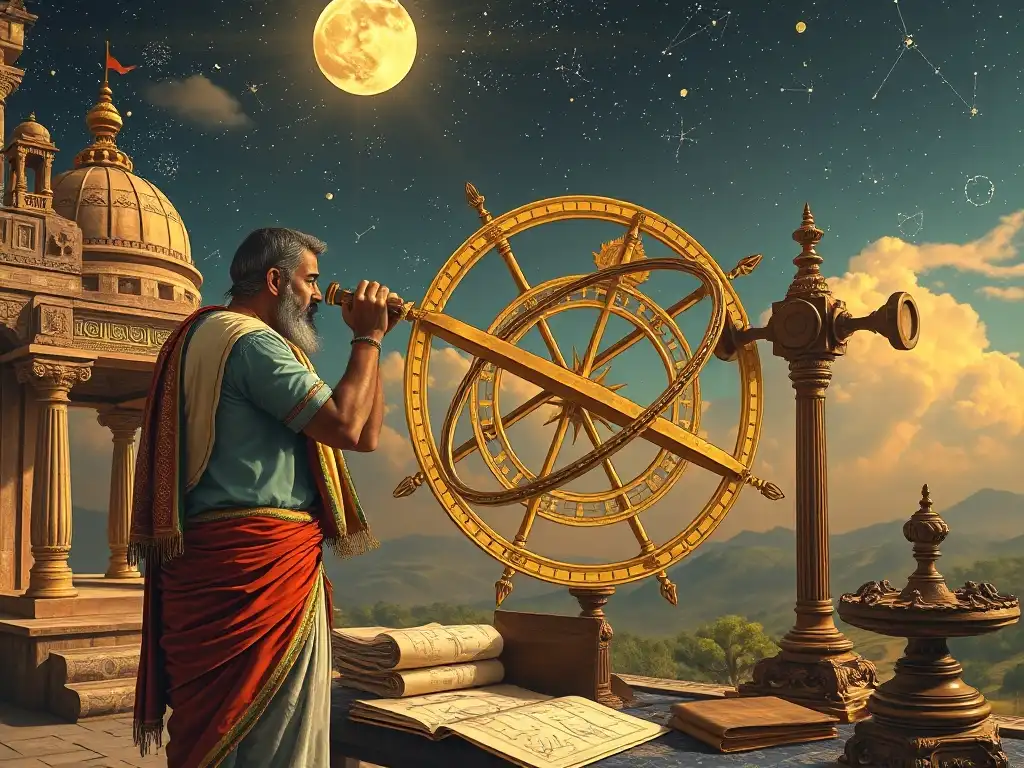
Ancient Indian mathematicians and astronomers developed various sophisticated instruments for measuring time and understanding celestial phenomena. Among these were the Gnomon, which was used to create sundials, and the Jantar Mantar, a series of architectural astronomical observatories built in the 18th century, showcasing the advanced understanding that had been inherited from earlier traditions.
These instruments enabled precise observations of the positions of celestial bodies, allowing for the creation of accurate astronomical tables. The meticulous data gathered facilitated the calculation of significant events such as eclipses and solstices, which were essential for agricultural and religious activities. The instruments developed during this period not only served practical purposes but also reflected the philosophical and scientific inquiries of the time.
Mathematical Techniques for Time Calculation
Ancient Indian mathematicians employed several advanced mathematical techniques for time calculation. These included the use of arithmetic, geometry, and trigonometry to model celestial movements and predict astronomical events. By applying these techniques, they could create calendars that accurately reflected seasonal changes and celestial cycles.
The mathematical prowess demonstrated in these techniques laid the foundation for future advancements in both mathematics and astronomy. They allowed for a systematic approach to understanding time, leading to innovations that were influential not only in India but also in various cultures around the world.
Use of Calendars in Ancient India
Calendars in ancient India were sophisticated systems that incorporated lunar and solar cycles. The Hindu calendar, known as the Panchang, is a notable example. It utilized various calculations to determine auspicious dates for festivals, agricultural practices, and religious rituals.
The ancient calendars were essential for timekeeping, as they helped people synchronize their activities with celestial events. This synchronization was crucial for agriculture, where the timing of sowing and harvesting was dependent on seasonal changes. The development of calendars also showcased the integration of astronomy with daily life, emphasizing the importance of time in ancient Indian culture.
The Role of Trigonometry in Astronomy

Trigonometry played a pivotal role in the advancements of ancient Indian astronomy. Mathematicians like Aryabhata and Brahmagupta utilized trigonometric principles to calculate the positions of celestial bodies and predict their movements. They developed sine and cosine functions, which were instrumental in creating astronomical models.
These trigonometric calculations were essential for determining the timing of eclipses and other celestial events, enhancing the accuracy of astronomical predictions. The application of trigonometry in astronomy not only reflects the mathematical ingenuity of ancient Indian scholars but also illustrates their profound understanding of the universe, influencing later scientific developments in various cultures.
Technological Relevance of Ancient Indian Innovations Today
Ancient Indian mathematics has left an indelible mark on various technological advancements in contemporary society. The intricate systems developed by mathematicians in ancient India serve as a foundation for numerous modern applications. Concepts such as zero, negative numbers, and the decimal system are not just historical artifacts; they are pivotal in shaping current computational methods and technologies.
For instance, the numeral system established during the Gupta period is integral to programming languages and algorithms used in computer science today. The principles of geometry and trigonometry, refined by mathematicians like Aryabhata and Bhaskara, continue to influence fields ranging from architecture to aerospace engineering. Moreover, ancient Indian innovations in astronomy, such as calculating planetary positions and eclipses, have laid groundwork for modern astronomical software and satellite technology.
Modern Applications of Ancient Mathematical Concepts
The mathematical innovations from ancient India are not merely historical curiosities; they have practical applications that resonate in our daily lives.
- Computer Algorithms: The algorithms used in computer programming often draw from the mathematical techniques developed by ancient Indian scholars. For example, the concepts of algorithmic thinking can be traced back to the works of Brahmagupta and Aryabhata.
- Cryptography: The principles of number theory, which were advanced by ancient mathematicians, underpin modern cryptographic methods. Techniques for secure communication in the digital age owe much to the early explorations of integers and their properties.
- Statistical Methods: Ancient texts contain early forms of statistical analysis, which are now foundational in fields such as data science and economics. The ways in which data was gathered and interpreted in ancient India inform contemporary methodologies for data analytics.
- Engineering and Architecture: The geometrical knowledge garnered from ancient Indian texts influences modern engineering practices. The construction techniques and architectural designs, epitomized in the temples of South India, reflect complex mathematical calculations that ensure structural integrity and aesthetic appeal.
Innovations in Education and Technology
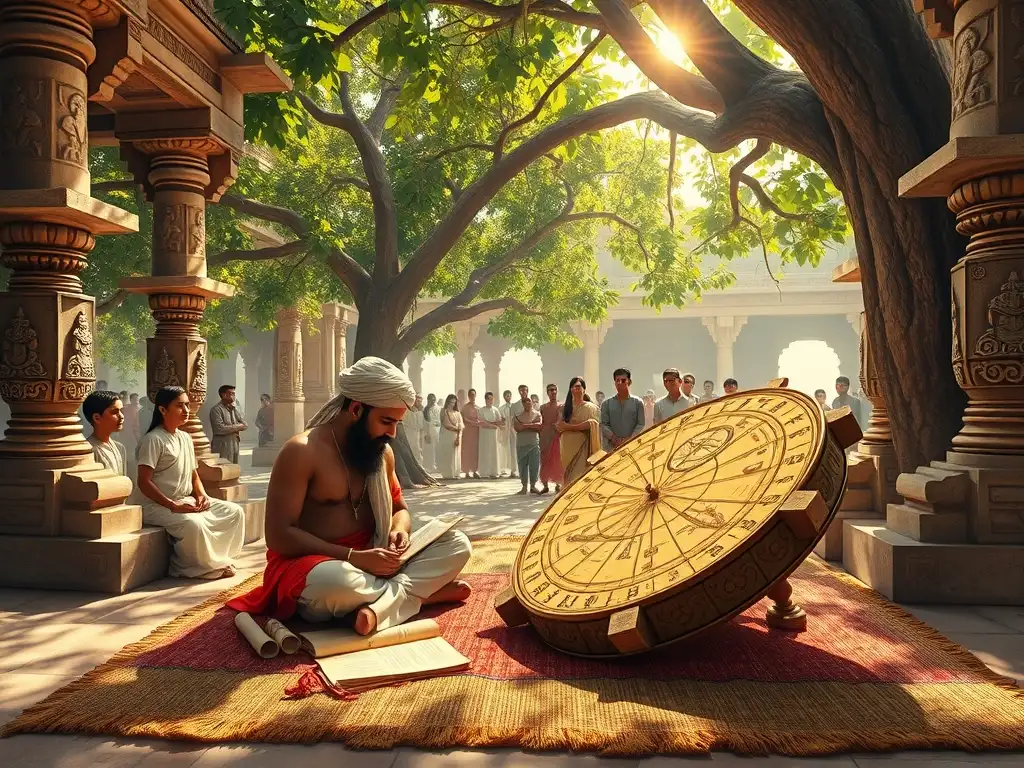
The integration of ancient Indian mathematics into modern educational frameworks has transformed how mathematics is taught and understood.
- Curriculum Development: Educational programs increasingly incorporate ancient mathematical concepts to provide students with a comprehensive understanding of the subject's evolution. By studying the ancient techniques, learners gain insights into the practical application of mathematics in various contexts.
- Technology in Teaching: With the advent of digital tools, ancient mathematical methods are being reintroduced through interactive platforms. Educational software often includes modules that highlight ancient Indian contributions, making learning more engaging and contextual.
- Research and Development: Scholars and researchers are continually exploring ancient texts, leading to innovations in teaching methodologies. By combining traditional knowledge with contemporary techniques, educators are fostering a new generation of mathematicians who appreciate the depth and breadth of their heritage.
Conclusion: The Legacy of Ancient Indian Mathematics
The legacy of ancient Indian mathematics is profound and enduring, manifesting in various aspects of modern technology and education. The innovations that emerged from this ancient civilization not only enhanced their own societal functions but also laid the groundwork for future advancements worldwide.
As we navigate an increasingly complex technological landscape, revisiting and integrating these ancient mathematical concepts can inspire innovative solutions to contemporary problems. The contributions of ancient Indian mathematicians are a testament to the ingenuity of human thought and its ability to transcend time, underscoring the importance of preserving and celebrating this rich heritage. Through understanding and applying these principles, we not only honor the past but also empower future generations to build upon this remarkable foundation.
References for Further Reading on Ancient Indian Mathematics
To delve deeper into the fascinating world of ancient Indian mathematics, numerous resources are available for scholars, students, and enthusiasts alike. These references not only provide insights into the mathematical innovations of ancient India but also explore their broader implications and applications in various fields. Here’s a curated list of essential readings:
-
Books:
-
A History of Mathematics: An Introduction by Roger L. Cooke
This comprehensive book covers the history of mathematics across various cultures, including a significant section on Indian contributions.
-
Mathematics in Ancient India by Kim Plofker
Plofker provides an in-depth exploration of mathematical developments in ancient India, including arithmetic, algebra, and geometry, alongside their historical context.
-
The History of Indian Mathematics by C. Srinivasa Rao
This book presents a detailed overview of the evolution of mathematical thought in India, showcasing influential mathematicians and their groundbreaking discoveries.
-
-
Research Papers and Journals:
-
"The Influence of Indian Mathematics on the Development of Mathematics" in the Journal of Indian Philosophy
This paper discusses how ancient Indian mathematics has shaped contemporary mathematical thinking and its applications.
-
"Mathematics in India: A Historical Overview" by G. S. S. Sitaraman, published in Indian Journal of History of Science
This journal article highlights key milestones in Indian mathematics and its technological relevance.
-
-
Online Resources:
-
The MacTutor History of Mathematics Archive
This online resource features detailed biographies of prominent Indian mathematicians and summaries of their contributions to the field.
-
Indian Mathematical Society
Their website offers various publications and resources related to the history and development of mathematics in India.
-
-
Documentaries and Lectures:
-
The Story of Mathematics (BBC Documentary)
This documentary series includes episodes that touch on the contributions of ancient Indian mathematicians, providing a visual narrative of their impact.
-
Online lectures by mathematicians such as N. S. Natarajan on platforms like YouTube, where they discuss ancient Indian mathematics and its relevance in modern contexts.
-
These resources serve as valuable tools for anyone interested in the profound mathematical legacy of ancient India and its ongoing influence in various technological domains. Whether you're a student, educator, or just curious about the subject, these references will enhance your understanding of ancient Indian mathematics innovations and their significance.
- Introduction to Ancient Indian Mathematics Innovations
- Historical Context of Ancient Indian Mathematics
- Innovations in Time Measurement by Ancient Indian Mathematicians
- The Concept of Zero and Its Impact on Mathematics
- Development of Astronomical Instruments
- Mathematical Techniques for Time Calculation
- Use of Calendars in Ancient India
- The Role of Trigonometry in Astronomy
- Technological Relevance of Ancient Indian Innovations Today
- Modern Applications of Ancient Mathematical Concepts
- Innovations in Education and Technology
- Conclusion: The Legacy of Ancient Indian Mathematics
- References for Further Reading on Ancient Indian Mathematics
- What are some key innovations in mathematics from ancient India?
- How did ancient Indian mathematics influence modern technology?
- What role did the Indus Valley Civilization play in mathematical developments?
- Who were some prominent mathematicians in ancient India?
- How are ancient Indian mathematical concepts relevant today?
Frequently Asked Questions
What are some key innovations in mathematics from ancient India?
Ancient Indian mathematicians made significant contributions such as the concept of zero, the decimal system, and advancements in algebra and geometry.
How did ancient Indian mathematics influence modern technology?
The innovations from ancient Indian mathematics laid the groundwork for various technological advancements, particularly in fields like computer science and engineering.
What role did the Indus Valley Civilization play in mathematical developments?
The Indus Valley Civilization showcased early measuring techniques and trade practices, demonstrating an understanding of geometry that contributed to later mathematical thought.
Who were some prominent mathematicians in ancient India?
Notable figures include Aryabhata, known for his work on zero and place value, and Brahmagupta, who made strides in algebra and number theory.
How are ancient Indian mathematical concepts relevant today?
Many ancient Indian concepts, especially in numerical systems and calculations, remain foundational in educational curricula and continue to influence modern mathematical practices.
Final Reflection: The Enduring Legacy of Ancient Indian Mathematics Innovations
The innovations of ancient Indian mathematics are not just relics of the past; they are foundational pillars that continue to shape our understanding of time and technology today. As we navigate an increasingly complex world, the mathematical principles developed centuries ago remind us of the ingenuity and foresight of our ancestors. Their work in measuring time and developing sophisticated algorithms showcases a remarkable blend of creativity and precision that remains relevant in our modern technological landscape.
The influence of ancient Indian mathematics extends far beyond historical significance; it is woven into the very fabric of contemporary society. From the algorithms that power our digital devices to the methods we use in scientific research, the principles established by ancient mathematicians resonate in our daily lives. As the mathematician and philosopher Bhaskara II once said, Mathematics is the language of the universe.
This quote encapsulates the essence of how these ancient innovations continue to inform our understanding of the world around us, bridging the gap between past and present.
As we reflect on the profound impact of ancient Indian mathematical innovations, I invite you to consider how these lessons can inspire your own journey. What aspects of precision, creativity, and foresight can you apply in your life today? Embrace the spirit of inquiry and innovation that characterized these ancient thinkers, and let it guide you in your pursuits. By recognizing the value of these timeless principles, we can honor the legacy of our ancestors while forging a path toward a future rich with possibility and discovery.
Embrace the Wisdom of Time Measurement in Your Life!
Thank you for journeying through the fascinating world of ancient Indian innovations in mathematics! You've uncovered how these time-honored techniques not only shaped the past but can also influence our modern lives. Now, it's time to take inspiration from these ancient practices and apply them today.
Here are a few actionable steps you can take right now:
- Explore ancient time-measuring techniques: Consider incorporating methods such as sundials or water clocks into your daily routine. Pay attention to how these tools can shift your perception of time!
- Share your insights: Engage your friends or colleagues in discussions about the relevance of ancient innovations in our understanding of time today. You may inspire a newfound appreciation for history!
- Join a community: Seek out local or online groups dedicated to the study of ancient mathematics or history. Connect with others who share your enthusiasm for the past!
How will you integrate these ancient methodologies into your daily rhythm moving forward?