
How Ancient Indian Civilization Addressed Earthquake Resistance in Engineering


Welcome to Ancient India History, where we embark on a fascinating journey through the rich tapestry of ancient Indian civilizations. In our exploration today, we delve into the intriguing realm of Ancient Indian earthquake engineering—a testament to the innovative spirit and advanced understanding of seismic resilience that our ancestors possessed. How did these remarkable civilizations address the challenges posed by earthquakes? Join us as we uncover the ingenious techniques and architectural marvels that not only withstood the test of time but also shaped the very foundations of engineering practices. Your adventure into the past awaits!
- Introduction to Ancient Indian Earthquake Engineering
- Historical Context of Earthquake Engineering in Ancient India
- Architectural Innovations in Earthquake Resistance
- Engineering Techniques Employed by Ancient Indian Builders
- Case Studies of Ancient Indian Earthquake-Resistant Structures
- Comparative Analysis: Ancient Indian Earthquake Engineering vs. Other Civilizations
- Legacy of Ancient Indian Earthquake Engineering
- Conclusion: The Enduring Significance of Ancient Indian Earthquake Engineering
- References for Further Reading on Ancient Indian Earthquake Engineering
-
Frequently Asked Questions
- What was the significance of earthquake engineering in ancient Indian civilization?
- How did ancient Indian architects incorporate earthquake resistance in their designs?
- Were there any specific ancient texts that addressed earthquake engineering?
- What are some examples of ancient Indian structures that showcased earthquake engineering?
- How has the knowledge of ancient Indian earthquake engineering influenced modern practices?
- Final Reflection: Embracing the Wisdom of Ancient Indian Earthquake Engineering
- Embrace Resilience: Apply Ancient Wisdom Today!
Introduction to Ancient Indian Earthquake Engineering
The ingenuity of ancient Indian civilizations is often celebrated through their remarkable contributions to various fields, including art, philosophy, and architecture. Among these, the area of earthquake engineering stands out as a testament to their advanced understanding of structural resilience. Ancient Indian earthquake engineering encompasses a range of techniques and practices designed to combat the seismic challenges posed by the region's geological conditions.
This article delves into how ancient Indian civilizations, particularly during the Indus Valley and up to the Gupta Empire, implemented innovative strategies in construction and engineering to enhance their buildings' resistance to earthquakes. By exploring these contributions, we not only gain insight into the technological prowess of ancient India but also recognize the importance of such engineering principles in today's context.
Overview of Ancient Indian Civilization's Contributions
Ancient Indian civilizations, particularly those thriving in the Indus Valley around 2600-1900 BCE, exhibited a sophisticated understanding of urban planning and construction techniques. Their cities, such as Mohenjo-Daro and Harappa, were meticulously laid out with grid patterns, advanced drainage systems, and brick structures. These features illustrated their ability to create resilient infrastructures capable of withstanding various environmental stresses, including earthquakes.
Key contributions include:
- Use of Fired Bricks: The Indus Valley inhabitants mastered the art of brick-making, using kiln-fired bricks that were far more durable than sun-dried alternatives. This technique provided essential strength to their structures.
- Architectural Design: Buildings often incorporated thick walls and flat roofs, which helped distribute stress and reduce the risk of collapse during seismic events.
- Site Selection: Ancient builders demonstrated a keen awareness of their surroundings, often selecting locations that minimized the risk of damage from earthquakes, such as avoiding steep hillsides prone to landslides.
Importance of Earthquake Resistance in Engineering
The significance of earthquake resistance in engineering cannot be overstated, especially in regions like India, which is seismically active. The ability to design structures that can withstand seismic forces is crucial for the safety and sustainability of urban environments. Ancient Indian practices in earthquake engineering provide valuable lessons that continue to resonate in modern engineering principles.
- Cultural Heritage Protection: Preserving ancient structures is vital for maintaining cultural heritage. By understanding how these structures were designed to resist earthquakes, we can develop better conservation strategies.
- Modern Engineering Insights: Ancient techniques can inspire contemporary engineers to refine and innovate earthquake-resistant designs, integrating traditional knowledge with modern technology.
- Disaster Preparedness: Learning from ancient practices can enhance disaster preparedness strategies, ensuring communities are better equipped to handle seismic events.
The contributions of ancient Indian civilizations to earthquake engineering reflect a profound understanding of structural integrity and resilience. Their strategies not only catered to the immediate needs of their time but also offer enduring lessons for future generations in the field of engineering and construction.
Historical Context of Earthquake Engineering in Ancient India

The Geological Landscape of Ancient India
Ancient India was characterized by a diverse geological landscape that significantly influenced its architectural practices. The subcontinent is situated on the Indian tectonic plate, which is known for its seismic activity due to the collision with the Eurasian plate. This geological backdrop necessitated an acute awareness of earthquake resilience among ancient builders.
- Tectonic Features:
- The Himalayan mountain range, formed by the collision of these tectonic plates, is one of the most earthquake-prone regions in the world.
- The Indo-Gangetic Plain, while relatively stable, is bordered by areas susceptible to seismic activity.
- Soil Composition:
- Differing soil types across regions, such as alluvial soil in the plains and rocky terrain in mountainous areas, influenced construction techniques.
- Structures had to be adapted to withstand the varying soil stability during seismic events.
The understanding of these geological elements was crucial for ancient engineers in crafting buildings that could endure the forces of nature.
Major Earthquakes and Their Impact on Civilizations
Throughout history, Ancient India experienced several significant earthquakes that shaped its engineering practices and architectural styles. Notable events include:
- The 400 CE Earthquake in North India:
- This earthquake is believed to have caused widespread destruction, especially in the region of the Gupta Empire.
- The aftermath led to a reevaluation of construction methods, prompting the integration of more resilient designs.
- The 1130 CE Earthquake in Gujarat:
- This devastating quake resulted in the loss of numerous structures and lives, highlighting the vulnerability of existing buildings.
- Following this event, there was a shift towards using more robust materials and improved engineering techniques.
These seismic events underscored the necessity for earthquake-resistant designs, influencing both residential and monumental architecture across various dynasties.
Ancient Texts and Treatises on Earthquake Resistance
Ancient Indian scholars contributed significantly to the understanding of architecture and engineering through various texts. Among these, several treatises explicitly addressed earthquake resistance:
- Vaastu Shastra:
- This ancient Indian science of architecture outlines principles that promote harmony between human habitation and the natural environment, including guidelines for earthquake-resistant designs.
- Key elements include the orientation of buildings, the use of specific materials, and the incorporation of flexible structures to absorb seismic waves.
- Samarangana Sutradhara:
- Authored by King Bhoja in the 11th century, this text discusses construction techniques and emphasizes the importance of site selection in earthquake-prone areas.
- It includes recommendations for foundation depth and the use of lightweight materials to enhance structural integrity.
These ancient texts reflect a sophisticated understanding of engineering principles that prioritized safety and resilience in the face of natural disasters. By studying these treatises, modern engineers can glean valuable insights into ancient Indian earthquake engineering.
Architectural Innovations in Earthquake Resistance

Use of Materials in Ancient Indian Construction
Ancient Indian civilizations were remarkably adept at utilizing local materials to create structures that could withstand the test of time and natural calamities, including earthquakes. Their engineering techniques were not only innovative but also reflected a deep understanding of the properties of various materials.
Stone and Brick Techniques
The use of stone and brick in ancient Indian construction can be traced back to the Indus Valley Civilization, where structures were built with standardized fired bricks. The hardness and durability of fired bricks made them ideal for constructing earthquake-resistant buildings.
- Stability: The weight of stone structures provides a lower center of gravity, which is crucial during seismic activities.
- Flexibility: Ancient builders often used stone blocks that could shift slightly without breaking, allowing for a degree of flexibility during earthquakes.
One notable example is the temples of Khajuraho, where artisans employed interlocking stone blocks that required minimal mortar, enhancing stability and resistance to seismic forces.
Use of Mortar and Binding Agents
The selection of binding agents and mortars was equally important in ancient Indian earthquake engineering.
- Lime Mortar: Many ancient structures used lime as a binding agent, which has the ability to accommodate slight movements without cracking.
- Natural Adhesives: Certain constructions also incorporated natural adhesives, such as animal fat or plant resins, which helped maintain the integrity of the structure during seismic shifts.
By carefully selecting materials and binding agents, ancient Indian builders ensured that their constructions could endure not just the passage of time but also the forces of nature.
Structural Designs that Enhance Stability
In addition to material usage, the structural design of ancient Indian buildings played a pivotal role in ensuring earthquake resistance. Ingenious architectural elements were employed to enhance stability and withstand seismic forces.
Arches and Vaults in Ancient Indian Architecture
Arches and vaults are significant features of ancient Indian architecture, contributing to both aesthetic appeal and structural integrity.
- Distribution of Forces: Arches naturally distribute loads, which mitigates the impact of seismic waves. The curvature of an arch allows the structure to absorb and redirect forces, reducing the risk of collapse.
- Durable Construction: Many ancient temples, such as those in the Hoysala architecture, utilized vaulted ceilings and arches, which provided additional support and stability against lateral forces during an earthquake.
These architectural innovations not only reflect the artistic sensibilities of the time but also showcase a sophisticated understanding of engineering principles that prioritized safety.
The Role of Courtyards and Open Spaces
Another aspect of ancient Indian architecture that contributed to earthquake resistance was the incorporation of courtyards and open spaces within building designs.
- Airflow and Light: Courtyards allowed for adequate airflow and natural light, enhancing the living conditions within structures.
- Seismic Safety: The presence of open spaces around buildings helped in dissipating seismic energy. In the event of an earthquake, these areas provided a buffer zone, reducing the risk of structural failure.
The layout of homes and temples in ancient Indian cities often included spacious courtyards, which not only served practical purposes but also improved the overall resilience of the structures during seismic events.
Ancient Indian earthquake engineering was characterized by a profound understanding of materials and structural design. By integrating these elements, ancient civilizations created resilient structures capable of withstanding the challenges posed by natural disasters.
Engineering Techniques Employed by Ancient Indian Builders
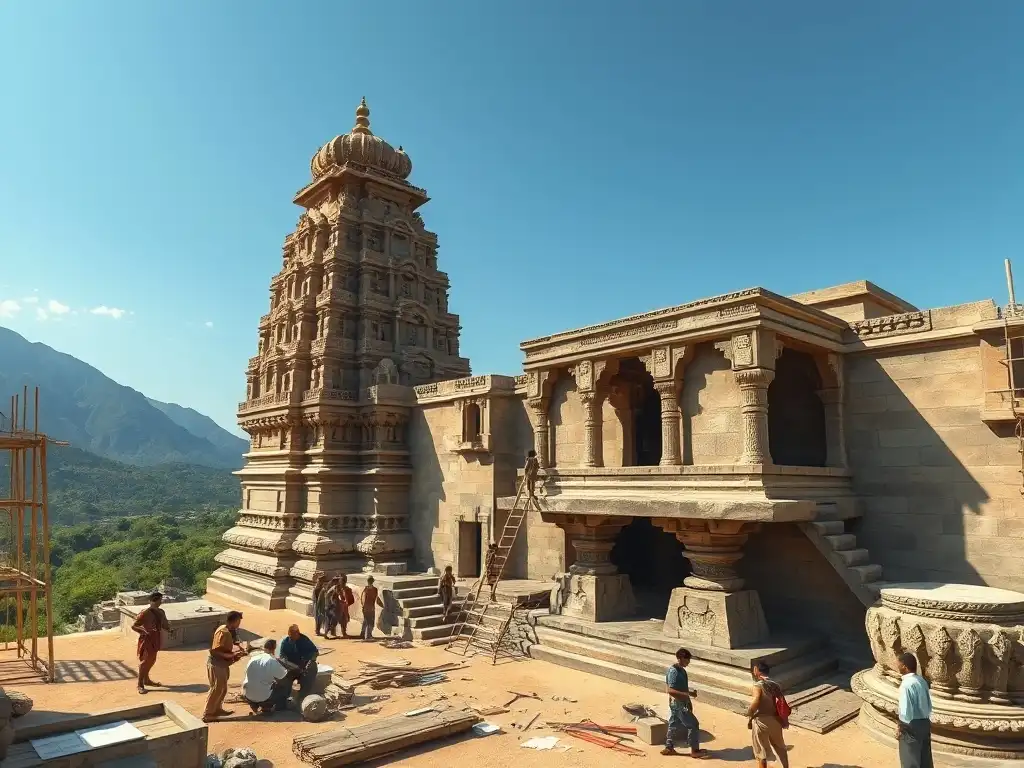
Ancient Indian civilizations demonstrated remarkable ingenuity in their engineering techniques, particularly in the realm of earthquake resistance. The builders utilized a variety of methods that reflected their understanding of local geology and seismic activity. These techniques not only ensured the longevity of structures but also showcased the advanced knowledge of materials and design principles among ancient Indian architects.
Spring Mechanisms and Flexible Structures
One of the most fascinating aspects of ancient Indian earthquake engineering is the incorporation of spring mechanisms and flexible structures in construction. Ancient builders recognized that flexibility is crucial for withstanding seismic forces.
- Spring Mechanisms: These were often employed in temple architecture, where intricate carvings and designs allowed for slight movements during an earthquake. The use of interlocking stones created a natural flexibility, enabling structures to absorb shock waves without fracturing.
- Flexible Building Materials: The choice of materials played a significant role. Builders often used lightweight stones and timber in their constructions. For example, in the construction of temples like the Brihadeeswarar Temple, a combination of stone and wood was utilized, allowing for greater movement without compromising structural integrity.
The design principles of ancient Indian architecture, particularly in temples, often included columned halls and open spaces, which helped distribute loads and minimize the risk of collapse during seismic events.
Foundations: Techniques for Stability
The stability of structures during earthquakes heavily relies on the foundation techniques employed. Ancient Indian builders implemented various methods to ensure that their constructions could withstand seismic forces effectively.
Deep Foundations and Ground Anchoring
Deep foundations were a common practice in ancient Indian construction. These foundations provided a stable base that extended well below the surface, reducing the risk of settling or upheaval during an earthquake.
- Construction Techniques: The builders often dug deep into the earth to create solid bases. Techniques such as piling and caissons were used to reach bedrock, providing an anchor point that resisted lateral forces during seismic events.
- Ground Anchoring: In areas known for seismic activity, builders employed ground anchoring methods. This involved embedding long rods or cables into the foundation, which were then anchored to the bedrock. The tension from these anchors helped stabilize structures against the shaking of the ground.
Earth Retaining Structures
To further enhance the stability of their buildings, ancient Indian engineers constructed earth-retaining structures. These structures were vital in managing soil erosion and maintaining the integrity of slopes, particularly in hilly regions.
- Retaining Walls: The use of retaining walls made from stone and mud was prevalent. These walls not only prevented soil movement but also helped distribute seismic forces across larger areas, minimizing damage.
- Terracing Techniques: In regions prone to landslides, the use of terracing was common. This technique involved creating stepped levels on slopes, which reduced the risk of soil erosion and provided additional stability to buildings situated on inclines.
By integrating these advanced engineering techniques, ancient Indian builders effectively addressed the challenges posed by earthquakes, showcasing their profound understanding of structural integrity and resilience.
Case Studies of Ancient Indian Earthquake-Resistant Structures
The Indus Valley Civilization: Engineering Marvels
The Indus Valley Civilization, flourishing between 3300 and 1300 BCE, is renowned for its advanced urban planning and engineering techniques, particularly its approach to earthquake resistance. Cities like Harappa and Mohenjo-Daro showcased meticulous layouts and construction methods that reflect an understanding of seismic activity.
- Grid Layouts: The cities were designed with a grid system, which not only facilitated efficient drainage and water management but also distributed loads evenly across structures. This layout minimized the risk of collapse during seismic events.
- Brick Quality: The use of high-fired bricks, which were not only durable but also had a certain degree of flexibility, allowed structures to absorb and dissipate seismic forces.
- Raised Platforms: Many buildings were constructed on raised platforms. This not only protected them from flooding but also provided stability against ground vibrations caused by earthquakes.
The engineering prowess of the Indus Valley Civilization laid a foundation for earthquake-resistant architecture that would influence subsequent cultures in the region.
Temples of South India: Resilience in Design
The temples of South India, particularly those built during the Chola and Pandya dynasties (circa 9th to 16th centuries), exhibit remarkable engineering adaptations to earthquake resilience. These structures demonstrate a sophisticated understanding of both aesthetics and structural integrity.
- Granite Foundations: Many temples were constructed on solid granite bases, providing a sturdy foundation that could withstand seismic forces. The weight and stability of granite served as a natural defense against earthquakes.
- Curvilinear Shikharas: The iconic curvilinear towers (shikharas) of South Indian temples were designed not only for visual grandeur but also for structural stability. The aerodynamic shape of the shikharas allowed them to deflect wind and seismic forces, reducing the risk of toppling.
- Interlocking Stones: The use of interlocking stones in temple construction enhanced their flexibility and load-bearing capacity. This technique allowed the structures to absorb shocks, making them more resilient during seismic events.
These architectural innovations highlight the advanced understanding of earthquake engineering within the cultural context of ancient South India.
The Gupta Empire: Innovations in Construction
The Gupta Empire (circa 240 to 550 CE) is often referred to as a golden age of Indian history, marked by significant advancements in various fields, including architecture and engineering. The period saw the development of innovative construction techniques aimed at enhancing earthquake resistance.
- Arched Structures: The introduction of arches in construction allowed for the distribution of weight more effectively. This architectural feature not only added aesthetic appeal but also improved the overall stability of structures, making them less susceptible to seismic damage.
- Use of Mortar: Gupta architects experimented with various types of mortars, including those with enhanced adhesive properties. The improved bond strength contributed to the durability of buildings, allowing them to better withstand seismic forces.
- Temple Complexes: The construction of large temple complexes, such as those in Ujjain and Sarnath, exemplified the integration of robust engineering techniques with religious architecture. The careful arrangement of structures within these complexes minimized the risk of cascading failures during earthquakes.
The Gupta Empire's contributions to earthquake-resistant engineering not only highlight the innovative spirit of the time but also set a precedent for future architectural endeavors in the region.
Comparative Analysis: Ancient Indian Earthquake Engineering vs. Other Civilizations

Similarities and Differences with Ancient Greek Engineering
Ancient Indian earthquake engineering exhibited several similarities and differences when compared to Ancient Greek engineering practices. Both civilizations recognized the importance of structural resilience due to the seismic activity of their respective regions. However, their approaches and techniques varied significantly.
Similarities:
- Use of Stone and Brick: Both cultures predominantly used stone and brick in construction, which provided durability against earthquakes. Ancient Greeks employed techniques such as interlocking blocks, which were also observed in ancient Indian structures.
- Architectural Principles: Aesthetics and functionality were key in both cultures. Structures were often designed to be visually appealing while ensuring they could withstand natural forces.
Differences:
- Foundation Techniques: Ancient Indian engineers utilized deep-set foundations and flexible materials, such as wood and bamboo, to absorb seismic shocks. In contrast, Greek engineers often relied on solid, heavy structures that could be vulnerable to seismic waves.
- Cultural Influences: The philosophical and religious frameworks of the two civilizations also influenced their engineering. Indian architecture often incorporated spiritual symbolism, while Greek engineering was more focused on public utility and civic pride.
Overall, the contrasting approaches to earthquake resistance highlight the unique cultural and environmental contexts of Ancient India and Greece, showcasing how civilizations adapted their engineering practices to their specific challenges.
Insights from Ancient Roman Earthquake Resistance Techniques
Ancient Roman engineering techniques provide a fascinating comparison to the practices of Ancient India, particularly regarding earthquake resistance. The Romans developed several innovative strategies aimed at creating structures that could withstand seismic events.
Key Techniques:
- Use of Concrete: The Romans were pioneers in the use of concrete, which allowed for more flexible and resilient structures. This material was crucial in creating arches and domes that could distribute stress effectively during an earthquake.
- Innovative Design: Roman buildings often featured rounded arches and vaults, which helped to dissipate seismic forces more effectively than the flat-roof structures commonly used in ancient India. This design principle contributed to the longevity of Roman structures in earthquake-prone areas.
Observations:
- Adaptability: Romans frequently rebuilt and adapted their structures after seismic events, showcasing a practical approach to earthquake engineering. They learned from past experiences, incorporating more resilient techniques over time.
- Urban Planning: Roman urban planning also took into account seismic risks, with wider streets and open spaces designed to minimize damage during earthquakes. In contrast, ancient Indian cities, while sophisticated, often lacked such strategic planning regarding seismic risks.
While both Ancient Indian and Roman engineering practices aimed at ensuring structural integrity in the face of earthquakes, their methodologies differed significantly. The Romans’ use of concrete and innovative designs contrasted with the flexible and deep foundation techniques of Ancient India, reflecting their distinct cultural contexts and engineering philosophies.
Legacy of Ancient Indian Earthquake Engineering

The legacy of ancient Indian earthquake engineering is a fascinating aspect of the subcontinent's architectural and engineering history. Ancient civilizations, particularly during the Indus Valley era and later periods, developed various techniques to address the concerns posed by earthquakes, which are common in this region due to its geological features.
Influence on Modern Earthquake Engineering Practices
The principles derived from ancient Indian earthquake engineering have significantly influenced contemporary practices. These ancient structures showcased innovative designs that prioritized flexibility and resilience, which are crucial in modern engineering. For instance, the use of reinforced masonry and flexible materials can be traced back to ancient practices where builders used local materials that provided inherent seismic resistance.
Some key influences include:
- Foundation Techniques: Ancient builders often utilized deep foundations and terraced designs to enhance stability. This concept is prevalent in modern earthquake-resistant structures, where deep pilings are employed to anchor buildings to more stable soil layers.
- Seismic-Resistant Materials: The use of mud bricks and stone masonry with specific mortar mixtures has been found to offer better performance during seismic events. Modern engineers study these materials to develop newer composites that mimic their properties.
- Design Philosophy: The emphasis on symmetry and balance in ancient structures is echoed in modern designs. Buildings are now often constructed with symmetrical layouts to ensure even weight distribution, minimizing the risk of collapse during earthquakes.
These ancient techniques not only highlight the ingenuity of early engineers but also serve as a valuable resource for contemporary architects and structural engineers striving to enhance earthquake resilience.
Preservation of Ancient Techniques in Contemporary Architecture
In recent years, there has been a renewed interest in preserving ancient techniques of earthquake engineering within contemporary architecture. This movement is driven by the understanding that traditional methods often provide sustainable and effective solutions for modern challenges.
- Cultural Heritage: Many regions in India, particularly in earthquake-prone zones, are reviving traditional construction methods to maintain cultural heritage. This includes incorporating local materials and craftsmanship, which not only reflect historical significance but also improve earthquake performance.
- Sustainability: Modern architects are increasingly looking to ancient practices as sustainable alternatives. For example, the use of natural ventilation, common in ancient Indian homes, is now integrated into new designs to reduce reliance on artificial cooling systems, thus promoting eco-friendliness.
- Community Involvement: Efforts are being made to involve local communities in the construction process, using ancient techniques that they are familiar with. This not only empowers the community but also ensures that the knowledge of these techniques is passed down through generations.
Through these initiatives, the wisdom of ancient Indian earthquake engineering continues to resonate, blending seamlessly with modern technology to create structures that are both resilient and culturally rich.
The legacy of ancient Indian earthquake engineering is not only a testament to the ingenuity of past civilizations but also a guiding light for modern engineering practices and architectural preservation. By studying these ancient techniques, contemporary society can better prepare for the challenges posed by natural disasters while honoring the rich history of the region.
Conclusion: The Enduring Significance of Ancient Indian Earthquake Engineering

The study of ancient Indian earthquake engineering reveals a remarkable depth of knowledge and innovation that has often been overshadowed by modern advancements. The techniques employed by ancient Indian builders not only demonstrate their understanding of seismic activity but also highlight their commitment to creating structures that could withstand nature's forces. This wisdom continues to hold relevance today, as modern engineers look to the past for insights that can be applied in contemporary construction practices.
The significance of ancient Indian earthquake engineering lies in its holistic approach—integrating local materials, craftsmanship, and environmental awareness. Structures such as the temples of Khajuraho and the forts of Rajasthan reflect this legacy, showcasing intricate designs that are not merely aesthetic but also functional in their earthquake resistance. By studying these ancient methods, we can glean valuable lessons on sustainability and resilience, which are crucial in today’s earthquake-prone regions.
Reflection on the Wisdom of Ancient Builders
Ancient Indian architects possessed an intuitive grasp of their environment, which was evident in their construction techniques. They utilized materials such as stone and brick, often in combination with advanced architectural principles like:
- Base Isolation: Similar to modern techniques, ancient builders sometimes employed methods to allow buildings to move independently of ground motion.
- Flexible Structures: The use of arches and domes not only enhanced the aesthetic appeal of structures but also provided flexibility to absorb seismic shocks.
- Symmetrical Design: Many ancient buildings exhibit symmetry, which contributes to stability and equilibrium during seismic events.
The knowledge embedded in these structures showcases a sophisticated understanding of physics and engineering principles that were advanced for their time.
"The true test of an engineer is not merely in the creation of structures, but in the foresight to anticipate and mitigate the forces of nature."
Future Directions in Studying Ancient Engineering Techniques
As we advance in our understanding of ancient engineering, several key areas warrant further exploration:
- Archaeological Studies: More extensive excavations and studies of ancient sites can uncover additional evidence of earthquake-resistant features and techniques.
- Material Science Research: Investigating the materials used by ancient builders can provide insights into their properties and how they contributed to durability and resilience.
- Comparative Analysis: Studying ancient earthquake engineering techniques across different cultures can provide a broader understanding of global engineering practices and innovations.
- Integration with Modern Engineering: There is potential for modern engineers to incorporate ancient techniques into contemporary designs, fostering a dialogue between the past and present.
The continued exploration of ancient Indian earthquake engineering not only honors the ingenuity of past civilizations but also enriches our current technological landscape. By embracing these ancient practices, we can enhance our resilience against natural disasters and ensure the longevity of our built environment.
References for Further Reading on Ancient Indian Earthquake Engineering
Suggested Books and Articles
-
"Earthquake Engineering in Ancient India: A Study of Historical Practices"
This book delves into the architectural techniques used by ancient Indian civilizations to enhance earthquake resistance. It presents detailed case studies from different periods, such as the Maurya and Gupta empires.
-
"Seismic Resilience of Ancient Structures: Insights from Indian Architecture"
This scholarly article analyzes specific architectural elements in ancient Indian buildings that contributed to their resilience against earthquakes. The author emphasizes the importance of design and material selection in construction.
-
"The Indus Valley Civilization: Engineering Marvels of the Ancient World"
A comprehensive exploration of the engineering achievements of the Indus Valley Civilization, focusing on urban planning, drainage systems, and their implications for earthquake resilience.
-
"Indian Temple Architecture and Earthquake Resistance"
Focusing on the intricacies of temple architecture, this article discusses how ancient builders incorporated seismic-resistant features in their designs to withstand natural disasters.
-
"Traditional Knowledge Systems in Earthquake-Prone Regions of India"
This research paper examines the traditional knowledge and practices employed by ancient Indian builders in earthquake-prone areas, providing valuable insights into their engineering methods.
Key Archaeological Sites to Explore
-
Mohenjo-Daro
Situated in present-day Pakistan, this ancient city of the Indus Valley Civilization showcases advanced urban planning and engineering techniques, including a sophisticated drainage system that contributed to its earthquake resilience.
-
Harappa
Another key site of the Indus Valley, Harappa displays remarkable brickwork and structural design that hint at an understanding of earthquake resistance.
-
The Sun Temple at Konark
This iconic temple in Odisha features intricate carvings and strong structural elements that illustrate ancient Indian earthquake engineering principles.
-
Khajuraho Temples
These UNESCO World Heritage Sites are renowned for their architectural beauty and are examples of how ancient builders integrated resilience features into temple designs.
-
The Brihadeeswarar Temple
Located in Thanjavur, this temple is a testament to the engineering prowess of the Chola dynasty and includes features that enhance its stability against seismic forces.
By exploring these resources and sites, one can gain a deeper understanding of how ancient Indian civilizations approached earthquake engineering, showcasing their innovative spirit and resilience in the face of natural challenges.
Frequently Asked Questions
What was the significance of earthquake engineering in ancient Indian civilization?
Ancient Indian civilization demonstrated a profound understanding of earthquake resistance in engineering, allowing structures to withstand seismic activities, especially in regions prone to earthquakes.
How did ancient Indian architects incorporate earthquake resistance in their designs?
Architects utilized flexible materials and specific building techniques, such as curved shapes and interlocking stones, which contributed to the stability and durability of structures during earthquakes.
Were there any specific ancient texts that addressed earthquake engineering?
Yes, texts like the Vastu Shastra provided guidelines on design principles and construction methods that emphasized the importance of earthquake resilience in buildings.
What are some examples of ancient Indian structures that showcased earthquake engineering?
Notable structures include the Brihadeeswarar Temple and Ajanta Caves, which exhibit advanced engineering techniques that helped them endure seismic forces over centuries.
How has the knowledge of ancient Indian earthquake engineering influenced modern practices?
The principles derived from ancient practices are being re-evaluated and integrated into modern engineering to enhance the earthquake resilience of contemporary structures in seismic zones.
Final Reflection: Embracing the Wisdom of Ancient Indian Earthquake Engineering
The lessons learned from ancient Indian earthquake engineering remain profoundly relevant today, as we grapple with the increasing frequency of seismic events around the globe. The ingenuity and foresight of ancient civilizations in addressing earthquake resistance not only showcase their advanced understanding of structural integrity but also serve as a reminder of the importance of sustainability and resilience in our modern engineering practices. As we face the challenges of climate change and urbanization, we must look back at these time-tested principles to inform our future designs.
The impact of ancient Indian earthquake engineering extends beyond mere construction techniques; it resonates deeply within our cultural and social fabric. The architectural marvels that have withstood the test of time are a testament to the harmonious relationship between human ingenuity and nature's forces. This connection fosters a sense of responsibility towards preserving our heritage while innovating for future generations. The past is not dead; it is not even past.
– William Faulkner. This quote encapsulates the idea that the wisdom of our ancestors can guide us in navigating the complexities of contemporary challenges.
As we reflect on the insights gained from ancient Indian earthquake engineering, I invite you to consider how these principles can be applied in your own life and work. Let us strive to incorporate resilience, sustainability, and innovation into our daily practices, honoring the legacy of those who came before us. By doing so, we not only pay tribute to ancient wisdom but also pave the way for a safer and more sustainable future for all. Embrace the challenge, and let the lessons of the past inspire your journey forward.
Embrace Resilience: Apply Ancient Wisdom Today!
Thank you for taking the time to explore how ancient Indian civilization mastered earthquake resistance in their engineering practices! You've uncovered timeless strategies that demonstrate the blend of innovation and nature's challenges. Now, it's your turn to harness this knowledge for contemporary applications.
Here are some actionable steps to consider:
- Implement traditional techniques in your designs: Research and integrate earthquake-resistant principles from ancient Indian architecture into modern building practices.
- Share your insights: Discuss these engineering marvels with your community or on social media. Let others learn how history can guide today’s solutions!
- Engage in local workshops: Participate in seminars or webinars focused on sustainable architecture and disaster resilience, connecting with experts and enthusiasts alike.
What modern innovations do you think can be enhanced by ancient engineering principles? Let's spark a conversation!