
Ancient Indian Innovations in Construction: A Comparative Study

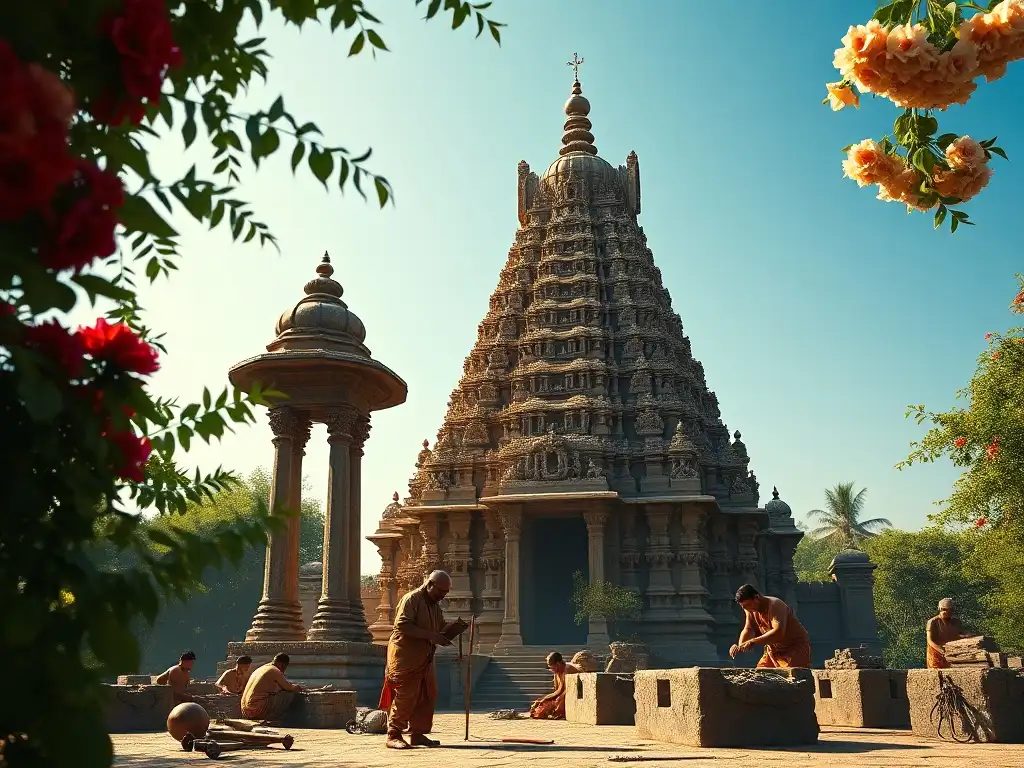
Welcome to Ancient India History, where we embark on a fascinating journey through the rich tapestry of ancient Indian civilizations. Delve into the innovative construction techniques that not only shaped the architectural landscape but also reflect the ingenuity of a culture that thrived from the Indus Valley to the Gupta Empire. As we explore the remarkable advancements and intricate artistry behind these techniques, you'll uncover the secrets that have stood the test of time.
Join us in our latest article, “Ancient Indian Innovations in Construction: A Comparative Study,” and discover how these age-old practices continue to inspire modern engineering marvels. Your adventure into the past starts here—are you ready to unlock the mysteries of ancient craftsmanship?

Introduction to Ancient Indian Construction Techniques
The ancient civilizations of India are renowned for their remarkable innovations, particularly in the realm of construction. From the meticulously planned cities of the Indus Valley to the grand stupas and temples of the Maurya and Gupta empires, ancient Indian construction techniques reflect a deep understanding of materials, engineering principles, and cultural aesthetics.
This article aims to explore the diverse and sophisticated construction methods employed throughout various epochs in Indian history, providing a comparative study that highlights their significance and evolution over time. By delving into the architectural marvels of ancient India, we uncover the ingenuity and advanced technological capabilities that existed long before modern engineering practices.
Importance of Construction Innovations in Ancient India
Ancient Indian construction techniques were not merely about erecting buildings; they represented a synthesis of art, science, and spirituality. The innovations in construction had far-reaching implications for urban development, trade, and cultural exchange. Key aspects include:
- Urban Planning: The cities were often laid out in a grid pattern, showcasing advanced planning.
- Material Utilization: Ingenious use of local materials like clay, stone, and timber demonstrated sustainability.
- Structural Integrity: Techniques such as load-bearing walls and domes contributed to the durability of structures.
- Cultural Significance: Many constructions were imbued with religious and cultural meanings, influencing subsequent architectural styles.
The advances made in construction during ancient times provide invaluable lessons and inspirations for contemporary architects and engineers, emphasizing the importance of historical knowledge in modern practices.
Overview of Key Civilizations and Their Contributions
Ancient Indian construction techniques were shaped by various civilizations, each contributing unique innovations and styles. Here’s a brief overview of the key civilizations and their notable contributions:
| Civilization | Key Contributions |
|---|---|
| Indus Valley Civilization | Urban planning, drainage systems, and standardized baked bricks |
| Maurya Empire | Stone architecture, rock-cut caves, and monolithic structures |
| Gupta Empire | Temples with intricate carvings and advanced dome construction |
| Chola Dynasty | Engineering innovations in temple architecture and bronze casting |
This table illustrates the rich tapestry of construction techniques across different periods, reflecting the ingenuity of ancient Indian architects and builders.
Historical Context of Ancient Indian Construction
Understanding the historical context of ancient Indian construction techniques is essential for appreciating their evolution and significance. Each civilization built upon the knowledge and skills of its predecessors, leading to continuous advancements in architectural practices.
The Indus Valley Civilization: Pioneers of Urban Planning
The Indus Valley Civilization, dating back to around 2500 BCE, is often hailed as one of the earliest examples of urban planning in human history. Key characteristics include:
- Grid Layout: Cities like Mohenjo-Daro and Harappa featured a grid layout, optimizing space and accessibility.
- Advanced Drainage Systems: The civilization implemented sophisticated drainage systems that were unparalleled at the time.
- Standardized Brick Sizes: Use of uniform bricks facilitated construction and stability in buildings.
These innovations not only exemplify the civilization's engineering prowess but also highlight their commitment to public health and urban living.
Maurya and Gupta Empires: Advancements in Architecture
As India transitioned into the Maurya and Gupta empires, construction techniques further evolved, leading to significant architectural achievements:
- Rock-Cut Caves: During the Maurya period, rock-cut caves like those at Ajanta showcased intricate carvings and served as monastic spaces.
- Stupas and Temples: The Gupta period is marked by the construction of grand stupas and temples, featuring elaborate sculptures and advanced dome designs.
- Use of Stone: The shift from mud and brick to stone in construction represented a major advancement, enhancing durability and aesthetic appeal.
The architectural innovations of these empires laid the groundwork for subsequent styles and have left a lasting legacy in the Indian subcontinent.
Regional Variations in Construction Practices
Ancient India was not a monolith; its diverse geography and cultures led to regional variations in construction practices. Factors influencing these differences included:
- Climate: Hot and arid regions employed thick walls for insulation, while cooler areas used materials suited for warmth.
- Cultural Influences: Local traditions and religions shaped architectural styles, as seen in the distinct features of Hindu, Buddhist, and Jain structures.
- Resource Availability: The availability of specific materials influenced construction methods, with stone prevalent in certain regions while others relied on clay and wood.
These regional variations not only enrich the study of ancient Indian construction techniques but also highlight the adaptability and innovation of ancient builders in response to their environment and cultural context.
Comparative Analysis of Ancient Indian Construction Techniques
Ancient Indian construction techniques were a remarkable amalgamation of innovation and adaptation, shaped by the diverse geographical and cultural landscapes of the region. This comparative analysis examines the various methodologies employed in construction, highlighting the ingenuity of ancient Indian builders. Through the lens of materials, architectural styles, and engineering techniques, we can appreciate how these elements coalesced to create enduring structures that have withstood the test of time.
Comparison of Materials Used in Ancient Indian Construction
The choice of materials in ancient Indian construction varied significantly across different regions and periods, influenced by local availability and climatic conditions.
- Brick and Stone: The Indus Valley Civilization is renowned for its use of fired bricks, which were standardized in size, showcasing advanced manufacturing techniques. Stone was also extensively used, particularly in southern India, where granite structures dominate.
- Wood and Bamboo: In the hilly terrains of the Northeast, builders favored timber and bamboo, which were abundant and effective for constructing resilient structures that could withstand earthquakes.
- Mud and Clay: In arid regions, mud and clay were commonly used for creating walls and roofs, utilizing techniques like rammed earth that provided thermal insulation.
This diverse material usage reflects the adaptability of ancient Indian builders, as they optimized local resources to create durable and functional buildings.
Architectural Styles Across Different Regions
Ancient Indian architecture is characterized by distinct styles that evolved over time, influenced by local traditions, religions, and cultural exchanges.
- Indus Valley Architecture: Notable for urban planning, the cities featured grid layouts, drainage systems, and standardized brick sizes.
- Buddhist Architecture: The construction of stupas and monasteries, such as those found in Sanchi and Ajanta, emphasized symbolism and spiritual significance, with elaborate carvings and stupendous domes.
- Hindu Temple Architecture: Styles like Nagara in the North and Dravidian in the South showcased intricate sculptures and towering shikharas (spires), exemplified by temples like the Brihadeeswarar Temple.
- Islamic Influences: The advent of Islamic rule introduced new architectural elements, including domes and minarets, leading to hybrid styles seen in structures like the Qutub Minar.
These regional styles highlight the rich tapestry of ancient Indian architecture, revealing cultural narratives and technological advancements.
Engineering Techniques: A Comparative Perspective
The engineering techniques employed in ancient Indian construction were as varied as the materials and architectural styles.
- Load-Bearing Structures: Many ancient buildings relied on load-bearing walls, which were strategically thickened to support heavy roofs, as seen in the Great Bath of Mohenjo-Daro.
- Vaulting and Arches: The introduction of arches and vaults, particularly in later constructions, allowed for larger and more open spaces, a technique that became prominent during the Gupta period.
- Water Management Systems: Ancient Indians demonstrated advanced knowledge of hydraulics, with intricate drainage systems in Harappan cities and the creation of step-wells for water conservation.
- Geometric Precision: The use of geometric principles in layout design ensured structural stability and aesthetic harmony, evident in the meticulous planning of temples and public structures.
These engineering techniques not only facilitated the construction of monumental structures but also showcased the sophisticated understanding of physics and materials science possessed by ancient Indian builders.
Case Studies of Notable Ancient Indian Structures

To understand the impact and significance of ancient Indian construction techniques, examining notable structures provides valuable insights into their architectural brilliance and engineering prowess.
The Great Bath of Mohenjo-Daro: Engineering Marvel
The Great Bath of Mohenjo-Daro, dating back to around 2500 BCE, is a testament to the advanced engineering skills of the Indus Valley Civilization. This large, rectangular pool, measuring approximately 12 meters by 7 meters, was constructed using baked bricks and featured a complex waterproofing system made from bitumen. The surrounding galleries provided access for ritual bathing, indicating the significance of water in their culture. The precision in construction and attention to drainage systems underscore the sophistication of ancient Indian engineering.
The Stupas of Sanchi: Symbolism and Structural Design
The Stupas of Sanchi, built during the Mauryan Empire around the 3rd century BCE, are iconic examples of Buddhist architecture. The Great Stupa, with its hemispherical dome and circular path for circumambulation, symbolizes the universe in Buddhist cosmology. Its elaborate gateways, adorned with intricate carvings depicting Jataka tales, demonstrate the fusion of spirituality and artistry. The construction techniques employed here, including the use of stone masonry and detailed sculptures, highlight the cultural importance of these structures as centers of pilgrimage and learning.
The Brihadeeswarar Temple: Architectural Mastery of the Chola Dynasty
Constructed in the early 11th century CE, the Brihadeeswarar Temple in Thanjavur stands as a monumental achievement of the Chola dynasty. The temple, dedicated to Lord Shiva, showcases the Dravidian architectural style with its towering vimana (spire) reaching over 66 meters. The use of massive granite blocks, intricate carvings, and a vast courtyard exemplifies the technical prowess and artistic vision of its builders. The temple's design not only served religious purposes but also demonstrated the socio-political power of the Chola Empire, making it a UNESCO World Heritage site today.
Through these case studies, we can appreciate the diverse techniques and cultural influences that shaped ancient Indian construction, leaving a legacy that continues to inspire architectural practices today.
The Impact of Ancient Indian Construction Techniques on Modern Architecture
Ancient Indian construction techniques have significantly influenced modern architecture, showcasing a blend of aesthetics, functionality, and sustainability that continues to resonate today. The architectural marvels of ancient India, characterized by their intricate designs and innovative materials, have inspired architects and engineers worldwide. Structures like the Indus Valley Civilization's urban layouts and the temples of Khajuraho exemplify advanced planning and craftsmanship that remain relevant in contemporary designs.
The use of locally sourced materials, such as stone, wood, and clay, in ancient India is a hallmark of these construction techniques. This practice emphasized harmony with the environment and reduced the carbon footprint, principles that modern architecture increasingly values. Additionally, ancient Indian architects employed advanced techniques such as vaulted roofs and cantilevered structures, which not only optimized space but also ensured structural integrity, aspects that contemporary architects strive to achieve.
Influence on Contemporary Sustainable Practices
Modern architectural practices are heavily influenced by ancient Indian techniques, particularly in the context of sustainability. The principles of passive solar design, which were prevalent in ancient Indian architecture, are now gaining traction as urban planners and architects seek to reduce energy consumption in buildings. For example, the orientation of structures to maximize natural light and ventilation can be traced back to ancient practices, where buildings were designed to adapt to the local climate.
Moreover, the use of mud and natural fibers in construction, as seen in various traditional Indian dwellings, is being revisited in sustainable architecture. These materials not only provide excellent thermal insulation but are also biodegradable, aligning with the modern push towards eco-friendly construction. The ancient practice of rainwater harvesting, evident in historic Indian stepwells, is also being integrated into contemporary designs, showcasing the enduring relevance of these age-old techniques.
Preservation of Ancient Techniques in Modern Construction
The preservation of ancient construction techniques is crucial for maintaining cultural heritage while also enhancing modern infrastructure. Various initiatives in India and around the world aim to revive traditional building methods, ensuring that they are not lost to time. Organizations focused on heritage conservation are documenting these techniques and incorporating them into new projects, thus bridging the gap between the past and present.
Architects are increasingly looking to ancient Indian construction for inspiration, harnessing traditional craftsmanship and modern technology to create innovative designs. By blending ancient practices with contemporary needs, builders are creating structures that honor historical craftsmanship while fulfilling modern functionality. This approach not only preserves cultural identity but also promotes a sustainable future in construction.
Conclusion: Legacy of Ancient Indian Innovations in Construction
The legacy of ancient Indian innovations in construction is profound, influencing not only local architectural styles but also global practices. The ingenuity of ancient builders, who mastered the use of materials and environmental considerations, has laid a foundation for modern architecture that prioritizes sustainability and efficiency.
Summary of Key Findings
Ancient Indian construction techniques have made lasting contributions to modern architecture through their emphasis on sustainability, efficiency, and cultural significance. From the use of local materials to innovative building designs, these techniques continue to inspire contemporary architects and engineers. The revival and integration of these methods into modern construction practices highlight their enduring relevance and potential to shape future architectural trends.
The Continuing Relevance of Ancient Indian Construction Techniques in Today's World
The relevance of ancient Indian construction techniques in today's world cannot be overstated. As society grapples with issues such as climate change and urbanization, the principles inherent in ancient practices offer valuable insights. By embracing these techniques, modern architects can create buildings that not only respect the environment but also reflect the rich cultural heritage of ancient civilizations.
The study of ancient Indian construction techniques reveals a treasure trove of knowledge that can guide contemporary practices. As the world moves towards more sustainable and culturally aware architecture, the innovations of ancient Indian builders will continue to serve as a vital source of inspiration and practical solutions for the challenges of modern construction.
- Introduction to Ancient Indian Construction Techniques
- Historical Context of Ancient Indian Construction
- Comparative Analysis of Ancient Indian Construction Techniques
- Case Studies of Notable Ancient Indian Structures
- The Impact of Ancient Indian Construction Techniques on Modern Architecture
- Conclusion: Legacy of Ancient Indian Innovations in Construction
- What are some ancient Indian construction techniques?
- How did the Indus Valley Civilization influence construction?
- What role did the Gupta Empire play in architectural advancements?
- Are there any notable ancient structures that showcase these techniques?
- How do modern architects appreciate ancient Indian construction?
Frequently Asked Questions
What are some ancient Indian construction techniques?
Ancient Indian construction techniques include the use of high-quality stone, brick-making, and timber framing. These methods were pivotal in building structures like temples and forts that have stood the test of time.
How did the Indus Valley Civilization influence construction?
The Indus Valley Civilization is known for its advanced urban planning and construction techniques, including drainage systems and standardized brick sizes, which laid the groundwork for future architectural practices in India.
What role did the Gupta Empire play in architectural advancements?
The Gupta Empire is renowned for its innovative temple architecture and the introduction of intricate carvings. This period saw a fusion of art and engineering, leading to significant contributions to ancient Indian construction techniques.
Are there any notable ancient structures that showcase these techniques?
Yes, structures such as the Ajanta Caves and Khajuraho temples exemplify ancient Indian construction techniques, showcasing expert craftsmanship and the use of local materials that contributed to their durability and aesthetic appeal.
How do modern architects appreciate ancient Indian construction?
Modern architects study ancient Indian construction techniques to learn about sustainable practices, efficient use of materials, and aesthetic integration with nature, which can inform contemporary building designs and methods.
Final Reflection: The Enduring Legacy of Ancient Indian Construction Techniques
The remarkable ingenuity of ancient Indian construction techniques is not just a relic of the past; it is a testament to the profound understanding of architecture, sustainability, and community that resonates with our modern world. Today, as we grapple with the challenges of urbanization and environmental sustainability, the wisdom embedded in these ancient practices offers invaluable lessons. The ability of ancient Indian builders to harmonize their structures with the natural landscape is a striking reminder of the importance of balance in our contemporary architectural endeavors.
Cultural heritage is not merely a collection of old buildings; it is a living narrative that shapes our identity and influences our future. The innovations of ancient Indian construction have left an indelible mark on the architectural landscape, inspiring contemporary architects and builders to rethink their approaches. As we draw from this rich history, we acknowledge the words of renowned architect Charles Correa: Architecture is not just about building; it’s about creating a space that resonates with the people who inhabit it.
This perspective underscores the ongoing relevance of ancient techniques, urging us to integrate tradition with modernity in our quest for sustainable living.
As we reflect on the lessons from ancient Indian construction, I invite you to consider how these principles can be woven into your own life and work. What can we learn from the past to create a more sustainable and harmonious future? Embrace the spirit of innovation that characterized these ancient builders, and let it inspire you to think creatively about your environment. Whether you are an architect, a student, or simply a curious mind, the legacy of ancient Indian construction techniques calls us to honor our heritage while forging a path toward a more sustainable and thoughtful future.
Unleash the Wisdom of Ancient Construction!
Thank you for diving into the fascinating world of ancient Indian innovations in construction! You’ve explored valuable insights into techniques that have stood the test of time. Now, it’s time to apply this knowledge and discover how these methods can inspire modern practices.
Here are some engaging actions you can take:
- Start a DIY Project: Incorporate ancient techniques into your next building or renovation project. Research materials and methods used in ancient Indian architecture that can enhance contemporary designs.
- Share Your Insights: Discuss the themes of this article with friends and family. Join online forums or social media groups dedicated to ancient architecture and innovations to further the conversation.
- Explore Local Heritage: Visit historical sites or museums that showcase ancient construction methods. Take notes on how these innovations have shaped local architecture today.
What ancient construction method are you excited to implement in your own projects or explore further? **We would love to hear your thoughts! **