
The Challenges Faced by Ancient Indian Engineers and Their Solutions

Welcome to Ancient India History, where we embark on a fascinating journey through the remarkable tapestry of ancient Indian civilizations. Discover the ingenuity and resilience of engineers who tackled daunting challenges in a time long past. In our featured article, "The Challenges Faced by Ancient Indian Engineers and Their Solutions," we delve into the intricate world of ancient Indian engineering challenges and unveil the innovative solutions that shaped technology and infrastructure.
Prepare to be captivated as we explore how these pioneers overcame obstacles that would inspire generations to come. Join us in uncovering the secrets of the past and let your curiosity guide you through the rich legacy of ancient India!
- Introduction to Ancient Indian Engineering Challenges
- Major Challenges Faced by Ancient Indian Engineers
- Solutions Implemented by Ancient Indian Engineers
- Case Studies of Successful Ancient Indian Engineering Projects
- Legacy of Ancient Indian Engineering
- Conclusion
-
Frequently Asked Questions
- What were some major engineering challenges faced by ancient Indian engineers?
- How did ancient Indian engineers address these challenges?
- What role did geography play in ancient Indian engineering?
- Can you provide examples of successful ancient Indian engineering projects?
- How did the challenges faced by ancient Indian engineers influence future generations?
- Final Reflection: Embracing the Legacy of Ancient Indian Engineering Challenges
- Unleash Your Inner Engineer!
Introduction to Ancient Indian Engineering Challenges
The field of engineering in ancient India is a testament to the ingenuity and resourcefulness of its civilizations. Spanning thousands of years, from the sophisticated urban planning of the Indus Valley Civilization to the monumental architecture of the Gupta Empire, ancient Indian engineers faced numerous challenges that tested their skills and creativity.
These challenges were not merely obstacles; they were catalysts for innovation, leading to groundbreaking solutions that laid the foundation for future advancements in technology and construction. In this article, we will explore the unique engineering challenges faced by ancient Indian engineers, the techniques they employed to overcome these issues, and the lasting impact of their contributions on contemporary engineering practices.
Overview of Ancient Indian Engineering
Ancient Indian engineering is characterized by a remarkable blend of artistry and functionality. Engineers of the time tackled various challenges, ranging from geological and climatic conditions to resource scarcity and societal needs. Some of the most notable engineering feats include:
- Urban Planning: The cities of the Indus Valley, such as Harappa and Mohenjo-Daro, showcased advanced urban planning. Engineers implemented intricate drainage systems, grid layouts, and standardized brick sizes, which were crucial for managing the geography of the region.
- Water Management: Ancient Indian engineers developed sophisticated irrigation systems to harness water from rivers and monsoon rains. The construction of step wells, tanks, and canals facilitated agricultural productivity, particularly in arid regions.
- Transportation: The construction of roads and maritime trading routes was vital for commerce. Engineers devised sturdy pathways and harbors, enhancing connectivity between different regions.
- Architectural Marvels: From the rock-cut caves of Ajanta and Ellora to the grand temples of Khajuraho, ancient Indian architects and engineers demonstrated exceptional skills in stone masonry and structural integrity.
These examples highlight the breadth of engineering practices that emerged in ancient India, reflecting a deep understanding of the environment and the needs of society.
Significance of Addressing Engineering Challenges
Addressing engineering challenges was crucial for the sustainability and development of ancient Indian civilizations. The solutions implemented not only resolved immediate issues but also fostered long-term benefits, including:
- Cultural Legacy: The engineering accomplishments of ancient India have left a lasting cultural imprint, influencing subsequent architectural styles and engineering practices across the world.
- Economic Growth: Effective engineering solutions in agriculture and trade infrastructure stimulated economic growth, allowing civilizations to thrive and expand.
- Technological Innovations: The challenges faced often led to innovative technologies and methods that were ahead of their time, such as advanced metallurgy and construction techniques.
- Environmental Adaptation: Engineers developed strategies to adapt to diverse climatic and geographical conditions, showcasing resilience and innovation in the face of adversity.
Ancient Indian engineering challenges were not just obstacles but opportunities for growth and innovation. The solutions crafted by engineers of the time not only shaped their society but continue to inspire modern engineering practices today.
Major Challenges Faced by Ancient Indian Engineers
Environmental Challenges in Ancient India
Ancient Indian engineers faced a myriad of environmental challenges that shaped their engineering practices and innovations. The subcontinent's diverse geography, ranging from the arid deserts of Rajasthan to the lush wetlands of Kerala, necessitated unique solutions tailored to various environmental conditions.
Adapting to Diverse Landscapes
The adaptability of ancient Indian engineers is evident in their ability to construct sophisticated structures across different terrains. For instance, in the arid regions, like the Thar Desert, engineers developed techniques to build robust structures using locally available materials such as sandstone. They employed methods like rammed earth construction, which utilized compacted soil to create durable walls that could withstand extreme heat.
In contrast, in the hilly terrains of the Western Ghats, engineers faced challenges such as landslides and heavy rainfall. They constructed terraced farming systems and retaining walls to prevent soil erosion and manage water runoff, showcasing their ingenuity in adapting to local conditions.
Managing Water Resources Effectively
Water management was paramount for the survival and prosperity of ancient Indian civilizations. The Indus Valley civilization is renowned for its advanced drainage systems and well-planned urban layouts that included sophisticated water management techniques. The engineers of this era dug extensive canals and reservoirs to facilitate irrigation and meet the water needs of growing populations.
Moreover, the construction of large-scale stepwells in various regions served dual purposes: providing drinking water and enabling irrigation during dry seasons. These structures highlight the ancient engineers' understanding of hydrology and their ability to harness natural resources effectively.
Technological Limitations in Engineering
Despite their remarkable achievements, ancient Indian engineers faced significant technological limitations that impacted their construction methodologies. The lack of advanced tools and machinery posed challenges in the execution of complex engineering projects.
Lack of Advanced Tools and Machinery
The engineering practices of ancient India were primarily reliant on manual labor and rudimentary tools. Without modern machinery, engineers had to find innovative ways to transport heavy materials and execute intricate designs. For example, the construction of monumental structures like the Brihadeeswarar Temple required the careful alignment of massive stones, which were transported using simple sledges and manpower.
Additionally, the absence of tools such as cranes meant that engineers had to employ lever systems and scaffolding made of bamboo or wood to lift and position stones accurately. This reliance on basic tools underscores their remarkable ingenuity in overcoming mechanical constraints.
Challenges in Material Sourcing and Quality
Sourcing quality materials was another critical challenge that ancient Indian engineers had to navigate. The availability of specific stones, metals, and timber varied across regions, influencing construction practices. For example, while granite was abundant in South India, it was less common in the North, leading to regional variations in architectural styles.
Engineers often had to ensure that the materials used were not only locally sourced but also durable enough to withstand the test of time. They developed techniques such as stone polishing and lime mortar formulation to enhance the longevity and aesthetic appeal of their structures. The ability to adapt to material limitations and innovate accordingly is a testament to the resilience and resourcefulness of ancient Indian engineering practices.
Societal and Cultural Challenges
Ancient Indian engineers faced a multitude of societal and cultural challenges that significantly influenced their work and the outcomes of their engineering projects. These challenges were deeply rooted in the social fabric of ancient Indian society, which was characterized by a complex hierarchy and diverse cultural attitudes towards labor and craftsmanship. Understanding these challenges provides valuable insights into how ancient Indian civilizations navigated obstacles in their engineering endeavors.
Influence of Social Structures on Engineering Projects
The social structures prevalent in ancient India, particularly the caste system, had a profound impact on engineering projects. Engineers and artisans were often classified into specific castes, which dictated their roles and responsibilities in society. For example, the Shudras, typically associated with manual labor, were responsible for construction and engineering tasks, while the Brahmins, seen as the intellectual elite, were more involved in theoretical aspects and planning.
This division of labor often led to:
- Limited Collaboration: The rigid caste boundaries restricted collaboration between different groups, which could have fostered innovation and improved engineering practices.
- Resource Allocation: Access to resources was influenced by social status, meaning that engineers from lower castes might not receive the same support or materials as those from higher castes. This disparity could hinder project execution.
- Skill Transmission: Knowledge and skills were often passed down within castes, which could lead to a lack of diversity in engineering techniques and approaches, stifling creativity and adaptation to new challenges.
Despite these limitations, ancient Indian engineers demonstrated remarkable ingenuity in overcoming these social constraints, often finding ways to collaborate across caste lines for significant projects, such as the construction of temples and water management systems.
Cultural Perceptions of Engineering and Labor
Cultural perceptions of engineering and labor in ancient India also played a crucial role in shaping the environment in which engineers operated. Engineering was often viewed through a lens of spiritual and philosophical significance. Craftsmanship and construction were not merely practical endeavors; they were considered forms of art that had intrinsic value.
Several factors influenced these perceptions:
- Spiritual Significance: Many engineering projects, such as temples and monuments, were designed with religious purposes in mind. This spiritual connection elevated the status of engineering but also imposed additional responsibilities on engineers, requiring them to align their work with cultural and religious ideals.
- Artisan Prestige: While engineering was sometimes seen as a lower-status profession, skilled artisans could attain considerable respect within their communities. This respect was often contingent upon their ability to produce aesthetically pleasing and functionally sound structures, which created a dual pressure to excel both technically and artistically.
- Social Recognition: The success of engineering projects often depended on public perception. Engineers and builders needed to earn the trust and approval of the community, which could be influenced by stories of past achievements or failures.
Societal and cultural challenges profoundly shaped ancient Indian engineering practices. By navigating these complexities, ancient Indian engineers provided solutions that not only addressed practical needs but also resonated with the cultural and spiritual values of their time. Their ability to adapt and innovate within these constraints is a testament to their ingenuity and resourcefulness, leaving a lasting legacy in the history of engineering.
Solutions Implemented by Ancient Indian Engineers
Innovative Techniques in Construction
Ancient Indian engineers faced numerous challenges in their quest to construct enduring structures, ranging from the harsh environmental conditions to the limitations of the available technology. To overcome these obstacles, they implemented several innovative techniques that not only showcased their engineering prowess but also reflected a deep understanding of local conditions and materials.
Use of Local Materials and Resources
One of the key strategies employed by ancient Indian engineers was the utilization of local materials. This practice not only minimized transportation costs but also ensured that the materials were well-suited to the local climate and geography.
- Stone and Brick: Engineers often sourced stone from nearby quarries and used locally fired bricks, which were crafted using indigenous clay. This not only ensured durability but also facilitated the construction of intricate designs.
- Bamboo and Wood: In regions abundant with forests, bamboo and timber were extensively used for scaffolding and structural elements. Their lightweight nature made them ideal for supporting larger structures during construction.
- Natural Binding Agents: The use of natural binding materials, such as lime and mud, was prevalent. These materials were environmentally friendly and provided excellent adhesion between building components.
Development of Advanced Architectural Techniques
Ancient Indian engineers also developed advanced architectural techniques that addressed both aesthetic and structural challenges.
- Arches and Domes: The introduction of arches and domes in temples and palaces not only enhanced the aesthetic appeal but also distributed weight more evenly, providing stability against seismic activities.
- Vastu Shastra: This ancient Indian architectural science guided engineers on the principles of design, layout, and spatial arrangement, ensuring that buildings harmonized with their environment. Incorporating these principles allowed for structures that were both functional and spiritually aligned.
- Modular Construction: Techniques such as modular construction were used, allowing for flexibility and adaptability in building designs. This was especially relevant in the construction of large complexes, enabling engineers to address varying spatial needs effectively.
Water Management Solutions
Water management was another critical area where ancient Indian engineers excelled. Given the agrarian society of ancient India, effective water management solutions were essential for irrigation and domestic use.
Creation of Stepwells and Water Harvesting Systems
Ancient engineers devised sophisticated water management systems, including intricate stepwells and water harvesting structures, to combat water scarcity.
- Stepwells: These multi-story wells, characterized by a series of steps leading down to the water, were ingeniously designed to collect rainwater and provide access to water during dry seasons. Notable examples include the Rani Ki Vav in Gujarat, which showcases elaborate carvings and engineering excellence.
- Water Harvesting Systems: Engineers developed various water harvesting systems that collected and stored rainwater, replenishing groundwater levels. These systems often included check dams and small reservoirs, which played a crucial role in sustaining agriculture in arid regions.
Development of Irrigation Techniques
To support agriculture, ancient Indian engineers implemented advanced irrigation techniques that maximized the efficiency of water use.
- Canal Systems: Extensive canal networks were established to divert river water to agricultural fields. These canals were meticulously designed to ensure a steady flow, minimizing wastage and maximizing crop yields.
- Lift Irrigation: Innovative lift irrigation techniques were developed, which involved the use of simple mechanical devices to raise water from lower to higher elevations. Such techniques allowed for the irrigation of terraced fields in hilly regions, demonstrating the adaptability of ancient engineers to various topographies.
Through these innovative solutions, ancient Indian engineers not only addressed the immediate challenges they faced but also laid the groundwork for future engineering practices, showcasing their remarkable ingenuity and resourcefulness.
Collaboration and Knowledge Sharing
Ancient Indian engineers faced numerous challenges in their quest to develop sophisticated infrastructure and construction techniques. To address these issues, collaboration and knowledge sharing became essential components of their engineering endeavors. The pooling of resources, skills, and expertise allowed these engineers to tackle complex problems more effectively and innovate solutions that would stand the test of time.
Collaboration often took place within communities, where artisans, builders, and engineers would come together to share their knowledge and techniques. This synergy not only enhanced the quality of construction but also fostered a culture of continuous improvement. By working collectively, they could identify common challenges and develop standardized methods that ensured consistency and reliability in their projects.
Additionally, knowledge sharing extended beyond local communities. Ancient engineers participated in regional networks that facilitated the exchange of ideas and innovations across vast distances. Such interactions were crucial in disseminating advanced engineering practices, materials, and technologies, which led to the evolution of construction techniques. The development of monumental structures like temples, palaces, and fortifications across different regions of India can be attributed to this collaborative spirit.
Role of Guilds and Communities in Engineering
The role of guilds and communities in ancient Indian engineering cannot be overstated. These guilds, known as shrenis, were associations of craftsmen, traders, and laborers who specialized in specific trades. Each guild operated under a system of mutual support and shared responsibility, which played a pivotal role in addressing engineering challenges.
Guilds not only provided technical expertise but also established standards for quality and efficiency in construction. Members shared craftsmanship techniques, tools, and resources, which enhanced their collective capabilities. For example, the construction of complex structures like the stepwells in Gujarat was a collaborative effort involving multiple guilds, each contributing their specialized knowledge.
Moreover, guilds served as a protective network for their members, ensuring fair practices and safeguarding their interests. They often negotiated with local rulers for contracts and resources, thereby securing the necessary support for large engineering projects. This structure allowed for the successful execution of ambitious projects, such as road systems and irrigation canals, which were vital for agricultural and economic stability.
Transmission of Knowledge through Oral Traditions
In ancient India, the transmission of knowledge was not solely reliant on written texts; oral traditions played a crucial role in preserving engineering techniques and wisdom. This method of knowledge sharing was particularly significant in societies where literacy rates were low or where knowledge was deemed sacred and not meant to be documented.
Oral traditions included storytelling, songs, and practical demonstrations, which allowed engineers to learn from their elders and peers. Through these means, complex concepts regarding construction, material properties, and environmental considerations were passed down through generations. For example, the intricate knowledge required to construct the elaborate temples of Khajuraho was often conveyed through apprenticeships, where young craftsmen learned directly from experienced builders.
Additionally, oral traditions allowed for adaptability. As conditions changed—be it climatic, social, or technological—engineers could modify their practices based on the lessons learned from previous experiences, ensuring that their methods remained relevant and effective. The rich tapestry of oral narratives surrounding engineering feats not only encapsulated technical knowledge but also embedded cultural values and historical context, making it a vital aspect of ancient Indian engineering heritage.
Case Studies of Successful Ancient Indian Engineering Projects
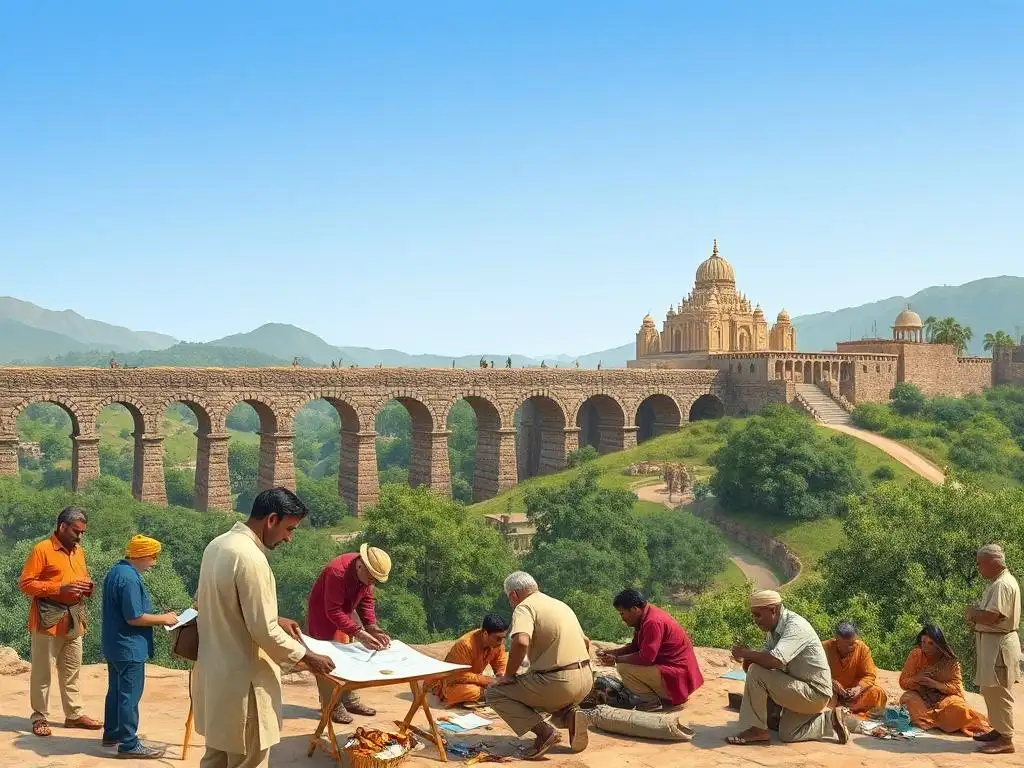
The Great Bath of Mohenjo-Daro
The Great Bath of Mohenjo-Daro, one of the most iconic structures of the Indus Valley Civilization, exemplifies the engineering prowess of ancient Indian civilization. Dating back to around 2500 BCE, this remarkable structure served not only as a public bathing area but also as a potential site for ritualistic activities. The design and construction reveal significant insights into the challenges faced by ancient Indian engineers.
Design and Construction Challenges
The construction of the Great Bath presented several engineering challenges, including:
- Waterproofing: Ensuring that the large rectangular pool retained water was paramount, given its intended use for bathing and rituals.
- Structural Integrity: The walls and floors had to be solid enough to withstand the weight of water and the potential pressure from surrounding earth.
- Drainage and Filtration: An effective drainage system was essential to manage water levels and maintain hygiene, especially in a public facility.
The engineers faced the formidable task of creating a robust design that would not only stand the test of time but also serve its functional purpose efficiently.
Solutions Employed by Engineers
The engineers of the Indus Valley employed several innovative techniques to address these challenges:
- Bitumen and Plaster: To waterproof the Great Bath, a mixture of bitumen (a natural tar) and plaster was used on the walls and floor. This ensured minimal water seepage and allowed the structure to hold water for extended periods.
- Burnt Brick Construction: The use of well-fired bricks provided both durability and strength to the walls, ensuring that they could support the weight of the water contained within.
- Advanced Drainage System: An intricate drainage system, complete with terracotta pipes, facilitated the flow of water in and out of the bath. This system prevented stagnation and maintained cleanliness, showcasing advanced engineering practices for its time.
The Iron Pillar of Delhi
The Iron Pillar of Delhi, a monumental structure standing at 7 meters tall, is a remarkable example of ancient Indian metallurgical skill. Erected during the Gupta period (around 400 CE), this pillar is renowned not only for its height but also for its resistance to corrosion, which has puzzled scientists for centuries.
Engineering Challenges of Durability
The primary challenge faced by the engineers who constructed the Iron Pillar was corrosion resistance. Given the atmospheric conditions in Delhi, iron structures are typically prone to rust and degradation over time. Key challenges included:
- Environmental Factors: The effects of moisture, pollution, and environmental conditions could significantly accelerate the deterioration of iron.
- Material Quality: Ensuring that the iron used was of high quality and suitable for outdoor exposure was a significant concern.
These challenges posed significant threats to the longevity and structural integrity of the pillar.
Solutions to Corrosion and Preservation
Ancient Indian engineers implemented several ingenious solutions to combat corrosion and enhance the durability of the Iron Pillar:
- Metallurgical Techniques: The iron used in the pillar was produced through advanced smelting techniques that resulted in a high phosphorus content. This unique composition significantly increased its resistance to corrosion.
- Surface Treatment: Evidence suggests that the surface of the pillar may have been treated with oils or other substances that could have formed a protective layer against atmospheric elements.
- Design Considerations: The pillar's design, including its substantial height and weight, contributed to its stability and reduced the risk of damage from external forces.
The Iron Pillar of Delhi stands as a testament to the innovative solutions employed by ancient Indian engineers to overcome the challenges posed by their environment, showcasing a remarkable blend of engineering skill and materials science.
The Stepwells of Rajasthan
The stepwells of Rajasthan are remarkable examples of ancient Indian engineering, showcasing the ingenuity and adaptability of engineers in response to the arid environment of the region. These architectural marvels, known locally as "baoris" or "baolis," were constructed mainly between the 6th and 11th centuries CE, serving as vital sources of water for communities. The stepwells not only provided access to groundwater but also played a crucial role in social and cultural activities, acting as gathering places and venues for rituals.
Designed with multiple levels, stepwells feature a series of steps that descend into the ground, allowing people to reach the water table easily. These structures often include intricate carvings, columns, and platforms, reflecting the artistic capabilities and aesthetic sensibilities of the time. The most famous stepwells, such as the Rani ki Vav in Patan and the Chand Baori in Abhaneri, exemplify the fusion of utility and beauty in ancient Indian architecture.
Challenges of Water Storage and Accessibility
In Rajasthan's arid climate, the scarcity of water posed significant challenges for ancient engineers. The region experiences long dry spells, making reliable water sources essential for agriculture, drinking, and daily life. The difficulty in accessing underground water sources necessitated innovative solutions to ensure a consistent supply.
- Seasonal Variability: The monsoon season provides a brief period of rainfall, but the majority of the year remains dry. Engineers had to devise methods to collect and store rainwater effectively, preventing it from evaporating or running off.
- Groundwater Depletion: Over-extraction of groundwater was a concern, especially in densely populated areas. Engineers needed to create systems that allowed for sustainable water usage while replenishing the aquifers.
- Social Accessibility: The need for equitable access to water was paramount. Stepwells had to be designed to accommodate large numbers of people, ensuring that all community members could benefit from the water supply.
Innovative Engineering Solutions
To address the challenges of water storage and accessibility, ancient Indian engineers employed several innovative solutions in the design and construction of stepwells:
- Multi-Level Design: The tiered structure allowed for the collection of rainwater at various levels, maximizing storage capacity. This design also facilitated easy access for people and livestock alike.
- Sculpted Walls and Inlets: Engineers carved intricate channels and inlets into the walls of the stepwells to direct rainwater into the reservoir. The sculpted architecture not only enhanced functionality but also provided aesthetic appeal.
- Water Filtration Systems: Some stepwells incorporated natural filtration systems using layers of sand and gravel to purify the water collected, ensuring it was safe for consumption.
- Cultural Integration: Stepwells often included adjoining temples and gathering spaces, making them important social and spiritual hubs. This integration encouraged community maintenance and usage, ensuring the structures remained functional over time.
The stepwells of Rajasthan exemplify the remarkable engineering capabilities of ancient Indian civilizations. Despite facing significant challenges related to water scarcity and accessibility, innovative solutions enabled the successful construction of these vital structures, which continue to be celebrated for their historical and cultural significance.
Legacy of Ancient Indian Engineering
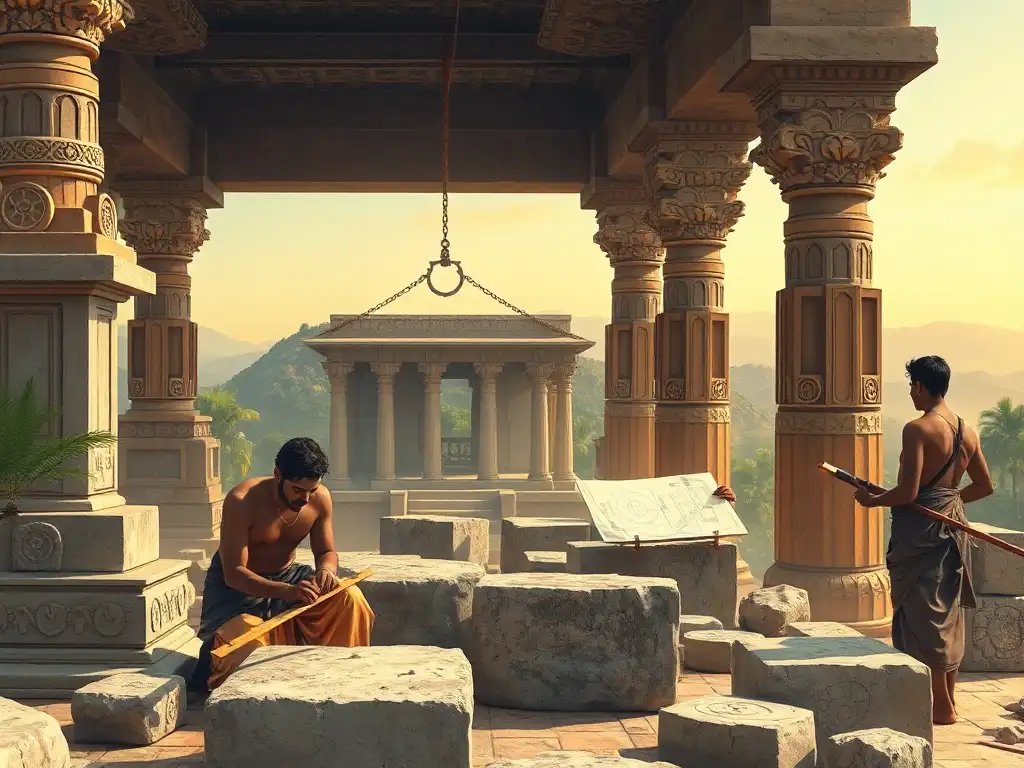
The legacy of ancient Indian engineering is a remarkable testament to the ingenuity and skill of engineers from various civilizations that flourished in the subcontinent. From the sophisticated urban planning of the Indus Valley Civilization to the monumental architecture of the Gupta Empire, ancient Indian engineers tackled numerous challenges that required innovative solutions, many of which continue to influence modern engineering practices today.
Impact on Modern Engineering Practices
The challenges faced by ancient Indian engineers led to numerous developments that have shaped contemporary engineering methodologies. Here are some key areas where ancient Indian engineering has made a significant impact:
- Urban Planning and Infrastructure:
- The well-planned cities of the Indus Valley, such as Mohenjo-Daro and Harappa, showcased advanced urban planning principles. The grid layout of streets, drainage systems, and standardized brick sizes are concepts still relevant in modern urban design.
- The ancient engineers dealt with land surveying and water management challenges, leading to effective drainage systems that minimized flooding—a principle utilized in today’s civil engineering projects.
- Water Management Techniques:
- Ancient Indian civilizations developed intricate systems for water harvesting and irrigation, such as the stepwells and tanks. These methods are crucial in water-scarce regions today and have inspired modern sustainable water management practices.
- The use of the Persian wheel (revolving water-lift) for irrigation demonstrated innovative engineering solutions to agricultural challenges, influencing modern pump designs.
- Construction Techniques:
- The architectural marvels of ancient temples and forts, built with enduring materials, provide insights into sustainable construction practices. For instance, the use of locally sourced materials not only reduced costs but also ensured that structures were resilient.
- The concepts of load distribution and structural integrity observed in ancient Indian architecture inform modern engineering practices, particularly in earthquake-resistant designs.
- Mathematics and Astronomy:
- Ancient Indian engineers and mathematicians developed sophisticated concepts in geometry and trigonometry, which are foundational to modern engineering calculations. The Sulba Sutras, for example, provided guidelines for constructing altars and other structures using precise measurements.
- The integration of astronomy into building designs, considering celestial alignments and seasonal changes, highlights the holistic approach ancient engineers took, which is increasingly relevant in environmentally conscious architecture today.
The advancements made by ancient Indian engineers not only addressed the immediate challenges of their time but also laid the groundwork for future innovations. Their ability to adapt and innovate in the face of adversity has left a profound legacy that continues to resonate within modern engineering disciplines.
Lessons Learned from Ancient Indian Engineering Challenges
The challenges faced by ancient Indian engineers provide valuable lessons that can be applied to contemporary engineering practices. Understanding how these challenges were met and overcome can inspire modern engineers to innovate and adapt in a rapidly changing world.
- Adaptation to Environmental Conditions:
- Ancient Indian engineers often worked within the constraints of their environment, including varying climates and geographical features. The development of flood-resistant structures and efficient irrigation systems illustrates the importance of adaptability—a crucial lesson for engineers dealing with climate change today.
- Interdisciplinary Collaboration:
- The complexity of the engineering challenges required collaboration among various disciplines, including mathematics, architecture, and environmental science. This interdisciplinary approach is essential for modern engineering projects, which often involve diverse fields working together to solve complex problems.
- Sustainable Practices:
- The emphasis on sustainability in ancient Indian engineering—such as the use of natural materials and resource-efficient methods—offers a model for current practices. Engineers today are increasingly called to develop solutions that minimize environmental impact, and the ancient practices serve as a reference point for sustainable innovation.
- Emphasis on Community and Social Impact:
- Ancient engineers considered the social implications of their projects, ensuring that infrastructure served the community effectively. Modern engineers can learn from this perspective, emphasizing community engagement and social responsibility in their designs and implementations.
- Resilience through Innovation:
- The ability of ancient engineers to invent new solutions in response to challenges—be it through the construction of durable structures or the development of agricultural techniques—underscores the importance of resilience and innovation. Today's engineers must embrace a similar mindset, fostering creativity and problem-solving skills to navigate complex modern challenges.
The challenges faced by ancient Indian engineers not only shaped their societies but also left an indelible mark on the field of engineering as a whole. By studying their approaches and solutions, modern engineers can glean insights that are both timeless and timely, paving the way for future advancements in technology and construction.
Conclusion
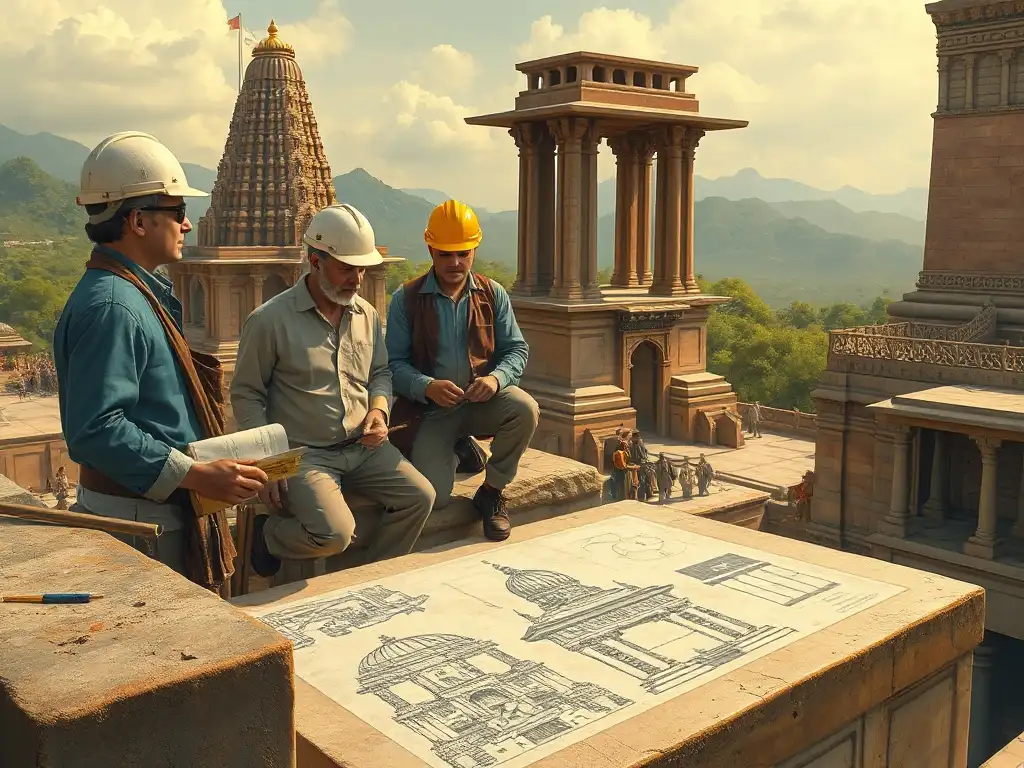
Summary of Ancient Indian Engineering Challenges and Solutions
Throughout history, ancient Indian engineers encountered numerous challenges that tested their ingenuity and resourcefulness. From the sophisticated urban planning of the Indus Valley Civilization to the monumental architecture of the Gupta Empire, these engineers faced obstacles related to materials, environmental conditions, and socio-political dynamics. Some of the key challenges included:
- Material Limitations: The availability of suitable building materials varied significantly across regions. Engineers had to innovate with local resources, often employing techniques such as mudbrick construction in the Indus Valley or using stone in the temples of South India.
- Topographic and Climatic Conditions: The diverse geography of India posed challenges, such as constructing irrigation systems in arid regions or building stable structures in earthquake-prone areas. Engineers devised solutions like the stepwell, which showcased their ability to manage water resources effectively.
- Technological Constraints: The lack of advanced tools and machinery meant that ancient engineers relied heavily on manual labor and simple machines, such as levers and pulleys. Ingenious applications of these simple tools allowed for the construction of large structures, including the intricate carvings found in temples and caves.
- Socio-Political Factors: Changes in political power often disrupted ongoing projects or altered resource availability. Engineers had to be adaptable, shifting their methods and designs according to the circumstances imposed by the ruling powers.
Despite these challenges, ancient Indian engineers developed a remarkable array of solutions that not only addressed immediate problems but also contributed to the longevity of their structures. Innovations such as the use of interlocking stones in construction and the development of advanced drainage systems exemplify their ability to respond creatively to the obstacles they faced.
The Importance of Preserving Ancient Engineering Knowledge
The engineering knowledge of ancient India is a treasure trove that holds significant value not only for historians and archaeologists but also for modern engineers and architects. Understanding the solutions devised by ancient Indian engineers can inspire contemporary innovations and sustainable practices in construction and resource management.
- Cultural Heritage: Preserving the knowledge of ancient engineering is crucial for appreciating the cultural heritage of India. It provides insights into the social, economic, and technological contexts of various civilizations, fostering a sense of identity and continuity.
- Sustainable Practices: Many ancient engineering techniques were inherently sustainable, utilizing local materials and minimizing environmental impact. By studying these practices, modern engineers can glean valuable lessons in sustainability that are increasingly vital in today’s world.
- Innovation Inspiration: The creative problem-solving methods employed by ancient engineers can serve as inspiration for tackling modern engineering challenges. Their ability to adapt to constraints and think outside the box can encourage innovative approaches in contemporary engineering projects.
The study of ancient Indian engineering challenges and their solutions is not merely an academic exercise; it is a pathway to understanding the ingenuity of past civilizations and applying those lessons to forge a sustainable future.
Frequently Asked Questions
What were some major engineering challenges faced by ancient Indian engineers?
Ancient Indian engineers encountered natural obstacles like floods and earthquakes, as well as resource limitations that hindered construction and infrastructure development.
How did ancient Indian engineers address these challenges?
They utilized innovative techniques such as advanced water management systems, including tanks and canals, and employed local materials to create durable structures.
What role did geography play in ancient Indian engineering?
The diverse geography of India, with its mountains, rivers, and plains, influenced engineering projects by necessitating adaptations in design and construction methods.
Can you provide examples of successful ancient Indian engineering projects?
Notable projects include the Indus Valley drainage systems and the architecture of the Gupta Empire, which showcased advanced planning and construction techniques.
How did the challenges faced by ancient Indian engineers influence future generations?
The solutions developed by ancient engineers laid the groundwork for later civil engineering practices and inspired subsequent architectural innovations throughout India.
Final Reflection: Embracing the Legacy of Ancient Indian Engineering Challenges
The challenges faced by ancient Indian engineers were not merely obstacles; they were catalysts for innovation and resilience. In a world where technology and infrastructure are often taken for granted, reflecting on the ingenuity of these early engineers reminds us of the profound impact that creativity and perseverance can have in overcoming adversity. The lessons drawn from their experiences are not only relevant today but serve as a powerful reminder of the human spirit's capacity to innovate in the face of daunting challenges.
The legacy of ancient Indian engineering continues to shape our cultural and social landscape, inspiring modern engineers and architects alike. The intricate designs of ancient structures, the sophisticated water management systems, and the sustainable practices employed by these engineers are testaments to their foresight and adaptability. As we navigate our own challenges in contemporary engineering, we can draw inspiration from their wisdom. Innovation is the ability to see change as an opportunity – not a threat.
This quote encapsulates the essence of how ancient Indian engineers approached their challenges, and it serves as a guiding principle for us today.
As we conclude our exploration of ancient Indian engineering challenges, I invite you to reflect on your own obstacles and consider how you can transform them into opportunities for growth and innovation. Let the stories of these remarkable engineers inspire you to embrace challenges with creativity and resilience. Whether in your personal life or professional endeavors, remember that every challenge is a stepping stone toward greater achievements. Embrace the spirit of ancient Indian engineering and strive to create solutions that will leave a lasting impact on the world around you.
Unleash Your Inner Engineer!
Thank you for diving into the fascinating world of ancient Indian engineering! By exploring the challenges these brilliant minds faced, you’ve gained valuable insights into their innovative solutions and remarkable resilience. Now, it’s time to put that inspiration into action!
Here are some steps you can take to further connect with this incredible history:
- Explore local engineering marvels: Visit a nearby historical site and uncover the engineering techniques used in its construction. Share your findings on social media to spark curiosity and discussions!
- Join a community of enthusiasts: Connect with online forums or local clubs focused on ancient engineering or history. Engaging with others can lead to exciting discoveries and collaborations!
- Consider your own projects: Think about a challenge you could solve today using principles derived from ancient engineering. Brainstorm and sketch out your ideas; you might just uncover a winning solution!
What aspect of ancient Indian engineering inspires you the most, and how might it influence your own problem-solving approach today?