
The Secrets Behind Ancient Indian Water Management Systems

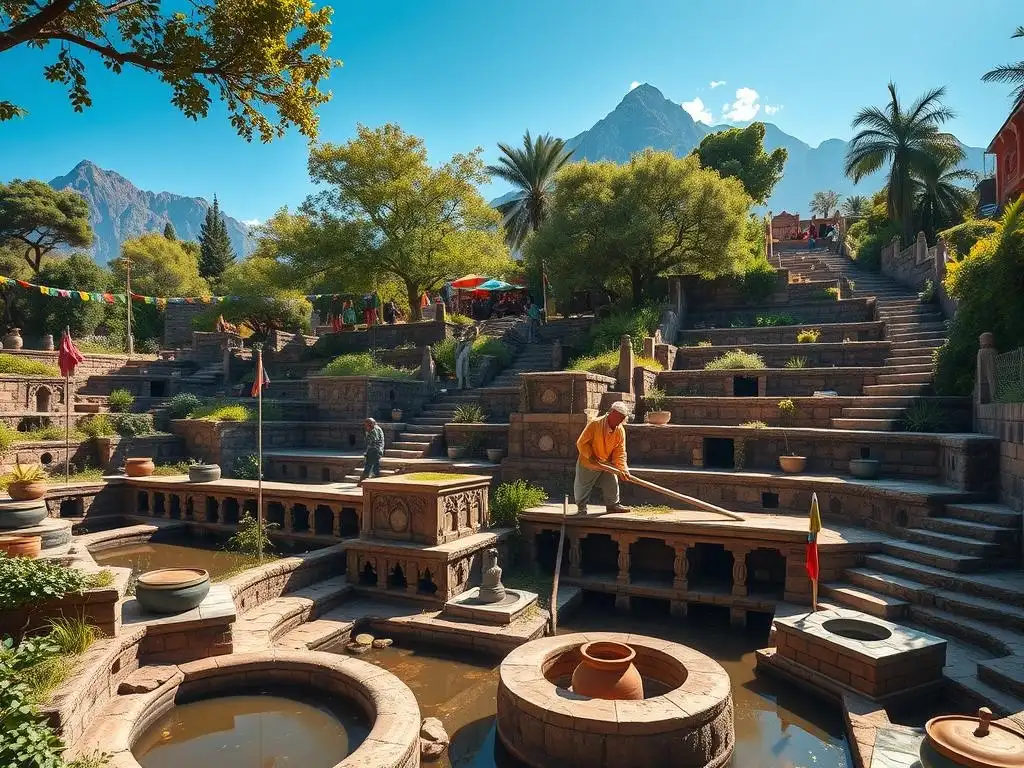
Welcome to Ancient India History, where we delve deep into the rich tapestry of civilizations that shaped our world. In this exploration, we unveil the secrets behind ancient Indian water management systems, a remarkable achievement that showcases the ingenuity and foresight of our ancestors. As we journey through time, you'll discover how these innovative techniques not only supported thriving cities from the Indus Valley to the Gupta Empire but also laid the foundation for sustainable living.
Prepare to be captivated as we unlock the mysteries of a vital aspect of ancient technology and its enduring impact on our present and future. Read on to quench your curiosity!
Introduction to Ancient Indian Water Management Systems
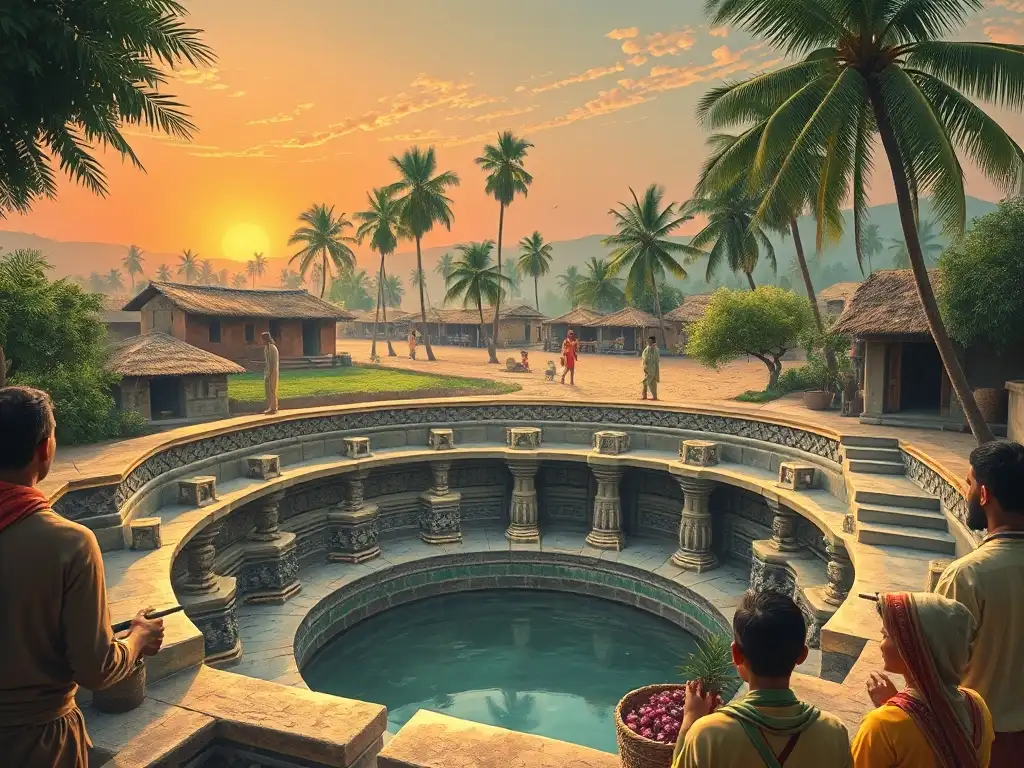
The intricate and sophisticated water management systems of ancient India are a testament to the engineering prowess and innovative spirit of its civilizations. These systems, which emerged as early as the Indus Valley Civilization, played a pivotal role in sustaining agriculture, urban life, and trade in a region characterized by diverse climatic conditions and geographic challenges. From advanced irrigation techniques to intricate drainage systems, the ancient Indian approach to water management not only facilitated the growth of settlements but also laid the groundwork for future innovations in engineering and environmental sustainability.
Overview of Water Management in Ancient India
Ancient India witnessed the development of various water management systems that catered to the needs of its people. These systems can be categorized into several key areas:
- Irrigation Systems: Channels, ditches, and wells were constructed to harness water from rivers and monsoon rains. Techniques such as surface irrigation and tubewells were commonly used.
- Rainwater Harvesting: Many communities developed methods to collect and store rainwater, utilizing reservoirs and stepwells to ensure a reliable water supply during dry seasons.
- Drainage Systems: Well-planned drainage systems helped in managing excess water, preventing flooding, and maintaining hygiene in urban areas.
The effectiveness of these systems can be seen in the archaeological remains of ancient cities, where remnants of sophisticated plumbing and water storage facilities have been uncovered.
Importance of Water Management for Ancient Civilizations
Water management was crucial for the survival and prosperity of ancient Indian civilizations. Here are some reasons why:
- Agricultural Sustainability: Effective water management ensured a steady supply of water for irrigation, which was vital for agriculture, the backbone of the economy.
- Urban Development: Cities like Mohenjo-Daro and Harappa thrived due to their advanced water management systems that supported large populations.
- Cultural Significance: Water bodies were central to religious and cultural practices, influencing social structures and community life.
Historical Context of Water Management in India
The history of water management in India is marked by significant innovations that reflect the adaptability and ingenuity of its people.
Early Innovations in Water Management
The earliest evidence of organized water management can be traced back to the Indus Valley Civilization (c. 3300–1300 BCE), where cities featured sophisticated drainage systems, public baths, and water storage facilities. Techniques such as:
- Wells and Reservoirs: Deep wells and large reservoirs were constructed to store and distribute water efficiently.
- Cisterns and Tanks: These were used to collect rainwater, ensuring a consistent water supply throughout the year.
As time progressed, various kingdoms and empires, including the Maurya and Gupta dynasties, made significant advancements, incorporating new materials and techniques to enhance existing systems.
Influence of Geography on Water Management Techniques
Geography played a pivotal role in shaping the water management practices across ancient India. Different regions developed unique techniques based on their environmental conditions:
- Northern Plains: The fertile Gangetic plains relied heavily on river systems for irrigation, leading to the development of canal networks.
- Western Regions: In arid regions like Rajasthan, the construction of stepwells and rainwater harvesting systems became essential for water conservation.
- Southern India: The Deccan plateau saw the emergence of tank systems that captured monsoon runoff, promoting agriculture in otherwise dry areas.
Understanding these geographical influences provides insight into the diversity and adaptability of ancient Indian water management systems, which remain relevant and inspirational even in contemporary discussions about sustainable water practices.
Key Features of Ancient Indian Water Management Systems
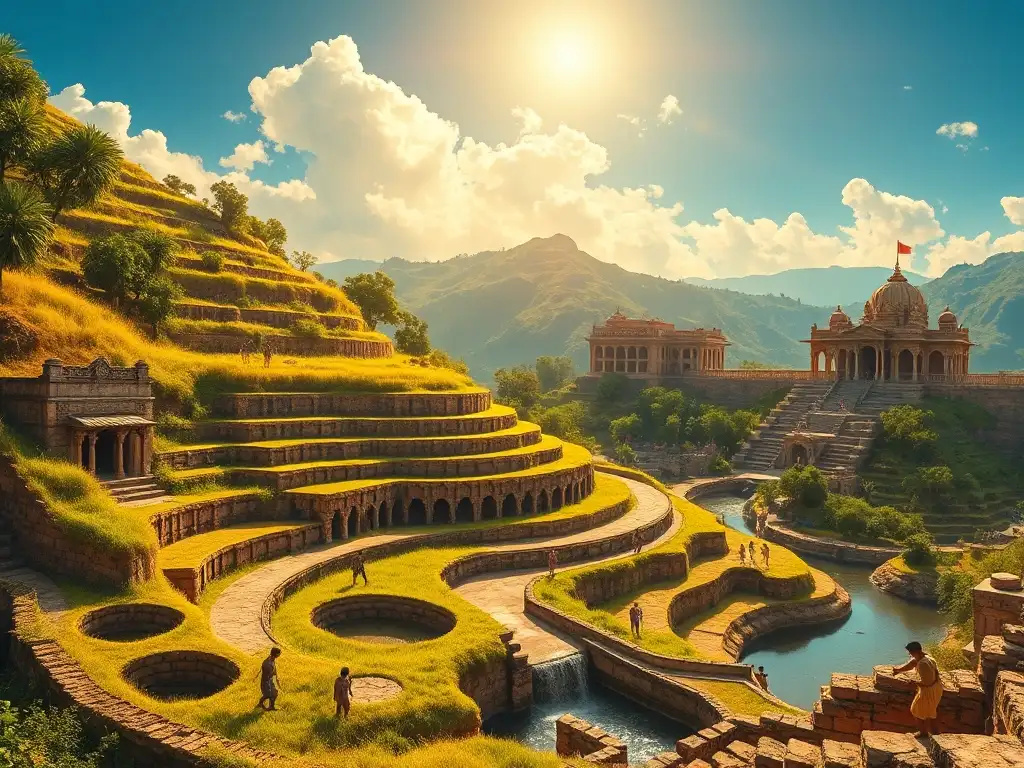
Ancient Indian water management systems were characterized by their remarkable ingenuity and adaptability to diverse geographical conditions. These systems were not merely functional; they represented a deep understanding of local ecosystems and hydrology, enabling ancient civilizations to thrive in arid and semi-arid regions. Key features of these systems include:
- Sustainable Practices: Ancient engineers employed techniques that ensured the sustainable use of water resources. This included the construction of reservoirs, tanks, and step wells that captured rainwater and stored it for agricultural and domestic use throughout the year.
- Integrated Approach: Water management was often integrated with agriculture, sanitation, and urban planning. For example, the Indus Valley Civilization's cities featured advanced drainage systems that prevented flooding and facilitated hygiene, showcasing a holistic approach to urban water management.
- Community Involvement: Many ancient water management projects were community-driven, reflecting a collective responsibility towards resource management. This communal effort fostered social cohesion and ensured that water resources were shared equitably among the population.
- Innovative Engineering: The use of sophisticated engineering techniques allowed for the creation of complex irrigation networks. These networks effectively redirected water from rivers and monsoon runoffs to farmlands, enhancing agricultural productivity and supporting larger populations.
Types of Water Management Systems
Ancient India saw the development of several distinct types of water management systems, each tailored to specific environmental conditions and societal needs. Some prominent types include:
- Step Wells (Baolis): These multi-storied wells were constructed to access groundwater and provided a source of water during dry seasons. They often featured intricate designs, with steps leading down to the water level, allowing for easy access.
- Reservoirs and Tanks: Large artificial lakes or tanks, such as the famous Pushkar Lake, were built to store rainwater. These reservoirs played a crucial role in irrigation and served as community gathering places.
- Canal Systems: Extensive canal networks were developed, particularly in the Gangetic plains, to channel river water to agricultural fields. Notable examples include the canals constructed by the Mauryan Empire, which facilitated irrigation across vast areas.
- Check Dams and Nadi (River) Systems: Small check dams were built to slow down the flow of water in rivers, allowing for groundwater recharge and preventing soil erosion. These systems were vital in maintaining ecological balance and supporting agriculture.
Hydraulic Engineering Principles in Ancient India
The ancient Indian civilizations demonstrated a profound understanding of hydraulic engineering principles that allowed them to manipulate water flow effectively. Key principles included:
- Gravity-Based Systems: Many water management systems relied on gravity to transport water from higher elevations to lower-lying fields. Engineers designed channels and ditches that utilized natural slopes, ensuring efficient water flow without the need for mechanical pumps.
- Flood Control Mechanisms: To manage seasonal floods, ancient engineers constructed levees, embankments, and diversion channels. These structures helped control water levels and protect agricultural lands from inundation.
- Soil and Water Conservation: Techniques such as contour farming and terracing were applied to reduce soil erosion and optimize water use. By shaping the land to follow the contours of the slope, these methods minimized runoff and enhanced water retention.
Use of Materials and Tools in Water Management
The materials and tools used in ancient Indian water management systems were crucial to their functionality and durability. These included:
- Local Materials: Ancient engineers utilized locally available materials such as stone, brick, and clay for construction. The choice of materials was often dictated by the geographical region and climatic conditions, ensuring the systems were well-suited to their environment.
- Innovative Tools: Tools such as chisels, levers, and simple pulleys were employed in the construction of water management systems. These tools allowed for the precise shaping and placement of materials, enhancing the structural integrity of wells, tanks, and irrigation channels.
- Water Measurement Instruments: Ancient Indian agronomists developed instruments for measuring rainfall and water levels, which were essential for effective water management. Devices like the rain gauge helped farmers make informed decisions regarding planting and irrigation schedules.
The intricate interplay of these features, types, principles, and materials underscores the sophistication of ancient Indian water management systems, which not only supported agricultural productivity but also laid the groundwork for sustainable living in harmony with nature.
Case Studies of Notable Ancient Indian Water Management Systems
Ancient India is renowned for its sophisticated water management systems that reflect an advanced understanding of engineering and environmental dynamics. The following case studies highlight some of the most remarkable examples of ancient Indian water management systems, showcasing their ingenuity and significance in the development of civilization.
The Indus Valley Civilization: A Model of Urban Planning
The Indus Valley Civilization (IVC), which flourished from around 3300 to 1300 BCE, is often cited as a paradigm of urban planning and water management. Key cities like Harappa and Mohenjo-Daro featured advanced drainage systems, with homes connected to a network of covered drains made from baked bricks.
- Water Supply: Wells were strategically placed throughout the cities, ensuring a reliable water supply for residents. This indicates a comprehensive understanding of hydrology, as the IVC inhabitants tapped into underground aquifers.
- Drainage Systems: The drainage systems were not only functional but also reflected a high level of civic responsibility. Wastewater was directed away from living areas, which contributed to public health and sanitation.
- Urban Layout: The grid-like street layout facilitated efficient water flow and management, suggesting that the planners had a deep understanding of both urban design and environmental control.
These innovations laid the groundwork for future water management systems in India and beyond, demonstrating the IVC's role as a forerunner in urban engineering.
The Great Stepwell of Gujarat: An Architectural Wonder
The Great Stepwell, known as the Adalaj Stepwell, located in Gujarat, dates back to the 15th century and exemplifies the architectural brilliance of ancient Indian water management systems.
- Design and Functionality: Stepwells were constructed to provide water for drinking, irrigation, and bathing. The Adalaj Stepwell is a multi-storied structure, intricately carved and designed to descend into the earth, allowing access to groundwater even during dry seasons.
- Architectural Features: The stepwell features ornate carvings, pillars, and balconies, showcasing the artistic skills of the craftsmen of that era. It served not only as a practical water source but also as a social and cultural hub where people gathered for festivities.
- Cultural Significance: Stepwells like Adalaj reflect the integration of utility and beauty, highlighting the importance of water management in the social fabric of ancient Indian society.
This architectural wonder stands as a testament to the technical prowess and aesthetic sensibilities of ancient Indian engineers and architects.
The Palar River Valley: Innovations in Irrigation
The Palar River Valley, situated in southern India, is another significant example of ancient Indian water management systems, particularly in irrigation practices.
- Earthen Dams and Channels: The ancient inhabitants constructed earthen dams and a network of channels to divert water from the Palar River for agricultural use. These innovations allowed for the cultivation of crops even in arid conditions.
- Crop Rotation and Water Conservation: The farmers employed techniques like crop rotation and rainwater harvesting, which improved soil fertility and maximized water use efficiency. This sustainable approach to agriculture ensured food security for the growing population.
- Community Management: Water management in the Palar Valley was often a community-based effort, with local governance systems overseeing the distribution and maintenance of water resources. This collaborative approach fostered a sense of community and shared responsibility.
The advancements in irrigation in the Palar River Valley highlight the ingenuity of ancient Indian societies in adapting to their environment and ensuring agricultural productivity.
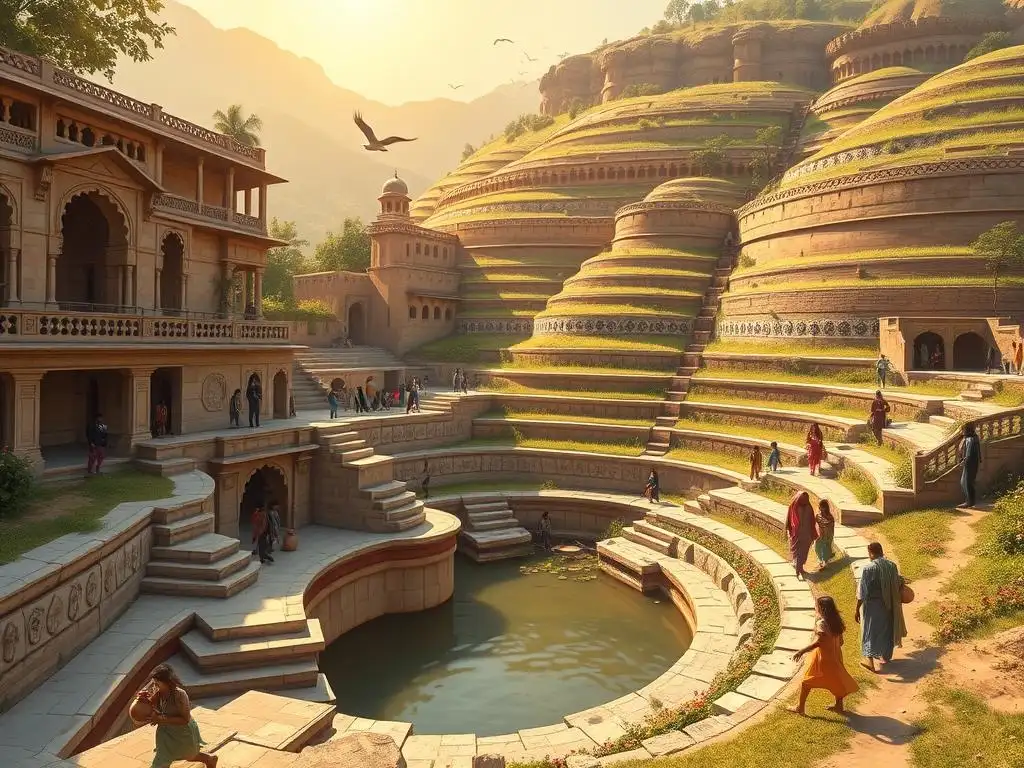
The ancient Indian water management systems were not merely engineering feats; they played a pivotal role in shaping the cultural and social landscapes of society. The efficient management of water resources had profound implications for agriculture, urbanization, and community life.
Role of Water Management in Agricultural Development
Water management systems were integral to the agricultural development of ancient India. The ability to control and distribute water resources directly influenced the success of farming practices.
- Irrigation Techniques: The use of canals, tanks, and wells enabled farmers to irrigate their fields, allowing for multiple cropping seasons and increased yields. This innovation was crucial for sustaining the population and supporting trade.
- Economic Growth: Improved agricultural productivity led to economic surplus, which facilitated trade and the growth of urban centers. It also allowed for specialization in crafts and industries, further contributing to economic diversity.
- Cultural Practices: The reliance on water management for agriculture fostered various cultural practices, including rituals and festivals centered around water. These practices reinforced the community's connection to their environment and resources.
Thus, water management systems were foundational to the agrarian economy and cultural identity of ancient Indian civilizations.
Water Management and Urbanization in Ancient Indian Cities
The relationship between water management and urbanization in ancient Indian cities is a noteworthy aspect of their development.
- Urban Planning: Cities like Mohenjo-Daro and Harappa were meticulously planned with water supply and drainage systems incorporated into their layouts. This foresight in urban planning facilitated the growth of densely populated urban centers.
- Social Cohesion: Public water infrastructure, such as baths and stepwells, served as communal spaces where people gathered, fostering social interactions and cultural exchanges. These amenities were often central to community life.
- Public Health: Effective water management contributed to improved hygiene and sanitation, reducing the spread of waterborne diseases. This aspect of urban living highlighted the importance of engineering solutions in enhancing the quality of life.
Overall, the intricate water management systems in ancient Indian cities played a crucial role in urbanization, shaping both the physical landscape and the social dynamics of these early civilizations.
Lessons from Ancient Indian Water Management Systems
Ancient Indian water management systems offer a wealth of knowledge and wisdom that can inform contemporary practices. The ingenuity of these systems, which evolved over thousands of years, highlights a deep understanding of local ecosystems and the sustainable utilization of water resources. Key lessons include the importance of community involvement, local adaptation, and the integration of water management with agricultural practices.
For instance, the construction of step wells, or "baolis," not only served as a means to store water but also fostered social gatherings, making water management a communal responsibility. Additionally, ancient texts like the Arthashastra and Manasara provide insights into the meticulous planning and execution of water systems, emphasizing the need for strategic location selection and maintenance practices. Learning from these historical practices can guide modern engineers and planners in developing sustainable water management solutions.
Sustainable Practices from Ancient India
The ancient Indian approach to water management was characterized by sustainability and resource conservation. Techniques such as rainwater harvesting, reservoir construction, and the use of traditional irrigation methods exemplify this commitment to maintaining ecological balance.
- Rainwater Harvesting: Ancient societies constructed intricate systems to capture rainwater, redirecting it to wells and tanks. This practice not only mitigated the effects of drought but also replenished groundwater levels.
- Step Wells: These multi-tiered wells allowed communities to access groundwater efficiently while also providing a habitat for various species, promoting biodiversity.
- Agricultural Integration: Ancient farmers often employed floodwater irrigation, utilizing the seasonal flooding of rivers to nourish crops, thus aligning agricultural cycles with natural water availability.
By adopting these sustainable practices, modern societies can address current water scarcity issues while promoting environmental stewardship.
Relevance of Ancient Techniques in Modern Water Management
The relevance of ancient Indian water management techniques in today’s context is becoming increasingly apparent, especially as global water crises intensify. Modern engineers and urban planners can draw valuable insights from these age-old practices to create resilient and adaptive water management systems.
- Decentralized Water Management: Ancient systems were often community-based, promoting local governance and involvement. This decentralized approach can enhance resilience against climate change and improve water accessibility in urban and rural areas.
- Adaptive Management: The flexibility of ancient techniques allows for adaptation to changing environmental conditions. For instance, the use of traditional cropping systems can be revived to cope with contemporary climate challenges.
- Cultural Significance: Understanding the cultural context of water management can foster community engagement and promote conservation efforts, as seen in ancient practices that intertwined social and environmental stewardship.
Incorporating these ancient techniques into modern frameworks not only preserves cultural heritage but also provides practical solutions to contemporary water management challenges.
Conclusion
Recap of the Importance of Ancient Indian Water Management Systems
The study of ancient Indian water management systems reveals their profound significance in shaping both the environmental landscape and societal structures of the time. These systems exemplified a harmonious relationship between humans and nature, showcasing innovative engineering and a comprehensive understanding of hydrology. By examining the principles behind these ancient practices, we can appreciate their role in fostering sustainable communities and resilient ecosystems.
Future Implications for Water Management Inspired by Ancient Techniques
As the world grapples with escalating water scarcity and environmental degradation, the ancient Indian water management systems serve as a beacon of wisdom for future generations. By integrating these time-tested techniques into modern engineering practices, we can develop innovative solutions that address current challenges.
- Sustainable Development Goals: Lessons from ancient systems can inform policies aimed at achieving water-related Sustainable Development Goals (SDGs), particularly in regions facing acute water stress.
- Community Engagement: Reviving community-based approaches to water management can empower local populations, ensuring that water resources are managed sustainably and equitably.
- Resilience Building: Incorporating ancient knowledge into modern frameworks can enhance resilience to climate change, ensuring that societies can adapt to new challenges while preserving their cultural heritage.
In essence, the secrets behind ancient Indian water management systems are not merely relics of the past; they hold the key to a sustainable and equitable water future.
- Introduction to Ancient Indian Water Management Systems
- Overview of Water Management in Ancient India
- Importance of Water Management for Ancient Civilizations
- Historical Context of Water Management in India
- Key Features of Ancient Indian Water Management Systems
- Types of Water Management Systems
- Case Studies of Notable Ancient Indian Water Management Systems
- Cultural and Social Impact of Water Management
- Lessons from Ancient Indian Water Management Systems
- Conclusion
- What were the key features of ancient Indian water management systems?
- How did the Indus Valley Civilization contribute to water management?
- What role did religion play in ancient Indian water management?
- How did the Gupta Empire enhance water management practices?
- Are there any modern applications of ancient Indian water management techniques?
Frequently Asked Questions
What were the key features of ancient Indian water management systems?
Ancient Indian water management systems were characterized by advanced engineering techniques, including the construction of canals, wells, and reservoirs. These systems were designed to efficiently manage water resources for agriculture and daily life.
How did the Indus Valley Civilization contribute to water management?
The Indus Valley Civilization showcased sophisticated drainage systems and water storage solutions. Their cities featured well-planned layouts with access to clean water, highlighting their understanding of hydraulic engineering.
What role did religion play in ancient Indian water management?
Religion influenced the construction of many water management systems, as sacred rivers were often worshipped. This led to the development of ghats and water tanks that served both practical and religious purposes.
How did the Gupta Empire enhance water management practices?
During the Gupta Empire, there was a significant focus on irrigation techniques and the maintenance of existing systems. They developed new methods of water conservation, which improved agricultural productivity and supported population growth.
Are there any modern applications of ancient Indian water management techniques?
Yes, many ancient techniques are still relevant today, particularly in sustainable water conservation practices. Modern engineers and environmentalists study these systems to create solutions for water scarcity issues in contemporary society.
Final Reflection: The Enduring Legacy of Ancient Indian Water Management Systems
The ingenuity of ancient Indian water management systems remains profoundly relevant today as we grapple with the escalating challenges of water scarcity and climate change. These systems, which were meticulously designed to harness and conserve water, not only showcase the advanced understanding of hydrology by ancient civilizations but also serve as a beacon of sustainable practices that we must revisit in our modern context. The wisdom embedded in these systems is a striking reminder that the solutions to contemporary issues often lie in the lessons of the past.
The influence of ancient Indian water management systems extends far beyond their historical significance; they continue to shape our cultural and social landscapes. Communities that once thrived around these systems still honor their legacy, fostering a deep respect for water conservation and sustainable living. As we witness a global shift towards environmental awareness, the principles of these ancient practices resonate with contemporary movements advocating for ecological balance. Water is the source of life; it is the most precious resource we have, and we must learn to manage it wisely,
a sentiment echoed by environmentalists today.
As we conclude our exploration of these remarkable systems, I invite you to reflect on your relationship with water and the role you play in its stewardship. Consider how the ancient practices of water management can inspire your actions today, whether through conservation efforts, community initiatives, or personal habits. Embrace the lessons of the past to forge a sustainable future, recognizing that every drop counts and that we all have a part to play in preserving this vital resource for generations to come.
Unlock the Wisdom of Ancient Water Management!
Thank you for diving into the fascinating world of ancient Indian water management systems! You've uncovered invaluable insights into how these timeless practices can teach us about sustainability and harmony with nature. Now, it's time to take action!
Here are a few steps you can take to continue your journey:
- Explore your local water sources: Visit nearby rivers, lakes, or reservoirs to observe their management practices. Consider ways you can advocate for improved sustainability in your community.
- Share your newfound knowledge with friends and family. Discuss how ancient techniques can inspire modern approaches to water conservation.
- Join or start a community group dedicated to promoting sustainable water practices. Connect with others who are passionate about preserving our vital resources.
How might you incorporate ancient methods into your daily life to promote sustainable water use?