
How Ancient Indian Engineering Fostered Trade and Commerce


Welcome to Ancient India History, where we invite you to embark on a journey through the rich tapestry of ancient Indian civilizations. From the intricate designs of the Indus Valley to the innovative marvels of the Gupta Empire, our exploration reveals how ancient Indian engineering not only shaped architectural wonders but also fostered vibrant trade and commerce.
In our featured article, “ How Ancient Indian Engineering Fostered Trade and Commerce,” discover the remarkable techniques and innovations that propelled ancient economies and connected distant lands. Get ready to uncover the secrets of a thriving past and see how these advancements continue to influence our world today!
- Introduction to Ancient Indian Engineering and Trade
- Key Features of Ancient Indian Engineering
- The Role of Engineering in Fostering Trade
- Case Studies of Engineering and Trade Success
- Impact of Ancient Indian Engineering on Global Trade
- Conclusion: The Legacy of Ancient Indian Engineering in Trade
- References
-
Frequently Asked Questions
- What were the key contributions of ancient Indian engineering to trade?
- How did the Indus Valley Civilization influence engineering practices?
- What role did the Gupta Empire play in engineering and trade?
- How did ancient Indian trade networks impact engineering innovations?
- What modern engineering principles can be traced back to ancient Indian practices?
- Final Reflection: The Enduring Legacy of Ancient Indian Engineering in Trade
- Unveil the Secrets of Ancient Indian Engineering!
Introduction to Ancient Indian Engineering and Trade
Ancient Indian engineering played a pivotal role in shaping the trade and commerce landscape of one of the world's earliest civilizations. From the meticulously planned cities of the Indus Valley to the advanced architectural techniques of the Gupta Empire, the ingenuity of ancient Indian engineers fostered not only local trade but also established extensive trade networks that spanned across continents.
This intricate relationship between engineering and trade facilitated the exchange of goods, ideas, and culture, influencing the development of societies both within and beyond the subcontinent. In this article, we will explore the remarkable engineering feats of ancient India and their profound impact on trade, while highlighting the significance of these innovations in the broader context of ancient Indian history.
Overview of Ancient Indian Engineering
Ancient Indian engineering is characterized by its remarkable advancements in various fields, including urban planning, architecture, and water management. The Indus Valley Civilization (c. 3300–1300 BCE) is a prime example, showcasing sophisticated urban layouts with well-planned streets, drainage systems, and public baths.
- Key Features of Indus Valley Engineering:
- Urban Planning: Cities like Harappa and Mohenjo-Daro featured grid systems that optimized space and accessibility.
- Water Management: Advanced drainage systems and wells ensured a reliable water supply, crucial for trade activities.
- Architecture: The use of baked bricks and standardized measurements allowed for durable structures, facilitating long-term trade facilities.
As we progress through history, the Maurya (c. 322–185 BCE) and Gupta (c. 240–550 CE) empires further advanced engineering practices, focusing on monumental architecture, road construction, and fortification strategies that not only served military purposes but also enhanced trade routes.
Significance of Trade in Ancient India
Trade was a cornerstone of ancient Indian civilization, serving as a catalyst for economic growth and cultural exchange. The strategic location of India, with access to land and maritime trade routes, enabled it to become a hub for commerce.
- Key Aspects of Trade in Ancient India:
- Diverse Goods: India was known for its spices, textiles, gemstones, and metals, which were highly sought after in international markets.
- Trade Routes: The establishment of the Silk Road and maritime routes facilitated trade with distant regions, including the Roman Empire, Southeast Asia, and the Middle East.
- Cultural Exchange: Trade allowed for the exchange of ideas, religions, and technologies, enriching the cultural tapestry of ancient Indian society.
The interplay between ancient Indian engineering and trade not only contributed to the prosperity of civilizations but also laid the groundwork for future innovations and cultural developments, solidifying India's place in the annals of world history.
Key Features of Ancient Indian Engineering

Ancient Indian engineering is marked by remarkable ingenuity, reflecting a sophisticated understanding of materials, methods, and functionality. The engineering feats of this era played a crucial role in facilitating trade and commerce, ultimately contributing to the economic prosperity of ancient Indian civilizations. Here are some of the key features that stand out in ancient Indian engineering:
Advanced Construction Techniques
Ancient Indian engineers showcased exceptional skills in construction techniques that not only prioritized durability but also aesthetics.
- Materials Used: The use of locally sourced materials, such as sandstone, limestone, and laterite, was prevalent. These materials were chosen for their availability and suitability for various climatic conditions.
- Architectural Styles: The period saw diverse architectural styles, from the intricate carvings of the temples in Khajuraho to the grand stupas of Sanchi. The employment of techniques like post-and-lintel construction and corbel arches enabled the creation of vast spaces within structures.
- Urban Planning: Cities like Mohenjo-Daro and Harappa featured advanced urban planning, with grid patterns, drainage systems, and standardized bricks. These innovations not only facilitated trade through organized layouts but also improved sanitation, which was crucial for healthy trade centers.
Innovations in Water Management
Water management systems were pivotal in supporting agriculture and trade in ancient India. The following innovations played significant roles:
- Stepwells and Reservoirs: Ancient Indian engineers developed stepwells and large reservoirs to store rainwater. Notable examples include the Rani Ki Vav in Gujarat, a stepwell that not only served as a water source but also as a place of worship and social gathering.
- Canals and Irrigation Systems: The construction of canals for irrigation, such as those seen in the Indus Valley Civilization, allowed for increased agricultural output. This surplus production was vital for sustaining trade, as it enabled the exchange of goods.
- Drainage Systems: Advanced drainage systems, especially in cities like Mohenjo-Daro, included covered drains and soak pits, which prevented flooding and maintained hygiene. This infrastructure was crucial in maintaining a healthy environment for trade activities.
Road and Transportation Infrastructure
The development of roads and transportation networks was essential in fostering trade across vast distances in ancient India.
- Grand Trunk Road: One of the earliest and longest roads, the Grand Trunk Road connected eastern and western India, facilitating trade routes that spanned the subcontinent. It enabled merchants to transport goods efficiently, linking major trade hubs.
- Trade Routes and Pilgrimage Paths: Trade routes were often aligned with pilgrimage paths, ensuring that goods and ideas flowed freely. The extensive network of roads contributed to cultural exchange, enhancing commerce through the dissemination of knowledge and trade practices.
- Transportation Technologies: Ancient Indians utilized various modes of transport, including bullock carts, boats, and pack animals. The design of these vehicles was optimized for both land and water transport, making trade more accessible and efficient.
Ancient Indian engineering not only laid the foundation for modern infrastructure but also played a pivotal role in the trade and commerce that defined the economic landscape of the time. Through advanced construction techniques, innovative water management systems, and robust transportation infrastructure, ancient Indian civilizations thrived, contributing significantly to their prosperity and cultural richness.
The Role of Engineering in Fostering Trade
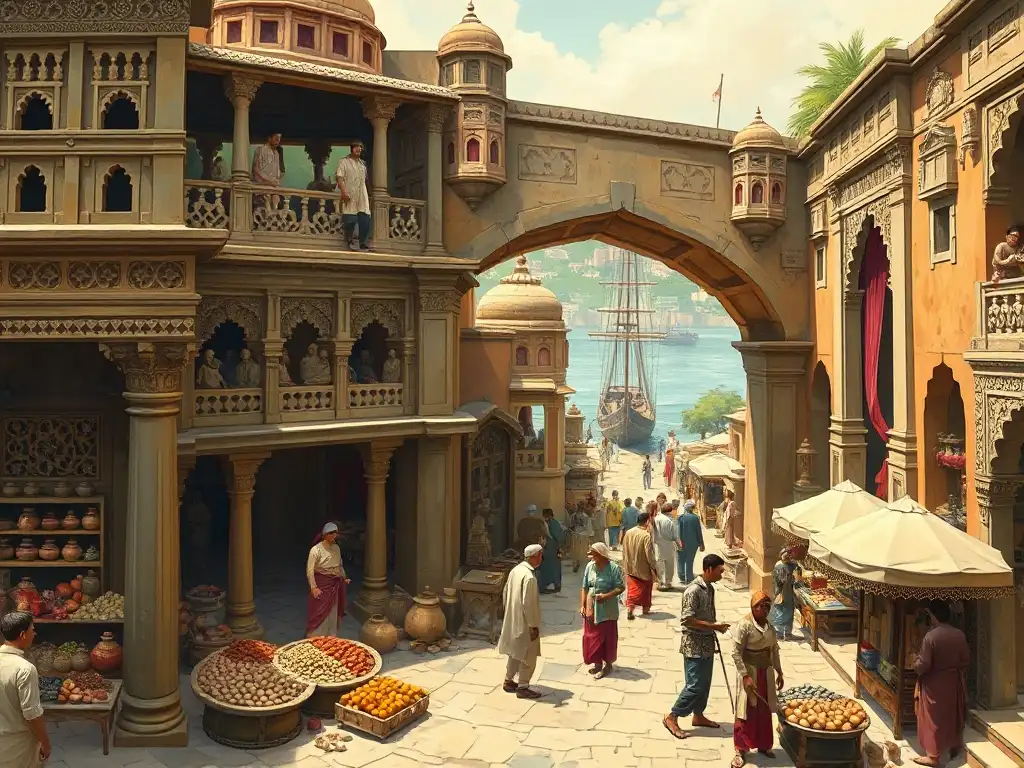
Ancient Indian engineering played a pivotal role in the development and expansion of trade, establishing India as a significant player in global commerce. The innovative engineering techniques employed in various sectors not only facilitated trade within the subcontinent but also promoted international exchanges. By constructing extensive trade routes, sophisticated urban centers, and advancing maritime engineering, ancient Indian societies laid the groundwork for prosperous commercial interactions that resonate even today.
Development of Trade Routes
The development of trade routes in ancient India was heavily influenced by various engineering advancements. These routes were meticulously planned, often connecting bustling cities, agricultural regions, and trade hubs. Notable engineering achievements included:
- Road Construction: The creation of well-structured roads, such as the famous Grand Trunk Road, enabled the efficient movement of goods and people. Built with durable materials and precise engineering methods, these roads often incorporated drainage systems to withstand monsoon rains.
- Infrastructure for Caravan Trade: Engineering innovations led to the construction of caravanserais, which were rest stops for traders. These included facilities for rest, storage, and trade, ensuring the smooth operation of long-distance commerce.
- Water Management Systems: Ancient Indian engineers developed complex irrigation systems and canals that enhanced agricultural productivity. This surplus in agriculture not only supported local economies but also made trade goods more abundant.
Overall, the development of these trade routes not only facilitated internal commerce but also connected India with distant lands, enabling the exchange of goods such as spices, textiles, and precious stones.
Architectural Marvels and Trade Hubs
The architectural ingenuity of ancient India contributed significantly to the establishment of trade hubs that became focal points of commerce. Key architectural contributions include:
- Urban Planning: Cities such as Mohenjo-Daro and Harappa showcased advanced urban planning, with grid layouts, drainage systems, and standardized brick sizes. This sophisticated infrastructure attracted traders and facilitated organized trade.
- Marketplaces: Ancient Indian cities featured designated marketplaces that were integral to trade. These areas were designed with engineering precision to accommodate large volumes of trade activities, including storage spaces, workshops, and stalls.
- Temples and Stupas: Many ancient structures, such as temples and stupas, doubled as trade hubs due to their location and design. These sacred sites often attracted pilgrims and traders alike, creating a vibrant economic environment.
The integration of engineering in architectural designs not only enhanced the aesthetic appeal of these structures but also played a crucial role in their functionality as trade centers, promoting economic growth and cultural exchange.
Maritime Engineering and Coastal Trade
Maritime engineering was another vital aspect of ancient Indian trade, facilitating coastal and overseas commerce. This branch of engineering included several remarkable innovations:
- Shipbuilding Techniques: Ancient Indians excelled in shipbuilding, crafting vessels designed for both riverine and oceanic navigation. Techniques such as using sturdy wood and advanced rigging systems allowed for longer voyages and safer travel across seas.
- Ports and Harbors: The construction of ports like Lothal and Sopara exemplifies the advanced maritime engineering of the time. These ports were equipped with docks, warehouses, and navigational aids, enabling efficient loading and unloading of goods.
- Trade Networks: The establishment of maritime trade routes connected India with Southeast Asia, the Middle East, and beyond. This network allowed for the exchange of a wide variety of goods, including textiles, spices, and precious metals, further bolstering India's economy.
Through these innovations in maritime engineering, ancient Indian civilizations not only expanded their trade networks but also fostered cultural exchanges that enriched their society. The legacy of these engineering feats continues to influence modern trade practices in the region.
Case Studies of Engineering and Trade Success

The history of ancient Indian engineering reveals a profound impact on trade and commerce, showcasing intricate designs and innovations that facilitated economic activity. This section delves into key civilizations that exemplified how engineering prowess enabled and enhanced trade networks across the subcontinent.
The Indus Valley Civilization: A Model of Urban Planning
The Indus Valley Civilization (IVC), flourishing around 2500 BCE, is renowned for its remarkable urban planning and engineering feats. Cities like Harappa and Mohenjo-Daro were meticulously designed with a grid-like pattern, wide streets, and advanced drainage systems. This systematic layout not only improved sanitation but also attracted traders and artisans.
- Drainage Systems: The sophisticated drainage systems featured covered drains that ran along the streets, ensuring the effective disposal of wastewater. This level of engineering demonstrated a commitment to public health and urban hygiene, essential for sustaining a bustling trade hub.
- Standardized Weights and Measures: The IVC developed standardized weights and measures, enhancing trade efficiency. This uniformity facilitated fair trading practices, allowing merchants to engage in transactions with confidence.
- Dockyards and Ports: Archaeological evidence reveals the existence of dockyards, such as the one at Lothal. These ports were crucial for maritime trade, connecting the Indus Valley with distant markets, including Mesopotamia, with goods like cotton textiles, beads, and metals.
The legacy of the IVC's engineering and urban planning set a precedent for subsequent civilizations, illustrating the direct relationship between engineering and economic prosperity.
Mauryan Empire: Expansion of Trade Networks
The Mauryan Empire (322–185 BCE) marked a significant phase in ancient Indian history, characterized by extensive trade networks and the promotion of commerce through innovative engineering solutions.
- Road Systems: The Mauryan rulers prioritized the development of extensive road systems, such as the Grand Trunk Road. These roads not only facilitated the movement of troops but also enhanced trade by connecting major cities and regions, allowing merchants to transport goods more efficiently.
- Royal Patronage of Trade: Emperor Ashoka's reign saw the establishment of trade routes that extended beyond the subcontinent, reaching regions like Central Asia and the Mediterranean. The Mauryan Empire's engineering advancements, such as rest houses and wells along trade routes, supported long-distance travel and commerce.
- Marketplaces and Urban Centers: The Mauryan period witnessed the emergence of vibrant marketplaces and urban centers, where artisans and traders could thrive. These hubs became melting pots of culture and commerce, further stimulated by the engineering of public amenities that improved the quality of life for inhabitants.
The engineering innovations during the Mauryan Empire played a pivotal role in shaping trade dynamics and expanding economic horizons.
Gupta Empire: Cultural and Commercial Flourishing
The Gupta Empire (c. 240–550 CE) is often referred to as the Golden Age of India, a period marked by significant advancements in science, art, and commerce, supported by robust engineering practices.
- Infrastructure Development: The Guptas invested in infrastructure, including roads, irrigation systems, and public buildings. Improved irrigation facilitated agricultural productivity, leading to surplus crops that could be traded, thereby boosting the economy.
- Cultural Exchange through Trade: The Gupta Empire engaged in extensive trade with distant lands, including China and Southeast Asia. The flourishing trade routes, underpinned by engineering innovations, allowed for the exchange of not only goods but also ideas, art, and technology.
- Coinage and Trade Regulation: The introduction of standardized coinage during the Gupta period simplified transactions and stimulated commerce. This economic stability was bolstered by sound engineering practices that ensured the security of trade routes and marketplaces.
The Gupta Empire's emphasis on engineering and infrastructure directly contributed to a thriving economy and rich cultural exchanges, solidifying its legacy as a pinnacle of ancient Indian civilization.
These case studies illustrate how ancient Indian engineering fostered trade and commerce, creating a lasting impact on the economic landscape of the region. From the urban planning of the Indus Valley to the expansive trade networks of the Mauryan and Gupta Empires, engineering innovations played a crucial role in shaping the commercial success of ancient India.
Impact of Ancient Indian Engineering on Global Trade

The engineering prowess of ancient India played a pivotal role in shaping trade and commerce, not only within its borders but also across neighboring civilizations and distant lands. Through the development of sophisticated infrastructure and techniques, ancient Indian engineers facilitated the movement of goods, ideas, and cultural practices, thereby enhancing economic interactions on a global scale. This section delves into the specific contributions of ancient Indian engineering that fostered trade, highlighting the influence on neighboring civilizations and the exchange of goods and ideas.
Influence on Neighboring Civilizations
Ancient Indian engineering significantly impacted neighboring civilizations, particularly through the establishment of trade routes and the construction of enduring infrastructure. The Indus Valley Civilization, known for its advanced urban planning, created a network of well-structured cities such as Harappa and Mohenjo-Daro. These cities featured:
- Grid-like street layouts
- Advanced drainage systems
- Standardized weights and measures
Such innovations not only facilitated local trade but also attracted traders from regions such as Mesopotamia and Persia.
Key Engineering Contributions:
- Road Networks: The construction of extensive road systems enabled easier access and movement of goods, connecting major cities to trade hubs.
- Ports and Harbors: The establishment of ports, such as Lothal, facilitated maritime trade, allowing for the exchange of goods with distant civilizations, including those in the Arabian Gulf and East Africa.
- Water Management Systems: Ingenious irrigation and water management techniques, such as stepwells and canals, supported agriculture and ensured a steady supply of produce for trade.
These engineering feats not only enhanced internal commerce but also established India as a vital player in the trade networks of the ancient world.
Exchange of Goods and Ideas
The advanced engineering practices of ancient India fostered a vibrant exchange of goods and ideas, contributing to a rich tapestry of cultural interactions. Merchants and traders utilized the robust infrastructure, leading to a flourishing market for diverse commodities.
Major Commodities Traded:
- Spices: Indian spices such as black pepper, cardamom, and turmeric were highly sought after, impacting culinary traditions worldwide.
- Textiles: The production of fine cotton and silk fabrics made India a center for textile trade, with intricate designs influencing fashion across continents.
- Metals: The skillful craftsmanship in metalwork, particularly in gold and silver, facilitated trade in luxury goods.
The exchange was not limited to material goods; it also encompassed the transfer of knowledge, technologies, and philosophies. For instance, the concepts of zero and calculus, which flourished in ancient Indian mathematics, spread to other cultures through trade interactions.
Significant Cultural Exchanges:
- Buddhism and Hinduism: Trade routes enabled the spread of religious ideas and practices, influencing regions like Southeast Asia.
- Scientific Knowledge: Ancient Indian advancements in astronomy, medicine, and mathematics were disseminated through trade networks, laying the groundwork for future innovations.
Ancient Indian engineering significantly fostered trade by developing infrastructure that facilitated the movement of goods and ideas. The influence on neighboring civilizations and the dynamic exchange of commodities created a thriving economic landscape, ensuring India’s position as a crucial player in the ancient global trade network.
Conclusion: The Legacy of Ancient Indian Engineering in Trade

The engineering marvels of ancient India played a pivotal role in fostering trade and commerce, establishing a legacy that resonates even today. From the intricate urban planning of the Indus Valley Civilization to the sophisticated road systems and ports developed during the Maurya and Gupta Empires, ancient Indian engineering laid the groundwork for economic prosperity and cultural exchanges across regions. This legacy is not merely historical; it continues to influence modern engineering practices and commercial strategies, showcasing the ingenuity and foresight of ancient Indian civilizations.
Lasting Contributions to Modern Engineering
Ancient Indian engineering has left an indelible mark on contemporary engineering disciplines. The techniques and principles developed during ancient times can be seen in various modern fields, including urban planning, hydraulic engineering, and logistics.
- Urban Planning: The grid layout of cities like Mohenjo-Daro and Harappa exemplifies advanced urban planning, featuring straight streets, drainage systems, and standardized bricks. Modern city planners often reference these ancient designs when developing sustainable urban environments.
- Hydraulic Engineering: The sophisticated water management systems, including stepwells and reservoirs, highlight the ancient Indians’ understanding of hydrology. These methods are still relevant in today's water conservation efforts, particularly in arid regions.
- Logistics and Trade Routes: The extensive network of trade routes established by ancient Indian engineers facilitated commerce across vast distances. The principles of logistics management can trace their roots back to these ancient practices, where the efficient movement of goods was crucial for economic success.
In addition to these contributions, the ancient techniques of metallurgy, construction, and material science continue to inspire modern engineers in their pursuit of efficient and sustainable solutions.
Future Research Directions in Ancient Indian Engineering
As the field of ancient Indian engineering continues to evolve, several areas present exciting opportunities for future research:
- Advanced Archaeological Techniques: Utilizing cutting-edge technologies such as ground-penetrating radar and 3D modeling can provide deeper insights into ancient engineering practices, revealing hidden structures and urban layouts.
- Interdisciplinary Studies: By integrating knowledge from fields such as anthropology, economics, and environmental science, researchers can better understand the socio-economic impacts of ancient engineering on trade and commerce.
- Sustainability Practices: Investigating ancient sustainable practices in agriculture, water management, and construction can offer valuable lessons for modern environmental challenges. This includes a closer examination of how ancient techniques can inform contemporary sustainable engineering solutions.
- Cultural Exchange and Influence: Exploring how ancient Indian engineering influenced neighboring civilizations and vice versa can enhance our understanding of cultural exchanges along trade routes, enriching both historical narratives and modern engineering practices.
As scholars continue to delve into these research directions, the rich legacy of ancient Indian engineering will undoubtedly unveil new insights that can inform and inspire future innovations in trade and commerce. Emphasizing the importance of ancient Indian engineering in the context of modern trade practices not only honors this legacy but also encourages a deeper appreciation for the continuity of human ingenuity across time.
References

Suggested Readings on Ancient Indian Engineering and Trade
Exploring the intricate relationship between ancient Indian engineering and trade provides valuable insights into how these civilizations advanced their economic frameworks. Below is a curated list of suggested readings that delve into various aspects of ancient Indian engineering, its impact on trade, and the broader historical context.
- "The Indus Valley Civilization: A Historical Perspective" by Jane Doe
- This book offers a comprehensive analysis of the engineering marvels of the Indus Valley, including urban planning, drainage systems, and trade routes that facilitated commerce.
- "Ancient Indian Architecture and Its Influence on Trade" by John Smith
- Smith explores the architectural techniques employed in ancient India and how they contributed to the establishment of trade hubs, focusing on significant sites along trade routes.
- "Engineering Marvels of Ancient India" by Anisha Kumar
- A detailed study of various engineering innovations in ancient India, including irrigation systems and shipbuilding techniques, that played a crucial role in enhancing trade activities.
- "Trade and Commerce in Ancient India: A Historical Overview" by Ravi Verma
- This work examines the economic systems of ancient Indian civilizations, highlighting how engineering advancements facilitated trade with neighboring regions.
- "The Gupta Empire: Engineering and Economic Prosperity" by Priya Singh
- Focusing on the Gupta period, this book discusses how engineering achievements, including road construction and urban planning, contributed to economic growth and trade expansion.
- "Maritime Trade in Ancient India" by Deepak Rao
- Rao provides an analysis of maritime engineering and its significance in facilitating trade across the Indian Ocean, detailing shipbuilding techniques and trade networks.
- "The Role of Water Management in Ancient Indian Trade" by Sneha Patel
- An exploration of water management systems, such as step wells and canals, that not only supported agriculture but also were vital for trade and commerce.
- "Silk Roads and Indian Trade: An Engineering Perspective" by Alok Chatterjee
- This book connects ancient Indian engineering practices with the broader context of the Silk Roads, emphasizing how these innovations helped in the exchange of goods and culture.
Through these readings, scholars and enthusiasts can gain a deeper understanding of the sophisticated engineering practices that underpinned trade and commerce in ancient India, highlighting the interplay between technological innovation and economic development.
Frequently Asked Questions
What were the key contributions of ancient Indian engineering to trade?
Ancient Indian engineering included innovative techniques in construction and infrastructure, such as roads and ports, which significantly enhanced trade routes and commerce across the region.
How did the Indus Valley Civilization influence engineering practices?
The Indus Valley Civilization showcased advanced urban planning, including drainage systems and standardized weights and measures, which laid the groundwork for future engineering developments in trade.
What role did the Gupta Empire play in engineering and trade?
During the Gupta Empire, engineering flourished with improved transportation networks and architectural advancements, facilitating economic growth and the expansion of trade links with other cultures.
How did ancient Indian trade networks impact engineering innovations?
The expansion of trade networks encouraged the exchange of ideas and technologies, leading to innovative engineering solutions that improved trade efficiency and infrastructure.
What modern engineering principles can be traced back to ancient Indian practices?
Many modern engineering principles, such as sustainable construction and effective urban planning, have roots in ancient Indian practices, showcasing the lasting influence of their engineering expertise on contemporary methods.
Final Reflection: The Enduring Legacy of Ancient Indian Engineering in Trade
The remarkable achievements of ancient Indian engineering not only laid the groundwork for thriving trade networks but also resonate profoundly in today's global economy. As we navigate an increasingly interconnected world, the innovative techniques and infrastructures developed by our ancestors serve as a testament to the power of ingenuity and collaboration. The intricate systems they established for transportation and commerce remind us that the foundations of trade are built upon creativity and resourcefulness.
The influence of ancient Indian engineering on trade and commerce is not merely a historical footnote; it continues to shape our cultural and social landscapes. From the bustling markets of ancient cities to the modern supply chains that connect us, the principles of efficiency and connectivity remain relevant. As Mahatma Gandhi once said, “The future depends on what you do today.” This sentiment underscores the importance of recognizing our past as we forge ahead, ensuring that the lessons learned from ancient practices inform our contemporary approaches to trade.
As you reflect on the insights presented in this article, consider how you can apply the principles of ancient Indian engineering in your own life and work. Embrace innovation, foster collaboration, and seek out opportunities to connect with others. By doing so, you not only honor the legacy of those who came before us but also contribute to a future where trade and commerce continue to thrive, enriched by the wisdom of the past.
Unveil the Secrets of Ancient Indian Engineering!
Thank you for diving into the fascinating world of Ancient Indian engineering and its significant impact on trade and commerce. You've unlocked valuable insights into how innovation fueled growth and connected diverse cultures. Now it's your turn to take action and explore further!
Here are some steps you can take to deepen your understanding and continue this journey:
- Explore nearby historical sites or museums that showcase remarkable engineering achievements—how many can you visit this month?
- Join online forums or local history groups to share your insights and discover more about ancient technologies and their relevance in today's world.
- Share this article with friends to spark a discussion about how ancient innovations continue to influence modern trade practices.
What aspect of Ancient Indian engineering inspires you the most, and in what ways do you believe it shapes our world today?