
The Legacy of Trade in Ancient Indian Society


Welcome to Ancient India History, where we embark on a captivating journey through the rich tapestry of ancient Indian civilizations. In our featured article, "The Legacy of Trade in Ancient Indian Society," we unravel the intricate web of ancient Indian trade networks that not only shaped the economy but also fostered cultural exchanges and connections across vast distances. What secrets lie within these bustling trade routes?
Join us as we explore how these networks contributed to the legacy of one of the world's oldest civilizations, and discover the profound impact they had on society, culture, and the economy. Your adventure into the depths of history starts here!
Introduction to Ancient Indian Trade Networks
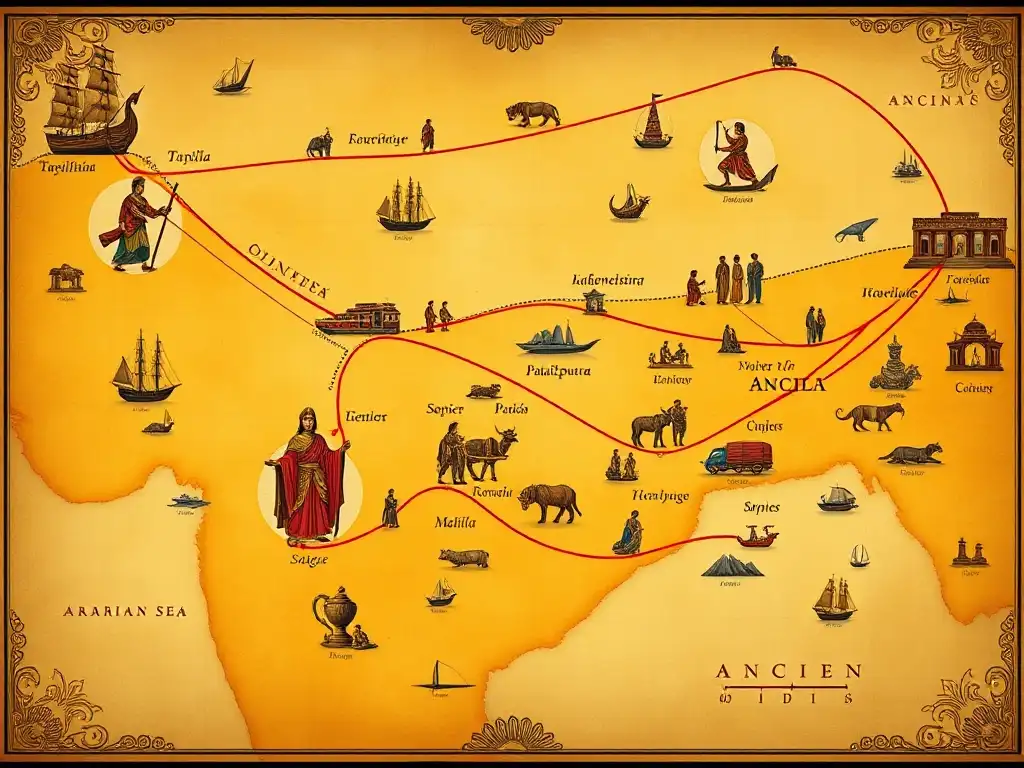
The rich tapestry of ancient Indian history is intricately woven with the threads of trade and commerce, which played a pivotal role in shaping the civilization's cultural and economic landscape. Ancient Indian trade networks facilitated not only the exchange of goods but also the flow of ideas, technologies, and cultural practices, establishing India as a significant player in the global economy of its time. From the bustling marketplaces of the Indus Valley Civilization to the expansive trade routes connecting India with distant lands, trade was a lifeblood that nourished the growth of cities, fostered innovation, and encouraged intercultural dialogue.
Overview of Trade in Ancient India
Trade in ancient India can be traced back to the Indus Valley Civilization (c. 3300–1300 BCE), where evidence of sophisticated urban planning and commercial practices emerged. The strategic location of these cities along major rivers facilitated easy transportation and communication, enabling merchants to engage in both local and long-distance trade. As time progressed, trade flourished through various dynasties, including the Maurya and Gupta empires, which expanded trade routes and introduced standardized weights and measures to streamline transactions.
Importance of Trade Networks in Ancient Civilizations
The significance of trade networks in ancient civilizations cannot be overstated. They served as conduits for:
- Economic Prosperity: Trade boosted local economies by creating jobs and generating wealth for merchants and craftsmen.
- Cultural Exchange: The movement of people and goods fostered cultural interactions, leading to the exchange of philosophies, religions, and artistic traditions.
- Technological Advancements: Access to foreign goods encouraged innovation, as artisans experimented with new materials and techniques.
Key Features of Ancient Indian Trade Networks
Ancient Indian trade networks were characterized by several key features that made them unique and effective in facilitating commerce.
Major Trade Routes in Ancient India
The major trade routes that defined ancient Indian trade included:
- The Silk Road: Connecting India to Central Asia and beyond, this route allowed for the exchange of silk, spices, gemstones, and more.
- The Spice Route: This maritime route linked India with Southeast Asia, the Arabian Peninsula, and East Africa, primarily for the trade of spices like pepper and cardamom.
- The Grand Trunk Road: A vital overland route that connected the eastern and western parts of the Indian subcontinent, facilitating trade and military movement.
Goods Traded Along Ancient Indian Trade Routes
The diversity of goods traded along these routes was vast, reflecting the rich resources and craftsmanship of ancient India. Notable items included:
| Goods | Description |
|---|---|
| Spices | Such as black pepper, cardamom, and cinnamon, sought after for culinary and medicinal purposes. |
| Textiles | Fine cotton and silk fabrics, renowned for their quality and intricate designs. |
| Precious Gems | Diamonds, rubies, and emeralds, which were highly valued in domestic and international markets. |
| Art and Crafts | Handcrafted items, including pottery, metalwork, and jewelry, which showcased India's artistic heritage. |
Through these vibrant trade networks, ancient Indian societies not only acquired wealth but also established connections that would resonate through the ages, leaving a lasting legacy that continues to inspire modern civilizations.
The Role of Trade in Ancient Indian Society
Trade played a pivotal role in shaping ancient Indian society, acting as a catalyst for economic growth, cultural exchange, and political interaction. The extensive trade networks that emerged from India facilitated the movement of goods, ideas, and people, contributing significantly to the development of civilizations. Ancient Indian trade was not merely a means of economic exchange; it also fostered relationships between diverse cultures and communities.
The geographical position of India, with its access to land and maritime routes, made it a central player in the global trading systems of the ancient world. Goods such as spices, textiles, precious stones, and metals were highly sought after, leading to the establishment of trade routes like the Silk Road and maritime paths to Southeast Asia and beyond. Thus, trade not only provided economic benefits but also created a framework for cultural dialogue and exchange.
Economic Impact of Trade on Civilizations
The economic impact of trade on ancient Indian civilizations was profound. The influx of wealth from trade allowed for the flourishing of urban centers, technological advancements, and agricultural improvements. For instance, during the Maurya Empire, trade contributed to the establishment of a complex economy that included manufacturing, agriculture, and services.
This economic prosperity was reflected in the increased urbanization of ancient cities such as Pataliputra and Taxila, which became bustling hubs of commerce. The revenue generated from trade enabled rulers to enhance infrastructure, such as roads and ports, facilitating further trade activities. The establishment of standardized weights and measures, as well as coinage, further streamlined commercial transactions, leading to increased efficiency and trust in trade practices.
Social and Cultural Exchange Through Trade
Trade in ancient India was a powerful medium for social and cultural exchange. The interactions between traders from different regions brought different cultures into contact, leading to the exchange of ideas, religions, languages, and customs. For example, the spread of Buddhism and Jainism in Southeast Asia can be attributed to the movement of traders who carried religious texts and teachings along trade routes.
Moreover, the interactions facilitated by trade contributed to the assimilation of diverse cultural practices. Artisans began to adopt techniques and motifs from other cultures, resulting in a rich tapestry of artistic expression. Festivals, culinary traditions, and even social customs were influenced by the cross-cultural exchanges that trade promoted, enriching the social fabric of ancient Indian society.
Trade and Its Influence on Political Structures
The influence of trade on political structures in ancient India cannot be overstated. The wealth generated from trade often translated into power for ruling elites, enabling them to exert influence over larger territories and engage in diplomatic relations with foreign powers. Trade routes were not only economic arteries but also strategic pathways that shaped political alliances and conflicts.
During the Maurya Empire, for instance, the control of key trade routes allowed rulers like Chandragupta Maurya and Ashoka to consolidate their power and expand their influence across the Indian subcontinent and beyond. Furthermore, trade relations often necessitated the establishment of treaties and diplomatic missions, leading to enhanced political stability and cooperation among various states.
Major Trade Centers in Ancient India
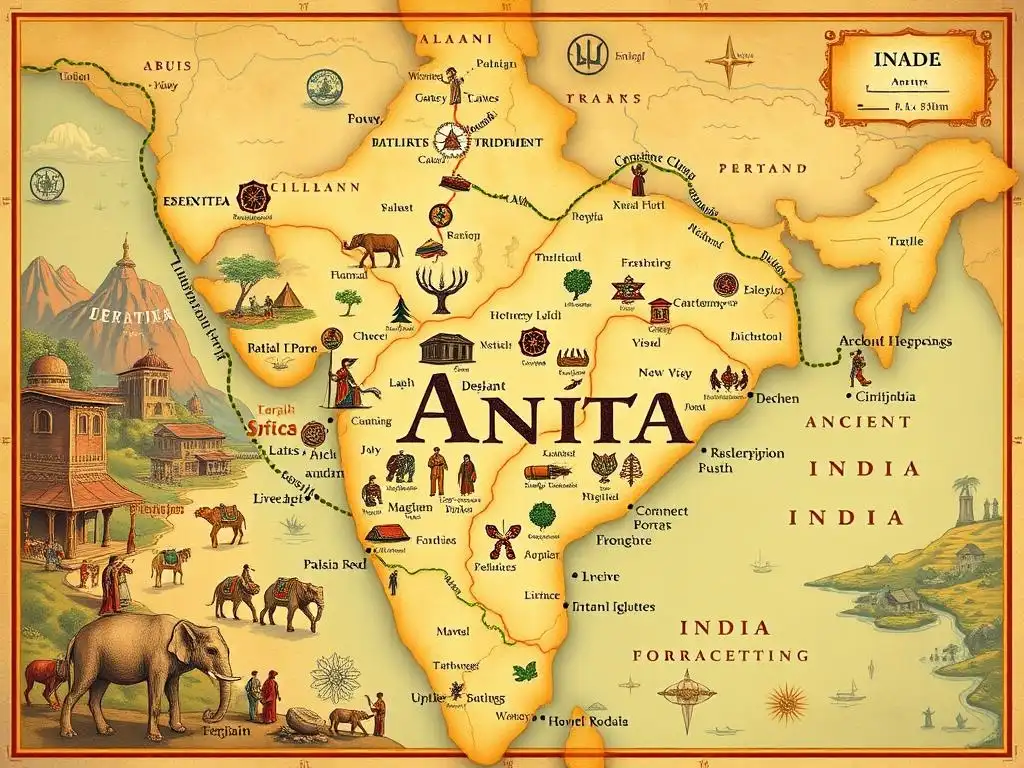
Major trade centers in ancient India were crucial for facilitating commerce and cultural exchange. These centers served as nodes in the vast network of trade routes that connected India to the rest of the world, playing a significant role in the economic prosperity of the region.
The Indus Valley Civilization and Trade
The Indus Valley Civilization (circa 3300–1300 BCE) is regarded as one of the earliest examples of advanced urban planning and trade. Major cities like Harappa and Mohenjo-Daro were strategically located near rivers, allowing for easy access to both land and maritime trade routes. Evidence suggests that the inhabitants engaged in trade with neighboring regions, including Mesopotamia, exchanging goods such as cotton textiles, beads, and metal products.
The sophisticated system of weights and measures used by the Indus people indicates the importance of trade in their economy. Archaeological findings of seals and inscriptions also point to the existence of a thriving trade network, facilitating the exchange of goods and cultural practices across vast distances.
Key Trade Cities of the Maurya Empire
During the Maurya Empire (circa 322–185 BCE), several cities emerged as vital trade hubs. Pataliputra, the capital, was strategically situated at the confluence of major rivers, making it a center for trade and commerce. Taxila, another significant city, was renowned for its educational institutions and served as a melting pot of cultures, attracting traders from various regions.
The Mauryan period saw the establishment of well-maintained roads, such as the Grand Trunk Road, which enhanced trade connectivity. The empire's embrace of Buddhism also played a role in increasing trade, as Buddhist monks traveled along trade routes, facilitating the exchange of goods and cultural ideas.
Gupta Empire: A Hub of Trade and Culture
The Gupta Empire (circa 320–550 CE) is often referred to as the Golden Age of India, marked by significant achievements in art, science, and trade. Under Gupta rule, trade flourished both inland and overseas. Key trade cities like Ujjain and Nalanda became centers of commerce and learning, attracting scholars and traders alike.
The Gupta period witnessed a high volume of trade with regions such as the Roman Empire, Southeast Asia, and Central Asia. The introduction of standardized currency and the establishment of trade guilds further promoted economic activity. Additionally, the flourishing of arts and literature during this time was closely linked to the wealth generated from trade, showcasing the integral relationship between commerce and cultural development in ancient India.
Legacy of Ancient Indian Trade Networks
The legacy of ancient Indian trade networks is a testament to the economic and cultural dynamism of Indian civilizations. These networks facilitated not only the exchange of goods but also the dissemination of ideas, technologies, and cultural practices across vast distances. Spanning from the Indus Valley Civilization to the Gupta Empire, ancient Indian trade routes connected the Indian subcontinent with regions as far as the Middle East, Southeast Asia, and beyond. These interactions enriched Indian society and significantly influenced global trade patterns.
The ancient trade networks were characterized by a variety of routes, including the overland Silk Road and maritime paths across the Indian Ocean. Major trading hubs like Taxila, Ujjain, and Pataliputra emerged, serving as centers for commerce, education, and cultural exchange. Goods such as spices, textiles, precious stones, and metalwork were not only traded but also became symbols of India's rich heritage. The intricate web of trade fostered economic cooperation and cultural understanding among diverse civilizations, leaving a lasting impact on the world's economic history.
Long-lasting Impacts on Modern Trade Practices
The ancient Indian trade networks have left an indelible mark on modern trade practices. The concepts of international trade, supply chains, and market economy that originated in ancient times continue to influence contemporary commerce. The importance of trade routes as conduits for the movement of goods and ideas is evident in today's globalized economy, where trade agreements and partnerships echo the ancient practices of negotiation and collaboration.
Additionally, the legacy of trade can be observed in modern logistics and transportation systems, which often reflect the routes established by ancient traders. With advancements in technology and infrastructure, many of these ancient paths have been revitalized, facilitating trade and tourism. Furthermore, the cultural exchanges that occurred through trade continue to shape consumer preferences and market demands, enhancing the richness of modern commerce.
Cultural Heritage and Historical Significance
The cultural heritage rooted in ancient Indian trade networks is profound. These trade routes served as conduits for not only material goods but also cultural exchange, leading to the spread of art, religion, and linguistic influences. The introduction of Buddhism to Central Asia and beyond exemplifies how trade facilitated the movement of ideas and beliefs, impacting societies far removed from their origins.
Moreover, artifacts and inscriptions discovered along these routes provide valuable insights into the socioeconomic conditions of ancient Indian societies. They reveal trade practices, societal structures, and interactions with other cultures, highlighting the historical significance of these networks. The blending of diverse cultures along trade routes contributed to a rich tapestry of heritage that continues to inform Indian identity and culture.
Preservation of Ancient Trade Routes Today
Efforts to preserve the ancient trade routes are crucial for maintaining their historical significance and cultural heritage. Organizations and governments are increasingly recognizing the need to protect these sites, which serve as reminders of a vibrant past. Initiatives include archaeological research, heritage tourism, and conservation projects aimed at safeguarding these ancient pathways.
Additionally, the promotion of sustainable tourism along ancient trade routes can help generate economic benefits for local communities while fostering a deeper appreciation for cultural heritage. Educational programs and collaborations with local stakeholders are vital in ensuring that these routes are preserved for future generations, allowing them to continue to serve as bridges between history and contemporary society.
Conclusion: The Significance of Ancient Indian Trade Networks
In summarizing the significance of ancient Indian trade networks, it becomes clear that their impact extends beyond mere commerce. They played a pivotal role in shaping the economic, cultural, and social landscapes of ancient India and beyond. The legacy of these networks is evident in the interconnectedness of civilizations and the ongoing exchanges that characterize our globalized world.
Reflection on the Contributions of Ancient Indian Trade
Reflecting on the contributions of ancient Indian trade reveals a complex narrative of innovation, adaptability, and cultural exchange. The sophistication of trade practices, such as the use of standardized weights and measures, underscores the advanced economic systems in place during ancient times. The contributions of Indian traders and merchants to the global economy are significant, marking India as a vital player in early trade networks that shaped the course of history.
Future Research Directions in Ancient Trade Studies
Future research directions in ancient trade studies should focus on a multidisciplinary approach, integrating archaeology, history, and anthropology to uncover the nuances of trade interactions. By exploring lesser-known trade routes and the experiences of various stakeholders, scholars can gain a more comprehensive understanding of the socio-economic dynamics at play.
Moreover, using modern technology to analyze ancient trade artifacts and texts can yield new insights into trade practices and cultural exchanges. Studying the long-term impacts of these ancient networks on contemporary trade can also provide valuable lessons for current economic strategies. In doing so, the rich tapestry of ancient Indian trade networks can be appreciated not only for its historical significance but also for its relevance in today’s globalized economy.
- Introduction to Ancient Indian Trade Networks
- Overview of Trade in Ancient India
- Key Features of Ancient Indian Trade Networks
- The Role of Trade in Ancient Indian Society
- Major Trade Centers in Ancient India
- Legacy of Ancient Indian Trade Networks
- Conclusion: The Significance of Ancient Indian Trade Networks
Frequently Asked Questions
What were the major trade networks in ancient India?
Ancient Indian trade networks included the Silk Road and Maritime routes, facilitating the exchange of goods like spices, textiles, and precious stones between India, China, and Africa.
How did trade influence ancient Indian society?
Trade significantly contributed to the economic prosperity and cultural exchange in ancient India, leading to advancements in arts, science, and the spread of religions such as Buddhism and Hinduism.
What commodities were commonly traded in ancient India?
Some of the key commodities included spices, silks, cotton textiles, and gemstones, which were highly sought after in both local and international markets.
How did ancient Indian trade networks impact the economy?
The trade networks enhanced economic activities, leading to the growth of urban centers and the rise of a prosperous merchant class, which played a vital role in the development of cities.
What role did the Gupta Empire play in trade?
During the Gupta Empire, trade flourished due to political stability and improved infrastructure, leading to increased commercial activities and the expansion of trade routes throughout Asia.
Final Reflection: The Enduring Legacy of Ancient Indian Trade Networks
The intricate web of ancient Indian trade networks continues to resonate in today's global economy, illustrating how interconnectedness fosters cultural exchange and economic prosperity. As we explore the historical significance of these trade routes, we uncover the profound impact they have had on shaping societies, fostering innovation, and creating lasting relationships that transcend time and geography. The legacy of these networks is not merely a chapter in history; it is a testament to the enduring power of trade as a catalyst for growth and unity.
The influence of ancient Indian trade is evident in our modern world, where the principles of commerce and collaboration remain vital to societal advancement. The exchange of goods, ideas, and cultures along these trade routes laid the groundwork for a rich tapestry of diversity that continues to thrive today.
As Mahatma Gandhi once said, "> The best way to find yourself is to lose yourself in the service of others." This sentiment echoes the spirit of ancient trade, where mutual benefit and cooperation were paramount, fostering a sense of community and shared purpose that is still relevant in our interconnected global landscape.
As we reflect on the lessons from ancient Indian trade networks, I invite you to consider how you can embody the principles of collaboration and cultural exchange in your own life. Think about the ways you can engage with diverse communities, share knowledge, and build bridges across differences. By embracing the legacy of these ancient networks, we can contribute to a more harmonious and prosperous future, honoring the past while paving the way for new connections and opportunities.
Unveil the Secrets of Ancient Trade!
Thank you for delving into the fascinating legacy of trade in ancient Indian society! You’ve uncovered the pivotal role commerce played in shaping culture, technology, and societal connections. Now, let’s take this knowledge further—here’s how you can get involved.
- Explore the vibrant history of trade routes by taking a virtual tour of ancient Indian markets—discover their layout and the cherished goods they offered.
- Share your insights! Connect with others interested in ancient trade by posting your thoughts on social media or joining our community forum dedicated to the history of ancient India.
- Dive deeper into specific commodities or practices that intrigued you—consider researching a particular trade item and its impact on ancient society.
What aspect of ancient trade do you find most intriguing, and how do you think it influences today's commerce?