
The Impact of Religion on Internal Trade Practices in Ancient India


Welcome to Ancient India History, where we embark on a fascinating journey through the rich tapestry of ancient Indian civilizations. In this exploration, we delve into the intricate connections between religion and trade in ancient India, a topic that reveals how spiritual beliefs shaped economic practices and facilitated vibrant internal trade. Prepare to uncover the profound impact of faith on commerce, as we guide you through the storied past of the Indus Valley to the Gupta Empire. Your curiosity awaits—read on to discover how these ancient threads continue to influence our world today!
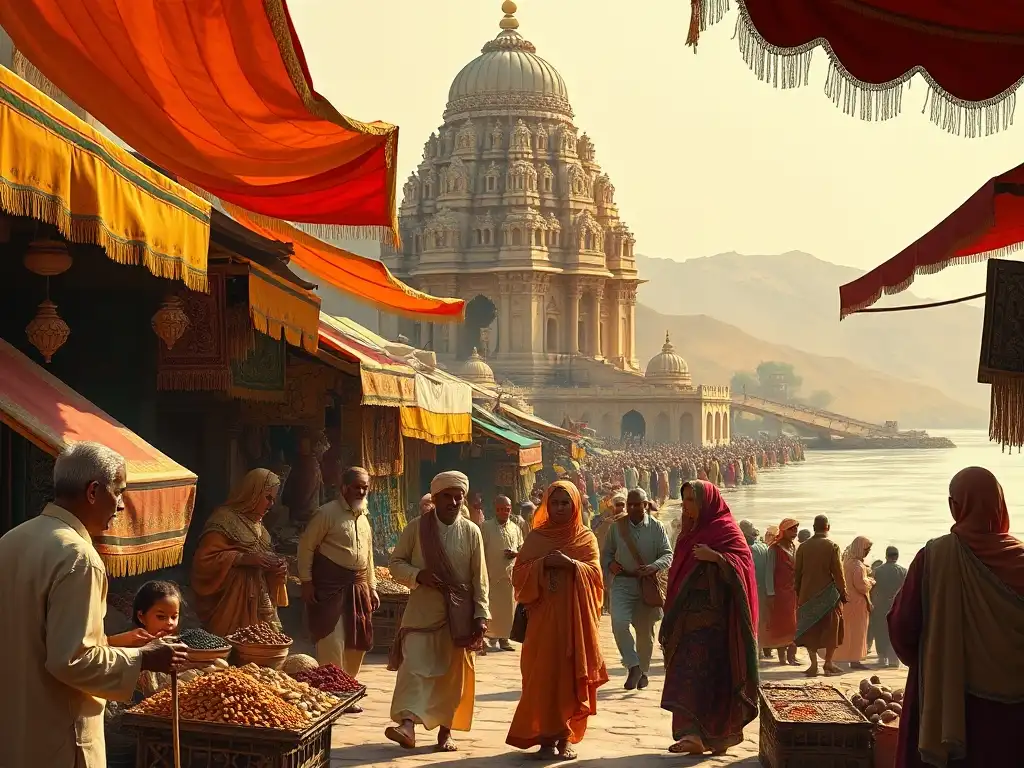
Introduction to Religion and Trade in Ancient India
The interplay between religion and trade in ancient India is a complex and fascinating subject that reveals much about the socio-economic fabric of Indian civilization. From the bustling markets of the Indus Valley civilization to the flourishing trade routes established during the Gupta Empire, religious beliefs profoundly influenced the practices, norms, and regulations governing trade. This article delves into the rich tapestry of how various religions shaped the internal trade practices of ancient India, creating a unique blend of spirituality and commerce that has left an indelible mark on the region's history.
Overview of Ancient Indian Civilizations
Ancient India was home to several advanced civilizations, each contributing significantly to the development of trade and economy. The Indus Valley Civilization (c. 3300–1300 BCE) is one of the earliest known urban cultures, notable for its sophisticated urban planning and trade systems. Following this period, the rise of Vedic culture brought about new social structures, while the Maurya and Gupta Empires later established extensive trade networks across the subcontinent.
These civilizations were characterized by a diverse array of religious beliefs, including Hinduism, Buddhism, and Jainism, which influenced their social and economic practices. These religions not only provided moral and ethical guidelines but also facilitated trade relations among communities by establishing trust and mutual respect.
Significance of Religion in Socio-Economic Contexts
Religion played a crucial role in shaping the socio-economic dynamics of ancient India. It influenced various aspects of daily life, including:
- Trade Regulations: Religious texts often contained guidelines about fair trade practices, ethical dealings, and pricing.
- Social Hierarchies: The caste system, which was significantly influenced by religious doctrines, determined the roles of individuals in trade and commerce.
- Cultural Exchange: Religious festivals and pilgrimages fostered interactions between diverse communities, further enhancing trade opportunities.
Understanding these dynamics offers insight into how religion not only shaped individual practices but also created a network of economic relationships that spanned across ancient India.
Thesis Statement: Exploring the Interconnection between Religion and Trade
This article seeks to explore the intricate interconnection between religion and trade in ancient India, examining how religious beliefs and practices influenced internal trade networks. By analyzing historical contexts, trade routes, and the impact of various religions on trade practices, we aim to reveal the underlying principles that governed economic interactions in ancient Indian societies.
Historical Context of Trade in Ancient India
The historical backdrop of trade in ancient India is marked by the evolution of internal trade networks, an essential factor in the economic prosperity of the region.
Evolution of Internal Trade Networks
Internal trade in ancient India evolved significantly over centuries, transitioning from barter and localized exchanges to more complex forms of trade involving currency and long-distance routes. As civilizations grew, so did their trading practices:
- Barter System: Initially, goods were exchanged directly, which limited the scope of trade.
- Use of Currency: The introduction of coins during the Mahajanapadas period facilitated easier transactions and broader trade networks.
- Marketplaces and Trade Guilds: The establishment of marketplaces and trade guilds promoted organized trading activities, with guilds often having their own set of rules based on religious principles.
Major Trade Routes in Ancient India
Several key trade routes emerged during ancient times, facilitating the movement of goods and ideas across vast distances. Notable routes included:
- The Grand Trunk Road: One of the oldest trade routes, connecting eastern India to the western regions.
- Silk Road Connections: India served as a key node in the Silk Road, enabling trade with Central Asia and beyond.
- Maritime Trade Routes: The Indian Ocean trade networks allowed for the exchange of goods with regions as far as Africa and the Middle East.
These routes not only facilitated economic transactions but also facilitated cultural and religious exchanges, further intertwining trade and religion.
Role of Religion in Shaping Trade Practices
Religion significantly influenced trade practices in various ways:
- Festivals and Market Days: Religious festivals often coincided with market days, boosting trade activity and providing opportunities for merchants to engage with customers.
- Pilgrimages: Religious pilgrimages attracted large numbers of people, creating demand for goods and services along the routes.
- Cultural Norms: Religious beliefs shaped ethical trading practices, encouraging honesty and integrity among merchants.
Through these mechanisms, religion and trade became intertwined, creating a rich legacy that defined the economic landscape of ancient India.
The Influence of Major Religions on Trade Practices
Religion played a significant role in shaping the trade practices of ancient India, intertwining spiritual beliefs with economic activities. The major religions—Hinduism, Buddhism, and Jainism—each contributed unique perspectives and principles that influenced trade relationships, ethical practices, and commercial integrity. These religious frameworks not only guided individual behavior but also established broader societal norms that facilitated trade across various regions.
Hinduism, with its emphasis on dharma (duty) and the moral conduct of individuals, encouraged fair trade practices. Buddhism introduced concepts of right livelihood and ethical trade, while Jainism advocated for non-violence and honesty in business dealings. Together, these religions fostered a culture that valued integrity, fairness, and mutual respect in commercial transactions, ultimately enhancing internal trade networks across ancient India.
Hinduism and Its Economic Principles
Hinduism's economic principles are deeply rooted in its philosophical and spiritual tenets. The concept of dharma plays a crucial role, as it reflects the responsibility of individuals to conduct their lives, including trade, according to righteous principles. Merchants and traders were expected to adhere to ethical practices, which included fair pricing, truthful representation of goods, and respectful treatment of customers.
The caste system, although often criticized, provided a structured approach to economic activities. Different castes specialized in various trades and professions, leading to a diverse and interdependent economy. For instance, the Vaishyas, traditionally known as the merchant class, engaged in trade, agriculture, and money lending, thereby contributing to the economic fabric of society. Festivals and rituals also influenced trade; auspicious dates were often chosen for significant commercial transactions, thereby integrating spirituality with economic activities.
Buddhism and Trade Ethics
Buddhism introduced a range of ethical guidelines that profoundly impacted trade practices. The principle of Right Livelihood, one of the elements of the Eightfold Path, emphasizes earning a living in ways that do not cause harm to others. This principle encouraged traders to engage in ethical practices, avoiding deceitful marketing and exploitation of consumers.
Buddhist teachings promoted the idea of compassion and kindness, which translated into fair treatment of workers and customers alike. Markets often featured Buddhist monks who provided counsel on ethical business practices, reinforcing the idea that moral behavior was as crucial as profitability. This ethical framework fostered trust among traders, leading to more stable and prosperous internal trade networks.
Jainism and Commercial Integrity
Jainism places an immense emphasis on ahimsa (non-violence) and truthfulness, which significantly influenced commercial integrity in ancient India. Jains were known for their strict adherence to these principles, which shaped their approach to trade. Merchants who followed Jain teachings were expected to avoid causing harm to living beings, which impacted their choices in sourcing materials and conducting business.
This commitment to integrity often translated into rigorous standards for honesty and transparency in trade. Jains were known to offer high-quality goods and fair prices, fostering strong reputations in the marketplace. The Jain emphasis on ethical conduct created a culture of trust, which was essential for the flourishing of internal trade networks, particularly in the regions of Gujarat and Rajasthan where Jain communities thrived.
Religious Festivals and Their Impact on Trade

Religious festivals in ancient India served not only as spiritual observances but also as significant catalysts for trade. These festivals attracted large gatherings of people, creating vibrant marketplaces where traders could showcase their goods. The interplay between religion and commerce during these times was profound, as festivals provided a unique opportunity for trade to flourish.
Overview of Major Religious Festivals in Ancient India
Ancient India was rich with diverse religious festivals, each with its own cultural significance and economic implications. Major festivals included Diwali, the festival of lights celebrated by Hindus, Buddha Purnima, commemorating the birth of the Buddha, and Mahavir Jayanti, celebrating Lord Mahavira in Jainism. These festivals often involved rituals that encouraged communal harmony and fostered trade relationships.
During these festivities, local markets transformed into bustling hubs of commerce, with traders offering a variety of goods ranging from textiles to food items. The influx of pilgrims and visitors provided a significant boost to local economies, highlighting the interconnectedness of religion and trade.
Economic Boost during Religious Celebrations
The economic impact of religious celebrations was substantial. During festivals, merchants often experienced a surge in sales due to increased foot traffic and the celebratory spirit of consumers. Special offerings, discounts, and festive promotions became common practices to attract buyers, contributing to a vibrant economic atmosphere.
Additionally, the arrival of pilgrims and tourists not only supported local businesses but also encouraged trade between regions. For example, during Diwali, the demand for sweets, decorative items, and clothing soared, leading to increased production and trade activities. This cyclical pattern of economic boost during festivals became an integral part of the trading calendar in ancient India.
Case Study: The Role of Kumbh Mela in Trade
The Kumbh Mela, one of the largest religious gatherings in the world, exemplifies the profound relationship between religion and trade in ancient India. This festival, held every twelve years at four sacred rivers, attracts millions of pilgrims from across the country and beyond. The sheer scale of the event transforms the host cities into vibrant marketplaces.
During the Kumbh Mela, traders and artisans from various regions converge to sell their goods, ranging from religious artifacts to textiles and food. The festival not only provides a significant economic boost to the local economy but also facilitates cultural exchange and networking among traders from different backgrounds. The Kumbh Mela serves as a powerful reminder of how religious gatherings can drive trade, foster economic growth, and strengthen community ties in ancient India.
Trade Regulations and Religious Codes
In ancient India, the intertwining of religion and trade was a significant aspect of economic practice. Trade regulations often drew from religious codes, which dictated various aspects of commerce, including pricing, trade ethics, and market conduct. The influence of religious beliefs on trade practices ensured that merchants operated within a framework that upheld moral and ethical standards dictated by their respective faiths.
Many ancient texts, including the Dharmashastras, provided guidelines on fair trade, emphasizing the importance of honesty and integrity among traders. These regulations not only fostered trust between merchants but also contributed to the overall stability of trade networks across the region. As a result, compliance with religious codes became essential for merchants seeking to establish and maintain successful trading relationships in various marketplaces.
Legal Framework Influenced by Religious Texts
The legal framework governing trade in ancient India was heavily influenced by religious texts that outlined specific laws and ethical considerations. For instance, the Manusmriti, one of the oldest legal texts, provided comprehensive regulations on trade practices, including the prohibition of deceitful practices and the fair treatment of customers.
These texts served as a reference point for both traders and local authorities, ensuring that commerce was conducted within a morally acceptable framework. Violations of these religious-based laws could result in severe penalties, including ostracism from trading communities. Thus, the legal regulations rooted in religious texts not only enforced ethical conduct but also played a crucial role in maintaining order and fairness in trade.
The Role of Guilds and Religious Associations
Guilds, or shrenis, were pivotal in the conduct of trade in ancient India and often operated within a religious context. These associations not only provided a platform for traders to collaborate and share resources but also enforced community standards based on religious beliefs. Membership in a guild typically required adherence to specific religious practices and moral codes, which reinforced the connection between commerce and spirituality.
These guilds served as a protective mechanism for their members, mediating disputes and ensuring compliance with trade regulations aligned with the religious tenets of the time. Moreover, the guilds’ influence extended beyond local trade, as they often facilitated long-distance trade routes, promoting a network of ethical trading practices that respected the religious sentiments of diverse populations.
Conflict and Cooperation: Religion-Based Trade Regulations
The relationship between religion and trade in ancient India was marked by both conflict and cooperation. While religious regulations often guided trade practices, they sometimes led to disputes among different religious communities. For instance, varying interpretations of religious texts could result in disagreements over trade practices and competition among merchants from different faiths.
However, there were also instances of cooperation where religious commonalities facilitated trade. Inter-religious trade alliances were formed, leading to the establishment of markets that honored the practices of various faiths. Festivals and religious gatherings often served as opportunities for trade, encouraging merchants to engage with a diverse clientele while respecting each other's beliefs. This duality of conflict and cooperation created a dynamic trading environment that reflected the complexities of religious interactions in ancient India.
Conclusion: The Lasting Impact of Religion on Trade
The impact of religion on trade practices in ancient India has left a profound legacy that continues to influence contemporary economic interactions. The integration of religious beliefs into trade regulations established a framework that underscored the importance of ethics, community standards, and mutual respect among traders.
Summary of Key Points
- Religion significantly influenced trade regulations and practices in ancient India.
- Legal frameworks were often derived from religious texts, emphasizing ethical conduct.
- Guilds played a crucial role in fostering cooperation and enforcing religious trade standards.
- The interplay of conflict and cooperation among religious communities shaped trade dynamics.
Reflection on the Historical Significance of Religion in Trade Practices
The historical significance of religion in trade practices cannot be overstated. It provided a moral compass for merchants, ensured ethical conduct, and promoted trust in commercial transactions. This interplay of religion and trade not only facilitated economic growth but also fostered cultural exchanges among diverse communities, contributing to the rich tapestry of ancient Indian civilization.
Future Research Directions on Religion and Trade in Ancient India
Future research on the nexus of religion and trade in ancient India could focus on several areas, including:
- Comparative Studies: Investigating how different religious traditions influenced trade practices across various regions in ancient India.
- Archaeological Evidence: Analyzing archaeological findings related to trade goods and religious artifacts to understand their interconnections.
- Cross-Cultural Exchanges: Exploring the impact of trade on religious practices and vice versa, particularly in relation to the Silk Road and other trade routes.
By delving deeper into these areas, scholars can uncover further insights into the complex relationship between religion and trade in ancient India, enriching our understanding of its historical significance.
- Introduction to Religion and Trade in Ancient India
- Historical Context of Trade in Ancient India
- The Influence of Major Religions on Trade Practices
- Religious Festivals and Their Impact on Trade
- Trade Regulations and Religious Codes
- Conclusion: The Lasting Impact of Religion on Trade
- What role did religion play in trade in ancient India?
- How did the Indus Valley Civilization contribute to trade?
- What were the major religions present in ancient India that affected trade?
- How did the Gupta Empire influence trade and religion?
- Were there any trade routes influenced by religion in ancient India?
Frequently Asked Questions
What role did religion play in trade in ancient India?
Religion significantly influenced trade practices in ancient India by establishing ethical guidelines and promoting trust among merchants, which facilitated smoother transactions.
How did the Indus Valley Civilization contribute to trade?
The Indus Valley Civilization developed advanced urban planning and trade networks, utilizing weights, measures, and standardized currency, which were essential for economic transactions.
What were the major religions present in ancient India that affected trade?
The major religions, including Hinduism, Buddhism, and Jainism, emphasized ethical trade practices and encouraged interactions among diverse communities, enhancing trade relations.
How did the Gupta Empire influence trade and religion?
The Gupta Empire saw a flourishing of trade due to its political stability, and the promotion of Buddhism and Hinduism led to enhanced cultural exchanges that further boosted trade activities.
Were there any trade routes influenced by religion in ancient India?
Yes, several trade routes, like the Silk Road, were influenced by religious pilgrimages, facilitating not only the exchange of goods but also the spread of cultural and religious ideas.
Final Reflection: The Enduring Legacy of Religion and Trade in Ancient India
The intricate relationship between religion and trade in ancient India remains profoundly relevant today, as it shaped not only economic practices but also cultural identities. The intertwining of spiritual beliefs and commerce laid the groundwork for a society where trade was not merely a means of economic exchange but also a conduit for cultural and religious expression. This historical perspective invites us to recognize how the values and ethics derived from religious teachings continue to influence modern trade practices and consumer behavior.
The impact of religion on trade in ancient India is a testament to the power of belief systems in shaping societal norms and practices. As we navigate our contemporary world, the echoes of these ancient practices remind us of the importance of ethical considerations in commerce. Trade is not merely a transaction; it is a reflection of our values and beliefs.
This notion resonates deeply in today’s global marketplace, where consumers increasingly seek brands that align with their ethical and spiritual values, highlighting the ongoing relevance of these ancient principles.
As we reflect on the lessons of the past, I invite you to consider how the interplay of religion and trade can inform your own practices and values. How can you incorporate ethical considerations into your daily transactions and interactions?
By embracing the wisdom of ancient India, we can foster a more conscious approach to trade—one that honors our shared humanity and the diverse beliefs that shape our world. Let this reflection inspire you to engage with commerce not just as a means to an end, but as a pathway to enrich both your life and the lives of others.
Unveil the Ancient Trade Networks!
Thank you for joining us on this enlightening exploration of the profound impact religion had on internal trade practices in ancient India. We hope you gained valuable insights into how spirituality and commerce intertwined to shape economic landscapes. Now, it's time to take those insights further and engage with this fascinating topic!
Here are a few actions you can embark on:
- Dive deeper: Research specific trade routes influenced by religious practices and share your findings with fellow history enthusiasts on forums or social media.
- Visit a local library or museum: Explore resources that delve into ancient Indian trade and its cultural significance.
- Join the discussion: Participate in online forums or blogs focused on ancient trade practices. Your voice matters, and insights from diverse perspectives can enhance understanding.
What aspect of ancient trade practices intrigues you the most, and how do you think religion shaped the economy of that era? Let’s keep this dialogue alive!