
The Spice Trade: Ancient India's Contribution to Global Cuisine

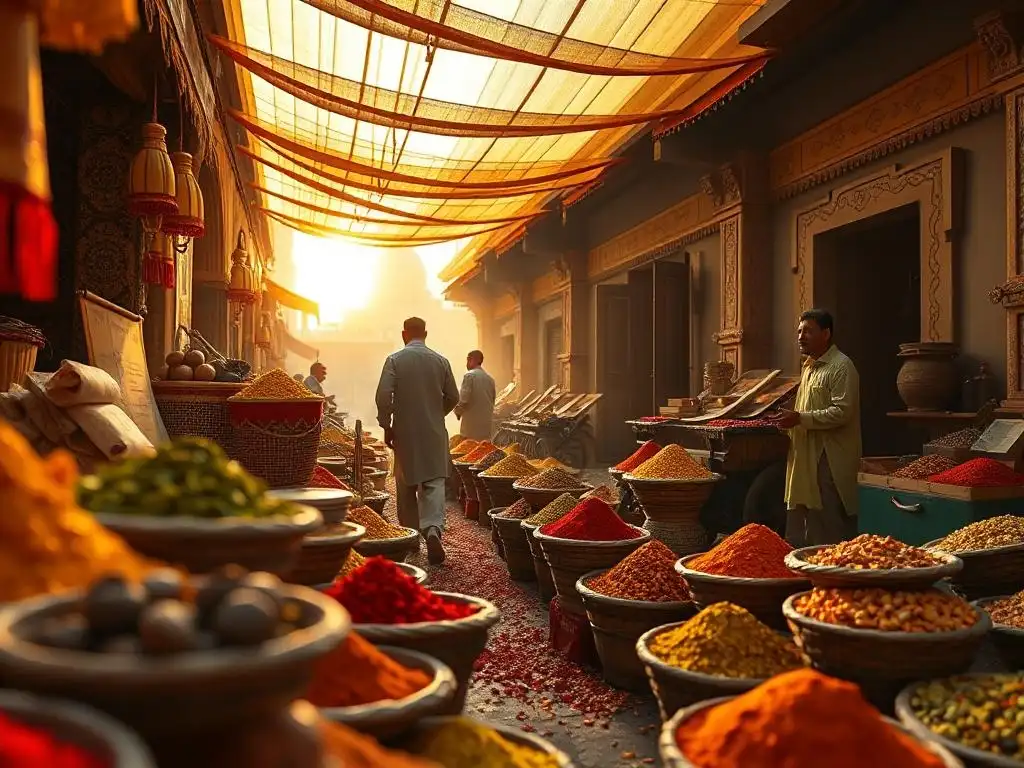
Welcome to Ancient India History, where we delve into the incredible tapestry of rich and diverse civilizations that shaped the subcontinent. Today, we invite you to uncover the fascinating world of Ancient India's spice trade history—a journey through time that reveals how these aromatic treasures not only tantalized taste buds but also played a pivotal role in global commerce. What secrets did the spice routes hold, and how did they influence cultures far beyond India’s borders?
Join us as we explore this flavorful chapter, igniting your curiosity and enriching your understanding of one of history's most significant economic exchanges. Dive in to learn more!
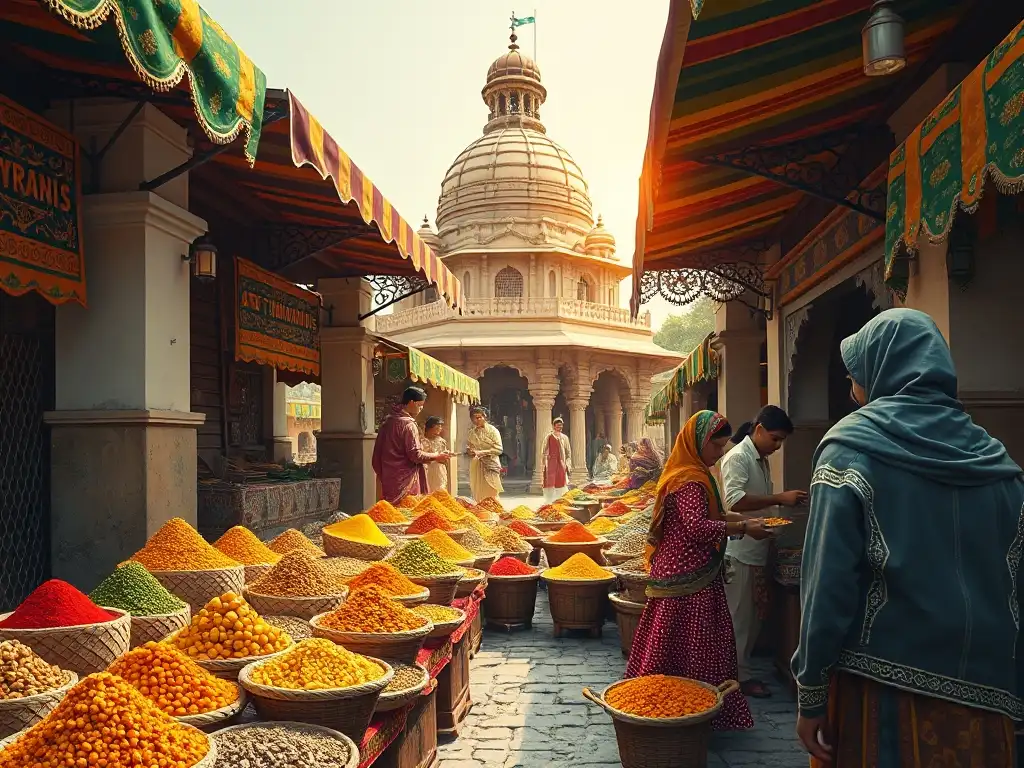
Introduction to Ancient India's Spice Trade History
The spice trade of ancient India is a fascinating chapter in the annals of global history, showcasing how this subcontinent not only contributed to the culinary landscape but also played a pivotal role in international trade dynamics. Spices such as black pepper, cardamom, and turmeric were not merely ingredients but symbols of wealth, trade, and cultural exchange.
As early as 500 BCE, Indian merchants were traversing vast distances, engaging in trade that would connect them with civilizations far beyond their own. This article delves into the intricate tapestry of Ancient India's spice trade history, exploring its origins, significance, and lasting impact on global cuisine.
Overview of Ancient India’s Role in Global Spice Trade
Ancient India was a vibrant hub for the production and trade of spices, which were sought after not only for their culinary uses but also for medicinal purposes, religious rituals, and preservation techniques. The Indian subcontinent, blessed with a diverse climate, became the birthplace of several key spices, establishing trade routes that reached as far as the Roman Empire, the Middle East, and Southeast Asia.
- Trade Routes: The maritime and overland routes facilitated the exchange of spices with various cultures, enhancing India's economic stature.
- Cultural Exchange: The spice trade also led to cultural interactions, where ideas, religions, and technologies flowed between civilizations.
The legacy of this trade continues to influence modern culinary practices, serving as a reminder of India's rich heritage in global cuisine.
Importance of Spices in Ancient Indian Culture and Cuisine
Spices held a central place in ancient Indian culture, transcending their role as mere flavor enhancers. They were integrated into various aspects of life, reflecting social status, regional diversity, and even religious beliefs.
- Culinary Practices: Spices were essential in creating diverse regional cuisines, each with its distinct flavor profiles.
- Medicinal Uses: Ancient texts like the Ayurveda highlight the medicinal properties of spices, showcasing their importance beyond the kitchen.
- Ritual Significance: Spices were often used in rituals and offerings, symbolizing purity and sanctity.
The deep-rooted significance of spices in daily life and spiritual practices underscores their essential role in shaping ancient Indian civilization.
The Origins of Spice Trade in Ancient India
Historical Context of the Spice Trade Routes
The spice trade in ancient India can be traced back to several key trade routes that emerged over centuries. These routes not only facilitated the movement of spices but also fostered economic and cultural exchanges.
- The Silk Road: Although primarily known for silk, this route also contributed to the spice trade by connecting India with Central Asia and beyond.
- Maritime Routes: Indian merchants navigated the Indian Ocean, establishing trade links with the Middle East and Africa, which allowed spices to reach European markets.
The establishment of these trade routes was crucial in laying the groundwork for the extensive spice commerce that would follow.
Key Spices Traded by Ancient India
Ancient India was renowned for several key spices that became highly sought after in global markets:
- Black Pepper: Often referred to as "black gold," it was one of the most valuable spices traded.
- Cardamom: Known for its unique flavor and aroma, it was prized in both culinary and medicinal applications.
- Turmeric: Celebrated for its vibrant color and health benefits, it was used in cooking and traditional medicine.
These spices not only enriched the diets of those who used them but also became emblems of trade that linked India to various parts of the world, emphasizing the significance of ancient India's spice trade history in shaping global cuisine.
Major Spice Trade Routes Influencing Ancient India
The spice trade played a pivotal role in the economic, cultural, and social development of ancient India. Its influence extended far beyond the subcontinent, connecting India with various civilizations and fostering a cultural exchange that enriched global cuisine. Several key trade routes emerged, both overland and maritime, facilitating the movement of spices like pepper, cardamom, and cinnamon to distant lands. Understanding these routes provides insight into how ancient India became a vital player in the global spice market.
The Maritime Spice Routes
The maritime spice routes were crucial for the trade of spices from the Indian subcontinent to various regions across the globe. These sea lanes connected Indian ports, such as Calicut and Cochin, with Southeast Asia, the Middle East, and even Europe.
- Key Ports: Major ports like Lothal in Gujarat and the Malabar Coast acted as significant hubs for spice export.
- Trade Winds: The monsoon winds facilitated navigation, allowing traders to sail with relative ease across the Arabian Sea and the Indian Ocean.
- Cultural Exchange: The maritime routes not only enabled the movement of spices but also facilitated cultural exchanges, bringing together diverse communities and sharing culinary practices.
The Overland Trade Routes
In addition to maritime routes, overland trade routes also played a significant role in the spice trade. These routes connected India with Central Asia, Persia, and beyond, allowing for the exchange of spices and other goods.
- The Silk Road: This ancient network of trade routes connected China to the Mediterranean, where Indian spices were highly sought after. Indian merchants traveled along these routes, bringing spices to markets across Asia.
- Cultural Interactions: The overland routes enabled direct contact with other civilizations, leading to the exchange of ideas, technologies, and culinary traditions. This interaction enriched Indian cuisine and introduced new spices and flavors to the Indian palate.
Interactions with Other Civilizations through Trade
The spice trade fostered interactions between ancient Indian civilizations and various other cultures. Through trade, ancient India established diplomatic and economic ties with neighboring and distant civilizations.
- Greeks and Romans: The demand for Indian spices in Greece and Rome created a robust trade network. Indian merchants were instrumental in supplying spices like black pepper and ginger to these regions.
- Arab Traders: Arab merchants served as intermediaries, facilitating trade between India and Europe. They played a vital role in the distribution of spices, passing through crucial ports in the Indian Ocean.
- Cultural Exchange: The interactions with other civilizations led to a rich exchange of cultural practices, culinary techniques, and trade knowledge, further enhancing the significance of the spice trade.
Key Players in the Ancient Indian Spice Trade
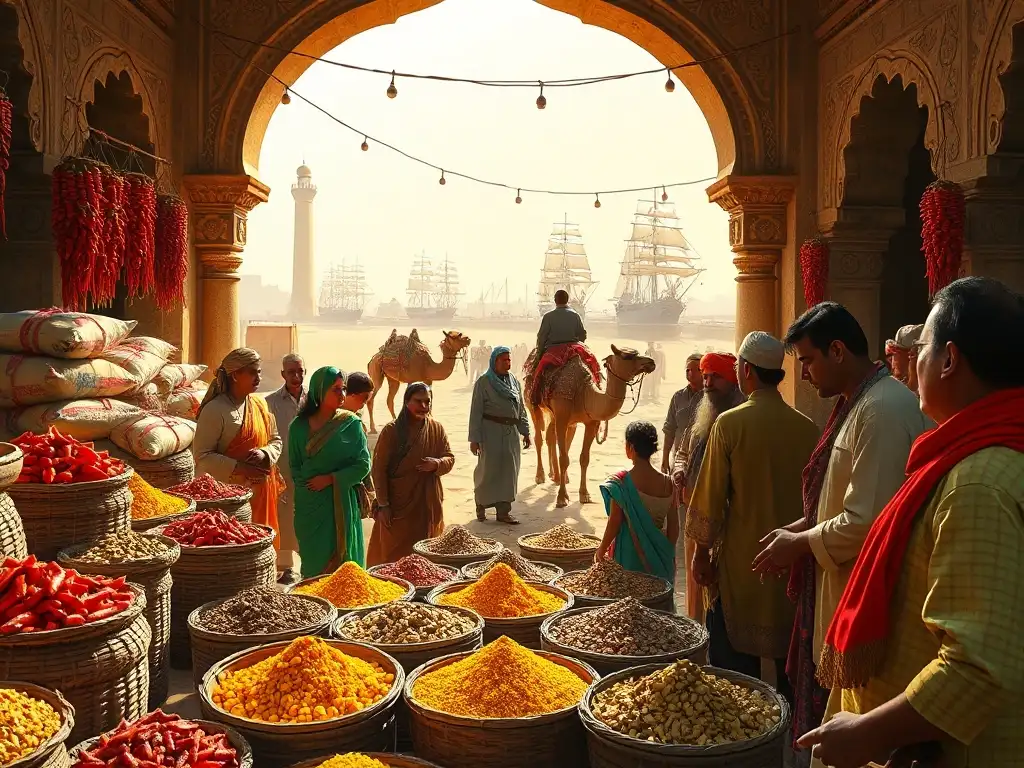
The spice trade in ancient India was characterized by the involvement of various key players, including powerful kingdoms and skilled merchants. These entities played a vital role in establishing and maintaining trade networks that spanned vast distances.
Prominent Indian Kingdoms Involved in Spice Trade
Several Indian kingdoms thrived on spice trade, leveraging their strategic locations and resources to dominate the market.
- Chola Dynasty: Known for its naval power, the Chola dynasty established extensive maritime trade routes, exporting spices to Southeast Asia and beyond.
- Gupta Empire: The Gupta period saw a flourishing economy, with spices being a significant part of trade. They enhanced trade connections with regions in the West, including Persia and the Mediterranean.
- Maurya Empire: Under the Mauryan rule, India became a major supplier of spices, with trade routes connecting it to the Hellenistic world and beyond.
Merchants and Traders in Ancient India
Merchants and traders were the backbone of the spice trade, facilitating the exchange of goods and contributing to the economy.
- Guilds and Associations: Merchants often organized themselves into guilds, which provided structure and support for trading operations. These associations were crucial in negotiating trade agreements and ensuring fair practices.
- Roles of Traders: Traders not only transported spices but also acted as cultural ambassadors, sharing knowledge and culinary traditions with the regions they traded with. They played a vital role in the diffusion of various spices and their uses in cooking.
- Wealth and Influence: Successful merchants accumulated considerable wealth and often wielded significant influence in their communities, contributing to the overall prosperity of ancient Indian society.
The spice trade in ancient India was not merely an economic activity; it was a vital force that shaped cultural interactions and established India as a central hub in the global spice network. Through the maritime and overland routes, and with the involvement of dynamic kingdoms and skilled traders, ancient India left an indelible mark on global cuisine that continues to resonate today.
The Economic Impact of Spice Trade on Ancient India
The spice trade played a pivotal role in shaping the economic landscape of ancient India. As one of the primary producers of a variety of spices such as black pepper, cardamom, cinnamon, and turmeric, India established itself as a key player in global trade. This trade was not just limited to local transactions but extended to far-reaching markets in Africa, the Middle East, and even Europe. The demand for Indian spices was so high that it significantly influenced trade routes, leading to the establishment of numerous trading hubs along the way.
The lucrative nature of the spice trade attracted merchants, traders, and even foreign powers, promoting wealth accumulation among Indian kingdoms. This wealth was then reinvested into further economic activities, including agriculture, crafts, and infrastructure, contributing to the overall prosperity of these civilizations. The economic impact was profound, resulting in enhanced trade networks and a robust market system that facilitated the exchange of goods beyond spices, including textiles and gemstones.
Growth of Cities and Trade Hubs
The spice trade catalyzed the growth of several cities and trade hubs across ancient India. Ports such as Kochi and Calicut became vital centers for spice trade, attracting traders from diverse regions, including the Romans, Greeks, and Arabs. These cities evolved into bustling marketplaces where spices were exchanged, and new cultural interactions flourished.
The influx of wealth from the spice trade led to urbanization, with cities developing sophisticated infrastructures, including roads, warehouses, and marketplaces. This urban growth not only provided employment opportunities but also encouraged the exchange of ideas and cultures among various communities, thus enriching the local and regional cultures.
Trade hubs also played a crucial role in the dissemination of knowledge, with merchants sharing information about agricultural practices, culinary techniques, and even medicinal uses of spices. This exchange fostered innovation across various fields, contributing to a vibrant and dynamic economy.
Influence on Ancient Indian Economy and Wealth
The influence of the spice trade on ancient Indian economy cannot be overstated. With spices being a highly sought-after commodity, Indian kingdoms leveraged this demand to enhance their economic status. The revenue generated from spice exports allowed rulers to fund military campaigns, construct monumental architecture, and invest in public welfare.
Moreover, the wealth accrued from the spice trade contributed to the flourishing of arts and culture. Patronage from affluent merchants and royal families led to advancements in literature, sculpture, and architecture. The prosperity brought about by the spice trade also attracted foreign influences, further diversifying the cultural fabric of ancient India.
In essence, the spice trade not only enriched the economy but also laid the groundwork for the development of a complex and interconnected society, where trade and culture thrived in unison.
Cultural Exchange Through Spice Trade
The spice trade was not merely a commercial enterprise; it was a conduit for cultural exchange that significantly influenced various aspects of life in ancient India and beyond. As spices traveled along trade routes, they carried with them stories, traditions, and culinary practices that transcended geographical boundaries.
The Influence of Spices on Global Cuisines
The impact of Indian spices on global cuisines is profound. Spices such as black pepper, cardamom, and saffron became integral to culinary traditions across the world. The introduction of these spices to different regions transformed local cuisines, enhancing flavors and encouraging the development of new dishes.
For example, the use of spices in Mediterranean cooking, especially during the Roman Empire, was heavily influenced by Indian trade. This cross-cultural exchange led to the adaptation of Indian culinary techniques, resulting in a fusion of flavors that can still be seen in modern cuisines. Furthermore, the appreciation for spices contributed to the establishment of trade routes that facilitated not only the exchange of goods but also of culinary knowledge.
Culinary Techniques and Innovations from Ancient India
Ancient India was not only a supplier of spices but also a cradle of culinary innovation. The spice trade fostered the development of unique cooking techniques that were shared across cultures. Methods such as tempering, where spices are sautéed in hot oil to release their essential oils and flavors, originated in Indian kitchens and were adopted by many other cultures.
Additionally, the blending of spices to create complex flavor profiles became a hallmark of cooking in various regions influenced by Indian culinary practices. The art of preserving foods with spices, a technique that originated in India, was also disseminated through trade routes, significantly impacting food preservation methods across the globe.
The spice trade was a key driver of not only economic growth but also cultural enrichment, allowing ancient India to leave an indelible mark on global cuisines and culinary traditions.
The Decline of Ancient India's Spice Trade

The decline of ancient India's spice trade was a complex process influenced by a multitude of factors, both internal and external. As trade routes evolved and new players emerged in the global market, the once-thriving networks that facilitated the exchange of spices began to diminish. This decline not only affected the economy of ancient India but also altered the culinary landscape across the globe.
Factors Leading to the Decline of Trade Routes
Several factors contributed to the decline of trade routes that were vital for the spice trade. Geopolitical changes played a significant role, as the rise of new powers in Europe and Asia shifted the balance of trade. The establishment of sea routes by European powers such as Portugal and Spain allowed them to bypass traditional land routes, reducing the importance of overland trade that had long been dominated by Indian merchants.
Additionally, internal strife and instability within India, including invasions and fragmentation of political entities, weakened the structure of trade networks. The decentralization of power led to a lack of unified control over trade practices, which made it difficult for merchants to operate effectively across regions.
Another important factor was the introduction of new products from the Americas, such as chili peppers and tomatoes, which began to supplant traditional spices in cuisines worldwide, further diminishing the demand for Indian spices.
The Impact of Colonialism on Indian Spice Trade
The advent of colonialism marked a significant turning point in the history of India's spice trade. European colonizers, particularly the British, sought to control the lucrative spice trade, which had been a cornerstone of India's economy for centuries. The establishment of the British East India Company allowed for the monopolization of spice production and distribution.
Colonial policies prioritized the export of spices over local consumption, leading to exploitation of Indian farmers and the disruption of traditional agricultural practices. The focus on cash crops for export diminished the diversity of crops grown locally, impacting both the economy and the cultural significance of spices in Indian society.
Moreover, the imposition of tariffs and trade restrictions limited the ability of Indian traders to compete in global markets. As a result, many traditional trade routes fell into disuse, and the once-flourishing spice trade saw a dramatic decline by the late 19th century.
Legacy of Ancient India's Spice Trade in Modern Cuisine
The legacy of ancient India's spice trade is profoundly embedded in modern culinary practices worldwide. Spices such as black pepper, cardamom, and turmeric, once coveted commodities, have become staples in kitchens around the globe, showcasing the enduring influence of ancient trade practices.
Modern Culinary Practices Influenced by Ancient Spices
Modern cuisines have been significantly influenced by the spices that were once traded along the ancient routes. For instance, curry powder, which incorporates a blend of spices originating from India, has become a staple in Western cooking. Similarly, the use of turmeric for its flavor as well as its health benefits has gained popularity beyond Indian cuisine, finding its way into various dishes across the globe.
Chefs and home cooks alike are increasingly recognizing the health benefits associated with these ancient spices, leading to a revival in their use. The trend of incorporating traditional spices into modern recipes reflects a growing appreciation for the rich history and cultural significance behind these ingredients.
The Ongoing Relevance of Ancient Indian Spices Today
Today, ancient Indian spices continue to hold relevance in both culinary and cultural contexts. The resurgence of interest in global cuisines has led to a renewed focus on the origins of various spices, with many individuals seeking authentic flavors that connect them to history.
Moreover, the health-conscious movement has highlighted the medicinal properties of spices like ginger, cumin, and fenugreek, driving demand for these ingredients in contemporary diets. As consumers become more aware of the benefits of using natural ingredients, ancient Indian spices are experiencing a renaissance, solidifying their place in modern kitchens.
The legacy of ancient India's spice trade is not only a testament to the historical importance of these commodities but also a reflection of their lasting impact on global cuisine. The influences of ancient practices continue to shape culinary traditions, ensuring that the rich heritage of Indian spices endures for generations to come.
Conclusion: The Enduring Influence of Ancient India's Spice Trade History
The spice trade of ancient India has had a lasting impact on global cuisine, shaping culinary practices and preferences across continents. This history is not merely a tale of trade but a narrative of cultural exchange, innovation, and the establishment of global networks.
Ancient India's role as a primary supplier of valuable spices like black pepper, cardamom, and turmeric positioned it as a culinary hub, influencing tastes and cooking techniques long before the advent of modern globalization. As spices traveled along trade routes like the Silk Road and maritime paths to Europe, Africa, and the Middle East, they brought with them the rich traditions and flavors of Indian cuisine, forever altering the culinary landscape of these regions.
The integration of Indian spices into various global cuisines not only enhanced flavors but also introduced new health benefits, which were recognized by cultures worldwide. This exchange fostered a deeper appreciation for the art of cooking and the significance of spices, establishing them as essential ingredients in many traditional dishes. The enduring popularity of these spices today is a testament to their historical significance and the foundational role that ancient Indian spice trade played in the development of global culinary practices.
Summary of Ancient India's Contribution to Global Cuisine
Ancient India’s spice trade was pivotal in establishing connections between diverse cultures and cuisines. The vast array of spices exported from India included:
- Black Pepper: Often referred to as the "king of spices," it became a staple in European kitchens.
- Turmeric: Valued for its vibrant color and medicinal properties, turmeric found its way into the culinary practices of numerous cultures.
- Cinnamon: This aromatic spice was highly sought after and featured prominently in both sweet and savory dishes.
- Cardamom: Known as the "queen of spices," cardamom enhanced desserts and beverages across various regions.
The trade routes facilitated not just the movement of spices but also the exchange of culinary techniques, resulting in fusion dishes that blended Indian spices with local ingredients. For instance, the Middle Eastern use of spices in rice dishes and the incorporation of Indian spices into European sauces illustrate the profound influence of ancient India on global cooking traditions.
Reflection on the Importance of Preserving Spice Trade Heritage
Preserving the heritage of ancient India's spice trade is crucial for several reasons. Firstly, it recognizes the cultural significance of spices in shaping identities and traditions. Each spice carries a story of its origin, usage, and the communities that cultivated it, reflecting a rich cultural tapestry that deserves to be celebrated and preserved.
Secondly, maintaining this heritage supports sustainable practices in agriculture and trade. By valuing traditional spice cultivation methods, we not only honor ancient practices but also promote biodiversity and sustainable farming, which are essential in combating modern agricultural challenges.
Moreover, the spice trade heritage can serve as an educational resource, enlightening future generations about the interconnectedness of cultures and the role of trade in fostering global relationships. Initiatives aimed at preserving this heritage can also enhance tourism, attracting visitors interested in experiencing the historical and cultural significance of spices.
Recognizing and preserving the spice trade history of ancient India is vital not just for historical appreciation but also for fostering sustainable practices and cultural exchange in today's world. This legacy continues to enrich global cuisine and cultural identities, reminding us of the intricate web of human connections woven through the threads of trade.
- Introduction to Ancient India's Spice Trade History
- The Origins of Spice Trade in Ancient India
- Major Spice Trade Routes Influencing Ancient India
- Key Players in the Ancient Indian Spice Trade
- The Economic Impact of Spice Trade on Ancient India
- Cultural Exchange Through Spice Trade
- The Decline of Ancient India's Spice Trade
- Legacy of Ancient India's Spice Trade in Modern Cuisine
- Conclusion: The Enduring Influence of Ancient India's Spice Trade History
Frequently Asked Questions
What was the significance of ancient India's spice trade?
Ancient India's spice trade was crucial in establishing trade routes and fostering economic relationships with other civilizations. Spices like black pepper and cardamom became highly sought after globally.
How did the spice trade impact ancient Indian culture?
The spice trade influenced ancient Indian culture by introducing culinary diversity and fostering cultural exchange. It helped shape Indian cuisine and brought in new flavors and cooking techniques.
What were the main spices traded by ancient India?
Ancient India was known for trading black pepper, cinnamon, turmeric, and ginger. These spices were valued not only for their flavors but also for their medicinal properties.
Which civilizations were involved in the spice trade with ancient India?
Various civilizations, including the Greeks, Romans, and Chinese, engaged in the spice trade with ancient India. This trade facilitated cultural interactions and spread Indian culinary traditions across the world.
How did the spice trade contribute to ancient India's economy?
The spice trade significantly boosted ancient India's economy by generating wealth and creating job opportunities within trade networks. It positioned India as a leading supplier of spices on the global market.
Final Reflection: The Enduring Legacy of Ancient India's Spice Trade
The spice trade of ancient India is not just a historical footnote; it is a vibrant thread woven into the fabric of global cuisine today. As we explore the rich tapestry of flavors that have emerged from this trade, we recognize that the spices that once traveled thousands of miles continue to shape culinary practices and cultural exchanges around the world. The influence of ancient India's spice trade history is palpable in every kitchen, reminding us of the interconnectedness of our global community.
Culturally and socially, the impact of the spice trade has been profound, fostering a sense of unity among diverse populations. The spices that once crossed oceans and deserts have not only enriched our palates but have also served as a bridge between cultures, creating a shared culinary heritage. As we savor the flavors of Indian curry or the warmth of cinnamon in our desserts, we are partaking in a legacy that transcends time and geography. Spices are the soul of food, and they tell the stories of our shared humanity.
As we reflect on the lessons from ancient India's spice trade, let us embrace the opportunity to explore and celebrate the diversity of flavors in our own kitchens. I invite you to experiment with spices, to learn their histories, and to appreciate the stories they carry. In doing so, you not only honor the past but also contribute to a future where culinary traditions continue to evolve and unite us. The journey of spices is far from over; it is a call to adventure, a celebration of culture, and an invitation to savor life in all its richness.
Ignite Your Culinary Adventure Today!
Thank you for taking the time to explore the fascinating world of the spice trade and Ancient India's invaluable contributions to global cuisine! You've uncovered the rich history and flavors that have shaped our culinary landscape. Now, it's time to bring that inspiration into your kitchen and beyond.
Here are some exciting ways to deepen your engagement with this flavorful journey:
- Experiment with new spices: Choose one spice you learned about and incorporate it into your next meal. Challenge yourself to create a dish that highlights its unique flavor!
- Join a local cooking group or online community to connect with fellow food enthusiasts who share your passion for spices and culinary exploration.
- Rediscover the joy of cooking by researching traditional recipes from Ancient India that utilize these spices, and share your creations on social media!
What unexpected flavors have you discovered while experimenting with spices, and how have they transformed your cooking experience? Share your thoughts and join the conversation!