
The Influence of Ancient Indian Trade on Language and Literature

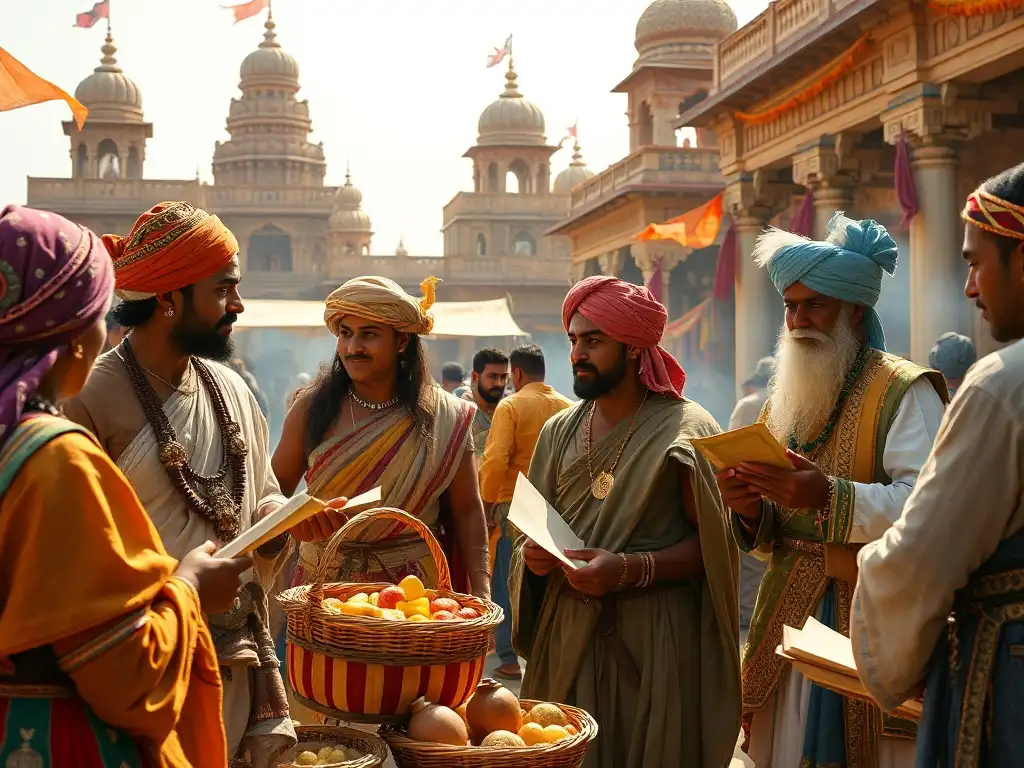
Welcome to Ancient India History, where we embark on a fascinating journey through the vibrant tapestry of ancient civilizations that shaped the Indian subcontinent. In our featured article, "The Influence of Ancient Indian Trade on Language and Literature," we delve into how the bustling trade routes of yesteryear not only facilitated commerce but also sparked a profound linguistic evolution. Curious about the echoes of these ancient exchanges in today’s languages and literary traditions?
Join us as we uncover the intricate connections between trade and communication, revealing stories that have shaped our world in ways you might not expect. Let the exploration begin!
Introduction to Ancient Indian Trade and Its Impact
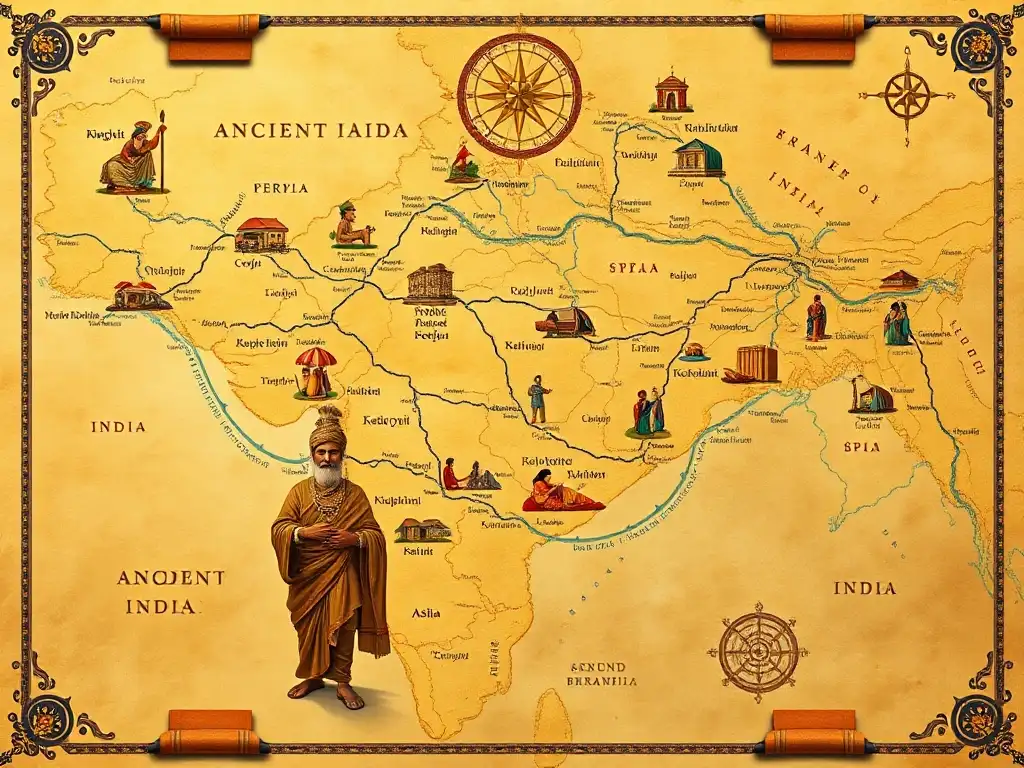
The tapestry of ancient Indian history is intricately woven with the threads of trade, which significantly influenced the evolution of language and literature throughout the subcontinent. From the bustling cities of the Indus Valley Civilization to the flourishing markets of the Gupta Empire, trade routes served not only as channels for the exchange of goods but also as conduits for cultural and linguistic interactions.
The rich diversity of languages and literary traditions in ancient India can be traced back to these vibrant trade networks, which facilitated the movement of people and ideas across vast distances. This article delves into the profound impact of ancient Indian trade on language and literature, highlighting the key trade routes and their role in shaping linguistic expressions and literary forms.
Overview of Ancient Indian Trade Routes
Ancient India was crisscrossed by a network of trade routes that played a crucial role in its economic and cultural development. Some of the most significant routes included:
- The Silk Road: A vital trade network connecting India with Central Asia, the Middle East, and beyond.
- Maritime Routes: Sea routes that facilitated trade with regions as far as Southeast Asia, Africa, and the Mediterranean.
- Overland Routes: Connecting various Indian kingdoms and regions, these routes were essential for internal trade.
These routes enabled not just the exchange of commodities like spices, textiles, and precious metals, but also fostered the movement of ideas, beliefs, and languages, laying the groundwork for a rich cultural mosaic.
Significance of Trade in Ancient Indian Civilization
Trade was a cornerstone of ancient Indian civilization, contributing to its economic prosperity and social structure. The significance of trade can be summarized as follows:
- Economic Growth: Trade boosted the economy by providing access to new markets and resources.
- Cultural Exchange: It facilitated interactions between diverse cultures, leading to a confluence of ideas and practices.
- Political Alliances: Trade routes often dictated political relationships, as control over these routes was crucial for power and influence.
The flourishing trade practices not only enriched the Indian economy but also catalyzed the spread of languages and literary works across regions.
Relationship Between Trade and Cultural Exchange
The relationship between trade and cultural exchange is pivotal in understanding the linguistic landscape of ancient India. Trade networks acted as melting pots where different cultures met, interacted, and influenced one another. Key aspects include:
- Language Borrowing: Trade interactions led to the adoption and adaptation of words from various languages, enriching local dialects.
- Literary Exchange: Merchants and travelers often brought along stories, texts, and oral traditions from their homelands, contributing to the literary corpus of ancient India.
- Script Development: The need for trade documentation and communication prompted the evolution of scripts, fostering literacy and literature.
This dynamic interchange illustrates how ancient Indian trade was not merely an economic endeavor but a vital force in shaping the cultural and linguistic heritage of the subcontinent.
The Role of the Silk Road in Shaping Language
The Silk Road was instrumental in shaping the languages and literary traditions of ancient India. By connecting India with various cultures and civilizations, the Silk Road facilitated an unprecedented exchange of linguistic elements and literary forms.
Key Trade Goods and Cultural Exchange Along the Silk Road
The Silk Road was renowned for its trade in valuable goods such as:
- Silks and Textiles: Highly sought after in both Eastern and Western markets.
- Spices: Indian spices, known for their unique flavors and medicinal properties, were in high demand.
- Precious Stones and Metals: Items like diamonds, rubies, and gold were traded extensively.
These goods not only contributed to economic transactions but also acted as symbols of cultural prestige. The interactions among traders, travelers, and scholars along the Silk Road led to a rich exchange of linguistic and literary traditions.
Linguistic Influences from Trade Partners
The linguistic influences resulting from trade partnerships were profound. As merchants and travelers interacted, they exchanged not only goods but also words and phrases. Notable influences included:
- Loanwords: Many words from Persian, Arabic, and Turkic languages entered Indian languages through trade interactions.
- Script Influence: The circulation of scripts along trade routes influenced regional writing systems, leading to the development of new scripts suited to local languages.
These linguistic exchanges played a crucial role in the evolution of languages in ancient India, fostering a unique blend of linguistic heritage that persists to this day.
Case Study: The Spread of Sanskrit Through Trade
Sanskrit, one of the ancient languages of India, experienced significant dissemination due to trade. Key points include:
- Cultural Prestige: Sanskrit was associated with scholarship, religion, and governance, making it a desirable language for trade and diplomacy.
- Textual Transmission: Many Sanskrit texts traveled along trade routes, influencing cultures and languages beyond India.
- Trade Agreements: Merchants often utilized Sanskrit for documentation, leading to its wider adoption among various communities.
This case study exemplifies how ancient Indian trade not only facilitated economic exchanges but also played a pivotal role in the propagation of language and literature, leaving a lasting legacy on the region's cultural landscape.
Maritime Trade and Its Linguistic Impact
Maritime trade was a cornerstone of ancient Indian commerce, facilitating not only the exchange of goods but also the mingling of cultures and languages. The extensive coastline of India, stretching over 7,500 kilometers, provided numerous ports that became bustling hubs of trade. Key ports such as Lothal, Kochi, and Calicut served as gateways for merchants from various regions, including the Middle East, Southeast Asia, and Africa. This cross-pollination of cultures led to significant linguistic influence, where traders, sailors, and local populations interacted and exchanged not just commodities, but also ideas and languages.
The impact of maritime trade on language can be observed in the vocabulary that emerged from these interactions. As merchants established trade routes, they often adopted words from each other's languages to facilitate communication. This resulted in a rich tapestry of linguistic borrowing that enriched the local dialects and contributed to the evolution of language in the regions involved.
Major Maritime Trade Routes of Ancient India
Among the most significant maritime trade routes was the Indian Ocean trade network, which flourished during the early centuries CE. This network connected India with regions as far as the Roman Empire, the Arabian Peninsula, and the islands of Southeast Asia. Key trade routes included:
- The Spice Route: This route was vital for the trade of spices like pepper, cardamom, and cinnamon, which were highly valued in international markets.
- The Silk Route by Sea: Although primarily known for overland trade, the Silk Route also had maritime links, facilitating the exchange of silk and other luxury goods.
- The Monsoon Trade Route: Utilizing the seasonal winds of the Indian Ocean, traders from India would travel to Africa and the Middle East, and vice versa, adapting their trade practices to the climatic conditions.
These routes not only served as channels for goods but also as conduits for linguistic exchange, whereby words and phrases were borrowed and adapted by the various cultures involved.
Influence of Coastal Trade on Language Variation
Coastal trade significantly contributed to the variation in languages spoken along the Indian coastline. Different regions developed their own dialects and languages, influenced by trade interactions. For instance, the coastal areas of Gujarat and Maharashtra saw the emergence of a distinct set of dialects that incorporated elements from Arabic and Persian due to interactions with Arab traders.
In southern India, languages such as Tamil and Malayalam showcased influences from trade with the Malay Archipelago, leading to unique phonetic and lexical variations. This linguistic diversity reflects the dynamic nature of coastal trade, where merchants not only exchanged goods but also cultural and linguistic practices, resulting in a rich linguistic mosaic that persists to this day.
Examples of Loanwords from Maritime Trade
Loanwords derived from maritime trade illustrate the linguistic influence that trade had on ancient Indian languages. Some notable examples include:
- "Bazar" (from Persian) - Referring to a marketplace, this term became widely used in various Indian languages.
- "Masala" (from Arabic) - Meaning a mix of spices, this word reflects the culinary exchanges facilitated by trade.
- "Sari" (possibly from Sanskrit or regional dialects) - Though its origins are debated, it gained prominence through trade in textiles.
These terms not only embody the commercial exchanges but also signify the cultural intermingling that characterized ancient maritime trade.
Literary Evolution Influenced by Trade
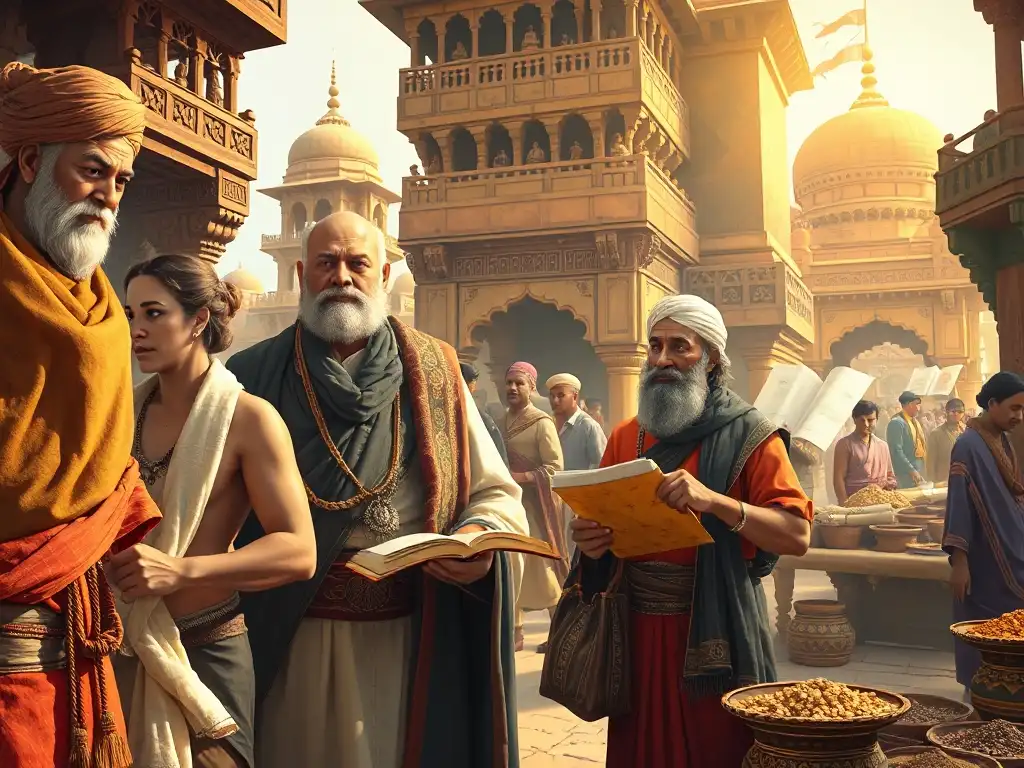
The influence of trade on literature in ancient India is profound, as the movement of people and ideas facilitated the emergence of new literary forms. Trade not only provided economic benefits but also encouraged the exchange of philosophical and artistic ideas, leading to a rich literary tradition that reflects this diversity.
The Emergence of New Literary Forms Due to Trade
As trade routes expanded, new literary forms began to emerge, influenced by the diverse cultures that interacted along these routes. The Kāvya (poetry) style, for example, evolved under the influence of trade interactions with other cultures. This led to the incorporation of themes that celebrated both commerce and the diverse experiences of traders.
Additionally, the Jataka tales, which narrate the previous lives of the Buddha, often reflect the experiences of traders and the moral lessons learned through their journeys. The blending of narrative styles and themes was a direct result of cross-cultural exchanges facilitated by trade, enriching the literary landscape of ancient India.
Influence of Trade on Religious Texts and Literature
Trade also played a significant role in the evolution of religious texts and literature. The spread of Buddhism and Jainism, which coincided with active trade routes, resulted in the dissemination of religious texts across different regions. As traders traveled, they carried with them texts and teachings, leading to the adaptation and translation of these materials in various languages.
Moreover, the Sanskrit language, which became the medium for many religious texts, was influenced by trade interactions. The incorporation of local dialects and terms into religious literature reflects the linguistic influence of trade, highlighting how commerce and spirituality were interconnected in ancient Indian society.
Cross-Cultural Literary Exchanges Through Trade Networks
The trade networks of ancient India facilitated significant cross-cultural literary exchanges. These exchanges often involved the translation of texts and the sharing of literary styles across cultures. For instance, the influence of Greek literature on Indian narratives during the Hellenistic period is a prime example of this phenomenon.
Additionally, merchants and travelers documented their journeys in literary forms, leading to works such as the Periplus of the Erythraean Sea, which provided insights into trade practices and cultural exchanges. These accounts contributed to a broader understanding of the interconnectedness of civilizations and the role of trade in shaping literary traditions.
The impact of ancient Indian trade on language and literature is evident in the linguistic diversity, literary innovations, and cross-cultural exchanges that arose from vibrant trade networks. The legacy of these interactions continues to be felt in contemporary language and literary forms, underscoring the enduring influence of ancient Indian trade.
The Influence of Trade Languages on Regional Dialects
Development of Trade Languages in Ancient India
Ancient Indian trade saw the emergence of various trade languages that facilitated communication among merchants from diverse linguistic backgrounds. As trade flourished along major routes such as the Silk Road and the Maritime Silk Route, languages like Sanskrit, Prakrit, and Pali gained prominence. These languages served as lingua franca, enabling traders, artisans, and travelers to engage in commerce and cultural exchange. The development of trade languages was not merely a practical necessity but also a reflection of the socio-political dynamics of the time, as different kingdoms and empires interacted through trade.
The role of trade languages was critical in establishing networks of commerce and diplomacy. For instance, Sanskrit, which had already been a liturgical and scholarly language, became pivotal in trade contexts, especially in the region of the Indian subcontinent and Southeast Asia. As merchants traveled and settled in various regions, they contributed to the vernaculars spoken locally, leading to the evolution of new dialects influenced by these trade languages.
How Trade Languages Shaped Regional Dialects
Trade languages significantly influenced the evolution of regional dialects in ancient India. As traders settled in various regions, their languages merged with local dialects, creating hybrid forms that reflected both the linguistic heritage of the traders and the indigenous vernaculars. This linguistic exchange enriched the cultural tapestry of the regions involved.
For example, the intermingling of Sanskrit with local dialects led to the emergence of languages such as Hindi and Bengali, which retain many elements of Sanskrit vocabulary and structure. Similarly, the diffusion of trade languages resulted in the adoption of foreign words and phrases, further diversifying local dialects. As a result, the regional dialects became repositories of historical interactions, showcasing the influences of trade and cultural exchange.
Case Study: The Influence of Persian and Arabic on Indian Languages
The arrival of Persian and Arabic through trade and conquest significantly impacted the linguistic landscape of India. During the medieval period, especially with the establishment of the Delhi Sultanate and later the Mughal Empire, Persian became the court language, influencing various regional languages.
For instance, Urdu emerged as a distinct language during this period, heavily borrowing vocabulary and syntax from Persian and Arabic, alongside its roots in local dialects. This linguistic evolution demonstrated how trade not only facilitated economic transactions but also led to the blending of cultures and languages. Today, Urdu is recognized for its rich literary heritage, with poetry and prose reflecting the influences of Persian aesthetics.
The Arabic language also contributed to the lexicon of many Indian languages, particularly in regions with significant Islamic influence. Words related to science, mathematics, and philosophy were integrated into local dialects, enriching their vocabulary and facilitating intellectual exchanges.
Conclusion: The Lasting Legacy of Ancient Indian Trade on Language and Literature
Summary of Key Influences
The influence of ancient Indian trade on language and literature is profound and multifaceted. Trade languages enabled communication across diverse cultures, leading to the development of regional dialects enriched by various linguistic elements. The integration of languages such as Sanskrit, Persian, and Arabic into local vernaculars illustrates the dynamic interactions that took place along trade routes.
Furthermore, the literary traditions that arose from these linguistic exchanges reflect a confluence of ideas, styles, and narratives, showcasing the importance of trade in shaping not just economies but also cultural identities.
Implications for Understanding Ancient Indian Culture
Understanding the influence of ancient Indian trade on language and literature provides deeper insights into the cultural exchanges that shaped the subcontinent. It highlights how trade routes were not only conduits for goods but also for ideas, philosophies, and artistic expressions. This interplay of commerce and culture underscores the interconnectedness of civilizations and the role of language as a vehicle for cultural transmission.
Final Thoughts on the Interconnection of Trade and Language
The legacy of ancient Indian trade is intricately woven into the fabric of its languages and literature. The exchanges that occurred along trade routes fostered a rich linguistic diversity that continues to resonate in modern Indian languages. As scholars continue to explore this interconnection, it becomes clear that the influence of ancient Indian trade extends far beyond mere economic transactions, marking a significant chapter in the narrative of human civilization and cultural development.
- Introduction to Ancient Indian Trade and Its Impact
- The Role of the Silk Road in Shaping Language
- Maritime Trade and Its Linguistic Impact
- Literary Evolution Influenced by Trade
- The Influence of Trade Languages on Regional Dialects
- Conclusion: The Lasting Legacy of Ancient Indian Trade on Language and Literature
Frequently Asked Questions
What was the main impact of ancient Indian trade on language?
Ancient Indian trade significantly contributed to the development of a diverse vocabulary by incorporating foreign words and expressions, which enriched local languages.
How did trade routes influence literature in ancient India?
Trade routes facilitated the exchange of literary works, allowing cross-cultural influences that shaped narratives and styles in ancient Indian literature.
What languages were influenced by ancient Indian trade?
Languages such as Sanskrit, Prakrit, and even regional dialects absorbed loanwords and linguistic structures from traders' languages, enhancing their lexical diversity.
How did ancient Indian traders communicate across cultures?
Traders often used a pidgin or trade language, which combined elements from various languages, enabling effective communication with diverse cultural groups.
What role did ancient Indian texts play in trade?
Ancient Indian texts documented trade practices, commercial laws, and economic theories, reflecting the importance of trade in shaping societal structures and interactions.
Final Reflection: The Enduring Legacy of Ancient Indian Trade on Language and Literature
The intricate web of ancient Indian trade has profoundly shaped the evolution of language and literature, creating a rich tapestry that continues to resonate in our modern world. Today, as we navigate a globalized society, the echoes of these historical exchanges remind us of the power of communication and cultural exchange. The influence of ancient Indian trade on language is not merely a relic of the past; it is a dynamic force that enriches our understanding of identity and connection in an increasingly interconnected world.
Cultural exchanges facilitated by trade have left indelible marks on our literature and linguistic practices, fostering a sense of shared heritage and mutual respect. The stories, idioms, and expressions that emerged from these interactions serve as a testament to the creativity and adaptability of human expression. As the poet Rumi wisely stated, The wound is the place where the Light enters you.
This highlights how the challenges and triumphs of trade have illuminated the paths of language development, allowing diverse voices to emerge and flourish. The ongoing influence of these historical narratives encourages us to appreciate the beauty of linguistic diversity and the stories that shape our collective consciousness.
As we reflect on the lessons from ancient Indian trade, let us embrace the call to celebrate our shared histories and the languages that connect us. I invite you to explore the richness of your own linguistic heritage and consider how trade, in its many forms, has influenced your life and the world around you. By recognizing the importance of these historical connections, we can foster a deeper appreciation for the languages we speak and the literature we cherish, ensuring that the legacy of ancient Indian trade continues to inspire future generations.
Unveil the Rich Legacy of Ancient Trade!
Thank you for diving into the fascinating world of ancient Indian trade and its profound impact on language and literature. You’ve gained insights into how historical exchanges shaped cultures and narratives – now it’s time to put that knowledge into action!
Here are some engaging ways to deepen your exploration:
- Dive deeper by reading a translated ancient text that highlights significant trade routes and intercultural exchanges.
- Share your newfound knowledge with friends or family! Start a discussion on how trade influences modern language and communication in your community.
- Join our community forum to connect with fellow history enthusiasts and share your thoughts on the enduring legacy of ancient trade.
What surprising connections can you draw between ancient trade and the languages we use today?