
The Legacy of Internal Trade: Lessons from Ancient India's Economic Strategies


Welcome to Ancient India History, where we embark on a journey through time to uncover the rich tapestry of civilization that has shaped our world. In our featured article, "The Legacy of Internal Trade: Lessons from Ancient India's Economic Strategies," we delve into the fascinating realm of internal trade strategies employed by ancient Indian societies. Discover how these innovative practices not only fostered economic growth but also intertwined cultures and communities across vast landscapes.
Are you ready to unlock the secrets of a thriving economy that flourished centuries ago? Dive in and explore the profound impact of these historical trade practices on modern economies!

Introduction to Ancient India Internal Trade Strategies
The internal trade strategies of ancient India reflect a complex and sophisticated economic system that played a critical role in shaping the region's history. From the bustling markets of the Indus Valley Civilization to the well-established trade routes of the Mauryan Empire and the flourishing commerce during the Gupta period, the practices and policies surrounding internal trade illuminate the ingenuity and adaptability of ancient Indian societies.
These strategies not only facilitated the exchange of goods and services but also fostered cultural interactions and economic growth. By exploring the mechanisms and implications of these trade networks, we can glean valuable lessons that resonate in contemporary economic practices.
Overview of Trade in Ancient India
Trade in ancient India was characterized by a rich tapestry of goods, cultures, and ideas. The primary commodities included textiles, spices, metals, and agricultural products, which were traded across various regions. The internal trade networks were instrumental in connecting distant communities, allowing for the distribution of resources and the exchange of cultural influences. Key features of ancient Indian trade included:
- Diverse Trade Goods: A variety of goods, such as silk, cotton, and exotic spices, were sought after both domestically and in international markets.
- Marketplaces: Urban centers developed as significant trade hubs, where merchants and craftsmen convened to sell their wares.
- Bartering System: While currency was used, many transactions relied on bartering, highlighting an economy rooted in direct exchanges.
Importance of Internal Trade Networks in Ancient Economies
The internal trade networks of ancient India were vital in sustaining local economies and enhancing regional interconnectivity. Key aspects of their importance include:
- Economic Growth: By facilitating trade, these networks stimulated economic activities, creating job opportunities and wealth.
- Cultural Exchange: The movement of goods also led to the exchange of ideas and cultural practices, enriching the social fabric of the region.
- Political Stability: Strong trade routes contributed to the consolidation of power among various dynasties, as they recognized the value of maintaining secure and efficient commerce for their territories.
Historical Context of Internal Trade in Ancient India
Understanding the historical context of internal trade in ancient India provides insights into how these economic strategies evolved and adapted over time.
The Indus Valley Civilization and Early Trade Practices
The Indus Valley Civilization (c. 3300–1300 BCE) is among the earliest examples of an advanced urban society with a robust trade system. Archaeological findings reveal:
- Urban Planning: Cities like Harappa and Mohenjo-Daro were meticulously organized, featuring standardized weights and measures that facilitated trade.
- Trade Links: The civilization engaged in trade with neighboring regions, including Mesopotamia, indicating a vibrant exchange of goods such as lapis lazuli and cotton textiles.
- Craft Specialization: Artisans and craftsmen specialized in producing goods, enhancing the quality and variety of products available for trade.
The Mauryan Empire: Expansion of Trade Routes
The Mauryan Empire (322–185 BCE) marked a significant expansion of trade networks in ancient India, characterized by:
- Royal Patronage: The Mauryan rulers actively supported trade through the establishment of roads and infrastructure, enhancing connectivity across the empire.
- Standardization of Currency: The introduction of a standardized currency simplified transactions, promoting trade both internally and with foreign nations.
- Cultural Flourishing: Trade during this period led to the exchange of not only goods but also philosophies, as diverse cultures interacted along trade routes.
Gupta Period: Heightened Trade Activities
The Gupta Empire (c. 240–550 CE) is often referred to as a golden age in Indian history, particularly in terms of trade and economics. Notable developments included:
- Increased Trade Volume: The Gupta period witnessed a dramatic increase in trade activities, both inland and maritime, with flourishing connections to Southeast Asia and beyond.
- Merchant Guilds: The emergence of merchant guilds provided structure and support for traders, facilitating organized commerce and protecting their interests.
- Technological Advancements: Innovations in navigation and shipping technology expanded the reach of Indian trade, further integrating it into global markets.
Through this exploration of ancient India's internal trade strategies, we can appreciate the enduring legacy of these economic practices and their relevance in today's interconnected world.
Key Features of Ancient India Internal Trade Strategies
Ancient India was characterized by a complex and dynamic system of internal trade that played a crucial role in its economy. The trade strategies employed during this period were marked by several key features:
- Diverse Trade Networks: Internal trade was not limited to a single route or region. A rich tapestry of trade networks connected various parts of India, facilitating the exchange of goods, ideas, and cultures. Major trade routes included the Grand Trunk Road and river systems like the Ganges and Indus, which served as vital channels for commerce.
- Variety of Goods: The trade networks were supported by a diverse array of goods, ranging from agricultural products to handcrafted items and luxury goods. This diversity allowed different regions to specialize in particular products, fostering interdependence among communities.
- Merchant Organizations: Trade guilds and merchant associations played a significant role in regulating trade activities. These organizations established codes of conduct, provided financial support, and mediated disputes, creating a structured trading environment that encouraged economic growth.
- Cultural Exchange: Trade in ancient India was not merely an economic activity; it also facilitated cultural exchanges. Merchants and traders brought with them various cultural influences, including language, art, and philosophy, which enriched the social fabric of Indian civilization.
Diverse Goods Traded within Ancient Indian Markets
The markets of ancient India were bustling centers of commerce where a plethora of goods were exchanged. Some of the most significant categories include:
- Agricultural Products: India’s fertile plains produced a wide range of grains, including rice, wheat, and barley. Pulses and spices also formed a vital part of the trade.
- Handicrafts and Textiles: Renowned for their quality, textiles from regions like Bengal and Gujarat were highly sought after. Handcrafted goods, including pottery, metalwork, and jewelry, were also popular in both local and regional markets.
- Luxury Items: Items such as ivory, gemstones, and silk were traded extensively, often reaching far-off lands. These luxury goods attracted traders from various parts of the world, enhancing India's reputation as a center of opulence.
- Herbs and Medicinal Products: The ancient Indian knowledge of herbs and medicine contributed to trade in various medicinal plants, which were exchanged both locally and with foreign traders.
Role of Trade Guilds and Merchant Associations
Trade guilds and merchant associations were fundamental to the internal trade strategies of ancient India. Their roles included:
- Regulation of Trade Practices: These organizations established rules and standards that governed trade practices, ensuring fairness and integrity in transactions.
- Support for Merchants: By providing financial backing and resources, guilds enabled merchants to expand their businesses and explore new markets.
- Conflict Resolution: Guilds acted as mediators in disputes, helping maintain harmony and trust among traders, which was essential for the smooth functioning of trade.
- Cultural Preservation: Many guilds also played a role in preserving cultural practices and traditions, as they often supported local festivals and religious events that fostered community ties.
Economic Impacts of Internal Trade in Ancient India
The internal trade of ancient India had profound economic impacts that shaped the civilization's development.
Contribution to Urbanization and City Development
Internal trade was a catalyst for urbanization in ancient India. As trade routes flourished, settlements grew into vibrant urban centers. Key impacts included:
- Rise of Cities: Cities like Pataliputra and Ujjain became hubs of commerce, attracting traders, artisans, and laborers, leading to increased population density.
- Infrastructure Development: The demand for efficient trade led to the construction of roads, ports, and marketplaces, enhancing connectivity and facilitating economic activities.
- Cultural Melting Pots: Urban centers became melting pots of diverse cultures, ideas, and innovations, contributing to a rich cultural landscape that influenced art, architecture, and social practices.
Internal Trade and Agricultural Productivity
The relationship between internal trade and agricultural productivity was symbiotic:
- Market Access: Farmers gained access to broader markets, allowing them to sell surplus produce and invest in better farming techniques.
- Crop Diversity: Trade encouraged the cultivation of a variety of crops, as farmers sought to meet market demands, leading to increased agricultural diversity.
- Technological Advancements: Exposure to different agricultural practices and tools through trade networks facilitated technological advancements in farming, contributing to greater yields.
Wealth Distribution and Economic Disparities
While internal trade stimulated economic growth, it also contributed to wealth distribution disparities:
- Concentration of Wealth: Trade often led to the concentration of wealth among merchants and landowners, exacerbating socio-economic inequalities.
- Regional Disparities: Regions with access to major trade routes prospered more than those without, leading to uneven economic development across the subcontinent.
- Social Stratification: The wealth generated from trade contributed to the emergence of distinct social classes, with a clear divide between the affluent merchant class and poorer laborers.
The internal trade strategies of ancient India were multifaceted, influencing not only the economy but also the social and cultural dynamics of the time. The lessons learned from these strategies continue to resonate in modern economic practices, highlighting the importance of trade in fostering growth and development.
Lessons from Ancient India's Internal Trade Strategies
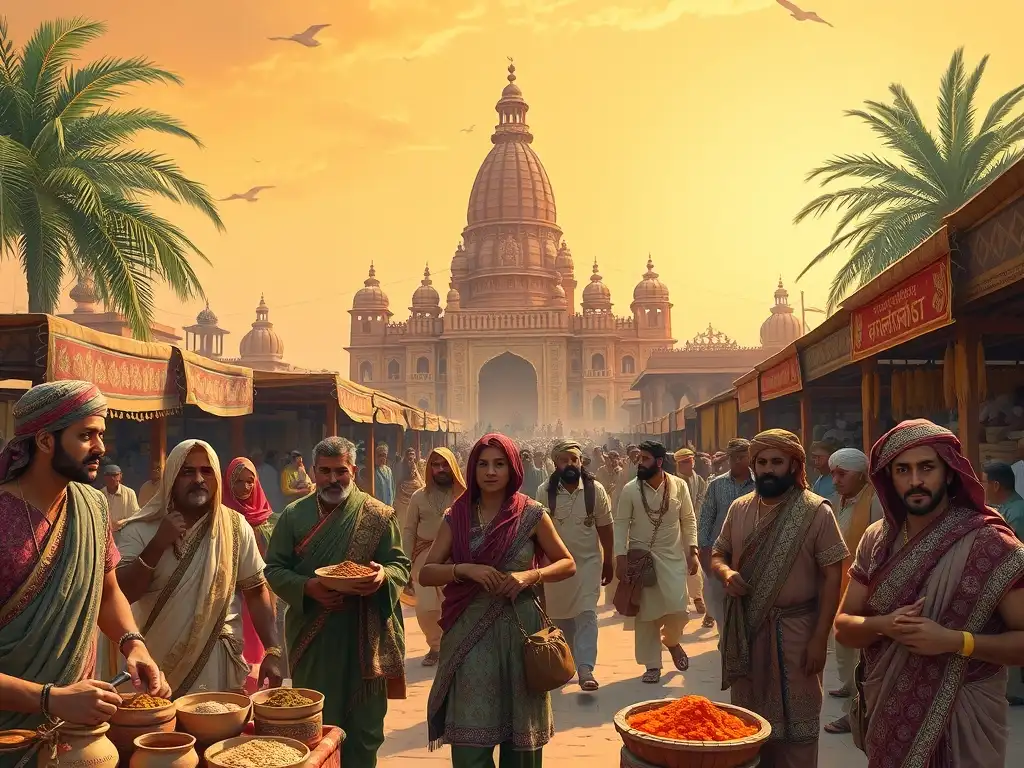
The internal trade strategies of ancient India offer valuable insights into how economic systems can thrive through innovation, regulation, and collaboration. The intricate trade networks established across the vast subcontinent facilitated not only the exchange of goods but also the transfer of ideas, cultures, and technologies. By examining these strategies, modern economies can glean lessons on adaptability, the importance of governance, and the benefits of inter-regional cooperation.
Adaptation and Innovation in Trade Practices
Ancient Indian traders demonstrated remarkable adaptation and innovation in their trade practices. They utilized various methods to overcome geographical barriers, such as utilizing rivers and roads to connect distant regions. For instance, the use of waterways for transporting goods was particularly significant, as rivers like the Ganges and Indus acted as major conduits for trade.
Additionally, the introduction of new technologies such as the potter’s wheel and advancements in metallurgy enhanced production capabilities. Traders also adapted to local markets by diversifying their goods based on regional demands. This flexibility not only increased overall trade volume but also fostered a dynamic economic environment that could respond effectively to changing circumstances.
Importance of Regulation and Governance in Trade
Regulation and governance played a critical role in the success of internal trade in ancient India. The establishment of trade guilds and regulations ensured fair practices among traders, which helped to maintain order and trust within the marketplace. These guilds were responsible for setting standards, collecting taxes, and resolving disputes, thereby creating a structured trading environment.
Furthermore, local rulers and governments implemented policies that protected trade routes and facilitated commerce. For example, the Mauryan Empire established a network of roads and waystations, enhancing the safety and efficiency of trade. This governance not only encouraged economic growth but also promoted a sense of stability that was essential for long-term trade relationships.
Collaboration between Different Regions and Cultures
Collaboration among different regions and cultures was a hallmark of ancient India’s internal trade strategies. The diverse cultural landscape of the subcontinent allowed for a rich exchange of goods and ideas, which was crucial for economic prosperity. Traders from various regions, such as the Deccan Plateau, the Indo-Gangetic Plain, and the coastal areas, engaged in trade that transcended local boundaries.
This inter-regional collaboration facilitated the sharing of agricultural products, textiles, and handicrafts, contributing to a vibrant marketplace. Moreover, it fostered cultural exchanges, as traders brought with them customs, languages, and knowledge from their respective regions. The resulting cultural syncretism not only enriched the social fabric of ancient India but also laid the groundwork for future economic cooperation.
Comparison with Other Ancient Civilizations' Trade Strategies
When comparing ancient India’s internal trade strategies with those of other civilizations, such as China and the Roman Empire, notable similarities and differences emerge. These comparisons highlight the unique approaches each civilization adopted in fostering trade and economic growth.
Internal Trade in Ancient China
Ancient China’s internal trade was characterized by a highly centralized economy, particularly during the Han Dynasty. The state played a significant role in regulating trade, implementing policies that promoted the development of infrastructure, such as roads and canals. The Silk Road, although primarily known for its international trade, also facilitated extensive internal trade networks across China.
Unlike India, where trade was often decentralized and reliant on local guilds, Chinese trade strategies emphasized state control and standardization. The use of a common currency and the establishment of market towns further streamlined trade processes, making it easier for merchants to conduct business across vast distances.
Internal Trade in the Roman Empire
The Roman Empire also excelled in internal trade, facilitated by its extensive road network and maritime routes. The Romans implemented a complex system of taxation and tariffs that regulated trade, ensuring a steady flow of goods throughout the empire. Unlike ancient India, where trade guilds played a significant role, the Roman economy was heavily influenced by the state, which controlled major trade routes and markets.
Roman trade was marked by the movement of luxury goods, such as silk and spices, from the East, as well as agricultural products from various regions. The Roman approach to trade emphasized efficiency and control, contrasting with the more collaborative and decentralized nature of trade in ancient India.
Parallels and Differences in Trade Strategies
While ancient India, China, and Rome shared certain elements in their trade strategies, significant parallels and differences exist.
- Parallels:
- All three civilizations recognized the importance of infrastructure in promoting trade.
- Each society implemented some form of regulation to ensure fair trading conditions.
- Cultural exchanges and the movement of goods played a vital role in economic interactions.
- Differences:
- Ancient India’s trade was largely decentralized, relying on local guilds and regional markets, while China and Rome had more centralized control.
- The types of goods traded varied, with India focusing on spices and textiles, China on silk and ceramics, and Rome on luxury items and agricultural products.
- The governance structures differed, with India leaning towards local autonomy, whereas Rome and China emphasized state authority in economic matters.
Understanding these dynamics not only enriches our comprehension of ancient economies but also offers contemporary societies lessons in fostering trade through collaboration, innovation, and effective governance.
Conclusion: Relevance of Ancient India Internal Trade Strategies Today
The internal trade strategies of ancient India were not merely mechanisms for economic exchange; they were foundational elements that shaped the social, cultural, and political landscapes of the time. As we reflect on these strategies, it becomes evident that their implications extend far beyond their historical context. The interconnectedness fostered through trade networks contributed to a rich tapestry of cultural exchange and economic collaboration that can serve as a model for today's globalized economy.
Understanding the nuances of ancient internal trade strategies can provide valuable insights into modern economic practices. The emphasis on local production, regional partnerships, and community involvement in trade can inspire contemporary policies aimed at boosting local economies and sustainable practices. By learning from the past, we can create frameworks that not only honor historical legacies but also address current economic challenges.
Modern Implications of Ancient Trade Practices
In the current global economy, the principles underlying ancient India's internal trade strategies resonate with present-day practices. For instance, the reliance on local resources and the cultivation of regional trade relationships mirror modern trends toward sustainable sourcing and community-supported agriculture.
Furthermore, ancient trade routes, such as those connecting the Indus Valley to various parts of India and beyond, illustrate the importance of infrastructure in facilitating commerce. Today, investment in transportation and communication networks remains crucial for economic growth and development, underscoring an enduring lesson from ancient practices.
Additionally, the cultural exchanges that occurred through trade in ancient India remind us of the value of diversity and collaboration in fostering innovation and creativity. Just as traders once shared ideas and goods, contemporary businesses can benefit from embracing multicultural perspectives and practices.
How Ancient Strategies Can Inform Current Economic Policies
Modern economic policies can draw upon the principles of ancient India’s internal trade strategies to enhance resilience and adaptability in today's fluctuating market conditions. For example, the practice of bartering and establishing fair trade agreements in ancient times can inform current discussions around equitable trade practices and the importance of supporting local economies over multinational corporations.
Moreover, the ancient emphasis on community involvement in trade decisions can inspire policies that prioritize stakeholder engagement and participatory governance in economic planning. This approach not only fosters trust and cooperation but also leads to more inclusive and sustainable economic outcomes.
By integrating lessons from ancient trade strategies into contemporary policy frameworks, modern economies can work towards creating systems that are not only profitable but also socially responsible and environmentally sustainable.
References
Suggested Reading on Ancient Indian Trade
- "Trade and Traders in Ancient India" by R. C. Majumdar: This book provides a comprehensive overview of trade practices and their significance in ancient Indian society.
- "The Silk Road: A New History" by Valerie Hansen: While focused on the broader Silk Road, this work offers insights into the interconnectedness of trade routes, including those in ancient India.
- "Ancient Indian Economy: Trends and Issues" by S. K. Bhat: This text delves into the various economic strategies employed in ancient India, with a focus on trade.
Academic Journals and Articles on Economic Strategies in Ancient India
- Journal of Economic Perspectives: Articles exploring the economic structures of ancient civilizations, including comparative analyses with ancient India's trade strategies.
- Indian Economic Review: This journal features research on the economic history of India, including studies on trade networks and their impact on regional development.
- The Journal of Asian Studies: It publishes scholarly articles on various aspects of Asian history, including trade dynamics and economic practices in ancient India.
These resources collectively provide a deeper understanding of the intricate internal trade networks of ancient India and their lasting influence on modern economic strategies.
- Introduction to Ancient India Internal Trade Strategies
- Historical Context of Internal Trade in Ancient India
- Key Features of Ancient India Internal Trade Strategies
- Economic Impacts of Internal Trade in Ancient India
- Lessons from Ancient India's Internal Trade Strategies
- Comparison with Other Ancient Civilizations' Trade Strategies
- Conclusion: Relevance of Ancient India Internal Trade Strategies Today
- References
- What were the primary internal trade strategies in ancient India?
- How did geography influence trade in ancient India?
- What role did the Indus Valley Civilization play in trade development?
- How did the Gupta Empire impact internal trade?
- What can modern economies learn from ancient India's trade strategies?
Frequently Asked Questions
What were the primary internal trade strategies in ancient India?
Ancient India utilized diverse trade routes and barter systems to facilitate commerce. The integration of various regional markets allowed for the efficient exchange of goods across vast distances.
How did geography influence trade in ancient India?
The geographical features of ancient India, including rivers and mountain passes, played a crucial role in shaping trade routes. These natural landmarks facilitated easier movement of goods and cultural exchanges across regions.
What role did the Indus Valley Civilization play in trade development?
The Indus Valley Civilization was one of the earliest examples of organized trade, showcasing advanced urban planning and standardized weights and measures, which were essential for effective commercial activities.
How did the Gupta Empire impact internal trade?
During the Gupta Empire, internal trade flourished due to political stability and the establishment of trade guilds. This period saw significant advancements in infrastructure, such as roads and ports, enhancing trade efficiency.
What can modern economies learn from ancient India's trade strategies?
Modern economies can gain insights from ancient India's emphasis on regional cooperation and the use of local resources. These strategies fostered sustainable economic growth and can inspire contemporary trade policies.
Final Reflection: Embracing the Wisdom of Ancient India's Internal Trade Strategies
The exploration of Ancient India's internal trade strategies reveals not only the ingenuity of a bygone era but also their profound relevance in today's interconnected world. As we navigate the complexities of modern economies, the lessons learned from these ancient practices remind us that trade is not merely an exchange of goods but a vital thread that weaves together cultures, fosters relationships, and drives innovation. The legacy of these strategies encourages us to rethink our current approaches and embrace a more holistic view of economic interactions.
The influence of these ancient economic strategies continues to resonate in our cultural and social landscapes. The principles of cooperation, mutual benefit, and sustainable practices that characterized internal trade in ancient India are more crucial than ever. As we face challenges such as globalization and environmental sustainability, we can draw inspiration from the past to inform our future. In the midst of chaos, there is also opportunity.
– Sun Tzu. This quote encapsulates the essence of adapting ancient wisdom to contemporary challenges, urging us to find opportunities within the complexities of modern trade.
As we reflect on the insights gained from the legacy of ancient India's internal trade strategies, I invite you to consider how these lessons can be applied in your own life and community. How can you foster collaboration and mutual benefit in your personal and professional relationships?
By embracing the spirit of these ancient practices, we can create a more interconnected and harmonious world, ensuring that the wisdom of the past continues to illuminate our path forward. Let us take action, inspired by the lessons of history, to build a future that honors the rich tapestry of trade and cultural exchange.
Unlock the Secrets of Ancient Trade and Transform Your Perspective!
Thank you for exploring the intricate world of ancient India's economic strategies with us! By delving into this rich history, you’ve uncovered valuable lessons that remain relevant in today's world. Now, it's time to put that knowledge into action!
Here are a few powerful steps you can take:
- Dive Deeper: Explore the influence of trade routes in shaping ancient civilizations. Check out our additional articles to broaden your understanding.
- Engage with Us: Join our vibrant community! Share your insights and thoughts on our social media platforms or leave a comment below.
- Implement Strategies: Think about how you can incorporate lessons from ancient trade into modern economic concepts or local business initiatives.
Which ancient trade strategy do you believe could thrive in today’s economy? Let's discuss in the comments!