
How Internal Trade Contributed to the Growth of Ancient Indian Empires


Welcome to Ancient India History, where we embark on an enlightening journey through the vibrant tapestry of ancient Indian civilizations. Our exploration begins with a deep dive into the fascinating topic of Ancient Indian internal trade growth. Discover how the intricate networks of trade not only fueled economic prosperity but also wove together the diverse cultures and communities of the time.
Prepare to uncover the secrets behind the flourishing empires of the past and their remarkable contributions to the world. Join us as we unveil the pivotal role of trade in shaping the destiny of Ancient India, and let your curiosity guide you further into this captivating narrative!
- Introduction to Ancient Indian Internal Trade Growth
- Historical Context of Internal Trade in Ancient India
- Contributions of Internal Trade to Economic Growth
- Social and Cultural Influences of Internal Trade
- Internal Trade and Political Stability
- Case Studies of Prominent Empires
- Challenges Faced by Internal Trade
- Conclusion: Legacy of Internal Trade in Ancient Indian Empires
-
Frequently Asked Questions
- What was the role of internal trade in ancient Indian empires?
- Which civilizations benefited most from internal trade?
- What types of goods were commonly traded within ancient India?
- How did internal trade influence cultural exchange in ancient India?
- What were the key trade routes used in ancient India?
- Final Reflection: The Enduring Legacy of Ancient Indian Internal Trade Growth
- Unleash the Power of Ancient Trade!
Introduction to Ancient Indian Internal Trade Growth
Ancient India, known for its remarkable civilizations and cultural diversity, thrived on complex trade networks that significantly contributed to its economic prosperity and societal development. The internal trade routes, which connected various regions of the subcontinent, facilitated the exchange of goods, ideas, and cultural practices among diverse communities.
This article delves into the growth of internal trade in ancient India, exploring its intricacies and the profound impact it had on the evolution of empires. From the bustling marketplaces of the Indus Valley to the flourishing trade centers during the Gupta Empire, understanding the dynamics of internal trade unveils the interconnectedness of ancient Indian societies and their contributions to a vibrant economy.
Overview of Internal Trade in Ancient India
Internal trade in ancient India encompassed a wide range of goods and services exchanged across various regions. Key aspects of this trade included:
- Goods Traded:
- Agricultural products such as grains, spices, and textiles.
- Artisanal goods including pottery, metalwork, and jewelry.
- Luxury items like silk and precious stones.
- Trade Routes:
- Major routes facilitated trade between regions such as the Indus Valley, the Ganges plains, and southern India.
- River systems played a crucial role in transportation, with rivers like the Ganges and Indus being vital for the movement of goods.
- Marketplaces:
- Towns and cities emerged as bustling marketplaces, where merchants gathered to trade, barter, and exchange ideas.
- Notable trade hubs included Pataliputra, Ujjain, and Taxila, which served as significant economic centers.
The structure of these trade networks was not only about the exchange of physical goods but also involved the dissemination of knowledge, culture, and technology, contributing to the overall growth and sophistication of ancient Indian societies.
Significance of Trade for Ancient Indian Empires
The significance of internal trade in ancient India cannot be overstated, as it played a pivotal role in the growth and stability of empires. Key points to consider include:
- Economic Growth:
- Trade generated wealth that strengthened local economies, leading to increased agricultural production and urbanization.
- Wealth accumulation through trade allowed rulers to fund military campaigns and public works, enhancing their power and influence.
- Cultural Exchange:
- The movement of traders and goods facilitated cultural interactions among different communities, leading to the exchange of ideas, art, and religious beliefs.
- This cultural amalgamation enriched the social fabric of ancient Indian society, fostering a sense of unity amid diversity.
- Political Stability:
- Strong internal trade networks contributed to political stability by creating interdependence among regions.
- Rulers recognized the value of trade and often supported it through favorable policies, leading to a prosperous and cohesive empire.
The internal trade networks of ancient India were instrumental in shaping the economic landscape and fostering the development of empires. Understanding this growth provides a richer perspective on the historical significance of ancient Indian civilizations and their enduring legacy.
Historical Context of Internal Trade in Ancient India
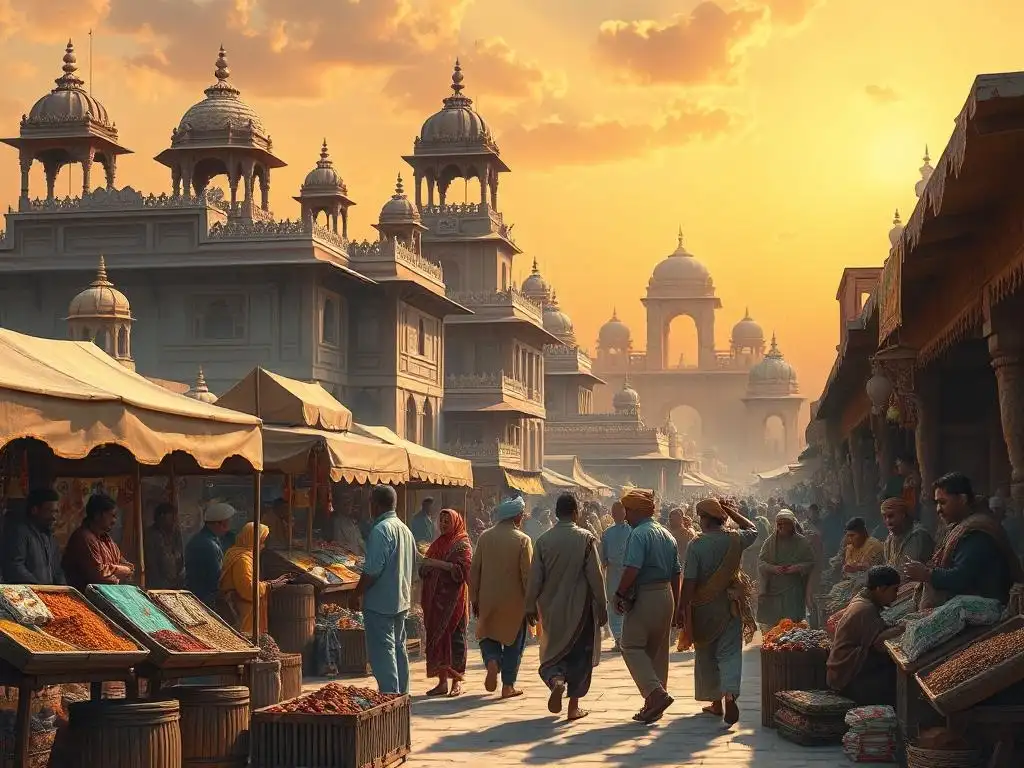
Internal trade in ancient India played a crucial role in the development and prosperity of various civilizations, influencing economic structures, cultural exchanges, and political power. The historical context of this trade can be traced back to the Indus Valley Civilization, one of the earliest urban cultures in the world, which laid the groundwork for subsequent trade practices.
The emergence of trade routes facilitated the exchange of not only goods but also ideas and cultural practices among different regions. By the time of the Maurya and Gupta Empires, these internal trade networks had expanded significantly. Economic growth was driven by the availability of resources, skilled artisans, and a burgeoning demand for a variety of goods across different regions.
The strategic geographic location of India, bordered by the Himalayas to the north and surrounded by the Indian Ocean to the south, enabled the establishment of land and maritime trade routes. This geographical advantage allowed for a rich tapestry of trade interactions that contributed to the growth of empires and the development of a robust economy.
Trade Routes and Networks in Ancient India
The trade routes of ancient India can be categorized into two main types: overland routes and maritime routes. Both types were essential for the internal trade growth of ancient Indian empires.
- Overland Routes
- Silk Road: While primarily associated with trade between the East and West, the Silk Road also facilitated the movement of goods within the Indian subcontinent, connecting the north with the south.
- Grand Trunk Road: This ancient road linked important trade centers and was crucial for the movement of goods, people, and ideas across northern India.
- Maritime Routes
- Indian Ocean Trade: The coastal cities of India engaged in trade with Southeast Asia, the Arabian Peninsula, and East Africa, allowing for the exchange of spices, textiles, and precious stones.
- Ports: Key ports such as Lothal, Bharukachchha, and Sopara became bustling centers of maritime trade, facilitating exports and imports.
The establishment of these trade routes was not merely a matter of geography; it involved the development of infrastructure, such as roads, bridges, and ports, which further enhanced trade efficiency. The growth of commerce along these routes significantly contributed to the political stability and economic prosperity of the empires that emerged in ancient India.
Major Cities as Trade Hubs in Ancient India
Several cities emerged as pivotal trade hubs in ancient India, acting as centers for commerce, culture, and administration.
- Pataliputra (Patna): The capital of the Maurya Empire, Pataliputra was strategically located at the confluence of major rivers, making it a vital center for overland and river trade. The city flourished as a hub for merchants and traders, attracting diverse goods from various regions.
- Taxila: Known for its educational institutions, Taxila was also a significant trade center where the eastern and western trade routes converged. It facilitated the exchange of goods such as textiles, metalwork, and pottery.
- Ujjain: As a major trade hub in central India, Ujjain was famous for its trade in spices and textiles. The city's location along the important trade routes connecting the north and south regions made it a flourishing center for commerce.
- Madurai: Located in southern India, Madurai was renowned for its vibrant markets and trade in textiles, especially cotton. The city served as a crucial point for the internal trade networks that connected the various regions of India.
- Lothal: An important port city of the Indus Valley Civilization, Lothal had advanced dockyards facilitating maritime trade. It played a crucial role in connecting local traders with overseas markets, thereby contributing to the growth of the early economy.
The growth of these cities as trade hubs not only boosted the local economies but also led to cultural exchanges, innovations, and the spread of religions such as Buddhism and Jainism, further solidifying the interconnectedness of ancient Indian civilizations. The legacy of these internal trade networks is still evident in the cultural and economic practices of modern India.
Contributions of Internal Trade to Economic Growth
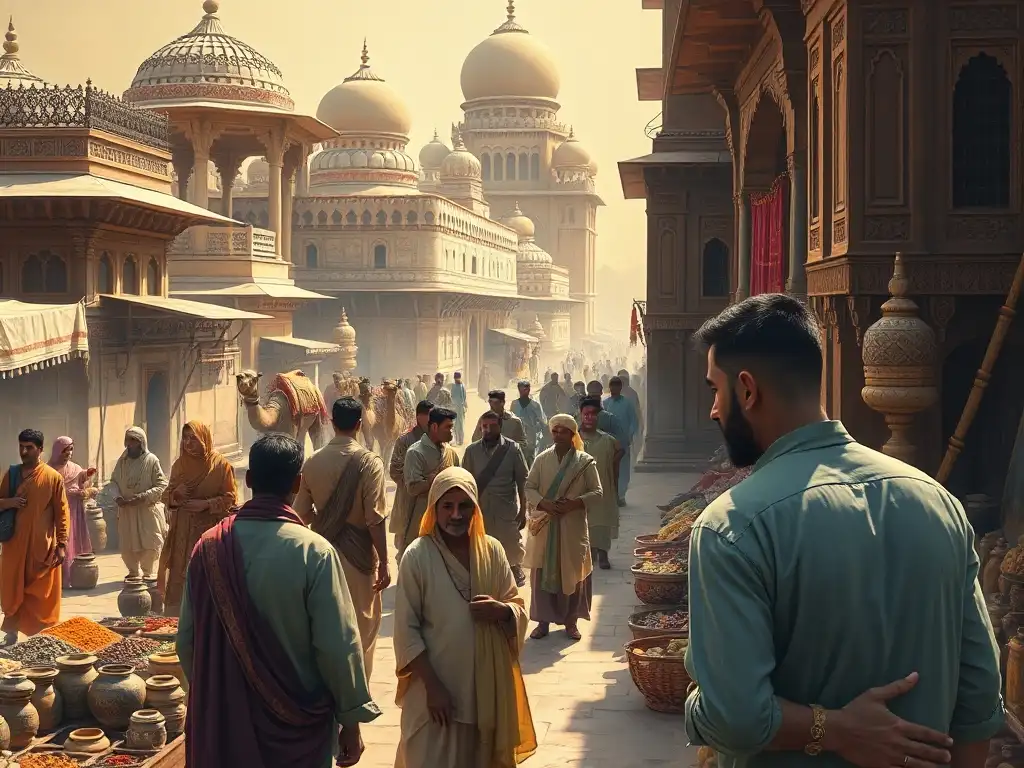
Internal trade played a pivotal role in the economic growth of ancient Indian empires, such as the Maurya and Gupta dynasties. By facilitating the exchange of goods across various regions, it helped create a dynamic economy that thrived on agricultural surplus, artisanal production, and rich natural resources. This interconnectedness not only boosted local economies but also led to the establishment of vibrant marketplaces.
The significance of internal trade can be observed in several key areas:
- Market Development: Towns and cities flourished as centers of trade, with markets emerging that catered to diverse goods and services.
- Wealth Distribution: The influx of goods allowed for a redistribution of wealth, creating a more robust economic framework that benefitted various strata of society.
- Cultural Exchange: Trade routes became conduits for cultural interactions, facilitating the exchange of ideas, technology, and innovations that spurred economic advancement.
Role of Internal Trade in Economic Prosperity
The internal trade networks in ancient India were characterized by a diverse range of goods, including textiles, spices, metals, and agricultural products. The Silk Route and other trade paths were vital for the movement of these commodities, which significantly contributed to the economic prosperity of the regions involved.
- Connective Infrastructure: The establishment of roads and river routes was crucial. For instance, the Grand Trunk Road facilitated trade across northern India, promoting commerce and interaction among different regions.
- Specialization of Labor: As trade expanded, different regions began to specialize in certain products. This specialization led to increased efficiency and production, enabling regions to export goods they could produce most effectively while importing what they lacked.
- Merchant Guilds: The rise of merchant guilds played a significant role in regulating trade practices, ensuring fair practices, and protecting merchant interests. These guilds were instrumental in establishing trade standards and fostering trust among traders.
- Taxation and Revenue: Internal trade provided a source of revenue for empires through taxation. The collection of taxes on goods traded contributed significantly to the treasury, which facilitated public works and military expenditures.
Impact of Trade on Agricultural Development
Internal trade not only influenced the economic landscape but also had a profound impact on agricultural development in ancient India. The intersection of trade and agriculture fostered innovations and growth in farming practices.
- Market Demand: The expansion of internal trade created a growing demand for agricultural products. This demand incentivized farmers to increase production, leading to advancements in agricultural techniques and crop diversification.
- Irrigation and Technology: The need for higher yields prompted the development of irrigation systems and agricultural technologies. For example, the introduction of new plowing techniques and crop rotation methods enhanced productivity.
- Surplus Production: As farmers began to produce surplus crops, they could engage in trade, exchanging their goods for other necessities. This trade not only improved their livelihoods but also contributed to the overall economy.
- Cultural Practices: The intertwining of trade and agriculture led to the exchange of farming practices and crops between regions, enriching the agricultural landscape of ancient India. For instance, the introduction of new crops from trade routes resulted in enhanced diets and varied agricultural outputs.
Internal trade was a cornerstone of economic growth in ancient Indian empires. By fostering agricultural development and creating a vibrant market environment, it contributed significantly to the prosperity and cultural richness that characterized these civilizations.

Cultural Exchange through Internal Trade
The vast internal trade networks of ancient India facilitated a remarkable cultural exchange among diverse civilizations. As merchants and traders traveled along trade routes that connected regions from the Indus Valley to the southern coasts, they not only exchanged goods but also shared ideas, beliefs, and cultural practices. This interaction led to a rich tapestry of cultural influences that shaped the identity of various regions.
- Religious Exchange: Internal trade played a pivotal role in the dissemination of religious ideas. For instance, the spread of Buddhism from the northeastern regions to other parts of India was significantly influenced by trade routes. Merchants often carried Buddhist texts and artifacts, facilitating religious discussions and the establishment of monasteries along trade paths.
- Language and Literature: As traders interacted with different cultures, language evolved. The amalgamation of dialects and scripts resulted in a more diverse literary landscape. For example, Sanskrit texts were disseminated widely through traders, leading to the development of regional languages that incorporated Sanskrit vocabulary and literary forms.
- Food and Culinary Practices: The exchange of spices, grains, and culinary techniques altered diets across regions. Spices such as black pepper and cardamom became staples not only in local cuisine but also in global trade. The introduction of new ingredients led to unique regional dishes that reflected a blend of various cultural influences.
This cultural exchange was not merely transactional; it laid the groundwork for a shared identity among the diverse peoples of ancient India, fostering a sense of unity amidst diversity.
The Influence of Trade on Art and Craftsmanship
Internal trade significantly influenced the development of art and craftsmanship in ancient India. The prosperity brought about by trade allowed artisans and craftsmen to flourish, leading to the creation of exquisite works that reflected both local traditions and external influences.
- Artistic Techniques: The interaction between various regions introduced new artistic techniques and materials. For example, the use of vibrant colors and intricate designs in textiles and pottery evolved through exposure to different styles. Trade routes connected regions known for their distinctive crafts, allowing artisans to learn from one another.
- Iconography and Themes: The themes depicted in art evolved as a result of cultural exchanges facilitated by trade. Sculptures and paintings began to incorporate motifs from various religious traditions, blending Hindu, Buddhist, and Jain iconography. This fusion is evident in many ancient temples, where artisans created intricate carvings that tell stories from multiple traditions.
- Luxury Goods and Patronage: The wealth generated by internal trade created a demand for luxury goods, which in turn supported the arts. Rulers and wealthy merchants became patrons of artisans, commissioning works that showcased their status and power. This patronage not only encouraged artistic innovation but also elevated the status of craftsmen within society.
The symbiotic relationship between trade and art in ancient India illustrates how economic growth catalyzed cultural developments, leaving a lasting legacy that continues to be celebrated today.
Internal Trade and Political Stability

The intricate web of internal trade in ancient India not only facilitated economic prosperity but also played a pivotal role in fostering political stability across various empires. The exchange of goods and services within regions such as the Indus Valley, Maurya, and Gupta empires contributed to a sense of unity and interdependence among diverse cultural and ethnic groups. This interconnectedness was vital in maintaining peace and reducing conflicts, as regions became economically reliant on each other.
How Trade Fostered Political Alliances
Trade routes served as conduits for not just goods but also ideas and alliances. As merchants traveled between cities, they often established relationships that transcended regional boundaries. These relationships frequently led to political alliances, as local rulers recognized the benefits of collaborating with powerful merchant guilds. For instance, the Mauryan Empire, under Ashoka, capitalized on trade to strengthen its political authority, ensuring that trade hubs were protected and promoted.
- Intermarriage and Diplomacy: Rulers often sought marriages between their families and those of influential merchants or other rulers to secure alliances. Such unions were common in regions where internal trade flourished, as they provided a means of enhancing political ties.
- Regulation of Trade: Political entities recognized the importance of trade to their power structures and often created regulations to protect merchants. This led to a more stable environment for trade to thrive, which, in turn, reinforced political loyalty among the populace.
- Shared Resources: As trade routes expanded, access to resources became vital. Political leaders who managed to control these routes ensured not only their wealth but also their influence over allied regions, thus solidifying their power.
Ultimately, the flourishing of internal trade networks led to a consolidation of power, as political entities leveraged their economic strengths to foster stability and growth.
The Role of Merchants in Political Structures
Merchants were more than mere traders; they were integral to the political fabric of ancient Indian societies. Their influence extended beyond commerce into the realms of governance and social structure.
- Economic Advisors: Merchants often served as advisors to rulers due to their extensive knowledge of trade dynamics and economic conditions. Their insights helped leaders make informed decisions that could enhance trade and, consequently, political stability.
- Financing Military Campaigns: Wealthy merchants played a crucial role in financing military expeditions. This financial backing was essential for sustaining empires and expanding territories, as rulers relied on merchants for resources to fund their armies.
- Guilds and Political Power: Merchants organized themselves into guilds that wielded significant power. These guilds could negotiate with rulers and influence policies that favored trade. The ability to form such organizations demonstrated the merchants' political influence, as they could mobilize economic resources effectively.
- Cultural Exchange and Integration: Merchants were also agents of cultural exchange, bringing together diverse communities and facilitating dialogue among different ethnic groups. This cultural integration contributed to a more cohesive society, which further supported political stability.
The active participation of merchants in the political landscape of ancient India underscores the critical relationship between internal trade and political structures. As trade networks expanded, so too did the political alliances and stability that characterized the growth of ancient Indian empires.
Case Studies of Prominent Empires
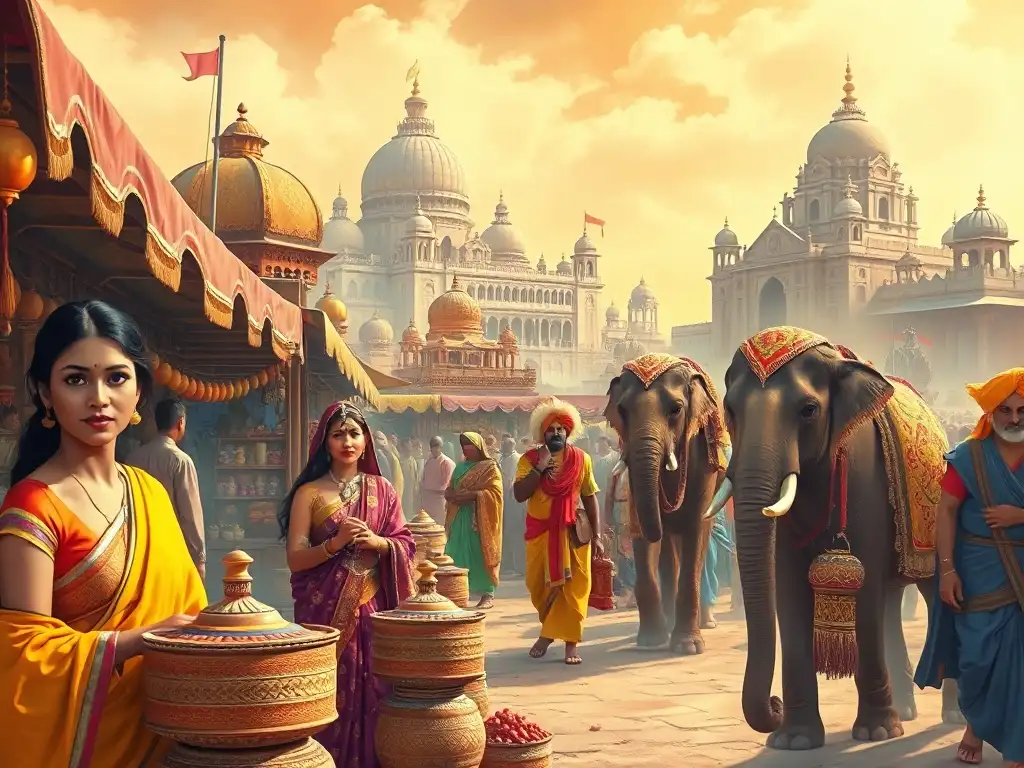
Maurya Empire: Internal Trade and Economic Strategies
The Maurya Empire, which flourished from 322 to 185 BCE, is one of the most significant examples of how internal trade bolstered economic growth and stability in ancient India. Under the rule of Chandragupta Maurya and his grandson Ashoka, the empire implemented various economic strategies that enhanced trade networks across the vast territories it encompassed.
Economic Infrastructure
The Mauryan administration established an extensive network of roads and trade routes that facilitated the movement of goods. Notably, the Grand Trunk Road, which connected the eastern and western parts of India, became crucial for trade activities. This infrastructure not only promoted commerce but also helped in the efficient collection of taxes, which in turn funded further development.
- Goods Traded: Major commodities included:
- Spices
- Textiles
- Precious stones
- Metalwork
- Agricultural products
Market Regulation
The Mauryan Empire also introduced market regulations to ensure fair trade practices. The government played an active role in controlling prices and quality, which helped to stabilize the economy. The use of standardized weights and measures facilitated smoother transactions, promoting trust among traders and consumers.
Role of Guilds
Trade guilds emerged as vital players in the Mauryan economy. These organizations not only regulated trade practices but also provided financial support to their members. Guilds often acted as intermediaries between producers and consumers, ensuring that goods were distributed efficiently throughout the empire.
The prosperity of the Maurya Empire can largely be attributed to its sophisticated internal trade networks, which allowed for the flow of goods and ideas across diverse regions.
Gupta Empire: Trade Networks and Cultural Flourishing
The Gupta Empire, which thrived from approximately 320 to 550 CE, is often referred to as the "Golden Age" of ancient India. This period saw not only remarkable advancements in art, science, and philosophy but also significant developments in internal trade that contributed to its wealth and cultural flourishing.
Expansion of Trade Routes
The Gupta rulers expanded and improved upon the existing trade routes established during the Mauryan period. The internal trade networks became more extensive, connecting various regions of India, including the northern plains, the Deccan plateau, and coastal areas. This expansion facilitated trade with neighboring regions and even distant lands.
- Key Trade Routes:
- North-South trade routes connecting the Ganges Valley to the Deccan
- East-West routes linking India to Central Asia and the Arabian Sea
Cultural Exchange through Trade
The flourishing trade networks during the Gupta Empire greatly influenced cultural exchanges. Traders brought not just goods but also ideas, religions, and artistic expressions across regions. This cultural intermingling led to:
- The spread of Buddhism and Hinduism.
- The exchange of artistic techniques and literary works.
- The introduction of new agricultural practices and technologies.
Role of Currency
The Gupta Empire is noted for its advancements in coinage, which played a critical role in enhancing internal trade. The introduction of gold and silver coins standardized transactions and encouraged the use of currency in trade, moving away from barter systems. This financial innovation simplified trade processes and stimulated economic growth.
The Gupta Empire stands as a testament to how internal trade not only fuels economic prosperity but also fosters a rich cultural landscape, leading to innovations that resonate through history.
The internal trade growth during the Maurya and Gupta Empires significantly contributed to their economic strategies and cultural flourishing, showcasing the pivotal role of trade in shaping ancient Indian civilizations.
Challenges Faced by Internal Trade
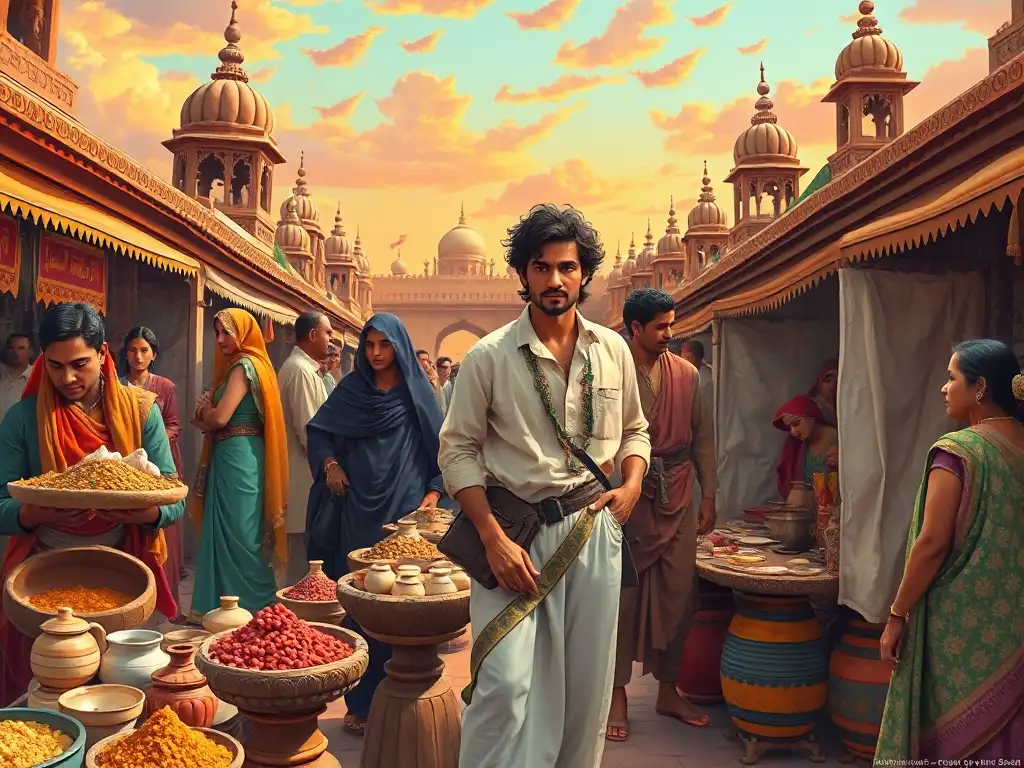
Natural Barriers Affecting Trade Routes
Ancient Indian internal trade growth was significantly influenced by various natural barriers that posed challenges to trade routes. The subcontinent's diverse geography, characterized by mountains, rivers, and forests, created both opportunities and obstacles for traders.
- Himalayan Mountains: The northern boundary of India, the towering Himalayas, served as both a protective barrier and a hindrance. While they provided a natural defense against invasions, they also isolated certain regions, making overland trade difficult. Traders often had to navigate treacherous mountain passes that could be perilous during adverse weather conditions.
- Rivers and Floodplains: Major rivers such as the Ganges and the Indus were critical for trade, as they facilitated transportation. However, seasonal flooding could disrupt trade routes, damaging infrastructure and crops. The unpredictability of river behavior forced traders to develop contingency plans and alternate routes.
- Forests and Deserts: Dense forests and arid deserts further complicated trade logistics. The Western Ghats and the Thar Desert, for example, created natural barriers that limited the movement of goods and people. Traders often had to rely on local knowledge to traverse these challenging terrains safely.
While the diverse geography of ancient India offered multiple trade opportunities, it also presented significant challenges that affected the efficiency and safety of internal trade routes.
Political Instability and its Impact on Trade
Political instability has historically played a crucial role in shaping the landscape of ancient Indian internal trade growth. The rise and fall of empires, coupled with regional conflicts, influenced trade dynamics in several ways:
- Regional Conflicts: Frequent wars and skirmishes between regional powers disrupted trade routes and created an atmosphere of uncertainty. Merchants often faced risks of robbery, extortion, and forced taxation, which could deter trade activities. For instance, during periods of conflict, trade along the Silk Road was severely affected due to the instability of local rulers.
- Changing Alliances: The shifting alliances among kingdoms, such as those seen during the Maurya and Gupta Empires, often altered trade agreements and routes. Temporary alliances could open up new trade opportunities, while rivalries could lead to the closure of vital trade passages. This fluid political landscape required traders to adapt quickly and seek new partners to sustain their businesses.
- Taxation and Regulation: Different rulers imposed varying levels of taxation and regulatory measures on trade, which could either incentivize or hinder commerce. High taxes might have discouraged traders from engaging in long-distance trade, while favorable tariffs could promote economic growth and encourage the exchange of goods.
Political instability significantly impacted the ancient Indian internal trade growth by creating an environment of uncertainty and risk. Traders had to navigate not only the physical challenges of terrain but also the complexities of shifting political landscapes to ensure the success of their enterprises.
Conclusion: Legacy of Internal Trade in Ancient Indian Empires
The internal trade networks of ancient India not only facilitated economic growth but also left a lasting legacy that shaped the future of trade practices. By connecting various regions, these networks enabled the exchange of goods, ideas, and cultures, fostering an environment of innovation and collaboration. The intricate web of trade routes established during this period served as a foundation for the economic systems that emerged in later centuries, influencing the dynamics of commerce in the subcontinent.
Lasting Effects on Modern Trade Practices
The impact of ancient Indian internal trade can still be observed in contemporary trade practices. Several aspects of modern commerce—such as regional specialization, market integration, and the importance of trade routes—echo the principles established in ancient times. For instance:
- Regional Specialization: Just as ancient regions developed specific crafts and goods—like the textile hubs of Gujarat or the spice trade in Kerala—modern economies continue to benefit from specialized production areas.
- Market Integration: The concept of integrating local markets to create larger economic zones has its roots in ancient practices. The bustling markets of cities like Pataliputra exemplified how trade could unify diverse communities, a principle that is vital in today's global economy.
- Cultural Exchange: The movements of goods also facilitated cultural exchanges that enriched societies, a legacy that persists in the way global markets today not only trade in products but also in ideas and innovations.
The ancient Indian internal trade networks thus laid the groundwork for the complex and interconnected trade systems we witness today, demonstrating the enduring significance of these historical practices.
Reflection on the Importance of Internal Trade in Historical Context
Reflecting on the significance of internal trade in ancient India reveals its crucial role in shaping not just the economy but also the sociopolitical landscape of the time. Internal trade was a catalyst for:
- Urbanization: Trade routes facilitated the growth of urban centers, which became hubs of commerce, culture, and governance. Cities like Harappa and Mohenjo-Daro thrived due to their strategic positions along trade routes, highlighting the direct correlation between trade and urban development.
- Economic Prosperity: The wealth generated from internal trade enabled the rise of powerful empires, such as the Maurya and Gupta dynasties. Their ability to control trade routes and maintain a stable economic environment allowed them to expand their influence and foster advancements in various fields, including art and science.
- Social Stratification: The prosperity brought about by trade also contributed to the emergence of a more stratified society. As wealth accumulated, distinct social classes began to form, leading to the development of complex societal structures that influenced governance and culture.
Ancient Indian internal trade was an integral part of the civilizations that flourished in the subcontinent, contributing significantly to their growth, stability, and cultural richness. By understanding its historical context, we can appreciate the multifaceted impact of trade on the development of ancient Indian empires and its legacy that continues to resonate in modern trade practices.
Frequently Asked Questions
What was the role of internal trade in ancient Indian empires?
Internal trade facilitated the exchange of goods and ideas, contributing to the economic growth and cultural richness of ancient Indian civilizations.
Which civilizations benefited most from internal trade?
The Indus Valley Civilization and the Gupta Empire are prime examples where internal trade significantly enhanced their wealth and influence.
What types of goods were commonly traded within ancient India?
Commonly traded goods included spices, textiles, metals, and agricultural products, all of which played a vital role in sustaining economies.
How did internal trade influence cultural exchange in ancient India?
Internal trade not only boosted the economy but also promoted cultural exchange, spreading ideas, art, and religions across regions.
What were the key trade routes used in ancient India?
Prominent trade routes included the Grand Trunk Road and various river routes, which were crucial for facilitating trade and connecting different regions.
Final Reflection: The Enduring Legacy of Ancient Indian Internal Trade Growth
The intricate web of internal trade in ancient India not only fueled the prosperity of its empires but also laid the foundation for a vibrant cultural exchange that resonates even today. In an era where globalization is a buzzword, reflecting on how ancient internal trade facilitated economic growth and cultural intermingling offers valuable insights into the interconnectedness of societies. The lessons from the past remind us that trade is not merely an economic transaction; it is a bridge that fosters understanding and unity among diverse peoples.
Cultural and social landscapes have been profoundly shaped by the dynamics of trade, and the legacy of ancient Indian internal trade growth is a testament to this influence. The flourishing markets and trade routes of ancient India were not just conduits for goods; they were pathways for ideas, art, and philosophies. As the historian R.C. Majumdar aptly stated, Trade is the lifeblood of civilization, and in ancient India, it was the pulse that kept the empire thriving.
This observation underscores the importance of trade as a catalyst for cultural development, highlighting how the exchange of goods often leads to the exchange of values and beliefs.
As we reflect on the lessons of ancient Indian internal trade, I invite you to consider how these principles can be applied in our modern world. How can we foster connections through trade and collaboration in our communities today? Let the story of ancient Indian empires inspire you to seek out opportunities for dialogue and exchange, recognizing that every interaction holds the potential to enrich our lives and strengthen our societies. Embrace the spirit of collaboration, and remember that just as trade once built bridges across vast distances, it can continue to unite us in our shared humanity.
Unleash the Power of Ancient Trade!
Thank you for exploring the fascinating ways internal trade shaped the growth of ancient Indian empires! Your curiosity not only uncovers history but also empowers you to learn valuable lessons from it. Now, let’s take the next steps together to harness this knowledge!
- Dive deeper: Research specific trade routes and their impact on various regions of ancient India. Understanding these connections can significantly enhance your insights!
- Share your findings: Engage in discussions with friends or online communities about the importance of commerce in history—your perspective truly matters!
- Engage with local history: Visit a museum or historical site that showcases ancient trade to experience the story firsthand.
What do you think was the most surprising effect of internal trade on the prosperity of ancient empires? Let's keep the conversation going!