
From Pottery to Spices: The Diversity of Goods in Ancient Indian Trade

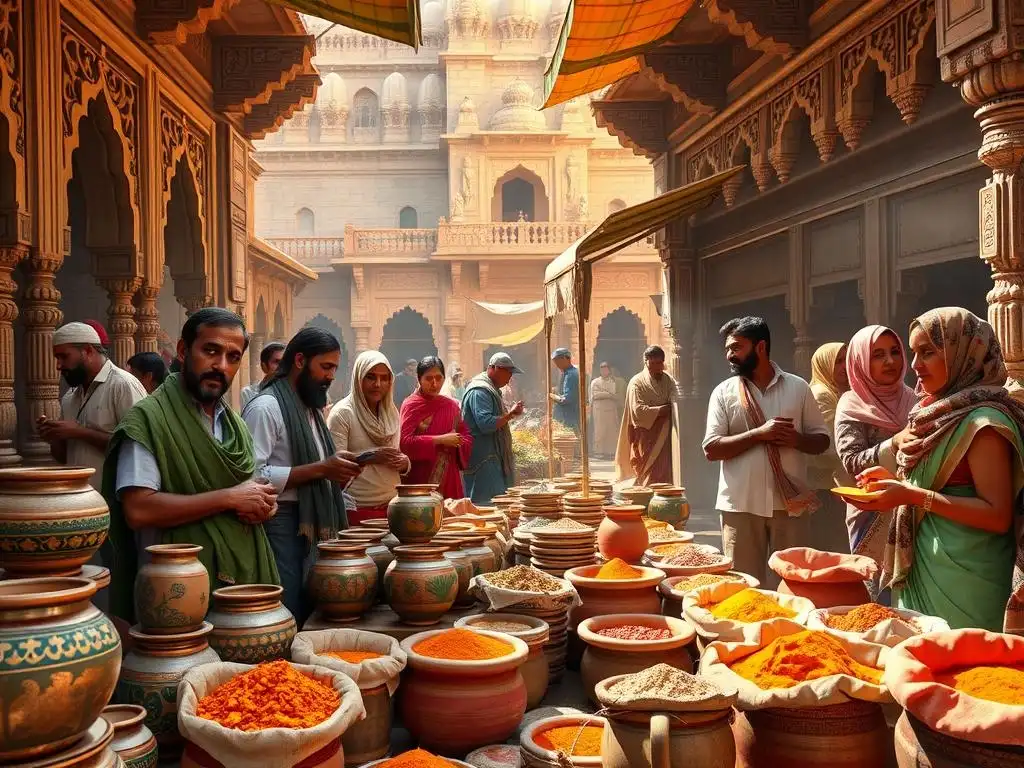
Welcome to Ancient India History, where we invite you to embark on an enlightening journey through the remarkable tapestry of ancient Indian civilizations. Within these pages, you will uncover the fascinating diversity of goods in ancient Indian trade, a topic that reveals not only the economic prowess of the time but also the cultural exchanges that shaped societies. From exquisite pottery to aromatic spices, the trade goods of ancient India tell a story that transcends time and geography.
Prepare to delve deeper into how these commodities influenced trade routes and economies, sparking your curiosity to explore the rich legacy left by our ancestors. Join us as we unravel the intricacies of a world where commerce and culture intertwined!
Introduction to Ancient Indian Trade Goods Diversity
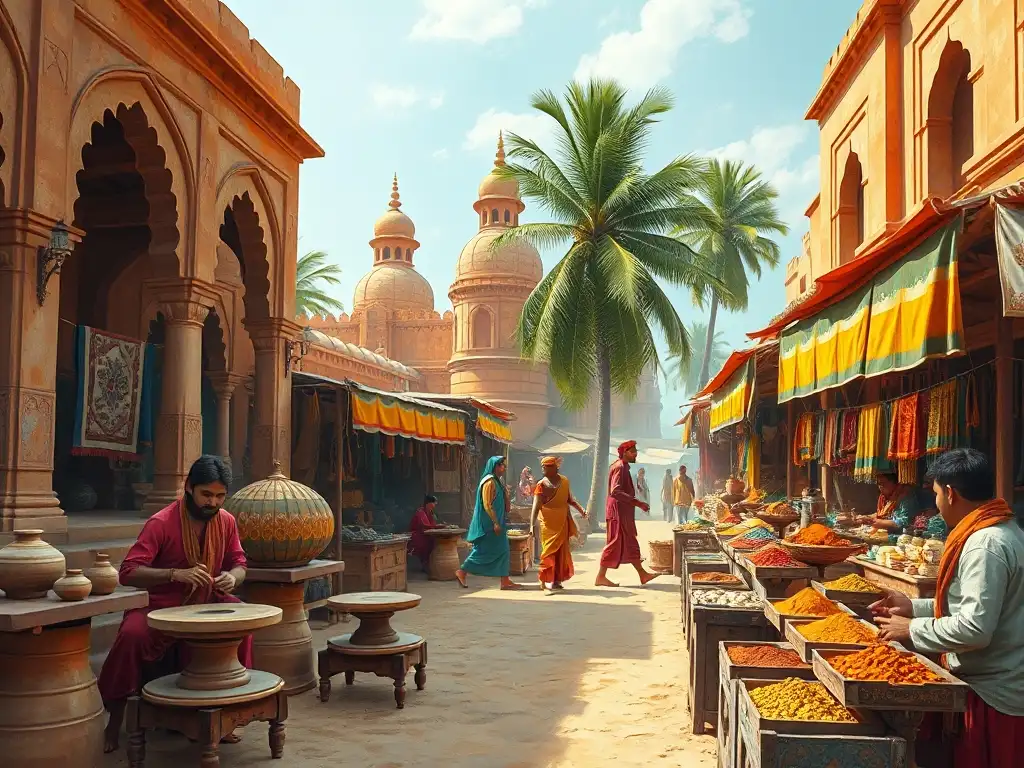
The trade networks of ancient India were not merely channels for the exchange of goods; they were intricate webs that fostered cultural exchange and economic prosperity across the vast subcontinent. From the sophisticated urban centers of the Indus Valley Civilization to the thriving markets of the Gupta Empire, the diversity of trade goods reflects the rich tapestry of ancient Indian society. This article delves into the ancient Indian trade goods diversity, exploring the various commodities that shaped the economy and cultural interactions within and beyond the Indian subcontinent.
Understanding the Importance of Trade in Ancient India
Trade played a pivotal role in the development of ancient Indian civilizations. It facilitated not only the distribution of goods but also the exchange of ideas, technologies, and cultural practices. Key aspects of trade in ancient India include:
- Economic Growth: Trade contributed significantly to the wealth of cities and regions, allowing for the flourishing of arts, crafts, and overall economic vitality.
- Cultural Exchange: Through trade, diverse cultures interacted, leading to the assimilation of various customs and practices, which enriched Indian society.
- Political Alliances: Trade routes often served as paths for diplomacy and alliances between different kingdoms and empires, enhancing political stability.
Overview of Goods in Ancient Indian Trade Networks
The diversity of goods traded in ancient India was vast, encompassing a wide array of items that catered to both local and international markets. Some notable categories include:
- Textiles: Renowned for their quality, ancient Indian textiles such as silk, cotton, and wool were highly sought after, both domestically and internationally.
- Spices: India was famously known as the "land of spices," with goods like black pepper, cardamom, and turmeric being vital for culinary and medicinal purposes.
- Metals and Gems: The subcontinent was rich in precious metals and gems, including gold, silver, and diamonds, which were traded extensively.
The Evolution of Trade Goods in Ancient India
The evolution of trade goods in ancient India is a reflection of changing societal needs, technological advancements, and external influences.
Early Trade Practices in the Indus Valley Civilization
The Indus Valley Civilization (c. 3300–1300 BCE) exhibited some of the earliest forms of trade, characterized by:
- Pottery and Craftsmanship: The production of intricate pottery and terracotta figurines that were traded both locally and with neighboring regions.
- Standardized Weights and Measures: The use of standardized weights indicates a sophisticated system of trade that facilitated fair exchanges.
Influence of Geography on Trade Goods Diversity
Geography played a crucial role in shaping the diversity of trade goods in ancient India. Key geographical factors include:
- Natural Resources: The availability of resources such as fertile land, mineral deposits, and forests influenced the types of goods produced and traded.
- Trade Routes: Major trade routes, including the Silk Road and maritime pathways, connected India with various cultures, allowing for a rich exchange of goods and ideas.
The diversity of goods in ancient Indian trade was a significant factor that contributed to the economic and cultural landscape of the region, influencing not only local communities but also distant lands.
Categories of Goods in Ancient Indian Trade
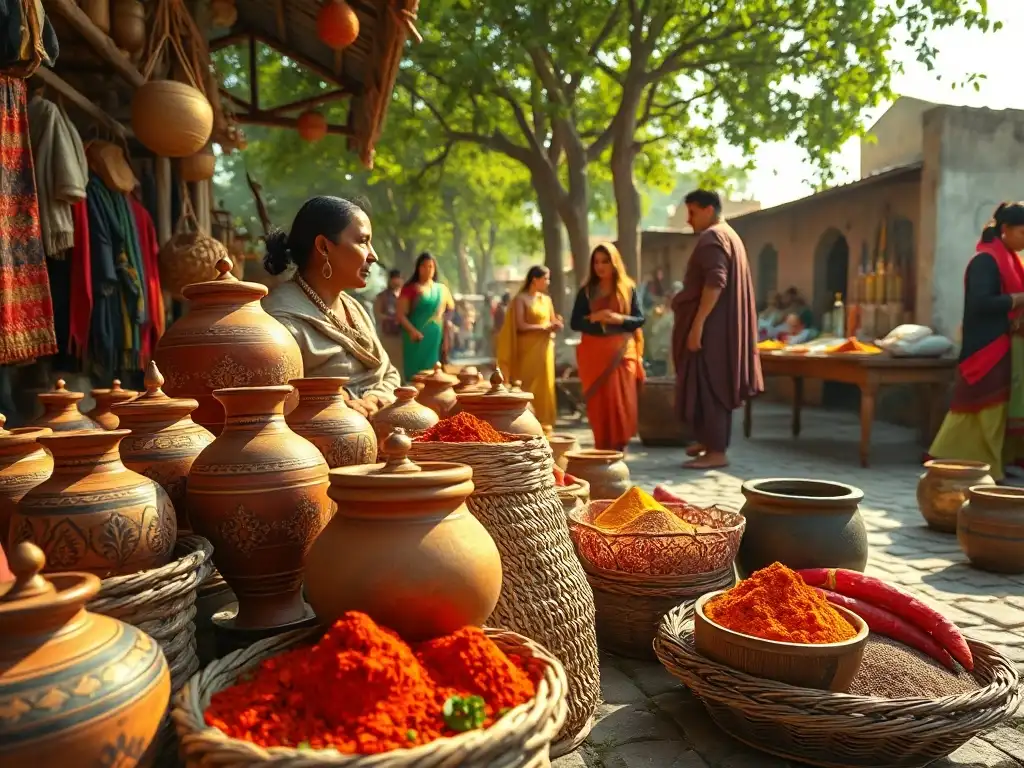
The diversity of goods in ancient Indian trade highlights the rich cultural and economic tapestry woven throughout the subcontinent. Various categories of goods emerged, showcasing the craftsmanship, agricultural bounty, and natural resources available across different regions. These goods were not only essential for domestic consumption but also played a significant role in international trade networks, connecting India with distant lands such as Mesopotamia, Egypt, and China. The following sections delve into specific categories of goods that were pivotal in ancient Indian trade.
Pottery: Craftsmanship and Cultural Significance
Pottery in ancient India was more than just a practical medium for storage and cooking; it represented the artistic expression and cultural identity of various communities. The craftsmanship involved in pottery-making varied significantly across regions, with distinct styles and techniques that reflected local traditions.
- Terracotta Figurines: Many sites, such as Mohenjo-Daro and Harappa, unearthed terracotta figurines that reveal both artistic skill and ritualistic significance. These figures often depicted deities, animals, or everyday activities, suggesting a rich spiritual and cultural life.
- Painted Pottery: The painted pottery of the Painted Grey Ware culture (circa 1200-600 BCE) is a prime example of the sophisticated artistry that existed. The intricate designs and patterns not only served aesthetic purposes but were also indicative of social status and cultural affiliations.
- Trade and Utility: Pottery was used extensively for trade, with artisans creating durable and decorative items that appealed to both local and international markets. The ability to transport goods in pottery vessels facilitated trade routes and economic exchanges.
Textiles: The Rich Tradition of Weaving
Textiles constituted a vital part of ancient Indian trade goods, with weaving traditions that date back thousands of years. The art of textile production was not only essential for clothing but also played a significant role in trade networks, influencing both local economies and international relations.
- Cotton and Silk: India was renowned for its production of cotton textiles, which were lighter and more comfortable than many fabrics available at the time. Additionally, the silk produced in regions like Bengal became highly sought after, establishing India as a key player in the global silk trade.
- Dyeing Techniques: The use of natural dyes and intricate patterns defined Indian textiles. Techniques such as block printing and tie-dyeing showcased the creativity and skill of Indian artisans. These textiles often carried cultural significance, with specific patterns and colors associated with various festivals and traditions.
- Trade Routes: The extensive trade routes, including the Silk Road and maritime paths, facilitated the export of Indian textiles to diverse regions, including the Middle East and Southeast Asia. This not only enriched the local economy but also spread Indian cultural influences abroad.
Spices: The Flavor of Ancient Indian Cuisine
Spices were perhaps the most famous goods in ancient Indian trade, contributing to the country's reputation as a culinary powerhouse. The variety of spices produced in India played a crucial role in both domestic cuisine and international trade.
- Diverse Spices: India was home to an array of spices, including black pepper, cardamom, turmeric, and saffron. These spices were not only valued for their flavor but also for their preservative and medicinal properties.
- Culinary Influence: The use of spices in cooking reflects the cultural diversity of India. Each region had its unique blend of spices that contributed to a distinct culinary identity. The spice trade significantly influenced cuisines across the globe, and Indian spices became staples in kitchens worldwide.
- Trade Networks: The demand for spices led to the establishment of trade routes that connected India to various parts of the world, including Europe, the Middle East, and East Asia. The lucrative nature of spice trade attracted traders and explorers, further integrating India into the global economy.
Metalworks: The Role of Metals in Trade
Metalworking was a cornerstone of ancient Indian trade, with various regions excelling in the production of metal goods. The availability of natural resources like iron, copper, and gold significantly influenced trade dynamics and craftsmanship.
- Iron and Steel: Ancient India was known for its advanced iron metallurgy, producing high-quality iron tools and weapons. The legendary Wootz steel, originating from South India, gained international acclaim for its strength and durability.
- Gold and Jewelry: Goldsmithing was a prominent craft, with intricate jewelry being a symbol of wealth and status. Artisans created stunning pieces that were not only worn but also traded, enhancing India's reputation as a center for luxury goods.
- Cultural Exchange: The trade of metals and metal goods facilitated cultural exchanges and technological advancements. The influence of Indian metalworking techniques can be seen in various regions, highlighting the interconnectedness of ancient civilizations.
Regional Variations in Trade Goods
The regional variations in trade goods across ancient India reveal the diverse economic practices and cultural influences present in different locales. Each region specialized in specific goods based on its resources, climate, and cultural heritage, contributing to the overall diversity of ancient Indian trade.
Northern Trade Goods and Their Cultural Influences
The northern regions of India, characterized by their fertile plains and strategic trade routes, produced a variety of goods that had significant cultural implications.
- Agricultural Products: The Indo-Gangetic plains were known for their agricultural bounty, producing grains such as wheat and barley. The surplus allowed for trade with neighboring regions, contributing to the prosperity of cities like Pataliputra.
- Cultural Exchanges: The trade routes in the north facilitated cultural exchanges with Central Asia and beyond. Goods such as horses and precious metals were imported, while Indian textiles and spices were exported, enriching the cultural fabric of the region.
Southern Trade Goods: A Maritime Perspective
Southern India, with its extensive coastline, was a pivotal player in maritime trade, connecting India to Southeast Asia and the Indian Ocean.
- Marine Resources: The coastal regions were rich in marine resources, including fish, salt, and pearls. These goods were essential for local economies and were also traded extensively with foreign merchants.
- Spices and Aromatics: Southern India was particularly famous for its spices, especially black pepper and cardamom, which became highly sought after in international markets. The spice trade helped establish port cities like Kochi and Thoothukudi as significant trade hubs.
Eastern and Western Trade Goods: Unique Contributions
The eastern and western regions of India each contributed unique goods to the broader trade landscape, influencing both domestic lifestyles and international relations.
- Eastern Goods: The eastern states, particularly Bengal, were known for their fine muslin textiles and intricate handicrafts. The region's agricultural products, including rice and jute, also played a crucial role in trade.
- Western Contributions: The western coastal regions, including Gujarat and Maharashtra, were known for their vibrant trade in textiles, gemstones, and spices. The establishment of trading posts and ports facilitated exchanges with Persian and Arab traders, significantly impacting the economy.
The diversity of goods from ancient Indian trade underscores the complexity and richness of its economic and cultural history, reflecting the interwoven nature of regional resources and global trade dynamics.
The Role of Trade Routes in Goods Distribution
Trade routes played a crucial role in the distribution of goods in ancient India, facilitating not only commerce but also cultural exchange. These routes connected various regions of India, allowing for the movement of diverse products, ideas, and technologies. The extensive network of trade routes included land and maritime paths, which enabled merchants to travel long distances, linking India with other civilizations across Asia, the Middle East, and beyond.
The significance of these trade routes can be seen in the flourishing cities along their paths, where markets thrived and artisans produced goods for trade. Goods such as textiles, spices, metals, and pottery were transported across these routes, creating a vibrant economy. Moreover, the trade routes contributed to the establishment of relationships between different cultures, promoting the exchange of not just goods but also philosophies and religions. As a result, ancient Indian trade routes were essential for fostering economic growth and cultural interconnectivity.
Major Trade Routes of Ancient India
Ancient India was crisscrossed by several major trade routes that significantly influenced its economic landscape. Among these, the Grand Trunk Road stands out as one of the oldest and longest major roads in Asia, facilitating trade from the eastern to the western regions of India. This thoroughfare linked key cities such as Pataliputra, Taxila, and Lahore, enabling merchants to transport goods effectively.
Another vital route was the Silk Road, which connected India to Central Asia and beyond. This network allowed for the exchange of silk, spices, and other luxury goods, contributing to the richness of Indian trade. Additionally, the Maritime Silk Route played a significant role in coastal trade, linking Indian ports like Lothal and Surat with markets in Southeast Asia, the Arabian Peninsula, and East Africa. These maritime routes were essential for the transport of perishable goods such as spices and textiles, which were in high demand.
The Impact of the Silk Road on Indian Trade Goods Diversity
The Silk Road had a profound impact on the diversity of trade goods in ancient India. As one of the most important trade networks, it connected the East and West, allowing Indian merchants to engage in the exchange of a wide variety of products. Spices, silk, precious stones, and textiles were among the key commodities that flowed through this network. The interaction with traders from different cultures led to the introduction of new goods and ideas, enriching the Indian market.
Furthermore, the Silk Road facilitated the exchange of knowledge and technologies, such as new agricultural practices and craftsmanship techniques, which influenced the production of goods in India. For instance, the demand for high-quality silk and dyes spurred local artisans to innovate and improve their craft, resulting in a unique blend of styles and products. This interaction not only diversified the goods available in ancient India but also positioned the region as a significant player in the global trade landscape.
Conclusion: The Legacy of Ancient Indian Trade Goods Diversity
The legacy of ancient Indian trade goods diversity continues to resonate in modern times. The rich tapestry of products that emerged from ancient trade networks laid the groundwork for India’s economic foundations. Trade goods such as spices, textiles, and ceramics not only enhanced the lives of the people in ancient India but also established a reputation that attracted traders from across the globe. This diversity in goods contributed to India's cultural richness, as various items were often intertwined with local customs and traditions.
Reflection on the Impact of Trade on Ancient Indian Society
Trade significantly impacted ancient Indian society, shaping its social structure and economic practices. The rise of markets and trade centers led to the growth of urban areas, attracting a diverse population of merchants, artisans, and laborers. This economic prosperity created a class of wealthy merchants and traders, which in turn influenced local politics and culture. Additionally, the wealth generated from trade allowed for the patronage of arts and literature, leading to a vibrant cultural landscape.
Moreover, the exchange of goods facilitated the spread of ideas and religions, particularly Buddhism and Hinduism, which were often carried along trade routes. This exchange contributed to a more cosmopolitan society, where cultural and religious pluralism flourished. The intertwining of trade and society in ancient India laid the foundation for a resilient cultural identity that has endured through the ages.
The Influence of Ancient Trade Goods on Modern India
The influence of ancient trade goods is still palpable in modern India, where many traditional crafts and products have their roots in ancient trade practices. The legacy of textile production, for example, remains a significant aspect of India's economy and cultural identity, with handwoven fabrics and artisanal techniques still celebrated today. Spices, once traded extensively, continue to be a vital part of Indian cuisine, showcasing the historical importance of these goods.
Additionally, the historical trade routes have evolved into modern transportation networks, facilitating ongoing commerce and cultural exchange. The lessons learned from ancient trade practices inform contemporary economic strategies, emphasizing the importance of diversity in goods and markets. Thus, the rich history of ancient Indian trade goods diversity not only shaped past civilizations but continues to influence the social, cultural, and economic landscape of modern India.
- Introduction to Ancient Indian Trade Goods Diversity
- Understanding the Importance of Trade in Ancient India
- Overview of Goods in Ancient Indian Trade Networks
- The Evolution of Trade Goods in Ancient India
- Categories of Goods in Ancient Indian Trade
- Regional Variations in Trade Goods
- The Role of Trade Routes in Goods Distribution
- Conclusion: The Legacy of Ancient Indian Trade Goods Diversity
Frequently Asked Questions
What were some of the key trade goods in ancient India?
Ancient India was known for its diverse trade goods, including pottery, spices, textiles, and precious stones, which were highly sought after in global markets.
How did trade routes influence ancient Indian civilizations?
The establishment of various trade routes connected India with other cultures, facilitating the exchange of not just goods but also ideas, technologies, and cultural practices.
In which regions were ancient Indian trade goods primarily exported?
Ancient Indian traders exported goods to regions such as Southeast Asia, the Middle East, and East Africa, showcasing the global reach of Indian commerce.
What role did spices play in ancient Indian trade?
Spices were among the most valuable commodities, often used for preservation, culinary, and medicinal purposes, significantly contributing to the economic prosperity of ancient Indian civilizations.
How did ancient Indian trade impact its cultural exchanges?
Trade not only boosted the economy but also promoted cultural exchanges, leading to the spread of religions, art, and philosophies that enriched the social fabric of ancient India.
Final Reflection: Embracing the Rich Tapestry of Ancient Indian Trade Goods Diversity
The exploration of ancient Indian trade goods diversity reveals not only the sophistication of early commerce but also its profound relevance in today's globalized world. As we navigate an era characterized by rapid exchange and cultural intermingling, understanding the intricate web of goods that once connected distant lands offers us invaluable insights into the foundations of our modern economies and societies. The legacy of these ancient trade practices serves as a reminder of our shared human experience and the enduring power of trade to foster connections across cultures.
The diversity of goods traded in ancient India has left an indelible mark on both cultural and social landscapes, influencing everything from culinary traditions to artistic expressions. The spices, textiles, and pottery that once traversed trade routes not only enriched the lives of those who engaged in commerce but also shaped the identities of communities. As we reflect on this historical tapestry, we can appreciate how these exchanges have contributed to the vibrant cultural mosaic we see today. Trade is a bridge that connects people, transcending borders and fostering understanding.
As we conclude this exploration of ancient Indian trade goods diversity, I invite you to reflect on how the lessons of the past can inform our present and future. Consider the ways in which you can engage with the diversity of cultures in your own life, whether through culinary experiences, artistic endeavors, or simply by fostering connections with those from different backgrounds. Let the rich history of ancient trade inspire you to embrace diversity and cultivate a spirit of curiosity and openness in your interactions with the world around you.
Unearth the Treasures of Ancient Trade!
Thank you for diving into the fascinating world of ancient Indian trade! We have uncovered a rich variety of goods exchanged across borders, showcasing the vibrant culture and economic ingenuity of that era. Now it’s your turn to explore even deeper and connect with this remarkable history!
Here’s how you can continue your journey:
- Delve Deeper: Visit local museums or explore online archives to uncover artifacts from ancient trade and understand their significance.
- Start a Conversation: Share this article with friends and family to discuss the impact of trade on culture and society—what items intrigue you the most?
- Join a Community: Connect with local history groups or online platforms dedicated to ancient history to exchange insights and learn from like-minded enthusiasts.
What goods from ancient trade do you believe continue to influence modern commerce today?