
The Trade of Precious Metals: An Economic Analysis of Ancient India

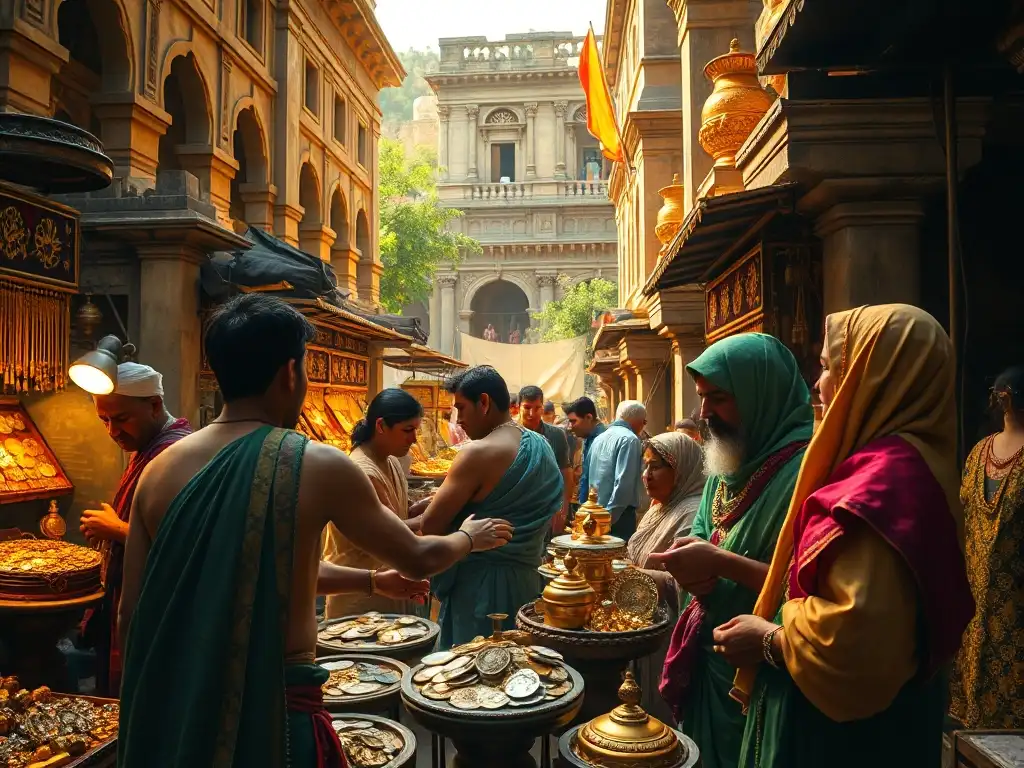
Welcome to Ancient India History, where we embark on a fascinating journey through the rich tapestry of India's past! Delve into the world of Ancient Indian precious metals trade, a crucial thread in the intricate fabric of commerce that defined civilizations from the Indus Valley to the Gupta Empire. Discover how the exchange of gold, silver, and gemstones not only enriched economies but also forged connections across vast distances. As you explore this captivating article, prepare to uncover the secrets of a thriving ancient economy that laid the groundwork for India's enduring legacy. Your adventure awaits—let's dive deeper together!
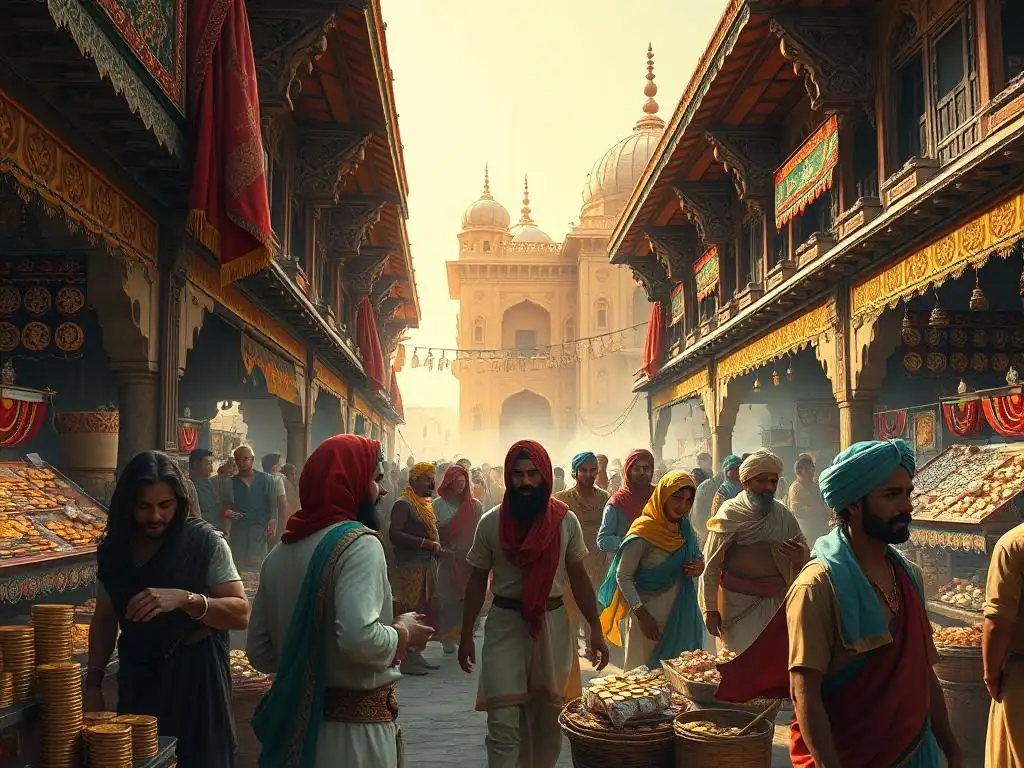
Introduction to Ancient Indian Precious Metals Trade
The trade of precious metals in ancient India was a vital component of its economy, reflecting the sophistication and richness of its civilizations. From the bustling markets of the Indus Valley to the thriving trade routes during the Gupta Empire, these metals played a crucial role not only as currency but also as a symbol of wealth and power.
Understanding the dynamics of the ancient Indian precious metals trade offers insights into the economic practices, cultural values, and technological advancements of these civilizations. This article will delve into the various aspects of this trade, examining its historical context and significance within the broader framework of ancient Indian commerce.
Overview of Precious Metals in Ancient India
Precious metals, primarily gold, silver, and copper, were highly valued in ancient India for their aesthetic appeal and intrinsic worth. These metals were used for various purposes, including:
- Currency: They served as a medium of exchange in trade transactions.
- Jewelry: Craftsmanship in jewelry design showcased the artistic skills of ancient artisans.
- Religious Artifacts: Precious metals were often utilized in the creation of idols and temple decorations.
The prominence of these metals was not limited to their material value; they were also intertwined with cultural and religious practices, often symbolizing prosperity and divine favor.
Importance of Trade in Ancient Indian Economy
Trade was a cornerstone of the ancient Indian economy, facilitating not only the exchange of goods but also the transfer of ideas and cultures. The trade of precious metals was particularly significant for several reasons:
- Economic Growth: The influx of precious metals boosted local economies, leading to urbanization and the development of trade centers.
- Cultural Exchange: Trade routes connected India with other civilizations, fostering cultural interactions that enriched Indian society.
- Wealth Distribution: Control over precious metals influenced social hierarchies and power dynamics within and between civilizations.
The intricate networks established for the trade of these metals laid the groundwork for a robust economic system that thrived on both internal and external exchanges.
Historical Context of Precious Metals Trade
Understanding the historical context of the precious metals trade in ancient India requires examining the various civilizations that contributed to its development. Each era brought unique contributions and adaptations to the trade practices.
The Role of Precious Metals in Ancient Indian Civilizations
Precious metals held multifaceted roles across different ancient Indian civilizations:
- Indus Valley Civilization: Evidence indicates that the people of this civilization engaged in extensive trade, utilizing gold and silver for ornamentation and trade goods.
- Maurya Empire: The Mauryan period saw the establishment of a centralized economy, with precious metals playing a key role in taxation and trade.
- Gupta Empire: Known as a golden age in Indian history, the Gupta Empire witnessed a flourishing of trade activities, including the extensive use of precious metals in commerce and cultural artifacts.
The continuous demand for precious metals throughout these periods reflects their significance in sustaining economic stability and cultural identity.
Major Precious Metals Traded in Ancient India
The primary precious metals traded in ancient India included:
| Metal | Description | Trade Significance |
|---|---|---|
| Gold | Highly coveted for its beauty and rarity | Used in currency, jewelry, and rituals |
| Silver | More abundant than gold, used for coins and trade | Integral to trade agreements and exchanges |
| Copper | Commonly used for tools and lower-value currency | Essential for daily transactions and crafts |
These metals not only facilitated trade within India but also established connections with foreign markets, positioning ancient India as a key player in the global economy of the time. The trade of precious metals is a testament to the ingenuity and resourcefulness of ancient Indian civilizations, providing a foundation for future economic endeavors.
Internal Trade Networks in Ancient India
The internal trade networks in ancient India were complex and well-established systems that facilitated the movement of goods, including precious metals, across vast distances. These networks connected various regions, enabling merchants and traders to engage in commerce effectively. The trade routes often followed geographical features such as rivers, mountains, and plains, which not only provided natural pathways but also influenced the development of settlements and trade centers.
The richness of natural resources in India, including gold, silver, and gemstones, attracted traders from neighboring regions, enhancing the internal trade dynamics. The integration of local markets with larger trade networks allowed for the exchange of goods and cultural practices, leading to a vibrant economic landscape.
Moreover, the internal trade networks were supported by a variety of currencies, weights, and measures, which facilitated smoother transactions. The presence of guilds and trade associations further organized the trade processes, ensuring quality control and fair practices among merchants. This intricate web of trade relationships ultimately contributed to the economic stability and cultural richness of ancient Indian civilization.
Overview of Trade Routes and Networks
Ancient India was crisscrossed by numerous trade routes that connected various regions and facilitated the exchange of precious metals and other goods. Key routes included the Grand Trunk Road, which linked eastern and western India, and the Silk Road, which allowed access to international markets. These routes were not merely pathways for trade; they were also avenues for cultural exchange, enabling the dissemination of ideas, art, and technology.
Rivers such as the Ganges, Indus, and Brahmaputra served as vital trade arteries, supporting boat transport and enhancing the movement of goods. The use of caravans and pack animals overland further connected remote regions to major urban centers, allowing precious metals to flow from mines to markets.
The well-organized nature of these trade routes was complemented by the establishment of way stations and rest houses, which provided shelter and supplies for weary travelers. Markets and trading fairs were strategically placed along these routes, serving as hubs where merchants could gather, trade, and negotiate.
Key Cities and Regions Involved in Precious Metals Trade
Several cities played pivotal roles in the trade of precious metals in ancient India. Taxila, located at the crossroads of major trade routes, became a center for commerce and education. Its strategic position allowed it to thrive as a marketplace for gold and silver.
Varanasi, known for its spiritual significance, also emerged as a trading hub where artisans crafted exquisite jewelry and metalwork, drawing merchants from various regions. The city’s proximity to the Ganges River facilitated the transport of goods, including precious metals.
The Deccan Plateau regions were rich in minerals, making cities like Gulbarga and Bidar essential for sourcing gold and silver. These cities became known for their craftsmanship and artistry, producing intricate metal artifacts that were highly sought after.
Moreover, Pataliputra, the capital of the Mauryan Empire, was a significant center for trade, where the wealth generated from precious metals contributed to its status as a political and economic powerhouse. The interactions between these key cities fostered a dynamic internal trade network that enhanced the overall economic landscape of ancient India.
Economic Impact of Precious Metals Trade
The trade of precious metals in ancient India had far-reaching economic impacts that contributed to the prosperity of the civilization. The influx of gold and silver not only enriched the royal treasuries but also stimulated various sectors of the economy.
The growth of trade in precious metals led to increased demand for coins, which played a crucial role in standardizing economic transactions. This monetary system facilitated trade both locally and internationally, enhancing the overall economy and promoting wealth accumulation among merchants and royal authorities.
Contribution to Wealth and Prosperity
The wealth generated from the trade of precious metals significantly contributed to the prosperity of ancient Indian society. Kings and emperors often relied on the riches from these trades to fund infrastructure projects, military campaigns, and cultural endeavors. This wealth enabled the construction of grand temples, palaces, and roads, which further stimulated economic activity.
Moreover, the trade of precious metals provided livelihoods for countless artisans and craftsmen who specialized in creating jewelry, coins, and decorative items. This thriving craftsmanship not only elevated the standard of living for many but also enriched cultural heritage through the production of exquisite art.
The availability of precious metals also allowed local economies to flourish, leading to the establishment of markets and trade fairs that attracted merchants from far and wide. This economic vibrancy fostered a sense of community and cultural exchange, solidifying the importance of trade in ancient Indian society.
Influence on Craftsmanship and Artistry
The impact of precious metals trade on craftsmanship and artistry in ancient India was profound. The wealth generated from trade allowed artisans to hone their skills and explore new techniques in metalwork, leading to remarkable advancements in artistry.
Artisans began to experiment with various designs and styles, creating intricate jewelry that featured gemstones and elaborate motifs. This period saw the emergence of unique techniques such as filigree and granulation, which enhanced the beauty and value of metal objects.
The cultural exchanges facilitated by trade also influenced artistic styles, as artisans incorporated designs from other regions into their work. This melding of styles resulted in a diverse array of artifacts that reflected the rich tapestry of ancient Indian culture.
Furthermore, the demand for high-quality metal artifacts by both local elites and foreign traders ensured that craftsmanship flourished, leading to the establishment of guilds that preserved and promoted these artistic traditions. The legacy of this craftsmanship remains evident in the exquisite metalwork and jewelry that continue to be celebrated today.
Societal Implications of Precious Metals Trade
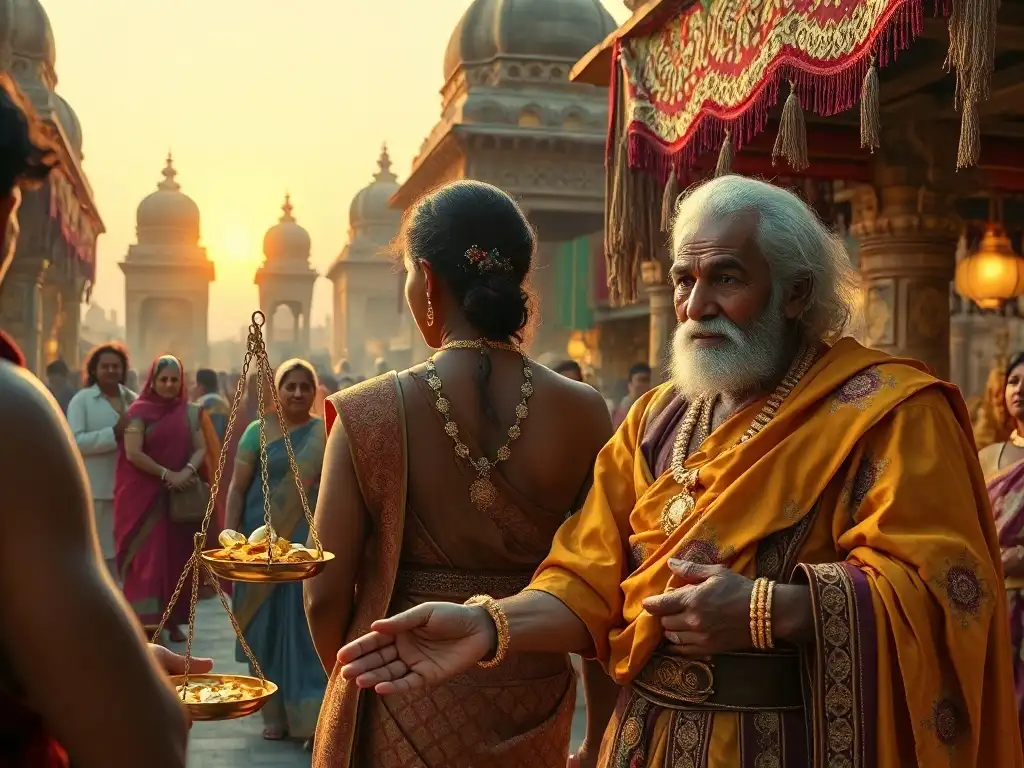
The trade of precious metals in ancient India had profound societal implications that shaped the structure and dynamics of various communities. The influx of gold, silver, and other valuable metals not only influenced economic conditions but also played a crucial role in defining social interactions, cultural practices, and political power. As precious metals became integral to trade, they facilitated the establishment of wealth-based hierarchies and fostered a culture that revered these materials as symbols of status and prosperity.
One significant aspect was the creation of a merchant class that gained prominence through the trade of precious metals. This class played a vital role in the economy, influencing political decisions and social norms. The accumulation of wealth from metal trade often led to the rise of powerful families and dynasties, which in turn contributed to the development of urban centers and facilitated cultural exchanges. Additionally, precious metals served as a medium of exchange, enabling transactions that helped integrate various regions within the vast expanse of ancient India.
Social Hierarchies and Wealth Distribution
The trade of precious metals contributed significantly to the evolution of social hierarchies in ancient India. As certain individuals and families amassed wealth through metal trade, they established themselves at the top of the social ladder. This wealth was often manifested in luxurious lifestyles, elaborate architecture, and patronage of the arts, further solidifying their status within society.
The concentration of wealth also influenced the distribution of resources. While some regions flourished due to their proximity to trade routes or mines, others lagged behind, creating economic disparities. This uneven wealth distribution led to tensions and conflicts, as those marginalized by the trade sought to improve their standing. Over time, these dynamics laid the groundwork for the formation of rigid caste systems, where social mobility became increasingly restricted based on wealth and lineage.
Moreover, the elite class often engaged in rituals and practices that further entrenched their social positions. Precious metals were used in religious offerings and ceremonies, reinforcing their sacred status and linking wealth to divinity. This fusion of commerce and spirituality created a complex social fabric where wealth, power, and cultural identity were intricately intertwined.
Cultural Significance of Precious Metals in Society
In ancient Indian society, precious metals held immense cultural significance beyond their economic value. Gold and silver were not merely commodities; they were symbols of prosperity, divine favor, and social status. Various texts from ancient India, including the Vedas and epics like the Mahabharata, frequently reference precious metals, highlighting their importance in rituals, offerings, and as tokens of love and respect.
Gold, in particular, was associated with deities and was often used in the construction of temples and statues, reflecting the belief in its sanctity. This association extended to jewelry, which was not only a form of adornment but also a representation of wealth, lineage, and even marital status. Women, in particular, were often adorned with intricate gold jewelry, symbolizing their family's affluence and social standing.
Additionally, the cultural practices surrounding the acquisition and gifting of precious metals played a crucial role in social relationships. Rituals involving gold and silver, such as weddings and festivals, fostered community bonds and reinforced social ties. Thus, precious metals transcended their material value, becoming integral to the cultural identity and practices of ancient Indian societies.
Comparison of Precious Metals Trade with Other Trade Practices
The trade of precious metals in ancient India can be compared to other trade practices that were prevalent during the same period. While precious metals were a significant commodity, they were part of a broader economic landscape that included the trade of textiles, spices, and agricultural products. Understanding these comparisons provides insight into the unique role that precious metals played in the ancient economy.
Precious Metals vs. Other Goods in Ancient Trade
Precious metals were distinctive in their ability to serve multiple purposes: they were both a medium of exchange and a measure of wealth. Unlike other goods, which often had specific uses or were perishable, metals maintained their value over time and were universally recognized. This made them highly sought after in trade networks, allowing for the establishment of long-distance trade routes that connected various regions.
In contrast, goods like textiles and spices were subject to seasonal fluctuations and regional variances in demand. While these commodities were immensely valuable and widely traded, their value could diminish based on supply and market conditions. Precious metals, on the other hand, maintained a relatively stable value, making them a preferred choice for transactions involving large sums.
Moreover, the trade of precious metals often facilitated and enhanced the trade of other goods. For instance, merchants would trade metals for textiles or spices, creating a symbiotic relationship between different sectors of the economy. This interplay further solidified the importance of precious metals in ancient trade practices, as they became the backbone of extensive trading networks.
Regional Variations in Trade Practices
The trade of precious metals also exhibited significant regional variations across ancient India. Different areas had unique resources, trade routes, and cultural practices that influenced how metals were traded. For instance, regions rich in natural resources, such as the western coastal areas known for silver and gold mines, became pivotal trading hubs.
In contrast, regions that were primarily agrarian relied on trade for their economic sustenance, often exchanging agricultural products for precious metals. This created a diverse trading landscape, where coastal cities like Lothal and Mandu served as vibrant centers for the import and export of precious metals alongside other goods.
Additionally, cultural factors played a role in shaping trade practices. Some regions emphasized extensive trade networks and maritime trade, while others focused on land routes and caravan trade. This diversity resulted in varying practices concerning how precious metals were valued, exchanged, and integrated into local economies and cultures.
The trade of precious metals in ancient India was not only a crucial economic activity but also a significant societal force that affected social structures, cultural practices, and regional economies. Understanding these dynamics provides a richer perspective on the complexities of ancient Indian civilization and its multifaceted trade practices.
Challenges Faced in Precious Metals Trade
The trade of precious metals in ancient India was not without its challenges. Various factors, including political dynamics, environmental concerns, and resource management issues, played crucial roles in shaping the landscape of this trade. Understanding these challenges provides deeper insights into the complexities surrounding the ancient Indian economy.
Political and Economic Barriers
Political stability and economic policies significantly influenced the trade of precious metals in ancient India. The region experienced various dynastic changes, invasions, and local conflicts that disrupted trade routes and affected market access. For instance, during periods of political turmoil, such as the invasions by foreign powers or internal strife among regional kingdoms, trade became precarious. Merchants faced increased risks, including piracy and theft, which deterred long-distance trade.
Moreover, the imposition of heavy taxes by ruling authorities often hampered the profitability of precious metals trade. These taxes not only increased costs for merchants but also discouraged smaller traders from participating in the market. In contrast, periods of stability, such as during the Maurya and Gupta empires, saw enhanced trade activities due to supportive policies that fostered commerce, promoting a more favorable environment for the exchange of precious metals.
Environmental and Resource Management Issues
Environmental factors also posed significant challenges to the trade of precious metals in ancient India. The extraction and processing of metals required substantial natural resources, and unsustainable practices could lead to resource depletion. For example, in regions where mining was prevalent, such as the Vindhya and Aravalli ranges, over-exploitation of resources could have detrimental effects on the local ecosystem, impacting not just the availability of precious metals but also the livelihoods of communities dependent on these natural resources.
Additionally, transportation of precious metals was heavily reliant on available infrastructure. Natural disasters, such as floods and droughts, could damage trade routes, slowing down the movement of goods. The geographical diversity of India, with its mountains, rivers, and forests, created both opportunities and obstacles in establishing efficient trade networks. Traders had to navigate these complexities while ensuring the sustainability of their operations.
Conclusion
Summary of Key Findings on Ancient Indian Precious Metals Trade
The trade of precious metals in ancient India was a multifaceted enterprise influenced by a variety of challenges. Political and economic barriers, including instability and taxation, significantly hindered trade activities. Simultaneously, environmental and resource management issues complicated the extraction and transportation of precious metals. These factors collectively shaped the dynamics of trade networks, reflecting the broader economic landscape of ancient Indian civilizations.
The Legacy of Precious Metals Trade in Ancient India’s Economic History
The legacy of precious metals trade in ancient India is profound, leaving an indelible mark on its economic history. This trade not only facilitated wealth accumulation and cultural exchange but also contributed to the development of intricate trade networks that spanned vast regions. The influence of precious metals extended beyond mere economic implications; it also played a vital role in social and cultural contexts, as these metals were often associated with status, power, and spiritual significance.
As ancient Indian civilizations navigated the complexities of precious metals trade, they laid the groundwork for future economic systems, highlighting the importance of trade in fostering connections between diverse cultures and societies. This historical analysis underscores the significance of precious metals trade as a foundational element in the rich tapestry of ancient Indian economic history.
- Introduction to Ancient Indian Precious Metals Trade
- Historical Context of Precious Metals Trade
- Internal Trade Networks in Ancient India
- Economic Impact of Precious Metals Trade
- Societal Implications of Precious Metals Trade
- Comparison of Precious Metals Trade with Other Trade Practices
- Challenges Faced in Precious Metals Trade
- Conclusion
- What were the main precious metals traded in ancient India?
- How did the trade routes impact the economy of ancient India?
- What role did markets and bazaars play in the trade of precious metals?
- How did ancient Indian civilizations acquire their precious metals?
- What were the cultural implications of precious metals trade in ancient India?
Frequently Asked Questions
What were the main precious metals traded in ancient India?
Ancient India primarily traded gold, silver, and copper. These metals were highly valued for their economic and cultural significance.
How did the trade routes impact the economy of ancient India?
The trade routes facilitated the exchange of precious metals and other goods, leading to increased economic prosperity and cultural interactions with neighboring civilizations.
What role did markets and bazaars play in the trade of precious metals?
Markets and bazaars served as vital centers for the exchange of precious metals, where traders and merchants could conduct transactions and establish trade relationships.
How did ancient Indian civilizations acquire their precious metals?
Ancient Indian civilizations sourced precious metals through mining, trade with neighboring regions, and gifts from rulers, contributing to their wealth and status.
What were the cultural implications of precious metals trade in ancient India?
The trade of precious metals influenced art, religion, and societal structures, as they were often used in rituals and represented wealth and power.
Final Reflection: The Enduring Legacy of Ancient Indian Precious Metals Trade
The trade of precious metals in ancient India was not merely an economic activity; it was a vibrant tapestry woven into the very fabric of society, culture, and identity. Today, as we navigate a global economy that often feels disconnected from its historical roots, understanding the significance of this ancient trade provides us with invaluable insights into the interconnectedness of commerce and culture. The lessons learned from ancient Indian precious metals trade resonate profoundly, reminding us that economic practices are deeply intertwined with human experience and societal values.
The influence of ancient Indian precious metals trade extends far beyond the historical context; it continues to shape our cultural and social landscapes today. The intricate networks established by traders and artisans fostered a sense of community and collaboration that transcended borders. As we reflect on this legacy, we can appreciate how these early exchanges laid the groundwork for modern trade practices. Commerce is the great civilizer,
said Thomas Carlyle, highlighting the role of trade in fostering connections and understanding among diverse cultures. This sentiment echoes the spirit of the ancient Indian trade, where precious metals were not just commodities but symbols of wealth, artistry, and cultural exchange.
As we conclude this exploration, I invite you to reflect on the lessons from ancient Indian precious metals trade and consider how they can inform our actions today. How can we foster connections in our own communities through trade and cultural exchange? Let us carry forward the spirit of collaboration and appreciation for diversity that characterized the ancient trade routes, ensuring that we honor the past while building a more interconnected and harmonious future. Embrace the richness of history as a guide for your own journey, and let it inspire you to create meaningful connections in your life.
Unveil the Rich Legacy of Precious Metals in Ancient India!
Thank you for exploring the fascinating world of precious metals and their economic significance in ancient India! You've uncovered the intricate relationships that trade and wealth have forged throughout history. Now, it’s time to take that knowledge and turn it into action!
Here’s how you can delve deeper into this captivating subject and contribute to the conversation:
- Immerse Yourself in further research! Select a specific ancient trade route and discover the businesses, cultures, and technologies that flourished along it.
- Join the Conversation by sharing this article with friends or on social media. Discuss how ancient practices continue to influence our economic systems today!
- Engage with Experts by attending a local lecture or seminar on ancient trade or economics to connect with fellow history enthusiasts.
Which aspect of ancient trade would you like to explore further to understand its legacy in today’s world?