
The Silk Road of the Subcontinent: Unveiling Ancient India's Internal Trade Networks


Welcome to Ancient India History, where we embark on a fascinating journey through the rich tapestry of ancient Indian civilizations. From the majestic Indus Valley to the illustrious Gupta Empire, our exploration delves deep into the incredible trade networks that once wove the fabric of economic prosperity across the subcontinent.
In our featured article, “The Silk Road of the Subcontinent: Unveiling Ancient India's Internal Trade Networks,” we invite you to discover how these intricate connections not only shaped commerce but also fostered cultural exchanges that resonate to this day. Join us as we unravel the secrets of a dynamic past, sparking your curiosity to learn more about the vibrant history that still influences us.
- Introduction to Ancient India's Trade Networks
- Historical Background of Trade in Ancient India
- Key Components of Ancient India's Trade Networks
- Cultural Exchange Through Trade
- Challenges and Limitations of Ancient India's Trade Networks
- The Legacy of Ancient India's Trade Networks
- Conclusion: The Significance of Ancient India's Trade Networks
- Frequently Asked Questions
- Final Reflection: The Enduring Legacy of Ancient India's Trade Networks
- Unveil the Mysteries of Ancient Trade!
Introduction to Ancient India's Trade Networks
The intricate tapestry of Ancient India's trade networks reveals a vibrant economic landscape that fostered cultural exchange and prosperity across the subcontinent. From the bustling markets of the Indus Valley Civilization to the thriving trade routes of the Gupta Empire, internal trade played a pivotal role in shaping the socio-economic dynamics of ancient Indian societies.
This article delves into the rich history of internal trade networks, exploring their structure, significance, and the diverse commodities that flowed through them. By understanding these networks, we gain valuable insights into how they influenced not only the economy but also the cultural and social fabric of ancient India.
Overview of Ancient India’s Economic Landscape
Ancient India boasted a complex and multifaceted economy that thrived on both agriculture and trade. The diverse geography, ranging from fertile plains to mountainous terrains, allowed for the cultivation of various crops including:
- Rice
- Wheat
- Barley
- Cotton
This agricultural abundance provided a solid foundation for trade, as surplus products could be exchanged for goods that were not locally available. The economic landscape was characterized by:
- Urban Centers: Cities such as Mohenjo-Daro and Harappa emerged as significant trade hubs, equipped with advanced urban planning and infrastructure.
- Marketplaces: Local markets facilitated the exchange of goods, where artisans and merchants congregated to sell their products.
- Guilds: Craft and trade guilds regulated the quality and pricing of goods, ensuring fair trade practices among members.
The wealth generated from agriculture, craftsmanship, and trade not only enriched the local economies but also led to the formation of powerful states, enhancing their political and military capabilities.
Importance of Internal Trade in Ancient India
Internal trade was crucial to the development and sustainability of ancient Indian civilizations. It facilitated not only economic transactions but also cultural interactions and the dissemination of ideas. The significance of internal trade can be understood through several key aspects:
- Cultural Exchange: Trade routes acted as conduits for the exchange of cultural practices, religious beliefs, and artistic expressions, leading to a rich amalgamation of diverse influences.
- Economic Stability: By promoting trade among different regions, internal networks helped to ensure a stable supply of essential goods, mitigating the effects of local shortages and promoting economic resilience.
- Innovation and Craftsmanship: The demand for various goods spurred innovation in craft techniques and technologies. Skilled artisans emerged, producing textiles, pottery, and metalwork that were highly valued both locally and abroad.
The internal trade networks of ancient India were not merely conduits for commodities but were central to the very identity and cohesion of ancient Indian societies. They fostered economic growth, cultural richness, and technological advancement, thereby laying the groundwork for future civilizations.
Historical Background of Trade in Ancient India
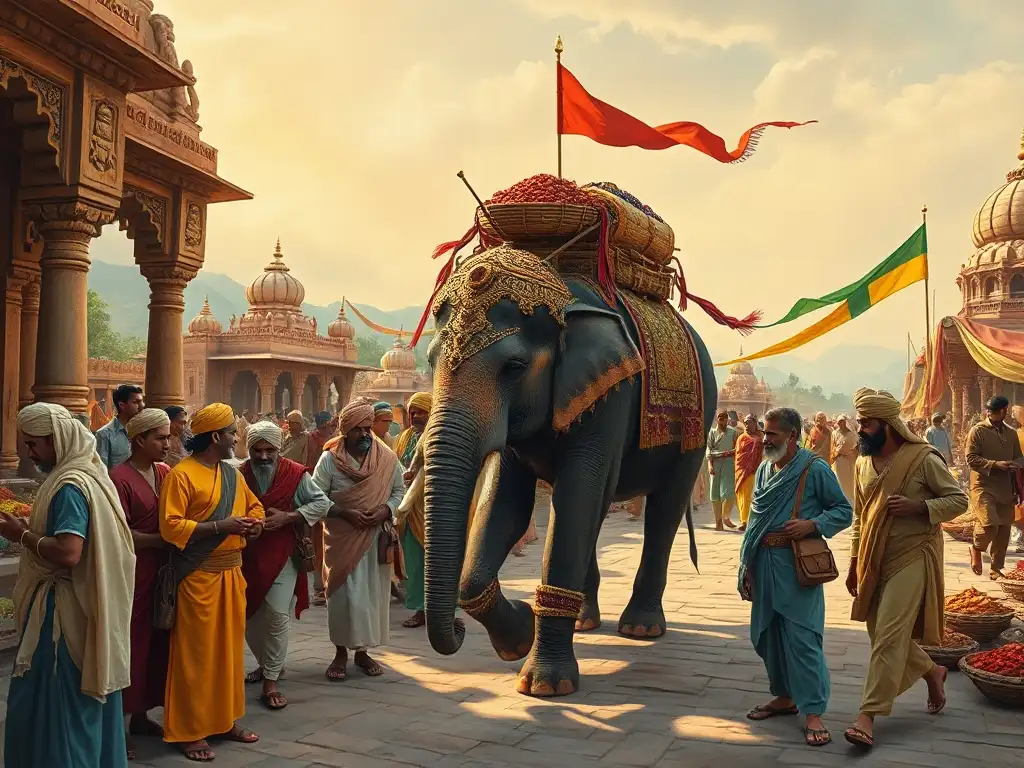
The Indus Valley Civilization: Early Trade Practices
The Indus Valley Civilization, flourishing from approximately 2600 to 1900 BCE, is one of the earliest urban cultures in the world and laid the foundation for ancient India's trade networks. This civilization is notable for its sophisticated urban planning, advanced drainage systems, and standardized weights and measures, which facilitated trade both locally and with distant regions.
Key Trade Practices
- Goods Traded: The Indus people traded a variety of goods, including:
- Agricultural Products: Wheat, barley, and cotton were staples.
- Crafted Items: Beads, pottery, and metalwork showcased their artisanship.
- Luxury Items: Semi-precious stones such as lapis lazuli, which were sourced from regions like Afghanistan.
- Trade Partners: Evidence suggests that the Indus Valley engaged in trade with neighboring regions, notably:
- Mesopotamia: Artifacts such as seals and pottery have been found in both areas, indicating a flourishing exchange of goods.
- Persia: Overland routes connected the Indus Valley with Persian markets, enhancing cultural and economic ties.
The use of standardized weights and measures suggests a sophisticated approach to trade, enabling fair transactions and fostering trust among traders. This early trading culture set the stage for the more elaborate trade networks that would develop in subsequent periods.
Trade Routes and Networks in the Vedic Period
The Vedic period, spanning from around 1500 to 500 BCE, marked a significant evolution in the trade networks of ancient India. During this time, the socio-political landscape changed, and trade practices adapted accordingly.
Evolution of Trade Routes
- Land Routes: The establishment of land routes facilitated trade across the subcontinent. Key routes included:
- North-South Corridors: Connecting the Himalayan foothills to the southern regions, these routes facilitated the movement of spices and textiles.
- East-West Corridors: Linking the eastern seaboard with the western regions, these routes were crucial for the exchange of precious stones and metals.
- Riverine Trade: Rivers such as the Ganges and Indus served as vital trade arteries:
- Transportation: Boats were used for transporting goods, enhancing trade efficiency.
- Cultural Exchange: The rivers acted as conduits for cultural interactions, promoting the exchange of ideas alongside goods.
Economic Activities
- Agriculture and Livestock: The agrarian economy of the Vedic period supported trade, with surplus production enabling barter and exchange.
- Craftsmanship: Artisans and craftsmen became critical players in trade networks, producing goods for both local use and external trade.
The intricate web of trade routes established during the Vedic period not only boosted the economy but also played a pivotal role in the dissemination of ideas, culture, and technology across ancient India.
The Role of Empires: Maurya and Gupta Trade Networks
The Maurya and Gupta Empires, which flourished from the 4th century BCE to the 6th century CE, were pivotal in shaping the trade networks of ancient India. These empires expanded trade routes and established a more organized approach to commerce.
Maurya Empire Trade Networks
- Infrastructure Development: Under the Mauryan rulers, particularly Ashoka, significant investments were made in infrastructure, including roads and caravanserais, which enhanced trade efficiency.
- Standardization of Currency: The introduction of a standardized currency facilitated trade and economic stability, making transactions smoother and more reliable.
Gupta Empire Trade Expansion
- International Trade: The Gupta period saw a dramatic increase in international trade, particularly with regions such as:
- Southeast Asia: Goods such as textiles and spices were exported, while luxury items flowed into India.
- Roman Empire: Evidence of trade with Rome indicates the extent of Gupta trade networks, with silk, spices, and other luxury goods exchanged.
- Cultural Exchange: Trade during the Gupta Empire was not limited to goods; it also included the exchange of ideas, art, and religion, contributing to the cultural richness of ancient India.
The Maurya and Gupta Empires not only bolstered ancient India's trade networks but also established a legacy of economic prosperity that influenced future generations. The trade practices and routes developed during these periods laid the groundwork for the dynamic internal trade networks that characterized ancient India.
Key Components of Ancient India's Trade Networks
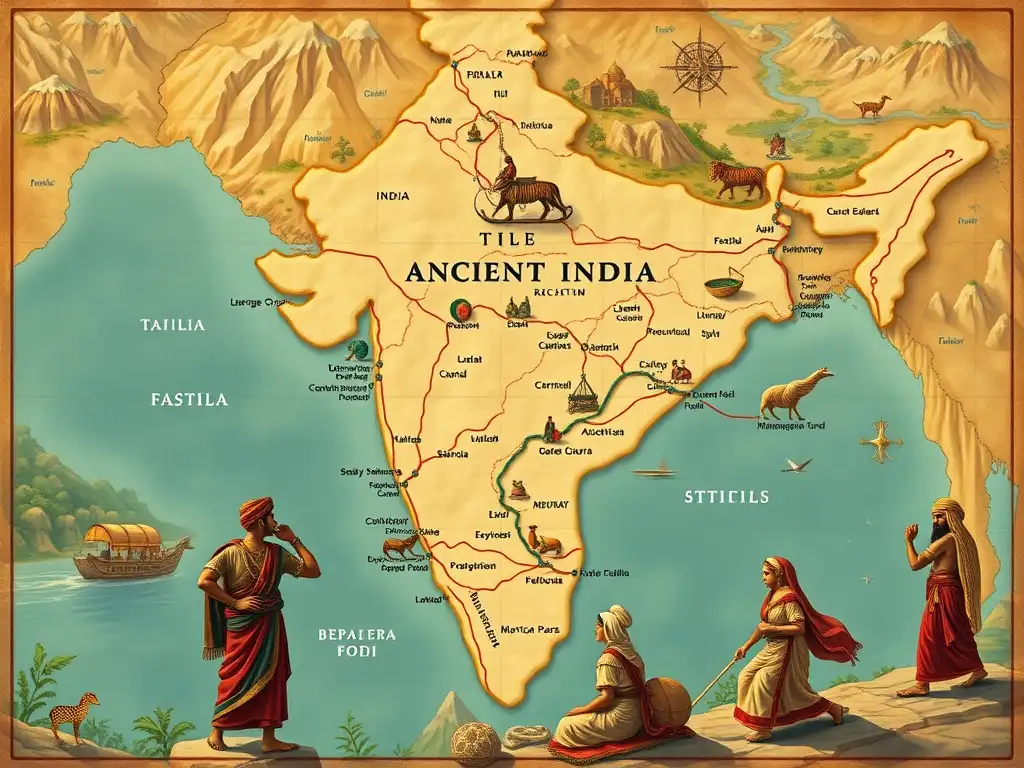
Ancient India's trade networks were complex and multifaceted, comprising various components that facilitated the exchange of goods, culture, and ideas across the subcontinent and beyond. These networks not only connected different regions within India but also linked the subcontinent to international trade routes, including the famous Silk Road. The key components of these trade networks can be categorized into major trade goods, prominent trading centers, and the role of local markets.
Major Trade Goods in Ancient India
The prosperity of Ancient India's trade networks was largely dependent on the diverse array of goods produced and traded. Among the most significant trade commodities were spices, textiles, precious stones, agricultural products, and handicrafts.
Spices, Textiles, and Precious Stones
- Spices: India was renowned for its spices, such as black pepper, cardamom, and cinnamon, which were highly sought after in global markets. The spice trade was so lucrative that it significantly influenced maritime trade routes and attracted traders from various parts of the world, including the Roman Empire and Middle Eastern countries.
- Textiles: The textile industry flourished in Ancient India, producing high-quality fabrics like cotton, silk, and wool. Indian textiles were not only popular locally but were also exported extensively along trade routes to places such as Persia and Central Asia. The intricate designs and vibrant colors of Indian fabrics made them a staple in international trade.
- Precious Stones: India was a key source of precious stones, including diamonds, rubies, and emeralds. The expertise in gem cutting and trading further established India's reputation in this market. These gemstones were often transported along trade routes to be sold in various parts of the world.
Agricultural Products and Handicrafts
- Agricultural Products: Ancient India was self-sufficient in agricultural production, with staple crops like rice, wheat, barley, and pulses being cultivated. These products were traded within the region and complemented the diets of various communities, promoting food security and trade.
- Handicrafts: The craftsmanship in pottery, metalwork, and jewelry also played an essential role in trade. Artisans produced unique handicrafts that were not only used locally but were also desired in foreign markets. This demand encouraged a flourishing culture of craftsmanship and innovation.
Trading Centers and Marketplaces
The internal trade networks of Ancient India were supported by several bustling trading centers and marketplaces that served as hubs for commerce and cultural exchange. Key cities like Pataliputra, Taxila, and Ujjain were instrumental in facilitating trade and connecting different regions.
Key Cities: Pataliputra, Taxila, and Ujjain
- Pataliputra: As the capital of the Maurya Empire, Pataliputra was a major center for trade and commerce. Its strategic location at the confluence of rivers made it a vital trading hub, attracting merchants from across the subcontinent and beyond. The city's markets were known for their variety of goods, including spices, textiles, and luxury items.
- Taxila: Located at the crossroads of several trade routes, Taxila was another significant trading center. It was famous for its educational institutions and vibrant marketplace, where traders exchanged not only goods but also ideas. The city thrived on the trade of textiles, metalwork, and gems.
- Ujjain: Ujjain was an important center for trade and culture, particularly known for its astronomical observatories and religious significance. The city's markets facilitated the exchange of agricultural products, textiles, and handicrafts, making it a bustling economic center.
The Function of Local Markets in Trade Networks
Local markets played a crucial role in the functioning of Ancient India's trade networks. They served as the first point of contact for goods and facilitated the exchange between local producers and regional traders. These markets were characterized by:
- Accessibility: Local markets were strategically located to ensure easy access for farmers and artisans, promoting the distribution of goods throughout the region.
- Diversity: The variety of goods available in local markets attracted traders and consumers, fostering a culture of commerce that encouraged the growth of specialized crafts and industries.
- Cultural Exchange: Local markets also served as venues for cultural exchange, where people from different backgrounds interacted, shared ideas, and influenced each other's practices.
Ancient India's trade networks were defined by their major trade goods, prominent trading centers, and the essential role of local markets. These elements worked in tandem to create a dynamic economic landscape that not only facilitated trade but also fostered cultural interactions across the subcontinent and beyond.
Cultural Exchange Through Trade
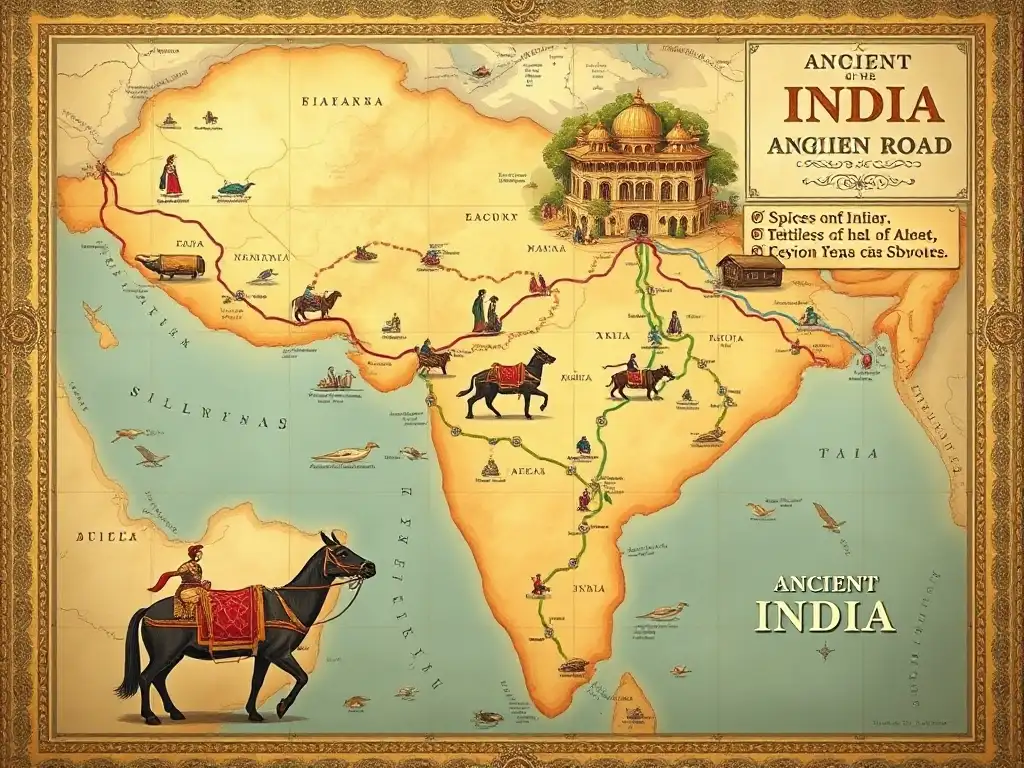
Ancient India’s trade networks were not merely conduits for commodities; they were vibrant channels of cultural exchange. The interactions facilitated by these networks led to the sharing of ideas, customs, and traditions that significantly influenced Indian society. The bustling markets and trade routes became melting pots where diverse cultures converged, creating a rich tapestry of social and cultural dynamics.
Influence of Trade on Ancient Indian Society
The impact of trade on ancient Indian society can be seen in various aspects, including:
- Economic Growth: Trade stimulated economic activity in regions such as the Indus Valley and later in urban centers like Pataliputra. Wealth generated from trade contributed to the rise of powerful kingdoms and the flourishing of arts and sciences.
- Cultural Syncretism: As merchants and travelers from different cultures interacted, they exchanged not only goods but also traditions and practices. This led to the blending of local customs with foreign influences, enriching the cultural fabric of ancient India. For instance, the introduction of Persian and Hellenistic art styles can be traced back to these interactions.
- Social Stratification: The emergence of a merchant class became significant in ancient Indian society. This class played a crucial role in connecting different regions, and their wealth and influence began to shape social hierarchies, leading to increased mobility and opportunities for trade-related professions.
- Religious Exchanges: Trade routes also served as pathways for religious ideas. Buddhism and Jainism spread across India and beyond through these networks, leading to the establishment of monastic communities that thrived on trade.
The Spread of Ideas and Technology Along Trade Routes
Trade networks in ancient India were pivotal in disseminating ideas and technology. Key aspects include:
- Scientific Knowledge: Ancient Indian mathematicians and astronomers shared their discoveries through trade communication. The concept of zero, advanced mathematics, and astronomical observations were transmitted along trade routes to other civilizations, influencing their scientific development.
- Agricultural Techniques: Innovations such as irrigation methods and crop rotation practices were exchanged. The introduction of new crops, such as cotton and spices, not only transformed agriculture in India but also attracted traders from afar, eager to procure these valuable commodities.
- Art and Architecture: Architectural styles and artistic techniques traveled along trade routes, leading to the emergence of unique styles that reflected a amalgamation of influences. The Gandhara school of art, which combined Indian and Greco-Roman elements, is a prime example of this cultural infusion.
- Philosophical Ideas: The trade networks facilitated the exchange of philosophical thoughts, including those related to ethics, governance, and cosmology. The cross-pollination of ideas contributed to the development of schools of thought, enriching the intellectual landscape of ancient India.
Interactions with Neighboring Civilizations
Ancient India's trade networks fostered vital interactions with neighboring civilizations. These relationships can be categorized as follows:
- Cultural Interactions with Persia: The trade routes connecting India and Persia led to significant cultural exchanges. Persian art, language, and administrative practices influenced Indian society, particularly during the Achaemenid Empire’s control over parts of northwestern India.
- Trade with the Hellenistic World: Following Alexander the Great's invasion, trade flourished between India and the Hellenistic states. This interaction introduced Indian goods to the Mediterranean and vice versa, paving the way for a blend of cultures that enriched both regions.
- Relations with Southeast Asia: Maritime trade routes connected India with Southeast Asian civilizations. The spread of Hinduism and Buddhism into regions like Java and Sumatra was largely facilitated by maritime traders, leading to the establishment of Indianized kingdoms in these areas.
- Cultural Exchange with China: The Silk Road served as a bridge for trade between India and China. This interaction not only included the exchange of silk and spices but also facilitated the transfer of knowledge, notably the introduction of Buddhism into China.
Ancient India's trade networks were instrumental in shaping a dynamic and interconnected society. Through these networks, cultural exchange, technological advancements, and interactions with neighboring civilizations enriched the ancient Indian experience, leaving a lasting legacy that is still felt today.
Challenges and Limitations of Ancient India's Trade Networks
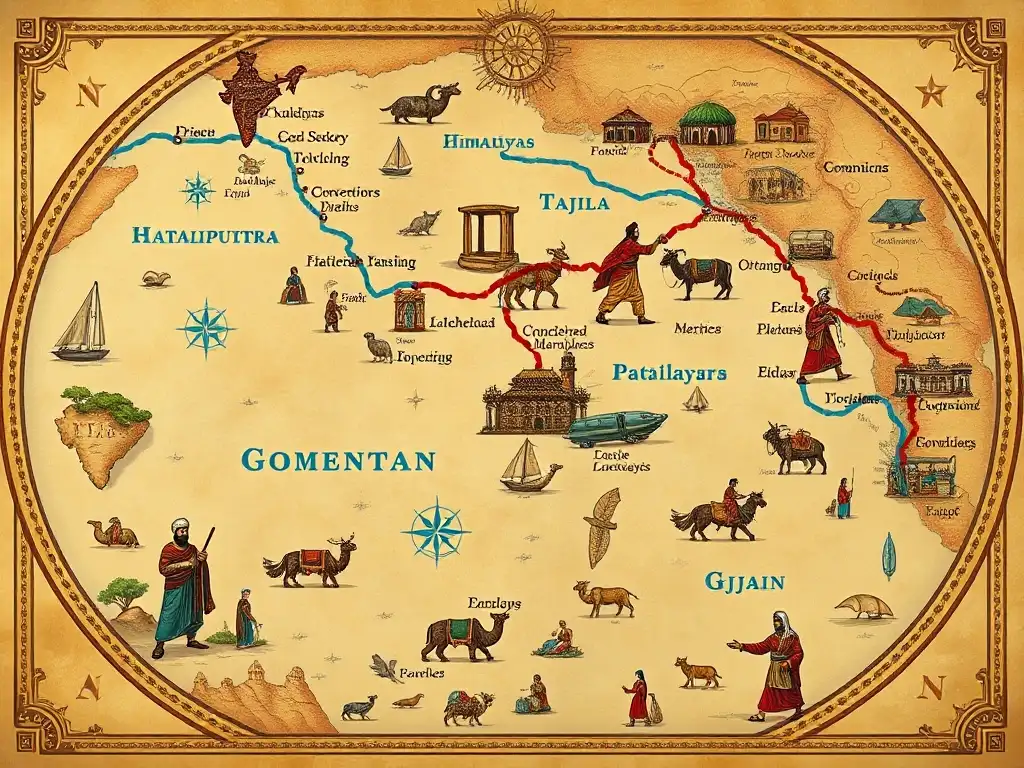
Ancient India's trade networks, although expansive and crucial for economic development, faced several challenges and limitations that hindered their efficiency and reach. Understanding these obstacles provides insight into the complexity of trade in this historical context and its eventual evolution.
Geographic Barriers and their Impact on Trade
Geography played a significant role in shaping the trade networks of ancient India. The diverse landscape, which included mountains, rivers, deserts, and forests, presented both opportunities and challenges:
- Himalayan Range: The towering peaks of the Himalayas acted as a natural barrier, limiting trade with Central Asia. While routes through the mountain passes existed, they were often treacherous and could be blocked by snow or landslides.
- Thar Desert: The expansive Thar Desert posed challenges for overland trade. The arid conditions made it difficult for traders to traverse, leading to longer trade routes and increased travel times.
- Rivers and Monsoons: While rivers like the Indus and Ganges facilitated trade, seasonal monsoons could also disrupt navigation. Flooding could render waterways impassable, causing delays and losses for merchants.
These geographic challenges necessitated the development of alternative routes and modes of transport, often leading to increased costs and complexities in trade arrangements.
Political Instability and Trade Disruptions
Political factors significantly influenced the stability and growth of ancient India’s trade networks.
- Regional Conflicts: Frequent wars and territorial disputes between kingdoms disrupted trade routes. For instance, the conflicts between the Maurya and the Shunga dynasties often led to the temporary closure of key trade pathways, impacting merchants and local economies.
- Changing Dynasties: The rise and fall of empires, such as the Gupta Empire, created fluctuations in trade policies. Each dynasty had its own approach to trade, leading to inconsistencies in tariffs and regulations. This unpredictability made long-term trade planning difficult for merchants.
- Taxation and Regulation: Heavy taxation imposed by local rulers could deter trade. Merchants were often subjected to varying rates of taxation depending on the region, leading to increased costs and reduced profit margins.
These political instabilities created an environment of uncertainty, discouraging trade and complicating internal commerce.
Natural Disasters and Trade Route Vulnerabilities
Natural disasters posed significant risks to the integrity of trade routes and the overall economy of ancient India.
- Earthquakes: Regions like the Himalayan foothills are seismically active, and significant earthquakes could abruptly alter trade routes or destroy infrastructure. The loss of major trading cities due to such disasters would have severe economic repercussions.
- Floods: The monsoon season, while beneficial for agriculture, could lead to disastrous flooding in key areas. Flooding could destroy crops, disrupt transportation, and damage trade goods, severely impacting the flow of trade.
- Droughts: Conversely, prolonged periods of drought could lead to scarcity of resources. This could disrupt trade by limiting the availability of goods, forcing traders to seek alternative markets or routes, often at higher costs.
Understanding these vulnerabilities highlights the resilience required by ancient traders and the adaptability of their networks in the face of such challenges. The interplay of geographic, political, and natural factors ultimately shaped the dynamics of ancient India's trade networks, influencing both local economies and international commerce.
The Legacy of Ancient India's Trade Networks
Contributions to Global Trade History
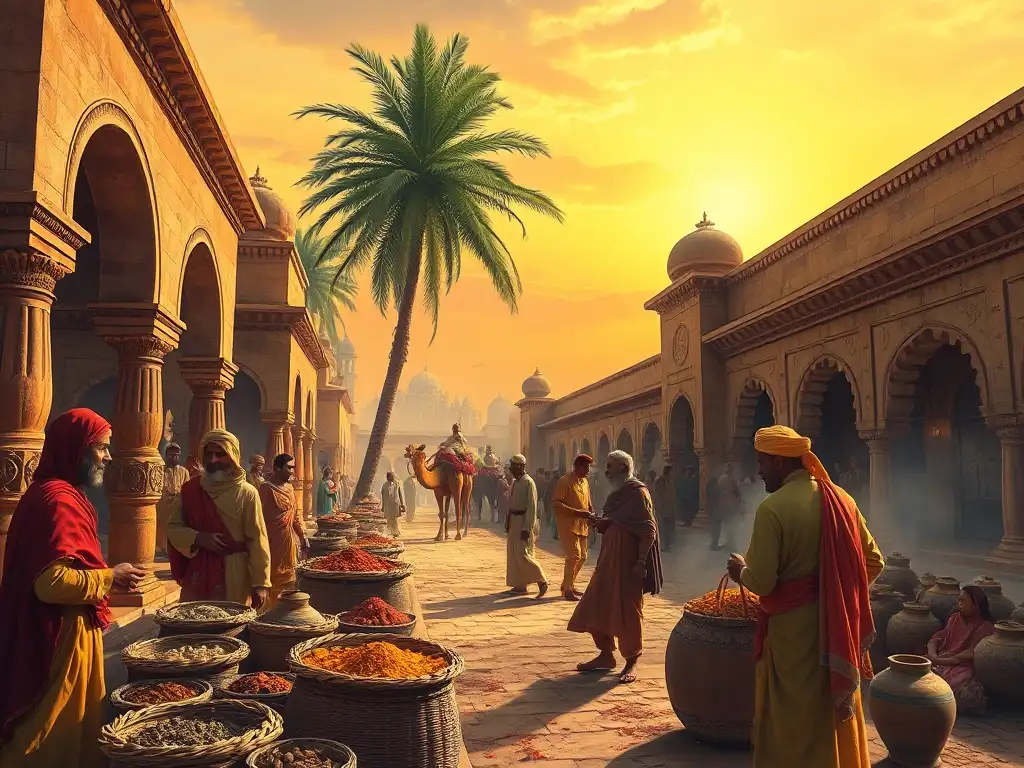
Ancient India’s trade networks were pivotal in shaping not only the subcontinent's economy but also contributing significantly to global trade history. The extensive trade routes facilitated the exchange of not just goods, but also ideas, cultures, and technologies. Key commodities traded included spices, textiles, precious stones, and even knowledge, which had far-reaching implications across the globe.
- Spices and Textiles:
- Spices such as black pepper, cardamom, and turmeric were highly sought after in international markets. They became vital commodities along the maritime and overland Silk Roads, influencing culinary practices worldwide.
- Indian textiles, particularly cotton and silk, were renowned for their quality and craftsmanship. The production of fine fabrics not only catered to local demand but also established India as a primary exporter to regions such as the Middle East, Africa, and Europe.
- Cultural Exchanges:
- The trade routes facilitated the dissemination of philosophies, religions, and artistic traditions. For instance, Buddhism spread to Central Asia and beyond through these networks, influencing cultures far removed from its origin.
- The interactions along these trade routes also fostered a blend of artistic styles, evident in the Indo-Greek sculptures and the architectural marvels that emerged from this confluence of ideas.
- Technological Innovations:
- Ancient Indian traders were instrumental in the transfer of technologies, such as metallurgy and agricultural practices, to other civilizations. The use of the zero in mathematics and advancements in astronomy were notable contributions that shaped scientific thought globally.
Influence on Modern Indian Trade Practices
The legacy of ancient trade networks continues to resonate in modern Indian trade practices. Understanding these historical foundations provides insight into contemporary economic strategies and trade relations.
- Regional Trade Relationships:
- Just as ancient trade routes connected various regions, modern India actively engages in regional trade agreements with neighboring countries. This mirrors the ancient practices of forging alliances and mutually beneficial trade relationships.
- Diversification of Products:
- Modern Indian trade reflects the ancient tradition of diversification. The emphasis on a variety of products, from textiles to information technology services, is reminiscent of the ancient practice of trading a wide range of goods, catering to different markets.
- Cultural Heritage in Branding:
- The rich cultural heritage of ancient trade is leveraged in branding and marketing today. Products like handwoven textiles and traditional handicrafts often highlight their historical significance, appealing to both domestic and international consumers interested in authenticity.
Preservation of Ancient Trade Routes in Contemporary India
The preservation of ancient trade routes is not merely an archaeological interest but an ongoing aspect of contemporary India’s socio-economic framework. Recognizing the historical significance of these paths contributes to cultural heritage and promotes tourism and trade.
- Cultural Heritage Sites:
- Many ancient trade routes have been designated as cultural heritage sites, attracting tourists and researchers alike. This preservation helps educate the public about the historical importance of these networks and their role in shaping civilizations.
- Infrastructure Development:
- The revival of certain ancient trade routes has been integrated into modern infrastructure projects, enhancing connectivity and promoting economic growth. Investments in road and rail networks often trace the paths of ancient routes, facilitating trade and commerce.
- Sustainable Practices:
- There is a growing emphasis on sustainability within modern trade practices, echoing ancient methods of resource management and trade. The lessons learned from ancient trade networks promote eco-friendly practices and emphasize local production, which is vital for sustainable development.
The legacy of ancient India's trade networks is profound, influencing not only historical global trade but also contemporary practices and infrastructure. By understanding and preserving these routes, modern India continues to build on its rich trading heritage.
Conclusion: The Significance of Ancient India's Trade Networks
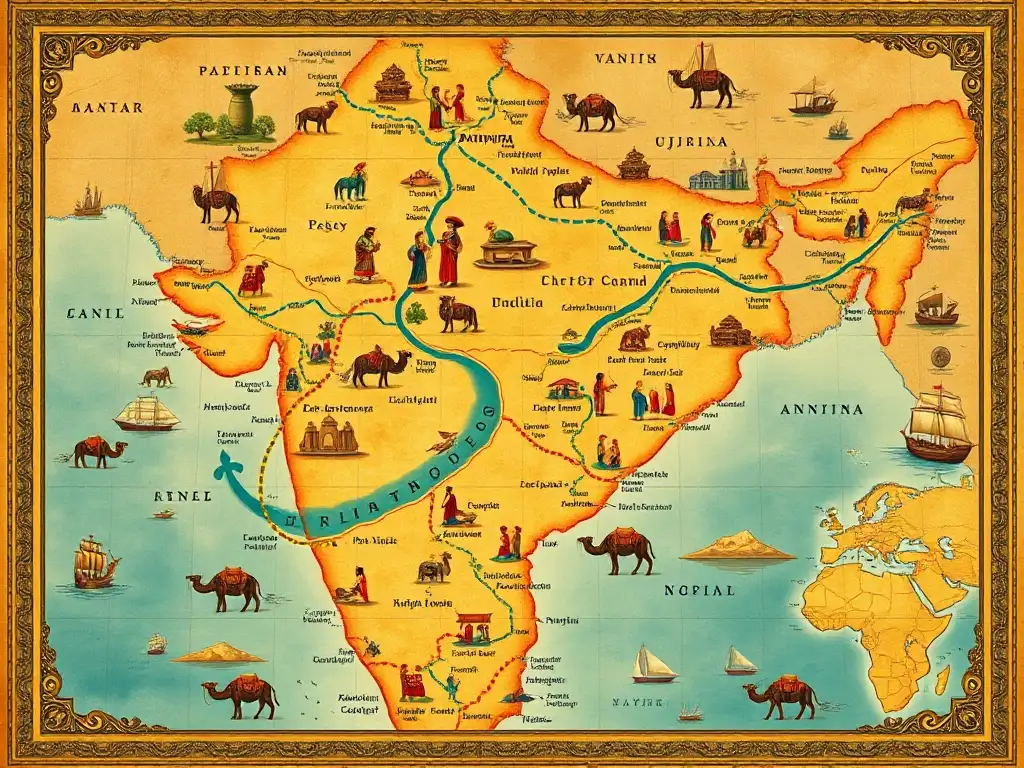
Ancient India's trade networks were not only vital for the exchange of goods but also served as a crucial mechanism for cultural interaction and economic development. These trade routes facilitated the movement of a variety of products including textiles, spices, metals, and luxury items, significantly contributing to the prosperity of ancient Indian civilizations. The internal trade networks, spanning from the bustling markets of the Indus Valley to the thriving cities of the Gupta Empire, played an essential role in shaping the economic landscape of the subcontinent.
Recap of Ancient India’s Trade Importance
The importance of trade in ancient India can be encapsulated through several key points:
- Economic Growth: Trade networks stimulated economic growth by creating job opportunities in various sectors, such as agriculture, manufacturing, and services.
- Cultural Exchange: The movement of traders and goods led to a vibrant exchange of ideas, beliefs, and practices, enriching the cultural tapestry of ancient India. This cultural diffusion fostered advancements in art, science, and philosophy.
- Regional Connectivity: Internal trade networks connected diverse regions, promoting unity and cooperation among various kingdoms and cultures. This connectivity allowed for the sharing of resources and technology, enhancing local economies.
- Market Development: The establishment of trade routes and market centers facilitated the development of sophisticated market systems, which included standardized weights and measures, currency systems, and trade regulations.
Reflection on the Cultural and Economic Impact of Internal Trade
The impact of ancient India's trade networks extended beyond mere economics; it had profound cultural ramifications as well.
- Cultural Syncretism: The confluence of different cultural practices through trade resulted in syncretism, where various traditions and ideas blended. For instance, the adoption of Buddhism and Jainism spread across trade routes, influencing societal norms and values.
- Artistic Influences: Trade facilitated the exchange of artistic styles and techniques. The influence of Hellenistic art on Indian sculptures and architecture is a prime example of this cultural interplay, showcasing the artistic evolution driven by trade.
- Economic Resilience: The diversity of goods traded and the regions involved allowed ancient India's economy to be more resilient to local shortages. By relying on a network of internal trade, cities could access resources that were not available locally, mitigating the effects of famine or drought.
- Social Stratification: Trade also contributed to social stratification, as wealth generated from trade often led to the emergence of merchant classes who played significant roles in society and politics. This shift in social dynamics influenced governance and policy-making in ancient Indian states.
The internal trade networks of ancient India were a cornerstone of its civilization, fostering economic prosperity and cultural richness. Understanding these networks provides valuable insights into the complexities of ancient Indian society and its lasting legacy on the world stage.
Frequently Asked Questions
What were the main trade routes in Ancient India?
Ancient India had extensive trade networks that included both internal routes and connections to external markets like the Silk Road, facilitating the exchange of goods such as spices, textiles, and precious stones.
How did Ancient India's trade networks impact its economy?
The trade networks significantly boosted the economy by promoting commerce, encouraging craftsmanship, and enhancing the wealth of various regions, leading to flourishing urban centers.
What goods were commonly traded in Ancient India's internal trade networks?
Commonly traded goods included spices, textiles, metals, and jewelry. These products were essential for both domestic consumption and export, showcasing the region's rich resources.
How did geography influence trade in Ancient India?
The geography of Ancient India, including its rivers, mountains, and coastal areas, played a crucial role in shaping trade routes, making it easier to transport goods and connect with different regions.
What role did the Gupta Empire play in trade?
The Gupta Empire is known for its economic prosperity and robust trade networks, which facilitated cultural exchange and strengthened ties with other civilizations, enhancing India's status as a significant player in global trade.
Final Reflection: The Enduring Legacy of Ancient India's Trade Networks
The intricate tapestry of Ancient India's trade networks not only shaped the economic landscape of the subcontinent but also fostered cultural exchanges that resonate even today. As we delve into the historical significance of these trade routes, we uncover the profound impact they had on the development of societies, economies, and cultures across regions. The lessons learned from these ancient networks remind us that trade is not merely an exchange of goods, but a vital conduit for ideas, innovation, and identity.
The influence of Ancient India's trade networks extends far beyond the past; they continue to inspire contemporary discussions about globalization and interconnectedness. In a world where borders are increasingly blurred by commerce and communication, understanding the dynamics of these ancient routes can provide valuable insights into our current economic and cultural exchanges. As historian Romila Thapar aptly stated, Trade is not just about the transfer of goods; it is about the transfer of culture and ideas that shape civilizations.
As we reflect on the significance of Ancient India's trade networks, I invite you to consider how these historical connections can inform our present and future. What lessons can we draw from the past to enhance our own interactions in an increasingly globalized world?
Embrace the spirit of curiosity and connection that characterized these ancient routes, and let it guide your own journey in fostering understanding and collaboration across cultures. The legacy of these trade networks is not just a chapter in history; it is a call to action for us all to build bridges, share knowledge, and cultivate a world that values the richness of diversity.
Unveil the Mysteries of Ancient Trade!
Thank you for exploring the fascinating world of Ancient India's internal trade networks with us! You've uncovered valuable insights into how commerce shaped cultures and communities across the subcontinent. Now, it's time to take proactive steps to deepen your understanding and connect with this vibrant history.
Here are some actionable suggestions to continue your journey:
- Dive Deeper: Explore additional resources such as books and documentaries that highlight the impact of trade routes on India's economy and cultural development.
- Engage with Others: Participate in online forums or join local history clubs to share insights and learn from fellow enthusiasts about the intricate trade networks.
- Share Your Thoughts: Consider writing a blog post or a social media update about the aspects of these ancient trade routes that surprised you the most—let's spark a meaningful conversation!
What do you find most intriguing about the trade connections between Ancient India and other cultures? We invite you to share your thoughts below!