
The Art of Breath: Pranayama and Its Historical Significance in Yoga

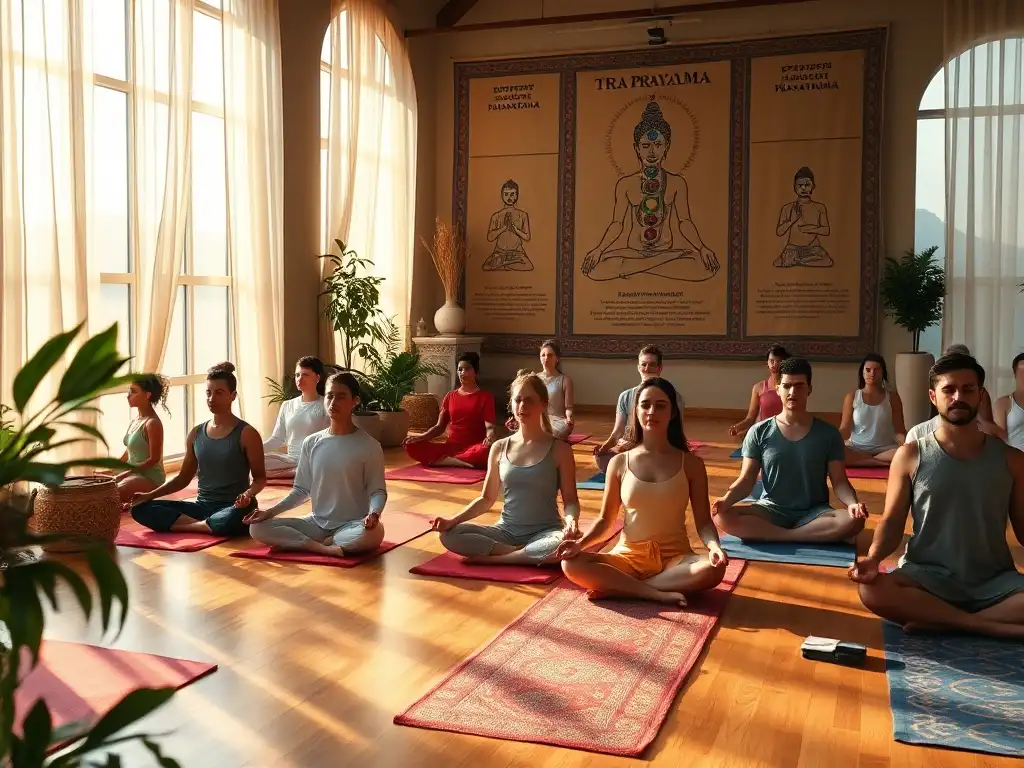
Welcome to Ancient India History, where we embark on an enthralling journey through the intricate tapestry of ancient Indian civilizations. Here, we delve into the historical significance of pranayama, a practice that transcends time, weaving together the threads of breath, wellness, and spiritual enlightenment. Discover how this ancient art forms a crucial part of yoga's evolution and its profound impact on holistic health. As you explore further, prepare to uncover the wisdom of the ages and the rich cultural heritage that continues to inspire millions today. Your adventure into the depths of history and wellness begins now!
- Introduction to Pranayama and Its Historical Significance in Yoga
- The Historical Context of Pranayama in Ancient Indian Civilizations
- The Philosophical Underpinnings of Pranayama
- Pranayama Through the Ages: Key Historical Developments
- The Impact of Pranayama on Health and Wellness in Ancient India
- Modern Interpretations of Historical Pranayama Practices
- Conclusion: The Enduring Legacy of Pranayama in Yoga History
- Suggested Resources for Further Exploration
- Frequently Asked Questions
- Final Reflection: The Enduring Legacy of Pranayama in Yoga
- Embrace the Power of Breath: Transform Your Practice Today!
Introduction to Pranayama and Its Historical Significance in Yoga
Pranayama, a vital component of yoga, serves as a bridge between the physical and spiritual realms, emphasizing the profound connection between breath and well-being. Derived from the Sanskrit words "prana," meaning life force or vital energy, and "ayama," meaning control or extension, pranayama involves various breathing techniques designed to enhance physical health, mental clarity, and spiritual awareness.
The historical significance of pranayama in yoga can be traced back to ancient Indian civilizations, where it played a crucial role in spiritual practices and holistic wellness. This article delves into the intricate layers of pranayama's history, exploring its origins, evolution, and enduring impact on the practice of yoga as we know it today.
Understanding Pranayama: Definition and Purpose
Pranayama is more than just a series of breathing exercises; it is a comprehensive practice that integrates the mind, body, and spirit. The purpose of pranayama can be summarized in the following key points:
- Enhancement of Vital Energy: Pranayama techniques are designed to increase the flow of prana, or life energy, within the body, promoting vitality and overall health.
- Mental Clarity and Focus: By regulating breath, practitioners can achieve a state of calmness and concentration, facilitating improved mental clarity and focus.
- Emotional Regulation: Controlled breathing techniques help in managing emotions and reducing stress, anxiety, and tension.
- Spiritual Growth: Pranayama is often considered a pathway to deeper meditation and spiritual awakening, allowing individuals to connect with their inner selves.
The practice of pranayama encompasses various techniques, including Ujjayi, Nadi Shodhana, and Kapalabhati, each with unique benefits and purposes. These techniques have been meticulously documented in ancient texts, highlighting their significance in the development of yoga.
Overview of Yoga's Evolution in Ancient India
The evolution of yoga in ancient India is a rich tapestry woven through centuries of philosophical thought, spiritual exploration, and cultural exchange. Key milestones in this evolution include:
- The Indus Valley Civilization (circa 3300–1300 BCE):
- Evidence suggests that early forms of yoga practices, including meditation and possibly pranayama, were practiced among the inhabitants of the Indus Valley.
- Artifacts depicting figures in meditative poses indicate a recognition of the importance of breath and mindfulness.
- Vedic Period (circa 1500–500 BCE):
- The Vedas, ancient sacred texts of India, introduced early concepts of yoga, emphasizing the connection between breath, body, and spirit.
- Early references to pranayama can be found in texts discussing rituals and meditation practices.
- The Upanishads (circa 800–400 BCE):
- The Upanishads further developed the philosophy of yoga, presenting pranayama as a means of achieving self-realization and unity with the cosmos.
- The teachings emphasized the importance of controlling breath as a way to transcend the physical realm.
- The Yoga Sutras of Patanjali (circa 200 BCE):
- Patanjali's Yoga Sutras codified yoga philosophy and practices, including the eight limbs of yoga, where pranayama is recognized as a fundamental aspect of the practice.
- This text established a systematic approach to yoga, integrating ethical guidelines, physical postures, breath control, and meditation.
As yoga evolved through these periods, pranayama remained a central theme, influencing various schools of thought and practices that followed. Its historical significance is not only rooted in its techniques but also in its profound impact on the spiritual landscape of ancient India, paving the way for contemporary yoga practices that continue to thrive around the world today.
The Historical Context of Pranayama in Ancient Indian Civilizations
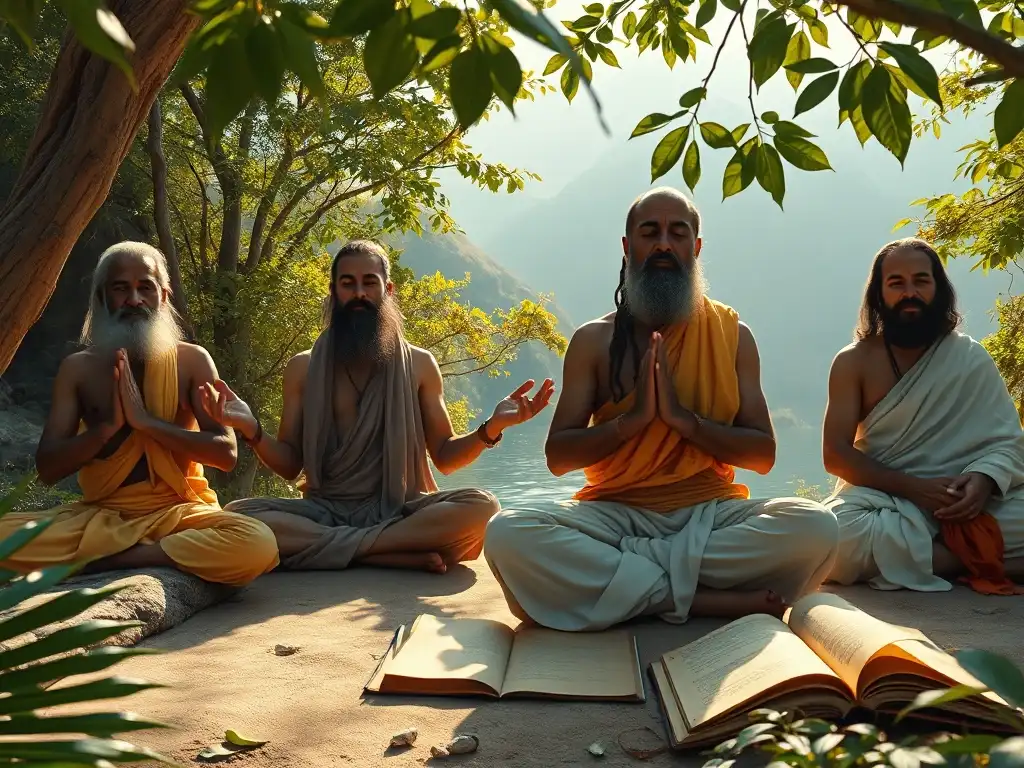
Pranayama, the practice of breath control, holds a significant place in the evolution of yoga and its philosophical underpinnings within ancient Indian civilizations. Understanding its historical context provides valuable insight into how this practice has transformed over millennia and its enduring relevance in modern wellness practices.
Pranayama in the Vedic Period: Origins and Early Practices
The roots of pranayama can be traced back to the Vedic period (approximately 1500–500 BCE), where early texts known as the Vedas first documented various spiritual and ritualistic practices. The term "pranayama" itself derives from the Sanskrit words "prana" (life force) and "ayama" (control), reflecting the essence of regulating vital energy through breath.
During this period, breath control was primarily associated with sacrificial rituals and meditative practices aimed at enhancing spiritual experiences. The Rigveda, one of the oldest texts in the Vedic corpus, mentions the significance of breath as a means to connect with the divine. Some key aspects of pranayama in this era include:
- Breath as a Sacred Element: The Vedic texts often highlight breath's role in maintaining the balance between the physical and spiritual realms.
- Preliminary Techniques: Early forms of pranayama involved simple breathing techniques that focused on inhalation and exhalation, laying the groundwork for more advanced practices.
- Connection with Mantras: Breath control was often synchronized with the recitation of mantras, enhancing the vibrational quality of the practice and its spiritual efficacy.
Influence of the Upanishads on Pranayama Techniques
The Upanishads, composed between 800 and 400 BCE, further expanded on the concepts introduced in the Vedas and introduced a more philosophical approach to pranayama. These texts emphasized self-realization and the importance of inner experiences, leading to the development of more sophisticated breathing techniques. Key influences include:
- Integration of Mind and Breath: The Upanishads articulated that controlling the breath could lead to mastery over the mind, aligning with the broader goal of spiritual enlightenment.
- Detailed Descriptions of Techniques: Texts such as the Chandogya Upanishad and the Mandukya Upanishad provided specific guidelines for breath control, including techniques like Ujjayi (victorious breath) and Nadi Shodhana (alternate nostril breathing).
- Connection to Prana: The concept of prana as not just breath but as a vital force in the body became more pronounced, with pranayama seen as a method to harness and manipulate this energy for spiritual growth.
The Role of Pranayama in Classical Yoga Texts
The classical period of yoga, particularly during the emergence of texts like the Yoga Sutras of Patanjali (circa 400 CE) and the Hatha Yoga Pradipika (15th century CE), marks a significant evolution in the practice and philosophical understanding of pranayama. Key developments during this time include:
- Systematization of Techniques: Patanjali's Yoga Sutras categorize pranayama as one of the eight limbs of yoga, emphasizing its importance in achieving Samadhi (a state of meditative absorption). Techniques were refined and expanded to include various forms of breath control and retention.
- Physical and Spiritual Integration: The Hatha Yoga Pradipika emphasized the integration of physical postures (asanas) with pranayama, highlighting the relationship between the body, breath, and mind in achieving spiritual awakening.
- Therapeutic and Meditative Aspects: Pranayama began to be recognized not only for its spiritual benefits but also for its therapeutic implications, aiding in the management of stress, anxiety, and overall well-being.
The historical significance of pranayama in ancient Indian civilizations reveals a rich tapestry of development, from its early origins in Vedic practices to its refinement in classical yoga texts. Understanding this evolution highlights the profound impact of pranayama on both spiritual and physical wellness, underscoring its relevance in contemporary yoga practices.
The Philosophical Underpinnings of Pranayama
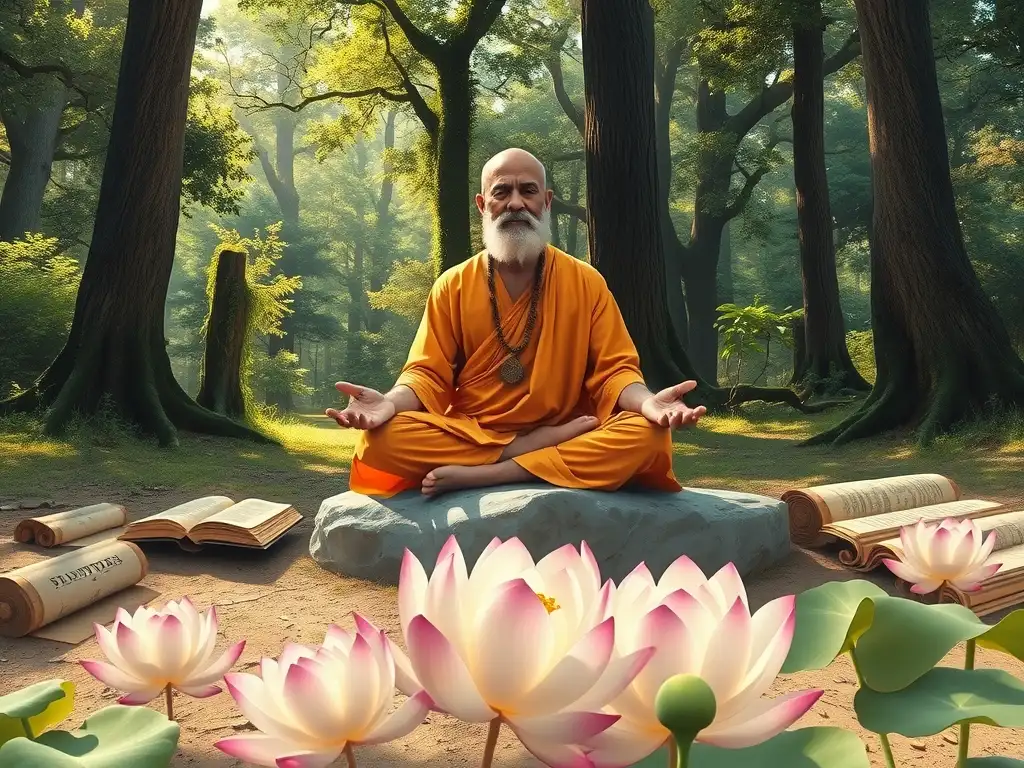
Connection Between Breath, Mind, and Body: A Historical Perspective
The relationship between breath, mind, and body has been a central theme in ancient Indian philosophy, particularly within the context of yoga. Pranayama, which translates to "control of breath," is not merely a physical practice but a sophisticated interplay of these three elements. Historical texts such as the Yoga Sutras of Patanjali highlight this connection, emphasizing that breath serves as a bridge between the conscious and subconscious mind.
Ancient practitioners believed that breath directly influences mental states and physical health. For instance, texts from the Upanishads, dating back to around 800 BCE, describe various breathing techniques that were thought to enhance mental clarity and emotional stability. The Hatha Yoga Pradipika, written in the 15th century, further elaborates on how regulated breathing can aid in the mastery of the mind, laying the groundwork for contemporary understandings of mindfulness and stress management.
In practical terms, practitioners of pranayama utilize specific breathing patterns to invoke different mental states. For example, Ujjayi breath, characterized by a slight constriction of the throat, is often used to calm the mind and promote a sense of focus during yoga practice. Conversely, Kapalabhati, or "skull shining breath," is energizing and invigorating, showcasing how breath control can modulate emotional and physical states.
The Concept of Prana: Life Force in Ancient Indian Philosophy
In ancient Indian philosophy, the concept of Prana is integral to understanding the significance of pranayama. Prana is often defined as the life force that permeates all living beings, sustaining physical life and facilitating spiritual growth. This notion is deeply rooted in texts such as the Taittiriya Upanishad, which states that prana is the essence of existence and is essential for maintaining health and vitality.
Pranayama practices aim to manipulate this life force through various breathing techniques. The ancient texts categorize prana into five vital currents, known as Vayus, each responsible for different physiological and psychological functions. For instance:
- Prana Vayu: Governs inhalation and is associated with the heart and lungs.
- Apana Vayu: Controls exhalation and elimination functions.
- Samana Vayu: Balances the digestive system and metabolism.
- Uddana Vayu: Supports speech and expression.
- Vyana Vayu: Facilitates circulation and the distribution of energy throughout the body.
By practicing pranayama, individuals can enhance the flow of prana, leading to improved health, emotional resilience, and spiritual awakening. This ancient understanding underscores the holistic approach of yoga, which integrates body, mind, and spirit.
How Pranayama Aligns with Yogic Philosophy: A Deeper Look
The philosophical framework of yoga provides a rich context for understanding the practice of pranayama. At its core, yoga aims to unite the individual self with the universal consciousness, a process that is facilitated by breath control. The Bhagavad Gita, a key text in yogic philosophy, speaks to the importance of self-discipline and mastery over the senses, which pranayama effectively addresses.
Pranayama aligns with the eight limbs of yoga, articulated by Patanjali, particularly the limbs of asana (posture) and dhyana (meditation). The practice of pranayama enhances asanas by fostering deeper concentration and a calm mind, which are essential for effective meditation. Historical practitioners recognized that without breath control, the mind could easily become restless, hindering spiritual progress.
Moreover, the rhythmic nature of pranayama is believed to mirror the cyclical patterns of nature, reinforcing the interconnectedness of all life. This aspect is echoed in the philosophy of Dharma, where balance and harmony are paramount. By cultivating awareness of breath, practitioners are encouraged to find their place within the larger tapestry of existence, promoting a sense of peace and connection to the cosmos.
In summation, the historical significance of pranayama extends beyond mere breathing exercises. It is deeply embedded in the philosophical and spiritual traditions of ancient India, reflecting a holistic approach to health and wellness that continues to resonate with modern practitioners.
Pranayama Through the Ages: Key Historical Developments
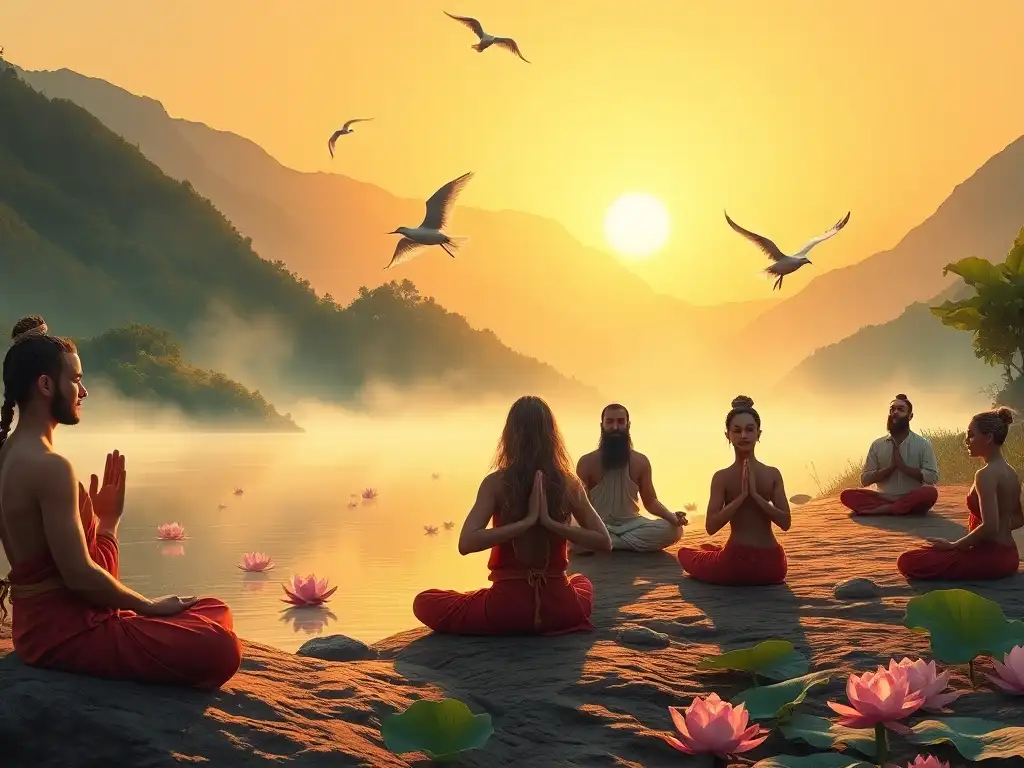
Evolution of Pranayama Techniques from the Indus Valley to the Gupta Empire
The history of pranayama, the art of breath control within yoga, can be traced back to the ancient civilizations of India, particularly from the Indus Valley period (circa 3300-1300 BCE) through to the Gupta Empire (circa 320-550 CE). The earliest evidence of breath control practices is found in the seals and artifacts of the Indus Valley civilization, which suggest a deep connection between breath, meditation, and the spiritual world.
During this era, practices akin to pranayama were likely integrated into early spiritual rituals. These rituals focused on achieving a heightened state of consciousness, fostering a sense of unity with the universe. The term "pranayama" itself is derived from prana (life force) and ayama (extension), reflecting the fundamental idea of extending the breath and, by extension, life energy.
As we move into the Vedic period (circa 1500-500 BCE), pranayama began to take on more defined techniques. The Vedas, sacred texts of this era, contain references to breath control as a means to attain spiritual enlightenment. The Upanishads, later texts that explore philosophical concepts, elaborate on the significance of breath in meditation and yoga, highlighting practices such as ujjayi (victorious breath) and nadi shodhana (alternate nostril breathing).
With the emergence of the Yoga Sutras of Patanjali around the 2nd century BCE, pranayama gained a systematic framework. Patanjali emphasized the importance of breath control as a means to cultivate focus and discipline, positioning it as a crucial step on the path to achieving samadhi (a state of meditative absorption).
By the time of the Gupta Empire, pranayama had evolved into a sophisticated practice integrated within various schools of yoga, including Raja Yoga and Hatha Yoga. Texts from this period, such as the Hatha Yoga Pradipika, detail specific techniques and their physiological and spiritual benefits, solidifying pranayama's role in the broader context of yoga practice.
Influential Figures in the History of Pranayama
Throughout the history of pranayama, several key figures have emerged as influential in shaping its techniques, philosophies, and practices. These individuals not only contributed to the understanding of breath control but also to the holistic approach of yoga as a whole.
- Patanjali: Often regarded as the father of yoga, Patanjali's Yoga Sutras laid the groundwork for pranayama as a systematic practice. His teachings connected breath control to mental clarity and spiritual progress.
- Svatmarama: A pivotal figure in the 15th century, Svatmarama authored the Hatha Yoga Pradipika, which is one of the most important texts on Hatha Yoga. He provided detailed instructions on various pranayama techniques and emphasized their role in achieving physical health and spiritual awakening.
- B.K.S. Iyengar: In the modern era, B.K.S. Iyengar popularized pranayama in the West through his teachings and writings. His approach emphasized precision and alignment in breath practices, making pranayama accessible to a broader audience.
- T.K.V. Desikachar: A student of Krishnamacharya, Desikachar integrated pranayama into a more personalized yoga practice, highlighting its therapeutic benefits and its adaptability to individual needs.
These figures have not only preserved the historical significance of pranayama but have also adapted it to contemporary practices, ensuring its relevance in the modern yoga landscape.
Pranayama's Role in the Development of Various Yoga Schools
Pranayama has played a crucial role in the evolution of various schools of yoga, each interpreting and incorporating breath control techniques according to their philosophies and goals.
Hatha Yoga
Hatha Yoga, known for its emphasis on physical postures and breath control, regards pranayama as foundational. Practitioners use pranayama to prepare the body for meditation, enhance energy flow, and balance the doshas (body energies). Techniques such as kapalabhati (skull shining breath) and bhastrika (bellows breath) are integral in purifying the body and mind, making them essential to Hatha Yoga practice.
Raja Yoga
Raja Yoga, often referred to as the "royal path," incorporates pranayama as one of its eight limbs. Here, breath control is utilized to calm the mind, aiding concentration and facilitating deeper meditation. The practice of pranayama in Raja Yoga serves as a bridge between physical postures (asanas) and the mental focus required for meditative states.
Kundalini Yoga
Kundalini Yoga, which focuses on awakening the dormant energy at the base of the spine, utilizes pranayama techniques to stimulate energy flow and raise consciousness. Specific breath patterns are employed to activate the chakras (energy centers), promoting spiritual awakening and personal transformation.
Modern Yoga
In contemporary yoga practices, pranayama has transcended its traditional roots, becoming a staple in many classes and workshops. Various styles, including Vinyasa and Yin Yoga, incorporate pranayama to enhance the overall experience, providing practitioners with tools for stress reduction, emotional balance, and greater self-awareness.
The historical significance of pranayama is profound, influencing the development of diverse yoga traditions that continue to thrive today. Its evolution showcases the adaptability and enduring relevance of breath control in the pursuit of holistic well-being.
The Impact of Pranayama on Health and Wellness in Ancient India
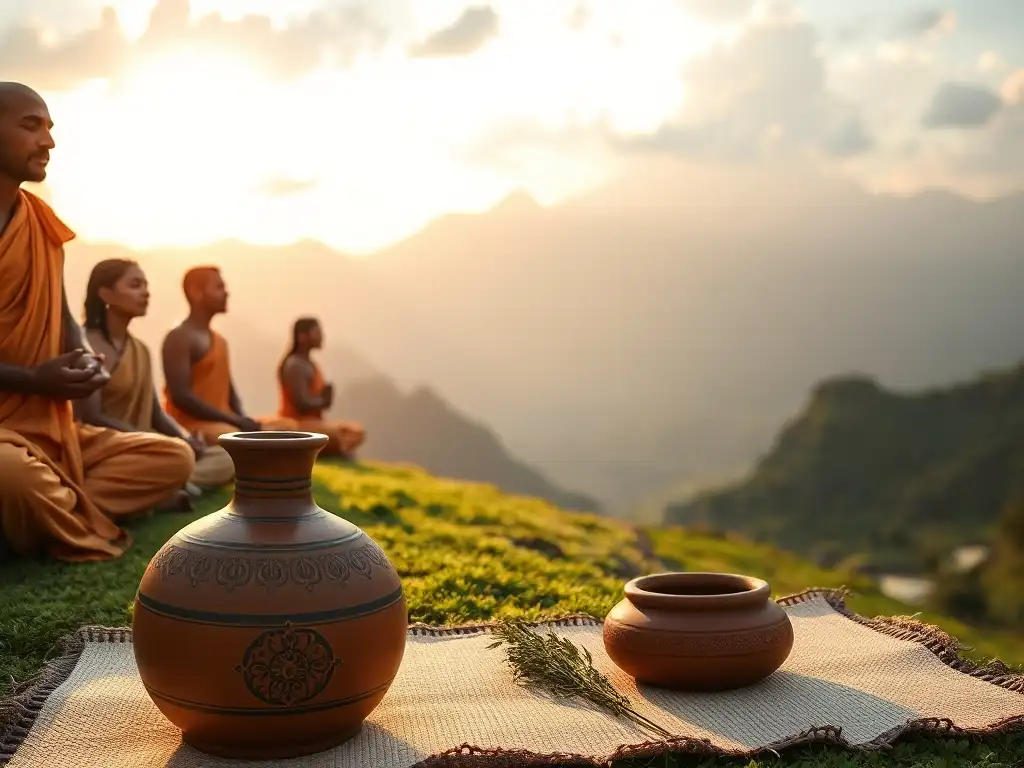
Ancient Texts on Pranayama and Its Benefits for Body and Mind
The historical significance of pranayama is deeply rooted in ancient Indian texts, which serve as foundational sources for understanding its impact on health and wellness. Key texts such as the Yoga Sutras of Patanjali, the Hatha Yoga Pradipika, and the Gheranda Samhita provide comprehensive insights into the practice and its multifaceted benefits.
- Yoga Sutras of Patanjali: This foundational text outlines the eight limbs of yoga, where pranayama is positioned as the fourth limb. It emphasizes the control of breath as a means to prepare the body and mind for deeper meditation. The sutras suggest that pranayama not only enhances physical health but also promotes mental clarity and emotional stability.
- Hatha Yoga Pradipika: Written in the 15th century, this text elaborates on various pranayama techniques, detailing their physiological benefits. It explains how controlled breathing can purify the nadis (energy channels), leading to the awakening of kundalini energy. The text highlights the role of pranayama in balancing the doshas (bodily humors), which was crucial in ancient Indian health practices.
- Gheranda Samhita: This text further explores the therapeutic aspects of pranayama, connecting it to the concept of prana (vital life force). It provides specific practices aimed at enhancing vitality and longevity, showcasing the integral relationship between breath control and overall health.
These ancient texts underscore the significance of pranayama as a powerful tool for cultivating both physical and mental well-being, establishing its foundational role in the history of yoga.
Historical Practices of Pranayama in Meditation and Spirituality
The practice of pranayama has been intricately linked to meditation and spirituality throughout ancient Indian history. It was not merely a physical exercise but a spiritual discipline aimed at achieving higher states of consciousness.
- Integration with Meditation: Ancient yogis recognized that breath control was essential for successful meditation. By regulating the breath, practitioners could quiet the mind, making it easier to enter meditative states. Techniques such as ujjayi (victorious breath) were employed to enhance focus and create a sense of inner peace.
- Spiritual Awakening: The historical significance of pranayama extends to its role in spiritual awakening. Practices like nadi shodhana (alternate nostril breathing) were believed to harmonize the left and right hemispheres of the brain, facilitating a deeper connection with the self and the universe. This balance was seen as essential for attaining spiritual enlightenment.
- Ritualistic Context: In addition to personal practice, pranayama was often incorporated into rituals and ceremonies. It was common for practitioners to begin spiritual practices with pranayama as a means of purifying the mind and body, preparing them for sacred rites.
The historical practices of pranayama in meditation and spirituality illustrate its essential role in the holistic approach of ancient Indian traditions, emphasizing the interconnectedness of breath, mind, and spirit.
Longevity and Vitality: Pranayama's Contribution to Ancient Indian Health Practices
Pranayama played a crucial role in ancient Indian health practices, significantly contributing to concepts of longevity and vitality. The integration of breath control into daily life was seen as a pathway to achieving optimal health and well-being.
- Enhancement of Vitality: Ancient texts and practitioners believed that pranayama could significantly enhance one's life force, or prana. Through specific techniques, individuals could increase their energy levels, thereby improving overall vitality. This was particularly important in the context of Ayurveda, where maintaining a balance of energy was essential for good health.
- Stress Reduction and Mental Clarity: Pranayama was recognized for its ability to reduce stress and promote mental clarity. Techniques such as sama vritti (equal breath) were employed to calm the nervous system, thereby preventing ailments associated with stress. This aspect of pranayama aligns with modern understandings of how breath control can positively affect mental health.
- Preventive Health Measure: In ancient Indian culture, pranayama was not only a therapeutic practice but also a preventive health measure. Regular practice was believed to strengthen the immune system, enhance respiratory function, and improve circulation. This proactive approach to health has been validated by contemporary research, showcasing pranayama's lasting relevance in wellness.
The legacy of pranayama in ancient Indian health practices highlights its significance as a holistic approach to longevity and vitality, emphasizing the timeless wisdom inherent in these ancient traditions.
Modern Interpretations of Historical Pranayama Practices
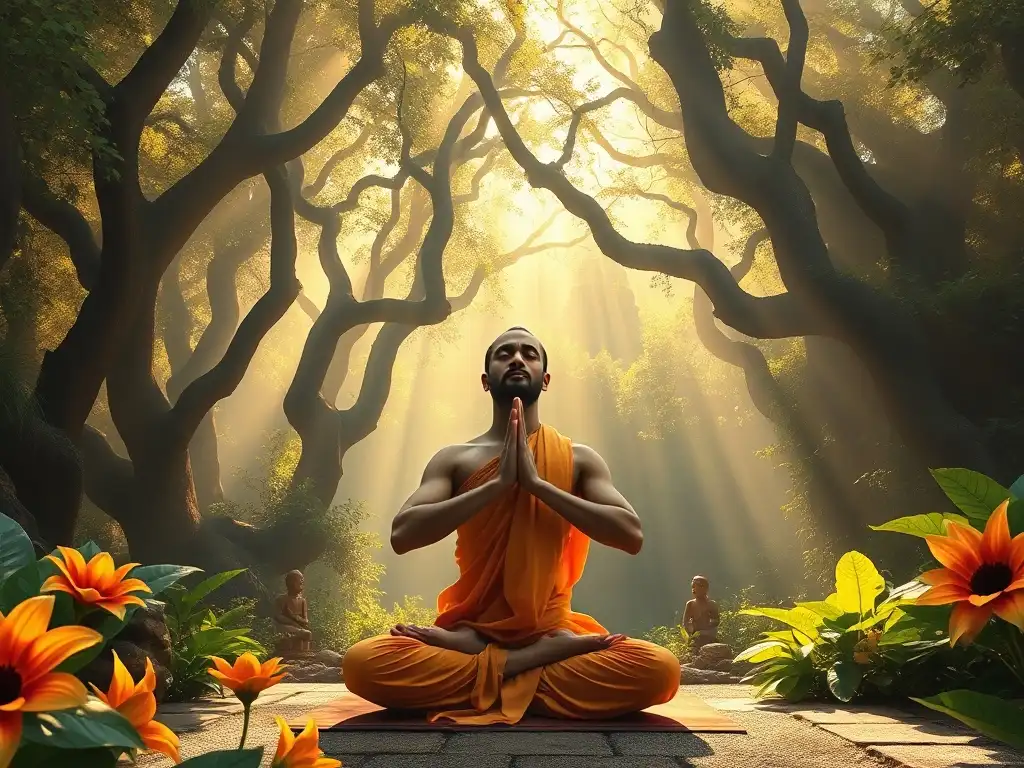
Reviving Ancient Techniques: How Contemporary Yoga Incorporates Pranayama
In recent years, there has been a notable resurgence of interest in pranayama, the art of breath control, as part of contemporary yoga practices. Modern yoga studios and wellness centers have begun to integrate these ancient techniques, recognizing their historical significance in promoting physical, mental, and spiritual well-being.
Key Aspects of Contemporary Pranayama Practices:
- Incorporation into Yoga Classes: Many yoga instructors now dedicate specific sessions to pranayama, emphasizing its role in enhancing overall practice. Techniques such as Nadi Shodhana (alternate nostril breathing) and Ujjayi (victorious breath) are commonly taught to help practitioners achieve deeper states of relaxation and focus.
- Workshops and Retreats: Various yoga retreats and workshops focus exclusively on pranayama, offering participants the opportunity to delve deeper into its techniques and benefits. These settings often emphasize the historical lineage of these practices, providing context that enriches the learning experience.
- Online Platforms: The digital age has made pranayama accessible to a global audience. Numerous online yoga platforms offer classes that specifically target pranayama, often blending traditional teachings with modern interpretations. This democratization of knowledge allows practitioners worldwide to engage with these ancient techniques.
The revival of pranayama within modern yoga serves as a bridge between ancient wisdom and contemporary practices, ensuring that the historical significance of pranayama is not lost in translation.
The Scientific Validation of Pranayama Techniques: Research and Findings
As pranayama gains popularity, scientific research has increasingly explored its benefits and applications. Studies have highlighted various physiological and psychological impacts of pranayama, validating its historical significance within the broader context of wellness.
Research Highlights:
- Stress Reduction: Numerous studies indicate that pranayama significantly reduces stress levels. A systematic review published in the Journal of Clinical Psychology found that regular practice leads to decreased cortisol levels, promoting a state of relaxation and well-being.
- Enhanced Lung Function: Research published in Respiratory Medicine demonstrated that pranayama practices improve pulmonary function. Participants who engaged in regular pranayama showed increased lung capacity and efficiency, supporting the ancient belief in the healing properties of breath control.
- Mental Clarity and Focus: Studies in cognitive psychology have shown that pranayama enhances focus and cognitive function. A study conducted at Harvard University revealed that mindfulness practices, including pranayama, improve attention span and working memory, connecting historical practices with modern scientific understanding.
These findings not only reaffirm the historical significance of pranayama but also encourage its integration into modern therapeutic practices, underscoring the enduring relevance of ancient techniques in today's health landscape.
Pranayama in Today’s Yoga Practices: A Historical Continuum
The practice of pranayama continues to evolve, yet its foundational principles remain deeply rooted in ancient Indian traditions. Today's yoga practitioners are engaging with pranayama not just as a technique but as a continuum of historical practices that have been refined over centuries.
Continuity in Practice:
- Lineage and Tradition: Many contemporary yoga schools trace their teachings back to ancient texts such as the Yoga Sutras of Patanjali and the Hatha Yoga Pradipika, where pranayama is discussed extensively. This connection to historical texts provides authenticity and depth to modern practices.
- Adaptation to Modern Needs: While maintaining historical roots, contemporary pranayama incorporates adaptations that address current health challenges. For instance, practices are often modified to suit urban lifestyles, helping individuals manage anxiety and promote mental clarity in a fast-paced world.
- Holistic Approach: Modern yoga embraces a holistic approach, integrating pranayama with asana (postures) and meditation to create a balanced practice. This synergy reflects the historical understanding of yoga as a comprehensive system for health and self-realization.
The art of pranayama serves as a vital link between the ancient and the modern, illustrating its historical significance in yoga while continuing to adapt to contemporary needs. As practitioners explore these ancient techniques, they contribute to a living tradition that honors its past while fostering future growth.
Conclusion: The Enduring Legacy of Pranayama in Yoga History
The historical significance of pranayama in yoga is profound and multifaceted, reflecting its evolution through centuries and its integration into the broader tapestry of ancient Indian culture. As a practice, pranayama transcends mere physical exercise; it embodies a holistic approach to well-being, merging the mind, body, and spirit. This intricate art of breath control is not only a cornerstone of yogic practices but also a testament to the philosophical underpinnings of ancient Indian thought, promoting balance, harmony, and self-awareness.
The roots of pranayama can be traced back to the Vedic texts, where breath was seen as a vital force, closely linked to the essence of life itself. Over time, the practice has undergone significant transformations, influenced by various schools of thought, including Buddhism and later developments in Hatha Yoga. Each iteration has enriched pranayama, embedding it with layers of meaning that resonate with practitioners today. Understanding this historical context allows us to appreciate the depth of pranayama as more than just a technique; it is a profound practice that has influenced countless individuals on their spiritual journeys.
Reflection on the Historical Significance of Pranayama
Pranayama is often depicted as the bridge between the physical postures of yoga and the meditative aspects of spiritual practice. Historical texts such as the Yoga Sutras of Patanjali and the Hatha Yoga Pradipika highlight the importance of breath control in achieving higher states of consciousness. The ancient sages recognized that regulating breath could lead to enhanced mental clarity, emotional stability, and spiritual enlightenment.
Furthermore, pranayama was integral to rituals and meditative practices in ancient India. For instance, during the performance of pujas (rituals), practitioners would use specific breathing techniques to enhance their focus and connection with the divine. This illustrates how pranayama served not only as a physical practice but also as a spiritual tool that deepened practitioners' experiences of the sacred.
The influence of pranayama is also evident in the spread of yoga beyond India. As yogic practices were introduced to the West in the late 19th and early 20th centuries, pranayama gained prominence as a vital component of modern yoga. Its incorporation into contemporary wellness practices further attests to its enduring relevance and adaptability, reflecting a continuous lineage that honors its historical significance.
Future Prospects: Preserving the Art of Breath in Modern Yoga
As we look to the future, the preservation of pranayama in modern yoga is crucial for maintaining its rich heritage. The increasing popularity of yoga globally presents an opportunity to educate practitioners about the historical significance of pranayama, ensuring that its traditional roots are not lost in the contemporary yoga landscape.
Incorporating pranayama into teacher training programs and workshops can empower instructors to share its historical context with their students. This educational approach fosters a deeper understanding of pranayama as a practice that transcends physical benefits, emphasizing its role in spiritual growth and self-discovery.
Moreover, the rise of digital platforms and online yoga classes provides a unique opportunity to reach a broader audience. By leveraging technology, practitioners and educators can create accessible content that highlights the historical significance of pranayama, sharing its transformative potential with diverse communities around the world.
As we continue to explore and celebrate the historical significance of pranayama in yoga, it is essential to honor its legacy while adapting it to modern practices. By preserving this ancient art of breath, we not only enrich our personal practices but also contribute to the collective wisdom of yoga, ensuring that its profound benefits are accessible for generations to come.
Suggested Resources for Further Exploration
Recommended Reading on Pranayama and Yoga History
To deepen your understanding of the historical significance of pranayama, several texts offer valuable insights into its origins, practices, and evolution within the broader context of yoga. Here are some recommended readings:
-
"The Yoga Sutras of Patanjali"
This foundational text of yoga philosophy discusses various aspects of yoga practice, including pranayama, and emphasizes the importance of breath control in achieving higher states of consciousness.
-
"Light on Yoga" by B.K.S. Iyengar
A comprehensive guide that covers the philosophy and practice of yoga, including detailed sections on pranayama techniques and their historical context in traditional yoga practices.
-
"The Heart of Yoga: Developing a Personal Practice" by T.K.V. Desikachar
This book provides insights into the breathing techniques of pranayama and their significance in personal and spiritual development, reflecting on ancient practices and teachings.
-
"Pranayama: The Breath of Yoga" by Richard Rosen
A thorough examination of pranayama, detailing its historical evolution and practical applications, along with step-by-step instructions for various techniques.
-
"The Science of Pranayama" by Swami Sivananda
A classic text that delves into the scientific and spiritual dimensions of pranayama, connecting its historical roots with modern interpretations and practices.
Online Courses and Workshops on Pranayama Techniques
Engaging in structured learning can significantly enhance your practice of pranayama. Here are some online courses and workshops that focus on the techniques and historical context of pranayama:
-
Yoga International
Offers a variety of courses on pranayama, taught by experienced instructors. Topics range from beginner techniques to advanced practices, often incorporating historical perspectives.
-
Gaia
Provides access to a range of yoga classes including specialized workshops on pranayama. The platform features courses that explore the philosophical background and evolution of breathwork in yoga.
-
Udemy
Hosts numerous courses focused on pranayama, detailing its benefits and techniques. Look for courses that include historical insights to understand the practice's significance.
-
The Shift Network
Offers workshops and summits featuring experts in yoga and pranayama. These sessions often include discussions on the historical and cultural relevance of breath control in yoga traditions.
Essential Products for Practicing Pranayama: Yoga mats, breathing aids, instructional books
To effectively practice pranayama, having the right tools can enhance your experience and support your journey. Here are some essential products:
-
Yoga Mats
A non-slip yoga mat provides a stable surface for your practice. Look for mats that are eco-friendly and offer good cushioning. Recommended brands include Manduka and Liforme.
-
Breathing Aids
Devices like the Breath Builder or RespiRight can help you develop your lung capacity and control your breath effectively. These aids are beneficial for both beginners and advanced practitioners.
-
Instructional Books
Consider adding a few key texts to your library that focus on pranayama techniques and their historical significance:
- "The Art of Pranayama" by Sri Swami Satchidananda
- "The Complete Book of Yoga" by Swami Vishnu-devananda
- "The Breathing Book" by Donna Farhi
By utilizing these resources, you can deepen your understanding and practice of pranayama, appreciating its historical significance in the evolution of yoga.
Frequently Asked Questions
What is Pranayama in the context of yoga?
Pranayama is a breath control technique in yoga that focuses on the regulation of breathing to enhance physical and mental well-being. It is considered a fundamental practice that connects the body and mind.
How does Pranayama relate to ancient Indian civilizations?
Pranayama has its roots in ancient Indian traditions, particularly within Hinduism and Buddhism, where it was used as a tool for spiritual development and self-realization, showcasing the historical significance of pranayama.
What are the benefits of practicing Pranayama?
Practicing pranayama can lead to numerous benefits, including improved respiratory function, reduced stress levels, and enhanced mental clarity. It is a key component of holistic health in ancient Indian practices.
How did ancient texts contribute to the understanding of Pranayama?
Ancient texts like the Yoga Sutras of Patanjali and Hatha Yoga Pradipika extensively describe pranayama techniques, emphasizing their importance in spiritual practices and their role in achieving higher states of consciousness.
Why is the historical significance of Pranayama still relevant today?
The historical significance of pranayama remains relevant as it offers insights into ancient practices that promote well-being and mindfulness, making it a valuable tool in modern stress management and holistic health approaches.
Final Reflection: The Enduring Legacy of Pranayama in Yoga
The historical significance of pranayama transcends mere practice; it embodies a profound connection between mind, body, and spirit that remains relevant in today's fast-paced world. As we navigate the complexities of modern life, the ancient art of breath control offers us a pathway to mindfulness and self-awareness, reminding us that the simplest of actions—breathing—can lead to transformative experiences. This timeless practice not only enriches our yoga journey but also serves as a vital tool for mental and emotional well-being in contemporary society.
The influence of pranayama extends far beyond the yoga mat, permeating various aspects of our cultural and social landscape. From stress management to enhancing focus, the teachings of pranayama resonate with individuals seeking balance in their lives. As we witness a growing interest in holistic health practices, the wisdom of ancient traditions continues to inspire modern wellness movements. Breath is the bridge which connects life to consciousness, which unites your body to your thoughts.
This quote encapsulates the essence of pranayama, highlighting its role in fostering a deeper understanding of ourselves and our place in the world.
As you reflect on the insights shared in this article, I invite you to embrace the art of breath in your daily life. Consider how the practice of pranayama can serve as a grounding force amid the chaos of everyday existence. Take a moment to pause, breathe deeply, and reconnect with your inner self.
By integrating these ancient techniques into your routine, you can cultivate a sense of peace and clarity that resonates not only within you but also in your interactions with the world around you. Let the legacy of pranayama inspire you to explore the depths of your own breath and its transformative power.
Embrace the Power of Breath: Transform Your Practice Today!
Thank you for exploring the fascinating world of Pranayama and its rich historical roots in yoga! You've gained valuable insights into how breath control can enhance both your physical and mental well-being. Now, it's time to put this knowledge into action and elevate your practice.
Here are a few steps you can take to integrate Pranayama into your daily routine:
- Start with a Simple Breathing Exercise: Dedicate just 5 minutes each day to practice a basic Pranayama technique, such as Nadi Shodhana (alternate nostril breathing), to deepen your breath and calm your mind.
- Join a Community Class: Seek out local workshops or online classes dedicated to Pranayama. Connecting with others can enhance your practice and deepen your understanding.
- Share Your Journey: Discuss your experiences with friends or on social media. Encouraging conversations about mindfulness and breath can inspire others to embark on this transformative journey!
What new breathing practice will you incorporate into your life this week, and how do you think it will change your perspective?