
How Ancient Indian Philosophy Shaped Modern Yoga Practices

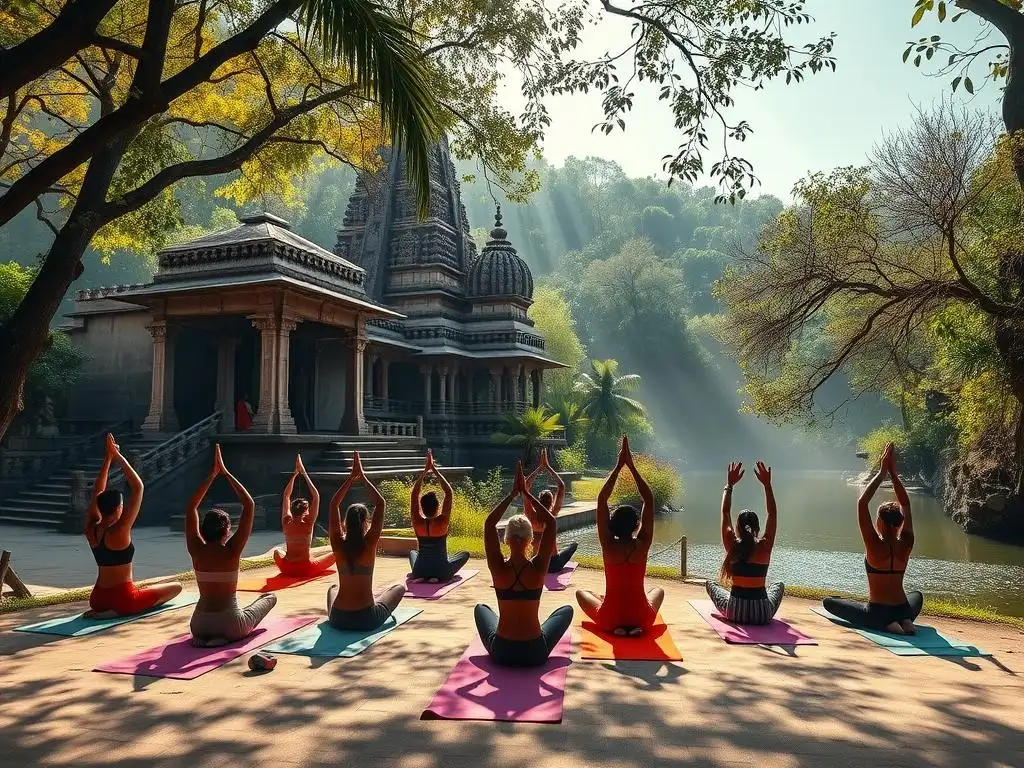
Welcome to Ancient India History, where we embark on an enlightening journey through the rich tapestry of ancient Indian civilizations. Our exploration reveals not just the historical milestones, but also the profound impact of ancient Indian philosophy and yoga on contemporary practices. In our featured article, "How Ancient Indian Philosophy Shaped Modern Yoga Practices," we unravel the intricate connections between timeless wisdom and today's wellness routines. Prepare to discover how these age-old traditions continue to inspire and transform lives. Dive in and let your curiosity guide you!
- Introduction to Ancient Indian Philosophy and Yoga
- Key Philosophical Schools Influencing Yoga Practices
- Historical Context: The Evolution of Yoga in Ancient India
- Core Concepts of Ancient Indian Philosophy and Their Impact on Yoga
- How Ancient Indian Philosophy Shapes Modern Yoga Practices
- The Global Influence of Ancient Indian Philosophy on Yoga
- Contemporary Applications of Ancient Indian Philosophy in Wellness
- Conclusion: The Timeless Relevance of Ancient Indian Philosophy in Yoga
- Additional Resources
-
Frequently Asked Questions
- What is the significance of ancient Indian philosophy in yoga?
- How did the Indus Valley Civilization contribute to yoga?
- What role did the Gupta Empire play in the development of yoga?
- How does ancient Indian philosophy influence contemporary yoga practices?
- Are there specific texts that outline ancient Indian philosophical concepts of yoga?
- Final Reflection: The Enduring Legacy of Ancient Indian Philosophy in Modern Yoga
- Embrace the Wisdom of Ancient Philosophy Today!
Introduction to Ancient Indian Philosophy and Yoga
Ancient Indian philosophy is a profound and intricate system of thought that has significantly influenced various aspects of life, including spirituality, ethics, and wellness practices. Among these, yoga stands out as a holistic discipline that integrates physical, mental, and spiritual elements, deriving its roots from the philosophical traditions of ancient India.
This article delves into the interconnection between ancient Indian philosophy and yoga, illustrating how foundational concepts from early philosophical texts have shaped modern yoga practices. Through an exploration of the diverse ancient Indian civilizations and their contributions, we will uncover the rich tapestry of ideas that continue to resonate in contemporary wellness practices.
The Interconnection Between Philosophy and Yoga
The relationship between ancient Indian philosophy and yoga is deeply intertwined, with philosophical doctrines serving as the backbone for yoga's development. Key philosophical schools, such as Vedanta, Sankhya, and Yoga Darshana, have laid the groundwork for understanding the nature of reality, consciousness, and the self.
- Vedanta: This school emphasizes the pursuit of knowledge and understanding of the ultimate reality (Brahman) and the individual soul (Atman). The principles of Vedanta foster a sense of unity and interconnectedness, which is reflected in the practices of yoga aimed at achieving self-realization.
- Sankhya: As one of the oldest philosophical systems, Sankhya outlines a dualistic framework that distinguishes between consciousness (Purusha) and matter (Prakriti). This dualism is critical in yoga, where practitioners seek to transcend the material world and connect with their true essence.
- Yoga Darshana: The Yoga Sutras of Patanjali, a pivotal text in yoga philosophy, codify various practices and ethical principles that guide practitioners. The eight limbs of yoga (Ashtanga) provide a comprehensive framework for personal development, emphasizing moral conduct, self-discipline, and meditation.
The synthesis of these philosophical teachings informs the core practices of modern yoga, encouraging practitioners to explore their inner selves, cultivate mindfulness, and engage in a transformative journey toward enlightenment.
Overview of Ancient Indian Civilizations and Their Influence on Yoga
Ancient Indian civilizations, such as the Indus Valley Civilization, Vedic Period, and Gupta Empire, played a crucial role in shaping the philosophical and spiritual landscape from which yoga emerged.
- Indus Valley Civilization: This early civilization (circa 2500-1700 BCE) is noted for its advanced urban planning and cultural practices. Archaeological findings suggest that early forms of meditation and ritualistic practices were integral to their spiritual life.
- Vedic Period: Following the decline of the Indus Valley Civilization, the Vedic Period (circa 1500-500 BCE) marked a significant evolution in spiritual thought. The Vedas, ancient sacred texts, introduced concepts of dharma (duty), karma (action), and moksha (liberation), all of which became fundamental to the philosophy of yoga.
- Gupta Empire: Often referred to as the "Golden Age" of India (circa 320-550 CE), this era saw the flourishing of arts, sciences, and philosophy. The development of the Yoga Sutras during this time crystallized earlier philosophical teachings into a structured system, further influencing the practice of yoga as we know it today.
The rich tapestry of ancient Indian civilizations has profoundly shaped the evolution of yoga, interweaving philosophical insights that continue to guide practitioners on their journey towards holistic well-being and self-discovery. By understanding this historical context, one can appreciate the depth and significance of modern yoga practices rooted in ancient wisdom.
Key Philosophical Schools Influencing Yoga Practices
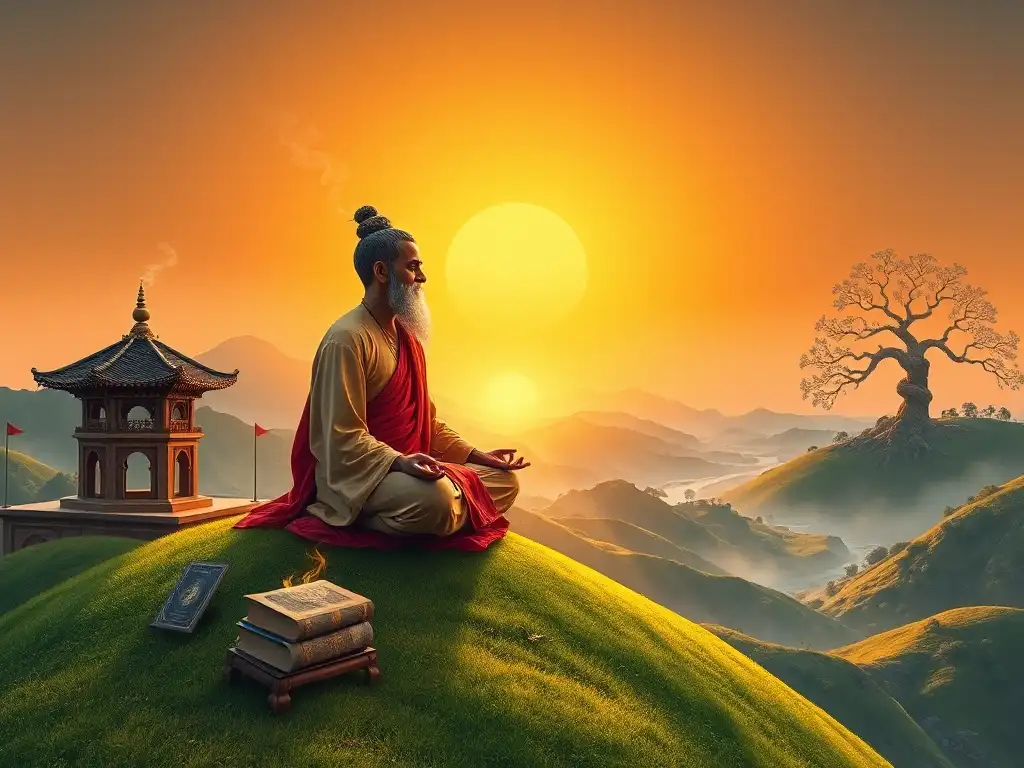
Vedanta Philosophy: Understanding the Self and Reality
Vedanta, one of the six orthodox schools of Indian philosophy, plays a crucial role in shaping the philosophical underpinnings of yoga. It primarily focuses on understanding the nature of reality and the self (Atman). The core tenets of Vedanta assert that the ultimate goal of life is to realize the oneness of Atman with Brahman, the universal consciousness.
Key Concepts of Vedanta
- Brahman: The ultimate, unchanging reality, which is formless and transcends all existence.
- Atman: The individual soul or self, which is considered a reflection of Brahman.
- Maya: The illusion that creates a sense of separation from the true self and reality.
Vedanta emphasizes meditation and self-inquiry as vital practices for self-realization. By engaging in practices derived from Vedantic teachings, practitioners of modern yoga can deepen their understanding of the self and cultivate a sense of unity with the universe. This philosophical backdrop encourages yogis to transcend the physical aspects of yoga and explore deeper existential questions.
Samkhya Philosophy: The Duality of Purusha and Prakriti
Samkhya, another foundational school of Indian philosophy, presents a dualistic framework that distinguishes between Purusha (consciousness) and Prakriti (matter). This duality is essential to understanding the nature of existence and the purpose of yoga.
Core Principles of Samkhya
- Purusha: The eternal, unchanging consciousness, representing true self-awareness.
- Prakriti: The dynamic, ever-changing nature of the physical world, encompassing all material phenomena.
- Evolution of Consciousness: Samkhya articulates the process through which Prakriti evolves and manifests, leading to the creation of the universe and individual beings.
In yoga practice, the principles of Samkhya inform the importance of recognizing the distinction between the true self (Purusha) and the distractions of the material world (Prakriti). This awareness encourages practitioners to cultivate detachment from worldly attachments and focus on inner peace and self-realization.
Yoga Sutras of Patanjali: The Foundation of Modern Yoga
The Yoga Sutras of Patanjali are a seminal text in the field of yoga philosophy, providing a systematic framework for understanding and practicing yoga. Composed around the 2nd century BCE, these sutras outline the eight limbs of yoga (Ashtanga), which serve as a guide for personal and spiritual development.
The Eight Limbs of Yoga
- Yama: Ethical disciplines and moral codes.
- Niyama: Personal observances and self-discipline.
- Asana: Physical postures for health and meditation.
- Pranayama: Breath control to enhance life force.
- Pratyahara: Withdrawal of the senses from external distractions.
- Dharana: Concentration on a single point or object.
- Dhyana: Meditation and contemplation.
- Samadhi: The state of blissful union with the divine.
Patanjali's emphasis on mental discipline, ethical conduct, and meditation has profoundly influenced modern yoga practices. The Yoga Sutras encourage practitioners to cultivate a harmonious relationship between body, mind, and spirit, promoting holistic well-being. By integrating these teachings into contemporary yoga, individuals can achieve a deeper sense of purpose and connection within their practice, reflecting the essence of ancient Indian philosophy and yoga.
Tantra Philosophy: Integrating Spirituality and Physicality
Tantra philosophy is a profound and intricate system that emerged in ancient India, significantly influencing various aspects of spirituality and wellness, including yoga practices. This philosophical approach emphasizes the interconnectedness of the physical and spiritual realms, proposing that the body is not merely a vessel for the spirit but an integral part of the spiritual journey.
At its core, Tantra seeks to transcend dualities, recognizing that the material and spiritual aspects of existence are interwoven. This perspective is pivotal in yoga, where practitioners aim to unify body, mind, and spirit. Unlike some traditional philosophies that may prioritize asceticism and detachment from the physical world, Tantra embraces the body as a means of experiencing and expressing the divine. This holistic approach facilitates a deeper understanding of oneself and fosters a profound connection to the universe.
The practices associated with Tantra often involve rituals, meditation, and specific physical exercises, which can include asanas (postures) and pranayama (breath control). These practices are designed to awaken the Kundalini energy, believed to reside at the base of the spine. By channeling this energy through the chakras (energy centers), practitioners can achieve greater awareness and spiritual awakening.
Moreover, the inclusivity of Tantra philosophy allows for personal exploration and adaptation in yoga practices. It encourages practitioners to honor their unique paths, integrating various techniques that resonate with them personally. This flexibility contributes to the diverse yoga styles we see today, many of which incorporate Tantric principles, thus enriching modern yoga with ancient wisdom.
Tantra philosophy plays a crucial role in shaping yoga practices by promoting the integration of spirituality and physicality. Its emphasis on the body as a sacred entity encourages practitioners to engage with their physical selves in a respectful and mindful manner, ultimately leading to a more profound spiritual experience. Through this synthesis, Tantra continues to influence contemporary yoga, making it a vital area of study for those interested in the history and philosophy of yoga.
Historical Context: The Evolution of Yoga in Ancient India
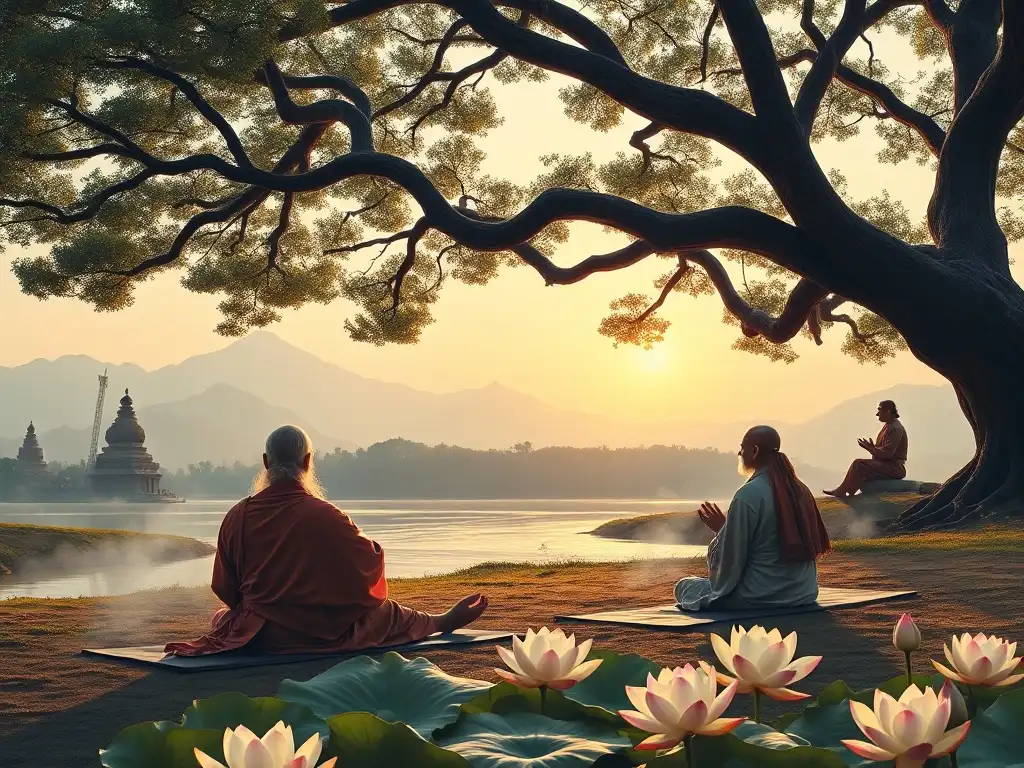
Yoga in the Vedic Period: Early Practices and Texts
The Vedic period, dating from around 1500 to 500 BCE, marks the inception of yoga as a formal practice intertwined with ancient Indian philosophy. The earliest references to yoga can be found in the Vedas, particularly in the Rigveda, which contains hymns that hint at meditation and spiritual practices. These texts emphasize ritualistic worship, sacrifices, and the importance of self-discipline.
As the Vedic tradition evolved, the concept of yoga became more pronounced in the Upanishads, composed between 800 and 400 BCE. These texts introduced the idea of meditative practices aimed at achieving spiritual enlightenment. Notably, the Upanishads discuss the relationship between the self (Atman) and the ultimate reality (Brahman), laying the groundwork for yogic philosophy.
Key elements of early yoga practices during this period included:
- Meditation (Dhyana): A core practice focused on introspection and the cultivation of a deep, tranquil state of mind.
- Breath Control (Pranayama): Techniques designed to regulate breath, believed to control the vital energies (prana) within the body.
- Moral and Ethical Guidelines: Foundational principles that would later evolve into the Yamas and Niyamas in Patanjali’s Yoga Sutras.
The Vedic texts illustrate how yoga was not merely a physical practice but a holistic approach to achieving spiritual liberation (Moksha).
The Rise of Buddhist Influence on Yoga
With the advent of Buddhism around the 5th century BCE, yoga began to evolve significantly, influenced by the teachings of Siddhartha Gautama, known as the Buddha. This period marked a shift from ritualistic practices to a more experiential and meditative approach to spirituality.
Buddhism emphasized the Four Noble Truths and the Eightfold Path, advocating for practices that lead to enlightenment and liberation from suffering. Key contributions of Buddhist philosophy to yoga include:
- Mindfulness and Awareness: The practice of maintaining a moment-to-moment awareness, which became integral to yogic meditation techniques.
- Compassion and Ethical Living: The Buddhist teachings stressed the importance of compassion, influencing the ethical foundations of yoga practice.
- Non-Attachment: Encouraging practitioners to let go of worldly desires, aligning with the yogic pursuit of inner peace and freedom from suffering.
The synthesis of Buddhist concepts with existing yogic practices created a rich tapestry of thought that further developed the philosophical underpinnings of yoga, emphasizing inner transformation over external rituals.
The Gupta Empire: A Golden Age for Yoga and Philosophy
The Gupta Empire, flourishing from approximately 320 to 550 CE, is often regarded as a golden age of Indian culture, arts, and sciences. This period saw a remarkable advancement in the philosophical foundations of yoga, culminating in the compilation and systematization of various yoga texts.
One of the most significant contributions during this time was the Yoga Sutras of Patanjali, composed around the 2nd century CE. This seminal work codified yoga philosophy and practice into a coherent system, outlining the Eight Limbs of Yoga (Ashtanga). Key features of this period included:
- Integration of Various Philosophies: The Gupta period witnessed the confluence of diverse philosophical schools, including Vedanta and Samkhya, which enriched the understanding of yoga.
- Systematic Approach to Meditation: The Yoga Sutras emphasized meditation as a means to achieve Samadhi, or the highest state of consciousness, thus providing a structured path for practitioners.
- Promotion of Yogic Texts: The era produced numerous texts that explored the theoretical and practical aspects of yoga, including the Bhagavad Gita, which integrates yoga philosophy into the epic narrative of dharma (duty).
The Gupta Empire's emphasis on education, scholarship, and spirituality fostered an environment where ancient Indian philosophy and yoga flourished, laying the groundwork for future generations to explore and expand upon these teachings. This period solidified yoga's status as a profound spiritual discipline deeply rooted in Indian philosophy, a legacy that continues to influence modern practices today.
Core Concepts of Ancient Indian Philosophy and Their Impact on Yoga
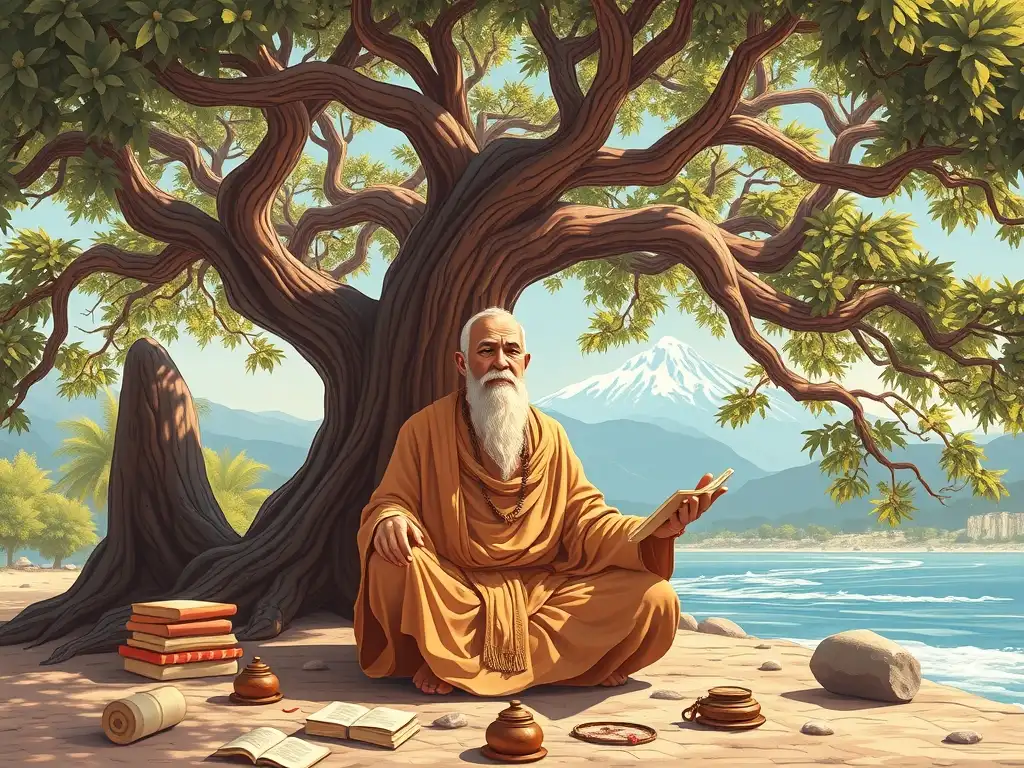
Dharma: The Concept of Duty and Its Role in Yoga
Dharma, in the context of ancient Indian philosophy, refers to the ethical and moral duties that each individual is expected to uphold. This concept plays a pivotal role in shaping the practice of yoga, which is not merely a physical discipline but a holistic approach to living. The teachings of the Bhagavad Gita highlight the importance of dharma, where Lord Krishna imparts wisdom to Arjuna, emphasizing that one must fulfill their responsibilities without attachment to the outcomes.
In yoga practice, understanding dharma encourages practitioners to align their actions with their values and societal roles. This alignment fosters a sense of purpose and commitment, which is essential for deepening one's practice. For instance, a yoga teacher's dharma is to guide students towards self-awareness and well-being, while a student’s dharma may involve dedication to personal growth and mindfulness.
The integration of dharma into yoga practice can be illustrated through the following points:
- Selflessness: Practicing yoga with a focus on service to others enhances the experience and promotes a sense of community.
- Ethical living: Incorporating ethical principles, or yamas and niyamas, into daily life reflects the essence of dharma, guiding practitioners towards a more harmonious existence.
- Balance: Understanding one’s duties helps maintain balance between personal aspirations and societal responsibilities, which is crucial for mental and spiritual wellness.
By adhering to the principle of dharma, yoga practitioners can cultivate a practice that is not only transformative for themselves but also beneficial to those around them.
Karma: Understanding Cause and Effect in Yoga Practice
Karma, another fundamental concept of ancient Indian philosophy, refers to the law of cause and effect, where every action has corresponding consequences. This principle profoundly influences yoga practice by encouraging practitioners to be mindful of their thoughts, actions, and intentions.
In yoga, the understanding of karma manifests in several ways:
- Mindfulness: Practicing yoga with awareness allows individuals to recognize the impact of their actions, fostering a sense of responsibility towards themselves and others.
- Intention Setting: Before beginning a yoga session, practitioners often set intentions, which align their actions with desired outcomes, directly engaging with the karma principle.
- Reflective Practice: Post-practice reflection on one’s thoughts and behaviors can help individuals identify patterns and make conscious choices, thus influencing future karma.
The interplay between karma and yoga emphasizes that the journey is as important as the destination. Each asana, breath, and meditation serves as a means to cultivate positive karma, ultimately leading to personal growth and transformation.
Moksha: The Ultimate Goal of Yoga and Spiritual Liberation
Moksha, or spiritual liberation, is considered the ultimate goal of yoga and is deeply rooted in ancient Indian philosophy. It represents the release from the cycle of birth and rebirth (samsara) and the realization of one's true self (Atman). The pursuit of moksha is often depicted as the culmination of a yogic journey, where practitioners strive to achieve a state of eternal bliss and unity with the divine.
The relevance of moksha in yoga practice can be observed through:
- Meditation: Techniques aimed at quieting the mind and transcending the ego are essential for experiencing moksha. This state of deep meditation allows practitioners to connect with their higher selves.
- Detachment: The practice of non-attachment (vairagya) encourages individuals to release desires and material pursuits, facilitating a path towards spiritual freedom.
- Integration of Philosophy: Understanding the philosophical underpinnings of moksha deepens the commitment to yoga practice, as practitioners recognize their journey towards liberation is not just physical but profoundly spiritual.
Embracing the concept of moksha inspires yoga practitioners to seek a life filled with purpose, self-awareness, and ultimately, spiritual liberation. It aligns the mind, body, and spirit towards a unified goal, making the practice of yoga a holistic journey towards understanding one’s place in the universe.
How Ancient Indian Philosophy Shapes Modern Yoga Practices
Mindfulness and Meditation: Roots in Ancient Teachings
Mindfulness and meditation are fundamental components of modern yoga practices, deeply rooted in ancient Indian philosophy. Techniques for cultivating awareness and mental clarity can be traced back to the Vedic texts and the Upanishads, which emphasize the importance of self-realization and inner peace.
- Historical Context:
- The earliest references to meditation can be found in the Rigveda, dating back to 1500 BCE. These texts describe various meditative practices aimed at achieving higher states of consciousness.
- The concept of Dhyana, or meditation, is elaborated in the Yoga Sutras of Patanjali (~400 CE), where it is defined as a means to attain deeper states of awareness and ultimately liberation ( Moksha).
- Practices and Techniques:
- Ancient practices included Pranayama (breathing techniques) and Dharana (concentration), which are still integral to contemporary yoga. These techniques help practitioners focus their minds, cultivating a state of mindfulness essential for both meditation and daily life.
- Modern adaptations, such as mindfulness-based stress reduction (MBSR), draw heavily from these ancient traditions, illustrating the relevance of ancient philosophies in today's mental health practices.
- Philosophical Foundations:
- Ancient Indian philosophy posits that the mind's fluctuations can be controlled through disciplined practice, leading to a state of Samadhi (blissful union). This philosophical underpinning supports the modern emphasis on mindfulness as a vehicle for achieving well-being and mental clarity.
Asanas and Physical Practices: Continuities from the Past
The physical postures, or asanas, central to modern yoga practices have their origins in ancient Indian traditions. These practices were not merely for physical fitness but were intertwined with spiritual and philosophical teachings.
- Historical Development:
- The Hatha Yoga Pradipika (15th century) is one of the seminal texts that outlines various asanas, emphasizing their role in purifying the body and preparing it for meditation. This text reflects the ancient belief that a strong, flexible body supports a focused mind.
- The practice of asanas was initially a means to prepare the body for prolonged meditation, as articulated in the Gheranda Samhita.
- Key Asanas and Their Significance:
- Asanas like Padmasana (Lotus Pose) and Sukhasana (Easy Pose) are designed to promote stability and comfort during meditation. Their continued use today demonstrates the direct lineage from ancient practices to contemporary yoga.
- The emphasis on alignment and breath in asana practice also reflects ancient teachings that consider the body a temple for spiritual exploration.
- Adaptation in Modern Context:
- While many asanas have been adapted for modern fitness trends, their core philosophical significance remains. The integration of breath control ( Pranayama) with physical movement enhances the overall yoga experience, fostering a deeper connection to the self.
Ethical Principles: Yamas and Niyamas in Contemporary Yoga
The ethical guidelines known as Yamas and Niyamas form the foundation of yoga philosophy, guiding practitioners in their interactions with themselves and the world around them. These principles, derived from ancient texts, continue to influence contemporary yoga practices.
- Understanding Yamas and Niyamas:
- Yamas (restraints) include principles such as Ahimsa (non-violence), Satya (truthfulness), and Asteya (non-stealing). These ethical guidelines encourage practitioners to cultivate compassion, honesty, and respect in their daily lives.
- Niyamas (observances) like Santosha (contentment) and Svadhyaya (self-study) promote personal growth and self-awareness, making them integral to the modern yogic journey.
- Implementation in Modern Yoga:
- Many contemporary yoga classes incorporate discussions on these ethical principles, encouraging practitioners to reflect on their values and behaviors. This integration fosters a holistic approach to yoga that extends beyond the physical practice.
- Workshops and retreats often emphasize these principles, helping individuals connect with their inner selves and develop a greater sense of community and responsibility.
- Cultural Relevance:
- The revival of interest in mindfulness and ethical living in modern society resonates with the teachings of the Yamas and Niyamas. They serve as a reminder of the importance of ethical behavior in cultivating a balanced and meaningful life, bridging the gap between ancient wisdom and modern practices.
Through the exploration of these three areas—mindfulness and meditation, asanas, and ethical principles—it becomes clear that ancient Indian philosophy and yoga are not only historically intertwined but also continue to shape contemporary practices, enriching the lives of many around the globe.
The Global Influence of Ancient Indian Philosophy on Yoga
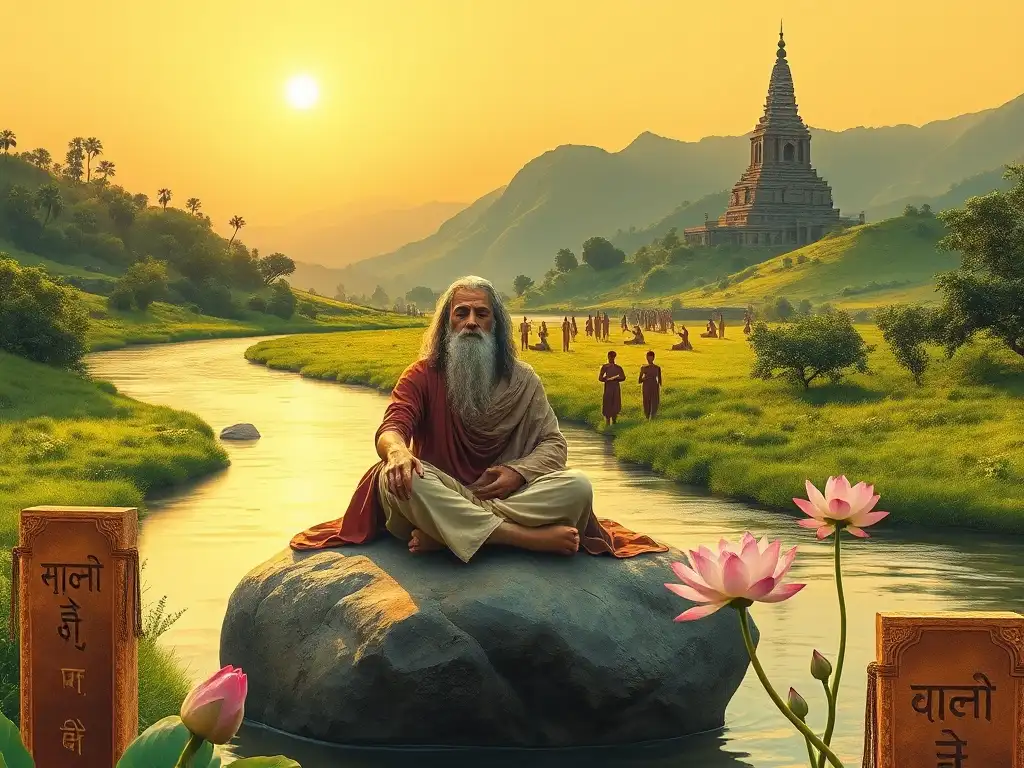
The profound impact of ancient Indian philosophy on modern yoga practices cannot be overstated. Rooted in the spiritual and philosophical traditions of India, these teachings have shaped the core principles and practices that are now embraced worldwide. Ancient texts such as the Vedas, Upanishads, and the Yoga Sutras of Patanjali laid the groundwork for yoga, emphasizing the interconnectedness of mind, body, and spirit.
Through various philosophical schools, such as Samkhya, Vedanta, and Buddhism, ancient Indian thought has contributed significantly to the understanding of consciousness, self-realization, and the pursuit of enlightenment. These concepts are vital in modern yoga, which seeks not only physical well-being but also mental and spiritual growth.
In the contemporary context, ancient Indian philosophy is often interpreted in diverse ways, leading to a rich tapestry of yoga practices that resonate with practitioners globally. The fusion of these ancient teachings with modern wellness trends has ensured that yoga remains relevant, appealing, and accessible to a wide audience.
The Spread of Yoga to the West: Historical Milestones
The journey of yoga from the Indian subcontinent to the West is marked by several key milestones that highlight the growing interest in ancient Indian philosophy and yoga.
- The 19th Century:
- Swami Vivekananda: His speech at the Parliament of the World's Religions in Chicago in 1893 introduced yoga to a Western audience, emphasizing its spiritual underpinnings and philosophical roots.
- The Theosophical Society: This organization played a crucial role in popularizing Eastern philosophies, including yoga, in the West.
- The Early 20th Century:
- Paramahansa Yogananda: His book, Autobiography of a Yogi, published in 1946, became a pivotal work that attracted Western audiences to the spiritual aspects of yoga.
- T. Krishnamacharya: Often regarded as the father of modern yoga, he trained several influential Western teachers who would later disseminate yoga practices across the globe.
- The 1960s and 1970s:
- Counterculture Movement: The rise of interest in Eastern spirituality during this period led to an explosion of yoga studios and practices in the U.S. and Europe.
- Hatha Yoga: This physical practice gained prominence, emphasizing asanas (postures) and pranayama (breath control), which were initially rooted in ancient texts.
- 21st Century:
- Yoga Boom: The rise of wellness culture has further propelled yoga into the mainstream, with a multitude of styles and adaptations emerging.
- Technology and Social Media: These platforms have facilitated the global spread of yoga practices and philosophies, making ancient teachings accessible to millions.
By tracing these historical milestones, we can see how ancient Indian philosophy has been woven into the fabric of modern yoga, influencing its evolution and practice.
Modern Interpretations of Ancient Practices
Ancient Indian philosophy and yoga have undergone various interpretations as they adapt to contemporary contexts. Here are some notable aspects of these modern interpretations:
- Mindfulness and Meditation:
- Drawing from ancient practices, modern yoga often incorporates mindfulness techniques that emphasize present-moment awareness. This focus is rooted in the meditative traditions of ancient Indian philosophy, which teach the importance of stillness and self-reflection.
- Holistic Wellness:
- Modern yoga emphasizes a holistic approach to health, integrating physical, mental, and spiritual well-being. This is a direct reflection of ancient philosophies that advocate for balance and harmony within the self and with the universe.
- Eclectic Styles:
- Various modern yoga schools have emerged, each interpreting ancient practices in unique ways. For instance, Vinyasa yoga blends movement with breath, while Kundalini yoga focuses on spiritual awakening, both drawing from ancient concepts but adapted to contemporary needs.
- Cultural Fusion:
- The global practice of yoga has led to a fusion of various cultural elements, creating unique styles that may incorporate Western fitness regimens alongside traditional Indian practices. This blending allows for a diverse range of yoga experiences that resonate with different audiences.
The reinterpretation of ancient practices not only keeps the essence of yoga alive but also makes it more accessible, ensuring that its philosophical roots continue to influence new generations of practitioners.
Popular Yoga Styles Derived from Ancient Philosophies
Several popular yoga styles today can be traced back to ancient Indian philosophies, each embodying specific teachings and practices. Here are some of the most prominent styles:
| Yoga Style | Philosophical Roots | Key Characteristics |
|---|---|---|
| Hatha Yoga | Samkhya and Tantric philosophies | Focuses on physical postures (asanas) and breath control (pranayama). |
| Vinyasa Yoga | Influenced by Hatha and ancient texts | Emphasizes fluid movement, linking breath with dynamic transitions. |
| Ashtanga Yoga | Patanjali's Yoga Sutras | Follows a set sequence of poses, cultivating discipline and strength. |
| Kundalini Yoga | Tantric philosophy | Aims to awaken spiritual energy through specific asanas, breathwork, and chanting. |
| Iyengar Yoga | Based on Hatha Yoga principles | Focuses on alignment and the use of props to enhance practice and accessibility. |
| Restorative Yoga | Influenced by ancient concepts of relaxation | Prioritizes deep relaxation through gentle poses and support. |
These styles not only preserve the teachings of ancient Indian philosophy but also cater to the diverse needs and preferences of modern practitioners. Each style offers unique benefits, allowing individuals to explore the rich heritage of yoga while engaging with its modern applications.
The global influence of ancient Indian philosophy on yoga is evident in both historical developments and contemporary practices, shaping a vibrant yoga culture that honors its roots while evolving to meet the needs of today's world.
Contemporary Applications of Ancient Indian Philosophy in Wellness
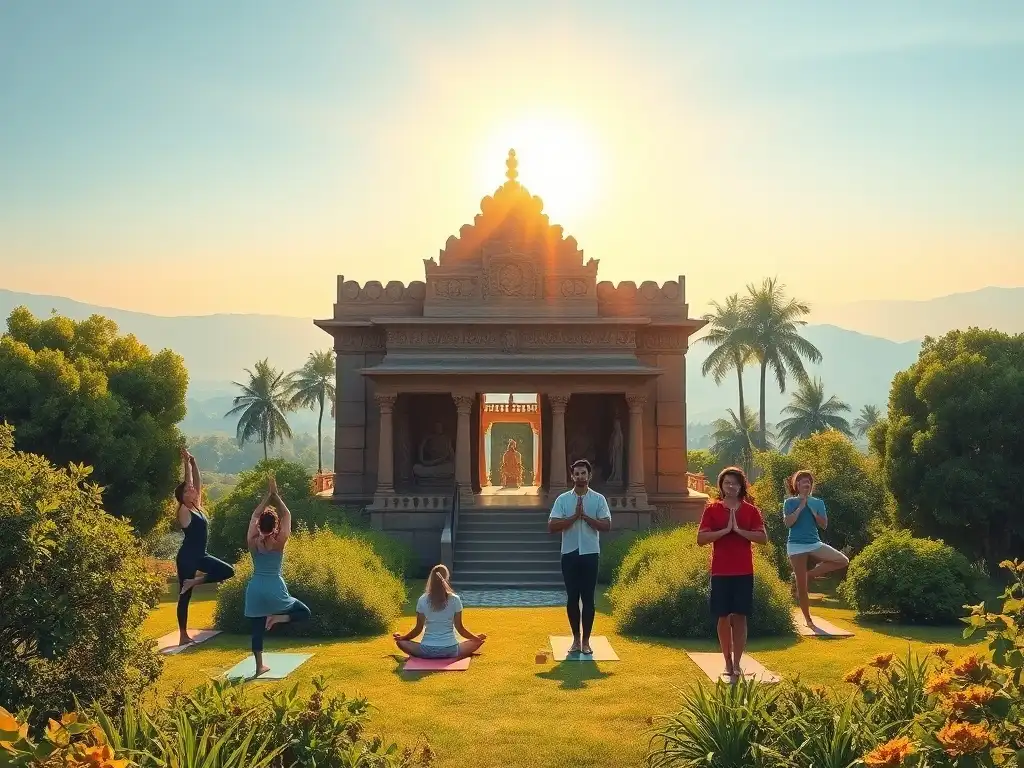
The integration of ancient Indian philosophy into contemporary wellness practices has become increasingly significant, particularly in the realm of yoga. Ancient Indian philosophy, which encompasses a variety of schools and teachings, has profoundly influenced how modern practitioners approach yoga, mindfulness, and overall wellness. This ancient wisdom offers a holistic perspective that emphasizes the interconnectedness of body, mind, and spirit, thereby enhancing the effectiveness of yoga as a practice.
Integrating Philosophy into Daily Yoga Practice
Incorporating ancient Indian philosophical concepts into daily yoga practice can lead to a more enriched experience. Here are some key philosophical ideas and how they can be integrated:
- Ahimsa (Non-violence): This principle encourages practitioners to approach their yoga practice with kindness, both towards themselves and others. It promotes a gentle attitude, allowing one to listen to their body and avoid pushing beyond limits.
- Satya (Truthfulness): Practicing satya involves being honest with oneself during yoga. This means acknowledging one's physical and emotional states and embracing authenticity in postures and breathing practices.
- Dharma (Duty/Righteousness): Understanding one’s dharma can help practitioners align their yoga practice with their life purpose, fostering a sense of fulfillment and commitment to personal growth.
- Moksha (Liberation): The ultimate goal of yoga, as influenced by ancient philosophy, is to achieve moksha or liberation from the cycle of birth and rebirth. This concept can guide practitioners to focus on deeper aspects of the practice, such as meditation and self-realization.
By consciously reflecting on these principles during practice, individuals can deepen their connection to the ancient roots of yoga, making their experience more profound and transformative.
Workshops and Retreats: Learning from Ancient Wisdom
Participating in workshops and retreats focused on ancient Indian philosophy can provide invaluable insights and practical applications for modern yoga practitioners. These immersive experiences often include:
- Philosophical Discussions: Engaging with knowledgeable instructors who specialize in ancient Indian texts, such as the Upanishads, the Bhagavad Gita, and Patanjali’s Yoga Sutras. These discussions help contextualize yoga practices within their historical and philosophical frameworks.
- Meditation and Mindfulness: Many retreats incorporate traditional meditation techniques that have been passed down through generations, allowing participants to experience the mental clarity and emotional balance that these practices promote.
- Nature Connection: Ancient Indian philosophy emphasizes the importance of nature in spiritual practice. Retreats often take place in serene environments that encourage participants to connect with nature, enhancing their mindfulness and grounding in the present moment.
- Practical Applications: Workshops often include sessions on how to incorporate ancient wisdom into daily life, providing techniques that can be easily integrated into one’s routine.
These experiences not only deepen participants’ understanding of yoga but also foster community and support among like-minded individuals seeking to explore their spiritual paths.
Recommended Books and Resources on Ancient Indian Philosophy and Yoga
For those interested in further exploring the connections between ancient Indian philosophy and yoga, the following books and resources are highly recommended:
| Title | Author | Description |
|---|---|---|
| The Yoga Sutras of Patanjali | Sri Swami Satchidananda | A classic text that outlines the philosophy and practice of yoga, offering insights into meditation and self-discipline. |
| The Bhagavad Gita | Eknath Easwaran | A profound spiritual text that explores duty, righteousness, and the nature of reality, influencing yoga practices. |
| The Upanishads | Eknath Easwaran | A collection of ancient texts that delve into meditation, philosophy, and the universal aspects of existence. |
| Light on Yoga | B.K.S. Iyengar | A comprehensive guide to yoga postures and philosophy, blending practical and theoretical insights. |
| The Heart of Yoga: Developing a Personal Practice | T.K.V. Desikachar | A practical guide that emphasizes the importance of personalizing yoga practices grounded in philosophical traditions. |
These texts serve as excellent starting points for anyone looking to deepen their understanding of how ancient Indian philosophy informs modern yoga practices. Whether approached as a philosophical inquiry or a practical guide, these resources can enhance one’s journey into the rich tapestry of yoga and wellness.
Conclusion: The Timeless Relevance of Ancient Indian Philosophy in Yoga
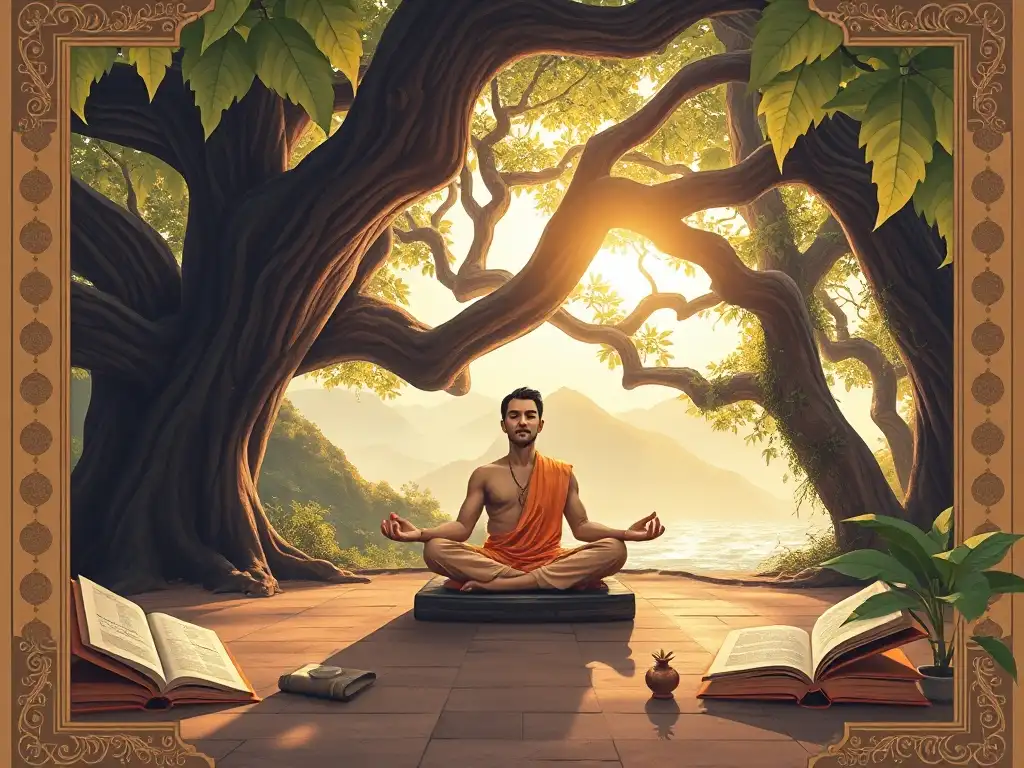
The relationship between ancient Indian philosophy and yoga is profound and multifaceted, influencing not only the practices of yoga itself but also the underlying principles that govern them. This timeless connection serves as a bridge between the ancient wisdom encapsulated in texts like the Vedas, Upanishads, and the Yoga Sutras of Patanjali, and the contemporary approaches to yoga that we see today. Understanding this relationship allows practitioners to deepen their engagement with yoga, transcending physical postures to embrace the holistic philosophy that enriches the practice.
Reflecting on the Journey from Ancient Texts to Modern Practices
The evolution of yoga from its ancient roots to modern adaptations illustrates a remarkable journey shaped by philosophical insights. Ancient Indian philosophy, particularly the concepts of Dharma (duty), Karma (action), and Moksha (liberation), provide the foundational principles that inform yoga practices today.
- Vedic Insights: The earliest references to yoga can be traced back to the Vedic texts, where it was primarily associated with meditation and spiritual discipline. These texts emphasized the importance of self-realization and understanding one's place in the cosmos.
- Upanishadic Philosophy: The Upanishads further explored the nature of reality and the self, introducing concepts such as Brahman (the ultimate reality) and Atman (the inner self). This philosophical inquiry laid the groundwork for the meditative aspects of yoga, encouraging practitioners to seek inner peace and unity with the universe.
- Patanjali's Yoga Sutras: Patanjali synthesized these ancient philosophies into a systematic approach to yoga, detailing the Eight Limbs of Yoga (Ashtanga). Each limb, from ethical precepts (Yamas and Niyamas) to meditation (Dhyana), reflects a philosophical underpinning that guides practitioners toward self-discipline and enlightenment.
Modern yoga practices, often perceived as merely physical exercise, are deeply enriched by this philosophical heritage. The integration of breathwork (Pranayama), meditation, and ethical living into yoga classes today serves as a reminder of the holistic nature of the practice, which transcends mere physicality.
Encouraging a Deeper Exploration of Philosophy in Yoga
As yoga continues to gain global popularity, it is essential for practitioners to engage with its philosophical dimensions. Here are some ways to encourage this deeper exploration:
- Reading Ancient Texts: Delve into the original texts of ancient Indian philosophy. Engaging with the Bhagavad Gita, Yoga Sutras, and Upanishads can provide insights that enhance one’s practice.
- Participating in Workshops: Attend workshops that focus on the philosophical aspects of yoga. These gatherings often provide a space for discussion and reflection, fostering a community of like-minded individuals eager to explore the depths of yoga.
- Integrating Philosophy into Practice: Instructors can weave philosophical teachings into classes, encouraging students to reflect on how concepts like Ahimsa (non-violence) and Satya (truthfulness) apply to their lives and practice.
- Journaling and Reflection: Practitioners can benefit from keeping a yoga journal where they reflect on their experiences, thoughts, and insights gained from philosophical teachings. This practice of introspection can deepen one’s understanding of yoga.
The relevance of ancient Indian philosophy in modern yoga practices cannot be overstated. By recognizing and embracing this connection, practitioners can unlock a richer, more meaningful experience that honors the wisdom of the past while informing the journey of the present. The timeless teachings of ancient India continue to shape the landscape of yoga, inviting all to explore the profound depths of their own practice.
Additional Resources
Suggested Reading List: Texts on Ancient Indian Philosophy and Yoga
Exploring the intersection of ancient Indian philosophy and yoga requires delving into a variety of texts that illuminate these profound traditions. Below is a curated list of essential readings that provide insight into the foundational concepts and practices of yoga as influenced by ancient Indian philosophy:
- The Bhagavad Gita
- Overview: A 700-verse Hindu scripture that is part of the Indian epic Mahabharata. It addresses the moral and philosophical dilemmas faced by the warrior Arjuna and presents paths of devotion, knowledge, and disciplined action.
- Significance: Fundamental for understanding the concepts of Dharma (duty/righteousness) and Yoga (the path to realization).
- Yoga Sutras of Patanjali
- Overview: A foundational text of yoga philosophy that systematically outlines the principles and practices of yoga. It introduces the eight limbs of yoga, known as Ashtanga Yoga.
- Significance: Essential for grasping the philosophical underpinnings of yoga practice and mental discipline.
- Upanishads
- Overview: A collection of ancient texts that form the philosophical basis of Hinduism, discussing meditation, morality, and the nature of reality.
- Significance: Offers insights into the concepts of Brahman (universal consciousness) and Atman (individual self), crucial for understanding the spiritual dimensions of yoga.
- Hatha Yoga Pradipika
- Overview: A classic 15th-century text that serves as a manual on Hatha Yoga, detailing asanas (postures) and pranayama (breath control).
- Significance: Important for practitioners to understand the physical aspects of yoga in the context of ancient philosophy.
- The Dhammapada
- Overview: A collection of sayings of the Buddha, emphasizing ethical conduct, mental training, and wisdom.
- Significance: While primarily Buddhist, it complements the study of yoga by exploring the interconnectedness of philosophy and practice.
Online Courses and Workshops on Yoga and Philosophy
Engaging with ancient Indian philosophy and its influence on modern yoga can be enriched through various online courses and workshops. Here are some valuable resources for enhancing your understanding:
- Coursera: Yoga Philosophy
- Description: A course that delves into the historical and philosophical background of yoga, examining key texts and concepts.
- Benefits: Flexible learning with resources from renowned universities and experts in yoga philosophy.
- Udemy: The Complete Guide to Yoga Philosophy
- Description: This course provides a comprehensive overview of yoga's philosophical roots, including practical applications in modern practice.
- Benefits: Accessible at your own pace, with lifetime access to materials.
- Yoga International: Online Workshops
- Description: Offers various workshops focusing on the philosophical aspects of yoga, including the Yoga Sutras and mindfulness practices.
- Benefits: Interactive sessions with experienced instructors that encourage community engagement.
- The Krishnamacharya Yoga Mandiram: Online Teacher Training
- Description: A training program that emphasizes the integration of philosophy and practice, grounded in the teachings of T.K.V. Desikachar.
- Benefits: Comprehensive education that prepares students to teach yoga with a deep philosophical understanding.
By utilizing these resources, individuals can gain a deeper appreciation of how ancient Indian philosophy informs modern yoga practices, enriching their personal journey and understanding of this timeless tradition.
Frequently Asked Questions
What is the significance of ancient Indian philosophy in yoga?
Ancient Indian philosophy provides the foundational principles of yoga, emphasizing mental clarity, spiritual growth, and the connection between mind and body.
How did the Indus Valley Civilization contribute to yoga?
The Indus Valley Civilization laid the groundwork for early yoga practices through its artifacts and seals, which depict figures in yogic postures, highlighting the importance of physical and spiritual health.
What role did the Gupta Empire play in the development of yoga?
During the Gupta Empire, philosophical texts flourished, which further developed yogic concepts and integrated them into Hindu practices, influencing modern yoga teachings.
How does ancient Indian philosophy influence contemporary yoga practices?
Contemporary yoga often incorporates ancient philosophical teachings such as ahimsa (non-violence) and satya (truthfulness), promoting a holistic approach to well-being that resonates with modern practitioners.
Are there specific texts that outline ancient Indian philosophical concepts of yoga?
Yes, texts like the Yoga Sutras of Patanjali and the Bhagavad Gita serve as key references, articulating the philosophical underpinnings of yoga and its spiritual objectives.
Final Reflection: The Enduring Legacy of Ancient Indian Philosophy in Modern Yoga
The profound connection between ancient Indian philosophy and modern yoga practices continues to resonate in today’s fast-paced world. As we navigate the complexities of contemporary life, the wisdom embedded in ancient teachings offers a sanctuary for mindfulness and self-discovery. The essence of yoga transcends mere physical postures; it embodies a holistic approach to well-being that is more relevant than ever. In a society increasingly focused on mental health and balance, the principles of ancient Indian philosophy serve as a guiding light, illuminating the path toward inner peace and harmony.
The influence of ancient Indian philosophy on the cultural and social landscape is undeniable. As we embrace yoga in our daily lives, we are not just practicing a form of exercise; we are engaging with a rich tapestry of thought that encourages introspection and connection. The teachings of sages and philosophers from centuries past continue to inspire modern practitioners, fostering a community that values mindfulness and spiritual growth. Yoga is the journey of the self, through the self, to the self.
— The Bhagavad Gita. This quote encapsulates the transformative power of yoga, reminding us that the practice is as much about the inward journey as it is about physical movement.
As you reflect on the insights shared in this article, consider how you can integrate the wisdom of ancient Indian philosophy into your own life. Take a moment to breathe deeply, to connect with your inner self, and to explore the teachings that resonate with you. Whether through meditation, mindful movement, or philosophical inquiry, there is an opportunity for growth and transformation. Embrace the lessons of the past as you cultivate a more harmonious and balanced existence in the present. Your journey into the depths of ancient wisdom awaits—step onto the mat and let it guide you.
Embrace the Wisdom of Ancient Philosophy Today!
Thank you for exploring the profound connections between ancient Indian philosophy and modern yoga practices with us! We hope you’ve gained valuable insights into how these timeless teachings can enhance your practice and overall well-being. Now, it's time to take meaningful steps toward integrating this wisdom into your life.
Here are some actionable ways you can deepen your journey:
- Start a daily yoga practice: Incorporate techniques rooted in ancient philosophy to bring mindfulness and intention to each session.
- Join a community class: Connect with individuals who share a passion for yoga and its rich philosophical heritage.
- Explore additional readings: Dive into classic texts such as the Yoga Sutras or the Bhagavad Gita for further inspiration and guidance.
How will you incorporate the teachings of ancient Indian philosophy into your daily life? We invite you to share your thoughts or experiences in the comments below!