
The Role of Yoga in Ancient Indian Society: More Than Just a Practice

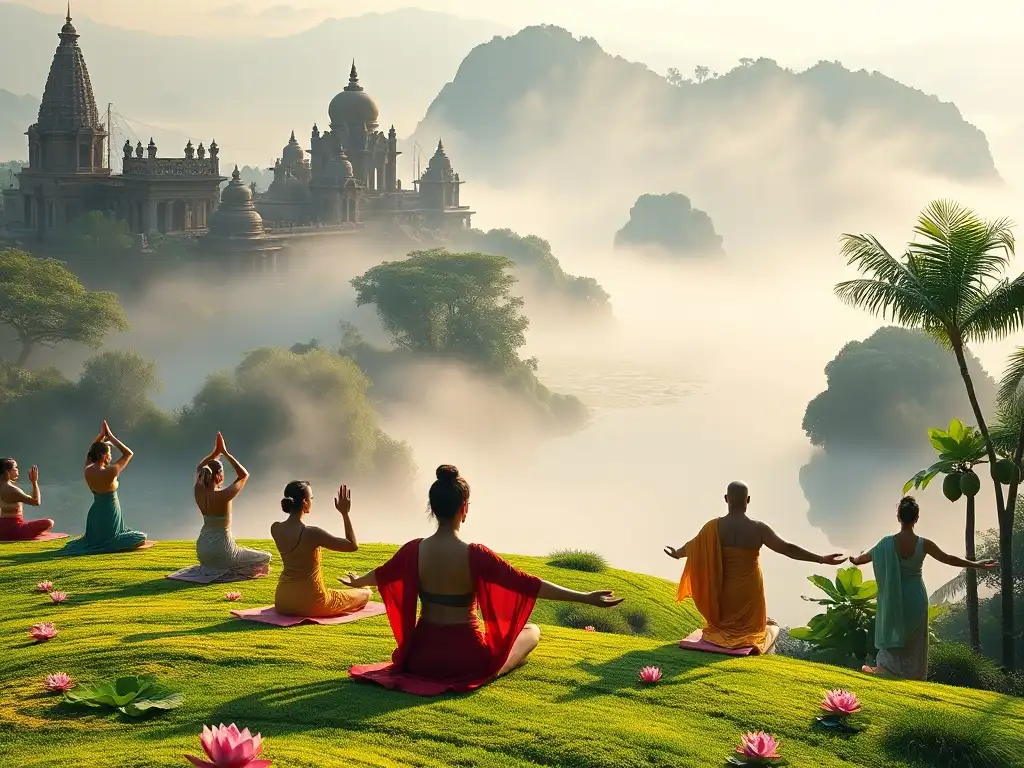
Welcome to Ancient India History, where we embark on a captivating journey through the rich tapestry of ancient Indian civilizations. Today, we delve into the profound significance of Yoga in ancient Indian culture, a practice that transcends mere physical exercise and reveals a deeper connection to the spiritual and philosophical landscape of the time.
Have you ever wondered how this ancient discipline not only shaped individual well-being but also influenced societal norms and values? Join us as we uncover the multifaceted role of yoga within the vibrant societies of the past, inviting you to explore the intricate links between wellness and culture that continue to resonate today.
- Introduction to Yoga in Ancient Indian Culture
- The Philosophical Foundations of Yoga in Ancient Indian Society
- Yoga's Role in Ancient Indian Culture and Daily Life
- The Societal Impact of Yoga in Ancient India
- The Different Forms of Yoga in Ancient Indian Civilization
- The Legacy of Yoga in Ancient Indian Culture
- Conclusion: The Enduring Impact of Yoga in Ancient Indian Society
- Frequently Asked Questions
- Final Reflection: The Enduring Legacy of Yoga in Ancient Indian Culture
- Embrace the Transformative Power of Yoga Today!
Introduction to Yoga in Ancient Indian Culture
Yoga, often associated with physical postures and relaxation in contemporary society, has profound historical roots that extend deep into the fabric of ancient Indian culture. Originating thousands of years ago, yoga was not merely a practice for physical well-being; it encompassed a comprehensive lifestyle that integrated philosophy, spirituality, and community.
The significance of yoga in ancient Indian society is multifaceted, influencing various aspects such as religion, art, and social structure. As we delve into the historical significance and evolution of yoga practices, we will uncover how these ancient traditions shaped personal and communal identities, while also fostering a deeper understanding of the self and the universe.
Overview of Yoga's Historical Significance
The history of yoga in ancient India can be traced back to the Indus Valley Civilization, around 3300–1300 BCE, where early seals depicting figures in meditative postures have been discovered. These artifacts suggest that yoga may have been practiced in some form even at this early stage of civilization. However, the formalization of yoga as a systematic practice began with the Vedic texts, which laid the groundwork for various spiritual and philosophical traditions in India.
- Vedic Period (1500–500 BCE): The earliest references to yoga appear in the Rigveda, where the term "yuj," meaning to unite or join, is mentioned. This period emphasized rituals and sacrifices aimed at achieving harmony with the cosmos.
- Upanishadic Philosophy (800–400 BCE): The Upanishads shifted the focus from external rituals to internal practices, advocating meditation and self-realization as paths to understanding the ultimate reality, or Brahman. This philosophical shift marked a significant evolution in the understanding of yoga.
- Classical Yoga (200 BCE–200 CE): The Yoga Sutras of Patanjali, compiled during this period, systematized yoga into an eightfold path (Ashtanga), encompassing ethical precepts, physical practices, and meditation techniques. This text remains a foundational work in the study of yoga philosophy.
The significance of yoga extended beyond individual practice; it played a crucial role in shaping cultural and social frameworks within ancient Indian society. It influenced art, literature, and the development of various religious traditions, including Hinduism, Buddhism, and Jainism.
The Evolution of Yoga Practices in Ancient India
As yoga evolved through the centuries, its practices diversified and adapted to the changing cultural landscape of ancient India. Different schools of thought emerged, each contributing unique perspectives and techniques to the overarching philosophy of yoga.
- Hatha Yoga: Originating around the 10th century CE, Hatha Yoga focused on physical exercises (asanas) and breath control (pranayama) to prepare the body for meditation. This approach emphasized the balance of primal energy (Shakti) and consciousness (Shiva), reflecting the integral connection between mind and body.
- Bhakti Yoga: This devotional path, prominent from the medieval period, emphasized love and devotion to a personal deity. Bhakti Yoga engaged practitioners emotionally, fostering a sense of community and collective spiritual practice.
- Jnana Yoga: This intellectual approach to yoga focused on wisdom and knowledge. Practitioners engaged in philosophical inquiry, seeking to understand the nature of reality and the self. The teachings of great philosophers like Adi Shankaracharya contributed significantly to this tradition.
- Karma Yoga: The path of selfless action, Karma Yoga, became prominent as a means to attain spiritual liberation through fulfilling one's duties without attachment to the results. This practice highlighted the importance of ethics and duty in ancient Indian society.
As we explore the historical significance and evolution of yoga practices, it becomes evident that yoga was more than just a physical activity—it was a holistic approach to life that sought to harmonize the individual with the universe, embodying the rich tapestry of ancient Indian culture.
The Philosophical Foundations of Yoga in Ancient Indian Society
Key Philosophical Texts Influencing Yoga
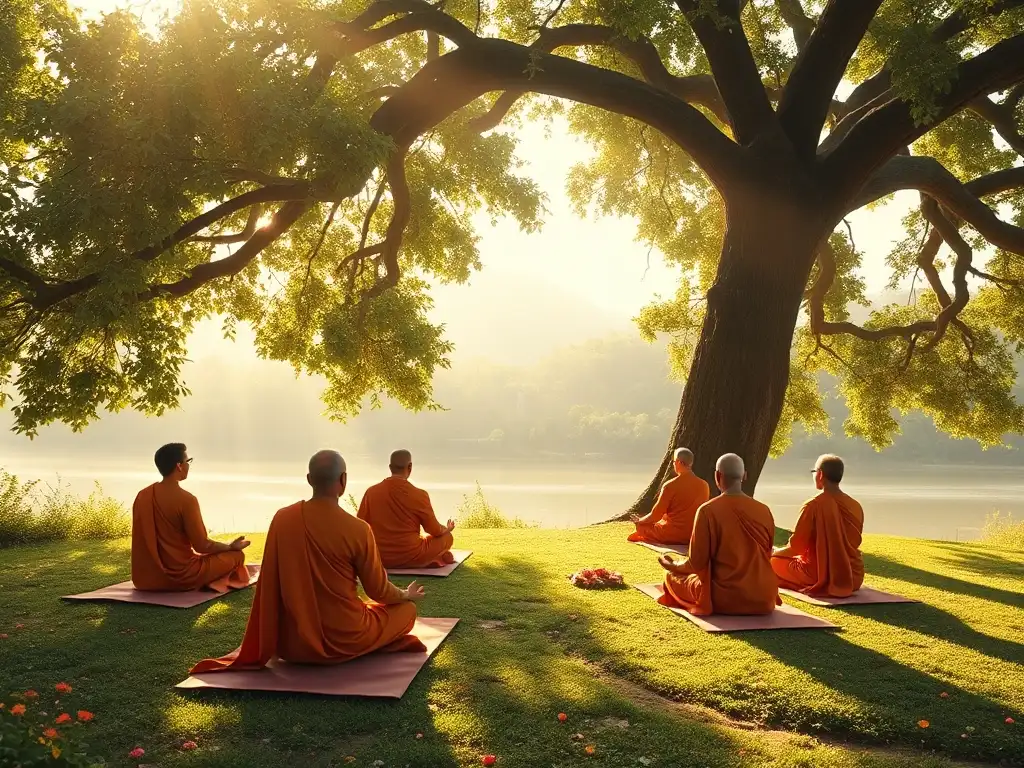
The philosophical underpinnings of yoga in ancient Indian culture are deeply rooted in several key texts that have shaped its practice and understanding. These texts not only provide insights into the spiritual dimensions of yoga but also outline the ethical and moral frameworks that support its practice.
The Vedas and Upanishads: Spiritual Insights
The Vedas, comprising the Rigveda, Samaveda, Yajurveda, and Atharvaveda, are among the oldest sacred texts of Hinduism. They encompass a vast range of knowledge, from rituals to philosophical thought. The Upanishads, which are part of the Vedic literature, focus on spiritual insights and the nature of reality.
- Concept of Brahman: The Upanishads introduce the concept of Brahman, the ultimate reality, which is central to yoga philosophy. Understanding Brahman is seen as essential for achieving moksha (liberation).
- Atman and Self-Realization: The texts emphasize the relationship between Atman (the individual soul) and Brahman, advocating that self-realization through meditation and introspection is the path to understanding one's true nature.
These texts laid the groundwork for the philosophical inquiry that would influence various yoga practices, highlighting the importance of inner exploration and connection with the universe.
The Bhagavad Gita: Yoga as a Path to Enlightenment
The Bhagavad Gita, often referred to simply as the Gita, is a 700-verse Hindu scripture that is part of the Indian epic Mahabharata. It addresses the moral dilemmas faced by the warrior Arjuna and presents yoga as a means to achieve spiritual wisdom and enlightenment.
- Karma Yoga: The Gita introduces the concept of Karma Yoga, or the yoga of action, which emphasizes performing one's duty without attachment to the results. This approach encourages individuals to engage in their responsibilities while maintaining a balanced mind.
- Bhakti Yoga: The text also discusses Bhakti Yoga, the path of devotion, highlighting the importance of surrendering to a higher power. This aspect fosters a deep emotional connection and devotion to the divine.
- Jnana Yoga: Finally, Jnana Yoga, or the path of knowledge, is emphasized as a way to attain understanding through study and reflection. The Gita asserts that wisdom leads to liberation, making it a fundamental philosophical text for yoga practitioners.
The teachings of the Gita have profoundly influenced the understanding of yoga in ancient Indian culture, framing it as a holistic practice that integrates action, devotion, and knowledge.
Schools of Thought: Samkhya, Yoga, and Vedanta
In ancient Indian philosophy, several schools of thought contributed to the understanding and development of yoga. The most significant among these are Samkhya, Yoga, and Vedanta, each offering unique perspectives on the nature of reality and the self.
- Samkhya Philosophy: Samkhya is a dualistic philosophy that distinguishes between Purusha (consciousness) and Prakriti (matter). This framework provides a foundational understanding of the nature of existence and has significantly influenced the Yoga Sutras of Patanjali.
- Yoga Philosophy: Building on the principles of Samkhya, the Yoga school focuses on practical methods to attain liberation through discipline and meditation. The Yoga Sutras outline an eightfold path (Ashtanga) that includes ethical precepts (Yamas and Niyamas), postures (Asanas), breath control (Pranayama), sensory withdrawal (Pratyahara), concentration (Dharana), meditation (Dhyana), and ultimately, absorption (Samadhi).
- Vedanta Philosophy: Vedanta, which literally means "the end of the Vedas," emphasizes the non-dualistic view of reality. It asserts that the individual self (Atman) and the ultimate reality (Brahman) are one. This perspective profoundly influences yogic practices that seek to unify the self with the cosmos.
Each of these philosophical schools contributes to a deeper understanding of yoga in ancient Indian culture, providing diverse pathways for practitioners to explore their spiritual journeys and cultivate a holistic approach to life.
By examining these philosophical foundations, we gain a clearer picture of the significance of yoga beyond mere physical practice in ancient Indian society, revealing its role as a comprehensive system of thought and spiritual inquiry.
Yoga's Role in Ancient Indian Culture and Daily Life
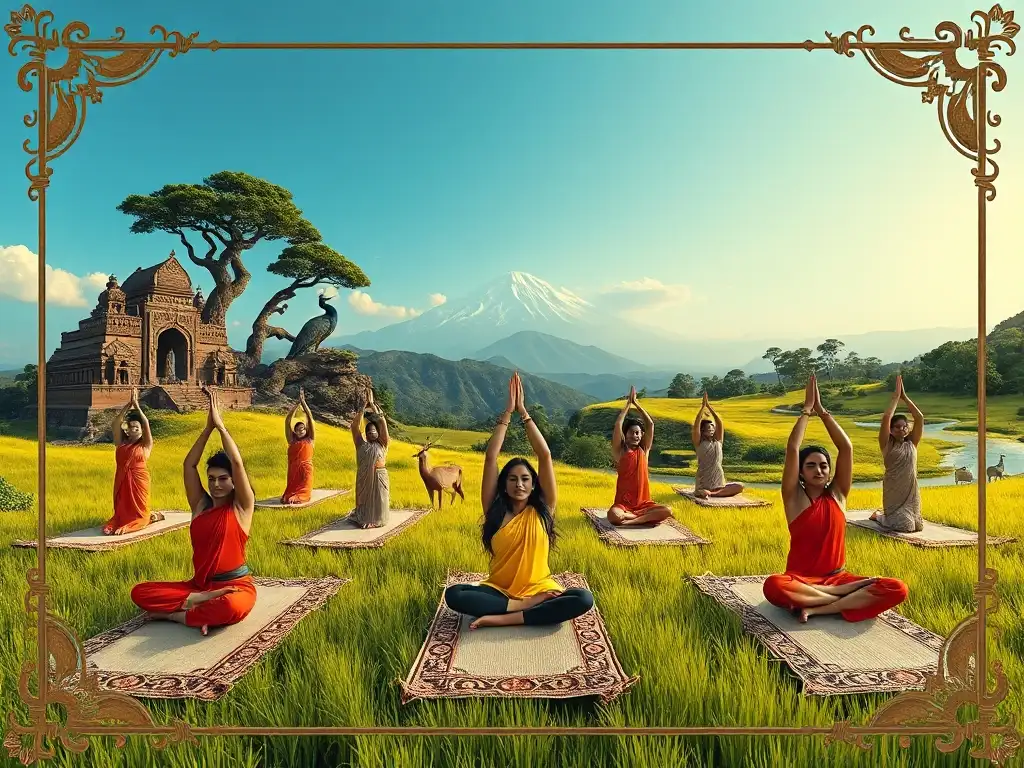
Yoga has been an integral part of ancient Indian culture, serving as a multifaceted practice that permeated various aspects of daily life, spirituality, and community. Its roots trace back to the Indus Valley Civilization, where evidence suggests that yoga was practiced as a means of achieving harmony between the mind and body. This holistic approach not only contributed to individual well-being but also fostered a sense of community and shared values among people.
One of the most significant aspects of yoga in ancient Indian culture was its role in daily routines. People engaged in various yoga practices, including asanas (postures), pranayama (breath control), and meditation, to cultivate physical health and mental clarity. These practices were often incorporated into the daily lives of individuals, promoting a balanced lifestyle that emphasized discipline, self-awareness, and connection to the divine.
Additionally, yoga played a crucial role in the social fabric of ancient Indian society. It was often practiced in groups, fostering a sense of belonging and community. This collective practice not only reinforced social bonds but also facilitated the transmission of knowledge and philosophical teachings, ensuring that the wisdom of yoga continued to evolve and thrive across generations.
Spiritual Practices: Connecting Mind, Body, and Soul
In ancient India, yoga was primarily seen as a spiritual discipline aimed at achieving higher states of consciousness and understanding the nature of existence. The practice served as a means to connect the individual self (Atman) with the universal consciousness (Brahman), providing a pathway to spiritual enlightenment.
The Yoga Sutras of Patanjali, a foundational text on yoga philosophy, emphasizes the importance of meditation and ethical conduct as a means to attain this connection. The eight limbs of yoga outlined in the Sutras—Yama (ethical standards), Niyama (self-discipline), Asana (postures), Pranayama (breath control), Pratyahara (withdrawal of senses), Dharana (concentration), Dhyana (meditation), and Samadhi (absorption)—serve as a comprehensive guide to spiritual development.
Moreover, various ancient texts and scriptures, such as the Bhagavad Gita, highlight the significance of yoga as a spiritual practice. The Gita discusses the importance of performing one's duty while remaining detached from the fruits of the action, a principle that aligns closely with the yogic path. This philosophical approach encouraged individuals to pursue their spiritual goals while actively participating in the world around them.
Yoga as a Tool for Meditation and Mindfulness
Yoga in ancient Indian culture was not merely a physical practice; it was a profound tool for meditation and mindfulness. The integration of breath control (pranayama) and meditation techniques allowed practitioners to cultivate a deep sense of awareness and presence, both within themselves and in their surroundings.
Pranayama, the practice of regulating breath, was believed to influence the prana (life force) within the body. Through various breathing techniques, individuals could enhance their mental clarity, reduce stress, and attain a calm state of mind. This focus on breath laid the groundwork for deeper meditative practices, enabling practitioners to go beyond the physical aspects of yoga and explore the realms of consciousness.
Meditation, an essential component of yoga, was practiced in various forms, including focused attention and visualization techniques. These practices helped individuals develop concentration and inner peace, contributing to their overall spiritual growth. The emphasis on mindfulness and self-awareness resonated deeply within ancient Indian society, as individuals sought to cultivate a harmonious relationship with themselves, others, and the universe.
The Integration of Yoga in Rituals and Festivals
Yoga's influence extended beyond personal practice; it was also deeply woven into the fabric of rituals and festivals in ancient Indian culture. Many religious ceremonies incorporated yoga elements, highlighting the interconnectedness of physical postures, breath control, and spiritual devotion.
For instance, during significant festivals, such as Maha Shivaratri, devotees would engage in specific yoga practices as a form of worship. These practices served to purify the mind and body, preparing individuals for spiritual experiences and communion with the divine. Rituals involving yoga were often accompanied by chanting, music, and communal gatherings, fostering a sense of unity and collective spiritual energy.
Furthermore, yoga was often utilized as a preparation for rites of passage, such as weddings or initiations. These ceremonies emphasized the importance of mental and physical readiness, aligning with the belief that a balanced mind and body were essential for successful transitions in life.
Yoga's integration into rituals and festivals exemplified its significance in ancient Indian culture, reinforcing the belief that physical practices and spiritual devotion were essential components of a fulfilling life. The communal aspect of these practices not only strengthened social ties but also deepened the collective spiritual experience of the community.
The Societal Impact of Yoga in Ancient India
Yoga and Its Influence on Community Cohesion
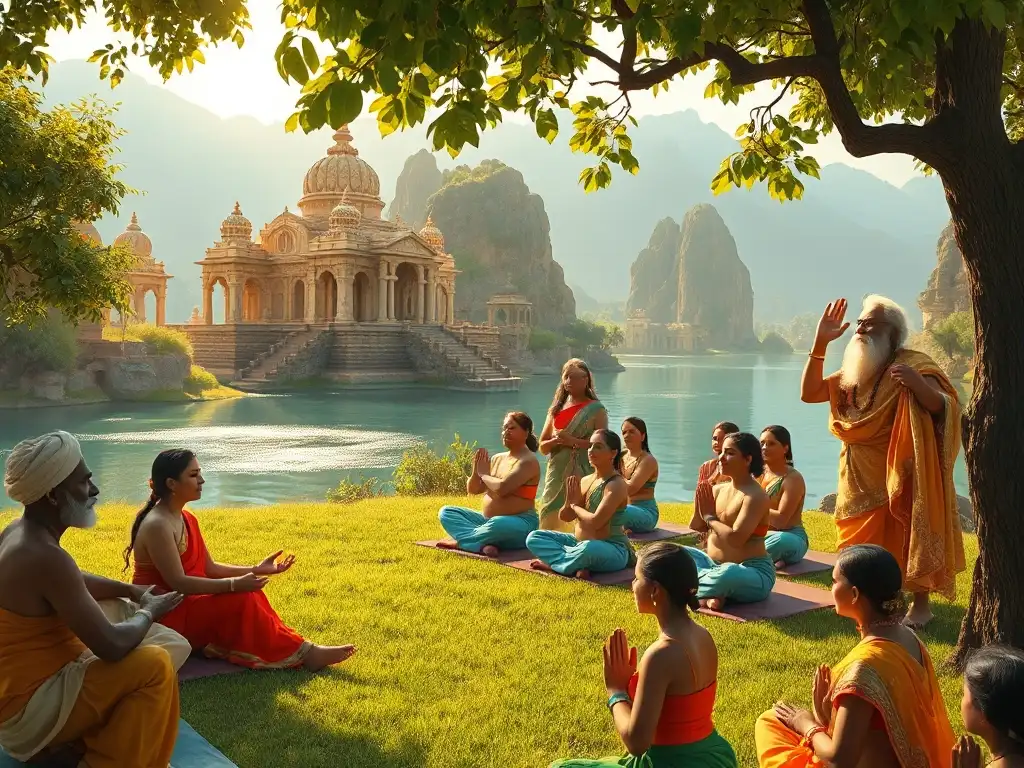
Yoga in ancient Indian culture served as more than just a physical discipline; it played a pivotal role in fostering community cohesion. The practice was deeply embedded in the social fabric, promoting not only individual well-being but also collective harmony. Communities often engaged in group yoga sessions, which helped to strengthen bonds among participants. These gatherings served as a communal space for individuals of various backgrounds to come together, share experiences, and cultivate a sense of belonging.
Key Aspects of Yoga's Influence on Community Cohesion:
- Shared Rituals: Practicing yoga often coincided with religious and cultural rituals, reinforcing community ties and shared beliefs.
- Social Equality: Yoga transcended caste and class boundaries in many instances, allowing individuals from diverse backgrounds to connect and participate equally in practices.
- Educational Opportunities: Gurukuls (ancient schools) often incorporated yoga into their curricula, promoting not just physical training but also intellectual and spiritual development within a community setting.
The Role of Yoga in Health and Well-Being
In ancient India, yoga was integral to the holistic health paradigm, emphasizing the connection between body, mind, and spirit. The practice was recognized for its multifaceted benefits, contributing significantly to both physical health and mental clarity. Ancient texts, such as the Yoga Sutras of Patanjali and various Ayurvedic writings, highlight yoga's role in maintaining balance and promoting well-being.
Traditional Healing Practices and Yoga
Yoga was often intertwined with traditional healing practices, such as Ayurveda, which emphasized the balance of bodily humors (doshas). Here’s how yoga complemented these approaches:
- Preventative Health: Regular yoga practice was seen as a way to prevent illness by maintaining physical and mental balance.
- Therapeutic Applications: Specific yoga asanas (postures) were prescribed as part of healing protocols for various ailments, enhancing the efficacy of Ayurvedic treatments.
- Mindfulness and Meditation: Techniques like meditation and pranayama (breath control) were employed to manage stress and improve mental health, aligning with the Ayurvedic focus on mental clarity.
Yoga's Contribution to Physical Fitness in Ancient Times
The physical aspect of yoga was essential in promoting overall fitness and vitality in ancient Indian society. Historical accounts suggest that kings and warriors practiced yoga to enhance their strength, flexibility, and endurance. Notable contributions include:
- Martial Training: Many ancient warriors incorporated yoga into their training regimens, using it to improve agility and focus, critical for combat.
- Daily Routines: Common people often included yoga in their daily routines, engaging in various asanas that were believed to improve health and longevity.
- Documentation of Asanas: Texts like the Hatha Yoga Pradipika documented various asanas, detailing their benefits and techniques, which contributed to a structured approach to physical fitness through yoga.
Yoga's role in ancient Indian culture extended far beyond individual practice. It was a cornerstone of community life, a complement to traditional healing, and a vital contributor to the physical fitness of individuals in society. The enduring legacy of yoga as a holistic practice continues to resonate in contemporary discussions of wellness and health.
The Different Forms of Yoga in Ancient Indian Civilization
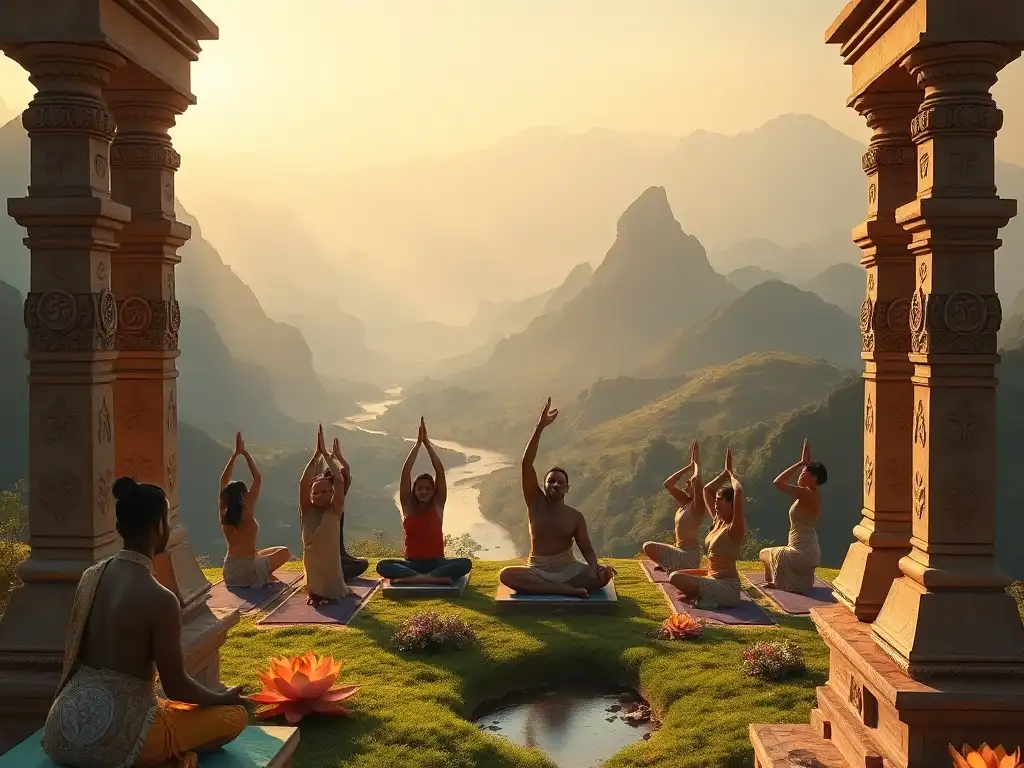
Yoga in ancient Indian culture was not merely a physical practice but a comprehensive system that encompassed various forms and philosophies, each serving different purposes and catering to diverse aspects of human experience. Below, we explore three significant forms of yoga that flourished in ancient Indian civilization: Hatha Yoga, Raja Yoga, and Bhakti Yoga.
Hatha Yoga: The Physical Approach
Hatha Yoga emerged as a fundamental aspect of yoga practice, focusing primarily on physical postures (asanas) and breath control (pranayama). The term "Hatha" itself translates to "force" or "stubbornness," indicating the rigorous discipline required for this practice.
- Historical Context: The origins of Hatha Yoga can be traced back to ancient texts such as the Hatha Yoga Pradipika and Gheranda Samhita, which outline techniques for purifying the body and mind to prepare for higher states of meditation.
- Key Components:
- Asanas: Physical poses designed to enhance strength, flexibility, and balance.
- Pranayama: Breathing techniques that regulate the flow of prana (life force) within the body.
- Mudras and Bandhas: Specific hand gestures and body locks that aid in channeling energy.
- Purpose and Benefits: Hatha Yoga aimed at achieving physical health and vitality, making it a pivotal practice for ascetics and yogis seeking to transcend the limitations of the physical body. It served as a preparatory stage for deeper meditative practices.
Raja Yoga: The Royal Path to Spirituality
Raja Yoga, often referred to as the "Royal Path," emphasizes a comprehensive approach to attaining spiritual enlightenment through meditation and self-discipline. Rooted in the teachings of the Yoga Sutras of Patanjali, Raja Yoga comprises eight limbs that guide practitioners toward self-realization.
- The Eight Limbs of Yoga:
- Yama: Ethical disciplines and moral codes.
- Niyama: Personal observances and self-discipline.
- Asana: The practice of physical postures.
- Pranayama: Control of breath.
- Pratyahara: Withdrawal of the senses.
- Dharana: Concentration on a single point.
- Dhyana: Deep meditation.
- Samadhi: The state of bliss and union with the divine.
- Philosophical Underpinnings: Raja Yoga emphasizes the importance of mental clarity and self-control, advocating for a disciplined lifestyle that fosters inner peace.
- Cultural Significance: This form of yoga attracted scholars and spiritual seekers, promoting a culture of introspection and intellectual exploration in ancient Indian society.
Bhakti Yoga: The Path of Devotion and Love
Bhakti Yoga represents a profound expression of devotion to a personal deity, making it distinct from other forms of yoga that emphasize self-discipline and meditation. This path is characterized by love, surrender, and emotional connection to the divine.
- Historical Foundations: The concept of Bhakti became prominent during the medieval period, with saints and poets like Mirabai and Kabir popularizing the practice through devotional songs and poetry.
- Key Practices:
- Chanting: Repetition of sacred names (japa) and hymns (bhajans).
- Rituals: Engaging in puja (worship) and offerings to deities.
- Community Worship: Participating in collective gatherings that foster a sense of belonging and shared spirituality.
- Impact on Society: Bhakti Yoga transcended social barriers, promoting inclusivity and accessibility to spiritual practices. It emphasized unconditional love and faith, nurturing a vibrant devotional culture that resonated across various strata of society.
By examining these distinct forms of yoga in ancient Indian culture, we gain insight into the multifaceted role yoga played in shaping spiritual practices, social dynamics, and individual well-being throughout history. Each form contributed uniquely to the rich tapestry of ancient Indian civilization, illustrating that yoga was, and continues to be, a profound journey toward self-discovery and connection with the divine.
The Legacy of Yoga in Ancient Indian Culture
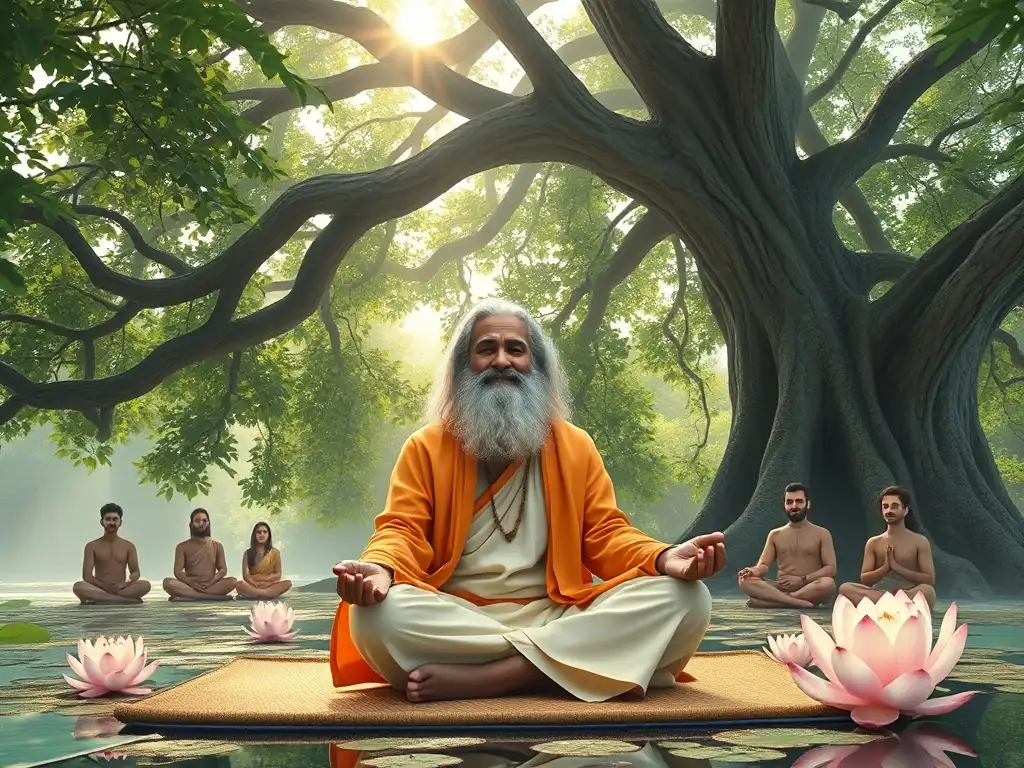
The legacy of yoga in ancient Indian culture is profound and multifaceted, influencing various aspects of society, philosophy, and spirituality. Yoga, derived from the Sanskrit word "yuj," meaning "to unite," has roots that extend back thousands of years, intertwining with the spiritual and philosophical frameworks of ancient Indian civilization.
The earliest mention of yoga can be traced to the Vedas, particularly in the Rigveda, where it is referred to in the context of meditation and spiritual practices. As time progressed, yoga evolved, particularly during the composition of the Upanishads, which introduced the concepts of self-realization and the ultimate reality (Brahman). This philosophical foundation laid the groundwork for the systematic study of yoga, culminating in the Yoga Sutras of Patanjali, a seminal text that codified the principles and practices of yoga.
How Ancient Practices Influence Modern Yoga
Modern yoga, while often seen as a physical exercise, retains many of the spiritual and philosophical elements established in ancient times. The asanas (postures) practiced today were largely influenced by the teachings of ancient yogis, who believed that physical discipline was essential for achieving spiritual enlightenment.
- Philosophical Underpinnings:
- The Yoga Sutras of Patanjali emphasize the importance of ethical guidelines (Yamas and Niyamas) that govern personal conduct, which remain relevant in today's yoga practice.
- Meditative Practices: Techniques such as dhyana (meditation) and pratyahara (withdrawal of the senses), foundational in ancient practices, are integral in modern yoga for promoting mental clarity and self-awareness.
- Holistic Approach:
- Ancient yoga emphasized the connection between body, mind, and spirit, a principle that modern practitioners are increasingly recognizing. This holistic approach aligns with contemporary wellness movements that advocate for mental and emotional well-being alongside physical health.
- Cultural Practices:
- Various forms of yoga, such as Hatha, Bhakti, and Raja Yoga, each have roots in ancient practices and philosophies that cater to different aspects of human experience, influencing the diverse styles seen today.
Thus, the ancient practices of yoga continue to resonate deeply, bridging the gap between history and contemporary society, fostering a deeper understanding of self and connection to the universe.
Preserving the Cultural Heritage of Yoga
Preserving the cultural heritage of yoga is essential for maintaining its authenticity and depth as it evolves in the modern world. As yoga becomes increasingly popular worldwide, it is crucial to honor its origins and the philosophical teachings that accompany it.
- Education and Awareness:
- Increasing awareness about the historical and cultural significance of yoga can help practitioners appreciate its roots. Workshops, seminars, and courses that delve into the history of yoga, its texts, and its philosophical foundations can enrich the understanding of modern practitioners.
- Authentic Practices:
- Encouraging the teaching of traditional styles and techniques, as well as the integration of yogic philosophy into practice, can help preserve the integrity of yoga. This includes maintaining a focus on ethical practices and the spiritual aspects that ancient yogis emphasized.
- Cultural Exchange:
- Engaging in cultural exchange by collaborating with Indian yogis and scholars can foster a deeper appreciation for yoga's heritage. Such collaborations can lead to a more authentic representation of yoga in global contexts, ensuring that the cultural heritage is respected and preserved.
The legacy of yoga in ancient Indian culture is rich and continues to influence modern practices. By understanding and preserving its cultural heritage, practitioners can ensure that yoga remains a meaningful and transformative practice, deeply rooted in its ancient origins.
Conclusion: The Enduring Impact of Yoga in Ancient Indian Society
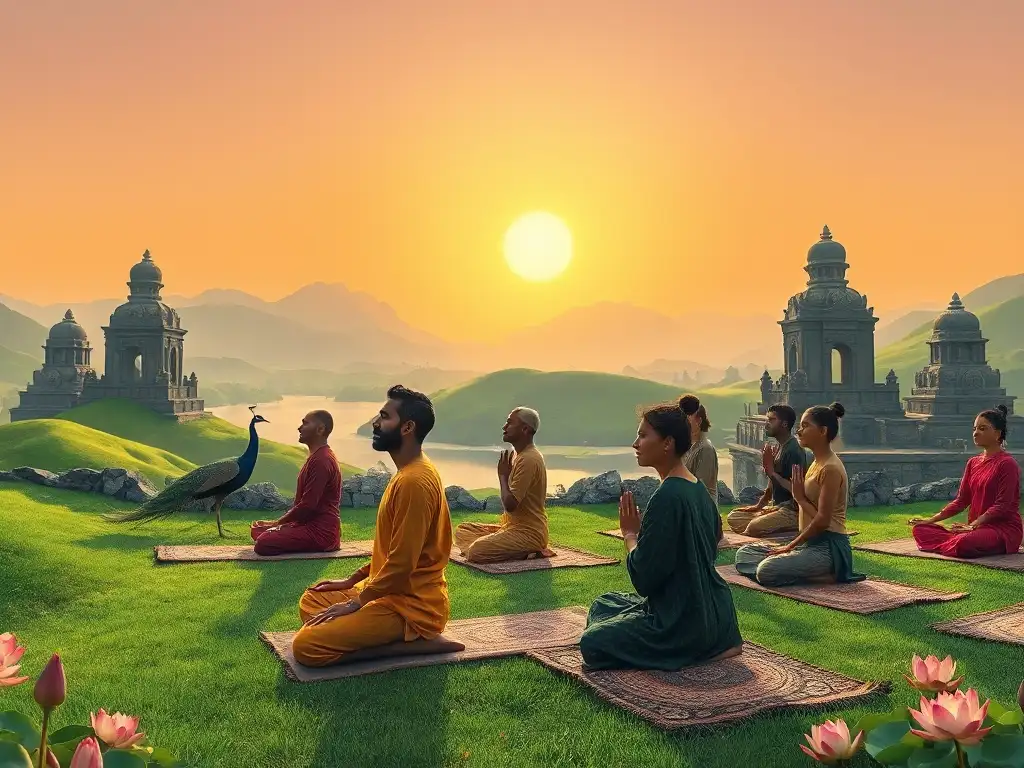
The legacy of yoga in ancient Indian society extends far beyond its physical postures and practices. It embodies a profound philosophical framework that influenced various aspects of life, spirituality, and wellness. The roots of yoga are intertwined with the evolution of Indian civilization, contributing significantly to the cultural, social, and spiritual fabric of the time.
As practitioners engaged in yoga, they were not merely performing exercises; they were connecting with a holistic system aimed at self-realization and harmony within oneself and with the universe. This multifaceted approach fostered a culture that valued mindfulness, self-discipline, and ethical living, which were essential components of ancient Indian society.
Reflecting on the Richness of Yoga's Contribution
Yoga in ancient Indian culture was not just a personal practice but also a communal experience. It played a crucial role in:
- Spiritual Development: Ancient texts such as the Upanishads and the Bhagavad Gita discuss yoga as a means to attain spiritual enlightenment and liberation (moksha). These texts provided a framework for understanding the self in relation to the cosmic order.
- Health and Wellness: The practice of yoga was integral to maintaining physical health, as it encompassed not just asanas (postures), but also breathing techniques (pranayama) and meditation. This holistic approach contributed to the physical and mental well-being of individuals in society.
- Cultural Integration: Yoga served as a bridge between various social classes and communities. It was practiced by sages, warriors, and common people alike, fostering a sense of unity and shared purpose in the pursuit of higher knowledge and ethical living.
- Philosophical Inquiry: The philosophical underpinnings of yoga encouraged critical thinking and introspection, leading to advancements in various fields such as psychology, ethics, and metaphysics. This intellectual pursuit enriched ancient Indian culture and laid the groundwork for future philosophical explorations.
The enduring impact of these contributions is evident in the way yoga continues to be a vital part of modern wellness practices, emphasizing the importance of balance between body, mind, and spirit.
Future of Yoga: Bridging Ancient Wisdom with Modern Practices
As we move forward, the future of yoga presents exciting opportunities for integrating ancient wisdom with contemporary practices. Here are some key aspects to consider:
- Adaptation to Modern Lifestyles: With the increasing pace of life today, yoga can be adapted to meet the needs of modern practitioners. This includes the incorporation of technology, such as online classes and apps, that allow individuals to practice yoga anytime and anywhere.
- Research and Evidence-Based Practices: Ongoing scientific research into the benefits of yoga is providing a deeper understanding of its physiological and psychological effects. This evidence-based approach can lead to greater acceptance and integration of yoga into mainstream healthcare.
- Globalization of Yoga: As yoga spreads across the globe, it is essential to respect and honor its ancient roots while allowing for local adaptations that reflect diverse cultures. This cross-cultural exchange can enrich the practice and make it more accessible to people from all walks of life.
- Holistic Health Integration: The future of yoga lies in its potential to be integrated into holistic health practices, combining elements of nutrition, physical activity, and mental health. This comprehensive approach can yield significant benefits for individuals and communities alike.
Yoga in ancient Indian culture has left an indelible mark on the world, and its relevance continues to thrive today. By respecting its origins while embracing modern innovations, we can ensure that yoga remains a powerful tool for personal and collective growth in the years to come.
Frequently Asked Questions
What was the significance of yoga in ancient Indian culture?
Yoga was not just a physical practice but a holistic approach aimed at achieving spiritual enlightenment and mental clarity. It played a crucial role in the philosophical and religious traditions of ancient India.
How did ancient Indian texts describe yoga?
Ancient texts like the Yoga Sutras of Patanjali and the Bhagavad Gita provide insights into yoga’s principles, emphasizing the importance of discipline, meditation, and achieving a harmonious balance between body and mind.
Were there different styles of yoga in ancient India?
Yes, ancient Indian culture saw the emergence of various yoga styles, including Hatha, Raja, and Bhakti yoga, each focusing on different aspects such as physical postures, meditative practices, and devotional aspects.
Yoga served as a means of social cohesion, bringing together people from various backgrounds and castes to engage in communal practices aimed at promoting well-being and spiritual growth.
Is the practice of yoga still relevant today?
Absolutely! The principles of yoga continue to influence contemporary practices, promoting health, wellness, and mindfulness, while also preserving the rich cultural heritage of ancient Indian civilization.
Final Reflection: The Enduring Legacy of Yoga in Ancient Indian Culture
The exploration of yoga in ancient Indian culture reveals its profound significance beyond mere physical practice; it embodies a holistic approach to life that resonates deeply in today’s fast-paced world. As we navigate the complexities of modern existence, the principles of yoga—mindfulness, balance, and harmony—offer invaluable tools for personal growth and well-being. The ancient wisdom of yoga serves as a beacon, guiding us toward a more centered and meaningful life.
Clearly, the impact of yoga extends far beyond its historical roots, shaping our cultural and social landscapes in myriad ways. The practice has evolved into a global phenomenon, yet its essence remains anchored in the teachings of ancient Indian society. As we embrace this ancient art, we acknowledge its role in fostering community, self-awareness, and spiritual connection. Yoga is the journey of the self, through the self, to the self.
This quote encapsulates the transformative power of yoga, reminding us that its true essence lies in the journey of self-discovery and connection with others.
As we reflect on the lessons of yoga, let us invite its principles into our daily lives, fostering a deeper understanding of ourselves and our interconnectedness with the world. Consider how you can incorporate mindfulness, balance, and compassion into your routines, not just as a practice but as a way of life. By doing so, you honor the rich legacy of yoga in ancient Indian culture and contribute to its ongoing evolution in our contemporary society. Embrace this journey, and allow the wisdom of yoga to illuminate your path forward.
Embrace the Transformative Power of Yoga Today!
Thank you for exploring the rich tapestry of yoga’s history in ancient Indian society. We hope you've uncovered insights that illuminate its profound impact beyond mere physical practice. Now, it's your turn to integrate this wisdom into your own life!
- Begin your yoga journey today by dedicating just 10 minutes to mindful stretching or meditation as part of your daily routine.
- Discover local classes or online sessions that resonate with your interests, and connect with others who are on this path.
- Share this article with friends and family to inspire them to explore the significance of yoga in cultivating inner peace and fostering community.
What aspect of yoga resonates most with you, and how do you plan to incorporate its principles into your daily life? We would love to hear your thoughts!