
The Art of Negotiation: How to Buy Indian Silk Like a Pro

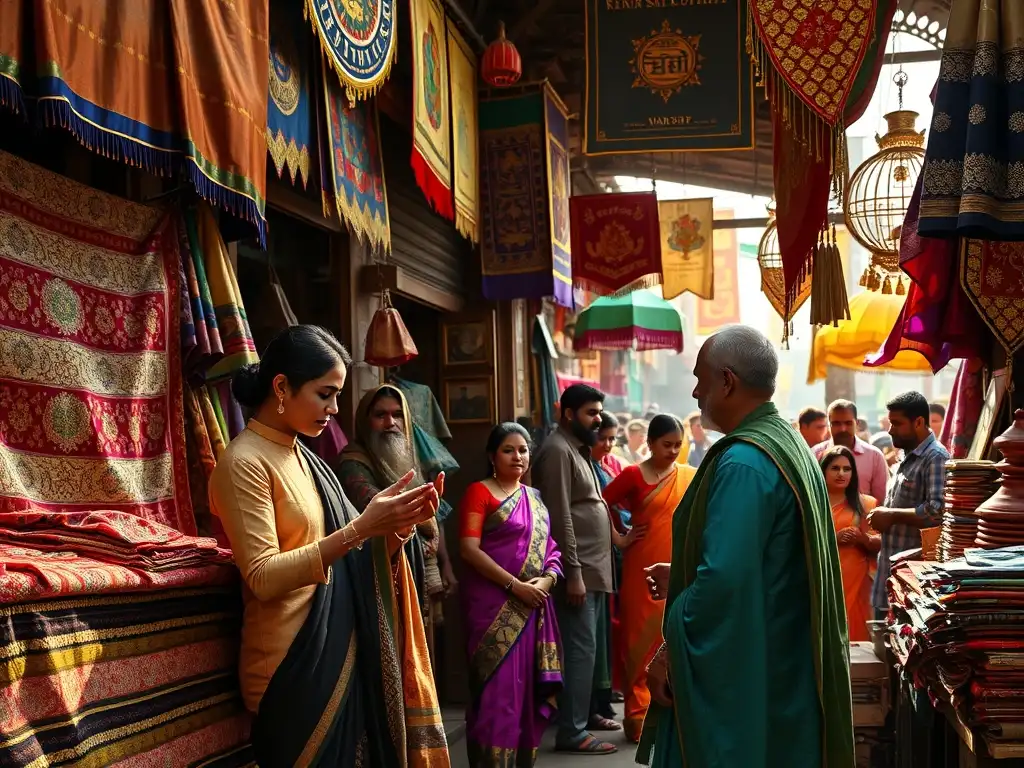
Welcome to Ancient India History, where we embark on an enchanting journey through the vibrant tapestry of ancient Indian civilizations! From the sophisticated streets of the Indus Valley to the intellectual flourishing of the Gupta Empire, our website invites you to delve into the rich cultural heritage that has shaped India’s identity. In our featured article, "The Art of Negotiation: How to Buy Indian Silk Like a Pro," we uncover insider tips that will elevate your silk-buying experience to new heights.
Are you ready to master the art of negotiation and explore the exquisite world of Indian textiles? Continue reading to unlock the secrets of this timeless craft!
- Introduction to Indian Silk: A Cultural Treasure
- Why Buy Indian Silk? Benefits and Unique Features
- Buying Indian Silk Tips: Mastering the Art of Negotiation
- The Best Places to Buy Indian Silk
- Care and Maintenance of Indian Silk: Preserving Your Investment
- Conclusion: Making Your Purchase Count
-
Frequently Asked Questions
- What are the key qualities to look for when buying Indian silk?
- How can I ensure I’m getting authentic Indian silk?
- What are some effective negotiation tips when purchasing Indian silk?
- Are there specific regional varieties of Indian silk I should consider?
- What is the best time to buy Indian silk for the best deals?
- Final Reflection: Mastering the Art of Negotiation in Buying Indian Silk
- Master the Art of Negotiation Today!
Introduction to Indian Silk: A Cultural Treasure
Indian silk is not just a fabric; it is a tapestry of history, culture, and artistry that has woven itself into the very fabric of Indian civilization. Known for its luxurious texture and vibrant colors, Indian silk has captivated the hearts of many around the globe. From the regal saris of the Mughal era to the intricate silk tapestries of South India, the journey of silk in India is a testament to the country’s rich textile heritage.
The art of buying Indian silk, however, requires an understanding of its historical context, regional variations, and authentic weaving techniques. In this guide, we will explore essential tips and insights for buying Indian silk like a pro, ensuring that you not only acquire a beautiful piece but also appreciate the craftsmanship and stories behind it.
Understanding the Historical Significance of Indian Silk
Silk has been an integral part of Indian culture for thousands of years, dating back to the Indus Valley Civilization (around 2500 BCE), where evidence of silk production was first discovered. The allure of Indian silk transcended geographical boundaries, making it a sought-after commodity on ancient trade routes, including the famous Silk Road. Here are a few highlights of its historical significance:
- Cultural Symbolism: Silk has often been associated with royalty and divinity in India. It was used in ceremonial attire and religious rituals, symbolizing wealth and status.
- Trade and Economy: Indian silk became a major export, with ancient texts indicating its trade with Persia, Egypt, and beyond. This trade not only enriched the economy but also facilitated cultural exchanges.
- Regional Diversity: Different regions in India developed unique silk weaving traditions, such as Kanjivaram from Tamil Nadu, Banarasi from Uttar Pradesh, and Tussar from Bihar, each contributing to the rich tapestry of Indian silk heritage.
The Evolution of Indian Silk Weaving Techniques
The art of silk weaving in India has evolved over centuries, reflecting the socio-political dynamics and technological advancements of various eras. The following points illustrate this evolution:
- Traditional Techniques: Early silk weavers employed handloom weaving techniques that have been passed down through generations. These methods emphasize intricate designs and patterns, showcasing the artisan's skill.
- Innovation and Adaptation: With the introduction of new technologies during the British colonial period, such as the Jacquard loom, silk weaving saw a transformation. Weavers began incorporating new patterns and motifs, blending traditional and modern aesthetics.
- Sustainability and Revival: In recent years, there has been a resurgence of interest in traditional silk weaving techniques, with a focus on sustainable practices. Artisans are now using organic dyes and eco-friendly methods, ensuring that the legacy of Indian silk continues to thrive.
By understanding the historical significance and evolution of Indian silk, you can appreciate not just the beauty of the fabric but also the stories and traditions that it embodies. In the subsequent sections of this guide, we will delve into practical tips for buying Indian silk, helping you make informed choices that honor this cultural treasure.
Why Buy Indian Silk? Benefits and Unique Features
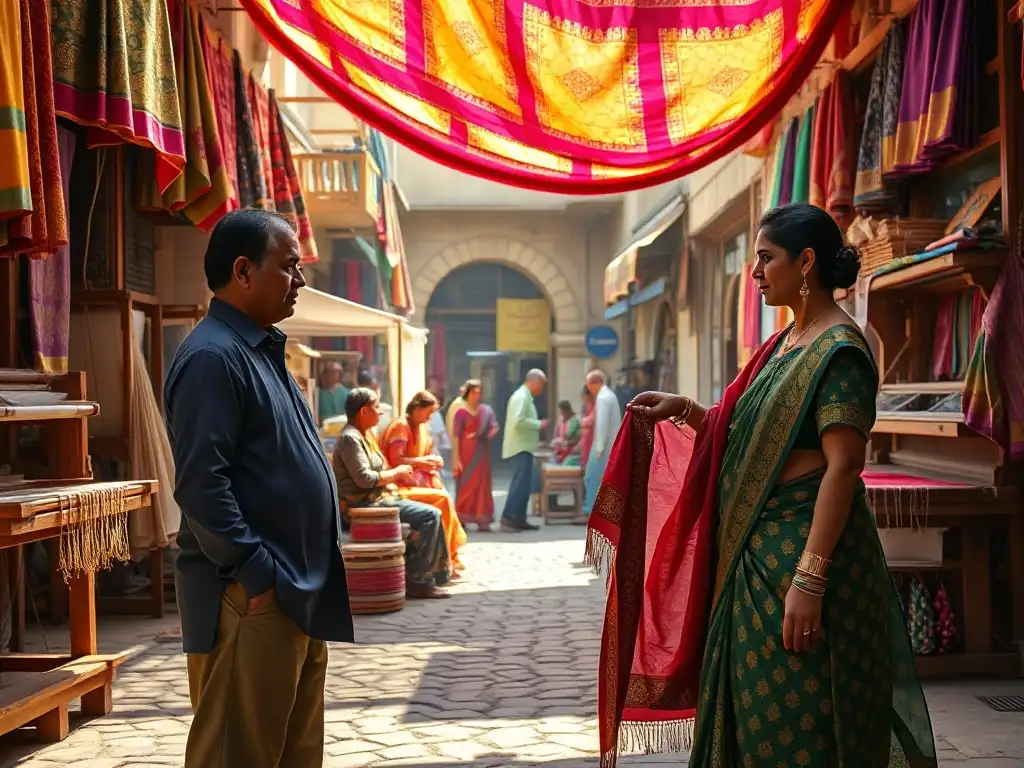
Buying Indian silk is not just about acquiring a beautiful garment; it’s also about embracing a rich heritage that has been woven into the fabric of Indian culture for centuries. The unique features and benefits of Indian silk make it a sought-after material for fashion enthusiasts and collectors alike. Here are some compelling reasons to consider when buying Indian silk:
- Cultural Significance:
- Indian silk has deep-rooted historical significance, often symbolizing status and luxury in ancient Indian society. The intricate designs and patterns hold stories, reflecting the cultural diversity of India.
- Variety of Weaves:
- India boasts numerous types of silk, including Mulberry, Tussar, and Muga. Each type has its own distinct texture, luster, and weaving technique, providing a plethora of choices for buyers.
- Artisanal Craftsmanship:
- The craftsmanship involved in creating Indian silk is exceptional. Many pieces are handwoven by skilled artisans who have honed their craft over generations, ensuring that each fabric is unique.
- Versatility:
- Indian silk is suitable for a variety of occasions, from formal events to casual wear. Its adaptability in styles and patterns makes it a versatile addition to any wardrobe.
- Aesthetic Appeal:
- The vibrant colors and intricate designs of Indian silk fabrics can elevate any outfit. Whether it’s a saree, dupatta, or kurta, the visual appeal of Indian silk is unmatched.
The Richness of Indian Silk Fabrics
Indian silk fabrics are renowned for their luxurious texture and intricate designs, making them a favorite among fashion enthusiasts. The richness of these fabrics is evident in several aspects:
- Lustrous Finish: Indian silk has a natural sheen that enhances its beauty. This lustrous quality is a result of the way silk fibers reflect light, giving garments a radiant appearance.
- Diverse Patterns: From Banarasi brocade to Kanchipuram silk, each region in India has its own signature patterns and motifs. The diversity in designs allows buyers to choose fabrics that resonate with their personal style.
- Colorfastness: Indian silk is known for its vibrant colors that remain intact even after multiple washes. This quality makes it a practical choice for long-term use.
Durability and Timelessness: A Long-Lasting Investment
Investing in Indian silk is not just about aesthetics; it is also about durability and longevity. Here’s why Indian silk is considered a timeless investment:
- High-Quality Fibers: Indian silk is made from high-quality silk fibers that are known for their strength and resilience. This means that garments can withstand wear and tear while retaining their beauty.
- Care and Maintenance: With proper care, Indian silk can last for decades. Regular dry cleaning and careful storage can preserve the fabric, making it a valuable addition to your wardrobe.
- Timeless Styles: Indian silk garments often feature classic designs that transcend trends, ensuring that they remain fashionable year after year. This timeless quality makes them suitable for both traditional and modern occasions.
Environmental Impact: Sustainable Practices in Indian Silk Production
As consumers become more conscious of their environmental footprint, the sustainability of the products they buy is becoming increasingly important. Indian silk production incorporates several sustainable practices:
- Organic Farming: Many silk farmers in India are adopting organic farming methods, reducing the use of harmful pesticides and chemicals. This not only benefits the environment but also contributes to the health of the farmers and local ecosystems.
- Traditional Weaving Techniques: The handloom industry plays a significant role in Indian silk production. Handwoven silk fabrics have a lower carbon footprint compared to mass-produced textiles, making them a more environmentally friendly option.
- Support for Local Artisans: Purchasing Indian silk supports local artisans and communities, helping to preserve traditional crafts and sustain livelihoods. This ethical approach to buying textiles contributes to the overall well-being of the region.
The decision to buy Indian silk goes beyond mere aesthetics; it encompasses cultural richness, durability, and sustainable practices. By understanding these factors, you can make informed choices that not only enhance your wardrobe but also contribute positively to the environment and local economies.
Buying Indian Silk Tips: Mastering the Art of Negotiation
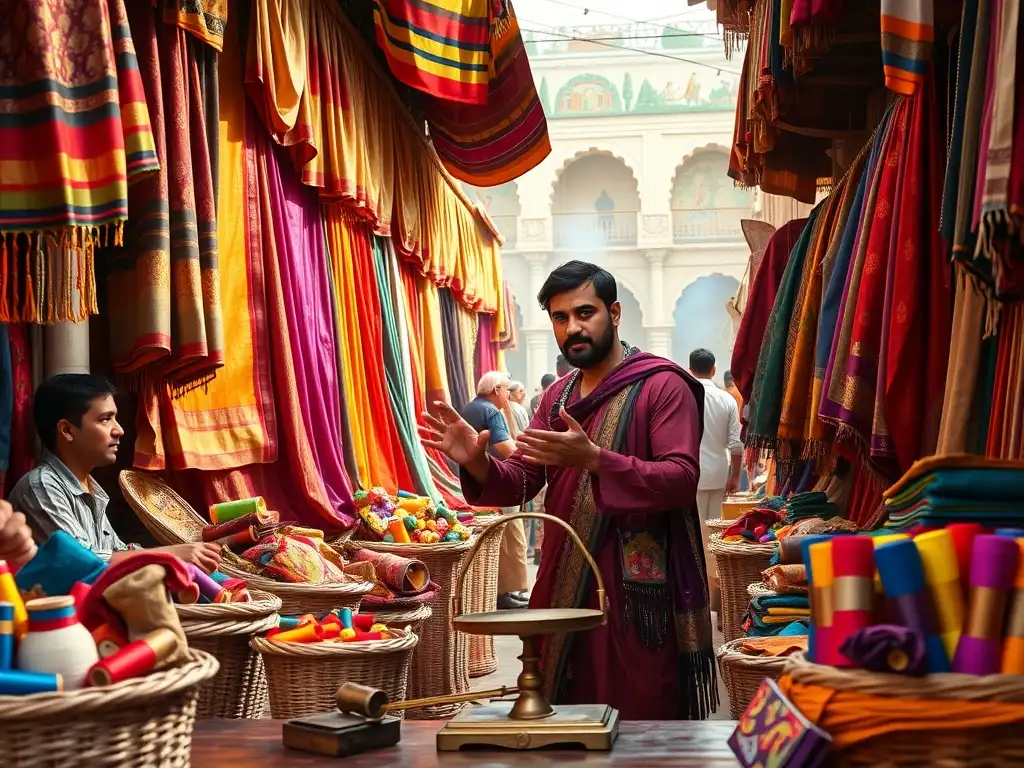
When it comes to buying Indian silk, mastering the art of negotiation is crucial to ensure you get the best quality at a fair price. The richness of Indian silk, known for its intricate designs and luxurious feel, is matched only by the skill of the negotiators who seek to acquire it. Here are some essential tips to help you navigate the process effectively.
Researching Authentic Indian Silk Suppliers
Before diving into the market, it's vital to conduct thorough research on authentic Indian silk suppliers. Understanding the landscape of silk production in India can offer insights into reputable manufacturers and traders.
- Identify Reputable Regions: Focus on well-known silk-producing regions in India, such as Varanasi, Kanchipuram, and Bhagalpur. Each of these places has its unique style and quality of silk.
- Check Certification: Look for suppliers with certifications indicating authenticity, such as the Silk Mark. This mark ensures that the silk is genuine and meets quality standards.
- Read Reviews: Online platforms and local forums can provide valuable information on suppliers. Pay attention to customer feedback and ratings for a better understanding of their reliability.
Top Indian Silk Brands to Consider
Here are some noteworthy brands renowned for their quality and authenticity in Indian silk:
| Brand Name | Specialty | Location |
|---|---|---|
| Fabindia | Handwoven silk apparel | Nationwide |
| Nalli | Kanchipuram silk sarees | Chennai |
| Taneira | Contemporary silk designs | Varanasi |
| Bunkar | Traditional weaves | Bhagalpur |
| Saree.com | Wide variety of silk sarees | Online |
These brands not only offer high-quality products but also have established reputations that can make your negotiation process smoother.
Recognizing Quality: Identifying Authentic Indian Silk
When buying Indian silk, recognizing quality is essential. Authentic Indian silk has specific characteristics that set it apart from imitation products.
Key Characteristics of Genuine Indian Silk
To identify authentic silk, look for these key characteristics:
- Luster: Genuine silk has a natural sheen that reflects light beautifully. It should appear vibrant and luxurious.
- Texture: The fabric should feel soft and smooth against the skin. Run your fingers across the silk; it should glide effortlessly.
- Burn Test: If possible, conduct a burn test. Genuine silk will burn slowly, producing a smell similar to burnt hair, while synthetic fibers will melt and smell like plastic.
- Weight: Authentic silk is typically heavier than imitation silk, providing a substantial feel when draped.
Common Imitations and How to Avoid Them
Unfortunately, the market is flooded with imitations. Here are some common types and tips on how to avoid them:
- Synthetic Silks: Fabrics like polyester or nylon are often marketed as silk. Check labels carefully and avoid products that don’t specify '100% silk'.
- Chiffon and Georgette: These lightweight fabrics can mimic silk but lack the unique feel and luster. Inspect the texture closely.
- Fake Certifications: Some sellers may display fake certifications. Always verify with official sources or request to see the documentation.
By following these buying Indian silk tips, you can enhance your negotiation skills and ensure that you acquire genuine, high-quality Indian silk that reflects the rich cultural heritage of its origins. Happy shopping!
Negotiation Strategies When Buying Indian Silk
Mastering the art of negotiation is crucial when it comes to buying Indian silk. Silk is not just a fabric; it’s a representation of centuries of craftsmanship and culture. Here are some strategies to enhance your negotiation skills:
- Do Your Research: Before engaging in negotiations, familiarize yourself with the types of Indian silk available, such as Banarasi, Kanchipuram, and Tussar. Understanding the unique characteristics and market value of these silks can provide you with the necessary leverage during negotiations.
- Build Rapport: Establishing a connection with the seller can be invaluable. Engage in friendly conversation, show genuine interest in the craftsmanship, and share your appreciation for the art of silk-making. This can create a positive atmosphere that may lead to better pricing.
- Be Patient: Negotiation is often a process that requires time. Avoid rushing into a deal; instead, take your time to evaluate the offerings and express your willingness to consider multiple options. Sellers are often more willing to negotiate if they feel the buyer is genuinely interested but not desperate.
Understanding Pricing: Factors Influencing Cost
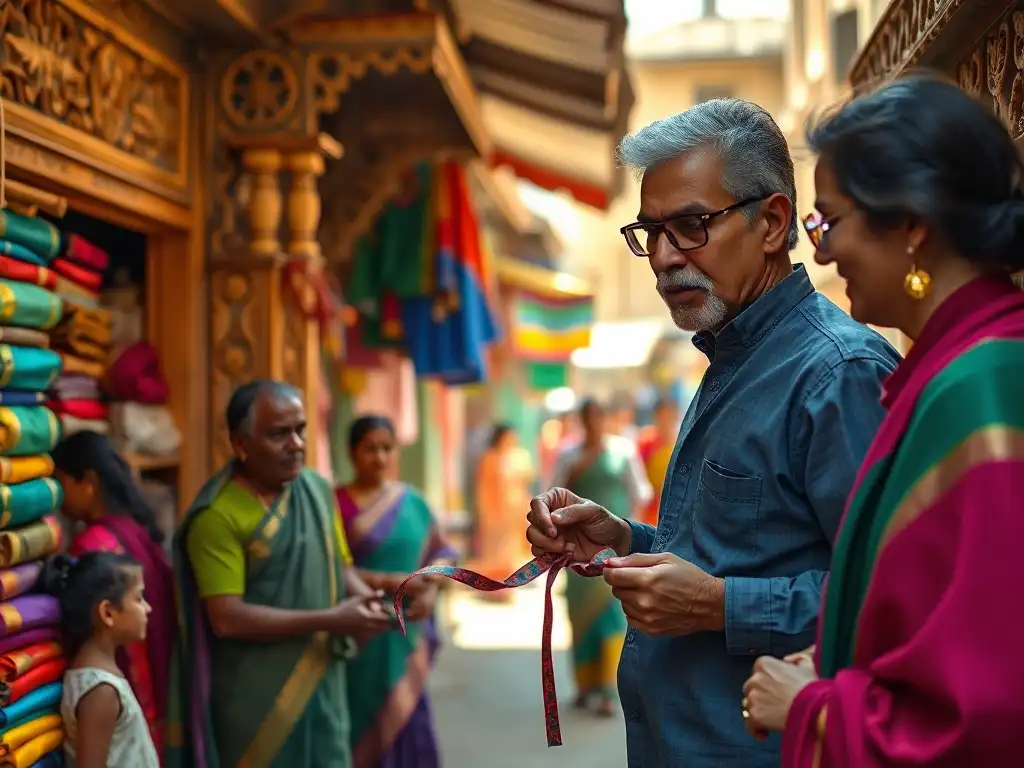
The price of Indian silk is influenced by several factors that every savvy buyer should understand:
- Type of Silk: Different types of silk come with varying price tags. For instance, Banarasi silk, known for its intricate designs and high quality, is generally more expensive than Tussar silk, which is more rustic and less elaborate.
- Weaving Technique: The craftsmanship involved in the weaving process significantly affects the cost. Handwoven silk, which involves labor-intensive techniques and skilled artisans, typically commands higher prices compared to machine-made alternatives.
- Design and Embellishments: The complexity of the design and any embellishments such as zari work or embroidery can also impact pricing. Intricate designs and custom work will increase the overall cost of the silk product.
- Market Demand: Prices can fluctuate based on seasonal trends and demand. During festival seasons or wedding months in India, silk prices may rise due to increased demand, while off-season purchases could yield better deals.
Effective Negotiation Tactics
Employing effective negotiation tactics can lead to more favorable outcomes when purchasing Indian silk. Here are some tactics to consider:
- Start Low: When making an offer, begin with a price lower than what you’re willing to pay. This gives you room to maneuver and allows the seller to counter with a higher price that might still be within your budget.
- Use Silence to Your Advantage: After making an offer, remain silent. This can create a sense of pressure on the seller to respond, and they may lower their price to fill the silence.
- Be Prepared to Walk Away: Show that you are willing to leave if the terms aren’t favorable. This tactic can often prompt the seller to make a last-minute concession to keep the sale.
- Bundle Purchases: If you’re interested in multiple items, negotiate as a package. Sellers may be more inclined to offer discounts if they see you are buying several pieces, which can lead to significant savings.
With these strategies, an understanding of pricing, and effective negotiation tactics, you can confidently approach buying Indian silk and ensure you get the best deal possible.
The Best Places to Buy Indian Silk

Online Platforms for Buying Authentic Indian Silk
In the digital age, purchasing Indian silk has never been easier. A variety of online platforms offer a wide selection of authentic silk products, catering to both domestic and international customers. Here are some of the most notable platforms:
Amazon India: A Hub for Authentic Indian Textiles
Amazon India stands out as a significant player in the online marketplace for Indian silk. It offers a vast array of options from different sellers, ensuring customers can find authentic products.
- Variety: From sarees to dupattas and stoles, the selection is extensive.
- Customer Reviews: Buyers can read reviews and ratings from other customers, which helps in making informed decisions.
- Prime Delivery: Fast shipping options make it convenient for customers looking for timely purchases.
To enhance your shopping experience, utilize the filter options available on Amazon to narrow down choices based on your preferences for fabric type, color, and price range.
Craftsvilla: Curated Collections of Indian Silk
Craftsvilla specializes in handmade and authentic Indian products, making it a go-to online destination for buyers interested in traditional textiles.
- Artisan Support: The platform connects customers directly with artisans, ensuring fair trade practices.
- Unique Designs: You can find exclusive designs that reflect the rich cultural heritage of India, often not available in mainstream markets.
- Customization Options: Some sellers offer customization services, allowing you to tailor products according to your preferences.
Shopping on Craftsvilla not only supports Indian artisans but also provides buyers with unique pieces that tell a story.
While online shopping is convenient, local markets and craft fairs present an opportunity for a more tactile experience. These venues allow you to see, touch, and feel the quality of the silk before making a purchase.
Must-Visit Locations for Authentic Indian Silk
- Chandni Chowk, Delhi: A historic market known for its vibrant atmosphere and extensive selection of silk sarees and fabrics. Bargaining is common here, so come prepared!
- Kanchipuram, Tamil Nadu: Renowned for its traditional silk sarees, Kanchipuram is a must-visit for those looking for high-quality silk products. Local weavers offer direct sales, providing an authentic shopping experience.
- Jodhpur, Rajasthan: The markets in Jodhpur offer a rich variety of silk textiles, including intricate bandhani and block-printed fabrics. The blue city’s markets are filled with colorful stalls, making it a delightful shopping adventure.
- Bangalore’s Commercial Street: A bustling shopping hub with numerous shops offering silk products. You can find everything from contemporary styles to traditional designs.
- Local Craft Fairs: Keep an eye out for craft fairs and exhibitions in cities like Jaipur and Delhi, where artisans showcase their work, providing a chance to buy directly from the creators.
Exploring these local markets and craft fairs not only allows for a unique shopping experience but also supports local economies and preserves traditional crafts. Remember to practice your negotiation skills, as bargaining is often expected in these settings!
Care and Maintenance of Indian Silk: Preserving Your Investment
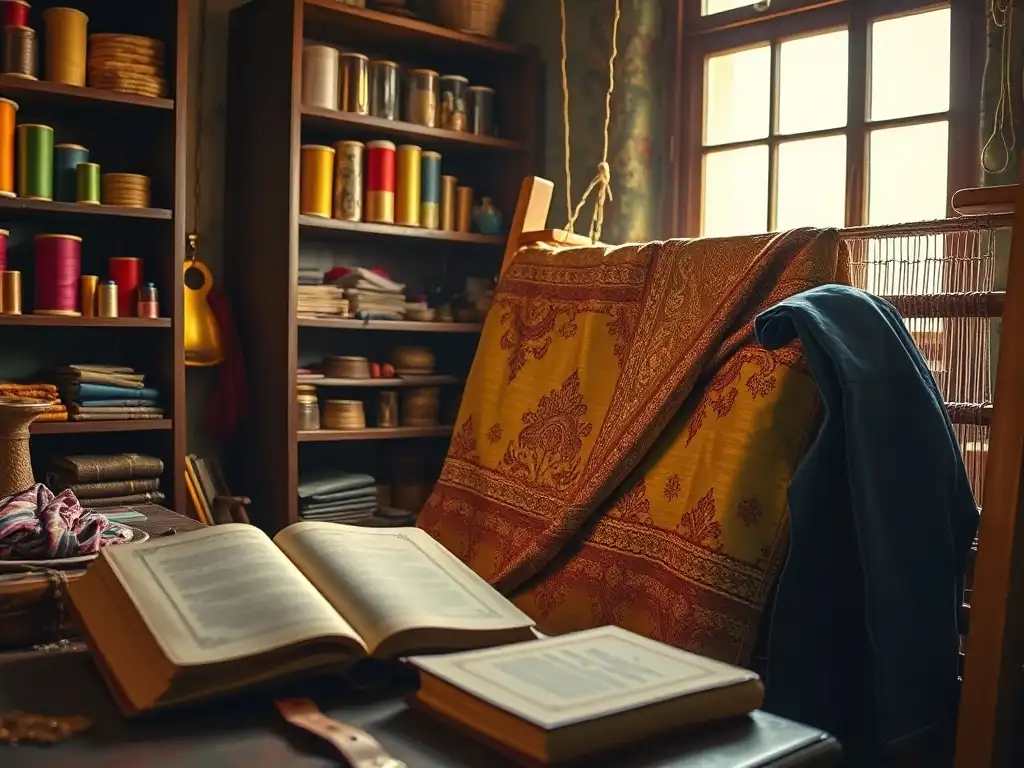
Silk from India is not only beautiful but also a significant investment. To ensure that your Indian silk garments retain their luster and longevity, proper care and maintenance are essential. This section offers valuable tips on washing and storing Indian silk, helping you preserve its quality for years to come.
Proper Washing Techniques for Indian Silk
Washing Indian silk requires a gentle approach to avoid damaging the delicate fibers. Here are some essential steps and techniques to follow:
- Hand Wash vs. Machine Wash:
- Hand Wash: This is the recommended method for cleaning Indian silk. Fill a basin with lukewarm water and add a few drops of a mild detergent specifically formulated for silk.
- Tip: Always do a patch test on a small, inconspicuous area before immersing the entire garment.
- Machine Wash: If you choose to machine wash, place the silk item in a mesh laundry bag, select a delicate cycle, and use cold water.
- Hand Wash: This is the recommended method for cleaning Indian silk. Fill a basin with lukewarm water and add a few drops of a mild detergent specifically formulated for silk.
- Rinsing:
- After washing, rinse the silk thoroughly in cool water to remove all detergent. Avoid wringing or twisting the fabric, which can cause it to lose shape.
- Drying:
- Lay the silk garment flat on a clean, dry towel, and gently roll it up to absorb excess water. Never hang silk to dry, as this can lead to stretching. Instead, drape it over a flat surface or a drying rack away from direct sunlight.
- Ironing:
- If needed, iron silk garments on the lowest heat setting while the fabric is still slightly damp. Always use a pressing cloth to protect the silk from direct contact with the iron.
Storing Indian Silk: Best Practices to Avoid Damage
Proper storage of Indian silk is crucial to maintain its beauty and integrity. Here are some best practices to consider:
- Clean Before Storing:
- Always ensure that your silk garments are clean before storing them. Stains can set over time, making them difficult to remove.
- Use Breathable Storage:
- Store silk in breathable cotton bags or boxes. Avoid plastic covers, as they can trap moisture and lead to mildew.
- Avoid Hanging:
- Hanging silk garments can cause them to stretch and lose their shape. Instead, fold them neatly and place them flat in a drawer or on a shelf.
- Keep Away from Light:
- Direct sunlight can fade colors and weaken fibers. Store silk in a dark, cool place to protect it from light exposure.
- Regular Checks:
- Occasionally check on your stored silk items to ensure they remain in good condition and are free from pests. Adding cedar chips or lavender sachets can help deter moths.
By following these care and maintenance tips, you can ensure that your investment in Indian silk remains vibrant and beautiful for many years. Embracing these practices will not only enhance the longevity of your silk garments but also allow you to enjoy the rich heritage and craftsmanship of Indian textiles.
Conclusion: Making Your Purchase Count
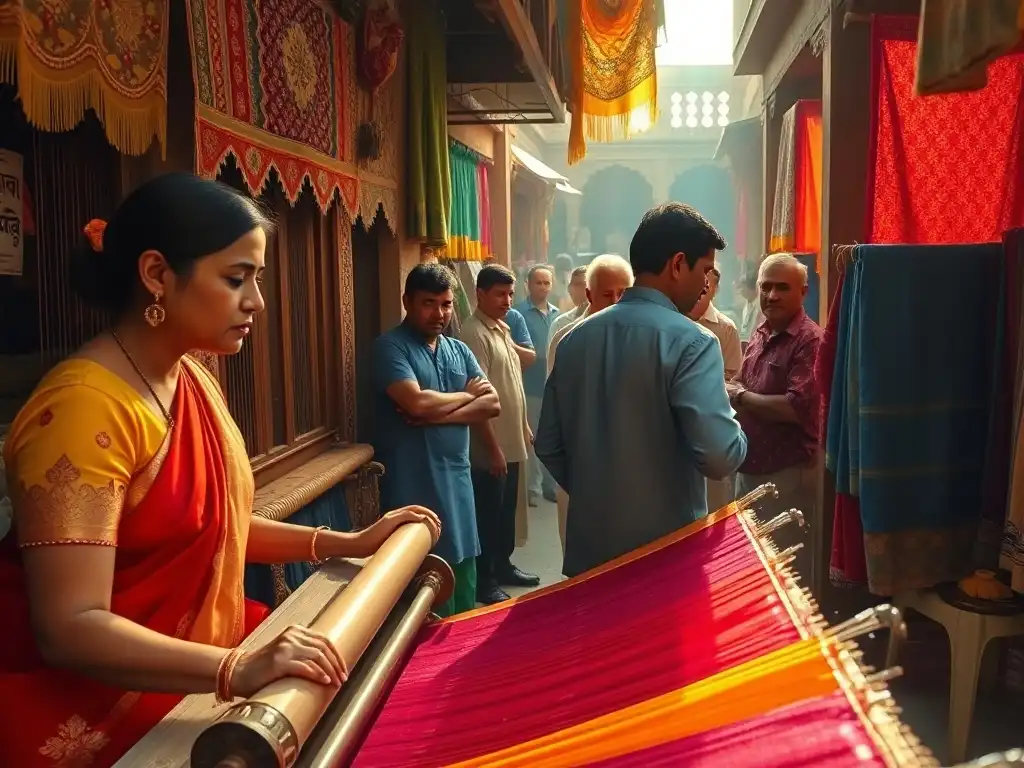
When it comes to buying Indian silk, making an informed purchase is essential to ensure you invest in high-quality textiles that reflect the rich heritage of India's weaving traditions. Here are key takeaways to help you navigate your buying experience.
Final Tips on Buying Indian Silk Like a Pro
- Know Your Types of Silk:
- Familiarize yourself with the different types of Indian silk, such as:
- Mulberry Silk: The most common and luxurious variety.
- Tussar Silk: Known for its rich texture and natural gold sheen.
- Muga Silk: Exclusive to Assam, with a unique golden hue.
- Eri Silk: Eco-friendly and soft, ideal for garments.
- Familiarize yourself with the different types of Indian silk, such as:
- Examine the Weave:
- Check the quality of the weave. Authentic Indian silk should have a fine, smooth texture, and the patterns should be intricate and well-defined.
- Use the burn test: A small thread can be burned; real silk will turn to ash, while synthetic blends will melt.
- Look for Certifications:
- Reputable sellers often provide certifications for authenticity. Look for labels indicating the origin, such as "Kanchipuram" or "Banarasi," which signify traditional weaving techniques.
- Understand Pricing:
- Be aware of the price range for different types of silk. While high-quality silk can be expensive, extremely low prices may indicate inferior materials or imitation.
- Bargaining Etiquette:
- In many markets, bargaining is expected. Approach negotiations with respect and knowledge about the product to ensure fair pricing.
- Buy from Reputable Sources:
- Whether shopping online or in markets, ensure that you are buying from trustworthy vendors. Look for reviews and ratings to gauge their credibility.
- Ask About Care Instructions:
- Proper care will prolong the life of your silk. Ask the vendor for washing and maintenance tips to keep your purchase in pristine condition.
Encouragement to Explore and Appreciate Indian Silk Culture
Indian silk is not just a fabric; it's a story woven into the cultural tapestry of the nation. Each piece carries with it the legacy of artisans who have honed their craft over generations.
- Visit Weaving Hubs: If possible, visit regions known for their silk production like Varanasi, Kanchipuram, or Mysore. Engaging with local artisans can deepen your appreciation for the skill and history behind your purchase.
- Attend Silk Exhibitions: Look for fairs and exhibitions that showcase Indian textiles. These events are fantastic opportunities to learn more about silk's evolution and significance in Indian culture.
- Support Sustainable Practices: Choosing authentic Indian silk means supporting traditional craftsmanship and often sustainable practices. Look for vendors committed to eco-friendly production methods.
By following these tips and immersing yourself in the culture of Indian silk, you can confidently navigate your purchases and celebrate the artistry of this exquisite fabric. Happy shopping!
Frequently Asked Questions
What are the key qualities to look for when buying Indian silk?
When buying Indian silk, it’s essential to check for texture, shine, and weight. High-quality silk should feel smooth and have a natural luster without any synthetic feel.
How can I ensure I’m getting authentic Indian silk?
To ensure authenticity, always ask for certificates or labels indicating the silk type. Additionally, trust reputable sellers and look for well-known brands that specialize in Indian textiles.
What are some effective negotiation tips when purchasing Indian silk?
When negotiating, start with a lower price than you are willing to pay, and be prepared to walk away. Being polite and showing knowledge about silk can also help you secure a better deal.
Are there specific regional varieties of Indian silk I should consider?
Yes, some popular varieties include Banarasi, Kanjivaram, and Mysore silk. Each has its own unique weaving techniques and designs, making them distinct and valuable.
What is the best time to buy Indian silk for the best deals?
The best time to buy is during festivals or major sales events, like Diwali or Pongal, when prices can be significantly lower. Additionally, shopping during the off-season may yield better bargaining opportunities.
Final Reflection: Mastering the Art of Negotiation in Buying Indian Silk
In today's global marketplace, the ability to negotiate effectively is more crucial than ever, especially when it comes to purchasing unique items like Indian silk. The intricate patterns and rich history behind each piece of silk fabric are not just a testament to craftsmanship but also a reflection of cultural heritage. Understanding how to navigate the nuances of negotiation can transform a simple transaction into a meaningful exchange, allowing buyers to appreciate the artistry behind Indian silk while securing a fair price.
Cultural appreciation and negotiation skills go hand in hand, shaping our interactions and experiences in profound ways. As we engage with artisans and vendors, we not only honor their craft but also foster connections that transcend borders. This ongoing dialogue enriches our understanding of the world and highlights the importance of ethical purchasing. Negotiation is not about winning or losing; it's about creating value for both parties.
This quote encapsulates the essence of negotiation in the context of buying Indian silk—where both the buyer and seller can walk away feeling satisfied and respected.
As you embark on your journey to purchase Indian silk, I invite you to reflect on the lessons shared in this article and apply them in your own life. Consider how each negotiation can be an opportunity to learn, connect, and appreciate the artistry involved. Embrace the challenge of bargaining not just as a means to an end, but as a way to celebrate the rich tapestry of culture and craftsmanship that Indian silk represents. Your next purchase could be more than just a transaction; it could be a story waiting to unfold.
Master the Art of Negotiation Today!
Thank you for diving into the intricate world of Indian silk with us! You've learned strategies to negotiate like a pro, but why stop here? Now it's time to put that knowledge into action and transform your next shopping trip into an unforgettable experience.
Here are a few steps you can take right now:
- Start Practicing: Choose a local market or an online platform to apply the negotiation techniques you've learned. Every transaction is an opportunity to refine your skills!
- Share Your Journey: Capture and share your silk discovery adventure on social media. Tag us and let’s spread the joy of finding amazing pieces together.
- Join Our Community: Connect with fellow silk enthusiasts on our website's forums. Share your experiences and ask questions, because together, we can all become better negotiators!
What's your next move in navigating the vibrant world of Indian silk? We’d love to hear your thoughts!