
The Role of Women in Ancient Indian Education: Breaking Stereotypes

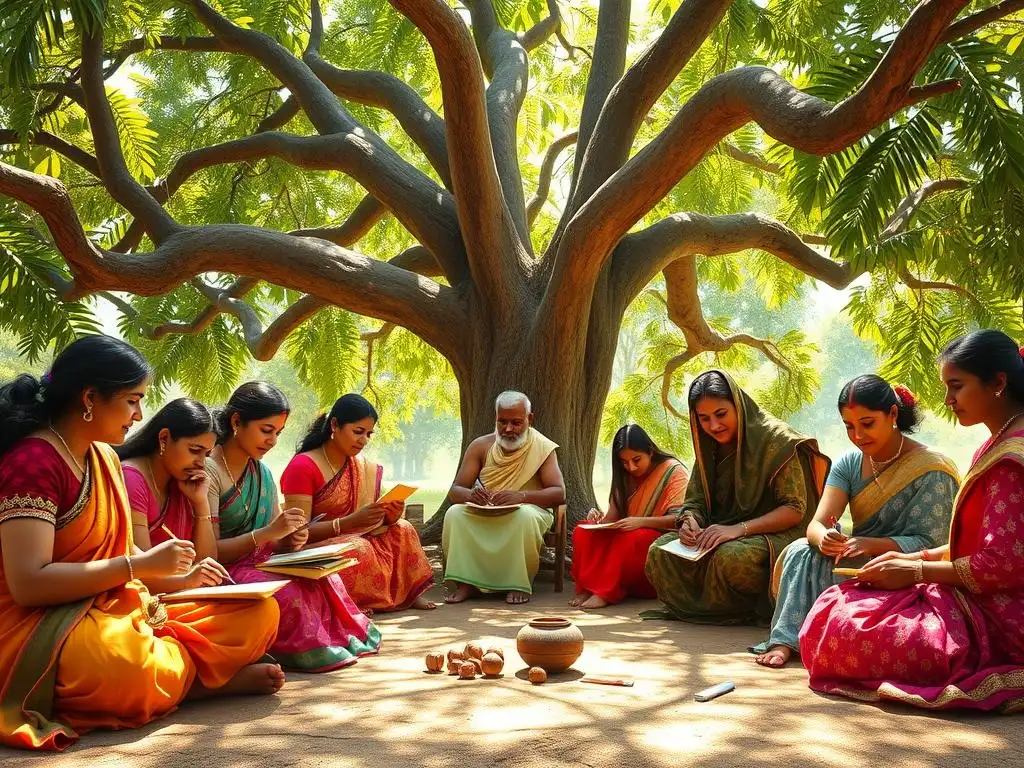
Welcome to Ancient India History, where we embark on a captivating journey through time to uncover the rich tapestry of ancient Indian civilizations. Today, we delve into a fascinating yet often overlooked aspect of our history: Women in Ancient Indian Education. This exploration not only challenges long-standing stereotypes but also highlights the pivotal roles women played in shaping educational systems. Get ready to uncover stories that will inspire and intrigue you, revealing how these remarkable women contributed to the intellectual landscape of their time. Join us as we break the mold and dive deeper into this enlightening topic!
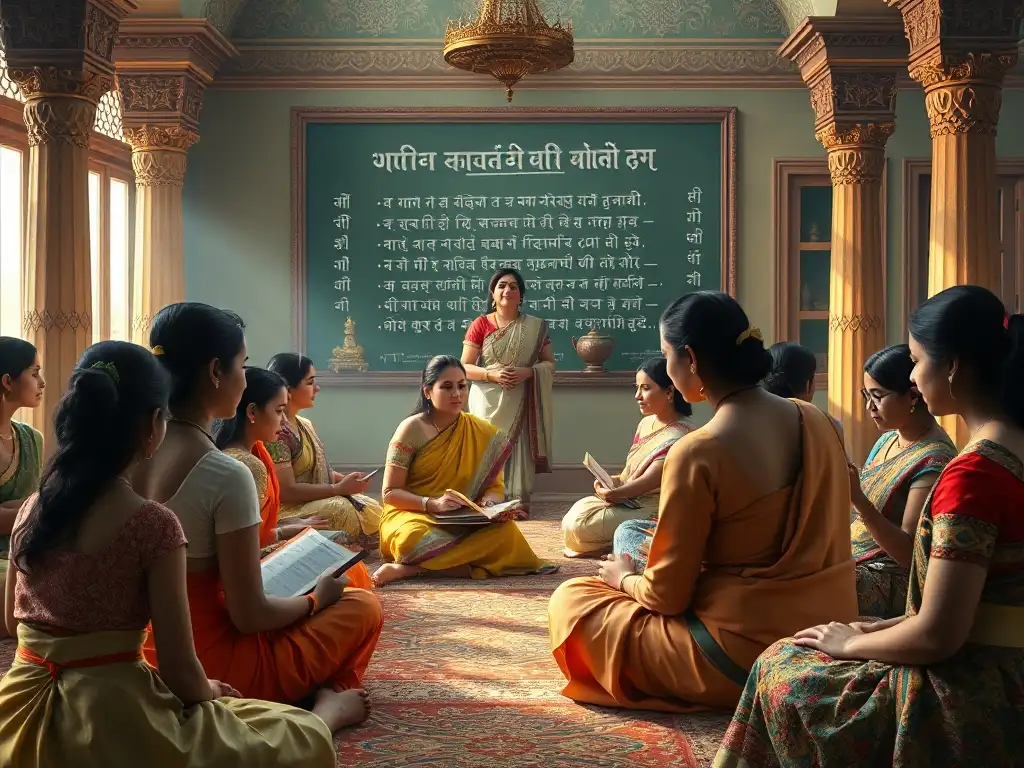
Introduction to Women in Ancient Indian Education
The role of women in ancient Indian education is a topic that has often been overshadowed by prevailing stereotypes and misconceptions about gender roles in historical contexts. Contrary to the belief that women were primarily relegated to domestic duties, evidence suggests that they played significant roles in shaping educational practices and contributing to the intellectual milieu of their time.
From the sophisticated urban centers of the Indus Valley Civilization to the philosophical discourses of the Vedic period, women participated actively in learning and teaching, challenging the stereotypes that often define their historical contributions. This article delves into the multifaceted roles of women in ancient Indian education, highlighting their contributions and the evolution of their educational rights through various historical periods.
Overview of Educational Practices in Ancient India
Ancient Indian education was characterized by a rich tapestry of practices that varied across time and regions. Education was primarily imparted through the Gurukul system, where students lived with their teachers and learned various subjects, including philosophy, mathematics, and the arts.
- Key Components of Education:
- Guru-Shishya Tradition: A close relationship between the teacher and student.
- Subjects Taught: Vedic texts, grammar, philosophy, mathematics, and arts.
- Cultural Context: Education was deeply intertwined with religious and cultural practices.
Women's education was often informal, occurring within the family or community settings, yet notable instances exist where women were recognized as scholars and educators in their own right.
Significance of Women's Roles in Education
The involvement of women in education had profound implications for ancient Indian society. Women not only contributed to the preservation and transmission of knowledge but also played crucial roles in shaping cultural narratives and values.
- Impact on Society:
- Cultural Preservation: Women were instrumental in the oral transmission of knowledge and traditions.
- Role Models: Educated women served as role models, encouraging future generations to pursue education.
- Social Change: Their participation challenged existing norms and fostered a more inclusive approach to education.
Recognizing these contributions is essential for understanding the full scope of educational practices in ancient India and the evolution of women’s rights in education.
Historical Context of Women in Education
Education in the Indus Valley Civilization
The Indus Valley Civilization (approximately 3300–1300 BCE) is one of the earliest urban cultures known for its advanced societal structures. Evidence suggests that education was valued, and there is speculation that women participated in educational practices, although direct evidence is limited.
- Key Features:
- Urban centers with potential learning hubs.
- Artifacts indicating the presence of writing and record-keeping.
- Women likely played roles in domestic education related to crafts and trade.
Vedic Period: Women as Scholars and Educators
During the Vedic period (approximately 1500–500 BCE), women gained prominence as scholars, philosophers, and educators. Texts from this era reveal that women like Gargi and Maitreyi were not only educated but also engaged in intellectual debates.
- Notable Women:
- Gargi Vachaknavi: A philosopher known for her contributions to Vedic discussions.
- Maitreyi: An accomplished scholar who engaged in philosophical dialogues on the nature of reality.
This period marks a significant transition where women were recognized as vital contributors to the educational landscape.
Post-Vedic Developments: Expanding Roles for Women
Following the Vedic period, the educational landscape continued to evolve, with increasing opportunities for women. The rise of various philosophical schools and the patronage of learning by royal families expanded access to education.
- Influences in Education:
- Buddhism and Jainism: These movements emphasized inclusive education, with teachings accessible to women.
- Patronage by Rulers: Many kings supported the education of women, seeing them as essential to societal progress.
As a result, women began to occupy more prominent roles in the educational and cultural spheres, further breaking down stereotypes and shaping the narrative of ancient Indian education.
Contributions of Women in Ancient Indian Education
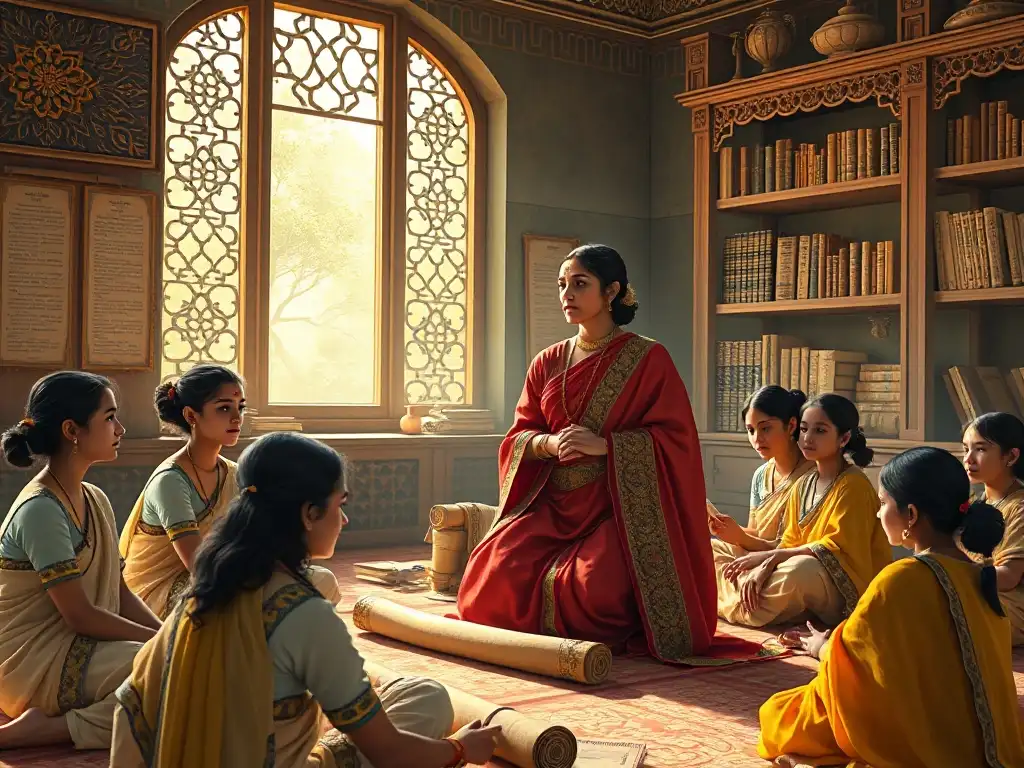
Women played a significant and often underappreciated role in the educational landscape of ancient India. Contrary to the common stereotype that women were solely confined to domestic duties, historical evidence reveals that women were active participants in various educational practices. Their contributions spanned from teaching to the development of curricula, and they were instrumental in the transmission of knowledge across generations.
The educational institutions of ancient India, such as the Gurukul system, sometimes included women as both educators and learners. Women like Gargi and Maitreyi, who are mentioned in ancient texts such as the Brahmanas, exemplified the intellectual prowess of women during this era. Their involvement in philosophical debates and discussions highlighted the acceptance of female scholars in the intellectual sphere.
Moreover, women contributed to the preservation of knowledge by engaging in oral traditions, storytelling, and the arts. This not only enriched cultural practices but also ensured that the wisdom of generations was passed down effectively. Thus, the contributions of women in ancient Indian education were multifaceted, encompassing a wide range of roles that challenged prevailing stereotypes.
Prominent Female Figures in Ancient Education
Several prominent female figures in ancient India stood out for their remarkable contributions to education and scholarship. One of the most notable was Gargi Vachaknavi, a philosopher known for her deep questions about the nature of the universe and the self, as recorded in the Brahadaranyaka Upanishad. Gargi's participation in debates with male scholars illustrates her intellectual stature and the respect accorded to her insights.
Another significant figure is Maitreyi, who is credited with profound philosophical inquiries and was known to have engaged in discussions concerning the nature of reality. Both Gargi and Maitreyi are often celebrated as pioneers in promoting women's education and philosophical thought.
Additionally, the Buddhist tradition also saw the emergence of female scholars, such as Sanghamitta, who played a crucial role in spreading Buddhist teachings and education among women. These figures not only paved the way for future generations but also challenged the patriarchal norms of their time, indicating that women's intellect and contributions were recognized and valued in ancient Indian society.
Women as Innovators in Educational Practices
Women in ancient India were not just passive recipients of knowledge; they were innovators in educational practices. One notable example is the establishment of Ashramas where women could receive education alongside men. These institutions often focused on holistic education, integrating various subjects, including philosophy, mathematics, and the arts, into the curriculum.
Moreover, women were instrumental in developing unique teaching methodologies that emphasized experiential learning, storytelling, and practical skills. The use of music, dance, and drama in teaching not only made learning engaging but also helped in the retention of knowledge. This innovative approach to education allowed for a more comprehensive understanding of various subjects.
Women also played a crucial role in the oral transmission of knowledge, serving as teachers and storytellers who passed down cultural narratives, folklore, and moral lessons. This method of education proved to be effective in preserving the rich heritage of ancient Indian culture and ensuring that the wisdom of the past continued to inform future generations.
The Curriculum for Women in Ancient India
The curriculum for women in ancient India extended beyond just domestic skills, reflecting a broader understanding of women's roles in society. While skills such as weaving, cooking, and childcare were certainly part of the education system, many women were also taught subjects that were traditionally associated with male education.
Subjects Taught to Women: Beyond Domestic Skills
Women in ancient India were educated in a variety of subjects that transcended the limitations of domestic skills. Historical texts indicate that women were taught mathematics, astronomy, philosophy, and even political science. This broad curriculum was designed to prepare women for intellectual engagement and participation in society.
In certain educational settings, such as the Gurukuls, women learned alongside men, demonstrating that the barriers to education were not as rigid as often portrayed. Subjects such as Vedas, Sanskrit literature, and the arts were included, allowing women to explore their intellectual capabilities fully. The inclusion of these subjects empowered women to contribute to philosophical discussions and cultural practices, breaking the stereotype of limited educational scope.
Role of Music, Arts, and Literature in Women’s Education
Music, arts, and literature held a prominent place in the education of women in ancient India. These disciplines were not only seen as forms of entertainment but also as essential components of a well-rounded education. Women were often encouraged to develop their artistic talents, which included music, dance, and poetry.
Learning music and the arts fostered creativity and expression, enabling women to contribute significantly to cultural practices. For instance, many women were trained in classical dance forms and instrumental music, which were integral to religious and social ceremonies. The arts also provided a medium through which women could voice their experiences and perspectives, contributing to a rich literary tradition.
Additionally, literature was a vital area of study. Women engaged with texts that ranged from sacred scriptures to poetry, allowing them to explore themes of love, devotion, and philosophy. This literary engagement not only enriched their personal lives but also positioned them as contributors to the broader cultural narrative of ancient India.
Comparison of Educational Access for Men and Women
While there were significant contributions and educational opportunities for women, access to education was not uniform when compared to their male counterparts. Men generally had more extensive access to formal educational institutions, particularly in higher learning environments such as Vedic schools and universities like Nalanda and Takshashila. These institutions often focused on rigorous academic disciplines, whereas women’s education was frequently limited to specific contexts.
However, the nature of women's education was often more practical and community-focused. Women learned skills that were necessary for managing households and participating in social life. In many cases, this education occurred within the family or through informal networks, which, although valuable, did not provide the same breadth of knowledge as formal education for men.
Despite these disparities, the presence of women in educational settings, albeit limited, suggests a complex landscape where women were not entirely excluded but rather engaged in a different form of educational experience. The contrast in educational access highlights both the advancements made by women in ancient Indian education and the societal structures that continued to influence their educational opportunities.
Breaking Stereotypes: Women Challenging Norms
Throughout ancient Indian history, women played a significant yet often overlooked role in education. Despite prevailing societal norms that restricted their access to formal learning, many women defied these stereotypes and actively engaged in educational pursuits. These women not only challenged the traditional boundaries set by a patriarchal society but also contributed to the intellectual and cultural fabric of their time. By participating in various forms of education—ranging from religious studies to philosophical debates—women carved out spaces for themselves, reshaping perceptions of their capabilities and roles in society.
Their involvement in education was not merely an act of personal ambition; it was a collective movement that demonstrated the potential of women as scholars, philosophers, and educators. This shift in perspective was critical in breaking down the rigid stereotypes that often confined women to domestic roles.
Women’s Participation in Religious and Philosophical Education
In ancient India, religious and philosophical education was central to societal development, and women participated in these fields in various capacities. Texts such as the Vedas and Upanishads reveal the presence of female scholars, known as Brahmavadinis, who engaged in spiritual discussions and contributed to religious texts. Figures like Gargi and Maitreyi are celebrated for their intellectual contributions and their ability to debate profound philosophical concepts with male scholars.
Moreover, education in these realms often took place in ashrams, where women could receive tutelage from revered sages. This environment encouraged women to explore spiritual and philosophical questions, allowing them to articulate their thoughts and beliefs. Such participation was revolutionary, as it challenged the notion that women were incapable of engaging in complex intellectual discourse.
The Impact of Education on Women’s Social Status
Education had a profound impact on the social status of women in ancient India. Access to knowledge translated into greater agency and respect within their communities. Educated women often assumed pivotal roles as spiritual leaders, educators, and advisors, thereby altering the societal dynamics of their time.
For instance, women who received education in the arts and sciences could contribute to cultural and intellectual advancements, influencing societal values. As they became more knowledgeable, their voices began to resonate in public spheres, challenging the entrenched norms that restricted them to domesticity. This evolution not only elevated their status but also set a precedent for future generations, emphasizing the importance of education in achieving gender equality.
Case Studies of Women Who Transformed Educational Norms
Several remarkable women in ancient India exemplified the transformative power of education, serving as case studies for breaking educational norms.
- Gargi Vachaknavi: A renowned philosopher, Gargi was famous for her participation in the philosophical debates during the Brahmanical period. Her contributions to the Brahmanas highlighted the intellectual prowess of women.
- Maitreyi: Another prominent figure, Maitreyi challenged traditional views by engaging in discussions about Atman and Brahman, showcasing women’s capability to explore complex metaphysical concepts.
- Vachaknavi: A scholar and poet, she composed works that emphasized women's roles in society, influencing cultural narratives about gender.
These women not only broke barriers within educational contexts but also inspired subsequent generations to pursue knowledge, illustrating the potential of women as educators and intellectuals in their own right.
The Legacy of Women's Education in Ancient India
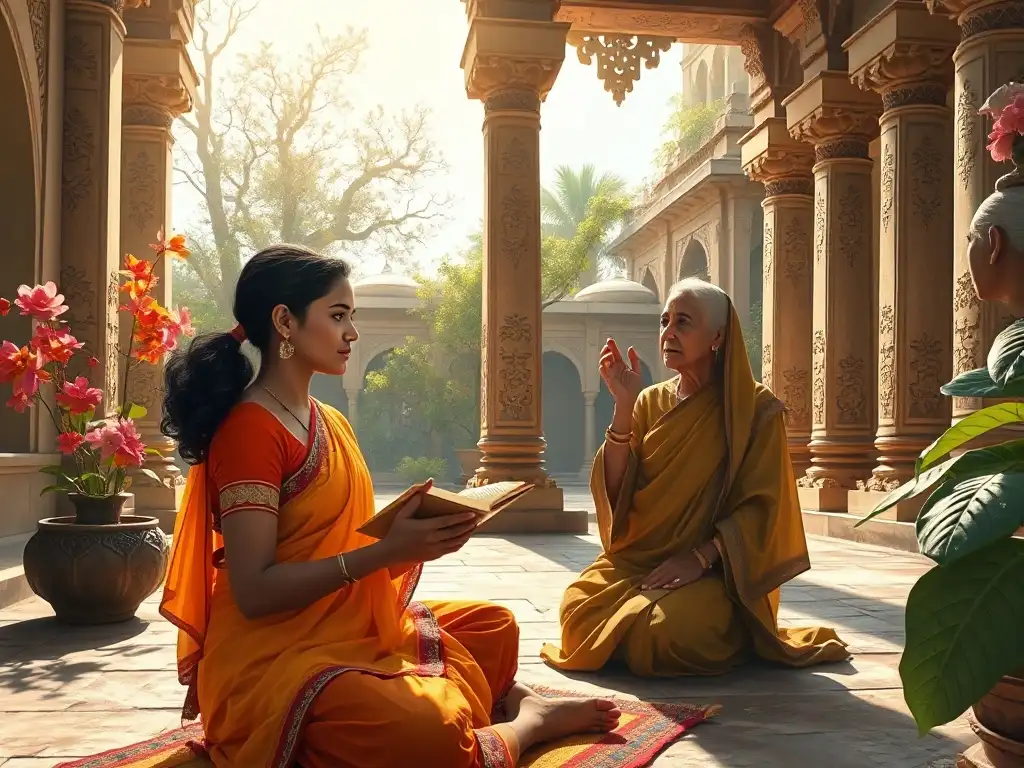
The legacy of women's education in ancient India has profound implications for contemporary society. The strides made by women in ancient times laid a foundation for future advancements in gender equality and educational access. The acknowledgment of women as capable scholars and educators has persisted through the ages, influencing perceptions of women's roles in education today.
Influence on Modern Educational Practices for Women
Modern educational practices for women can trace their roots back to the progressive movements initiated by women in ancient India. The recognition of women's intellectual capabilities has led to increased advocacy for girls' education and gender-inclusive policies in contemporary educational institutions.
As a result, educational systems today emphasize the importance of female representation in various fields of study, encouraging girls to pursue knowledge and careers traditionally dominated by men. This ongoing evolution reflects the enduring impact of women’s contributions to education in ancient India, highlighting the necessity of inclusive practices in shaping future generations.
Lasting Impacts on Gender Equality in Education
The efforts of women in ancient Indian education have had lasting impacts on the pursuit of gender equality in education. By challenging societal norms and demonstrating their intellectual capabilities, these women set a precedent that continues to resonate today.
In modern contexts, the fight for equal educational opportunities for all genders draws heavily from the historical context established by ancient scholars. The growing emphasis on women's education globally can be seen as a continuation of the legacy left by these pioneering women, reinforcing the belief that education is a fundamental right for everyone, regardless of gender.
This historical perspective not only enriches our understanding of women's roles in education but also underscores the importance of sustaining efforts towards equality in educational systems worldwide.
Conclusion: Reassessing the Role of Women in Ancient Indian Education
The exploration of women's roles within ancient Indian education reveals a complex and multifaceted narrative that challenges conventional stereotypes. Women were not merely passive recipients of knowledge; they actively participated in the educational landscape of their time. From the revered status of female scholars like Gargi and Maitreyi to the involvement of women in the Gurukul system, it is evident that ancient Indian society recognized and valued female intellect and contribution to education.
This reassessment encourages a broader understanding of historical narratives, urging scholars and enthusiasts alike to delve deeper into the records of women's educational achievements. The acknowledgment of women's roles in ancient education is not only essential for historical accuracy but also serves as an inspiration for contemporary discussions on gender equality in education.
Summary of Key Findings
- Active Participation: Women were engaged in various educational practices, including philosophy, poetry, and the arts, often as influential teachers and scholars.
- Gurukul System: Some women were known to study in Gurukuls, challenging the notion that education was exclusively male-dominated.
- Cultural Contributions: The contributions of women to literature and the sciences played a crucial role in the development of ancient Indian intellectual traditions.
- Religious Education: Women also participated in religious education, which was fundamental to societal norms and cultural heritage.
Recognizing these aspects allows for a more nuanced understanding of gender roles in ancient India and highlights the importance of women's contributions to the educational landscape.
The Importance of Recognizing Women’s Contributions to Education
Acknowledging the role of women in ancient Indian education is vital for several reasons. Firstly, it enriches our understanding of the educational systems of the time, illustrating that education was a shared endeavor rather than a gender-exclusive domain. Secondly, recognizing women's contributions helps to dismantle long-standing stereotypes about gender roles in history.
Furthermore, this awareness can foster contemporary discussions regarding gender equity in education. By highlighting historical precedents where women excelled in education, we can draw parallels to modern challenges and advocate for inclusive educational practices today. This recognition not only honors the past but also empowers future generations to pursue knowledge without gender biases.
References
Suggested Readings on Women in Ancient Indian Education
- "Women and Education in Ancient India" by R. C. Sharma: This book provides an in-depth analysis of women's roles in education throughout various periods in ancient India.
- "The Role of Women in Vedic Literature" by A. M. Desai: This work focuses on the representation of women in Vedic texts and their contributions to education and knowledge.
- "Gargi and Maitreyi: The Philosophers of Ancient India": by N. R. Dutta: A study on the contributions of prominent female philosophers to ancient Indian thought and education.
Additional Resources on Ancient Indian Educational Systems
- "Education in Ancient India" by S. K. Nair: This resource outlines the various educational systems in ancient India, including the role of women.
- "The Gurukul System: A Historical Perspective": An article that details the Gurukul system's structure and its inclusivity concerning female students.
- "Women in Ancient Indian History" by P. S. Reddy: A comprehensive overview of women's roles in various aspects of ancient Indian society, including education.
These resources provide valuable insights into the historical context and contributions of women in education, paving the way for further exploration and understanding of their significant roles in shaping ancient Indian civilization.
- Introduction to Women in Ancient Indian Education
- Overview of Educational Practices in Ancient India
- Significance of Women's Roles in Education
- Historical Context of Women in Education
- Contributions of Women in Ancient Indian Education
- The Curriculum for Women in Ancient India
- Breaking Stereotypes: Women Challenging Norms
- The Legacy of Women's Education in Ancient India
- Conclusion: Reassessing the Role of Women in Ancient Indian Education
- References
- What was the role of women in ancient Indian education?
- How did societal norms affect women's education in ancient India?
- Were there any notable women scholars in ancient India?
- What contributions did women make to education in ancient India?
- How can we see the impact of women in ancient Indian education today?
Frequently Asked Questions
What was the role of women in ancient Indian education?
Women in ancient India played a significant role in education, often participating in formal and informal learning. They contributed to the preservation of knowledge and were involved in teaching various subjects.
How did societal norms affect women's education in ancient India?
Societal norms often restricted women's access to education, but many women defied these norms. Some were educated in gurukuls and participated in intellectual gatherings, challenging stereotypes.
Were there any notable women scholars in ancient India?
Yes, several women scholars like Gargi and Maitreyi are remembered for their intellectual prowess. They engaged in philosophical debates and contributed significantly to Vedic literature.
What contributions did women make to education in ancient India?
Women contributed to the transmission of knowledge by teaching their children and participating in scholarly discussions. Their involvement helped shape various fields, including literature, philosophy, and science.
How can we see the impact of women in ancient Indian education today?
The legacy of educated women in ancient India continues to inspire modern educational reforms. Their contributions challenge contemporary gender stereotypes and promote gender equality in education.
Final Reflection: Empowering Voices of Women in Ancient Indian Education
The exploration of Women in Ancient Indian Education reveals a profound legacy that resonates powerfully in today's society. As we uncover the stories of women who defied societal norms to pursue knowledge, we recognize that their struggles and triumphs are not just historical footnotes but rather a mirror reflecting the ongoing fight for gender equality in education. This legacy reminds us that the pursuit of knowledge is a fundamental right, and the courage of these women serves as a beacon of hope for those still battling stereotypes in various forms.
The influence of women in ancient Indian education extends far beyond the past; it continues to shape our cultural and social landscape today. These pioneering figures not only challenged the status quo but also laid the groundwork for future generations to aspire to education and empowerment. Their stories inspire countless women and girls to seek knowledge and leadership roles in a world that often still imposes limitations based on gender. As Mahatma Gandhi once said, The best way to find yourself is to lose yourself in the service of others.
This sentiment echoes the essence of education as a means to uplift not just oneself but the entire community.
As we reflect on the lessons drawn from the remarkable women of ancient India, let us carry their spirit forward into our own lives. Consider how you can contribute to breaking stereotypes in your community, whether through mentorship, advocacy, or simply by sharing knowledge. Each of us has the power to inspire change, just as those women did centuries ago. Embrace the challenge to uplift others, and in doing so, honor the legacy of those who fought for the right to learn and teach.
Empower Your Knowledge: Embrace the Legacy of Women in Ancient Education!
Thank you for diving into the fascinating world of women's contributions to education in ancient India! Your interest not only expands your understanding but also honors the trailblazers who broke societal barriers. Now, it’s time to take that inspiration and transform it into action.
Here are some powerful steps you can take:
- Explore the significant contributions of women educators in ancient India by reading scholarly articles or books that highlight their influence.
- Share this article with friends and family to spark discussions about the evolution of gender roles and education throughout history.
- Consider joining a community, either locally or online, that focuses on women's history to connect with others who share your passion.
What aspect of women's educational roles in ancient India surprised you the most, and how do you see it impacting today’s society?