
The Role of Community in Supporting Education in Ancient India

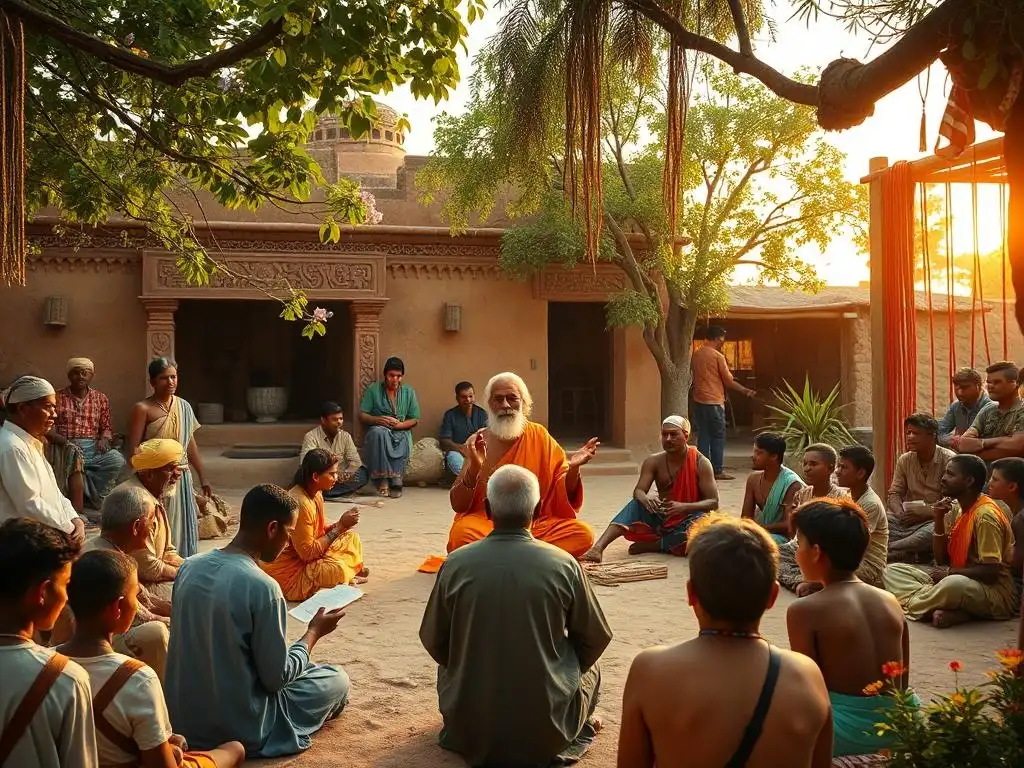
Welcome to Ancient India History, where we embark on a captivating journey through the vibrant tapestry of ancient Indian civilizations. Here, we delve deep into the rich and diverse history that shaped the foundations of education in this remarkable era. In our featured article, "The Role of Community in Supporting Education in Ancient India," we uncover how communal bonds fostered learning and intellectual growth, reflecting the profound impact of collective support on educational systems.
Join us as we explore the intricate connections between community and education, and discover the wisdom that continues to resonate today. Prepare to be inspired and enlightened—your journey into the heart of ancient India starts here!
Introduction to Ancient India Education Community Support
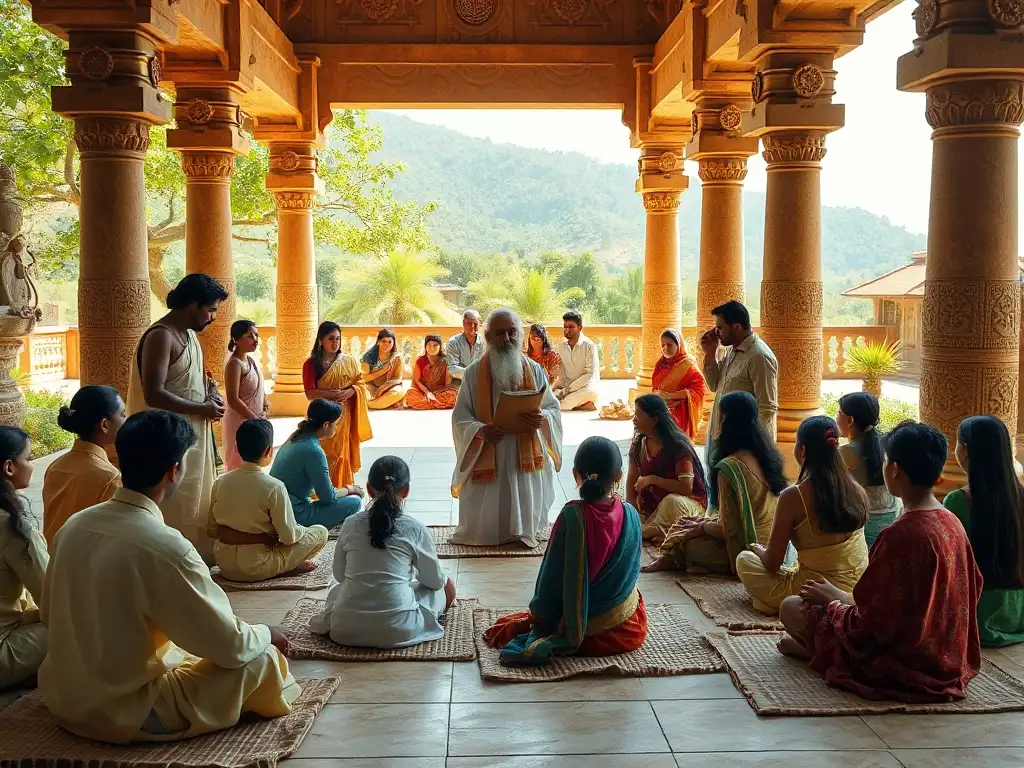
The history of education in ancient India is a fascinating tapestry woven from various cultural, social, and philosophical threads. At the heart of this rich educational landscape lies a crucial element: community support. In ancient India, education was not merely a solitary pursuit; it was a communal endeavor that involved families, local leaders, and entire societies working together to foster learning and knowledge dissemination.
This article delves into how community support played a pivotal role in shaping educational practices, ensuring that knowledge was preserved, shared, and advanced across generations. By exploring the symbiotic relationship between education and community in ancient India, we can gain insights into the foundational principles that influenced educational systems and practices, many of which have echoes in contemporary society.
Overview of Educational Practices in Ancient India
In ancient India, education was characterized by a variety of practices that emphasized holistic development. The Gurukuls, or traditional schools, were central to this system, where students lived with their teachers (gurus) and received instruction not only in academic subjects but also in moral and ethical values.
- Curriculum Focus: Ancient Indian education encompassed a wide range of subjects, including:
- Vedic studies: Focusing on spiritual texts and rituals.
- Mathematics and Astronomy: Knowledge of numbers and celestial movements.
- Medicine: The foundations of Ayurveda.
- Arts and Crafts: Encouraging creativity and practical skills.
The communal aspect of these educational practices meant that families often collaborated to support the Gurukuls, providing resources and engaging in the educational process.
Importance of Community in Education
The involvement of the community was critical in various ways:
- Resource Sharing: Families contributed resources such as food, materials, and labor to support educational institutions.
- Collective Responsibility: Education was viewed as a societal duty, with community members taking an active role in nurturing and mentoring students.
- Cultural Transmission: The community played a vital role in passing down traditions, languages, and philosophies, ensuring continuity in knowledge.
Through these communal efforts, education became a shared journey, enriching the lives of individuals and society as a whole.
Historical Context of Education in Ancient India
Understanding the role of community in ancient Indian education requires a look at the historical context that shaped these educational systems.
Education Systems in Ancient Indian Civilizations
Ancient India witnessed several prominent civilizations, each contributing to the evolution of educational practices:
- The Indus Valley Civilization: Early evidence suggests the presence of organized education, focusing on trade and crafts.
- The Vedic Period: Marked by the establishment of Gurukuls and a focus on spiritual and philosophical learning.
- The Maurya and Gupta Empires: Development of formal universities like Nalanda and Takshashila, fostering higher education and attracting students from across the globe.
These systems were characterized by a strong interdependence between education and community support, which allowed for the flourishing of knowledge across diverse fields.
Role of Gurukuls and Community Centers
The Gurukul system exemplifies the communal approach to education in ancient India:
- Living Arrangements: Students lived in the Gurukul, forming a close-knit community with their peers and teachers, fostering a sense of belonging and shared purpose.
- Community Involvement: Local leaders and families often supported Gurukuls through donations or by providing essential services, reinforcing the significance of education within the community.
In essence, the Gurukuls and community centers served as not just educational institutions but as hubs of cultural and social interaction, highlighting the indispensable role of community in the educational landscape of ancient India.
Community Contributions to Education in Ancient India
The role of community in supporting education in ancient India was profound and multifaceted, reflecting the interconnectedness of social structures and educational practices. Education was not solely a function of formal institutions; rather, it was a communal endeavor where families, local leaders, and various social groups played significant roles. The community's contributions spanned financial support, knowledge transmission, and the establishment of educational norms, which collectively fostered a rich learning environment.
Communities often organized themselves around the needs of educational institutions, whether they were vedic schools, gurukuls, or monasteries. Resources such as land, food, and monetary donations were frequently pooled together to sustain these centers of learning. Additionally, communal gatherings served as platforms for sharing knowledge and discussing educational methods, thereby ensuring that education was relevant to the local context and culture. This collaborative approach not only enhanced the educational landscape but also strengthened community bonds, fostering a shared commitment to learning and advancement.
Involvement of Families in Educational Practices
Families in ancient India were deeply involved in educational practices, often viewing education as a communal responsibility rather than an individual pursuit. Parents actively participated in the early education of their children, particularly in the home environment, where foundational skills such as language, morality, and cultural customs were imparted. This familial involvement extended to the selection of appropriate educational institutions, often based on the family's caste, socio-economic status, and specific educational needs.
In many cases, families would engage in cooperative learning practices, gathering together with other families to provide informal education. This could include storytelling, discussions about religious texts, and practical skill development relevant to daily life. Such interactions not only enhanced the learning experience but also reinforced communal ties, as families collectively invested in the future of their children and the broader community.
Role of Local Leaders and Elders in Supporting Education
Local leaders and elders held a vital position in the educational framework of ancient India. They were often seen as custodians of knowledge and tradition, guiding the community in educational endeavors. Their involvement ranged from advocating for the establishment of schools to actively participating in the teaching process. Elders frequently acted as mentors, sharing wisdom and life experiences that enriched the educational journey of the youth.
Moreover, local leaders played a crucial role in mediating disputes related to education and ensuring that educational practices aligned with community values and customs. Their influence helped in mobilizing resources and garnering support for educational initiatives, making them essential advocates for the advancement of learning within their communities. This leadership not only facilitated access to education but also helped in establishing a culture of respect for knowledge and scholarship.
The social structures of ancient India significantly influenced the educational landscape, shaping who had access to education and in what form. The intricate interplay of caste, gender, and local customs created a complex environment where education was both a privilege and a responsibility. Understanding these dynamics is crucial for appreciating how community support for education was conditioned by these social frameworks.
Caste System and Its Influence on Educational Accessibility
The caste system in ancient India had a profound impact on educational accessibility, often determining the type and level of education individuals could receive. Generally, higher castes, such as Brahmins and Kshatriyas, had greater access to formal education, including Vedic studies and philosophical teachings. Conversely, lower castes faced significant barriers, with many being excluded from formal educational institutions altogether.
Community support played an essential role in navigating these restrictions. In some cases, individuals from lower castes found alternative paths to education through informal networks, often facilitated by sympathetic members of higher castes who recognized the value of inclusive education. These community-driven efforts helped to challenge the rigid boundaries imposed by the caste system, allowing for a gradual transformation in educational practices that recognized the potential of all members of society.
Gender Roles in Education and Community Support
Gender roles in ancient India also significantly influenced educational opportunities and community support for education. Traditionally, education for boys was prioritized, focusing on skills deemed necessary for societal roles, such as governance, warfare, and scholarship. In contrast, girls' education was often limited to domestic skills, with the expectation that they would assume roles as wives and mothers.
However, community dynamics sometimes allowed for exceptions to these norms. In certain regions and among specific communities, families and local leaders recognized the importance of educating girls, leading to informal educational practices that included teachings in literature, arts, and even philosophy. The support of the community in advocating for girls’ education was crucial in areas where such education was not the norm, reflecting a growing awareness of the value of women’s contributions to society. This evolution in gender roles within the educational sphere illustrates how community support could challenge traditional norms and create more inclusive educational practices.
Case Studies of Community-Led Educational Initiatives
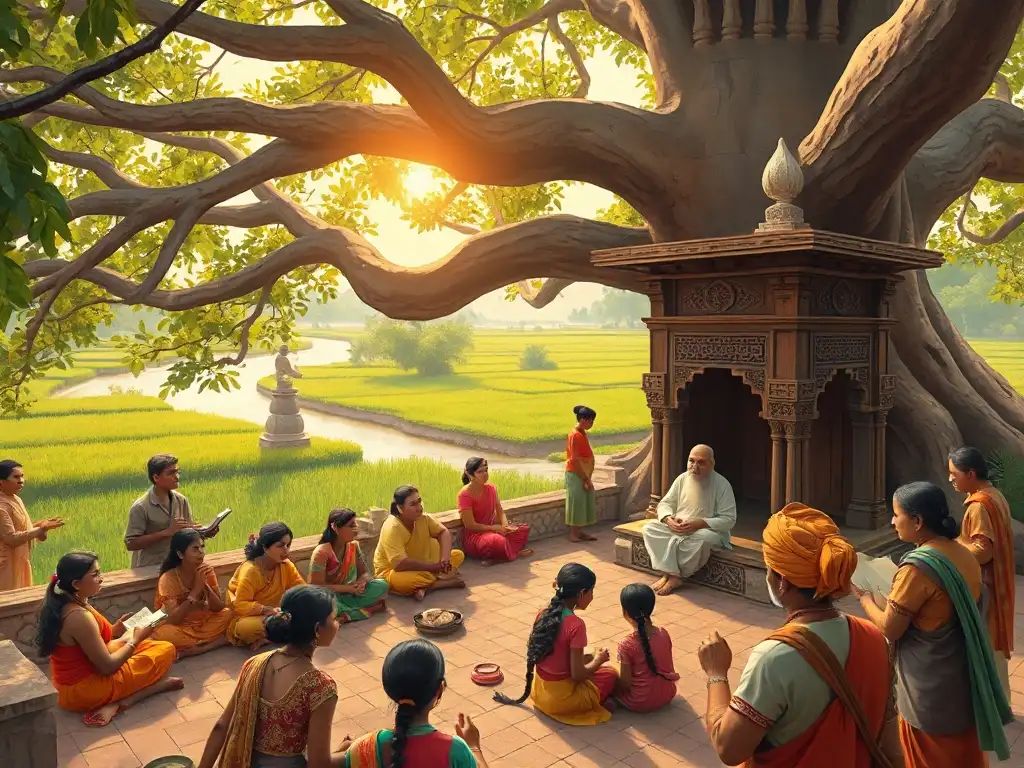
Community involvement in education was a cornerstone of ancient Indian society, where local traditions and collective values played a pivotal role in shaping educational practices. Several notable case studies exemplify the successes and methodologies of community-led educational initiatives in ancient India.
One prominent example is the Gurukul system, where students (shishyas) would live with their teacher (guru) in a communal setting. The community supported these schools by contributing resources and ensuring that knowledge was disseminated through collective participation. Families often worked together to provide for the guru and his students, creating a nurturing environment that emphasized mutual respect and collective growth.
Another significant case is the Buddhist monastic schools, which emerged during the Mauryan period. These institutions were supported by local communities that provided alms and resources to sustain the monastic life. The monastic schools attracted students from various backgrounds, fostering a diverse learning environment. The community's active role in supporting these schools not only enhanced access to education but also promoted the values of cooperation and shared responsibility.
Furthermore, the Vedic educational institutions also illustrate community involvement, where rituals and communal gatherings were integral to the learning process. Education was often a collective endeavor, with knowledge passed down from one generation to another through community engagement in rituals and ceremonies.
Examination of Notable Ancient Indian Schools
Several notable educational institutions in ancient India highlight the significance of community support in education. Among them, Takshashila (Taxila) stands out as one of the earliest known universities. With a diverse student body from various regions, Takshashila thrived on community patronage, receiving support from local rulers and affluent families. This community backing facilitated the establishment of libraries, infrastructure, and a diverse curriculum that included subjects such as philosophy, medicine, and mathematics.
Another prominent institution was Nalanda University, which flourished during the Gupta Empire. It attracted scholars and students from across Asia, supported largely by the local community and royal patrons. The community played a crucial role in maintaining the university's resources, such as housing and food for students and teachers, thus creating an environment conducive to learning and cultural exchange.
Moreover, Vikramshila, founded by the king Dharmapala in the 8th century, was another exemplary institution that relied heavily on community involvement. Here, not only did local families contribute to its sustenance, but the community also engaged in discussions and debates that enriched the educational experience for students.
Success Stories of Community Involvement in Education
Community involvement in education in ancient India bore fruit in many remarkable ways. One success story can be found in the Gurukul system, where the close-knit relationships between teachers, students, and their families fostered a supportive learning environment. This system resulted in profound knowledge transfer and the preservation of ancient texts and traditions, ensuring that crucial cultural and educational legacies were passed down through generations.
Another notable success is seen in the Buddhist monastic schools, particularly during the reign of Emperor Ashoka. His support for the spread of Buddhism led to the establishment of numerous monastic schools that educated thousands of students. The community's active participation in these schools created a robust educational network that emphasized moral education, critical thinking, and ethical living.
In regions like Kanyakubja, community involvement led to the establishment of schools that focused on specific local needs, such as agriculture and trade education. This localized approach not only empowered the community but also enhanced the economic stability of the region, demonstrating the practical benefits of community-supported education.
Challenges Faced by Educational Communities in Ancient India
Despite the many successes, educational communities in ancient India faced several challenges that hindered their effectiveness. These obstacles were often rooted in socioeconomic factors and cultural barriers.
Socioeconomic Barriers to Education
One of the most significant challenges was the socioeconomic disparity prevalent in ancient Indian society. Access to education was often limited to the upper castes, while lower castes and marginalized communities faced systemic barriers that prevented them from participating in educational initiatives. The lack of financial resources meant that many families could not afford to send their children to schools, particularly in the Gurukul system, where students were expected to contribute to the household of the guru.
Additionally, the agrarian economy meant that children were often required to work in the fields, further limiting their access to educational opportunities. This economic necessity created a cycle of poverty, where the lack of education perpetuated socioeconomic challenges for future generations.
Cultural Obstacles to Community Involvement
Cultural norms and practices also posed significant obstacles to community involvement in education. Rigid caste systems created divisions within communities, where individuals from lower castes were often discouraged or outright forbidden from pursuing education. This exclusion not only stifled individual potential but also deprived the community of diverse perspectives and talents.
Moreover, traditional views on gender roles further complicated educational access. In many regions, girls were not encouraged to pursue formal education, as societal expectations prioritized domestic responsibilities over academic pursuits. This cultural bias significantly limited the educational landscape, resulting in a loss of potential contributions from half of the population.
Ultimately, while community support played a crucial role in the educational framework of ancient India, addressing these socioeconomic and cultural challenges was essential for fostering an inclusive and effective educational system.
The Legacy of Community Support in Ancient Indian Education
Ancient India was characterized by a strong sense of community, which played a pivotal role in the educational landscape of the time. Education was not solely the responsibility of formal institutions; rather, it was a communal effort that involved families, local leaders, and the broader society. The Gurukula system, where students lived with their teachers, exemplified this community-based approach to education. In these settings, knowledge transfer extended beyond academic learning, encompassing moral and ethical teachings, cultural practices, and social responsibilities.
Community support manifested in various forms, such as funding for educational institutions, the involvement of local elites in establishing schools, and the collective participation of families in the education of their children. This collaborative framework fostered an environment where knowledge flourished, and diverse subjects, including philosophy, mathematics, and the arts, were pursued. The legacy of this support can be seen in the emphasis on holistic education, which prioritized character development alongside intellectual growth.
Lasting Impacts on Modern Educational Practices
The collaborative spirit of ancient Indian education continues to influence modern educational practices. Today, many educational frameworks recognize the importance of community involvement in fostering student success. Programs that encourage parental engagement and local partnerships reflect the ancient model, where the entire community plays a role in shaping educational outcomes.
For instance, modern initiatives often draw on the concept of co-learning, where students, teachers, and community members collaborate to create a rich learning environment. This approach not only enhances academic performance but also promotes social cohesion and a sense of belonging among students. Furthermore, the integration of local culture and knowledge into curricula echoes the ancient practice of contextualized learning, which remains relevant in today's diverse educational settings.
Lessons Learned from Ancient India’s Educational Community
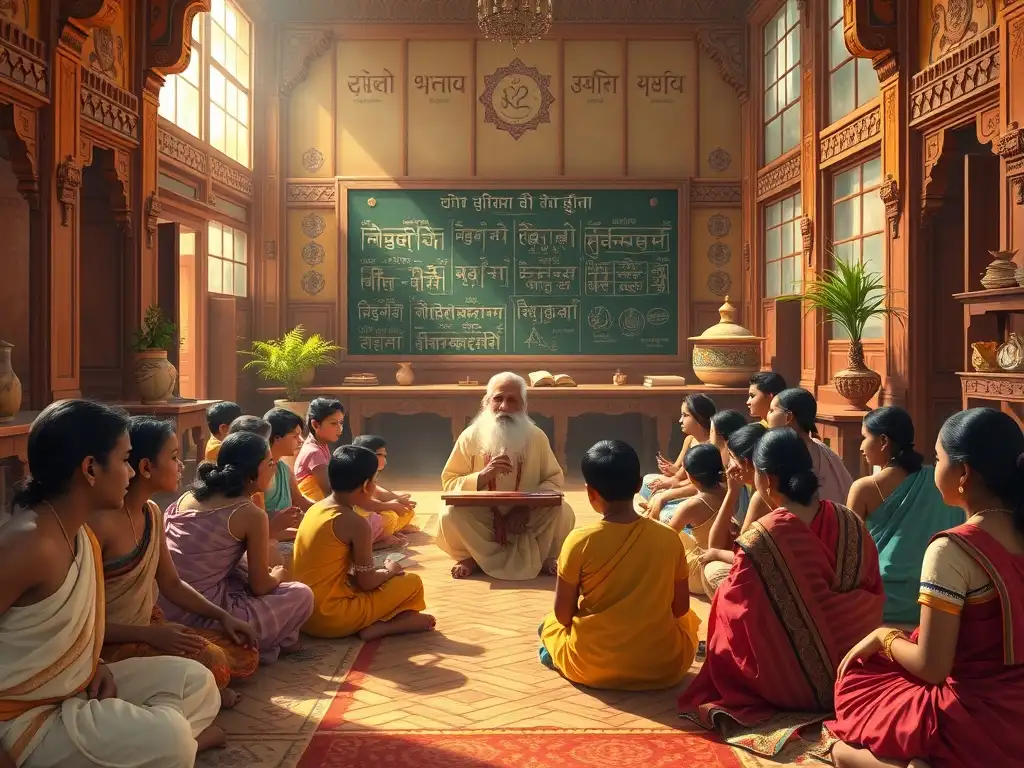
The educational practices of ancient India offer several valuable lessons for contemporary societies. First and foremost, the importance of community support in education cannot be overstated. When families, local leaders, and educational institutions work together, the resulting synergy maximizes resources and enriches the learning experience.
Another critical lesson is the need for inclusivity and accessibility in education. Ancient Indian communities often ensured that education was available to a broad spectrum of society, regardless of caste or social standing, promoting equality in learning opportunities. This principle resonates with modern educational philosophies that advocate for equitable access to quality education for all students.
Lastly, the emphasis on holistic development in ancient educational practices is a crucial takeaway. By prioritizing not just academic excellence but also moral and ethical growth, communities can nurture well-rounded individuals who contribute positively to society.
Conclusion: The Importance of Community in Shaping Education
The role of community in supporting education in ancient India highlights a crucial aspect of effective educational systems. By fostering collaboration among various stakeholders, communities can create a robust framework that supports student learning and development. The legacy of this communal approach underscores the idea that education is not merely an individual pursuit but a collective responsibility.
Reflection on Community's Role in Ancient Indian Education
Reflecting on the community's role in ancient Indian education invites us to consider the interconnectedness of learning and societal development. The involvement of community members in the educational process not only enriched the learning experience but also strengthened social bonds, reinforcing the notion that education is a shared journey. This interconnectedness can inspire modern educational systems to cultivate similar relationships between schools and communities, fostering environments conducive to learning.
Final Thoughts on the Future of Educational Support Systems
As we look toward the future, the lessons learned from ancient India’s educational community can guide the development of support systems that prioritize collaboration and inclusivity. By embracing the principles of community engagement and holistic education, modern societies can create dynamic educational environments that nurture the potential of every learner. In a rapidly changing world, the need for strong community support systems in education remains as relevant as ever, reminding us that the roots of effective learning often lie within the community itself.
References and Further Reading
The study of community support in education during ancient India reveals a rich tapestry of social structures and cultural practices that fostered learning and knowledge dissemination. To gain deeper insights into these themes, the following resources provide valuable perspectives and information.
Suggested Books and Articles on Ancient Indian Education
-
"The Education System in Ancient India" by R. K. Sharma
This book delves into the various educational institutions that existed in ancient India, exploring their structures, curricula, and the role of community in supporting these educational endeavors.
-
"The Gurukul System of Education" by Sujata S. Jadhav
An in-depth examination of the Gurukul system, this work discusses how families and communities contributed to the education of children, focusing on the values and teachings imparted in these settings.
-
"Education in Ancient India: A Historical Perspective" by S. K. Chatterjee
This scholarly article provides a comprehensive overview of the evolution of educational practices in ancient India, emphasizing the communal aspects and collaborative efforts that shaped learning experiences.
-
"Women and Education in Ancient India" by Neelima Sharma
This book addresses the often-overlooked contributions of women in the educational landscape of ancient India, highlighting community support systems that empowered female education.
-
"Philosophy of Education in Ancient India" by A. P. Gupta
This work explores the philosophical underpinnings of education in ancient India, focusing on how community values influenced educational objectives and methodologies.
Online Resources for Further Exploration of Community and Education
-
Digital Library of India
A vast online repository containing texts and manuscripts related to ancient Indian education, providing access to historical documents that illustrate community involvement in educational practices.
-
The Indian Educational System: A Historical Perspective
An informative website that provides articles, research papers, and resources focusing on the education systems of ancient India, including community roles and contributions.
-
Ancient India: History and Culture
This online portal features articles, videos, and discussions about various aspects of ancient Indian civilizations, including the vital role of community in supporting education.
-
NPTEL (National Programme on Technology Enhanced Learning)
This initiative offers free online courses on various subjects, including Indian history and culture, with specific modules dedicated to ancient education systems and community involvement.
-
YouTube Channels on Ancient Indian History
Several educational channels provide documentaries and lectures on ancient Indian education, discussing community contributions and societal structures that supported learning.
These resources collectively offer a comprehensive foundation for understanding the intricate relationship between community and education in ancient India, fostering a greater appreciation of the historical context and practices that shaped educational experiences.
- Introduction to Ancient India Education Community Support
- Historical Context of Education in Ancient India
- Community Contributions to Education in Ancient India
- Social Structures and Their Impact on Education
- Case Studies of Community-Led Educational Initiatives
- Challenges Faced by Educational Communities in Ancient India
- The Legacy of Community Support in Ancient Indian Education
- Lasting Impacts on Modern Educational Practices
- Lessons Learned from Ancient India’s Educational Community
- Conclusion: The Importance of Community in Shaping Education
- References and Further Reading
Frequently Asked Questions
What was the educational structure in Ancient India?
The educational structure in Ancient India was primarily centered around Gurukuls and monastic schools, where students engaged in a holistic curriculum, including subjects like philosophy, mathematics, and literature.
How did the community contribute to education?
The community played a vital role by providing financial support, resources, and mentorship to educational institutions, ensuring that knowledge was accessible to all members, regardless of their socio-economic status.
What were the main subjects taught in Ancient Indian education?
Education in Ancient India emphasized a variety of subjects, including mathematics, astronomy, medicine, and literature, reflecting the civilization's commitment to intellectual growth and cultural development.
How did the Gupta Empire influence education?
The Gupta Empire is often referred to as the Golden Age of education, where scholarship flourished, and institutions like Nalanda and Takshashila became renowned centers for learning and research.
What modern lessons can we learn from Ancient India's education community support?
The community support model from Ancient India teaches us the importance of collaboration and shared responsibility in education, emphasizing that a strong community can significantly enhance the learning experience and opportunities for all students.
Final Reflection: The Enduring Legacy of Community Support in Education
The exploration of community support in education during ancient India reveals a profound truth: the strength of a society lies in its collective commitment to nurturing knowledge and learning. Today, as we navigate an increasingly fragmented world, the lessons from ancient Indian communities remind us of the vital role that collaboration and shared responsibility play in fostering educational success. In a time when education is often viewed as an individual pursuit, we must recognize that it is, at its core, a communal endeavor that shapes the future of society.
The influence of community support in education is not merely a relic of the past; it continues to resonate in our cultural and social landscapes. The cooperative spirit that characterized ancient Indian educational practices serves as a model for contemporary initiatives aimed at enhancing learning environments. As we witness the resurgence of community-driven educational programs, we are reminded of the words of Mahatma Gandhi: Live as if you were to die tomorrow. Learn as if you were to live forever.
This sentiment encapsulates the essence of lifelong learning and the importance of community in sustaining educational growth.
As we reflect on the insights gleaned from ancient India, let us embrace the call to action: consider how you can contribute to the educational community around you. Whether by volunteering, mentoring, or simply engaging in discussions about learning, each of us has the power to make a difference. Together, we can cultivate an environment where knowledge flourishes, and every individual has the opportunity to thrive. In doing so, we honor the legacy of those who came before us and pave the way for future generations to benefit from the transformative power of education supported by community.
Unveil the Power of Community in Education!
Thank you for diving into the fascinating world of Ancient India and exploring the vital role communities played in education. By understanding these connections, you're equipped to appreciate the impact of collective efforts on learning systems that influenced society as a whole. Now, it’s time to carry this inspiration forward!
Here are a few ways you can take action:
- Join or create a local study group to discuss historical topics and share insights with fellow learners in your community.
- Volunteer for educational initiatives that support children in need, ensuring that the spirit of community-driven learning continues today.
- Share this article with friends and family, sparking conversations about the importance of community involvement in education throughout history.
How could embracing community values transform our approach to education in our lives?