
The Architectural Genius of the Gupta Period: A Renaissance of Indian Art

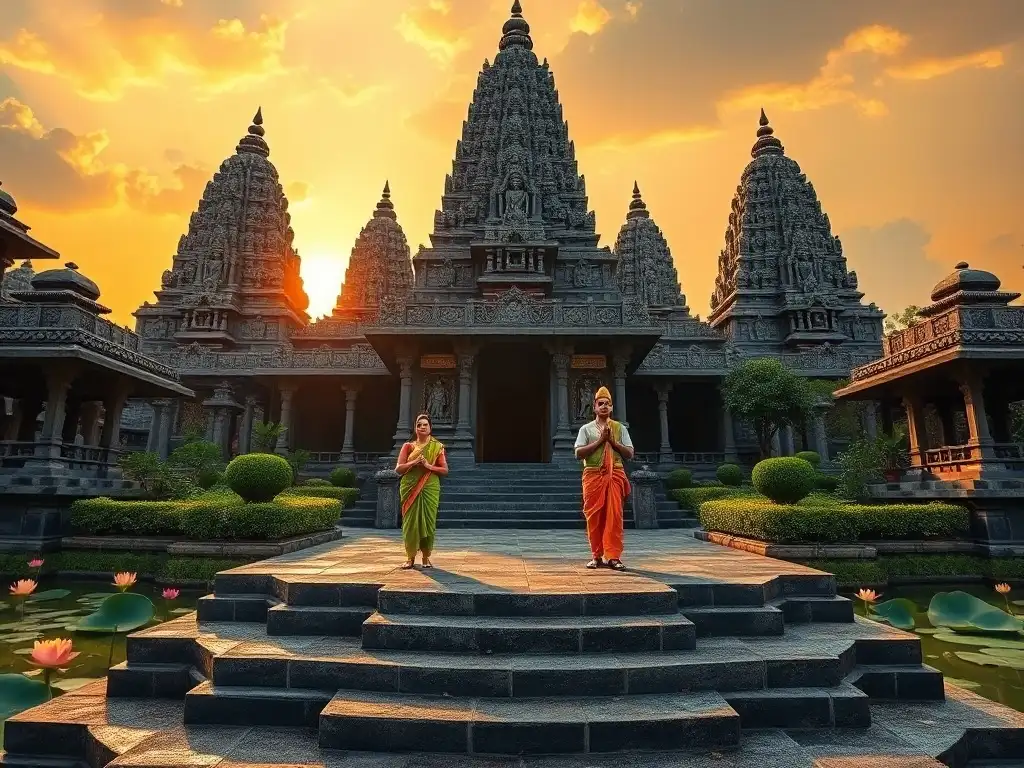
Welcome to Ancient India History, where we embark on an enlightening journey through the vibrant tapestry of ancient Indian civilizations. In this exploration, we delve into the Gupta period architecture and art, a time marked by unparalleled creativity and innovation that shaped the cultural landscape of India. Discover how this extraordinary era represents a true renaissance in art and architecture, leaving an indelible mark on history.
Prepare to uncover the secrets of magnificent temples, intricate sculptures, and the philosophies that breathed life into these masterpieces. Join us as we unravel the brilliance of the Gupta period and invite you to explore the depths of India's rich heritage!
Introduction to Gupta Period Architecture and Art
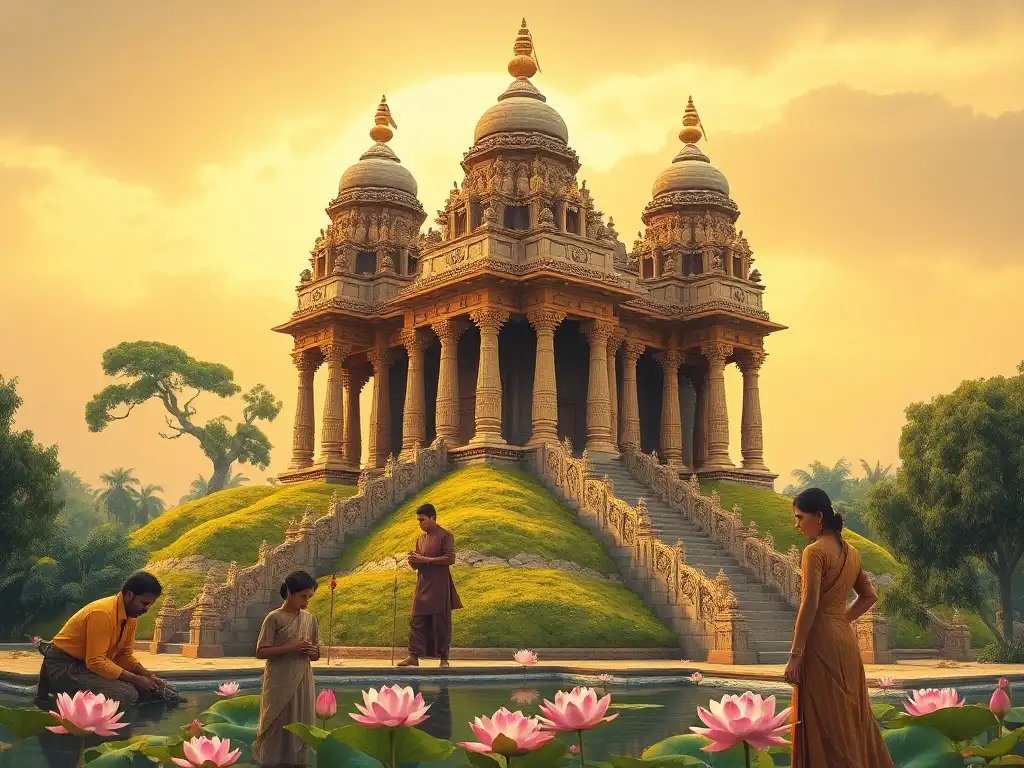
The Gupta Period, often referred to as the Golden Age of India, spans from approximately 320 to 550 CE and marks a pivotal era in the subcontinent's history. This period is renowned not only for its political stability and economic prosperity but also for its profound contributions to art and architecture.
The architectural genius of the Gupta Empire is characterized by a remarkable fusion of aesthetics, functionality, and spirituality, reflecting the civilization's rich cultural heritage and philosophical depths. As we delve into the intricacies of Gupta period architecture and art, we uncover a legacy that continues to influence contemporary Indian design and architectural practices.
Overview of the Gupta Empire's Historical Context
The Gupta Empire was established by Maharaja Sri Gupta and saw its zenith under the reign of Chandragupta II (Vikramaditya). This era was marked by significant advancements in various fields, including science, mathematics, literature, and, notably, architecture. The stability provided by the Gupta rulers fostered an environment conducive to artistic expression and monumental construction.
- Key Milestones:
- Political Unity: The Gupta Empire unified large parts of northern India, allowing for the exchange of ideas and artistic styles.
- Cultural Flourishing: This period witnessed the composition of seminal texts in Sanskrit literature and the development of classical Indian arts.
The architectural achievements during this time are not merely aesthetic; they serve as historical records that provide insight into the societal values and religious beliefs of the era.
Significance of Architecture in Gupta Culture
Architecture during the Gupta period was not just a means of creating functional spaces; it embodied the spiritual and cultural aspirations of the society. Temples, stupas, and palaces constructed during this time were designed to reflect the divine and the cosmic order.
- Religious Significance: Temples were built as places of worship and pilgrimage, dedicated to various deities such as Vishnu, Shiva, and the Buddha.
- Community Identity: Architectural projects often involved local communities, fostering a sense of belonging and shared cultural heritage.
The integration of art and architecture in sacred spaces also highlights the Gupta’s deep philosophical understanding of the relationship between man, nature, and the divine.
Key Features of Gupta Period Architecture
The architectural style of the Gupta period showcases distinct features that set it apart from preceding and subsequent styles. These characteristics reflect both the technical advancements and the aesthetic sensibilities of the time.
Use of Mathematical Precision in Design
One of the hallmarks of Gupta architecture is its mathematical precision. Architects employed geometric principles to create harmonious and proportionate structures.
- Symmetry and Proportion: Buildings were designed to exhibit symmetrical layouts, enhancing both their visual appeal and structural integrity.
- Innovative Use of Space: The careful arrangement of columns and beams allowed for expansive interiors while maintaining stability.
This emphasis on mathematical accuracy not only showcases the skill of Gupta architects but also aligns with the philosophical beliefs of the era, where geometry was seen as a reflection of cosmic order.
Characteristics of Temple Architecture
Gupta temples are distinguished by their elaborate carvings, intricate sculptures, and distinctive architectural styles, which laid the foundation for later Hindu temple architecture.
- Shikhara (Tower): The curvilinear shikhara became a defining feature, symbolizing the mythical Mount Meru, believed to be the axis of the universe.
- Intricate Carvings: Temples were adorned with detailed sculptures depicting deities, celestial beings, and various aspects of daily life, reflecting the artistic prowess of the time.
These temples served not only as places of worship but also as centers of community life, showcasing the Gupta’s commitment to artistic excellence and spiritual devotion.
Innovations in Urban Planning and Infrastructure
The Gupta period also saw significant advancements in urban planning and infrastructure, enhancing the quality of life in cities.
- Planned Cities: Cities like Pataliputra and Ujjain were meticulously planned, featuring wide streets, public baths, and gardens.
- Water Management Systems: Innovations in irrigation and drainage systems facilitated agriculture and ensured the sustainability of urban centers.
These urban developments illustrate the Gupta's understanding of the importance of infrastructure in supporting a thriving civilization, reflecting their architectural ingenuity and foresight.
As we continue to explore the architectural marvels of the Gupta period, we will uncover the intricate details and profound impacts of these structures on both the ancient world and modern architectural practices.
Major Architectural Sites from the Gupta Period

The Gupta period, often referred to as a golden age in Indian history, is marked by remarkable advancements in art and architecture. This era saw the flourishing of architectural styles that not only reflected the spiritual beliefs of the time but also showcased the technological prowess of the craftsmen. Major architectural sites from this period serve as testaments to the ingenuity and creativity of Gupta architects and artists.
Among the most notable sites are the Ajanta and Ellora Caves, as well as a variety of temples dedicated to deities such as Vishnu and Shiva. These structures exhibit intricate designs, innovative techniques, and profound cultural significance, making them vital to understanding ancient Indian civilization.
The Ajanta Caves: A Fusion of Art and Architecture
The Ajanta Caves, located in Maharashtra, are a series of 30 rock-cut Buddhist cave monuments dating from the 2nd century BCE to about 480 CE. Renowned for their stunning frescoes and intricate sculptures, these caves epitomize the fusion of art and architecture during the Gupta period.
The caves were primarily used as monastic quarters and prayer halls. Each cave features exquisite murals that depict the life of the Buddha and various Jataka tales, reflecting the profound spiritual themes of Buddhism. The architecture of the caves showcases a blend of structural ingenuity and artistic finesse, with large chaityas (prayer halls) and viharas (monasteries) carved directly into the rock face.
The use of natural pigments in the frescoes and the detailed attention to human expressions and postures illustrate the sophisticated artistic techniques developed during this period. The Ajanta Caves not only serve as a significant pilgrimage site for Buddhists but also as a crucial cultural heritage site, offering insights into the artistic traditions and architectural innovations of ancient India.
The Ellora Caves: Monumental Rock-Cut Architecture
The Ellora Caves, also located in Maharashtra, represent a remarkable achievement in rock-cut architecture, featuring a harmonious blend of Hindu, Buddhist, and Jain monuments. Dating from the 5th to 10th centuries CE, these 34 caves are a UNESCO World Heritage Site and are celebrated for their monumental scale and intricate carvings.
At the heart of Ellora is the Kailasa Temple (Cave 16), an architectural marvel that is carved from a single rock. This temple is dedicated to Lord Shiva and is noted for its grand size and elaborate sculptures depicting various deities and mythological scenes. The complex design, which includes a multi-tiered structure, courtyards, and water cisterns, showcases the advanced engineering skills of the Gupta craftsmen.
The Ellora Caves exemplify the diversity of religious traditions coexisting during this era, with each cave reflecting the unique characteristics of its respective faith. The intricate carvings and architectural innovations found here not only highlight the artistic capabilities of the period but also represent the spiritual aspirations of ancient Indian society.
Iconic Temples: From Vishnu to Shiva
Temples from the Gupta period are characterized by their intricate carvings, ornate pillars, and innovative architectural designs. These structures served not only as places of worship but also as cultural hubs for the community. Notable examples include the Vishnu Temple at Deogarh and the Shiva Temple at Bhitargaon.
The Vishnu Temple, built in the 6th century CE, is renowned for its exceptional sculptures depicting various avatars of Vishnu, showcasing the temple's dedication to preserving the theological narratives of Hinduism. Its architectural style features a rectangular plan and a towering shikhara (spire) that points toward the heavens, symbolizing the connection between the earthly realm and the divine.
On the other hand, the Shiva Temple at Bhitargaon is significant for its unique use of brick and its intricate terracotta decorations. This temple exemplifies the transition from rock-cut to built architecture, showcasing the evolving styles of temple construction during the Gupta period.
Overall, the temples from this era reflect a deep reverence for deities and a commitment to artistic excellence, leaving a lasting impact on subsequent architectural developments in India.
Artistic Contributions of the Gupta Period
The Gupta period was not only a time of architectural innovation but also a cornerstone of artistic development. The era is known for its exceptional contributions to sculpture, painting, and overall artistic expression, which have had a lasting influence on Indian art and culture.
Sculpture and Relief Work: Techniques and Styles
Sculpture during the Gupta period reached new heights, characterized by its naturalism and attention to detail. The techniques employed by sculptors were advanced, utilizing methods such as carving in high relief and low relief to create dynamic forms. The use of stone as the primary medium allowed for intricate detailing, which can be seen in the sculptures adorning temples, caves, and monuments.
Iconic sculptures from this period include the elegant figures of deities, celestial beings, and mythological narratives that reflect the aesthetic sensibilities of the time. The smooth surfaces, graceful poses, and expressive facial features highlight the mastery of Gupta artists in portraying human emotions and divine attributes. This period also saw the introduction of iconography that would become foundational in later Indian art traditions.
Frescoes and Paintings: Themes and Symbolism
Frescoes and wall paintings from the Gupta period are celebrated for their vibrant colors and elaborate themes. These artworks often depicted religious narratives, court scenes, and daily life, providing a glimpse into the cultural milieu of the time.
The Ajanta Caves are among the most significant examples, featuring frescoes that illustrate the stories of the Buddha and various Jataka tales. The themes often revolve around spirituality, morality, and human experience, infused with rich symbolism.
The use of natural dyes and the technique of applying color to wet plaster allowed for the creation of long-lasting and visually stunning artworks. These frescoes not only serve as artistic expressions but also as historical documents that reflect the values and beliefs of Gupta society.
The Influence of Gupta Art on Later Indian Traditions
The artistic achievements of the Gupta period laid the foundation for subsequent developments in Indian art. The styles and techniques established during this era influenced various art forms, including temple architecture, sculpture, and painting in later periods such as the medieval and Mughal periods.
The emphasis on naturalism, intricate detailing, and spiritual themes continued to resonate in later art forms, with artists drawing inspiration from the Gupta aesthetic. The iconographic conventions and narrative styles developed during this time became integral to the depiction of deities and religious stories in Indian art.
The Gupta period not only represents a peak in architectural innovation but also a renaissance in artistic expression, making it a pivotal chapter in the history of Indian art and culture. The legacies of Gupta art continue to inspire and inform contemporary artistic practices, ensuring the period's relevance in the broader narrative of Indian history.
The Role of Religion in Gupta Architecture
Gupta period architecture is profoundly influenced by the religious landscape of the time, which was characterized by the flourishing of Hinduism, Buddhism, and Jainism. Each faith contributed uniquely to the architectural tapestry, fostering a rich diversity in temple designs, stupas, and monastic complexes. The Gupta rulers, recognizing the importance of religion as a unifying force, invested significantly in the construction and renovation of sacred spaces, which served not only as places of worship but also as cultural and community centers.
Religious architecture during the Gupta period often mirrored the socio-political climate, with rulers using temple construction to legitimize their authority and promote religious devotion. Temples became symbols of divine power, intricately designed to reflect the spiritual aspirations of the time. This period saw a move towards integrating art and architecture, where intricate carvings and sculptures depicted mythological narratives, religious icons, and celestial beings, creating a holistic experience for devotees.
Hindu Temples: Architectural Elements and Significance
Hindu temples from the Gupta period exhibit a remarkable evolution in architectural style, characterized by a blend of intricate carvings and symbolic elements. The Nagara style of temple architecture emerged as a defining feature, with a distinct curvilinear shikhara (tower) that rose majestically above the garbhagriha (sanctum sanctorum). The intricate stonework often depicted scenes from Hindu mythology, showcasing the craftsmanship and artistic sensibilities of the era.
Significantly, the layout of Hindu temples during this period was not merely functional but imbued with spiritual meaning. The design often followed a symmetrical plan, reflecting cosmic order, and the placement of deities was meticulously chosen to align with astrological beliefs. Temples served as microcosms of the universe, with the garbhagriha representing the ultimate reality and the shikhara symbolizing the connection between the earthly and the divine.
Buddhist Architecture: Stupas and Monasteries
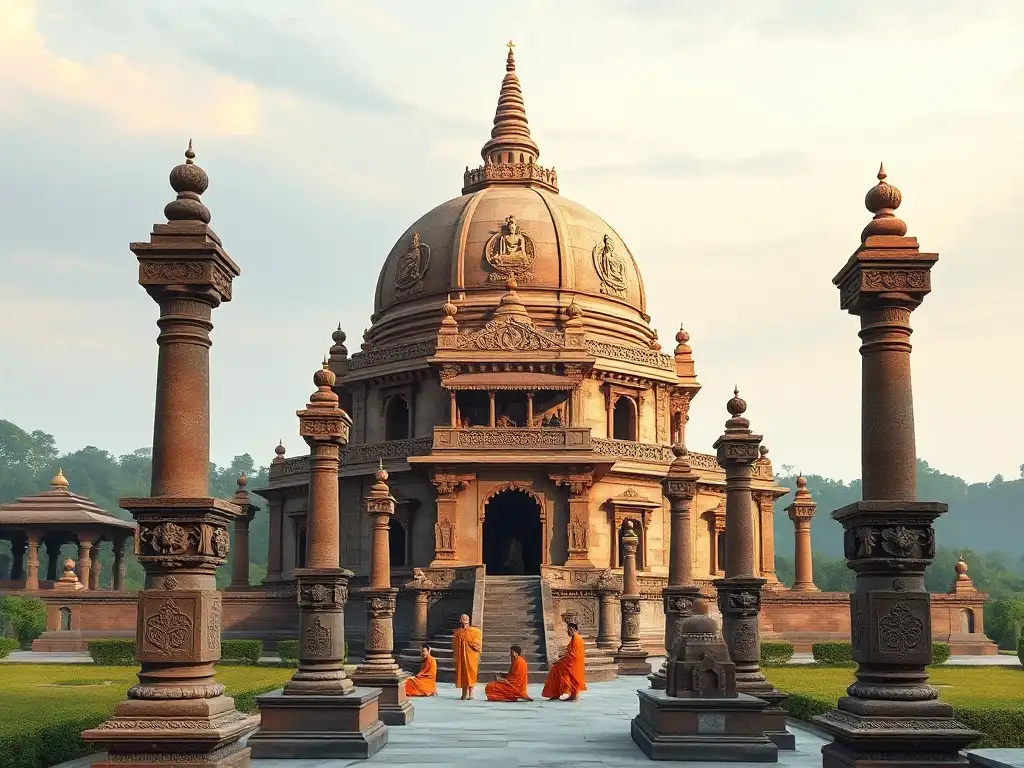
Buddhist architecture during the Gupta period witnessed a flourishing of stupas and monastic complexes, reflecting the continued importance of Buddhism in Indian society. The stupas, dome-shaped structures originally built to house relics, evolved into elaborate monuments adorned with intricate carvings and sculptures. The most notable examples include the Sanchi Stupa and the Dhamek Stupa, which feature detailed friezes depicting Jataka tales and various aspects of Buddhist teachings.
Monasteries, or viharas, also saw significant developments during this period. They were designed to provide shelter to monks and served as centers for learning and meditation. The architectural layout typically included cells for monks, a central courtyard, and prayer halls adorned with frescoes and sculptures. This architectural style not only facilitated communal living but also reinforced the teachings of Buddhism, making these spaces vital for spiritual and intellectual pursuits.
Jain Contributions to Gupta Period Architecture
Jain architecture during the Gupta period is characterized by its meticulous attention to detail and the use of intricate carvings. The Jain temples of this era, such as those found in the region of Rajasthan, showcase an impressive level of artistry, with elaborate facades and finely sculpted images of Tirthankaras (spiritual teachers).
The architecture often incorporated a blend of natural materials and innovative designs that emphasized harmony with the environment. Jain temples typically featured a central shrine, surrounded by multiple smaller shrines, reflecting the sect's belief in the sanctity of all living beings. The use of symmetry and geometric patterns in Jain architecture not only served aesthetic purposes but also embodied spiritual principles, demonstrating the deep philosophical roots of Jainism.
Comparison of Gupta Period Architecture with Earlier Indian Styles
Differences with Mauryan Architecture
The Gupta period architecture marks a significant departure from the earlier Mauryan style, particularly in terms of aesthetics and religious expression. Mauryan architecture, exemplified by the massive stone stupas and monolithic pillars, focused on grandeur and monumental scale. In contrast, Gupta architecture emphasized intricate detailing and the use of softer materials like sandstone, allowing for more refined artistic expressions.
While Mauryan structures were often austere and functional, Gupta temples and stupas were characterized by elaborate carvings, sculptural narratives, and a greater emphasis on verticality. This shift reflects a broader change in artistic sensibilities, prioritizing beauty and devotion over sheer scale. Additionally, the Gupta period saw a diversification of religious architecture with the simultaneous flourishing of Hindu, Buddhist, and Jain structures, contrasting the predominantly Buddhist focus of the Mauryan era.
Similarities and Innovations Compared to Post-Gupta Architecture
The Gupta period laid the foundation for many architectural innovations that would influence post-Gupta styles, particularly in temple architecture. Both periods share a common aesthetic that emphasizes ornate carvings and the symbolic representation of deities. However, post-Gupta architecture introduced new elements such as the increased use of domes and more complex layouts, reflecting evolving religious practices and cultural influences.
One notable similarity is the continuation of the Nagara style, which persisted into the medieval period, albeit with regional adaptations. Innovations during the post-Gupta era included the integration of new decorative techniques and the incorporation of local building materials. This adaptability allowed for a rich fusion of styles, leading to the emergence of regional variations that are still celebrated in Indian architecture today. The legacy of Gupta period architecture is evident in its lasting impact on the cultural and artistic landscape of India.
The Legacy of Gupta Period Architecture and Art
The Gupta period, often regarded as the Golden Age of India (approximately 320 to 550 CE), left an indelible mark on the architectural and artistic landscape of the region. This era is characterized by significant advancements in various forms of art and architecture, underscoring the Gupta dynasty's commitment to aesthetic excellence and cultural depth. The architectural legacy of this period is particularly notable for its innovative temple designs, intricate sculptures, and extensive use of stone as a primary building material.
One of the hallmarks of Gupta architecture is the evolution of the temple style, which integrated local traditions with new artistic influences. The construction of temples during this period showcased a shift towards more elaborate and monumental designs, often featuring towering shikharas (spires) and intricately carved entrances. The temples of the Gupta era, such as those at Deogarh and Bhitargaon, exemplify this architectural innovation, with their detailed relief sculptures depicting various deities, mythological narratives, and decorative motifs.
In addition to religious structures, the Gupta period witnessed advancements in secular architecture, including palaces and public spaces. The use of brick and stone not only enhanced durability but also allowed for more complex architectural forms. The intricacies of Gupta art, particularly in sculpture, are reflected in the graceful figures of deities and the dynamic representations of dance and music, which highlight the era's cultural vibrancy.
Influence on Subsequent Indian Dynasties
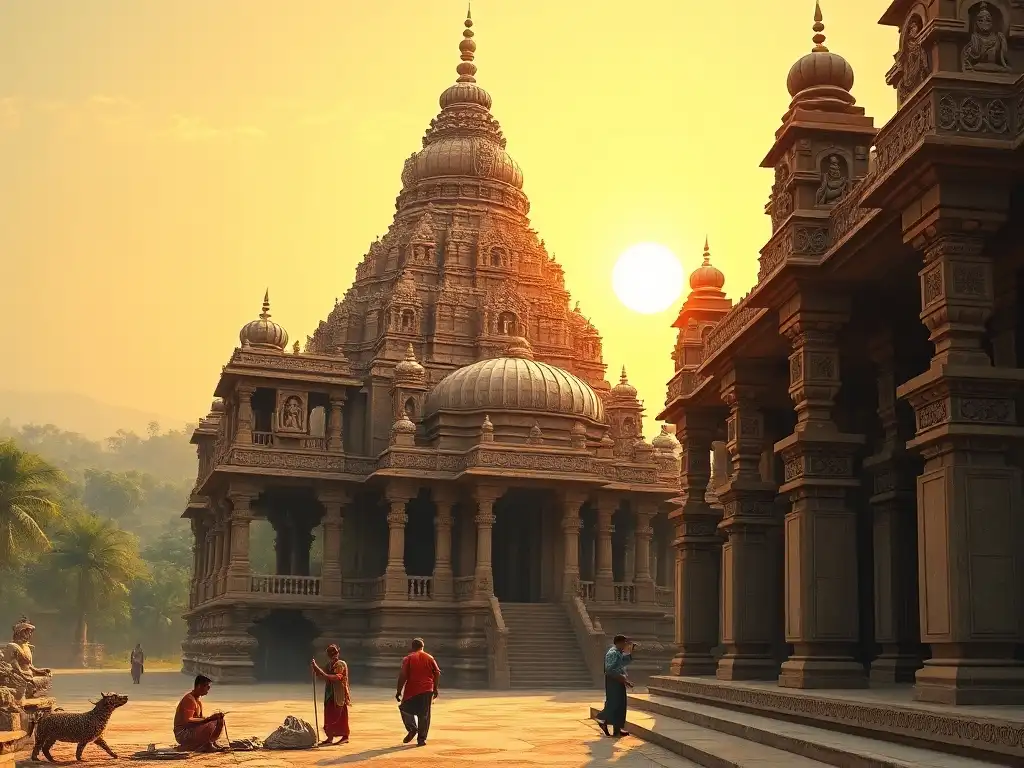
The architectural innovations of the Gupta period significantly influenced subsequent Indian dynasties, as the principles established during this time became foundational to later architectural developments. The later medieval period, especially under the reign of the Chola and Vijayanagara empires, drew heavily from Gupta stylistic elements. The Chola temples, for example, adopted the shikhara design and intricate carvings that were hallmarks of Gupta architecture.
Furthermore, the Gupta artistic style inspired the integration of narrative reliefs and iconography into temple architecture, which became a standard practice in the centuries that followed. The ornamentation and layout of temples established during the Gupta period set precedents that would be emulated in various regional styles across India, including the North Indian Nagara style and the South Indian Dravidian style.
The influence extended beyond architecture, as Gupta period art also inspired a resurgence of classical themes in painting and sculpture during later periods, including the Rajput and Mughal eras. This continuity in artistic expression underscores the Gupta period's pivotal role in shaping the cultural and architectural identity of India.
Preservation and Restoration of Gupta Architectural Sites
Preserving and restoring Gupta architectural sites is crucial for maintaining the historical integrity and cultural significance of this remarkable period. Several initiatives have been undertaken to protect these sites from natural deterioration and human encroachment. Organizations and governments have recognized the importance of these structures in understanding India's rich history.
One notable example is the preservation of the temples at Sanchi, a UNESCO World Heritage Site, which features intricately carved gateways and stupas from the Gupta era. Restoration efforts have focused on both structural integrity and the careful cleaning of sculptures to prevent weathering and erosion.
Moreover, the archaeological survey of India continues to play a vital role in excavating and cataloging sites from the Gupta period, ensuring that historical findings are documented and preserved. Educational programs aimed at raising awareness about the significance of these sites have also been implemented, fostering a sense of responsibility among local communities and encouraging tourism that respects the integrity of these ancient monuments.
Conclusion: The Enduring Impact of Gupta Period Architecture and Art
The Gupta period stands as a monumental chapter in the history of Indian architecture and art, embodying a synthesis of creativity, spirituality, and technical prowess. Its influence resonates through the ages, shaping not only subsequent architectural styles but also the broader cultural landscape of India.
Summary of Gupta Contributions to Indian Heritage
The Gupta period's contributions to Indian heritage are manifold. The architectural innovations and artistic expressions of this era established a framework for future developments in temple architecture, sculpture, and urban planning. The detailed craftsmanship and thematic richness of Gupta art have left a lasting legacy that continues to inspire contemporary artists and architects.
The Relevance of Gupta Architecture in Contemporary Culture
Today, Gupta architecture is celebrated for its historical significance and aesthetic value. Contemporary architects often draw inspiration from the symmetry, balance, and intricate detailing found in Gupta-era temples. Educational institutions incorporate Gupta art and architecture into their curricula, emphasizing its importance in understanding the evolution of Indian culture. Furthermore, the preservation of Gupta architectural sites allows for continued public engagement with this rich heritage, reinforcing the relevance of the Gupta period in contemporary society.
The enduring impact of Gupta period architecture and art is evident not just in historical studies but also in the ongoing appreciation and valorization of India's cultural legacy. Through exhibitions, research, and heritage tourism, the splendor of Gupta achievements continues to captivate and educate future generations.
References for Further Reading on Gupta Period Architecture and Art
Exploring the architectural and artistic achievements of the Gupta period can be greatly enhanced by delving into various books, articles, and online resources. The following sections provide a curated list of suggested readings and multimedia resources that illuminate the grandeur of this era.
Suggested Books and Articles
-
"The Art and Architecture of Ancient India" by Daud Aziz
This comprehensive book covers various aspects of Indian art and architecture, with a significant focus on the Gupta period. It provides insights into the stylistic developments and the cultural context of the time.
-
"Gupta Art and Architecture" by R. C. Sharma
Sharma's detailed analysis focuses on the distinctive features of Gupta architecture, including temple designs, sculpture styles, and decorative motifs, making it an essential read for anyone interested in this period.
-
"The Gupta Empire: A Historical Encyclopedia" by J. W. McMillan
This encyclopedia offers a wide-ranging overview of the Gupta Empire, including its architectural achievements. It presents entries that discuss key monuments and their significance in ancient Indian history.
-
"Art and Culture in the Gupta Period" by R. S. Sharma
This scholarly article examines the interrelationship between art and culture during the Gupta period, emphasizing how architectural advancements reflected the societal values of the time.
-
"Temples of India" by K. K. Ramesh
Ramesh's book is a photographic journey through India's ancient temples, with a substantial section dedicated to Gupta period temple architecture, showcasing their intricate designs and historical significance.
Online Resources and Documentaries
-
The Indian Archaeological Society Website
This site provides access to research papers, articles, and publications related to Indian archaeology, including studies focused on Gupta architecture and art.
-
YouTube: "Architectural Wonders of Ancient India"
This documentary series explores various architectural marvels across India, with specific episodes dedicated to the temples and sculptures of the Gupta period.
-
"Ancient India: The Gupta Empire" on PBS Learning Media
This online resource includes videos, articles, and interactive content on the Gupta Empire, highlighting its contributions to art and architecture.
-
Digital Library of India
A vast repository of resources, this digital library includes historical texts and manuscripts that document the architectural and artistic achievements of the Gupta period.
-
"Gupta Architecture: A Historical Perspective" on National Geographic
This online article provides a succinct overview of Gupta architecture, detailing the evolution of temple designs and artistic expressions during the period.
These references serve as a gateway to deeper understanding and appreciation of the Gupta period's architectural genius and artistic legacy, inviting readers to explore the rich heritage of ancient India.
- Introduction to Gupta Period Architecture and Art
- Overview of the Gupta Empire's Historical Context
- Significance of Architecture in Gupta Culture
- Key Features of Gupta Period Architecture
- Major Architectural Sites from the Gupta Period
- Artistic Contributions of the Gupta Period
- The Role of Religion in Gupta Architecture
- Hindu Temples: Architectural Elements and Significance
- Buddhist Architecture: Stupas and Monasteries
- Jain Contributions to Gupta Period Architecture
- Comparison of Gupta Period Architecture with Earlier Indian Styles
- The Legacy of Gupta Period Architecture and Art
- Influence on Subsequent Indian Dynasties
- Preservation and Restoration of Gupta Architectural Sites
- Conclusion: The Enduring Impact of Gupta Period Architecture and Art
- References for Further Reading on Gupta Period Architecture and Art
- What is the significance of the Gupta period in Indian history?
- What are some key features of Gupta period architecture?
- How did Gupta art influence later Indian artistic traditions?
- Can you provide examples of notable Gupta period structures?
- What role did religion play in the art and architecture of the Gupta period?
Frequently Asked Questions
What is the significance of the Gupta period in Indian history?
The Gupta period is often referred to as a golden age of Indian history, marked by significant advancements in art, science, and culture.
What are some key features of Gupta period architecture?
Gupta architecture is characterized by intricate carvings, rock-cut temples, and the use of brick and stone, showcasing a blend of religious and secular designs.
How did Gupta art influence later Indian artistic traditions?
The artistic styles developed during the Gupta period laid the foundation for future Indian art forms, influencing temple architecture and sculptural techniques in subsequent centuries.
Can you provide examples of notable Gupta period structures?
Prominent examples include the Dashavatara Temple at Deogarh and the cave complexes at Ajanta and Ellora, known for their exquisite murals and detailed sculptures.
What role did religion play in the art and architecture of the Gupta period?
Religion was a driving force behind Gupta art and architecture, with many works dedicated to Hinduism and Buddhism, reflecting the spiritual and cultural values of the time.
Final Reflection: Embracing the Legacy of Gupta Period Architecture and Art
The architectural brilliance of the Gupta period stands as a testament to the ingenuity and creativity that flourished in ancient India. Today, as we navigate a world increasingly influenced by globalization and technological advancement, the principles and aesthetics of Gupta period architecture remind us of the importance of cultural heritage and the enduring impact of artistic expression. The intricate designs and profound philosophies embedded in these structures are not merely relics of the past; they serve as a source of inspiration that continues to resonate in contemporary art and architecture.
The influence of Gupta period architecture extends far beyond its historical context, shaping the cultural and social landscape of India and beyond. As we appreciate the craftsmanship and spiritual significance of these architectural marvels, we recognize their role in fostering a sense of identity and belonging. The legacy of this era encourages us to explore our own creative potentials and to honor the artistry that surrounds us. Art is the most beautiful of all lies.
– Claude Debussy. This quote encapsulates the idea that art, much like the architectural achievements of the Gupta period, transcends time and speaks to the human experience in profound ways.
As we reflect on the lessons of the Gupta period, let us take a moment to consider how we can integrate these timeless principles into our own lives. Embrace the beauty of creativity, honor your cultural roots, and strive to create spaces that inspire and uplift. In doing so, we not only pay homage to the architectural genius of the past but also contribute to a future where art and architecture continue to flourish, enriching our lives and the lives of generations to come.
Unveil the Secrets of Gupta Architecture Today!
Thank you for joining us on this fascinating journey through the architectural marvels of the Gupta Period! We hope you gained a deeper appreciation for the artistic brilliance and historical significance that shaped ancient Indian art. Now, it's time to take the next step!
Here’s how you can further enrich your understanding and appreciation of this magnificent era:
- Dive Deeper: Visit a local museum or gallery that showcases artifacts from the Gupta era, allowing you to see the intricate designs and artistry up close.
- Share Your Insights: Engage in discussions about this rich history with friends or on social media. Use the hashtag #GuptaGenius to connect with others who are intrigued by India’s architectural renaissance.
- Join a Community: Consider becoming a member of a history or art appreciation group where you can expand your knowledge and share your passion for ancient Indian culture.
As you reflect on the Gupta Period's lasting legacy, think about which aspects of their architecture inspire you the most and how you envision its influence on modern design.