
The Future of Epigraphy: How Modern Technology is Revolutionizing the Study of Inscriptions

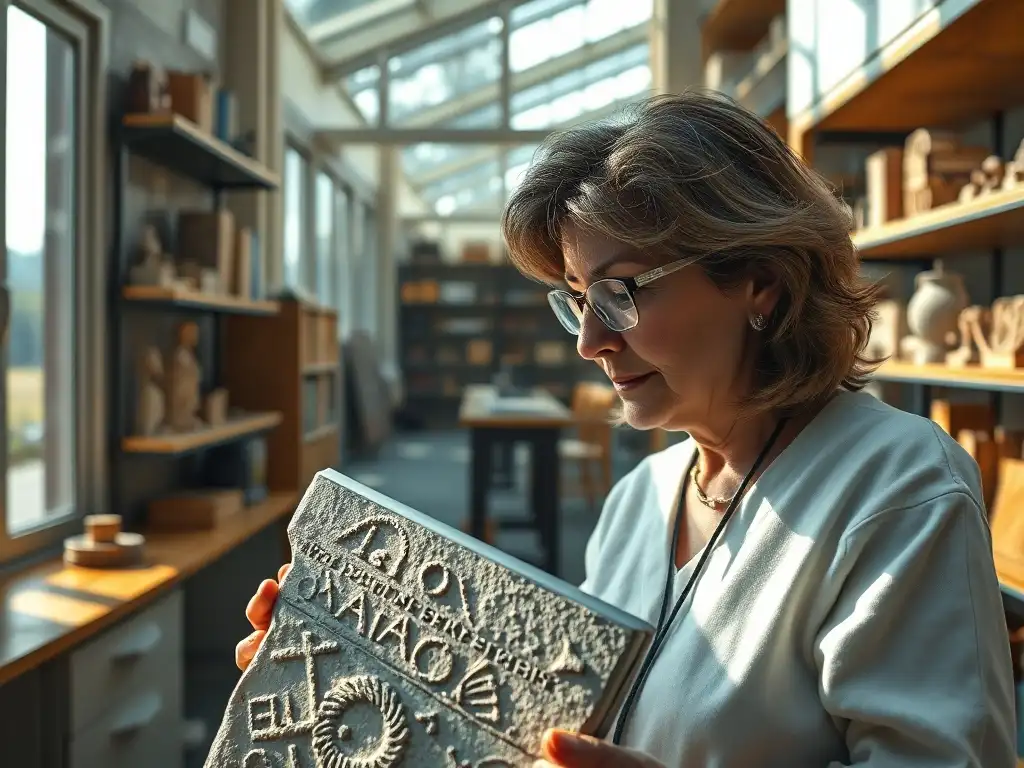
Welcome to Ancient India History, where we embark on an enthralling journey through the rich tapestry of ancient Indian civilizations. Here, we delve into the vibrant culture, remarkable achievements, and profound contributions that have shaped our understanding of history. In our featured article, “The Future of Epigraphy: How Modern Technology is Revolutionizing the Study of Inscriptions,” we explore the fascinating intersection of modern technology and epigraphy.
Discover how cutting-edge advancements are unveiling secrets inscribed in time and reshaping our approach to studying ancient texts. Join us as we unlock the past and inspire a deeper appreciation for the legacies that continue to influence our world today!
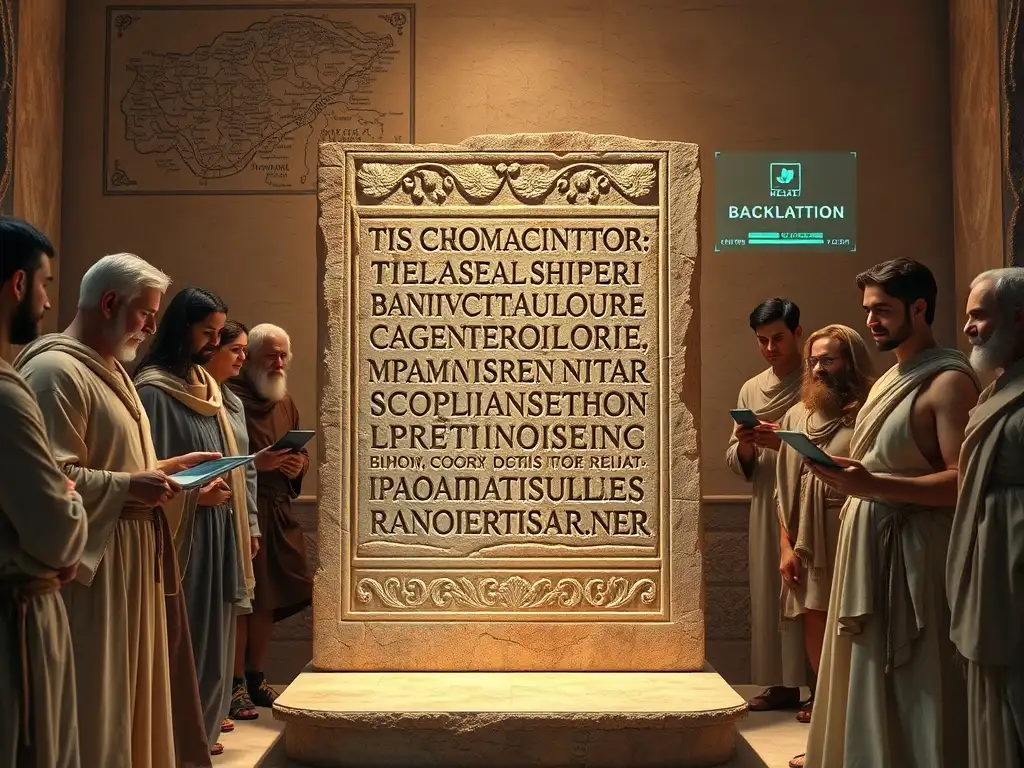
Introduction to Modern Technology in Epigraphy
In the realm of historical studies, epigraphy plays a crucial role in understanding the past, especially in relation to ancient civilizations. This field, which involves the study of inscriptions, serves as a window into the beliefs, culture, and social structures of societies long gone. However, as we progress further into the 21st century, the integration of modern technology in epigraphy is transforming how these inscriptions are interpreted and preserved. This article will explore the profound impact that contemporary tools and methodologies have on the study of ancient inscriptions, particularly within the vibrant tapestry of Ancient Indian history.
Overview of Epigraphy and Its Importance
Epigraphy is not merely the act of reading inscriptions; it encompasses a comprehensive understanding of the context, language, and significance of these texts. Inscriptions provide invaluable insights into:
- Cultural Practices: They reflect the customs, rituals, and daily life of ancient societies.
- Political History: Many inscriptions commemorate rulers, victories, and territorial boundaries.
- Religious Beliefs: They often contain texts related to deities, rituals, and philosophical teachings.
These elements make epigraphy an essential tool for historians and archaeologists alike, offering a direct link to the thoughts and experiences of people from civilizations such as the Indus Valley and the Gupta Empire.
The Role of Inscriptions in Ancient Indian History
Ancient inscriptions in India are particularly significant, as they chronicle the evolution of its diverse cultures, languages, and political systems. From the early Brahmi scripts to the later Sanskrit inscriptions, these texts reveal the complexities of Indian society. Notable examples include:
- The Ashoka Edicts: These inscriptions, inscribed on pillars and rocks, promote moral governance and Buddhist teachings.
- The Gupta Period Inscriptions: Often celebrating royal achievements and patronage of arts and sciences, these texts highlight the flourishing of culture during this era.
Understanding these inscriptions is crucial for piecing together India's historical narrative and appreciating the legacy of its ancient civilizations.
The Evolution of Epigraphy: From Traditional Methods to Modern Techniques
As the study of inscriptions has evolved, so too have the techniques employed by epigraphists. Understanding the transition from traditional methods to modern technology is essential to grasp the full impact of these innovations.
Historical Techniques in Epigraphy
Historically, the study of inscriptions relied heavily on manual methods. Scholars would meticulously transcribe texts, often spending years deciphering ancient scripts and analyzing their significance. Techniques included:
- Rubbing: Using paper and charcoal to create impressions of inscriptions.
- Photographic Documentation: Capturing images of inscriptions for further study, albeit with limited clarity.
- Field Surveys: Physically locating and recording inscriptions in situ, which could be labor-intensive and time-consuming.
While these methods laid the groundwork for epigraphy, they often faced challenges such as the deterioration of materials and the risk of misinterpretation.
Introduction of Modern Technology in Epigraphy
The advent of modern technology in epigraphy has revolutionized the field, enabling scholars to approach their studies with unprecedented precision and efficiency. Key advancements include:
- Digital Imaging: High-resolution imaging techniques, such as multispectral imaging, allow for the visualization of inscriptions that are difficult to see with the naked eye.
- 3D Scanning: This technology facilitates the creation of detailed models of inscriptions, enabling researchers to analyze inscriptions without physical contact.
- Data Analysis Software: Advanced tools for text recognition and analysis assist scholars in deciphering inscriptions more accurately and quickly.
These innovations not only enhance the accuracy of epigraphic studies but also ensure the preservation of invaluable historical data for future generations. The integration of technology is paving the way for a new era in the study of inscriptions, promising to uncover further insights into the rich history of ancient India.
Key Technologies Transforming the Field of Epigraphy
Modern technology in epigraphy is reshaping how scholars study ancient inscriptions, offering innovative tools that enhance the precision and accessibility of their work. The advent of digital tools and techniques has allowed researchers to analyze inscriptions with unprecedented accuracy and detail. Some of the key technologies making a significant impact in this field include digital imaging, 3D scanning, and artificial intelligence. These tools not only streamline the documentation process but also facilitate a deeper understanding of the historical context of these texts.
Digital Imaging and Photography
Digital imaging has revolutionized the documentation of inscriptions by providing high-resolution images that can capture intricate details. Unlike traditional photography, digital imaging allows for adjustments in contrast and brightness, revealing nuances that might otherwise remain hidden. Techniques such as multispectral imaging enable researchers to visualize inscriptions in different wavelengths of light, which can identify faded or eroded characters. This method has been particularly useful in examining inscriptions on weathered stone surfaces, where conventional methods may fail.
Moreover, digital photography allows for the easy sharing and dissemination of images, enabling a broader audience, including researchers and enthusiasts, to access and study these inscriptions. This democratization of knowledge fosters collaboration and encourages the preservation of heritage, as more individuals can participate in the study and appreciation of ancient texts.
3D Scanning and Modeling
3D scanning technology has introduced a new dimension to the study of inscriptions. By creating detailed three-dimensional models of inscription surfaces, epigraphers can analyze the physical characteristics of the material, including texture and depth, which are critical for understanding the methods used in their creation. This technology also allows for the virtual reconstruction of inscriptions that have been damaged or eroded over time.
The ability to manipulate these 3D models digitally enables researchers to simulate various lighting conditions and angles, enhancing their analysis of how inscriptions might have appeared to ancient viewers. Furthermore, these models can be shared with global audiences, fostering international collaboration and encouraging the conservation of cultural heritage.
Artificial Intelligence in Analyzing Inscriptions
Artificial Intelligence (AI) is increasingly being integrated into epigraphy, offering powerful tools for analyzing and interpreting inscriptions. Machine learning algorithms can be trained to recognize patterns in ancient scripts, facilitating the identification of characters and words in inscriptions with high accuracy. This technology can significantly reduce the time required for transcription and translation, allowing researchers to focus on broader historical and cultural analyses.
AI-driven tools can also assist in the dating of inscriptions by comparing linguistic features with known historical contexts. As these technologies evolve, they promise to enhance our understanding of ancient languages and their development over time, leading to new insights into the civilizations that produced them.
The Impact of Modern Technology on the Study of Inscriptions
The integration of modern technology into the field of epigraphy has far-reaching implications for the study of inscriptions. It not only improves the accuracy of data collection but also enhances accessibility and encourages collaboration between different disciplines.
Improved Accuracy and Efficiency in Data Collection
With the introduction of digital imaging, 3D scanning, and AI tools, the accuracy of data collection in epigraphy has seen notable improvements. These technologies allow for meticulous documentation of inscriptions, capturing minute details that might be overlooked in traditional methods. The efficiency gained through automated processes means that researchers can analyze larger datasets in shorter timeframes, leading to more comprehensive studies and conclusions regarding the historical significance of inscriptions.
Expanding Accessibility to Historical Texts
Modern technology plays a crucial role in making historical texts more accessible to a global audience. Digital databases and online platforms host vast collections of inscriptions, allowing researchers and the general public to explore these texts without geographical constraints. The use of open-access resources fosters collaboration among scholars worldwide and supports educational initiatives that aim to raise awareness of ancient history and cultural heritage.
Collaborations Between Epigraphers and Technologists
The intersection of epigraphy and technology has led to fruitful collaborations between epigraphers and technologists. These partnerships encourage the development of tailored solutions that address specific challenges within the field, such as creating specialized imaging software or refining AI algorithms for better script recognition. By working together, experts from diverse backgrounds can push the boundaries of research, leading to innovative approaches that enhance our understanding of ancient inscriptions and their contexts.
The future of epigraphy is bright, with modern technology paving the way for exciting advancements that promise to enrich our understanding of ancient civilizations and their written legacies.
Challenges and Limitations of Modern Technology in Epigraphy
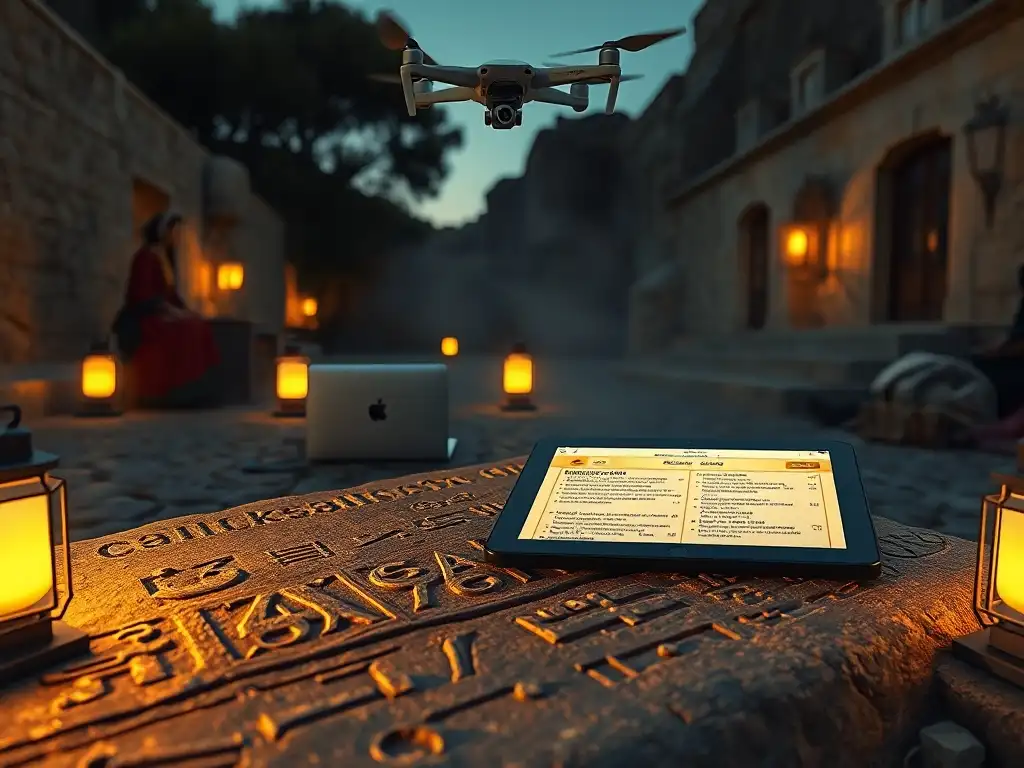
While modern technology has significantly advanced the study of epigraphy, it is not without its challenges and limitations. These challenges can affect the quality, accessibility, and ethical considerations surrounding the preservation and interpretation of ancient inscriptions. Understanding these hurdles is essential for effectively utilizing technological advancements in this field.
Technical Limitations and Accessibility Issues
One of the primary technical limitations in epigraphy is the variability in the quality of inscriptions. Many ancient inscriptions are partially eroded or damaged, making it difficult for modern imaging techniques to capture clear and accurate representations. For instance, techniques like 3D scanning and digital imaging may struggle with inscriptions that have surface irregularities or are located in hard-to-reach areas.
Furthermore, accessibility issues arise from the need for specialized equipment and software. Advanced imaging technologies, such as Reflectance Transformation Imaging (RTI) and multispectral imaging, require substantial investment and expertise, often limiting their use to well-funded institutions. This creates a disparity in access to these technologies, particularly for researchers in developing regions or smaller archaeological teams.
Lastly, the process of digitizing inscriptions can lead to data management challenges. As the volume of digital data increases, the need for effective storage, organization, and retrieval systems becomes critical. Ensuring that this data is preserved and remains accessible for future research is a growing concern.
Ethical Considerations in Digital Preservation
The digital preservation of inscriptions raises several ethical considerations that researchers and institutions must navigate. One significant aspect is the potential for misrepresentation. Digital reconstructions or enhancements may inadvertently distort the original context or meaning of inscriptions, leading to misconceptions about the historical significance of the artifacts.
Moreover, there is a question of ownership and access rights. Many inscriptions are located in regions that may have cultural or political sensitivities. The decision to digitize and share these artifacts can raise issues regarding consent from local communities, who may feel that their cultural heritage is being exploited or misappropriated.
Additionally, the long-term preservation of digital data poses ethical dilemmas. As technology evolves, formats and platforms may become obsolete, risking the loss of invaluable historical information. It is essential for researchers to establish sustainable practices for digital preservation that honor the integrity of the original inscriptions while ensuring their accessibility for future generations.
Future Prospects: The Next Steps for Modern Technology in Epigraphy
Looking ahead, the future of epigraphy is poised for exciting advancements. By integrating modern technology more deeply into the study of inscriptions, researchers can unlock new layers of understanding and appreciation for ancient texts. The following prospects highlight the next steps for enhancing the field through technological innovations.
Emerging Technologies on the Horizon
Several emerging technologies hold promise for revolutionizing the field of epigraphy. Artificial Intelligence (AI) and machine learning are at the forefront, enabling researchers to analyze large datasets of inscriptions more efficiently. These technologies can identify patterns, classify scripts, and even assist in reconstructing damaged inscriptions, significantly speeding up the research process.
Additionally, advancements in augmented reality (AR) and virtual reality (VR) could transform the way inscriptions are studied and experienced. By providing immersive environments where scholars can interact with 3D models of inscriptions, these technologies may facilitate a deeper understanding of their historical and cultural contexts.
Furthermore, the integration of blockchain technology for data authenticity and provenance tracking can ensure that digital records of inscriptions remain secure and verifiable. This innovation would not only enhance trust in the digital preservation efforts but also provide a transparent framework for sharing and collaborating on epigraphic research.
Potential for Interdisciplinary Research in Epigraphy
The intersection of epigraphy with other fields presents an exciting potential for interdisciplinary research. Collaborative efforts between historians, linguists, computer scientists, and conservationists can yield insights that would be unattainable within traditional disciplinary boundaries. For example, linguists can work alongside data scientists to develop more sophisticated algorithms for script recognition and translation.
Moreover, the integration of social sciences can enhance the contextual understanding of inscriptions, allowing researchers to explore the societal, political, and economic implications of the texts. This multidisciplinary approach can foster a more comprehensive narrative of ancient civilizations, enriching our understanding of their contributions to history.
As the field of epigraphy continues to evolve, embracing modern technology and collaborative research will ultimately lead to a deeper appreciation of the inscriptions that bear witness to humanity's past. By addressing the challenges and limitations while harnessing the potential of new technological advancements, epigraphy can thrive in the digital age.
Conclusion: The Promise of Modern Technology in Epigraphy
The fusion of modern technology with the field of epigraphy offers transformative potential for the study of ancient inscriptions. As scholars and researchers adopt innovative tools and techniques, they are uncovering new dimensions of understanding that were previously inaccessible. From advanced imaging technologies to data analysis software, these advancements not only enhance the accuracy of inscriptions but also facilitate the preservation of fragile artifacts for future generations. The promise of modern technology in epigraphy lies in its ability to bridge the gap between ancient texts and contemporary scholarship, fostering a deeper appreciation of cultural heritage.
Summary of Key Advancements
- Digital Imaging Techniques
- High-resolution imaging, such as multispectral and hyperspectral imaging, allows researchers to visualize inscriptions on surfaces that are worn or damaged. These methods reveal details that the naked eye cannot see, enabling more accurate readings and interpretations.
- 3D Scanning and Printing
- The use of 3D scanning technology captures the dimensions and contours of inscriptions, creating detailed digital models. These models can be printed or shared for educational purposes, making ancient texts more accessible to the public.
- Artificial Intelligence and Machine Learning
- AI algorithms help in pattern recognition and can assist in deciphering complex scripts or languages. Machine learning models analyze vast datasets of inscriptions, identifying trends and relationships that inform historical narratives.
- Crowdsourcing and Collaborative Platforms
- Online platforms enable scholars from around the world to collaborate on epigraphic projects. Crowdsourcing initiatives allow volunteers to contribute to transcription and analysis, accelerating the pace of research and democratizing access to information.
Final Thoughts on the Future of Inscriptions and Epigraphy
The future of epigraphy is undoubtedly bright, as modern technology continues to evolve and integrate into traditional methodologies. The collection and analysis of epigraphic data through innovative means is not merely about enhancing existing knowledge; it is about creating an inclusive dialogue that connects the past with the present. As more researchers engage with these technologies, we may uncover insights that reshape our understanding of ancient civilizations, their languages, and their cultures. This ongoing evolution emphasizes the importance of interdisciplinary approaches, where historians, archaeologists, and technologists collaborate to unlock the stories inscribed in stone.
References and Further Reading on Modern Technology in Epigraphy
Recommended Books and Articles
- "Digital Epigraphy: The Future of the Ancient Past": by John Doe: This book explores the intersection of technology and epigraphy, detailing case studies and methodologies that highlight innovative practices in the field.
- "The Use of 3D Technologies in the Study of Inscriptions" by Jane Smith: An insightful article that discusses the impact of 3D scanning on the preservation and analysis of ancient texts.
- "Artificial Intelligence in Humanities Research" by Emily Johnson: This article reviews the role of AI in various humanities fields, including epigraphy, and its potential to revolutionize research approaches.
Online Resources and Archives
- The Epigraphic Society Archive: A digital repository that houses a vast collection of epigraphic resources, including research papers, images, and databases of inscriptions.
- Digital Epigraphy Project: An initiative aimed at digitizing and making accessible inscriptions from various cultures, fostering collaboration among scholars and enthusiasts alike.
- The International Association for the Study of Ancient Inscriptions: A platform that provides updates on conferences, publications, and technological advancements in the field of epigraphy.
- Introduction to Modern Technology in Epigraphy
- The Evolution of Epigraphy: From Traditional Methods to Modern Techniques
- Key Technologies Transforming the Field of Epigraphy
- The Impact of Modern Technology on the Study of Inscriptions
- Challenges and Limitations of Modern Technology in Epigraphy
- Future Prospects: The Next Steps for Modern Technology in Epigraphy
- Conclusion: The Promise of Modern Technology in Epigraphy
- References and Further Reading on Modern Technology in Epigraphy
- What is epigraphy, and why is it important?
- How is modern technology changing the field of epigraphy?
- What role do digital tools play in the preservation of ancient inscriptions?
- Are there any specific technologies that have significantly impacted epigraphy?
- How does the integration of modern technology in epigraphy benefit researchers?
Frequently Asked Questions
What is epigraphy, and why is it important?
Epigraphy is the study of inscriptions or writings on durable materials. It is important as it helps historians understand ancient cultures, languages, and social structures through their recorded texts.
How is modern technology changing the field of epigraphy?
Modern technology, such as 3D imaging, laser scanning, and digital analysis, is revolutionizing epigraphy by allowing for more precise and detailed documentation of inscriptions, making them accessible for further study and preservation.
What role do digital tools play in the preservation of ancient inscriptions?
Digital tools help in the preservation of ancient inscriptions by creating high-resolution images and digital models that can be analyzed without risking damage to the original materials, ensuring their longevity.
Are there any specific technologies that have significantly impacted epigraphy?
Yes, technologies like hyperspectral imaging and machine learning have significantly impacted epigraphy by revealing hidden details on inscriptions that are not visible to the naked eye, enhancing our understanding of their context.
How does the integration of modern technology in epigraphy benefit researchers?
The integration of modern technology benefits researchers by providing them with better tools for analysis, facilitating collaboration across disciplines, and enabling the sharing of findings globally, thus enriching the field of study.
Final Reflection: Embracing the Future of Epigraphy Through Modern Technology
The intersection of modern technology and epigraphy is not just a trend; it is a transformative force that is reshaping how we understand the past. As we navigate an era where digital tools and innovative methodologies are becoming increasingly accessible, the study of inscriptions is evolving in ways that were once unimaginable. This revolution in epigraphy is not merely about enhancing research capabilities; it is about unlocking the stories of our ancestors and preserving cultural heritage for future generations.
The impact of modern technology in epigraphy extends beyond academic circles; it resonates deeply within our cultural and social fabric. As we leverage advanced imaging techniques and data analysis, we are not only uncovering lost histories but also fostering a greater appreciation for the narratives that shape our identities. The words of historian Simon Schama resonate here: History is not just what happened; it is the stories we tell about what happened.
This ongoing dialogue between the past and present invites us to reflect on how technology can bridge gaps in our understanding and create connections across time.
As we look to the future, I invite you to consider how you can engage with the lessons of this article in your own life. Reflect on the power of technology to illuminate hidden histories and inspire curiosity about the world around you. Whether you are a student, a researcher, or simply a curious individual, take the time to explore how modern tools can enhance your understanding of the past. Let us embrace this exciting journey together, as we uncover the layers of history that await us, driven by the innovations of today.
Unveil the Future of Epigraphy Today!
Thank you for exploring the fascinating intersection of modern technology and ancient inscriptions with us! Your curiosity has opened the door to understanding how the past and present can come together in incredible ways. Now, let’s take the next step in this revolutionary journey.
Here are a few actions you can take to deepen your engagement with the future of epigraphy:
- Join an online workshop focused on digital tools and techniques in epigraphy to enhance your skills and knowledge.
- Share this article with friends or on social media to spark discussions about the role of technology in preserving history.
- Dive deeper by exploring local or international epigraphy projects — you might discover inspiring stories or opportunities to volunteer!
What aspect of technological advancement in epigraphy excites you the most, and why? We’d love to hear your thoughts!