
Women in Ancient Indian Universities: Pioneers of Education

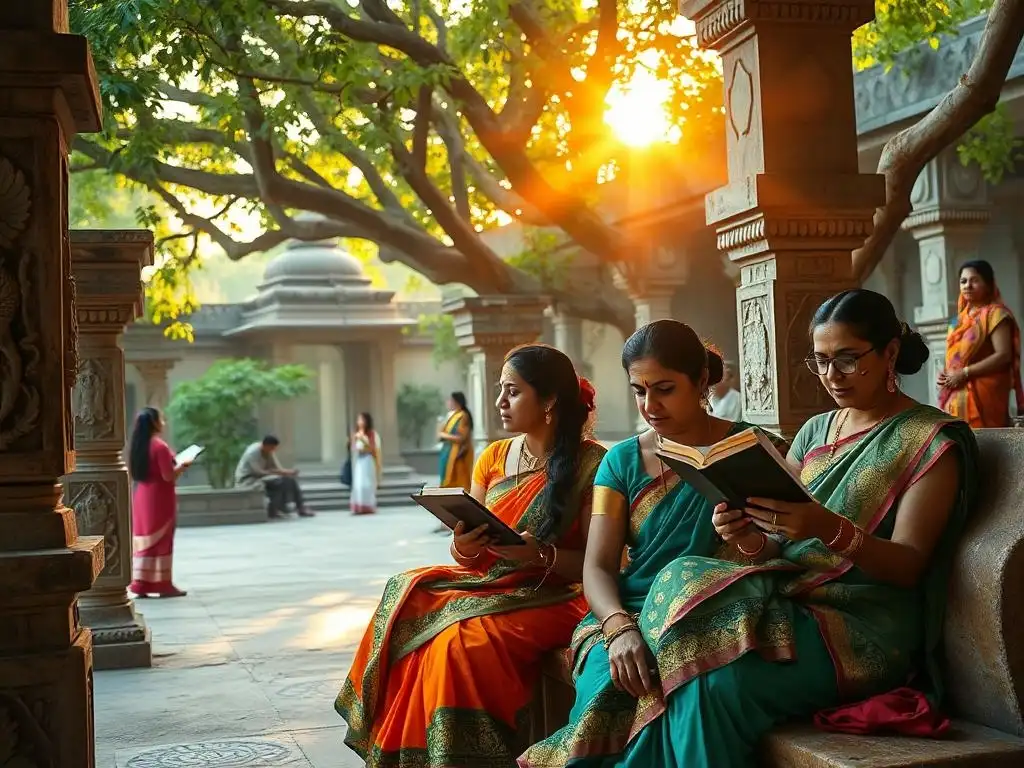
Welcome to Ancient India History, where we delve into the rich tapestry of one of the world's oldest civilizations. In this exploration, we uncover fascinating insights into the pioneering role of women in ancient Indian education, a subject that not only highlights their contributions to learning but also reshapes our understanding of societal structures. Discover how these remarkable women navigated the educational systems of their time and laid the groundwork for future generations.
As you journey through this article, prepare to be captivated by the stories of resilience and intellect that define the essence of ancient Indian universities. What secrets will you unearth about these trailblazing figures? Dive in to find out!
- Introduction to Women in Ancient Indian Education
- Historical Context of Women in Education in Ancient India
- Prominent Ancient Indian Universities and Their Influence
- Key Contributions of Women in Ancient Indian Universities
- Challenges Faced by Women in Ancient Indian Academia
- The Legacy of Women in Ancient Indian Education
- Conclusion: Celebrating Women in Ancient Indian Education
- Frequently Asked Questions
- Final Reflection: Celebrating the Pioneers of Education
- Unearth the Legacy: Empower Women Today!
Introduction to Women in Ancient Indian Education
The rich tapestry of ancient Indian history offers a fascinating glimpse into the role of women in education, particularly within the context of renowned institutions such as Nalanda and Vikramshila. While the narrative of education often highlights male scholars and philosophers, it is crucial to acknowledge the significant contributions of women who not only participated in learning but were also instrumental in shaping educational practices.
This exploration delves into the pivotal roles women played in ancient Indian universities, showcasing their pioneering spirit and the progressive nature of education during that era. By understanding the involvement of women in ancient Indian education, we gain insight into their influence on society and the enduring legacy they left behind.
Overview of Ancient Indian Universities
Ancient India was home to some of the world's earliest universities, which served as centers of higher learning, attracting students from various regions. Notable among these were:
- Nalanda University: Established in the 5th century CE, Nalanda was a renowned center for Buddhist studies and attracted scholars from as far as China, Korea, and Japan. The university provided a diverse curriculum encompassing subjects like philosophy, medicine, mathematics, and linguistics.
- Vikramshila University: Founded by King Dharmapala in the 8th century CE, Vikramshila specialized in Buddhist studies and was known for its rigorous academic standards. It became a prominent institution for monks and scholars seeking advanced education.
These universities not only fostered intellectual growth but also facilitated the exchange of ideas and cultures, creating an environment where women could engage in scholarly pursuits. Historical texts and inscriptions reveal instances of women participating in these academic spaces, challenging the traditional norms of their time.
Importance of Women in Education
The role of women in ancient Indian education extends beyond mere participation; they were pioneers who influenced educational frameworks and practices. Their significance can be highlighted through several key aspects:
- Cultural Impact: Women played a crucial role in preserving and transmitting knowledge through oral traditions and written texts. Their contributions to literature, philosophy, and the arts enriched the cultural landscape of ancient India.
- Role Models: Women educators and scholars served as role models for future generations, inspiring young girls to pursue education and challenge societal constraints. Figures like Gargi and Maitreyi, who are mentioned in ancient scriptures, exemplified the intellectual capabilities of women in their time.
- Advancing Gender Equality: The involvement of women in education during ancient times laid the groundwork for future movements advocating for gender equality. Their presence in universities challenged the prevailing stereotypes and set a precedent for women's rights in education.
By examining the multifaceted roles of women in ancient Indian universities, we can appreciate their contributions to education and society as a whole. Their legacy continues to inspire contemporary discussions on women's empowerment and the importance of inclusive education systems.
Historical Context of Women in Education in Ancient India
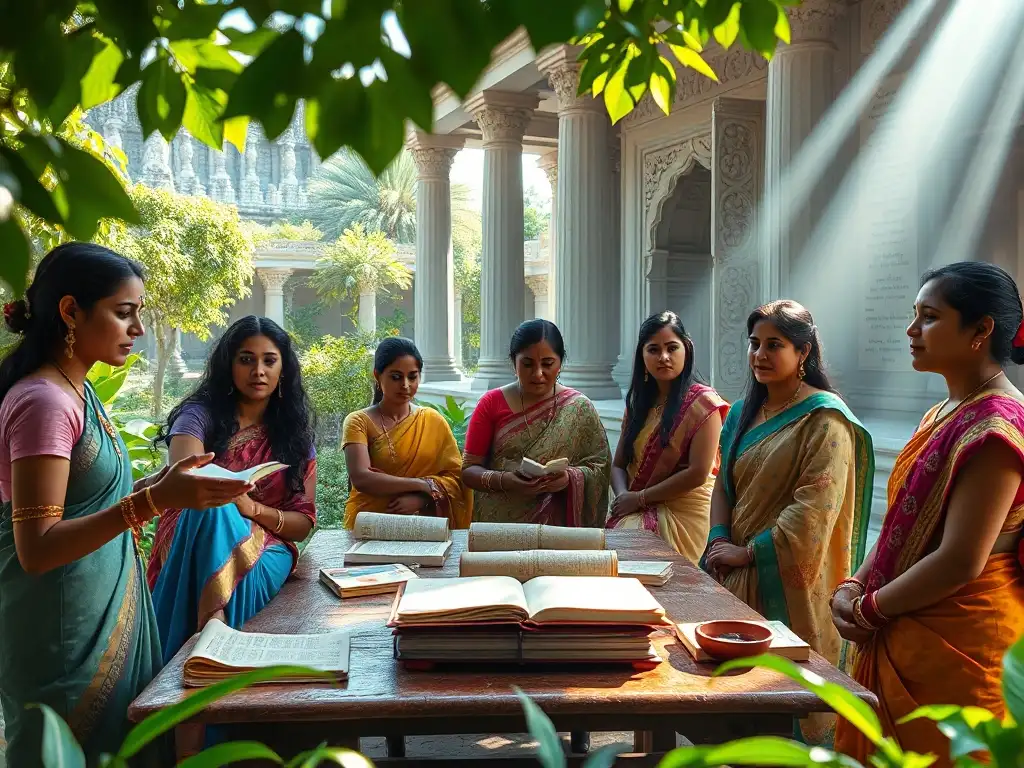
In ancient India, the education of women was an integral part of society, albeit often overshadowed by the patriarchal norms that dominated the cultural landscape. The historical context reveals a complex relationship between gender and education, with women making significant contributions to intellectual and scholarly pursuits. The Vedic period, approximately 1500 to 500 BCE, is a critical starting point, during which women were often revered as sages and scholars. Texts like the Vedas and Upanishads highlight the presence of women in philosophical discussions, suggesting that education was accessible to them in some form.
During the subsequent Mauryan period (322–185 BCE), significant evidence points to women engaging in higher education. The famous Nalanda University, established in the 5th century CE, is one such institution where women began to make their mark. Although records are sparse, it is believed that women participated in various fields of study, including philosophy, mathematics, and the arts. This era marked a growing recognition of women's intellectual capabilities, paving the way for their involvement in education.
Early Examples of Female Scholars
Several notable female scholars from ancient India have left an indelible mark on the educational landscape. One prominent figure is Gargi Vachaknavi, a philosopher mentioned in the Brihadaranyaka Upanishad. She is celebrated for her profound debates with male scholars, showcasing her mastery of complex philosophical concepts. Another remarkable individual is Maitreyi, also from the Vedic texts, who is known for her discussions on the nature of reality and the self.
In addition to these figures, the Jatakas—a collection of stories about the previous lives of the Buddha—mention women who were knowledgeable in various fields. For instance, the tale of the wise woman Khema illustrates her intelligence and learning, emphasizing that women were not only participants in educational discussions but also influential leaders in their communities.
These early examples highlight that women in ancient India were not merely passive recipients of knowledge; rather, they actively engaged in intellectual discourses, challenging the norms of their time. Their contributions laid the groundwork for future generations and demonstrated the potential for women to excel in educational pursuits.
Cultural Attitudes Towards Women's Education
Cultural attitudes towards women's education in ancient India were multifaceted and varied significantly across regions and time periods. While some texts and traditions endorsed education for women, others imposed restrictions based on societal norms. In many communities, education was seen as essential for women's roles as mothers and homemakers, emphasizing skills like music, dance, and arts rather than academic subjects.
However, certain periods and regions exhibited a more progressive stance. For example, during the Gupta Empire (approximately 320–550 CE), there was a notable resurgence in the arts and sciences, which included a more inclusive approach to education. Historical records indicate that women were encouraged to study subjects such as astronomy, medicine, and philosophy, reflecting a cultural acknowledgment of their intellectual abilities.
Despite these progressive moments, women's education continued to face challenges, especially in later periods where rigid caste systems and patriarchal structures constrained their access to formal learning. The tension between traditional roles and the push for education created a dynamic cultural landscape, where some women broke through barriers while others remained limited by societal expectations.
The historical context of women's education in ancient India reveals a rich tapestry of achievements and challenges. From early female scholars to shifting cultural attitudes, women played a crucial role in the educational narrative, contributing significantly to the intellectual heritage of ancient Indian civilization. Their legacies continue to inspire discussions about gender and education today, reminding us of the importance of inclusive educational systems.
Prominent Ancient Indian Universities and Their Influence
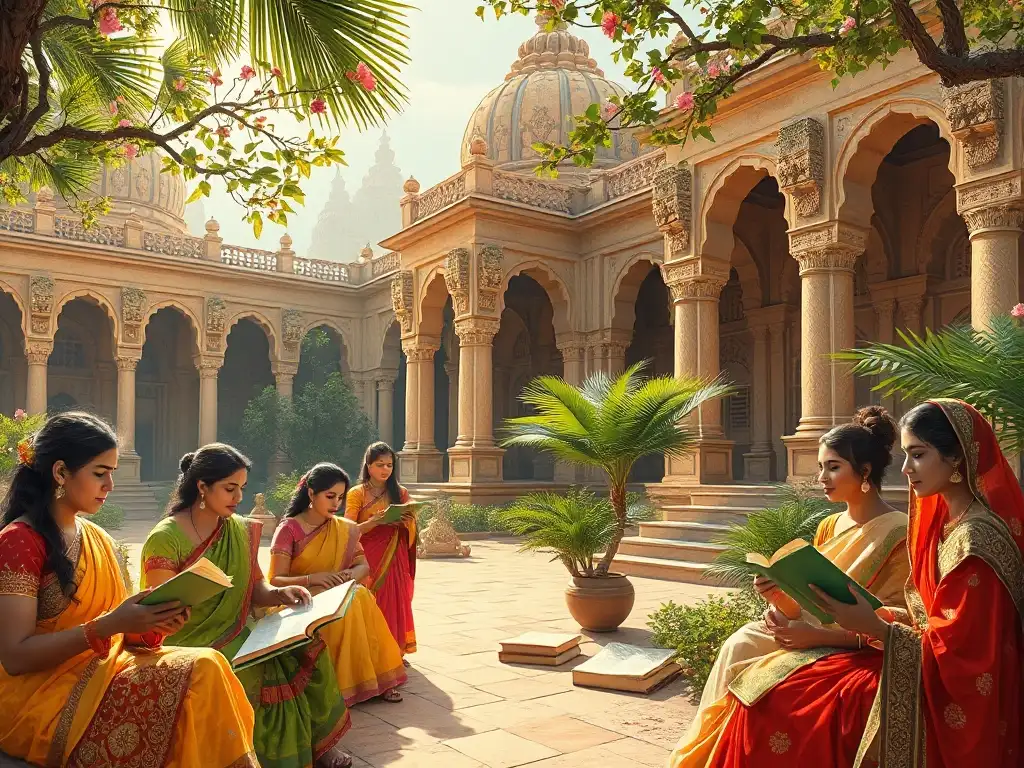
Nalanda University: A Hub for Female Scholars
Nalanda University, established in the 5th century CE, is often regarded as one of the most prestigious centers of learning in ancient India. This university not only attracted scholars from across the Indian subcontinent but also welcomed students from distant regions, including China, Korea, Mongolia, and Tibet. Among its myriad contributions to education, Nalanda played a significant role in the inclusion of women in the academic arena, challenging the traditional gender norms of the time.
Contributions of Women at Nalanda
Women scholars at Nalanda made remarkable contributions to various fields, including philosophy, medicine, and literature. Notable figures such as Vajrayogini, a prominent female scholar, imparted knowledge in spiritual and philosophical teachings, influencing many students and shaping the intellectual landscape of the period.
Women engaged in various levels of academic work, from teaching to participating in debates. They were involved in the study of texts such as the Vedas and Upanishads, contributing to the rich tapestry of knowledge that characterized Nalanda. The university's curriculum emphasized critical thinking and discourse, allowing women to voice their thoughts and engage actively with their male counterparts.
Moreover, Nalanda's inclusive atmosphere provided women with the opportunity to pursue higher education in a supportive environment. The presence of female scholars not only enriched the university's academic offerings but also paved the way for future generations of women in education, underscoring the vital role they played in the evolution of ancient Indian education.
Takshashila University: Education Beyond Gender
Founded around the 6th century BCE, Takshashila University is another cornerstone in the history of ancient Indian education. Renowned for its diverse curriculum, which included subjects like astronomy, medicine, and military strategy, Takshashila University was a melting pot of ideas and philosophies. The university is notable for its progressive stance on education, which transcended gender barriers, allowing women to partake in scholarly pursuits.
Role of Women in Takshashila's Academic Environment
Women at Takshashila were not merely passive participants; they actively contributed to the university's intellectual discourse. Evidence suggests that female students were engaged in rigorous studies, often excelling in disciplines such as mathematics and philosophy. The university fostered an environment where intellectual capability was valued over gender, allowing women to emerge as respected scholars in their own right.
The curriculum at Takshashila encouraged collaboration and interaction among students, fostering a spirit of inclusivity. This academic environment allowed women to challenge prevailing societal norms and assert their presence in the scholarly community. The contributions of women scholars from Takshashila are evident in historical texts that document their achievements and the influence they wielded over their peers.
Both Nalanda and Takshashila exemplified the progressive nature of ancient Indian education, where women played a crucial role in shaping academic discourse. Their legacy continues to inspire modern educational systems, highlighting the importance of inclusivity and diversity in learning.
Key Contributions of Women in Ancient Indian Universities
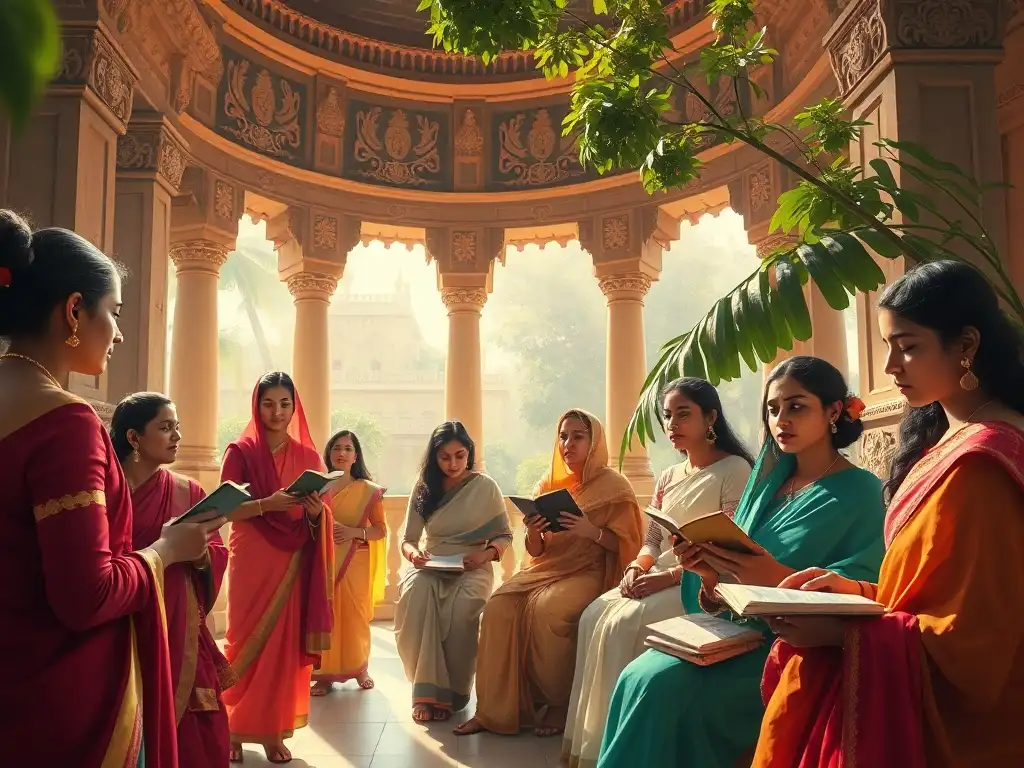
Women in ancient Indian universities played a crucial role in shaping educational practices and contributing to the intellectual landscape of their time. Despite the societal constraints that often limited their access to education, many women emerged as pioneering figures who not only excelled in their studies but also contributed significantly to various fields of knowledge, including philosophy, mathematics, and literature. Their involvement in institutions like Nalanda and Vikramshila highlights the progressive nature of ancient Indian education, where learning transcended gender barriers, albeit to a varying extent.
Notable Female Figures in Ancient Indian Education
Several remarkable women stand out in the history of ancient Indian education, showcasing the impact they had on their contemporaries and future generations.
- Gargi Vachaknavi: A prominent philosopher and scholar from the Vedic period, Gargi is remembered for her profound contributions to philosophical debates, particularly in the Brahmanas. Her dialogues with male scholars illustrate her intellectual prowess and assertiveness in a male-dominated environment.
- Maitreyi: Another influential figure, Maitreyi was known for her discussions on metaphysics and her contributions to the Upanishads. She represented a strong female voice in philosophical thought, advocating for the importance of knowledge and self-realization.
- Vatsala: A lesser-known yet significant figure, Vatsala was a learned woman from the Gupta period who specialized in the study of the Natyashastra. She contributed to the arts and literature, emphasizing the role of women in creative expression.
Achievements and Innovations
The contributions of these women were not limited to their academic pursuits; they also inspired innovations in educational practices:
- Curriculum Development: Women like Gargi and Maitreyi influenced the development of curricula that included subjects such as philosophy, astronomy, and mathematics, paving the way for a more inclusive educational framework.
- Pedagogical Methods: The methods employed by these scholars in teaching and discourse encouraged critical thinking and debate, fostering an environment where knowledge could flourish irrespective of gender.
- Cultural Contributions: Women in ancient universities contributed to the arts, literature, and sciences, thus enriching the cultural tapestry of India. Their works not only reflected their intellect but also served as educational material for future generations.
Influence on Subsequent Generations of Women
The legacy of women in ancient Indian education has had a profound and lasting impact on subsequent generations. Their achievements inspired future female scholars to pursue education, leading to:
- Increased Participation: The pioneering efforts of women in ancient universities laid the groundwork for increased female participation in education throughout Indian history.
- Role Models: Figures like Gargi and Maitreyi became role models for women, demonstrating that intellectual pursuits were attainable and valuable. This encouraged many to seek knowledge and assert their rights to education.
- Cultural Shifts: The recognition of women's contributions to education and culture initiated a gradual shift in societal attitudes toward women's roles in education, allowing for more opportunities in various fields.
The contributions of women in ancient Indian universities were significant and transformative. Their intellectual achievements and innovative approaches to education not only advanced their own learning but also set the stage for future generations of women to pursue knowledge and assert their place in society. The legacy of these scholars continues to resonate today, reminding us of the vital role women have played in the history of education in India.
Challenges Faced by Women in Ancient Indian Academia
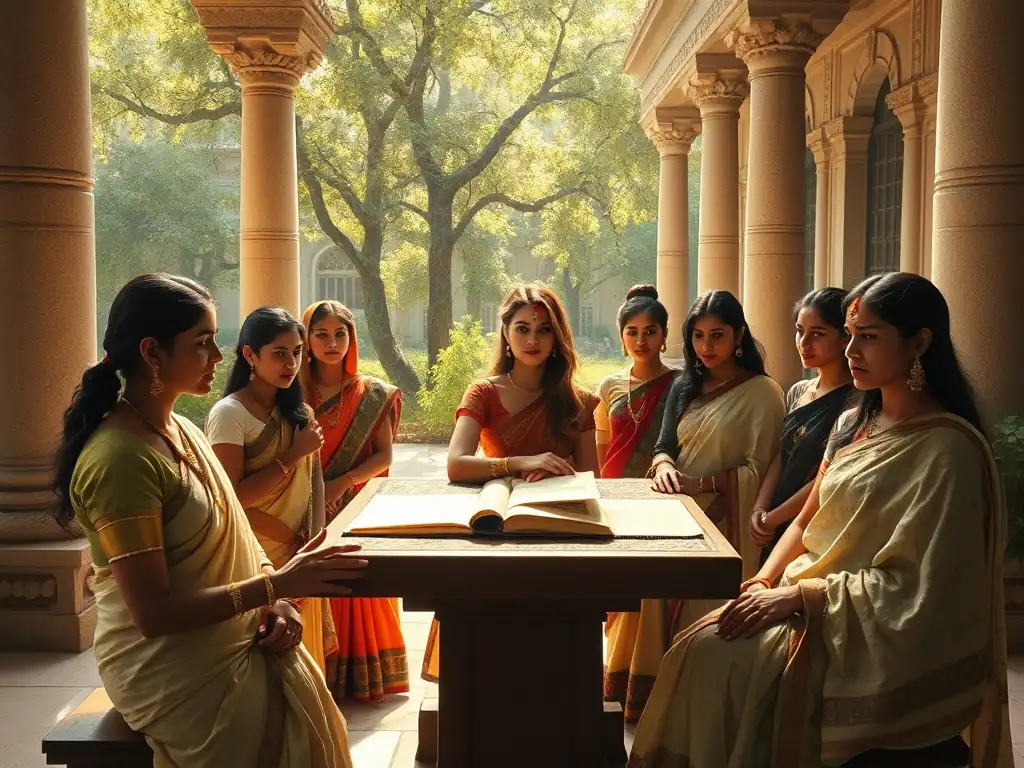
The landscape of education in ancient India was rich and complex, yet women faced numerous challenges that limited their access to academic institutions. Despite the existence of renowned universities like Nalanda and Takshashila, societal norms and cultural expectations often hindered women's participation in formal education. Understanding these challenges provides insight into the broader context of women in ancient Indian education.
Societal Barriers to Education
In ancient India, societal attitudes profoundly influenced women's opportunities for education. Patriarchal structures dominated, emphasizing traditional roles for women as caretakers and homemakers. Consequently, education was often deemed unnecessary for women, as their primary responsibilities revolved around family and domestic duties. This perception was reinforced by:
- Cultural Norms: Many cultural narratives celebrated women's roles in the household, often neglecting their potential as scholars or leaders.
- Religious Influences: Certain religious texts perpetuated the idea that a woman's duty was to support her husband and family rather than pursue intellectual pursuits.
- Familial Expectations: Families often prioritized the education of male children, viewing their future roles as breadwinners, whereas daughters were prepared for marriage.
Despite these barriers, some families recognized the value of education for their daughters. Women from higher socio-economic backgrounds occasionally attended educational institutions, but this was the exception rather than the rule.
Gender Disparities in Access to Learning
The gender disparities in access to learning were stark, with ancient Indian universities predominantly catering to male students. This disparity can be attributed to several factors:
- Limited Enrollment: Many ancient universities had strict admission policies that favored male students, often excluding women entirely or allowing only a few to enroll.
- Resource Allocation: Educational resources, including texts and instructors, were primarily focused on male students. This unequal distribution meant that even when women were allowed to attend, they often lacked the same level of support and materials.
- Social Stigmas: Women who sought education faced social stigmas, including criticism from their communities. This pressure discouraged many girls from pursuing formal education and led to a culture of silence around women's educational ambitions.
- Mobility Restrictions: The movement of women outside their homes was often restricted, making it challenging for them to attend schools or universities, especially those located far from their communities.
Despite these challenges, some remarkable women emerged as scholars and educators in ancient India. Their contributions, often overshadowed by the societal norms of their time, laid the groundwork for future generations. Understanding these barriers is essential not only for appreciating the historical context of women in ancient Indian education but also for recognizing their enduring legacy in the field of learning.
The Legacy of Women in Ancient Indian Education
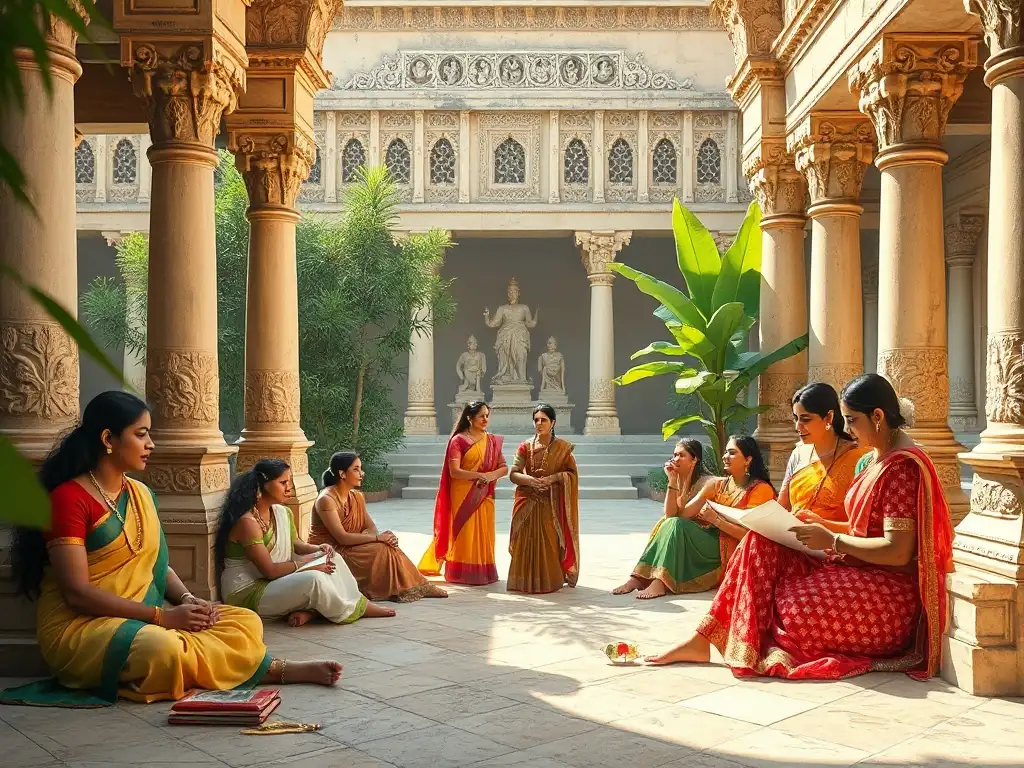
The legacy of women in ancient Indian education is profound, reflecting a time when women participated actively in the scholarly pursuits of their communities. Ancient Indian universities, particularly those like Nalanda and Takshashila, were not just centers for male scholars; they served as inclusive educational hubs where women contributed significantly to various fields of knowledge.
Lasting Impact on Modern Educational Systems
The influence of ancient Indian women in education can be observed in several modern educational systems across the globe. Their engagement in higher learning laid the groundwork for gender-inclusive educational approaches that are increasingly recognized today.
- Curricular Contributions: Women in ancient universities were known to excel in subjects such as philosophy, mathematics, and the arts. This historical precedence has inspired contemporary curricula to embrace diverse perspectives and encourage female participation in STEM (Science, Technology, Engineering, and Mathematics) fields.
- Role Models: Figures like Gargi and Maitreyi, who are celebrated in ancient texts, serve as role models, demonstrating that women can achieve academic excellence and contribute to philosophical discourse. Their legacy encourages modern educational systems to highlight female role models in various disciplines, fostering an environment where girls are motivated to pursue higher education.
- Educational Policies: The recognition of women in education during ancient times has influenced policies aimed at promoting gender equality in education. Modern initiatives often reference historical precedents to advocate for female empowerment through education, reflecting the principles of inclusivity and equal opportunity established by ancient institutions.
Overall, the legacy of women in ancient Indian education not only highlights their contributions but also serves as a foundation for ongoing efforts to create equitable educational environments today.
Recognition of Women's Contributions in Historical Narratives
Despite the significant roles played by women in ancient Indian education, their contributions often remained overshadowed in historical narratives. However, recent scholarship is beginning to rectify this oversight.
- Historical Texts and Literature: Ancient texts, including the Vedas and Upanishads, contain references to learned women. Scholars are now increasingly exploring these texts to bring to light the intellectual achievements of women such as Gargi and Maitreyi. Their participation in debates and philosophical discussions highlights the importance of women in shaping ancient educational discourses.
- Archaeological Evidence: Excavations at sites of ancient universities have uncovered artifacts and inscriptions that indicate the presence of female scholars. This evidence supports the notion that women were not merely passive recipients of education but were actively engaged in the academic life of their time.
- Cultural Narratives: Efforts to reframe cultural narratives around education are gaining traction. By showcasing the stories of women from ancient universities, historians are working to ensure that their contributions are recognized as integral to the broader history of education in India.
Acknowledging the contributions of women in ancient Indian education enriches our understanding of historical educational systems and fosters a greater appreciation for the role of women in shaping intellectual traditions that continue to resonate in today's educational landscapes.
Conclusion: Celebrating Women in Ancient Indian Education
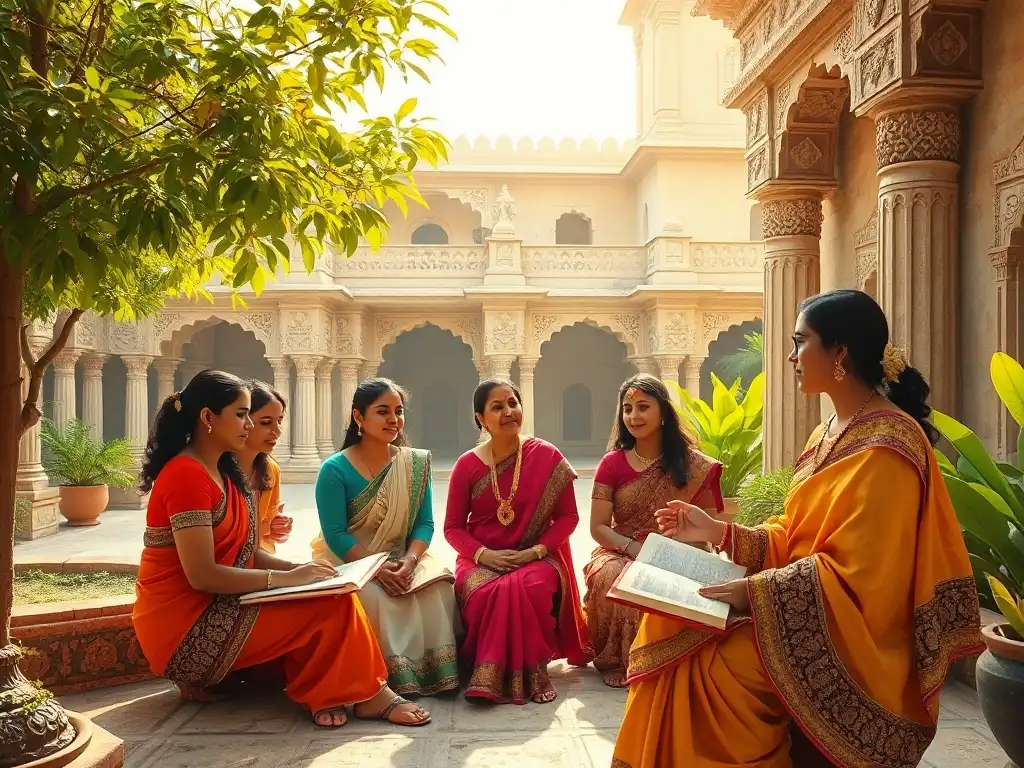
Women played a pivotal role in the landscape of ancient Indian education, particularly within the esteemed universities such as Nalanda and Takshashila. These institutions were not merely places of learning but were vibrant centers of intellectual discourse where women contributed significantly as students and scholars. The acknowledgment of their contributions is crucial for understanding the complete narrative of education in ancient India.
Reflection on the Progress of Women's Education
The journey of women's education in ancient India reflects a profound evolution from the Vedic period to the Gupta Empire. Initially, education was predominantly a male domain, but as time progressed, women began to gain access to knowledge and learning. Notable texts, such as the Arthashastra and Manusmriti, highlight the existence of female scholars who not only studied but also taught.
- Vedic Period: Women like Gargi and Maitreyi were celebrated for their wisdom and intellect, engaging in philosophical debates and contributing to the Vedic literature.
- Buddhist Era: The emergence of Buddhist universities provided women with opportunities for education, where they practiced and taught religious texts, thus expanding their knowledge base.
- Gupta Period: This era marked a significant peak in the empowerment of women in education, with institutions supporting female participation in various fields such as philosophy, science, and arts.
Over the centuries, these advancements laid a foundation that would inspire future generations. The progress made during these periods can be viewed as a precursor to the eventual reforms in women's education that occurred in later centuries, highlighting the resilience and determination of women in the pursuit of knowledge.
The Importance of Recognizing Female Pioneers in History
Acknowledging the contributions of women in ancient Indian education is essential not only for historical accuracy but also for inspiring contemporary discussions about gender equality. These female pioneers broke societal norms and established paths for others to follow.
Key reasons for recognition include:
- Historical Accuracy: Many historical narratives tend to overshadow women's contributions. By recognizing figures like Gargi and Maitreyi, we paint a fuller picture of ancient Indian education.
- Role Models for Contemporary Society: Celebrating these women serves as an inspiration for current and future generations, encouraging them to pursue education and leadership roles.
- Cultural Heritage: Understanding the role of women in ancient education enriches our cultural heritage, showcasing a diverse spectrum of intellectualism that transcends gender.
The legacy of women in ancient Indian education deserves to be celebrated and integrated into the broader discourse of history. Their contributions not only shaped the educational landscape of their time but also set the stage for ongoing advancements in women's rights and educational access in modern India and beyond.
Frequently Asked Questions
What role did women play in ancient Indian universities?
Women were pioneers of education in ancient India, participating in university life and contributing to various fields of study, including philosophy and science.
Were there any notable female scholars in ancient India?
Yes, there were several notable female scholars such as Gargi and Maitreyi, who were recognized for their intellectual contributions and debates on philosophical matters.
How did ancient Indian society view women's education?
Ancient Indian society had a mixed perspective on women's education; while some women received formal education, others faced restrictions based on social norms and traditions.
What subjects were women taught in ancient Indian universities?
Women were educated in a variety of subjects, including literature, mathematics, astronomy, and medicine, showcasing their intellectual capabilities and contributions to society.
How did the education of women influence ancient Indian culture?
The education of women significantly influenced ancient Indian culture by promoting intellectual growth, leading to advancements in arts and sciences, and fostering a more inclusive society.
Final Reflection: Celebrating the Pioneers of Education
The exploration of Women in Ancient Indian Education reveals a profound legacy that resonates powerfully in today's society. As we reflect on the remarkable contributions of women scholars in ancient Indian universities, we recognize that their pursuit of knowledge was not merely an act of personal ambition, but a bold statement against the prevailing norms of their time. These pioneers laid the groundwork for future generations, reminding us that education is a fundamental right that transcends gender, culture, and time. Their stories inspire us to continue advocating for equality in education today.
The influence of these trailblazing women continues to shape our cultural and social landscape. Their resilience and intellect serve as a beacon of hope and empowerment for women everywhere. The lessons learned from their experiences encourage us to challenge societal barriers and strive for inclusivity in educational spaces. As Mahatma Gandhi once said, If you educate a man, you educate an individual; if you educate a woman, you educate a nation.
This powerful statement underscores the critical role women play in the advancement of society, a truth that remains relevant as we push for gender equality in education around the world.
As we conclude this reflection, I invite you to consider the impact of education in your own life and the lives of those around you. What steps can you take to honor the legacy of these ancient pioneers? Whether it’s advocating for girls’ education, supporting women in academia, or simply sharing their stories, each action contributes to a larger movement toward equality and empowerment. Let us carry forward the torch lit by these remarkable women, ensuring that their legacy inspires future generations to pursue knowledge and break barriers.
Unearth the Legacy: Empower Women Today!
Thank you for diving into the inspiring world of women in ancient Indian universities. Their remarkable contributions laid the groundwork for education and empowerment that resonates even today. Now, it’s your turn to carry this legacy forward!
Take meaningful action to champion education and equality:
- Support local education initiatives that empower girls and women to pursue their academic dreams.
- Share this article on social media to inspire others about the rich history of women in education and spark conversations about ongoing issues in gender equality.
- Join or create a community group focused on workshops, mentoring, or fundraising for programs dedicated to women’s education.
How will you contribute to shaping a brighter future for women in education? Share your thoughts and inspire others in the comments below!