
The Legacy of IndoGreek Art: A Blend of Styles and Techniques

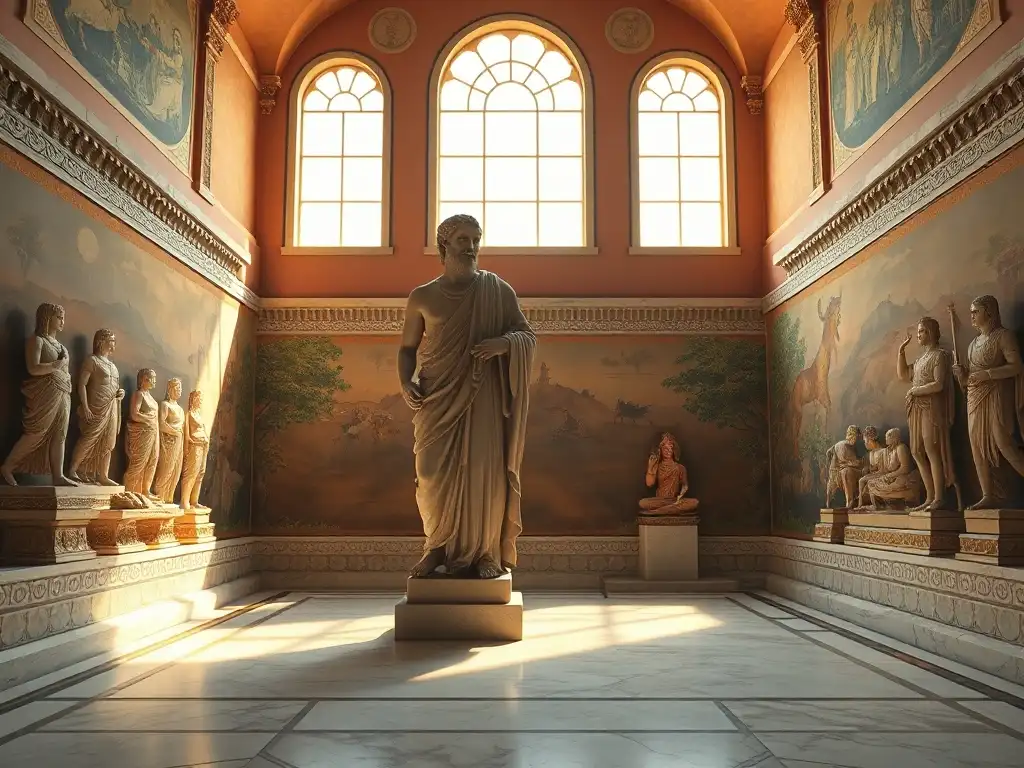
Welcome to Ancient India History, where we embark on a fascinating journey through the rich tapestry of ancient Indian civilizations. Today, we delve into the captivating realm of IndoGreek art history, a remarkable fusion of styles and techniques that emerged from the dynamic interactions between cultures. How did this unique blend shape the artistic landscape of its time?
Join us as we unravel the legacy of IndoGreek art and discover the profound influences that continue to resonate in our understanding of history and culture. Prepare to be intrigued as you explore the vibrant stories and contributions that define this extraordinary era!
Introduction to IndoGreek Art History
The legacy of IndoGreek art represents a fascinating confluence of cultural, artistic, and philosophical influences that emerged from the interactions between ancient India and Greece. This unique blend of styles and techniques not only enriched the artistic landscape of the time but also laid the groundwork for future artistic developments in the region. As we delve into the intricacies of IndoGreek art history, we will uncover the defining elements that characterize this art form, its historical context, and its lasting impact on Indian culture and beyond.
Overview of IndoGreek Art and Its Significance
IndoGreek art, which flourished from around the 3rd century BCE to the 1st century CE, is a testament to the dynamic exchanges between two great civilizations. The art reflects a synthesis of Hellenistic and Indian artistic traditions, resulting in a rich tapestry of visual expression. This art form is significant for several reasons:
- It represents one of the earliest instances of cross-cultural interaction in the ancient world.
- It showcases the adaptability of artistic techniques and themes in response to diverse cultural influences.
- It served as a bridge between Eastern and Western art, influencing subsequent artistic movements in both regions.
Key Features of IndoGreek Art
IndoGreek art is characterized by a distinctive fusion of styles that can be observed in various forms, including sculpture, pottery, and architecture. Some of the key features include:
- Realism and Naturalism: Sculptures exhibit a high degree of realism, with detailed anatomical features and expressive faces.
- Iconography: The integration of Greek mythology with Indian religious themes, leading to unique representations of deities and figures.
- Architectural Innovations: The introduction of Greek architectural elements, such as columns and arches, into Indian structures.
Historical Context of IndoGreek Art
Understanding the historical context of IndoGreek art is crucial to appreciating its significance and development. This section will explore the origins of IndoGreek relations and the pivotal events that shaped this cultural exchange.
The Origins of IndoGreek Relations
The roots of IndoGreek relations can be traced back to the conquests of Alexander the Great in the 4th century BCE. Alexander's campaigns not only expanded the boundaries of his empire but also facilitated the movement of people, ideas, and artistic styles across regions. Following his death, the establishment of the IndoGreek Kingdoms marked the beginning of sustained interactions between Indian and Greek cultures.
The Influence of Alexander the Great on Indian Art
Alexander's incursion into India catalyzed a profound transformation in the artistic landscape. His exposure to Indian culture and vice versa resulted in the following influences:
- Stylistic Exchange: Greek artists began to adopt Indian motifs, while Indian craftsmen integrated Hellenistic techniques into their work.
- Cultural Synthesis: This blending of styles led to the creation of new artistic expressions that resonated with audiences from both cultures.
The Mauryan Empire and Cultural Exchange
The Mauryan Empire, particularly under the reign of Emperor Ashoka, played a significant role in furthering IndoGreek relations. Ashoka's policies of tolerance and cultural exchange promoted the spread of ideas and artistic practices. This period saw:
- Buddhism as a Cultural Connector: The promotion of Buddhism by the Mauryan Empire resulted in the cross-pollination of artistic ideas, particularly in the depiction of Buddhist iconography influenced by Greek styles.
- Trade Routes: The establishment of trade routes facilitated not only the exchange of goods but also artistic and cultural influences, leading to a richer artistic heritage.
Characteristics of IndoGreek Art
IndoGreek art is a fascinating blend of two rich cultural traditions, emerging from the interactions between Indian and Greek civilizations after the conquests of Alexander the Great in the 4th century BCE. This unique art form is characterized by its distinctive features, which reflect both Indian and Hellenistic influences. One of the most prominent characteristics is the naturalism evident in sculptures, where figures are portrayed with realistic proportions and expressions. This approach marked a departure from the more stylized forms typical of earlier Indian art.
In addition to naturalism, IndoGreek art showcases intricate detailing and a variety of motifs drawn from both cultures. The use of drapery in sculptures mimics the flowing garments seen in Greek art, while the iconography often incorporates Indian themes, such as depictions of Buddhist figures and Hindu deities. This artistic fusion resulted in a rich visual vocabulary that celebrated the aesthetics of both cultures.
Another significant characteristic is the architectural innovation seen in IndoGreek structures. Many of these buildings incorporated Greek architectural elements, such as columns and pediments, while also embracing Indian architectural styles. This resulted in temples and stupas that displayed a harmonious blend of stylistic features from both traditions.
Fusion of Indian and Greek Artistic Styles
The fusion of Indian and Greek artistic styles is one of the defining aspects of IndoGreek art. This amalgamation not only enriched the artistic landscape of ancient India but also facilitated the exchange of ideas and techniques between the two civilizations. The influence of Greek art is particularly noticeable in the portrayal of human figures, where the attention to anatomical precision and dynamic poses mirrored the Greek classical tradition.
Conversely, Indian artistic traditions contributed to the subject matter and iconography found in IndoGreek art. For instance, while Greek artists often focused on mythological themes and heroism, IndoGreek artists incorporated Buddhist symbols and motifs, reflecting the spiritual beliefs of the region. This blending resulted in sculptures that often depicted figures like the Bodhisattva alongside Greco-Roman gods, creating a unique visual dialogue between the two cultures.
Moreover, the use of new materials and techniques also played a crucial role in this fusion. The introduction of the chisel and the techniques of stone carving from Greek artisans combined with local Indian craftsmanship, leading to the production of exquisite sculptures and reliefs that showcased the best of both artistic traditions.
Common Themes in IndoGreek Sculptures and Architecture
IndoGreek sculptures and architecture often revolve around common themes that reflect the cultural and spiritual milieu of the time. One of the prevalent themes is the representation of deities, where sculptures frequently depict figures such as Buddha, Avalokiteshvara, and other revered personalities from both Indian and Hellenistic traditions. These representations often emphasized the attributes and symbolism associated with these figures, blending local religious narratives with Greek artistic conventions.
Another recurring theme is that of narrative reliefs, which illustrate stories from both Indian epics and Greek mythology. These reliefs provided a dynamic storytelling medium, allowing viewers to engage with the narratives depicted. For example, scenes from the life of the Buddha often coexist with mythological motifs from Greek tradition, creating a rich tapestry of cultural storytelling.
Architecturally, many IndoGreek structures were designed to serve both religious and civic purposes, incorporating elements such as grand gateways (toranas) and intricate facade work. The stupa, a significant structure in Buddhist architecture, often exhibited Greek influences in its design, showcasing the adaptability of Hellenistic styles to Indian religious contexts. This thematic integration illustrates the profound interconnectedness of the two civilizations during this period.
Techniques Used in IndoGreek Artistry
The techniques employed in IndoGreek artistry reflect a sophisticated understanding of materials and craftsmanship, influenced by both Indian and Greek traditions. One of the primary techniques was the use of high relief and low relief carving, which allowed for depth and dimension in sculptures. This method was combined with the use of soft stone, such as schist and limestone, which was prevalent in the region, enabling artists to achieve fine details.
Additionally, the use of lost-wax casting for bronze sculptures became increasingly popular during this period. This technique allowed for the creation of intricate and lifelike figures that showcased the skill of the artisans. The blending of metal with stone carvings is a hallmark of IndoGreek art, where bronze sculptures often complemented stone reliefs, enhancing the overall artistic expression.
Another significant technique that emerged was the use of color and polychromy in sculptures. This practice involved painting sculptures to bring them to life, a trend that was notably adopted from Greek practices. The vibrant colors added another layer of storytelling and emotional resonance to the works, making them more engaging for viewers.
Major Contributions of IndoGreek Art
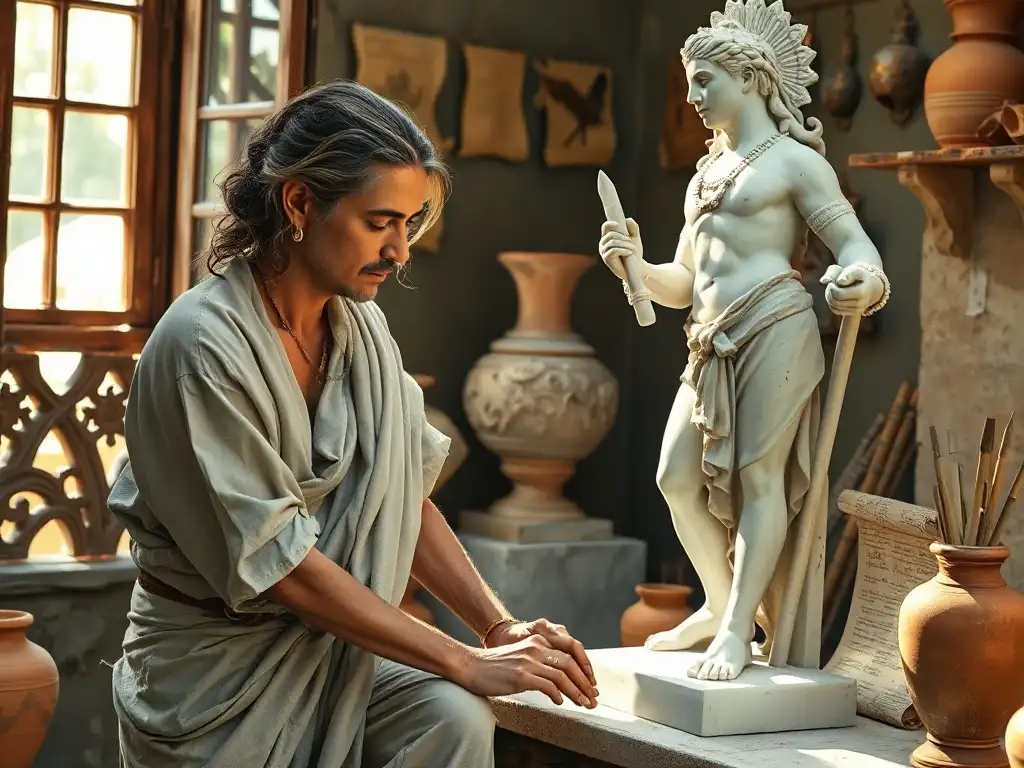
IndoGreek art made substantial contributions to the cultural and artistic landscape of ancient India, influencing various aspects of art, architecture, and iconography. Its legacy is particularly evident in the evolution of Buddhist art and the dissemination of Hellenistic styles throughout the Indian subcontinent.
The Role of Gandhara Art in IndoGreek Heritage
Gandhara art is often regarded as the pinnacle of IndoGreek artistic expression, merging Greek techniques with Buddhist themes. Originating in the region of present-day Pakistan and Afghanistan, Gandhara art flourished during the Kushan Empire and became a significant center for artistic production. The sculptures from this period display a striking blend of Indian motifs and Greek realism, showcasing the impact of IndoGreek interactions.
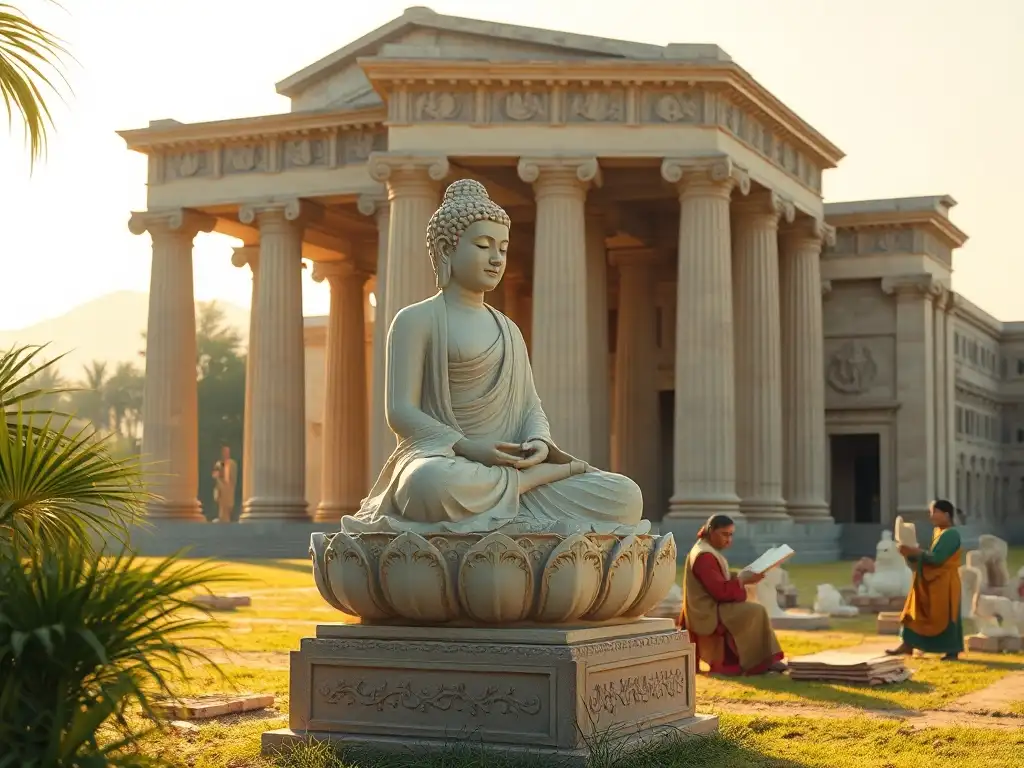
One of the most notable contributions of Gandhara art is the depiction of the Buddha, where the influence of Greek sculptural techniques is evident in the anatomical precision and serene expressions of the figures. The use of drapery, reminiscent of Greek statues, further emphasizes the grace and elegance of the Buddhist imagery. This unique fusion not only enriched the visual language of Buddhist art but also facilitated the spread of Buddhist narratives across Asia.
Furthermore, Gandhara art served as a conduit for cultural exchange, influencing the development of Buddhist art in other regions, including Central Asia and East Asia. The legacy of Gandhara art continues to resonate today, reflecting the enduring impact of IndoGreek artistic traditions.
The Impact of IndoGreek Coins on Art and Culture
IndoGreek coins serve as a significant testament to the artistic and cultural exchanges between India and Greece. These coins were not only a medium of trade but also a canvas for artistic expression, showcasing a range of motifs, including portraits of Greek rulers and various deities.
The intricately designed coins often featured Greek inscriptions alongside Indian iconography, highlighting the duality of cultures. The imagery on these coins, such as representations of the god Heracles or the Indian elephant, reveals the syncretic nature of IndoGreek interactions. This blending of cultural symbols on coins played a crucial role in legitimizing the rule of IndoGreek kings and fostering a sense of shared identity among diverse populations.
Moreover, the artistic techniques used in coin minting were reflective of the broader IndoGreek artistic practices. The precision and detail found in these coins provide insight into the skill and artistry of the period, demonstrating how the influences of both cultures coalesced in everyday objects.
IndoGreek Influence on Later Indian Artistic Traditions
The influence of IndoGreek art extended far beyond its immediate historical context, shaping later Indian artistic traditions in profound ways. As artists continued to draw inspiration from IndoGreek styles, elements such as naturalism, drapery, and narrative reliefs became integral features of subsequent artistic movements.
One of the most significant impacts was on the development of early Buddhist art, particularly during the Maurya and Gupta periods. The stylistic innovations introduced by IndoGreek artists can be traced in the intricate carvings of stupas and the iconic Buddhist sculptures found throughout India. The attention to detail and dynamic representation of figures laid the groundwork for the flourishing of Indian art in later centuries.
Additionally, the interaction between IndoGreek and Indian artistic traditions contributed to the emergence of distinctive regional styles. For instance, the influence of IndoGreek art can be seen in the artistic traditions of South India, where sculptures and temple architecture began to incorporate elements of naturalism and intricate detailing reminiscent of their IndoGreek predecessors.
The legacy of IndoGreek art is not merely a historical footnote; it is a testament to the enduring power of cultural exchange and artistic innovation that has shaped the rich tapestry of Indian art history.
Notable Examples of IndoGreek Art
The IndoGreek art movement is celebrated for its rich tapestry of styles and techniques, reflecting a unique blend of Hellenistic and Indian artistic traditions. Key examples of this art can be found in various regions that were influenced by the IndoGreek presence, particularly in Gandhara and Mathura. These masterpieces not only highlight the aesthetic preferences of the time but also serve as significant historical markers of cultural exchange.
Iconic IndoGreek Sculptures
The sculptures from the IndoGreek period exhibit a remarkable synthesis of Greek and Indian artistic elements. One of the most notable examples is the Buddha statues from Gandhara, which often display a distinct Greco-Roman influence. These sculptures feature:
- Realistic anatomical details: Muscular forms and drapery that mirror classical Greek sculptures.
- Facial expressions: A serene and contemplative demeanor that aligns with Buddhist iconography.
Another iconic representation is the Buddha with a Greek-style robe, showcasing intricate folds that are reminiscent of traditional Greek clothing. The Kanishka stupa, adorned with reliefs of various deities and scenes from Buddhist lore, further exemplifies the artistic endeavors of this era, merging local themes with foreign styles.
Architectural Marvels Representing IndoGreek Style
IndoGreek architecture reflects a fusion of Greek construction techniques and Indian religious structures. The Stupas of Sanchi and Taxila are prime examples where IndoGreek influence is evident. The architectural features include:
- Use of stone: Unlike earlier structures primarily built from brick and wood, IndoGreek architecture prominently utilized stone, allowing for more elaborate forms.
- Columns inspired by Greek design: These columns often featured elaborate capitals, drawing from classic Greek columns while adapting them to local styles.
The Chaitya halls and Viharas from this period also exhibit IndoGreek elements, particularly in their vaulted ceilings and intricate carvings that depict both local and Hellenistic motifs.
Artifacts from IndoGreek Period: A Case Study
A fascinating case study can be observed through the coins minted during the IndoGreek period. These coins often featured portraits of IndoGreek rulers alongside symbols and deities from Indian culture. For example:
- Menander I, one of the most famous IndoGreek kings, issued coins depicting the Greek god Apollo, as well as Indian deities like Buddha, illustrating the blend of beliefs.
- The inscriptions on these coins, written in both Greek and Kharosthi scripts, reveal the confluence of cultures and the administrative practices of the IndoGreek rulers.
These artifacts not only serve as currency but also as historical documents, providing insights into the cultural and economic exchanges of the time.
The Legacy of IndoGreek Art in Modern Context
The impact of IndoGreek art extends far beyond its historical timeframe, influencing various aspects of modern art and culture.
Influence on Contemporary Indian Art
The stylistic elements of IndoGreek art have permeated contemporary Indian art, evident in various forms of expression. Modern Indian artists often draw inspiration from the intricate patterns, compositional balance, and thematic depth found in IndoGreek sculptures. For instance:
- Sculptors today often incorporate the realistic representation of figures, akin to IndoGreek styles, while exploring modern themes.
- The fusion of styles can be seen in the work of artists who blend traditional Indian motifs with Hellenistic elements, creating a dialogue between the past and present.
This legacy is also reflected in the revival of interest in classical art forms, where artists seek to reinterpret ancient techniques through a modern lens.
Preservation and Study of IndoGreek Art History
Efforts to preserve and study IndoGreek art history are crucial in understanding its significance in the broader narrative of Indian history. Various institutions and scholars are dedicated to:
- Restoration projects that aim to conserve ancient sculptures and architectural sites, ensuring that they remain accessible for future generations.
- Academic research that delves into the socio-political contexts of IndoGreek art, examining how these influences shaped cultural identities.
These initiatives not only safeguard the physical artifacts but also promote awareness and appreciation of the IndoGreek legacy.
IndoGreek Art in Global Cultural Heritage
IndoGreek art has found its place within the global narrative of cultural heritage, recognized for its role in the history of art and intercultural exchange. Key aspects include:
- International exhibitions that showcase IndoGreek artifacts, highlighting their aesthetic and historical importance on a global stage.
- Collaborative research efforts that involve scholars from various countries, promoting a more inclusive understanding of art history.
As a result, IndoGreek art is increasingly appreciated not only as a unique fusion of traditions but also as a testament to the enduring legacy of cultural interactions throughout history. This recognition helps foster a deeper understanding of how ancient civilizations can inform contemporary cultural dialogues.
Conclusion
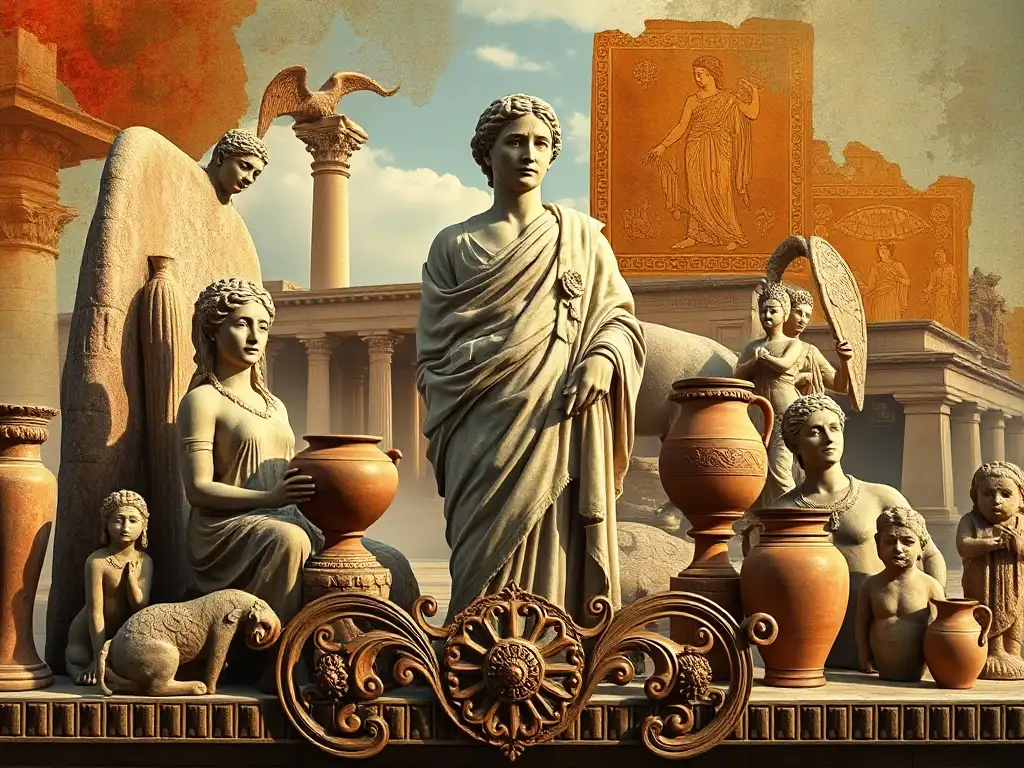
The legacy of IndoGreek art stands as a remarkable testament to the cultural fusion that occurred between ancient India and Greece. This synthesis not only reshaped artistic practices but also facilitated a deeper understanding of identity, spirituality, and cultural expression in both civilizations. The intricate blend of Hellenistic and Indian elements in sculpture, architecture, and other art forms illustrates a unique narrative that transcends geographical and temporal boundaries.
The Enduring Impact of IndoGreek Art on World Heritage
IndoGreek art has left an indelible mark on the world’s artistic heritage. Its influence can be observed in various aspects of art and design well beyond the ancient period. For instance, the use of realistic human forms, dynamic poses, and elaborate drapery in sculptures became a precursor to later artistic movements in both the East and West.
- Sculptural Techniques: The introduction of techniques such as chiaroscuro—using light and shadow to create depth—was revolutionary. This approach influenced subsequent art movements, promoting a more naturalistic representation of figures.
- Architectural Styles: IndoGreek architecture, characterized by the incorporation of Greek columns and Indian stupas, laid the foundation for later developments in Buddhist architecture. The stupas at Sanchi and Bharhut exhibit elements that bear testimony to this cross-cultural exchange.
- Cultural Symbolism: IndoGreek art also acted as a conduit for the exchange of philosophical and cultural ideas. The motifs used in art often carried significant meanings, blending Greek mythological themes with Indian spiritual concepts, enriching the narrative fabric of both cultures.
As a result, the impact of IndoGreek art continues to resonate in contemporary art, underscoring the importance of cultural synergy in the evolution of artistic expression.
Reflection on the Cultural Exchange Between Greece and India
The cultural exchange between Greece and India during the IndoGreek period was not merely a transfer of artistic techniques but a complex interaction that fostered mutual appreciation and understanding. This exchange was facilitated by various factors, including trade routes, the spread of Buddhism, and the conquests of Alexander the Great.
- Trade Routes: The establishment of trade routes, such as the Silk Road, enabled the flow of goods, ideas, and artistic styles between the two regions. This exchange helped in the dissemination of IndoGreek art across vast territories, influencing local artistic traditions.
- Philosophical Dialogues: The encounters between Greek philosophers and Indian thinkers led to profound reflections on ethics, cosmology, and human experience. Such dialogues often found expressions in art, where themes of enlightenment and the human condition were portrayed.
- Religious Syncretism: The merging of Hellenistic and Indian religious motifs in art exemplified a broader trend of syncretism. The depiction of deities and the incorporation of iconography from both traditions in sculptures and reliefs reflect a shared spiritual heritage that transcended distinct religious identities.
The IndoGreek art history encapsulates a vibrant narrative of cultural intermingling that enriched both civilizations. This legacy serves as a reminder of the profound impact that cross-cultural interactions can have on the development of artistic and intellectual traditions, paving the way for future generations to explore and appreciate the interconnectedness of human creativity.
- Introduction to IndoGreek Art History
- Historical Context of IndoGreek Art
- Characteristics of IndoGreek Art
- Major Contributions of IndoGreek Art
- Notable Examples of IndoGreek Art
- The Legacy of IndoGreek Art in Modern Context
- Conclusion
- The Enduring Impact of IndoGreek Art on World Heritage
- Reflection on the Cultural Exchange Between Greece and India
Frequently Asked Questions
What is IndoGreek art history?
IndoGreek art history refers to the artistic fusion that occurred during the Indo-Greek period, which blended Greek artistic techniques with Indian cultural elements, resulting in unique sculptures and architectural styles.
How did IndoGreek art influence Indian culture?
IndoGreek art significantly impacted Indian culture by introducing Hellenistic styles, which were incorporated into Indian sculpture and architecture, enriching the visual language of the region.
What are some key features of IndoGreek art?
Key features of IndoGreek art include realistic human figures, elaborate drapery, and naturalistic representations, showcasing a blend of Greek and Indian artistic traditions.
Which civilizations were involved in the IndoGreek art movement?
The IndoGreek art movement primarily involved the Greeks, particularly the Bactrian Greeks, and various Indian kingdoms, especially during the Maurya and Gandhara periods.
How is IndoGreek art preserved today?
IndoGreek art is preserved through archaeological sites, ancient sculptures, and coins, which provide valuable insights into the cultural exchange and artistic innovations of that era.
Final Reflection: The Enduring Influence of IndoGreek Art
The legacy of IndoGreek art remains profoundly relevant today, as it embodies a unique fusion of cultural influences that transcends time and geography. This artistic tradition not only showcases the rich tapestry of Hellenistic and Indian aesthetics but also serves as a reminder of the interconnectedness of civilizations. In a world that often feels divided, the story of IndoGreek art stands as a testament to the beauty that emerges when diverse cultures come together to create something truly remarkable.
IndoGreek art has significantly shaped our understanding of cultural exchange and artistic innovation, influencing both historical narratives and contemporary artistic practices. The intricate sculptures, vibrant frescoes, and unique coin designs of this period continue to inspire artists and historians alike, encouraging a dialogue about identity and heritage. As the renowned art historian John Boardman once said, The art of the Greeks is not just a reflection of their society but a bridge to understanding the world beyond their borders.
This sentiment resonates deeply as we explore how the legacy of IndoGreek art informs our appreciation of cross-cultural influences in today's globalized society.
As we reflect on the lessons of IndoGreek art history, let us embrace the spirit of collaboration and creativity that it represents. I invite you to explore your own cultural heritage and consider how it intersects with others, fostering a deeper understanding of the world around you. Whether through art, music, or personal interactions, we have the power to create new legacies that celebrate diversity and unity. In doing so, we honor the rich history of IndoGreek art while paving the way for future generations to continue this vibrant dialogue.
Unveil the Beauty of IndoGreek Art Today!
Thank you for diving into the captivating world of IndoGreek art with us! We hope you’ve uncovered the rich blend of styles and techniques that shaped this unique artistic legacy. Now, let's take the next steps to deepen your appreciation and connection to this incredible heritage.
Here’s how you can actively engage with the IndoGreek artistic legacy:
- Explore further: Visit your local museum or art gallery to seek out exhibitions that feature IndoGreek artifacts and artwork. Witness the beauty in person!
- Share the knowledge: Spread the word! Discuss what you’ve learned with friends and family or share this article on social media to inspire others to discover the wonders of IndoGreek art.
- Join a community: Participate in online forums or local art groups focused on ancient art. Engaging with others can provide deeper insights and enhance your understanding.
What piece of IndoGreek art resonates with you the most, and why? We invite you to share your thoughts in the comments below!