
The Role of Festivals in IndoGreek Cultural Exchange

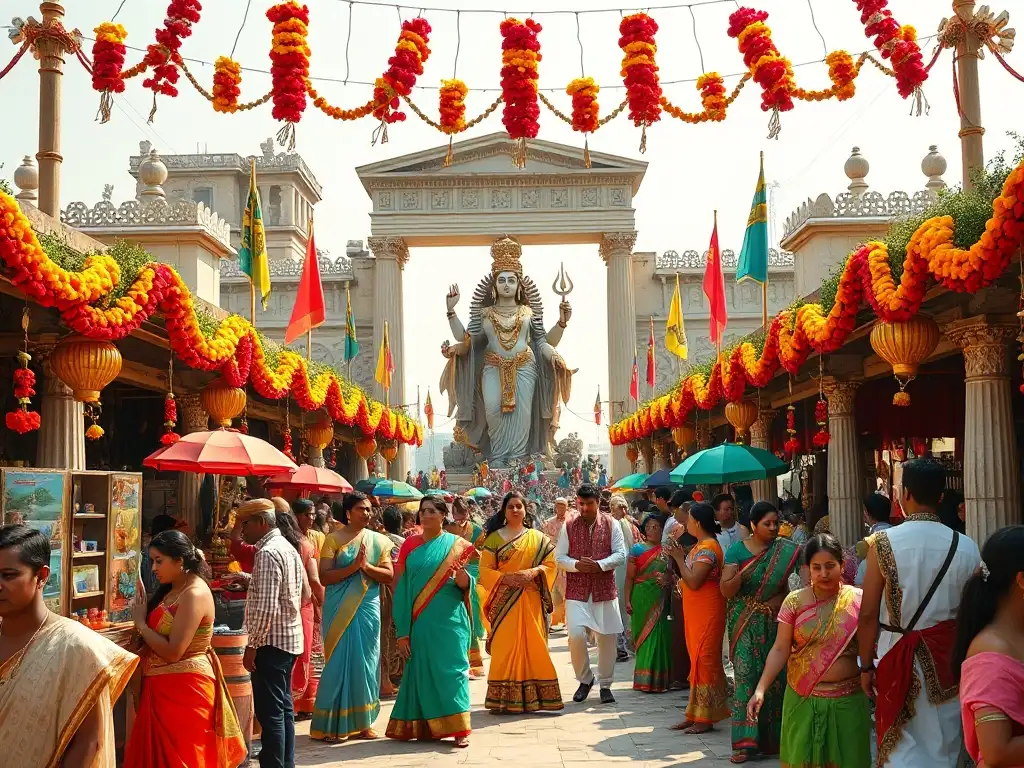
Welcome to Ancient India History, where we embark on a fascinating journey through time to uncover the rich tapestry of ancient Indian civilizations. From the remarkable achievements of the Indus Valley to the intellectual flourishing of the Gupta Empire, our exploration reveals the profound impact these cultures have had on the world. In our featured article, we delve into the IndoGreek cultural festivals history, shedding light on how these vibrant celebrations served as a bridge between two great civilizations.
Curious about the interplay of traditions and the lasting legacies they left behind? Join us as we unravel the stories that shaped the cultural exchanges of yesteryear and continue to resonate today.
- Introduction to IndoGreek Cultural Festivals History
- Historical Context of IndoGreek Relations
- Case Studies of Specific IndoGreek Festivals
- Impact of IndoGreek Cultural Festivals on Society
- Legacy of IndoGreek Cultural Festivals in Modern Times
- Conclusion
- Frequently Asked Questions
- Final Reflection: Celebrating the Tapestry of IndoGreek Cultural Exchange
- Embrace the Spirit: Discover & Celebrate Cultural Unity!
Introduction to IndoGreek Cultural Festivals History
The IndoGreek cultural festivals history encapsulates a fascinating chapter in the narrative of ancient civilizations, particularly focusing on the interactions between the Indian subcontinent and Greece. This dynamic exchange of ideas, beliefs, and customs occurred during a period marked by significant socio-political changes, driven largely by the conquests of Alexander the Great and the subsequent establishment of Hellenistic kingdoms in the Indian territories.
Festivals, as vibrant expressions of culture, played a pivotal role in this exchange, serving as platforms for the blending of traditions, art forms, and religious practices. Through an exploration of these festivals, we can gain insights into the ways in which ancient Indian and Greek societies influenced one another, fostering a rich tapestry of shared heritage that continues to resonate in modern cultural practices.
Understanding Cultural Exchange between India and Greece
The cultural exchange between India and Greece can be traced back to the fourth century BCE, primarily during the aftermath of Alexander the Great's campaigns. This period marked a significant shift in the dynamics of trade, art, and philosophy, leading to an intricate intermingling of cultures. Key factors that facilitated this exchange included:
- Trade Routes: The establishment of trade routes, such as the Silk Road, allowed for the regular movement of goods, ideas, and cultural practices between the two regions.
- Political Alliances: The formation of Indo-Greek kingdoms, particularly under rulers like Menander I, created a unique blend of Hellenistic and Indian traditions.
- Philosophical Dialogues: The interactions between Indian and Greek philosophers led to the sharing of ideas, particularly in the realms of ethics, metaphysics, and cosmology.
As a result, festivals emerged as vital expressions of this cross-cultural dialogue, showcasing a unique amalgamation of rituals, beliefs, and artistic expressions from both civilizations.
Importance of Festivals in Ancient Societies
Festivals have always held a significant place in ancient societies, acting as focal points for community engagement, religious observance, and cultural identity. In the context of IndoGreek interactions, festivals served several important purposes:
- Cultural Identity: Festivals helped solidify cultural identities among diverse populations, allowing communities to express their unique traditions while also embracing external influences.
- Social Cohesion: Celebrations fostered social bonds, encouraging cooperation and unity among different groups, which was crucial in the multicultural milieu of Indo-Greek societies.
- Religious Syncretism: Festivals became venues for the blending of religious practices, where Hindu and Hellenistic traditions could coexist, often resulting in new forms of worship and celebration.
Through the lens of festivals, we can observe the profound impact of IndoGreek cultural exchange, illustrating how these ancient societies navigated their complexities while fostering a rich and enduring legacy.
Historical Context of IndoGreek Relations
Overview of Indian-Greek Interactions
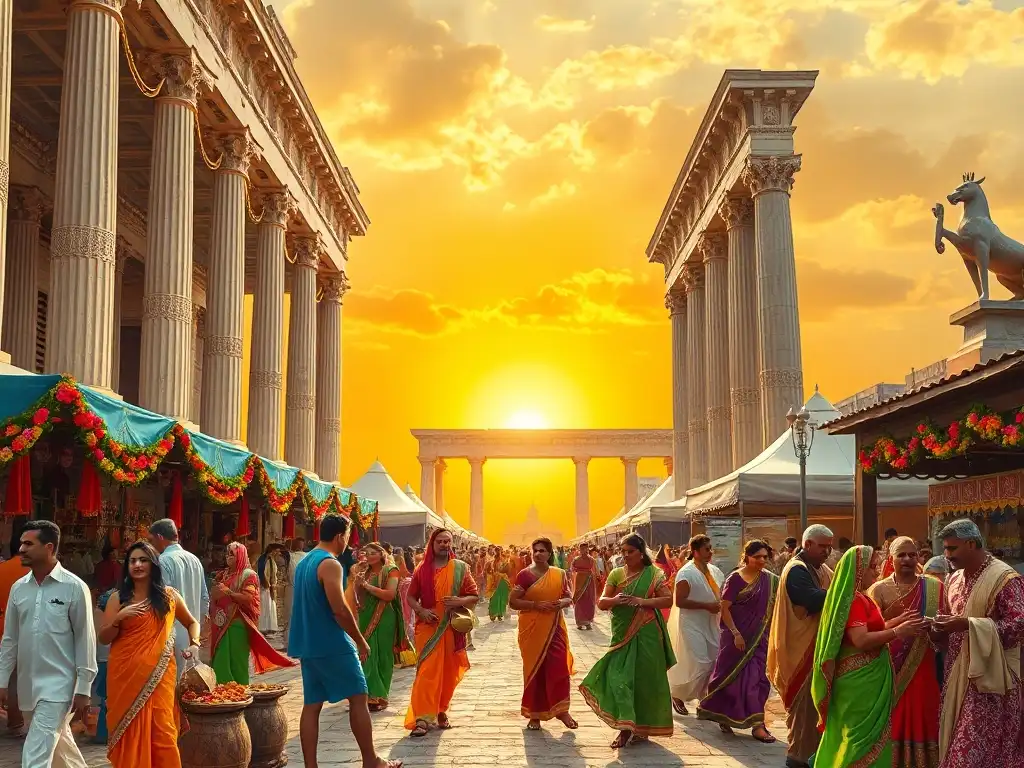
The interactions between India and Greece date back to the time of Alexander the Great in the 4th century BCE. This period marked the beginning of a significant cultural exchange that would shape the historical trajectory of both civilizations. The IndoGreek cultural festivals history reflects a unique blend of traditions, beliefs, and practices that emerged from these interactions.
The establishment of the Indo-Greek Kingdom (around 250 BCE) further solidified the ties between the two cultures. Kings such as Menander I embraced Hellenistic influences while simultaneously preserving local Indian customs. This synthesis can be seen in various aspects of life, from art and architecture to religious practices.
Cultural Exchange Mechanisms:
- Trade Routes: The Silk Route facilitated not only trade of goods but also the exchange of ideas, artistic expressions, and religious beliefs.
- Diplomatic Missions: The presence of Greek ambassadors in Indian courts helped foster mutual understanding and respect between the two cultures.
- Military Alliances: The cooperation in military ventures led to a blending of cultures at a grassroots level, influencing local traditions and practices.
Key Historical Events Influencing Cultural Exchange
Several key events played pivotal roles in shaping the IndoGreek cultural exchange, particularly through festivals and public celebrations.
- Alexander's Invasion (327-325 BCE):
- The invasion of Alexander the Great introduced Greek culture to the Indian subcontinent. His army's encounters with local kingdoms led to shared practices, including festivals that celebrated both Greek and Indian deities.
- Formation of the Indo-Greek Kingdom (2nd Century BCE):
- The establishment of this kingdom marked a crucial phase where Greek rulers adopted many local customs. Festivals such as the Diwali and Hellenistic New Year were celebrated together, showcasing a blend of rituals and ceremonies.
- Buddhism's Spread (3rd Century BCE onwards):
- The Greek influence on Buddhism, especially during the reign of King Ashoka, significantly impacted the cultural landscape. The Buddha Purnima festival began to incorporate Hellenistic artistic styles, attracting Greek interest and participation.
- The Hellenistic Influence on Art and Architecture:
- The introduction of Greek artistic techniques led to the creation of sculptures and monuments that depicted both Indian and Greek themes. Festivals celebrating these art forms, such as the Shivaratri, became platforms for showcasing this cultural amalgamation.
- Religious Syncretism:
- As IndoGreek interactions continued, festivals began to reflect a fusion of beliefs. The Maha Shivaratri began to incorporate elements of Greek mythology, highlighting the cultural dialogue that festivals fostered.
Conclusion
The IndoGreek cultural festivals history is a testament to the rich tapestry of interactions between two great civilizations. These events not only fostered cultural exchange but also created a legacy that resonates in modern times, reminding us of the profound impact of historical connections on contemporary festivals and traditions.
Definition and Significance of Festivals
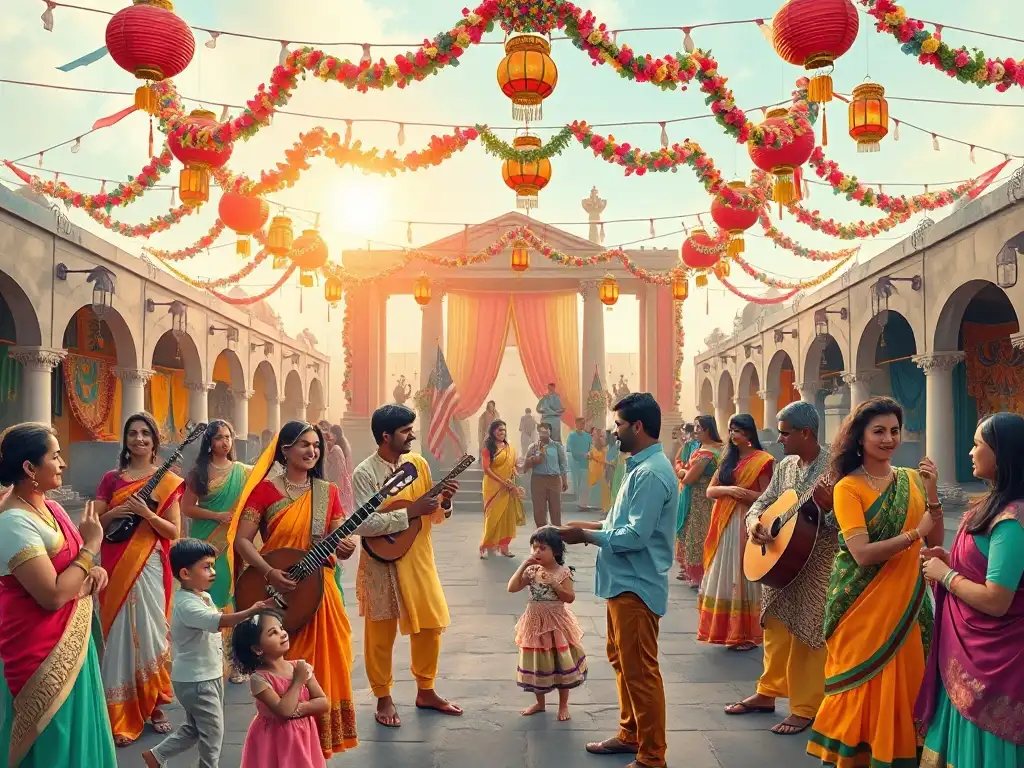
Festivals have traditionally served as pivotal moments of cultural expression and communal harmony. In the context of IndoGreek cultural festivals history, they represent a confluence of traditions that emerged from the interactions between ancient Indian and Greek civilizations. These celebrations were not merely occasions for joy; they were infused with deeper meanings that catered to both spiritual and social aspects of life.
- Cultural Identity: Festivals played a crucial role in affirming the cultural identity of communities. They provided a platform for showcasing local customs, art, and religious beliefs.
- Social Cohesion: They fostered communal bonds by uniting people across different backgrounds, encouraging collaboration, and building networks among diverse groups.
- Economic Exchange: Festivals often attracted trade and commerce, as they drew visitors from various regions, facilitating economic interaction and the exchange of goods and ideas.
- Cultural Fusion: The unique blend of Indian and Greek elements in festival practices signifies the exchange of traditions, rituals, and beliefs, showcasing the adaptability and fluidity of cultural identities.
Major IndoGreek Festivals Celebrated
The IndoGreek cultural festivals history is characterized by several notable celebrations that highlight the intertwining of Indian and Greek cultures. These festivals illustrate the intermingling of beliefs, practices, and artistic expressions, resulting in a vibrant cultural tapestry.
Festivals Celebrated in Ancient India
- Maha Shivaratri: This festival dedicated to Lord Shiva saw influences from Greek mythology, where gods and celestial beings were widely revered. Rituals such as night vigils and offerings may have incorporated elements from intercultural exchanges.
- Vasant Panchami: Celebrated in honor of Saraswati, the goddess of knowledge and arts, this festival emphasized artistic expression. The presence of Greek artisans in Indian courts could have influenced local celebrations through the introduction of Hellenistic art forms.
- Durga Puja: This festival, celebrating the triumph of the goddess Durga over the buffalo demon Mahishasura, showcased dramatic performances and processions. The theatrical aspects of such festivities likely drew inspiration from Greek dramatic traditions.
- Holi: The festival of colors, Holi, may have been enriched by the influence of Greek practices of celebrating the arrival of spring, emphasizing joy, color, and community gatherings.
Festivals Celebrated in Ancient Greece
- Dionysia: Dedicated to Dionysus, the god of wine and festivity, this festival included theatrical performances and processions that mirrored the vibrant celebrations in India. The exchange of theatrical traditions could have occurred through the interactions of Greek and Indian artists.
- Panathenaea: This festival honored the goddess Athena and featured athletic competitions, music, and poetry. The emphasis on arts and contests might have resonated with similar practices in Indian festivals, where talent and skills were equally celebrated.
- Thesmophoria: Celebrated in honor of Demeter and Persephone, this festival focused on agricultural fertility and feminine power, akin to the Indian celebration of harvest festivals like Pongal. The shared themes of nature and fertility reflect a common cultural heritage.
- Olympic Games: While primarily an athletic event, the Olympic Games included religious ceremonies that celebrated the pantheon of Greek deities. The spirit of competition and reverence for deities parallels the competitive aspects found in Indian festivals, showcasing the rich cultural interplay.
The IndoGreek cultural festivals history is a testament to how festivals can serve as vessels of cultural exchange, weaving together the threads of two great civilizations into a colorful and enduring legacy.
The Indo-Greek cultural exchange was marked by a fascinating interplay of traditions, especially evident in the festivals celebrated by both civilizations. These festivals often shared common themes and practices that illuminated their interconnectedness, fostering mutual understanding and appreciation.
Religious Syncretism
One of the most notable aspects of Indo-Greek festivals was the blending of religious beliefs. Festivals often incorporated deities from both pantheons, leading to unique celebrations that honored both Hindu and Greek gods. For example, the celebration of Dussehra, which symbolizes the victory of good over evil, saw elements of Greek mythology interwoven, particularly during the Hellenistic period when gods like Heracles were venerated alongside local deities. This syncretism not only enriched the festivals but also allowed followers of both cultures to find common ground in their spiritual practices.
Artistic Expressions
Art played a significant role in the festivals of both cultures, serving as a medium for storytelling and cultural expression. Indo-Greek festivals were characterized by elaborate decorations, including intricate sculptures and murals that depicted mythological narratives from both traditions. The use of theater was prevalent during these festivities, with performances that showcased themes from both Greek tragedies and Indian epics. This cross-cultural artistic expression fostered a deeper appreciation for the narratives and moral lessons that both cultures valued.
Culinary Traditions
Food, often a central element of any festival, also reflected the Indo-Greek exchange. Festivities would feature a blend of culinary practices, with dishes incorporating ingredients and cooking methods from both cultures. For instance, the use of spices typical in Indian cooking merged with Greek staples like olives and honey, creating a unique gastronomical experience that highlighted the shared palate of the two civilizations. These culinary traditions were often ceremonial, with specific dishes prepared for particular festivals, thereby reinforcing communal bonds.
Communal Celebrations
Festivals in both cultures were not just religious occasions but communal events that strengthened social ties. The celebration of Maha Shivaratri in India, for instance, saw gatherings that mirrored the Greek festivities of Dionysia, where communities came together to celebrate through music, dance, and collective feasting. Such communal celebrations were crucial in fostering a sense of belonging and unity, allowing individuals to engage in shared rituals that transcended cultural boundaries.
The shared themes and practices in Indo-Greek festivals illustrate the profound cultural exchange that occurred. By celebrating common religious beliefs, artistic expressions, culinary traditions, and communal gatherings, both civilizations contributed to a rich tapestry of cultural interaction that has left a lasting legacy in history. This mutual influence not only enriched their respective traditions but also laid the groundwork for further cultural dialogues in the centuries to come.
Case Studies of Specific IndoGreek Festivals
The Festival of Dionysus and Its Indian Parallels
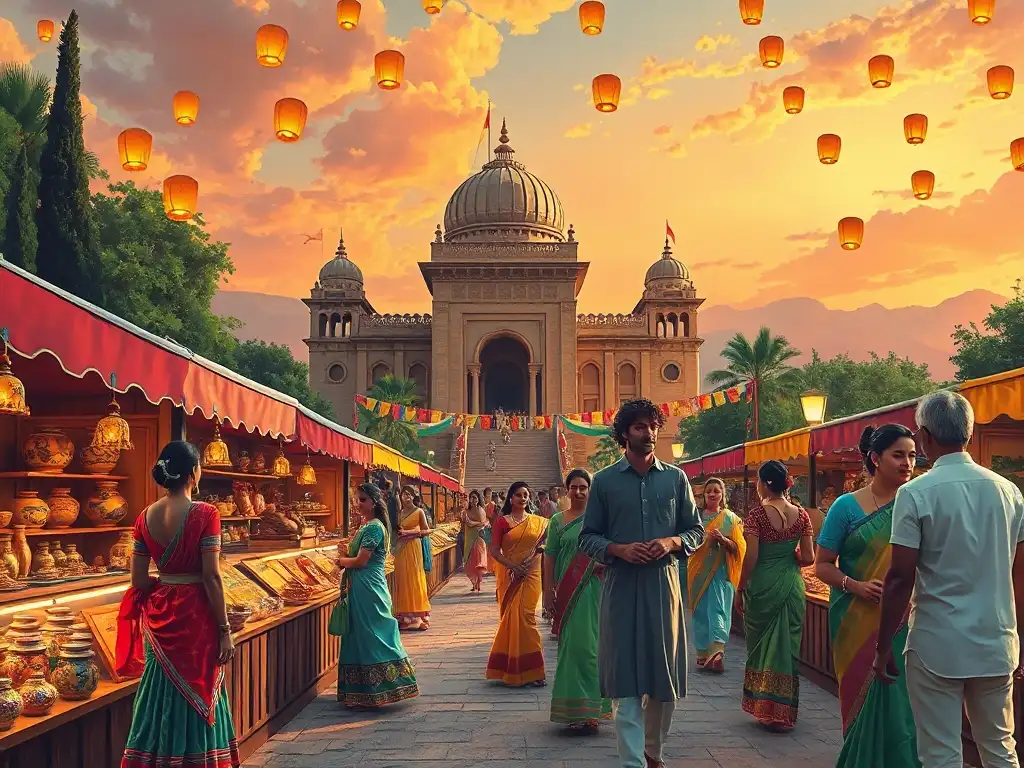
The Festival of Dionysus, celebrated in ancient Greece, was a significant event dedicated to the god of wine, fertility, and revelry. This festival was marked by dramatic performances, processions, and communal feasting, which served to strengthen community bonds and religious devotion. Interestingly, parallels can be drawn between Dionysian celebrations and certain ancient Indian festivals.
The Indian festival of Holi, for instance, shares thematic similarities with the Festival of Dionysus. Both festivals celebrate the arrival of spring and the triumph of good over evil. Holi is characterized by vibrant colors, joyous music, and community gatherings, echoing the spirit of revelry found in Dionysian festivities.
- Rituals and Offerings:
- In the Festival of Dionysus, participants offered sacrifices and libations to honor the deity, similar to how devotees worship during Holi by making offerings of flowers and sweets.
- Both festivals also included dramatic performances; while Greeks showcased plays and tragedies, Indians demonstrated traditional dances like Garba or Dandiya during Holi.
The interaction between these two cultures during the Indo-Greek period may have facilitated the sharing of such festivities, resulting in a blend of rituals that enriched both traditions.
The Influence of Indian Festivals on Hellenistic Celebrations
As Indo-Greek relations flourished, various aspects of Indian culture began to permeate Hellenistic celebrations. One notable influence is the incorporation of Indian deities and practices into Greek festivities.
For example, the Maha Shivaratri, a festival dedicated to Lord Shiva, likely influenced local Greek celebrations through the introduction of new religious symbols and rituals. The reverence for deities resonated with the Greek pantheon, leading to a fusion of worship practices.
- Festive Elements:
- Processions: Both cultures engaged in processions, showcasing their deities. The Greeks paraded Dionysus, while Indians celebrated Shiva with elaborate displays.
- Sacred Music: The use of sacred music, integral to both festivals, reflected a shared appreciation for rhythm and spirituality, enhancing the festive atmosphere.
This cultural exchange enriched Hellenistic celebrations, introducing exotic elements that transformed them into more diverse and vibrant events.
Examples of Cultural Practices Merging in Festivals
The melding of Indo-Greek traditions during festivals is evident in various practices that emerged from this cultural confluence. Here are a few noteworthy examples:
- Culinary Fusions:
- Festivals often featured communal feasting, where Greek and Indian cuisines blended, resulting in unique dishes that symbolized this cultural interaction. Dishes such as Samosas might have been influenced by Greek pastries, showcasing a delightful culinary exchange.
- Artistic Expressions:
- The festivals served as platforms for artistic expression, where Greek theatrical performances incorporated Indian storytelling techniques. This resulted in a rich tapestry of narratives that celebrated both cultural heritages.
- Ritualistic Practices:
- The use of incense and aromatic offerings became prevalent in both Indo-Greek festivals, enhancing the sensory experience and signifying a shared reverence for the divine.
These examples highlight how IndoGreek cultural festivals evolved through the merging of traditions, creating a unique tapestry of celebrations that reflected the rich interactions between these two ancient civilizations. The IndoGreek cultural festivals history thus serves as a testament to the enduring impact of this cross-cultural exchange.
Impact of IndoGreek Cultural Festivals on Society
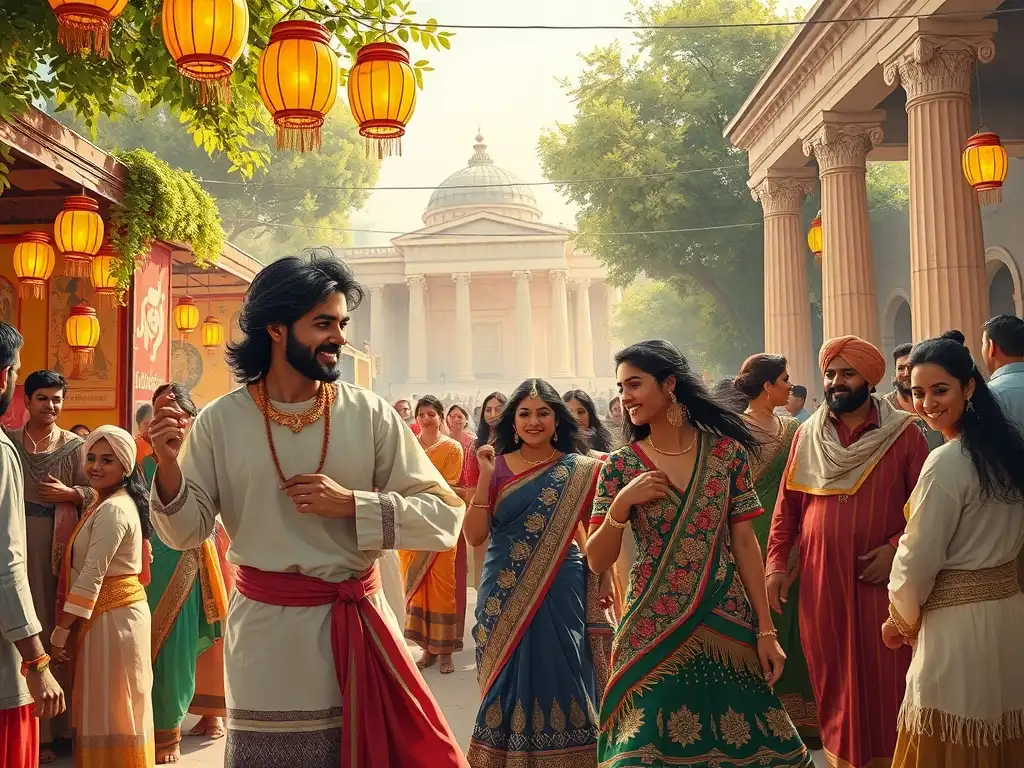
The IndoGreek cultural festivals played a crucial role in shaping the social, artistic, and religious landscape of the regions influenced by both Indian and Greek civilizations. These festivals were not merely celebrations; they were significant events that fostered interaction, exchange, and the blending of cultural elements. From art to trade, the impact of these festivals resonates throughout history, showcasing the depth of IndoGreek relations.
Contribution to Art and Literature
IndoGreek festivals were a vibrant showcase of artistic expression and literary innovation. The confluence of Greek and Indian artistic traditions led to the emergence of unique styles that integrated elements from both cultures.
- Sculpture and Architecture: The festivals featured elaborate sculptures and architectural designs that combined Hellenistic techniques with Indian motifs. For example, the depiction of gods and goddesses in a style that emphasized realism and movement was a direct influence from Greek art. This is evident in the sculptures found in sites like Gandhara, which illustrate a synthesis of Greek and Buddhist iconography.
- Literary Works: Poetry and drama flourished during these festivals, with Greek playwrights and Indian poets often collaborating. The themes explored in these literary works reflected shared cultural values and concerns, such as honor, love, and the human condition. Texts from this period reveal how stories were interwoven with local folklore and myth, enriching both traditions.
- Cultural Narratives: The festivals served as a platform for storytelling, where narratives from both cultures were exchanged. This not only preserved ancient tales but also allowed for reinterpretation and adaptation, leading to a rich tapestry of cultural narratives that have influenced subsequent generations.
Influence on Religious Practices and Beliefs
IndoGreek festivals were pivotal in the evolution of religious practices and beliefs, as they provided a space for the interaction of diverse spiritual traditions.
- Syncretism in Worship: The festivals often featured rituals that combined elements from both Hinduism and Hellenistic religions. For instance, the reverence for certain deities was expressed through blended practices, such as the worship of Greek gods alongside Hindu deities, which facilitated a shared religious identity among the populace.
- Philosophical Exchange: The festivals were also venues for philosophical discussions, where thinkers from both cultures debated concepts of ethics, metaphysics, and cosmology. This exchange led to the incorporation of Greek philosophical ideas into Indian thought, enriching both traditions.
- Cultural Rituals: Traditional rituals were adapted to incorporate elements from Greek festivals, such as the dramatic performances and athletic competitions seen during the Olympic Games. These events not only honored the gods but also fostered community spirit and identity.
Festivals as a Medium of Trade and Diplomacy
The role of IndoGreek festivals extended beyond cultural exchange to serve as crucial platforms for trade and diplomatic relations.
- Economic Interactions: These festivals attracted merchants and traders from various regions, facilitating commerce. Goods such as spices, textiles, and precious metals were exchanged, boosting the local economy and enhancing the wealth of participating states.
- Diplomatic Engagements: Festivals often included delegations from various kingdoms, allowing leaders to negotiate treaties and strengthen alliances. The presence of diplomats at these events illustrated the importance of cultural ties in political relations.
- Cultural Exchange through Trade: The influx of foreign traders during these festivals led to the introduction of new products and ideas. The exchange of goods also meant the exchange of cultural practices, influencing everything from culinary arts to fashion, which further enriched the IndoGreek cultural landscape.
The IndoGreek cultural festivals were instrumental in fostering mutual understanding and collaboration between two great civilizations. Their legacy continues to influence various aspects of culture and society, emphasizing the importance of intercultural dialogue in shaping history.
Legacy of IndoGreek Cultural Festivals in Modern Times
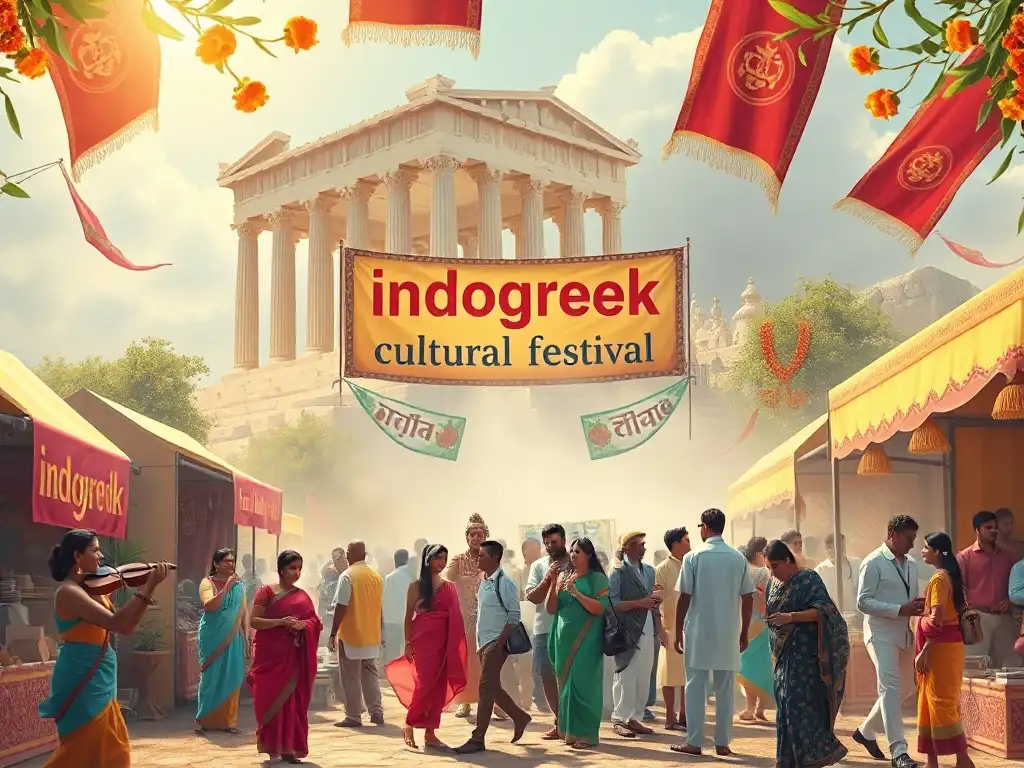
The legacy of IndoGreek cultural festivals is deeply intertwined with the modern celebrations observed in various parts of India and Greece today. These ancient festivals were not only occasions for communal gatherings but also served as platforms for cultural exchange, religious syncretism, and the evolution of artistic expressions that continue to resonate in contemporary society.
How Ancient Festivals Shape Contemporary Celebrations
Modern festivals in both India and Greece exhibit traces of IndoGreek influences, particularly in their themes, rituals, and artistic representations. For instance, the festival of Holi, celebrated in India, reflects a blend of ancient fertility rites and seasonal celebrations, which can be traced back to the syncretic practices that arose during the IndoGreek period. The vibrant colors and exuberant atmosphere echo the ancient Greek Dionysian festivals, emphasizing joy, renewal, and community.
Similarly, the Puthandu (Tamil New Year) celebrations in Tamil Nadu showcase elements that resonate with Hellenistic traditions. The use of symbolic food offerings and the communal aspect of the celebrations draw parallels to ancient Greek agricultural festivals, which honored the deities for a bountiful harvest. Such connections illustrate how ancient practices have been preserved and adapted over centuries, leading to the vibrant tapestry of contemporary festivals.
Additionally, festivals like Navaratri and Diwali incorporate elements that highlight the IndoGreek cultural exchange. The artistic expressions seen in traditional dances and music during these festivals have been influenced by Hellenistic art and performance styles, which were integrated into local practices during the IndoGreek era. This cross-pollination of cultural elements continues to enrich the celebrations, making them more diverse and inclusive.
Preservation of IndoGreek Heritage through Festivals
Festivals serve as crucial mechanisms for preserving the IndoGreek heritage, keeping alive the narratives of cultural interactions that occurred centuries ago. They offer a living history, where oral traditions, rituals, and performances are passed down through generations, embodying the spirit of unity and diversity.
- Cultural Education: Many festivals now include educational components that focus on the historical significance of IndoGreek exchanges. Workshops, exhibitions, and performances highlight the contributions of ancient civilizations, fostering a deeper understanding of their legacies among younger generations.
- Tourism and Economic Impact: The celebration of IndoGreek festivals has also become a focal point for tourism, attracting visitors interested in cultural heritage. This not only boosts local economies but also raises awareness about the historical significance of these festivals, promoting cultural pride and preservation.
- Artistic Expressions: Contemporary artists often draw inspiration from IndoGreek motifs, blending traditional art forms with modern techniques. This artistic revival plays a significant role in maintaining the relevance of IndoGreek heritage, ensuring that it continues to thrive in the modern cultural landscape.
The legacy of IndoGreek cultural festivals is vital in shaping modern celebrations and preserving a rich heritage. By understanding and celebrating these ancient customs, contemporary societies can maintain a connection to their historical roots while fostering a sense of identity and community that transcends time.
Conclusion
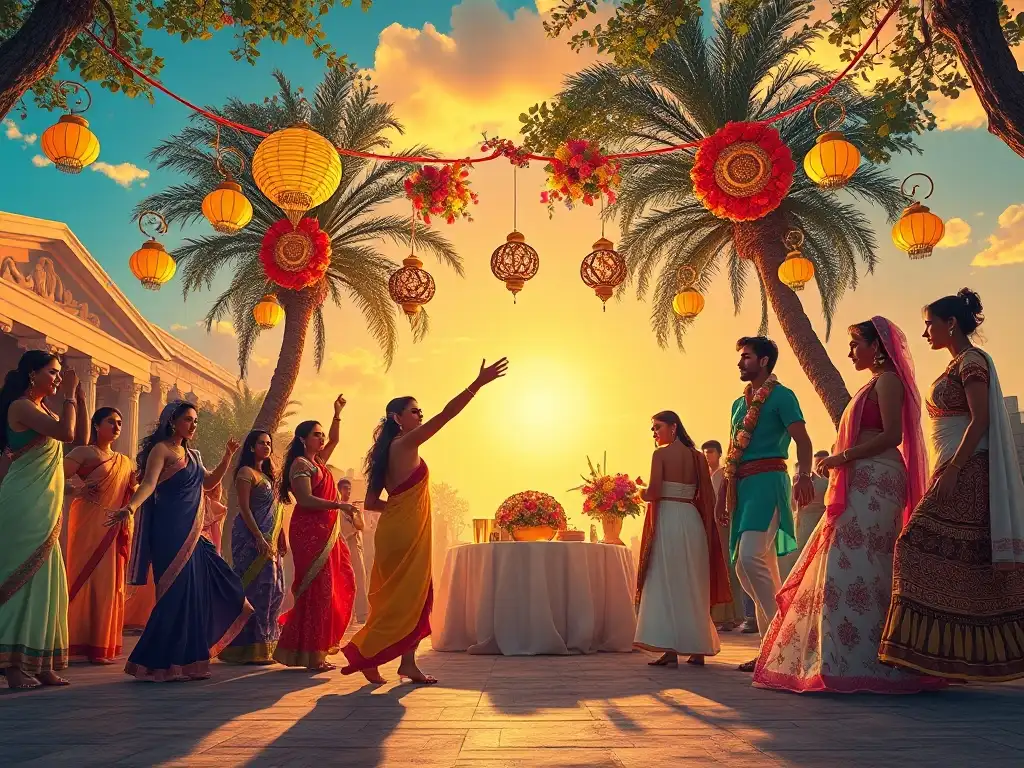
Recap of IndoGreek Cultural Festivals History
The IndoGreek cultural festivals history is a fascinating tapestry woven from the threads of two ancient civilizations that interacted deeply through trade, politics, and cultural exchange. The arrival of the Indo-Greeks in India, particularly during the reign of the Greco-Bactrian kings, set the stage for a unique blend of cultures, evidenced by various festivals that emerged during this period.
- Cultural Syncretism:
- The festivals often showcased a mix of Greek and Indian traditions, such as the celebration of Buddha Jayanti alongside Greek festivals honoring gods like Dionysus.
- The incorporation of Hellenistic artistic styles into Indian temple architecture reflects the impact of these festivals on local customs and practices.
- Trade and Commerce:
- Festivals served as major events for trade, bringing together merchants from both cultures. These gatherings facilitated the exchange of goods, ideas, and cultural practices.
- The flourishing trade routes during the Indo-Greek period are critical for understanding how festivals functioned as platforms for economic collaboration.
- Religious Interactions:
- The blending of religious beliefs through festivals fostered a spirit of tolerance and mutual respect. For instance, the veneration of local deities was often incorporated into Greek festivities, displaying a willingness to adapt and integrate.
- Temples became venues for these celebrations, where rituals from both cultures were performed, reflecting a shared spiritual heritage.
The Continuing Importance of Festivals in Cultural Exchange
Festivals continue to play a vital role in the ongoing dialogue between cultures, serving as a bridge that connects communities across different backgrounds. The legacy of IndoGreek cultural festivals illustrates several key aspects of cultural exchange that remain relevant today:
- Promotion of Tolerance:
- As festivals celebrate diverse traditions, they foster a sense of unity and respect among different cultural groups. This promotes social cohesion and understanding, essential in an increasingly globalized world.
- Economic Opportunities:
- Modern festivals often attract tourism, generating economic benefits for local communities. The lessons learned from ancient IndoGreek festivals can be seen in contemporary events that encourage local artisans and businesses.
- Cultural Heritage and Identity:
- Festivals serve as a reminder of shared history and identity, allowing communities to celebrate and preserve their cultural heritage. This aspect is particularly important in multicultural societies where multiple traditions coexist.
- Educational Platforms:
- Today, festivals are also educational experiences, offering opportunities for people to learn about different cultures through workshops, performances, and exhibitions. This knowledge exchange is crucial for fostering appreciation and respect among diverse populations.
The IndoGreek cultural festivals history not only reflects the rich interactions between two ancient societies but also serves as a model for modern cultural exchanges. By embracing the lessons of the past, current and future generations can continue to cultivate understanding and collaboration among diverse cultures.
Frequently Asked Questions
What were some key IndoGreek cultural festivals?
IndoGreek cultural festivals included religious celebrations that blended Hellenistic and Indian traditions, showcasing the rich diversity of both cultures.
How did festivals contribute to IndoGreek cultural exchange?
Festivals served as a platform for cultural interactions, allowing for the sharing of traditions, art, and ideas, which enriched both IndoGreek societies.
What is the significance of the IndoGreek festivals in history?
These festivals highlight the syncretism between Greek and Indian cultures, demonstrating how trade and diplomacy can influence cultural practices.
Can you name an example of a specific festival?
One notable example is the Kali festival, which incorporated Greek elements, illustrating the fusion of religious practices and the shared heritage of the communities.
How did IndoGreek festivals impact art and literature?
The festivals inspired a unique artistic expression, leading to the creation of literature and visual arts that reflect the intertwined histories of India and Greece.
Final Reflection: Celebrating the Tapestry of IndoGreek Cultural Exchange
The exploration of IndoGreek cultural festivals history reveals a rich tapestry of shared traditions and mutual influence that continues to resonate in our contemporary society. As we navigate an increasingly globalized world, the significance of these festivals transcends mere celebration; they serve as vital conduits for understanding and appreciating the diverse cultural narratives that shape our identities. In a time where cultural exchange is more important than ever, the legacy of IndoGreek festivals reminds us that our differences can unite us in celebration and understanding.
The impact of these festivals on our cultural and social landscape is profound and ongoing. They foster a sense of community, bridging gaps between generations and cultures. The vibrant colors, sounds, and flavors of IndoGreek festivals not only honor the past but also inspire future generations to embrace their heritage. As the renowned historian Edward Said once said, Cultural identities are never singular, but always multiple and contradictory.
This notion encapsulates the essence of IndoGreek festivals, which celebrate the multifaceted identities that emerge from such rich cultural intersections.
As we reflect on the lessons embedded within the history of IndoGreek cultural festivals, I invite you to consider how you can engage with and celebrate the diverse cultures around you. Embrace the opportunity to participate in local festivals, learn about different traditions, and share your own cultural narratives.
By doing so, you contribute to a broader dialogue that honors our shared humanity and enriches our collective experience. Let us carry forward the spirit of these festivals, fostering connections and understanding in our communities, and ensuring that the legacy of IndoGreek cultural exchange continues to thrive for generations to come.
Embrace the Spirit: Discover & Celebrate Cultural Unity!
Thank you for exploring the fascinating intersection of Indo-Greek culture through festivals! Your engagement in this rich narrative not only enhances your understanding but also helps keep these vibrant traditions alive. Now, let’s take these insights a step further and celebrate the cultural unity we've uncovered.
- Join a local festival that highlights Indo-Greek influences and immerse yourself in the experience—feel the rhythms, flavors, and connections!
- Share this article with friends or on social media to inspire others to appreciate the beauty of cultural exchange.
- Explore ancient texts or artworks related to Indo-Greek festivals to deepen your appreciation and understanding—surprising treasures await!
What festival or cultural event have you attended that beautifully showcases the spirit of exchange? Share your experiences below!