
The Art of War: Military Tactics of Indian and Greek Forces

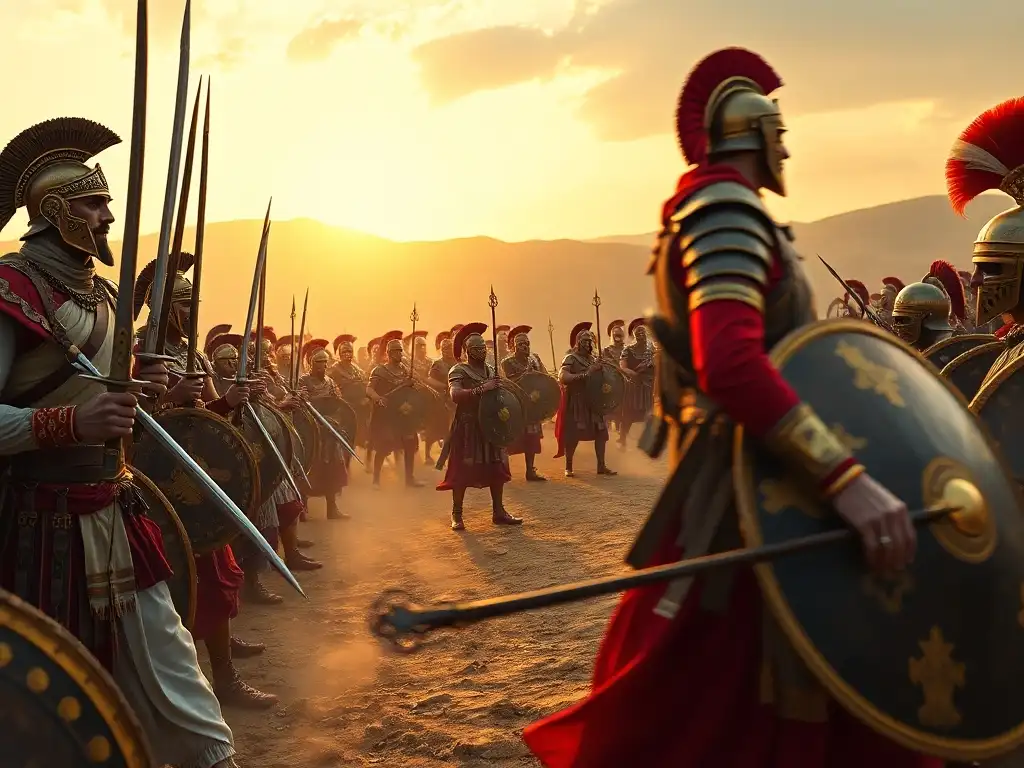
Welcome to Ancient India History, where we embark on a fascinating journey through the rich tapestry of one of the world's oldest civilizations. Delve into the intriguing world of military tactics, as we explore the strategic brilliance behind the Indian military tactics history and how these methods shaped interactions with other great civilizations, including the Greeks. From the strategic minds of ancient generals to the battlefields that witnessed these remarkable tactics in action, prepare to uncover the profound influence and legacy of India's military prowess. Join us as we unravel the layers of history that continue to resonate today!
Introduction to Indian Military Tactics History
The intricate tapestry of military tactics in ancient India reveals a rich and sophisticated approach to warfare that evolved over centuries. From the strategic maneuvers of the Indus Valley civilization to the formidable strategies employed during the Gupta Empire, Indian military tactics history is marked by a profound understanding of both land and sea warfare.
Moreover, the interactions with Greek forces, particularly during the campaigns of Alexander the Great, played a crucial role in shaping these tactics. This exploration delves into the unique methodologies adopted by Indian armies, the significance of these strategies in the broader context of ancient warfare, and the lasting impact they had on subsequent military developments.
Overview of Indian Military Strategies
Indian military strategies were characterized by a blend of innovation and adaptability, effectively responding to the diverse challenges posed by various enemies. Key elements included:
- Formation and Tactics: Indian generals utilized a range of formations, such as the Chakra (circular formation) and Vyuha (battle array), which allowed for flexible maneuvers on the battlefield.
- Use of Elephants: War elephants were a significant component of Indian armies, serving not only as a means of transport but also as powerful instruments of psychological warfare.
- Guerrilla Warfare: Smaller, mobile units often engaged in guerrilla tactics, leveraging the terrain to outmaneuver larger, more conventional forces.
Significance of Military Tactics in Ancient India
Military tactics were not merely about battlefield success; they were integral to the political and social fabric of ancient Indian society. Effective military strategies enabled kingdoms to expand their territories, protect trade routes, and maintain internal order. Additionally, the philosophical and ethical dimensions of warfare, as discussed in texts like the Arthashastra by Kautilya, underscored the importance of strategy in governance and statecraft.
Historical Context of Indian Military Tactics
Evolution of Military Tactics in Ancient India
The evolution of military tactics in ancient India can be traced through various historical phases. From the well-organized city-states of the Indus Valley, which showcased early forms of military organization, to the more complex strategies employed during the Mauryan and Gupta empires, this evolution reflects a deepening understanding of warfare. Key developments included:
- Integration of Diverse Forces: The incorporation of various ethnic groups and their respective fighting styles into a unified military force.
- Technological Advancements: Innovations such as the use of chariots, bows, and later, gunpowder, which influenced tactical approaches significantly.
Key Battles that Shaped Indian Military Strategies
Several pivotal battles stand out in the history of Indian military tactics, each contributing to the refinement of strategies:
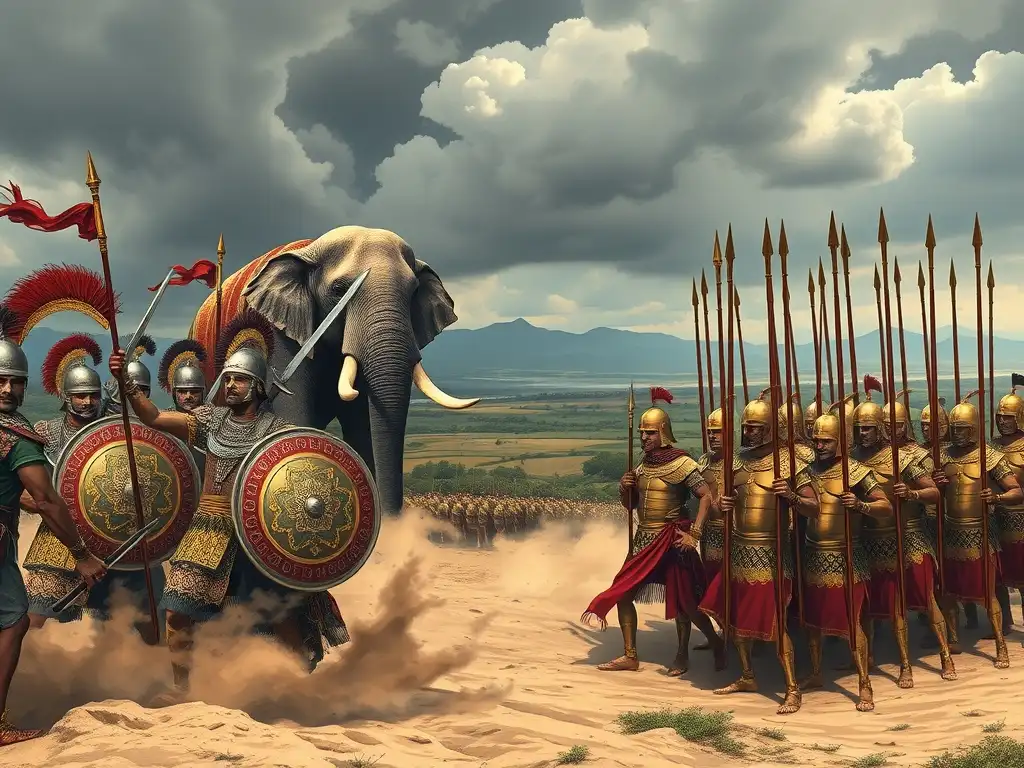
- The Battle of the Hydaspes (326 BCE): This encounter between Alexander the Great and King Porus illustrated the effectiveness of coordinated elephant charges against Greek phalanx formations.
- The Battle of Kalinga (261 BCE): Marked by its aftermath, this battle led to Emperor Ashoka's embrace of non-violence, influencing military ethics in India.
Influences of Geography on Indian Warfare
The geographical diversity of the Indian subcontinent significantly influenced military tactics. The presence of:
- Mountain Ranges: The Himalayas offered natural defenses and impacted the movement of armies.
- Rivers and Plains: These geographical features shaped battle strategies, with armies often using river crossings as tactical advantages during engagements.
The interplay between geography, evolving tactics, and significant battles underscores the complexity of Indian military tactics history, showcasing a legacy that has influenced both regional and global warfare practices.
Greek Military Tactics: An Overview
Greek military tactics were characterized by their innovative strategies and the effective organization of forces. The Greeks developed a range of military formations and tactics that were highly effective in various terrains and against diverse foes. Central to their approach was the phalanx formation, a dense grouping of hoplites (heavily armed foot soldiers) that allowed for maximum defensive capability and offensive strength. This formation was complemented by the use of cavalry and light infantry, which provided mobility and flexibility on the battlefield.
In addition to formations, Greek warfare emphasized discipline and training. Soldiers underwent rigorous training to maintain cohesion and effectiveness during combat. The Greeks also utilized a variety of weapons, including the spear, sword, and shield, which were integral to their combat techniques. Overall, Greek military tactics evolved significantly through their interactions with various civilizations, adapting and refining their methods to enhance their battlefield effectiveness.
Historical Development of Greek Military Strategies
The evolution of Greek military strategies can be traced back to the early city-states, particularly during the Homeric period. Initially, warfare was largely based on individual heroism and noble combat. However, as city-states like Athens and Sparta emerged, a more structured approach developed.
By the 6th century BCE, the hoplite phalanx became the dominant military formation, revolutionizing Greek warfare. This period saw the rise of polemarchs and strategists who began to document and analyze military tactics. Key figures such as Sun Tzu influenced Greek military thinking, and the adaptation of these ideas led to the establishment of more sophisticated strategies.
The Peloponnesian War marked a pivotal moment in Greek military history, showcasing the strengths and weaknesses of various tactics employed by Athens and Sparta. The conflict highlighted the importance of naval power and the need for tactical flexibility as both sides adapted their strategies in response to changing battlefield conditions.
Key Battles and Their Impact on Greek Warfare
Several key battles in Greek history significantly influenced military tactics and strategies.
- The Battle of Marathon (490 BCE): A defining moment for Athenian tactics, where heavily armored hoplites successfully defended against Persian forces. This victory demonstrated the effectiveness of the phalanx formation and boosted Greek morale.
- The Battle of Thermopylae (480 BCE): Famous for the stand of King Leonidas and his Spartans, this battle underscored the value of terrain in military tactics. The narrow pass allowed a smaller Greek force to hold off a much larger Persian army.
- The Battle of Salamis (480 BCE): A naval engagement that showcased the strategic importance of naval power. The Greek fleet, utilizing faster and more maneuverable ships, defeated the Persian navy, leading to a turning point in the Greco-Persian Wars.
These battles collectively highlighted the adaptability of Greek military tactics and their ability to respond to different combat situations, laying the groundwork for future military strategies.
Comparison of Greek and Indian Geographical Influences on Warfare
Geography played a crucial role in shaping the military tactics of both Greek and Indian civilizations. Greece, with its mountainous terrain and numerous islands, necessitated the development of specialized military formations and naval capabilities. The rugged landscape often dictated the use of the phalanx, which was effective in close-quarter combat scenarios.
In contrast, ancient India featured a diverse geography, ranging from the Himalayas to vast plains and dense forests. This diversity led Indian forces to develop different tactical approaches, including the effective use of elephants in warfare, which provided both shock value and mobility. The varying climates and terrains influenced the types of soldiers recruited and the strategies employed on the battlefield.
The interplay between geography and military tactics in both civilizations resulted in unique approaches to warfare, with each adapting to the challenges posed by their environments.
Comparative Analysis of Indian and Greek Military Tactics
Similarities in Military Strategies
Despite the differences in geography and culture, Indian and Greek military tactics shared several similarities. Both civilizations relied on:
- Highly trained infantry: Soldiers in both cultures underwent rigorous training to enhance their combat effectiveness.
- Use of formations: Similar to the Greek phalanx, Indian armies utilized formations like the Chakra or circular formations, emphasizing cohesion and mutual protection.
- Psychological warfare: Both cultures understood the importance of morale and often employed tactics designed to intimidate their enemies.
These similarities reflect a common understanding of the principles of warfare, regardless of cultural context.
Differences in Tactical Approaches
The tactical approaches of Indian and Greek forces diverged in several key areas:
- Cavalry vs. Elephants: Greek armies primarily relied on cavalry units for mobility, whereas Indian armies often used war elephants, which played a crucial role in battles and could break enemy formations.
- Naval Warfare: The Greeks developed advanced naval tactics, especially during the Persian Wars, whereas Indian naval strategies were less prominent until later periods.
- Formations: While both civilizations used formations, the Greeks favored the phalanx, while Indians adapted their formations based on the unique characteristics of their forces, often incorporating more fluid movements.
These differences illustrate the distinct military philosophies and adaptations to their respective environments.
Case Studies of Notable Battles Involving Indian and Greek Forces
One of the most significant instances of Indian and Greek military tactics converging was during the campaigns of Alexander the Great in the 4th century BCE.
- Battle of the Hydaspes (326 BCE): Here, Alexander faced King Porus, who employed war elephants and a diverse army. The Greeks had to adapt their tactics to counter the elephants, which led to innovative battlefield strategies, including targeting the mahouts (elephant drivers) to neutralize the threat.
- The Siege of the Mallian City: Alexander's siege tactics demonstrated the Greeks' ability to adapt to Indian fortifications and guerrilla tactics. The use of siege engines and psychological warfare was pivotal in overcoming the resistance faced.
These case studies underscore the dynamic interactions between Indian and Greek military tactics, revealing how each civilization influenced the other in their approaches to warfare.
The Role of Technology in Military Tactics
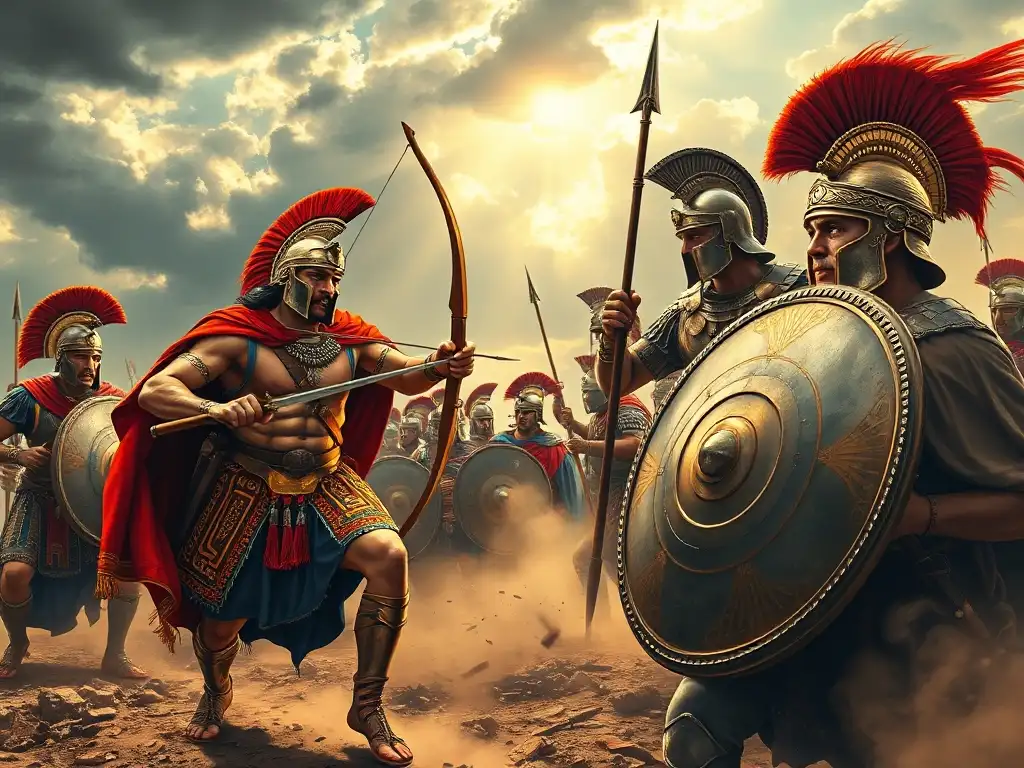
The evolution of military tactics in ancient civilizations was significantly influenced by technological advancements. Both Indian and Greek forces adapted their strategies based on the tools and techniques available to them, which shaped the outcomes of many historical confrontations. In this context, technology was not just about weaponry; it encompassed aspects like fortifications, logistics, and communication that all played critical roles in shaping military effectiveness.
Understanding the interplay between technology and military tactics reveals how each civilization leveraged its unique innovations to gain strategic advantages over adversaries. The development of new weapon systems, the improvement of transportation methods, and advancements in training and organization were all factors that ultimately influenced the outcome of battles and the course of history.
Innovations in Indian Military Technology
Ancient India was home to a plethora of military innovations that were pivotal in shaping its warfare strategies. One of the most notable advancements was the use of chariots, which allowed for rapid movement and effective shock tactics during battles. These chariots were often equipped with composite bows, enhancing the range and accuracy of Indian archers.
Additionally, the introduction of war elephants marked a significant technological shift. Elephants were used not only as mounts for warriors but also as a means of psychological warfare, instilling fear in the enemy ranks. The training of elephants and their integration into battle formations showcased a sophisticated understanding of animal behavior and battlefield dynamics.
The metallurgy skills of ancient Indian craftsmen also contributed to military technology. With the production of high-quality steel, such as wootz steel, Indian forces were able to create superior weapons and armor. This metallurgy not only provided durability but also offered the capacity for intricate designs, enhancing both functionality and aesthetic appeal.
Greek Military Innovations and Their Impact
Greek military innovations set a precedent in the realm of ancient warfare, particularly through the development of the phalanx formation. This tightly packed infantry formation, armed with long spears and shields, allowed Greek soldiers to work in unison, maximizing their defensive and offensive capabilities. The phalanx became a cornerstone of Greek military success and was widely adopted by other cultures.
The Greeks also made significant advancements in siege warfare. Their development of various siege engines, such as the torsion catapult and the battering ram, revolutionized how cities were besieged. These machines enabled Greek forces to breach fortified walls more effectively, leading to greater success in military campaigns.
Furthermore, the use of naval technology cannot be overlooked. The trireme, a fast and agile warship, allowed Greek city-states to dominate Mediterranean trade routes and conduct effective naval warfare. This control over the seas not only facilitated military operations but also contributed to the economic prosperity of Greek civilization.
Comparative Analysis of Technological Advancements
When comparing the technological advancements of Indian and Greek military forces, several key differences and similarities emerge. Both civilizations demonstrated a keen understanding of the importance of organization and tactics in warfare, but they approached technological innovation in distinct ways.
While Indian forces emphasized the integration of cavalry and war elephants, Greek innovations were heavily focused on infantry formations and naval capabilities. The Indian military often prioritized mobility and psychological warfare, whereas Greek tactics relied on disciplined formations and the use of siege engines.
Despite these differences, both civilizations benefited from advancements in metallurgy and weaponry. For instance, the high-quality steel produced in India paralleled the Greeks' use of bronze and iron, showcasing a shared emphasis on enhancing weapon durability and effectiveness.
Ultimately, the technological innovations of both Indian and Greek forces played crucial roles in their military strategies, influencing tactics and outcomes on the battlefield. The interplay of these advancements illustrates the dynamic nature of warfare in the ancient world.
Cultural Influences on Military Tactics
Cultural elements profoundly influenced military tactics in both Indian and Greek civilizations. Religion, philosophy, and societal values shaped the way armies were organized, the strategies employed, and the motivations behind warfare. Understanding these cultural influences provides insight into the broader context of military engagements in ancient history.
The Influence of Religion and Philosophy on Indian Warfare
In India, religion and philosophy significantly impacted military tactics. The concept of dharma, or duty, played a crucial role in justifying warfare. Indian texts like the Mahabharata and the Ramayana not only narrated epic battles but also provided moral and ethical frameworks guiding warriors' actions. These texts emphasized the importance of righteousness in battle, which influenced tactical decisions and the treatment of enemies.
Moreover, Hindu and Buddhist philosophies contributed to the understanding of life and death in warfare. The belief in karma and reincarnation shaped attitudes toward valor and sacrifice on the battlefield. Indian military leaders often sought to uphold their honor and the honor of their kingdoms, which in turn influenced their tactical approaches.
Greek Philosophical Thought and its Military Applications
Greek philosophical thought, particularly the ideas of Plato and Aristotle, also had a significant impact on military tactics. Plato's concept of the "philosopher-king" suggested that rulers should be wise and knowledgeable, which extended to military leaders as well. This intellectual approach to leadership emphasized the importance of strategic planning and adaptability in warfare.
Aristotle's exploration of ethics and virtue also influenced Greek military conduct. The emphasis on courage and honor in battle encouraged soldiers to display valor and discipline, which were critical to the success of the phalanx formation. Greek philosophers often debated the ethics of war, which, while sometimes diverging from practical military concerns, nonetheless shaped the cultural context in which military tactics were developed.
Cross-Cultural Exchanges and Their Impact on Military Tactics
The interactions between Indian and Greek civilizations facilitated significant cross-cultural exchanges that influenced military tactics on both sides. Trade routes, diplomatic missions, and conquests led to the sharing of ideas, technologies, and practices that enriched both cultures.
For instance, after Alexander the Great's invasion of India, there was a notable exchange of military techniques. The Greeks were introduced to Indian war elephants, which later influenced their own cavalry tactics. Conversely, Indian forces gained insights into Greek phalanx formations and siege warfare, adapting these strategies to fit their unique contexts.
The blending of cultural elements in military tactics also reflected a broader trend of syncretism, where ideas from different civilizations were integrated to create new approaches to warfare. This not only enhanced the effectiveness of military operations but also contributed to the cultural richness of both Indian and Greek societies.
Through these cross-cultural exchanges, military tactics evolved, showcasing the dynamic interplay between technology, philosophy, and cultural values in shaping the art of war in ancient times.
Conclusion: The Legacy of Indian and Greek Military Tactics
The military tactics employed by both Indian and Greek forces have left a lasting legacy that continues to influence modern warfare. The strategic innovations and battlefield philosophies developed during ancient times not only shaped regional conflicts but also laid the groundwork for military doctrines that persist today. The synthesis of Indian guerrilla tactics and Greek phalanx formations, for example, reflects a remarkable adaptability in combat techniques that has been studied and emulated throughout history.
Moreover, the interactions between these two ancient civilizations fostered a rich exchange of ideas about warfare, leadership, and strategy. The writings of military leaders and philosophers from both cultures provide invaluable insights into their approaches and the tactical innovations that arose from their encounters. This legacy is visible in contemporary military strategies that prioritize flexibility, psychological warfare, and the effective use of terrain—principles that can trace their origins back to the practices of these ancient warriors.
Lasting Impacts on Modern Military Strategies
The tactics utilized by Indian and Greek forces have significantly influenced modern military strategies. Key elements such as:
- Use of Terrain: Both civilizations understood the importance of terrain in battle, employing it to gain tactical advantages. Modern armies continue to study and utilize geography to inform their strategic decisions.
- Guerrilla Warfare: Indian military tactics often included guerrilla warfare, which has been adopted in various forms throughout history, particularly in asymmetric warfare contexts.
- Formation and Cohesion: The Greek phalanx, characterized by its dense formations and disciplined ranks, serves as an early model for modern infantry tactics emphasizing unit cohesion and collective action.
These principles remain relevant in contemporary military training and operations, showcasing the enduring nature of these ancient tactics.
Reflections on the Art of War in Historical Context
Reflecting on the art of war in historical context reveals how the military strategies of ancient civilizations were not merely reactive but also deeply philosophical. Leaders like Chanakya in India and Sun Tzu in China shared insights that transcended mere tactics, addressing the ethical and psychological dimensions of warfare.
Both Indian and Greek military practices were shaped by their respective cultural values and philosophies. For instance, while the Greeks emphasized honor and valor in combat, Indian strategies often incorporated elements of diplomacy and subterfuge. This complex interplay of tactics and philosophy highlights the rich tapestry of military history, where the motives behind warfare are as critical as the tactics employed.
Further Reading and Resources on Indian Military Tactics History
For those interested in delving deeper into the history of Indian military tactics, several resources provide comprehensive insights into this fascinating subject.
Recommended Books and Articles
-
"The Art of War in Ancient India" by R. S. Sharma
An exploration of the military strategies employed in ancient India, focusing on key texts like the Arthashastra.
-
"Indian Military History" by Major General T. S. Shekar
This book offers a thorough overview of India's military evolution from ancient times through the medieval period.
-
"Greek Warfare: Strategy, Tactics, and Culture" by Victor Davis Hanson
A detailed examination of Greek military strategies and their cultural implications.
-
"The Influence of Ancient Indian Warfare on Contemporary Military Strategies" by A. P. Singh
An insightful article discussing the relevance of ancient Indian tactics in modern military contexts.
Online Resources for Deeper Exploration
- The Ancient Warfare Magazine Website: Offers articles and resources focusing on the military history of various ancient civilizations, including India and Greece.
- The Indian Military History Archives: A digital collection of texts, documents, and analyses related to the military strategies of ancient India.
- The Greek History Foundation: Provides extensive resources on Greek military tactics, including original texts and scholarly analyses.
These resources will enrich your understanding of the intricate military histories of both Indian and Greek civilizations, highlighting their contributions to the broader history of warfare.
- Introduction to Indian Military Tactics History
- Historical Context of Indian Military Tactics
- Greek Military Tactics: An Overview
- Comparative Analysis of Indian and Greek Military Tactics
- The Role of Technology in Military Tactics
- Cultural Influences on Military Tactics
- Conclusion: The Legacy of Indian and Greek Military Tactics
- Further Reading and Resources on Indian Military Tactics History
- What are the key military tactics used by ancient Indian forces?
- How did Greek military tactics influence Indian warfare?
- What role did elephants play in ancient Indian military tactics?
- How did the geography of India influence military strategies?
- What contributions did the Gupta Empire make to military tactics?
Frequently Asked Questions
What are the key military tactics used by ancient Indian forces?
Ancient Indian forces employed diverse military tactics, including guerrilla warfare, elephant cavalry, and fortification strategies that leveraged the extensive geography of the region.
How did Greek military tactics influence Indian warfare?
The interaction between Greek and Indian forces led to the exchange of military knowledge, with Greek phalanx formations and cavalry tactics blending into Indian strategies, enhancing their combat effectiveness.
What role did elephants play in ancient Indian military tactics?
War elephants were a crucial part of Indian military tactics, used for both intimidation and as mobile platforms in battle, significantly impacting the dynamics of warfare.
How did the geography of India influence military strategies?
The diverse geography of India, including mountains, rivers, and plains, allowed for varied military tactics, where commanders could use natural landscapes to their advantage in battles.
What contributions did the Gupta Empire make to military tactics?
The Gupta Empire is noted for advancements in military organization and strategy, employing effective formations and incorporating innovations in weaponry that strengthened their forces against invaders.
Final Reflection: The Timeless Legacy of Military Tactics
The exploration of military tactics from Indian and Greek forces reveals a profound truth: the strategies of the past continue to shape modern warfare and influence contemporary military thought. As we delve into the intricacies of these ancient approaches, we recognize that the lessons learned from history are not merely relics but vital components of our understanding of conflict today. The adaptability and ingenuity displayed by these civilizations serve as a reminder that effective strategy transcends time and geography.
The impact of Indian and Greek military tactics extends far beyond the battlefield; they have woven themselves into the very fabric of cultural and social narratives. From the philosophical teachings of Sun Tzu to the disciplined formations of Alexander's army, these strategies have inspired countless leaders and thinkers throughout history. In war, the way is to avoid what is strong and to strike at what is weak.
This quote encapsulates the essence of tactical wisdom that resonates through centuries, urging us to reflect on the importance of strategic thinking in all aspects of life.
As we conclude our examination of these historical military tactics, I invite you to reflect on how the principles of strategy, adaptability, and foresight can be applied in your own life. Consider the challenges you face and the tactics you can employ to navigate them effectively. Whether in personal endeavors or professional pursuits, the art of strategy remains a powerful tool. Embrace the lessons of the past, and let them guide you toward a future where you can face your battles with confidence and clarity.
Unveil the Strategies of the Ages!
Thank you for exploring the profound military tactics of Indian and Greek forces with us! Your interest in these historical strategies enhances our collective understanding of ancient warfare. Now, it's time to take your newfound knowledge a step further and ignite your passion for history.
Here’s how you can dive deeper:
- Join a discussion group or forum focused on ancient military strategies to share insights and learn from others.
- Explore more articles on our website, including topics such as the impact of terrain on battle tactics and the philosophies that shaped these remarkable armies.
- Share this knowledge with friends or on social media to spark conversations about the fascinating tactics from the past!
Which military strategy from history do you believe holds the greatest relevance in today's world?