
How Ashoka the Great Influenced Subsequent Indian Dynasties

Welcome to Ancient India History, where we embark on a fascinating journey through time to uncover the rich tapestry of India's past. Today, we delve into the remarkable legacy of Ashoka the Great, a pivotal figure whose influence reverberated across the Indian subcontinent and shaped the course of its history. From his groundbreaking policies of non-violence to the spread of Buddhism, Ashoka's reign left an indelible mark on subsequent Indian dynasties.
Are you ready to explore how this extraordinary emperor transformed a nation? Join us as we unravel the stories and insights that define his enduring impact on India's cultural and historical landscape!
- Introduction to Ashoka the Great and His Influence on India
- The Historical Context of Ashoka's Rule
- Ashoka's Conversion to Buddhism and Its Impact
- Ashoka the Great's Influence on Subsequent Indian Dynasties
- Ashoka's Role in Promoting Peace and Non-Violence
- The Lasting Influence of Ashoka's Administration
- Conclusion: The Enduring Legacy of Ashoka the Great
- References for Further Reading on Ashoka the Great's Influence on India
- Frequently Asked Questions
- Final Reflection: The Enduring Legacy of Ashoka the Great's Influence on India
- Unveil the Legacy of Ashoka: Take Action Today!
Introduction to Ashoka the Great and His Influence on India
Ashoka the Great, one of the most prominent rulers of ancient India, stands as a monumental figure whose reign marked a pivotal transformation in the Indian subcontinent. His leadership extended from approximately 268 to 232 BCE and is characterized by a profound commitment to the principles of Dharma—an ethical and moral code that emphasized non-violence, tolerance, and the welfare of all living beings.
Ashoka's influence on India is not merely confined to his own time; it resonates through the annals of history, shaping the governance, culture, and religious practices of subsequent Indian dynasties. This article delves into the various aspects of Ashoka the Great's influence on India, exploring the defining elements of his reign and his enduring legacy in ancient Indian history.
Overview of Ashoka the Great's Reign
Ashoka's reign is often regarded as the golden age of the Mauryan Empire, during which vast territories were unified under a single administrative framework. Initially known for his military conquests, notably the Kalinga War, Ashoka underwent a profound transformation following the widespread destruction and suffering caused by this conflict. The war's impact led him to embrace Buddhism, which greatly influenced his policies and governance.
Key Features of Ashoka's Reign:
- Dharma as Governance: Ashoka introduced the concept of Dharma Rajya, which emphasized governance based on moral and ethical principles.
- Promotion of Buddhism: He became a patron of Buddhism, sending missionaries to various regions to spread its teachings.
- Infrastructure Development: His reign saw the construction of stupas, monasteries, and roads, facilitating trade and cultural exchange.
- Edicts of Ashoka: The inscriptions of Ashoka, found across the Indian subcontinent, communicated his policies and ethical guidelines, promoting values such as compassion and respect for all life.
Significance of Ashoka in Ancient Indian History
Ashoka's contributions to ancient Indian history extend far beyond his immediate reign. His policies and values laid the groundwork for subsequent Indian dynasties, influencing their governance and cultural practices.
Long-term Impacts of Ashoka's Influence:
- Cultural Synthesis: Ashoka's patronage of Buddhism contributed to a cultural synthesis that blended various traditions, leading to a rich tapestry of Indian culture.
- Legal and Ethical Framework: His emphasis on non-violence and ethical governance influenced later rulers, who sought to emulate his principles in their administrations.
- Religious Tolerance: Ashoka's acceptance of various religious beliefs fostered an environment of tolerance that became a hallmark of Indian civilization.
- Political Legacy: Many subsequent dynasties, including the Gupta Empire, drew inspiration from Ashoka's integrative governance style and focus on public welfare.
In essence, Ashoka the Great's legacy is a testament to the power of ethical leadership and its capacity to shape the course of history, leaving an indelible mark on the cultural and political landscape of India.
The Historical Context of Ashoka's Rule
The Mauryan Empire: Origins and Expansion
The Mauryan Empire, established in 322 BCE by Chandragupta Maurya, marked a significant turning point in Indian history. This vast empire represented the first time that much of the Indian subcontinent was unified under a single political authority. The origins of the Mauryan Empire can be traced back to the political fragmentation that characterized the region after the decline of the Indus Valley Civilization and the rise of various regional kingdoms.
Chandragupta Maurya, with the guidance of his mentor Kautilya (also known as Chanakya), strategically expanded the empire through a combination of military conquests and alliances. This expansion reached its zenith under Ashoka the Great, the third Mauryan emperor, who ascended the throne around 268 BCE.
Ashoka's rule is particularly notable for its transformation from military conquests to a focus on governance through moral and ethical principles. Following the bloody Kalinga War, where Ashoka witnessed the devastating effects of warfare, he embraced Buddhism and adopted a policy of Dhamma, which emphasized moral living, non-violence, and compassion. This ideological shift not only influenced his administration but also set a precedent for future Indian dynasties.
| Period | Key Events |
|---|---|
| 322 BCE | Chandragupta Maurya establishes the Mauryan Empire |
| 304-297 BCE | Chandragupta's reign and expansion into northern India |
| 268 BCE | Ashoka ascends the throne |
| 262-261 BCE | Kalinga War and its aftermath |
| Post-261 BCE | Adoption of Dhamma and promotion of Buddhism |
Key Events Leading to Ashoka's Ascendancy
Several pivotal events shaped Ashoka's rise to power and significantly influenced his reign. After the death of his father, Bindusara, Ashoka emerged as a prominent figure in the Mauryan court, known for his administrative capabilities and military acumen. However, his ascension was not without challenges.
- Fratricidal Struggle: Upon Bindusara's death, Ashoka faced a fierce struggle for the throne against his brothers. Historical accounts suggest that Ashoka may have eliminated several of his siblings to secure his position. This ruthless approach, though controversial, solidified his power base.
- Kalinga War: The Kalinga War (c. 261 BCE) was a turning point in Ashoka's reign and had profound effects on his governance philosophy. The war, marked by immense bloodshed and suffering, led Ashoka to deeply reflect on the consequences of violence. After witnessing the devastation, he adopted a non-violent approach, which became a hallmark of his leadership.
- Conversion to Buddhism: Following the traumatic experiences of the Kalinga War, Ashoka converted to Buddhism. This transformation was not merely personal; it had far-reaching implications for his policies and the socio-political landscape of India. Ashoka began to promote Buddhist values, leading to the establishment of stupas, viharas, and the dissemination of Buddhist teachings across his empire.
- Promotion of Dhamma: Ashoka's commitment to Dhamma (moral law) laid the foundation for a new governance model that prioritized ethical conduct and welfare over military glory. His edicts, inscribed on pillars and rocks throughout the empire, articulated principles of tolerance, respect for all life, and the importance of community well-being.
These events not only shaped Ashoka's character but also established a legacy that would influence subsequent Indian dynasties. His emphasis on ethical governance and social responsibility became a template for future rulers, highlighting the profound impact of Ashoka the Great's influence on India.
Ashoka's Conversion to Buddhism and Its Impact
Ashoka the Great, one of the most significant rulers of ancient India, underwent a profound transformation following the Kalinga War around 261 BCE. This pivotal moment in his reign led to his conversion to Buddhism, which not only altered his personal beliefs but also had far-reaching effects on governance and societal values in his empire. His embrace of Buddhist principles marked a shift from a conquest-oriented approach to one centered on moral governance, compassion, and non-violence.
The Kalinga War was a brutal conflict that resulted in massive loss of life and suffering. Witnessing the aftermath deeply affected Ashoka, prompting him to reconsider the nature of power and the means of achieving it. He adopted the Buddhist ideals of ahimsa (non-violence) and dharma (moral law), which guided him in his efforts to govern his vast empire more ethically. This transformation not only influenced his administrative policies but also helped in spreading Buddhism across India and beyond.
The Role of Buddhism in Ashoka's Governance
Buddhism played a crucial role in shaping Ashoka's administration. His governance model was characterized by the integration of Buddhist principles into statecraft, emphasizing compassion, justice, and the welfare of his subjects. Key aspects of how Buddhism influenced his governance include:
- Promotion of Social Welfare: Ashoka established hospitals, rest houses, and wells to provide for the needs of his people. His policies aimed to ensure the well-being of all, including animals, which reflected the Buddhist belief in compassion for all living beings.
- Non-violent Expansion: Unlike previous rulers who sought to expand their territories through military conquests, Ashoka focused on diplomatic relations and cultural exchanges. He sought to win over hearts and minds rather than territories, promoting peace and stability.
- Moral Leadership: Ashoka viewed himself as a moral leader, adhering to the principles of righteousness laid out in Buddhist teachings. He sought to inspire his subjects to lead virtuous lives, fostering an environment where ethical conduct was prioritized.
- Support for Monastic Institutions: Ashoka's reign saw the establishment and support of monasteries, which became centers of education and learning. This support helped disseminate Buddhist teachings and contributed to the religion's growth across Asia.
Through these initiatives, Ashoka exemplified how a ruler could govern with compassion and ethics, setting a precedent for future dynasties in India.
Ashoka's Edicts and Their Significance
Ashoka's edicts, inscribed on rocks and pillars across his empire, serve as historical documents that offer insight into his governance and Buddhist philosophy. These edicts were not merely proclamations but rather reflections of his commitment to his values and policies. Key aspects of their significance include:
- Moral Directives: The edicts outlined Ashoka's vision of dharma, encouraging his subjects to practice non-violence, respect for life, and ethical behavior. They served as a guide for his people, promoting a society rooted in moral values.
- Cultural Integration: By promoting the use of local languages and dialects in the inscriptions, Ashoka made his messages accessible to a broader audience. This inclusivity helped unify diverse populations under a common ethical framework.
- Religious Tolerance: Ashoka's edicts emphasized respect for all religions, reflecting his belief in the coexistence of different faiths. He encouraged people to engage in dialogues, fostering a spirit of tolerance and understanding.
- Historical Record: The edicts are invaluable primary sources for historians, providing insights into the political, social, and economic conditions of ancient India. They document Ashoka's policies and the impact of Buddhism on his reign.
Ashoka the Great's influence on India, particularly through his conversion to Buddhism and the subsequent policies he enacted, laid a foundation for ethical governance that resonated with future dynasties. His edicts not only served as instruments of administration but also as lasting legacies of his commitment to a compassionate and just society.
Ashoka the Great's Influence on Subsequent Indian Dynasties
Ashoka the Great, the third Mauryan emperor, is renowned for his transformative impact on Indian history and governance. His reign marked a pivotal point in the evolution of Indian political and cultural landscapes. The influence of Ashoka's policies and ideals can be traced through various subsequent dynasties, shaping the trajectory of Indian civilization long after his time.
The Legacy of Ashoka's Policies on Later Dynasties
Ashoka's commitment to Dhamma, or righteous living, played a crucial role in shaping the governing philosophies of later rulers. His emphasis on moral governance, non-violence, and public welfare laid down a framework that later dynasties sought to emulate.
The Gupta Empire: Continuation of Ashoka’s Ideals
The Gupta Empire, often referred to as the Golden Age of India, emerged centuries after Ashoka. Despite the temporal gap, the Guptas were heavily influenced by Ashoka's principles:
- Promotion of Buddhism: While the Gupta rulers practiced Hinduism, they continued to support Buddhist institutions and monasteries, reflecting Ashoka's earlier patronage of the faith.
- Architectural Flourishing: The stupas and monastic complexes built during the Gupta period are reminiscent of Ashoka’s architectural initiatives, aimed at spreading Buddhist teachings.
| Aspect | Ashoka's Era | Gupta Empire |
|---|---|---|
| Religious Policy | Patronage of Buddhism | Support for both Buddhism and Hinduism |
| Public Welfare Initiatives | Construction of hospitals and wells | Similar focus on public health and education |
| Architectural Influence | Stupas and pillars | Temples and stupas with intricate carvings |
The Influence on Regional Kingdoms and Dynasties
Beyond the Gupta Empire, Ashoka's influence permeated various regional kingdoms and dynasties throughout India:
- The Shatavahana Dynasty: Known for its patronage of Buddhism, the Shatavahanas were likely inspired by Ashoka's model of governance. They promoted Buddhist art and literature, which flourished under their rule.
- The Mauryan Legacy in South India: The influence of Ashoka extended to dynasties like the Cholas and Pandyas, who adopted elements of his governance model, especially in their administration and public welfare schemes.
Cultural and Religious Impact on Successor States
Ashoka's reign was not just political but also cultural, influencing religious practices and cultural norms that echoed through subsequent Indian history.
- Spread of Buddhism: Perhaps the most significant impact was the widespread dissemination of Buddhism beyond India, facilitated by Ashoka's missions to foreign lands. This laid the groundwork for Buddhism to flourish in regions such as Southeast Asia and Central Asia.
- Cultural Syncretism: Ashoka's promotion of Dhamma encouraged a culture of tolerance and coexistence among various religious groups. This syncretism can be seen in the art, literature, and philosophy of successor states, where elements of both Hinduism and Buddhism coexisted harmoniously.
- Administrative Reforms: The administrative structures established during Ashoka’s reign inspired future rulers to adopt similar systems that emphasized ethical governance, leading to more organized and stable states.
Ashoka the Great's influence on India is profound and multifaceted, impacting not only subsequent dynasties but also the cultural and religious tapestry of Indian civilization. His legacy continues to resonate in modern discussions of governance and ethical leadership.
Ashoka's Role in Promoting Peace and Non-Violence
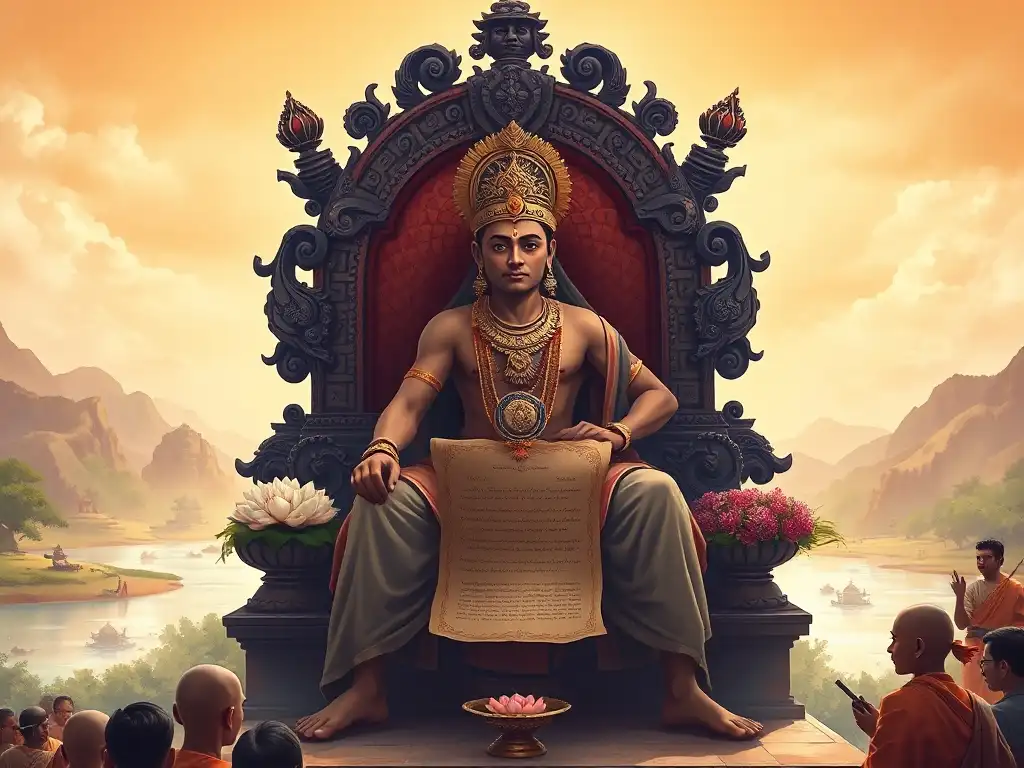
Ashoka the Great, the third emperor of the Maurya Dynasty, is often hailed as a pivotal figure in the history of India due to his profound commitment to peace and non-violence. Following his conversion to Buddhism after the Kalinga War, where he witnessed the devastating consequences of conflict, Ashoka made it his mission to promote a more harmonious society. His reign, which lasted from approximately 268 to 232 BCE, marked a significant shift in the governance of Indian states, emphasizing moral principles over military conquest.
The Concept of Dhamma in Ashoka's Rule
At the heart of Ashoka’s philosophy was the concept of Dhamma, a term that encapsulates righteousness, ethical conduct, and moral law. Dhamma was not merely a religious doctrine but a comprehensive framework aimed at promoting social welfare and harmony among his subjects. Ashoka's interpretation of Dhamma included several key aspects:
- Moral Behavior: Ashoka encouraged his subjects to lead virtuous lives based on principles such as truthfulness, compassion, and tolerance. He believed that personal morality would lead to a more peaceful society.
- Social Welfare: Under Ashoka's rule, efforts were made to construct hospitals, wells, and rest houses, ensuring the welfare of both humans and animals. His edicts reflect a commitment to public health and the alleviation of suffering.
- Religious Tolerance: Ashoka's Dhamma extended to the promotion of religious tolerance. He advocated respect for all faiths and encouraged dialogue among different religious communities, which fostered a sense of unity in diversity.
Ashoka disseminated these principles through his Rock Edicts, inscribed on pillars throughout his empire. These inscriptions served as a means of communicating his vision to his subjects, ensuring that the values of peace and non-violence were ingrained in the cultural fabric of the time.
How Ashoka's Principles Shaped Future Indian Leadership
The influence of Ashoka's principles extended far beyond his own reign, shaping the governance and ethical standards of subsequent Indian dynasties. His emphasis on non-violence and moral leadership set a precedent for rulers who followed. Here are some ways Ashoka's legacy impacted future leadership in India:
- Inspiration for Future Emperors: Many later rulers, such as the Gupta emperors, drew inspiration from Ashoka's commitment to Dhamma. They adopted similar policies of governance that emphasized justice, welfare, and ethical conduct.
- Cultural Integration: Ashoka’s promotion of Buddhism not only shaped religious practices but also influenced art, literature, and philosophy. The cultural integration fostered by his policies laid the groundwork for a rich intellectual tradition in India.
- Political Doctrine: Ashoka established a model of governance that prioritized the well-being of citizens over territorial expansion. This doctrine of governance influenced various Indian states, leading to a more humane approach to rulership and administration.
Ashoka the Great's influence on India stems from his unique approach to leadership, characterized by the promotion of peace, ethical governance, and social welfare. His legacy continues to resonate through the ages, making him a timeless symbol of moral leadership and compassion in Indian history.
The Lasting Influence of Ashoka's Administration
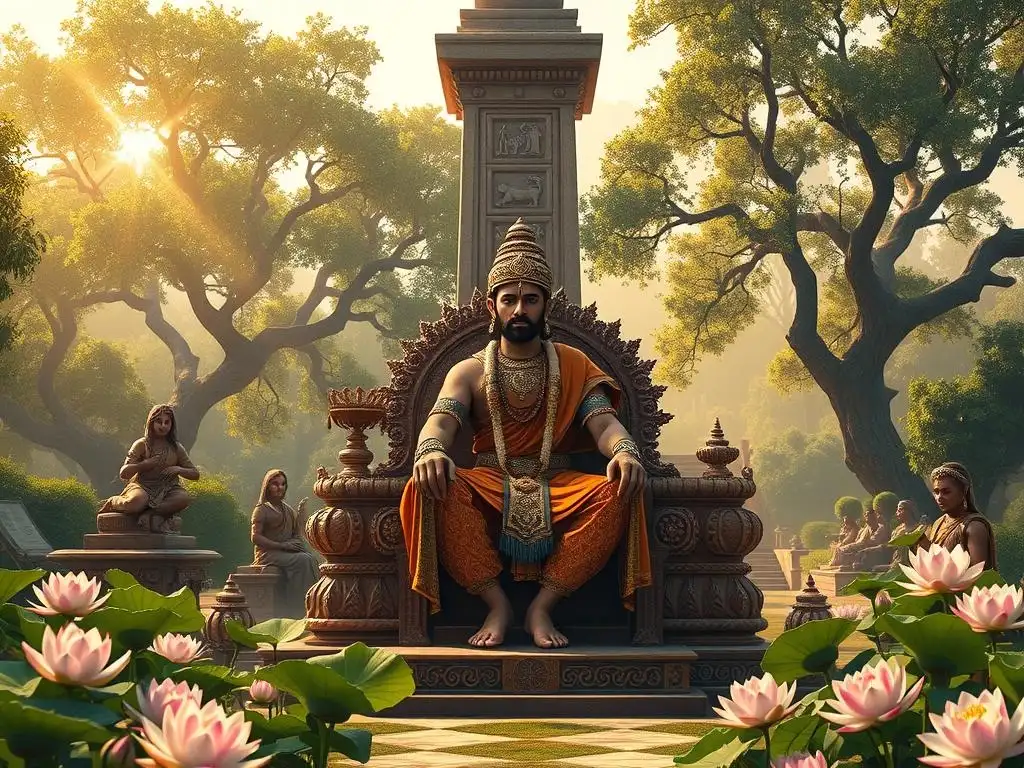
Innovations in Governance and Administration
Ashoka the Great, the third ruler of the Maurya Dynasty, implemented several groundbreaking innovations in governance and administration that left a lasting mark on subsequent Indian dynasties. His reign, from 268 to 232 BCE, was characterized by a shift from a purely autocratic rule to a more welfare-oriented administration that emphasized ethical governance and social responsibility.
One of Ashoka's most significant contributions was the establishment of the Dhamma, a set of moral and ethical principles grounded in Buddhist teachings. This philosophy guided his administration and influenced the legal framework of the empire. By promoting non-violence, tolerance, and compassion, Ashoka set a precedent for future rulers to prioritize the welfare of their subjects.
To ensure effective governance, Ashoka utilized a well-organized bureaucratic system. He appointed provincial governors (Uparikas) to oversee different regions, allowing for localized administration that catered to the diverse needs of the population. This decentralization of power enabled quicker decision-making and improved the efficiency of governance.
Moreover, Ashoka implemented a system of inspections and public accountability. He established officers of righteousness (Dharma Mahamatras) who were responsible for enforcing the Dhamma, addressing grievances, and ensuring justice. This emphasis on transparency and accountability became foundational for subsequent dynasties, who adopted similar strategies to maintain order and goodwill among their subjects.
Impact on Trade, Economy, and Infrastructure Development
Ashoka's reign marked a significant period of economic prosperity and infrastructure development, which had a profound influence on the growth of trade in ancient India. His commitment to enhancing trade routes and infrastructure facilitated the movement of goods, ideas, and cultures across the subcontinent.
One notable achievement was the establishment of well-maintained roads and rest houses (Viharas) along key trade routes, which improved connectivity between urban centers and rural areas. This investment in infrastructure not only enhanced trade but also allowed for the efficient dissemination of Buddhist philosophy and cultural exchange throughout the region.
Ashoka's promotion of agriculture was another critical factor in boosting the economy. By advocating for sustainable agricultural practices and supporting farmers, he increased productivity, leading to surplus production. This surplus not only enriched the empire but also provided the foundation for a thriving market economy.
Additionally, Ashoka's diplomatic relations with neighboring kingdoms and regions expanded trade networks. His edicts promoted peace and stability, which were essential for fostering an environment conducive to trade. The Mauryan Empire became a pivotal hub in the ancient trade routes, connecting India with other civilizations, including those in the Mediterranean and East Asia.
Ashoka the Great's influence on India is evident through his innovative governance practices and his commitment to enhancing trade and economic infrastructure. These contributions set a benchmark for future Indian dynasties, shaping the political and economic landscape of the subcontinent for centuries to come.
Conclusion: The Enduring Legacy of Ashoka the Great
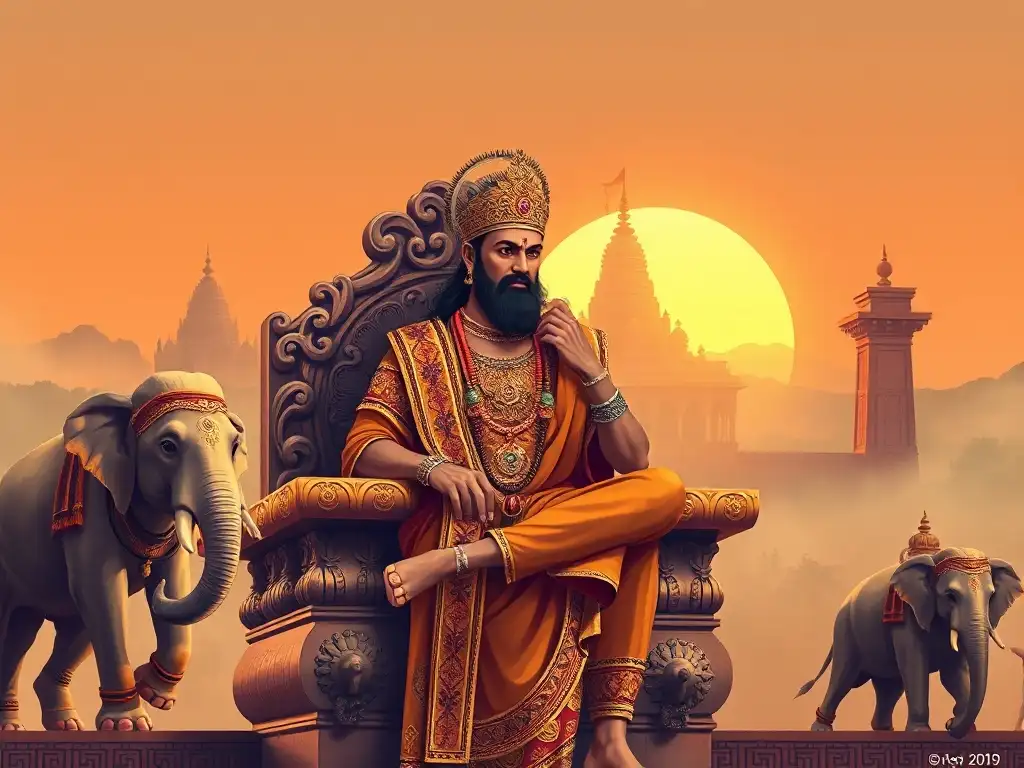
Summary of Ashoka the Great's Influence on India
Ashoka the Great, the third emperor of the Maurya Dynasty, left an indelible mark on the Indian subcontinent that transcends time. His reign (c. 268–232 BCE) is often regarded as a pivotal period in Indian history, primarily due to his profound shift from militaristic conquests to a focus on governance through dharma (moral law). This transformation was largely influenced by his experiences after the Kalinga War, which resulted in massive casualties and suffering. Ashoka's remorse led him to adopt a policy of non-violence and compassion, which became the cornerstone of his administration.
One of the most significant contributions of Ashoka was the promotion of Buddhism as a state religion. He not only embraced its teachings but also disseminated them across his empire and beyond. His edicts, inscribed on pillars and rocks, communicated ethical guidelines and social responsibilities, emphasizing values such as tolerance, respect for life, and communal harmony. These principles not only shaped societal norms during his reign but also influenced subsequent Indian dynasties, such as the Mauryas, Guptas, and later Buddhist kingdoms.
| Contribution | Impact |
|---|---|
| Promotion of Buddhism | Spread of Buddhist philosophy and culture |
| Edicts on moral governance | Established ethical governance |
| Support for infrastructure | Development of roads and hospitals |
| Advocacy for animal rights | Influenced societal attitudes towards compassion |
Reflecting on Ashoka's Relevance in Modern India
The relevance of Ashoka the Great in contemporary India is profound. His principles of dharma resonate with modern values of peace, tolerance, and social justice. In a country characterized by diversity, Ashoka’s vision of a harmonious society remains a guiding light. His commitment to non-violence has inspired numerous leaders throughout history, including Mahatma Gandhi, who adopted similar philosophies in the fight for India's independence.
Moreover, Ashoka's edicts serve as historical documents that continue to inspire discussions on ethical governance and civic responsibility. They remind modern policymakers of the importance of compassionate leadership and the impact of governance on societal well-being. As India navigates the complexities of the 21st century, revisiting Ashoka’s teachings can provide valuable insights into fostering unity and understanding among its diverse population.
The enduring legacy of Ashoka the Great is not just a relic of the past but a living influence that continues to shape the moral and ethical landscape of India today. His life and principles offer a template for effective governance, ethical conduct, and the promotion of peace, making him a timeless figure in the annals of Indian history.
References for Further Reading on Ashoka the Great's Influence on India
Recommended Books and Articles
To gain a deeper understanding of Ashoka the Great's influence on subsequent Indian dynasties, several scholarly books and articles provide valuable insights. Here are some notable recommendations:
- "Ashoka: The Search for India's Lost Emperor" by Charles Allen
- This book delves into the life of Ashoka, exploring his policies and the impact of his reign on Indian history. It combines archaeological findings with historical narratives, offering a comprehensive view of Ashoka's contributions.
- "The Edicts of Ashoka" translated by Richard G. Salomon
- This translation of Ashoka's edicts provides direct access to the emperor's thoughts and decrees. The book includes commentary on the significance of these edicts in shaping moral and ethical standards in India.
- "Ashoka and the Decline of the Mauryas" by Romila Thapar
- Thapar's work critically examines the Mauryan Empire's decline after Ashoka's reign and how his policies set a precedent for future rulers. It offers a nuanced perspective on the complexities of governance during and after Ashoka's time.
- Journal Articles
- Various academic journals, such as the Journal of Asian Studies and Indian Historical Review, often publish articles focused on Ashoka's administrative reforms and their long-term implications on Indian polity.
Documentaries and Online Resources on Ashoka's Legacy
In addition to texts, visual and digital resources can enrich one’s knowledge about Ashoka the Great and his enduring influence. Below are some recommended documentaries and online platforms:
- Documentary: "Ashoka: The Great"
- This documentary provides a captivating portrayal of Ashoka's life, highlighting his transformation from a warrior king to a proponent of peace and Buddhism. It features expert commentary and stunning visuals of ancient sites.
- YouTube Channels
- Channels like Epic History TV offer detailed videos that cover Ashoka's reign and his policies, making complex historical narratives accessible to a broader audience.
- Online Courses
- Platforms such as Coursera and edX may offer courses on Indian history that include segments on Ashoka the Great, his governance, and his cultural impact.
- Museum Websites
- Institutions like the National Museum in New Delhi often provide online resources, articles, and virtual tours that showcase artifacts from Ashoka's era, enhancing the understanding of his contributions to Indian civilization.
- Podcasts
- Several history-focused podcasts discuss Ashoka’s influence. Episodes dedicated to ancient Indian history highlight the significance of his reign and explore themes of governance, ethics, and diplomacy.
With these resources, readers can explore Ashoka the Great's profound influence on India, understanding how his legacy shaped future dynasties and continues to resonate in modern Indian culture.
Frequently Asked Questions
What were Ashoka the Great's major contributions to Indian society?
Ashoka the Great is known for his promoting Buddhism, moral governance, and the spread of non-violence. His edicts emphasized ethical conduct and social welfare.
How did Ashoka's reign impact Buddhism in India?
Under Ashoka's rule, Buddhism flourished as he supported its spread across India and beyond. He sent missionaries to teach its principles, significantly impacting the religion's growth.
In what ways did Ashoka influence subsequent Indian dynasties?
Ashoka's principles of governance, such as tolerance and compassion, influenced later rulers. His emphasis on ethical leadership set a standard for future Indian monarchs.
Ashoka implemented policies that focused on public health, education, and infrastructure, leading to improved living conditions. His charitable initiatives aimed to uplift the common people.
What is the significance of Ashoka's edicts in Indian history?
Ashoka's edicts are crucial historical documents that provide insight into his philosophy, policies, and the socio-political environment of his time, highlighting his commitment to moral governance.
Final Reflection: The Enduring Legacy of Ashoka the Great's Influence on India
Ashoka the Great's influence on India resonates profoundly in today's society, reminding us of the power of compassion and ethical governance. As we navigate a world often marked by conflict and division, Ashoka's commitment to non-violence and social welfare serves as a beacon of hope. His transformative policies not only shaped the Mauryan Empire but also laid the groundwork for future dynasties, illustrating that leadership grounded in moral values can have a lasting impact on civilization.
Cultural and social landscapes are continually molded by the legacies of influential figures like Ashoka. His promotion of Buddhism and the spread of its principles fostered a sense of unity and shared purpose across diverse communities. As we reflect on his contributions, we recognize that his ideals remain relevant today, inspiring movements for peace and justice worldwide. In the end, the love you take is equal to the love you make.
This sentiment echoes Ashoka's philosophy, reminding us that our actions have the power to shape the future.
As we contemplate the lessons from Ashoka's reign, let us embrace the call to action in our own lives. How can we embody his principles of compassion and ethical leadership in our daily interactions? I invite you to reflect on your role in fostering a more just and harmonious society. By integrating Ashoka's values into our lives, we can contribute to a legacy of peace and understanding that transcends time, ensuring that his influence continues to guide us into the future.
Unveil the Legacy of Ashoka: Take Action Today!
Thank you for exploring the remarkable influence of Ashoka the Great and how his legacy shaped subsequent Indian dynasties. Your interest in this pivotal era enriches our understanding of history and its lasting impact on today’s world. Now, let’s keep that momentum going and explore ways to deepen your connection with this fascinating topic!
- Engage with history: Read a biography or watch a documentary about Ashoka to gain further insights into his reign and philosophies.
- Share your thoughts: Start a conversation with friends or on social media about how Ashoka's values resonate in today's society.
- Explore your community: Find or attend local history lectures or museum exhibits that focus on ancient India to connect with others who share your passion.
Which aspect of Ashoka's influence do you believe aligns most closely with modern values?