
The Fascinating Life of Ashoka: From Warrior to Peacekeeper

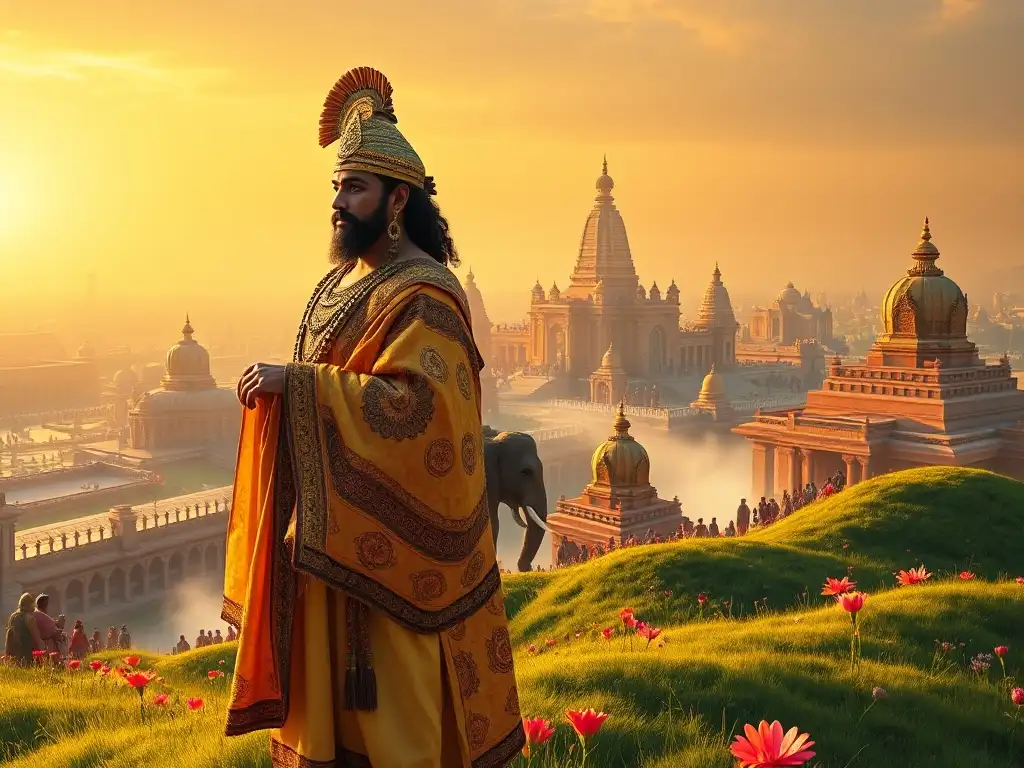
Welcome to Ancient India History, where we embark on a journey through the rich tapestry of ancient Indian civilizations, uncovering their remarkable contributions and vibrant cultures. In this exploration, we delve into the Fascinating Life of Ashoka: From Warrior to Peacekeeper, a pivotal figure whose transformation from a fierce conqueror to a proponent of peace reshaped the course of history. What drove Ashoka to renounce violence and embrace a path of compassion?
Join us as we unravel the intriguing story of this extraordinary emperor and discover how his legacy continues to influence the world today. Dive deeper, and let the history of Ashoka inspire your understanding of ancient India!
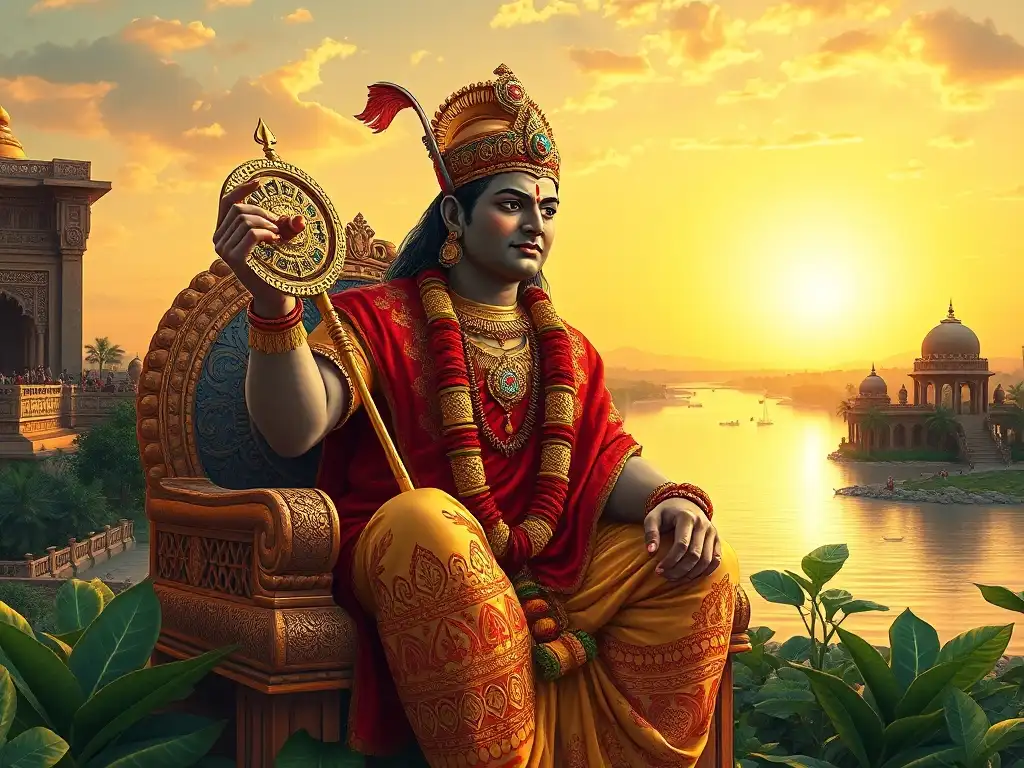
Introduction to the Life of Ashoka the Great
The Life of Ashoka the Great stands as a pivotal chapter in the chronicles of ancient Indian history, illuminating the transformation of a fierce warrior into a compassionate leader and advocate for peace. Ashoka, the third emperor of the Maurya Dynasty, ruled during the 3rd century BCE and is best known for his profound impact on Buddhism and his commitment to non-violence following the brutal Kalinga War.
His reign marked a significant shift from military conquests to the promotion of dharma, or righteous living, which has inspired generations. This article delves into Ashoka's life, exploring the nuances of his character, the events that shaped his rule, and his lasting contributions to Indian civilization.
Overview of Ashoka’s Historical Context
To fully appreciate Ashoka’s legacy, it's essential to understand the historical backdrop against which he rose to power. The Maurya Empire, founded by Chandragupta Maurya, was one of the largest empires in ancient India, stretching across vast territories. Ashoka ascended the throne in a period rife with conflict, where military prowess was often deemed the hallmark of a successful ruler. However, it was the aftermath of the Kalinga War that catalyzed Ashoka's transformation and redefined his approach to governance.
- Key Events Leading to His Reign:
- The unification of various kingdoms under the Maurya Empire.
- The fierce Kalinga War, which resulted in massive casualties and suffering.
- Ashoka's conversion to Buddhism and his embrace of non-violence.
Importance of Ashoka in Ancient Indian History
Ashoka's significance transcends his military conquests; he is celebrated as a pioneer of social and ethical governance. His edicts, inscribed on rocks and pillars throughout the empire, served as a medium for disseminating his ideals of peace, tolerance, and moral responsibility. The Life of Ashoka the Great is not merely a historical account but serves as a testament to the potential for change within individuals and societies.
- Contributions to Buddhism:
- Promotion of the Buddhist faith across India and beyond.
- Establishment of monasteries and stupas, facilitating the spread of Buddhist teachings.
- Legacy of Governance:
- Implementation of welfare policies aimed at improving the lives of his subjects.
- Advocacy for animal rights and environmental conservation.
Early Life of Ashoka the Great
Understanding Ashoka's early life provides insights into the experiences and influences that shaped him into one of history's most revered figures.
Birth and Family Background
Ashoka was born into the royal family of the Maurya Dynasty around 304 BCE. He was the grandson of Chandragupta Maurya, the founder of the Maurya Empire, an influential dynasty known for its significant territorial expansion and administrative innovations. His mother, Dharma, played a crucial role in instilling values of compassion and righteousness in him from an early age.
Childhood and Education
Raised in the royal courts of Pataliputra, Ashoka received a comprehensive education that encompassed military training, governance, philosophy, and the arts. His upbringing was marked by exposure to diverse cultures and philosophies, which greatly influenced his worldview.
- Key Aspects of His Education:
- Military strategy and tactics, preparing him for future battles.
- Studies in ethics and governance, laying the groundwork for his later policies.
Early Influences on Ashoka’s Character
Several formative experiences during Ashoka's youth contributed to his character development. The lessons learned from his father, Bindusara, and the tumultuous environment of court politics fostered a sense of ambition and competitiveness in him. However, it was the moral teachings of Buddhist monks that deeply resonated with him, eventually guiding his decisions as a ruler.
- Influential Figures:
- Bindusara, his father, who emphasized strength and power.
- Buddhist monks, who introduced him to the principles of compassion and non-violence.
Through this exploration of Ashoka's early life, we can begin to understand the complexities of his character and the profound changes he would later embrace as a ruler.
Ashoka as a Warrior
Ashoka the Great, the third emperor of the Maurya Dynasty, initially carved his legacy as a formidable warrior before his dramatic transformation into a proponent of peace. His early life was steeped in martial tradition, and his rise to power was marked by military prowess, strategic acumen, and a fierce commitment to expanding his empire. The narrative of Ashoka's life as a warrior is critical to understanding the profound change he underwent later in his reign.
The Ascendancy to the Throne
Born around 304 BCE, Ashoka was the grandson of Chandragupta Maurya, the founder of the Maurya Empire. His ascension to the throne followed a tumultuous period of power struggles and familial rivalries. After the death of his father, Emperor Bindusara, Ashoka emerged victorious in a bloody succession battle against his brothers. His ruthlessness during this power struggle showcased his warrior spirit and his determination to rule. Eventually, he was crowned as the emperor, inheriting a vast empire that laid the foundation for his future military endeavors.
Military Campaigns and Conquests
Ashoka's reign was characterized by a series of military campaigns aimed at consolidating the Maurya Empire. His strategic mindset and disciplined army enabled him to expand his territory significantly. Notable conquests included invasions of regions such as the present-day eastern Afghanistan and parts of modern-day India and Nepal. Ashoka's military tactics often involved not only brute force but also diplomacy and alliances, showcasing his versatility as a leader. His conquests, however, were not merely for territorial gain; they aimed to establish the Maurya Empire as a dominant force in the Indian subcontinent.
The Kalinga War: A Turning Point
The Kalinga War (circa 261 BCE) marked a pivotal moment in Ashoka's life as a warrior and ruler. Kalinga, located in present-day Odisha, was a prosperous and strategically vital region. Ashoka's desire to annex Kalinga led to a brutal conflict that resulted in significant loss of life—estimates suggest that over 100,000 soldiers and civilians perished in the war.
The devastation and suffering caused by the conflict deeply affected Ashoka, leading him to question the morality of his military ambitions. This harrowing experience became the catalyst for his transformation from a warrior focused on expansion to a leader committed to peace and non-violence.
Transformation from Warrior to Peacekeeper
The Kalinga War's aftermath profoundly influenced Ashoka's worldview, prompting a shift from militaristic aspirations to a philosophy centered around peace and compassion. His subsequent reign was characterized by efforts to promote harmony and welfare among his subjects, reflecting his new commitment to ethical governance.
The Aftermath of the Kalinga War
In the wake of the Kalinga War, Ashoka faced the grim reality of the consequences of his aggression. The immense loss of life and suffering inflicted upon the Kalingans haunted him, leading to a profound sense of remorse. This pivotal moment catalyzed his resolve to abandon further military conquests and instead focus on the welfare of his people. Ashoka's reign thereafter emphasized healing, reconciliation, and the promotion of social justice, marking a significant departure from his earlier warrior ethos.
Embracing Buddhism: A New Path
Ashoka's transformation was further solidified by his embrace of Buddhism, which he adopted as a guiding philosophy. The teachings of the Buddha resonated deeply with him, particularly the principles of compassion and non-attachment. Ashoka became a fervent supporter of Buddhism, actively promoting its teachings throughout his empire. He established numerous stupas, monasteries, and educational institutions, ensuring the spread of Buddhist ideals. His patronage of Buddhism not only contributed to its growth but also reflected his commitment to fostering a more humane and ethical society.
Principles of Non-Violence and Dharma
Central to Ashoka's new vision for governance were the principles of non-violence (ahimsa) and Dharma. He advocated for peaceful coexistence among different religions and communities, promoting tolerance and understanding. Ashoka's edicts, inscribed on pillars and rocks throughout his empire, articulated his commitment to these principles, emphasizing the importance of moral conduct, respect for life, and the pursuit of truth. His legacy as a peacekeeper is deeply intertwined with these ideals, solidifying his status as one of history's most remarkable leaders who transcended the archetype of a traditional warrior.
Contributions of Ashoka to Ancient India
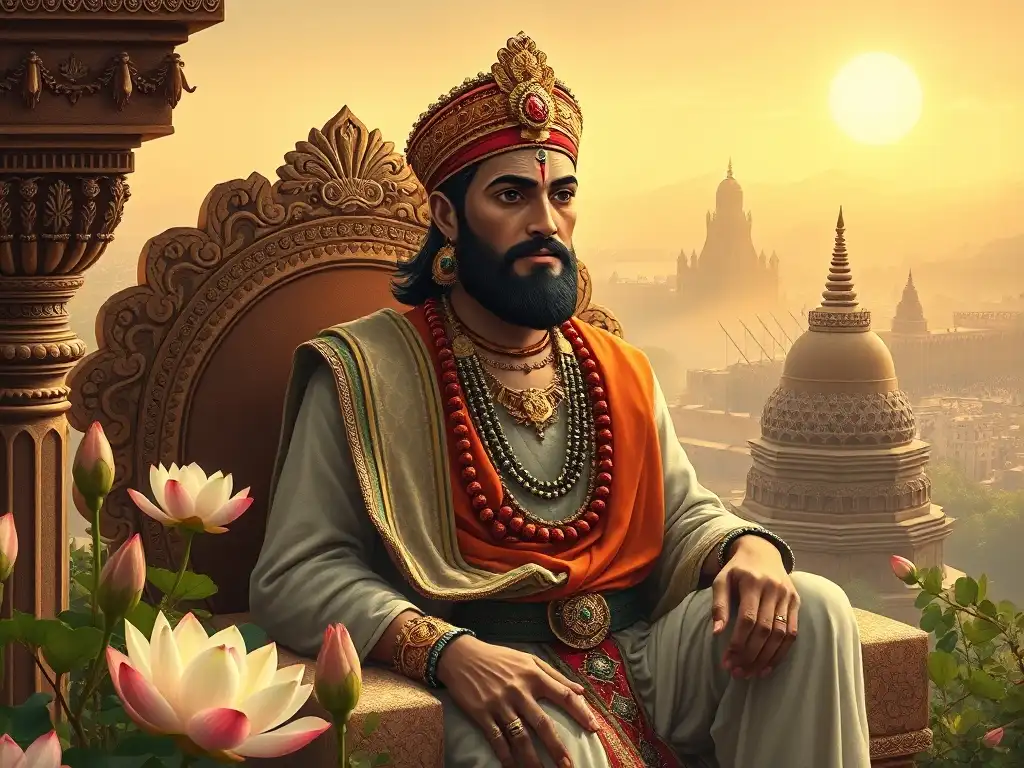
Ashoka the Great stands as a monumental figure in ancient Indian history, known for his transformative reign over the Maurya Empire from 268 to 232 BCE. His contributions to the socio-political landscape and cultural framework of India have left an indelible mark. Following his conversion to Buddhism after the Kalinga War, Ashoka pivoted from a militaristic approach to governance towards one centered on peace, compassion, and public welfare. His reign was characterized by significant reforms in administration, religious tolerance, and the promotion of ethical governance, which collectively enhanced the cultural and spiritual fabric of ancient India.
Promotion of Buddhism Across the Empire
One of Ashoka's most significant contributions was the widespread promotion of Buddhism throughout his empire. Following his conversion, he became a fervent advocate for the teachings of the Buddha. Ashoka sent missionaries to various regions, including Sri Lanka, Southeast Asia, and even as far as Greece, to spread Buddhist philosophy. This not only facilitated the growth of Buddhism but also established it as a major world religion.
Ashoka's efforts included the construction of stupas, monasteries, and educational institutions that served as centers for Buddhist learning, attracting monks and scholars from diverse backgrounds. His commitment to the principles of non-violence, compassion, and social justice resonated deeply with the populace, fostering a culture of peace and ethical living.
The Edicts of Ashoka: Messages of Peace
The Edicts of Ashoka are a series of inscriptions carved on rocks and pillars across his empire, serving as a testament to his commitment to righteousness and moral governance. These edicts articulated his vision of a just society, emphasizing ethical behavior, respect for all life, and the importance of non-violence.
In these inscriptions, Ashoka urged his subjects to embrace compassion towards animals, promote social harmony, and engage in charitable acts. The edicts also addressed the importance of religious tolerance, advocating for mutual respect among different faiths. This remarkable initiative not only conveyed his personal transformation but also set a precedent for future rulers on the significance of moral governance.
Infrastructure Development and Public Welfare
Ashoka's reign was marked by extensive infrastructure development aimed at enhancing the welfare of his subjects. He recognized that a well-organized society requires a robust infrastructure, which led to the construction of roads, wells, rest houses, and hospitals.
These public works were designed to improve trade and communication across the empire while ensuring the well-being of travelers and the sick. Ashoka's focus on public welfare also included the establishment of the Dhamma Mahamatras, officials tasked with the promotion of moral conduct and the welfare of the people. This commitment to infrastructure and public health illustrated his vision for a prosperous and compassionate society.
Legacy of Ashoka the Great
The legacy of Ashoka the Great extends far beyond his lifetime, influencing not only the Indian subcontinent but also the broader global landscape. His reign is often seen as a turning point in the history of India, embodying the principles of ethical leadership and governance.
Influence on Subsequent Indian Dynasties
Ashoka's principles of governance and his emphasis on morality and social welfare had a lasting impact on subsequent Indian dynasties. His approach inspired rulers such as the Gupta Empire, which embraced similar ideals of peace and cultural patronage. The emphasis on non-violence and tolerance set forth by Ashoka became a reference point for later kings, shaping the political ethos of India for centuries.
Furthermore, the integration of Buddhist teachings into governance influenced the administration of various regions, promoting values that prioritized the well-being of citizens. The cultural and spiritual legacy of Ashoka continues to resonate in modern Indian society, reflecting the enduring impact of his reign.
Ashoka’s Impact on Global Peace Movements
Ashoka's advocacy for non-violence and peace has made him a historical figure revered not only in India but worldwide. His principles resonate with contemporary movements for peace, justice, and non-violence. Leaders such as Mahatma Gandhi drew inspiration from Ashoka's teachings, advocating for similar ideals during India's struggle for independence.
The global relevance of Ashoka's message of peace is evident in various peace movements today, which continue to emphasize the importance of compassion and ethical governance. His legacy serves as a reminder of the power of peaceful coexistence and the potential for transformative leadership rooted in ethical values.
Commemoration and Cultural References in Modern Times
In modern times, Ashoka the Great is commemorated in various ways, reflecting the reverence for his contributions to society. His image appears on the national emblem of India, symbolizing the values of truth and non-violence. Numerous institutions, including universities and cultural organizations, have been established in his honor to promote Buddhist studies and ethical governance.
Cultural references to Ashoka can be found in literature, films, and art, highlighting his profound influence on Indian culture. Festivals celebrating his legacy, such as Ashoka Jayanti, are observed, allowing people to reflect on his teachings and their relevance in contemporary society. His life and contributions continue to inspire efforts towards peace and moral leadership, ensuring that the legacy of Ashoka the Great endures through the ages.
Conclusion: The Enduring Fascination with Ashoka’s Life
The life of Ashoka the Great presents a remarkable narrative that transcends time, showcasing his transformation from a fierce warrior to a compassionate ruler. His legacy as a proponent of peace and non-violence after witnessing the horrors of war has captivated historians, scholars, and enthusiasts alike. Ashoka's reign marked a significant shift in governance, favoring moral leadership over brute strength. The edicts he inscribed on pillars and rocks across his empire serve as a testament to his commitment to dharma (righteousness) and the welfare of his subjects.
This profound evolution from a conqueror to a peacekeeper invites endless exploration and interpretation. It challenges us to reflect on the complexities of human nature and the capacity for change, making Ashoka an enduring figure in both history and modern thought. The narratives surrounding Ashoka's life continue to inspire discussions on morality, ethics, and governance, ensuring his place in the annals of history remains significant.
Summary of Ashoka’s Journey from Warrior to Peacekeeper
Ashoka’s journey is a compelling testament to personal transformation. Born into the Maurya dynasty, he initially embraced the warrior lifestyle, demonstrating ambition and military prowess. His early reign was characterized by a series of military campaigns, most notably the Kalinga War, which resulted in a staggering loss of life and suffering. However, the brutal realities of this conflict profoundly affected Ashoka, prompting a pivotal change in his outlook.
Following the Kalinga War, Ashoka adopted Buddhism, embracing its teachings of compassion and non-violence. He dedicated himself to spreading these principles throughout his empire and beyond. By promoting the ideals of dharma, he sought to establish a society based on moral values and humane governance. His edicts, which emphasized ethical conduct, social justice, and the welfare of all living beings, illustrated his commitment to this new path. Thus, Ashoka transformed from a feared conqueror into a beloved peacekeeper, leaving an indelible mark on history.
Reflection on Ashoka’s Relevance Today
Ashoka’s relevance in contemporary society is multifaceted. In an era often marked by conflict and division, his commitment to peace and non-violence resonates deeply. The principles he championed, such as tolerance, compassion, and social responsibility, are crucial in addressing modern challenges, including war, human rights abuses, and environmental crises.
Moreover, Ashoka's approach to governance, emphasizing ethical leadership and public welfare, provides valuable lessons for today's leaders. His belief in the sanctity of life and the importance of moral duty encourages individuals and nations alike to strive for a just and harmonious society.
As we reflect on Ashoka's legacy, we are reminded that even the most formidable warriors can evolve into powerful advocates for peace, inspiring future generations to embrace understanding and compassion in their endeavors. The fascination with Ashoka's life continues to thrive, reminding us of the profound impact one individual can have on the course of history and the enduring quest for a better world.
- Introduction to the Life of Ashoka the Great
- Early Life of Ashoka the Great
- Ashoka as a Warrior
- Transformation from Warrior to Peacekeeper
- Contributions of Ashoka to Ancient India
- Legacy of Ashoka the Great
- Conclusion: The Enduring Fascination with Ashoka’s Life
Frequently Asked Questions
What major transformations did Ashoka the Great undergo in his life?
Ashoka the Great experienced a profound transformation from a warrior who expanded his empire through conquest to a peacekeeper who embraced Buddhism and promoted non-violence.
How did Ashoka contribute to the spread of Buddhism?
Ashoka played a crucial role in the spread of Buddhism by establishing monasteries, sending missionaries across Asia, and promoting the teachings of the Buddha through edicts carved in stone.
What was the significance of Ashoka's edicts?
Ashoka's edicts are significant as they reflect his commitment to moral governance and social welfare, showcasing his desire to promote peace and justice within his empire.
How did Ashoka's reign impact ancient Indian society?
Ashoka's reign greatly impacted ancient Indian society by fostering a culture of tolerance, compassion, and non-violence, which influenced future generations and shaped the ethical landscape of India.
In what ways is Ashoka the Great remembered today?
Ashoka the Great is remembered as a symbol of peace and tolerance, with his legacy continuing to inspire modern movements for non-violence and social justice around the world.
Final Reflection: The Enduring Legacy of Ashoka the Great
The life of Ashoka the Great serves as a powerful reminder of the transformative potential within each of us. In a world often marked by conflict and division, Ashoka's journey from a fierce warrior to a compassionate peacekeeper resonates profoundly today. His commitment to non-violence and moral governance not only redefined leadership in ancient India but also offers timeless lessons on the importance of empathy and understanding in our modern society.
Culture and society continue to be shaped by the ideals that Ashoka championed. His edicts, which promoted tolerance and respect for all living beings, echo in contemporary discussions about peace and coexistence. As we navigate the complexities of our global community, we can draw inspiration from Ashoka's belief that true strength lies in the ability to forgive and uplift others. It is better to conquer yourself than to win a thousand battles.
This quote encapsulates the essence of Ashoka's legacy and reminds us that personal growth and inner peace are paramount in our quest for a harmonious world.
As we reflect on the life of Ashoka the Great, let us embrace the challenge of embodying his principles in our daily lives. Consider how you can foster peace and understanding in your own community. Whether through acts of kindness, promoting dialogue, or standing against injustice, each of us has the power to contribute to a more compassionate world. Take a moment to reflect on Ashoka's journey and ask yourself: What legacy do I wish to leave behind? The answers may inspire you to become a peacekeeper in your own right, just as Ashoka did centuries ago.
Embrace Ashoka's Legacy: Take Action Now!
Thank you for exploring the inspiring journey of Ashoka, a figure who transformed from a fierce warrior to a beloved peacekeeper. You’ve discovered the essence of a ruler who championed **compassion** and **non-violence** during a tumultuous period in history. Let’s carry forward this powerful legacy into our own lives!
Here’s how you can honor Ashoka’s remarkable transformation and make a difference today:
- Join a local peace initiative or volunteer for a community service project that reflects values of compassion and empathy.
- Share this article with friends and family to spark discussions about how historical figures like Ashoka inspire contemporary change.
- Reflect on your own journey: Identify a conflict in your life and take a constructive step towards resolution, embodying Ashoka’s commitment to non-violence.
How can you incorporate the lessons from Ashoka’s life into your daily actions to foster a more peaceful world?