
Fishing and Foraging: Understanding Subsistence Economies in Ancient India

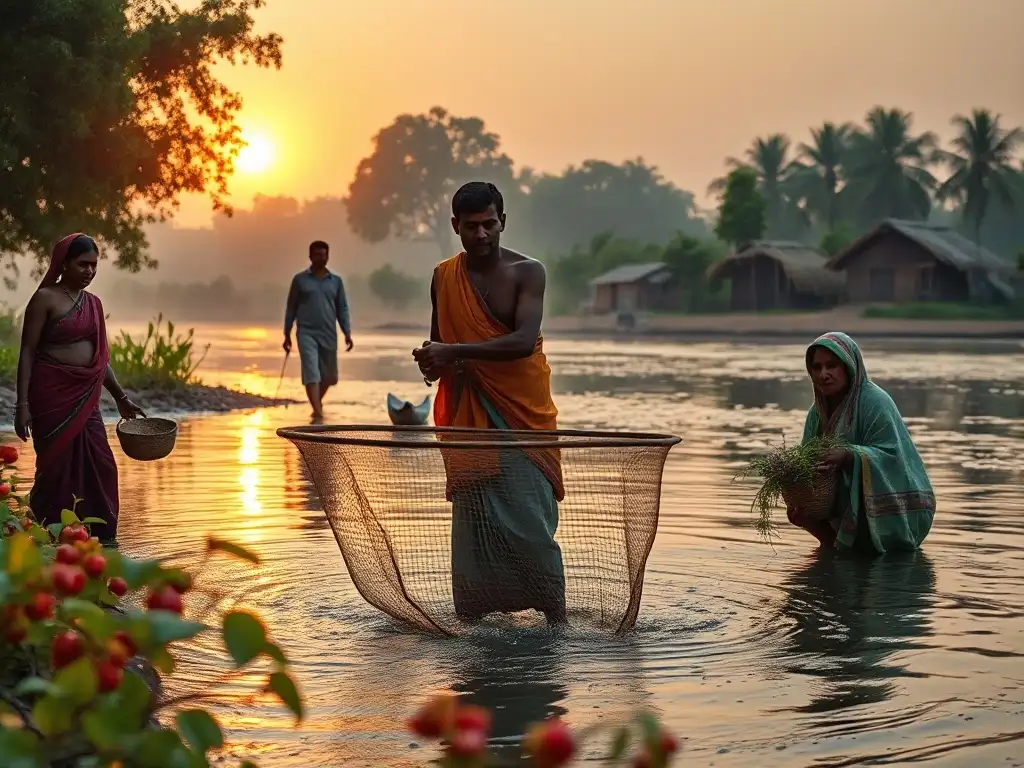
Welcome to Ancient India History, where we embark on a fascinating journey through the rich tapestry of ancient Indian civilizations. In this article, we delve deep into the intriguing world of ancient Indian subsistence economies, exploring how fishing and foraging shaped daily life and societal structures. What secrets do these age-old practices hold about the ingenuity and resilience of our ancestors? Join us as we uncover the connections between sustenance and survival, and discover how these foundational aspects of life influenced the grandeur of the Indus Valley to the remarkable Gupta Empire. Prepare to be captivated!
- Introduction to Ancient Indian Subsistence Economies
- The Role of Fishing in Ancient Indian Subsistence Economies
- Foraging as a Key Component of Subsistence Living
- Interconnection Between Fishing and Foraging
- Case Studies of Specific Ancient Indian Societies
- Economic Impacts of Fishing and Foraging
- Social and Cultural Aspects of Subsistence Economies
- Challenges Faced by Ancient Indian Subsistence Economies
- Conclusion: The Legacy of Ancient Indian Subsistence Economies
-
Frequently Asked Questions
- What are subsistence economies in ancient India?
- How did fishing contribute to ancient Indian subsistence economies?
- What role did foraging play in ancient Indian societies?
- Were there any specific regions in ancient India known for their subsistence economies?
- How did these subsistence economies impact ancient Indian culture?
- Final Reflection: The Enduring Legacy of Ancient Indian Subsistence Economies
- Dive Deeper into Ancient Subsistence!
Introduction to Ancient Indian Subsistence Economies
Ancient Indian subsistence economies represent a fascinating aspect of daily life and societal structure in the subcontinent. These economies were primarily focused on fulfilling the basic needs of communities through practices like fishing and foraging, which played a crucial role in shaping the diets, social organization, and cultural practices of various civilizations.
From the early settlements of the Indus Valley to the flourishing cultures of the Gupta Empire, understanding these subsistence strategies provides valuable insights into how ancient Indian societies adapted to their environments and utilized available resources. This exploration not only highlights the ingenuity of these communities but also emphasizes the interconnectedness of their economic practices with their social and cultural identities.
Definition of Subsistence Economies
Subsistence economies are economic systems where communities rely on natural resources to meet their basic needs for food, shelter, and clothing, rather than engaging in large-scale trade or production. In such economies, the focus is on local resources and sustainability, with members of the community participating in activities such as hunting, gathering, fishing, and small-scale agriculture.
The key characteristics of subsistence economies include:
- Self-sufficiency: Communities produce most of what they consume, minimizing dependence on external markets.
- Resource management: Sustainable practices are often employed to ensure that natural resources are not depleted.
- Cultural integration: Economic activities are often intertwined with cultural and social practices, reflecting the community's identity and traditions.
Importance of Fishing and Foraging in Ancient India
Fishing and foraging were integral components of ancient Indian subsistence economies, providing essential nutrients and resources that supported diverse populations across various regions. These practices were not only vital for survival but also played a significant role in shaping the cultural and social landscape of ancient Indian societies.
- Nutritional Value:
- Fishing provided a rich source of protein, essential for human health.
- Foraging allowed communities to access a variety of plants, fruits, and nuts, contributing to a balanced diet.
- Cultural Significance:
- Fishing and foraging practices often featured in religious and cultural rituals, highlighting their importance beyond mere sustenance.
- They fostered a deep connection between communities and their natural environments, influencing folklore, art, and traditions.
- Economic Roles:
- These activities created social structures around resource sharing, with specialized roles emerging within communities for fishing and gathering.
- Fishing and foraging often supplemented agricultural practices, allowing communities to thrive even in challenging environments.
The practices of fishing and foraging were foundational to the survival and development of ancient Indian subsistence economies, providing not only food and resources but also shaping the cultural and social dynamics of these civilizations.
The Role of Fishing in Ancient Indian Subsistence Economies

Overview of Fishing Practices in Ancient India
Fishing has played a pivotal role in the subsistence economies of ancient India, providing a vital source of protein and supporting local communities. Historical evidence suggests that fishing practices were well-established in various regions, particularly along the extensive river systems and coastal areas. Archaeological findings, such as fish bones and ancient fishing gear, indicate that fishing was not merely a supplementary activity but a fundamental aspect of daily life.
In ancient Indian societies, fishing practices varied significantly based on geography and available resources. For instance, communities residing near the Indus River utilized the river's rich aquatic life, while coastal populations relied on marine resources. Fishing was often gendered, with men typically engaging in the act of fishing and women participating in the processing and marketing of the catch. This division of labor highlights the social dynamics within these subsistence economies.
Techniques and Tools Used for Fishing
The techniques and tools employed for fishing in ancient India were diverse and tailored to the specific environments and fish species targeted. Some of the prominent methods included:
- Net Fishing: The use of nets was widespread, as they allowed for the capture of multiple fish at once. These nets were often made from plant fibers or animal sinew, showcasing the resourcefulness of ancient communities.
- Spearfishing: Spears made from sharpened bamboo or wood were commonly used for hunting larger fish, particularly in riverine environments. This technique required skill and knowledge of fish behavior.
- Traps and Weirs: Ingenious trap designs, such as fish weirs constructed from stones or reeds, were employed to guide fish into confined areas where they could be easily caught.
- Hook and Line: Simple hooks made from bone or metal were utilized in conjunction with lines for targeted fishing, particularly for species that were more challenging to catch with nets.
These traditional fishing techniques reflect the deep understanding ancient societies had of their aquatic environments and their ability to adapt to changing conditions.
Significance of Rivers and Coastal Areas
Rivers and coastal areas were crucial to the sustenance of ancient Indian subsistence economies. The Indus, Ganges, and Brahmaputra rivers, among others, not only provided abundant fish resources but also facilitated trade and communication between various communities.
- Ecological Diversity: These water bodies supported diverse aquatic ecosystems, offering a variety of fish species that contributed to the dietary needs of ancient populations. The seasonal cycles of rivers also influenced fishing practices, with communities adapting to the ebb and flow of water levels.
- Cultural Importance: Rivers held significant cultural and religious importance in ancient India, often being revered in local traditions and rituals. This connection between spirituality and daily life further underscored the role of rivers in the subsistence economies.
- Trade Routes: Coastal areas, particularly along the Arabian Sea and the Bay of Bengal, facilitated maritime trade. Fishing communities often engaged in exchanging fish for agricultural products, textiles, and other goods, contributing to the overall economic landscape of ancient India.
Fishing was an integral component of ancient Indian subsistence economies, intertwining with cultural practices, ecological awareness, and social structures. The techniques and tools developed for fishing highlight the ingenuity of these ancient societies, while the significance of rivers and coastal areas underscores the importance of natural resources in shaping their livelihoods.
Foraging as a Key Component of Subsistence Living
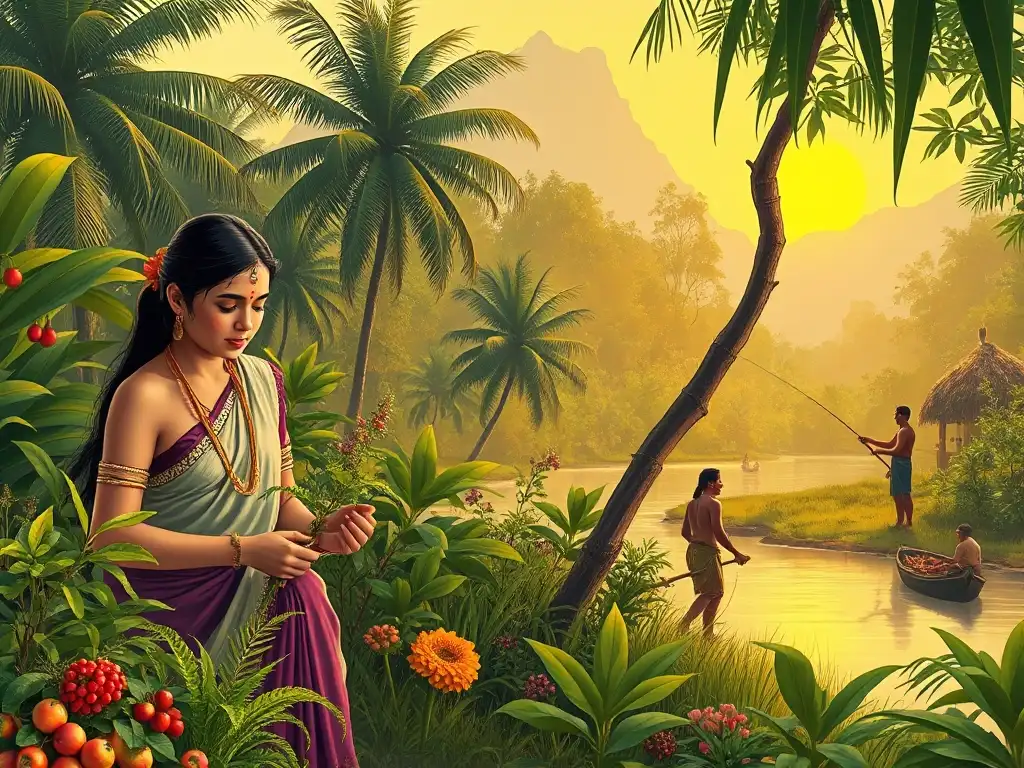
Foraging played a crucial role in the subsistence economies of ancient Indian civilizations, complementing agricultural practices and providing diverse food sources. This practice involved the gathering of wild plants, fruits, nuts, seeds, and other edible materials from the natural environment. In the context of ancient Indian societies, foraging was not merely a supplementary activity; it was an essential component that shaped dietary habits, cultural practices, and social structures.
Foraging strategies varied significantly across different regions, influenced by local ecosystems, climate, and seasonal changes. Communities adapted their foraging techniques to exploit the available resources effectively. The knowledge of local flora and fauna was passed down through generations, creating a deep understanding of which plants were edible, their nutritional values, and their medicinal properties. This intimate relationship with nature fostered a sustainable approach to resource management, ensuring that foraging did not deplete the available stock.
Moreover, foraging facilitated social cohesion within communities. It often involved collective efforts, where groups would gather to search for food, share knowledge, and strengthen communal ties. The act of foraging was intertwined with cultural rituals and practices, reflecting the reverence ancient Indians held for nature and its bounty.
Understanding Foraging in Ancient Indian Societies
Foraging in ancient India encompassed a wide range of practices that varied by geographic location and cultural context. Some societies relied heavily on foraging due to limited agricultural possibilities, while others integrated it into their mixed subsistence strategies. Evidence suggests that foraging was particularly significant in regions like the forests of central India and the Himalayan foothills, where agricultural practices were less feasible due to terrain and climate.
In these societies, foragers would typically employ a variety of methods to gather food. These methods might include:
- Gathering: Collecting wild fruits, nuts, and berries from trees and shrubs.
- Hunting: Engaging in small-scale hunting to supplement the diet with protein sources from animals.
- Fishing: Utilizing rivers and lakes to catch fish, often employing simple nets and traps.
- Wildcrafting: Harvesting plants for medicinal uses, which played a vital role in traditional health practices.
The knowledge of when and where to forage was crucial. For example, during monsoon seasons, certain fruits and mushrooms would become abundant, while dry seasons would see the gathering of tubers and seeds. This deep understanding of natural cycles allowed ancient Indian societies to thrive in harmony with their environments.
Types of Edible Plants and Wild Foods
Ancient Indian foragers had access to a rich variety of edible plants and wild foods, many of which were integral to their diets. The diversity of flora across different regions meant that the types of foraged foods varied significantly. Here are some notable examples of edible plants commonly foraged:
- Fruits:
- Wild Berries: Such as jamun (Syzygium cumini) and blackberry (Rubus spp. ).
- Figs: Ficus species, which provided essential sugars and nutrients.
- Nuts and Seeds:
- Acorns: Used by certain tribes as a significant source of fat and protein.
- Wild sesame seeds: Known for their nutritional value and oil extraction.
- Vegetables and Greens:
- Wild leafy greens: Such as amaranth and sorrel, which were rich in vitamins.
- Tubers: Like wild yam and other root vegetables, providing starches.
- Herbs and Spices:
- Medicinal herbs: Such as turmeric and ginger, which were utilized for both culinary and medicinal purposes.
- Seasonings: Wild garlic and other aromatic plants enhanced the flavors of foraged meals.
The knowledge of these plants was not only about their edibility but also about their seasonal availability and nutritional benefits, forming a vital part of ancient Indian subsistence economies.
Seasonal Availability and Its Impact on Subsistence
The seasonal availability of plants and wild foods heavily influenced the subsistence strategies of ancient Indian societies. Variations in climate and weather patterns dictated the timing of foraging activities and the types of resources available. Understanding these seasonal patterns allowed foragers to optimize their gathering efforts.
- Spring: This season marked the beginning of new growth, making it ideal for gathering tender shoots and early fruits. Foragers would often focus on collecting greens and berries during this time.
- Monsoon: The arrival of rains led to a proliferation of wild fruits and mushrooms. Communities would exploit this abundance, often storing or drying surplus for later use.
- Autumn: As the weather cooled, nuts and seeds became ripe for harvesting. This season was critical for gathering energy-dense foods that would sustain communities through the winter months.
- Winter: Foragers would rely on preserved foods, such as dried fruits and nuts, while also hunting small game. The scarcity of fresh foraged foods during this time necessitated careful planning and resource management.
The cyclical nature of seasons shaped not only the diets of ancient Indians but also their cultural practices, rituals, and social organization. Communities often celebrated seasonal changes with festivals that honored nature’s bounty, reinforcing their connection to the environment and the importance of foraging in their subsistence economies.
Foraging was a multifaceted practice that not only supported the nutritional needs of ancient Indian societies but also played a significant role in their cultural and social lives. The understanding of edible plants and seasonal availability was vital for sustaining these communities, showcasing the intricate relationship between people and their environment in ancient India.
Interconnection Between Fishing and Foraging
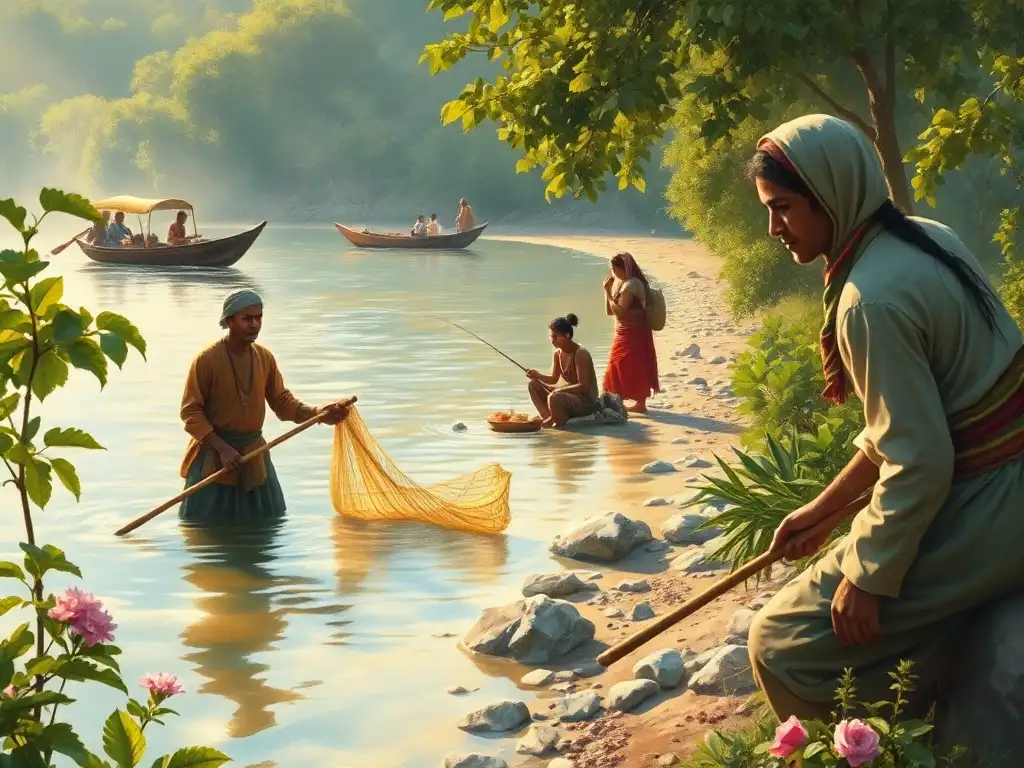
The interplay between fishing and foraging in ancient Indian subsistence economies showcases a dynamic relationship where these two activities not only coexisted but also complemented each other in various ways. This interconnection is essential for understanding how ancient communities utilized available resources to sustain themselves.
How Fishing and Foraging Complement Each Other
Fishing and foraging, though distinct activities, worked in tandem to create a more resilient subsistence strategy. In many ancient Indian communities, individuals engaged in both practices, depending on seasonal availability and environmental conditions. This dual approach enabled them to gather a diverse range of food sources, enhancing their nutritional intake and reducing their reliance on any single resource.
- Seasonal Availability:
- During monsoon seasons, rivers and lakes would swell, providing abundant fish. Concurrently, certain plants and fruits would ripen, allowing communities to harvest them along riverbanks or in nearby forests.
- In drier seasons, fishing might become less viable due to lower water levels, prompting communities to focus more on foraging for nuts, seeds, and tubers.
- Resource Diversification:
- The combination of fishing and foraging allowed ancient Indians to diversify their diets. For instance, fish provided essential proteins and omega fatty acids, while foraged plants offered vitamins and minerals.
- This strategy also served as a buffer against food scarcity, as communities could adapt their practices based on resource availability.
- Cultural and Economic Synergy:
- The skills required for fishing and foraging often overlapped, with individuals gaining expertise in recognizing edible plants and understanding aquatic ecosystems. This shared knowledge facilitated trade and cooperation within and between communities.
- Surplus resources from either activity could be exchanged, enhancing social ties and economic resilience.
Cultural Practices Surrounding Combined Subsistence Strategies
Cultural practices surrounding fishing and foraging in ancient Indian societies were rich and varied, deeply embedded in their daily lives. These practices not only reflected their subsistence strategies but also their spiritual beliefs, social structures, and community dynamics.
- Ceremonial Practices:
- Fishing and foraging often held ceremonial significance. Rituals were conducted to honor water deities or to ensure bountiful harvests. For example, specific offerings might be made to river spirits before fishing expeditions, reflecting a deep cultural connection to the environment.
- Festivals celebrating seasonal changes often included gatherings where communities shared their catches and foraged goods, reinforcing social bonds and communal identity.
- Knowledge Transmission:
- Skills related to fishing and foraging were typically passed down through generations. Elders shared traditional knowledge about the best fishing spots, the timing of harvests, and the identification of edible plants, ensuring that younger members of the community were well-versed in these essential practices.
- Storytelling and folklore often included references to fishing and foraging, embedding these activities within the cultural narrative and emphasizing their importance in everyday life.
- Environmental Stewardship:
- Ancient Indian communities exhibited a profound understanding of their ecosystems, practicing sustainable fishing and foraging techniques. They would often employ methods that allowed for the regeneration of fish populations and the sustainable harvesting of wild plants, reflecting a respect for nature that was integral to their survival.
- This stewardship was not only practical but also spiritual, as many communities viewed their relationship with the land and water as sacred.
The interconnection between fishing and foraging in ancient Indian subsistence economies underscores the adaptability and resourcefulness of these communities. By complementing each other, these practices not only ensured survival but also fostered rich cultural traditions that shaped the social fabric of ancient Indian society.
Case Studies of Specific Ancient Indian Societies
Fishing Communities of the Indus Valley Civilization
The fishing communities of the Indus Valley Civilization (IVC), which thrived between 3300 and 1300 BCE, provide a fascinating insight into ancient Indian subsistence economies. Evidence suggests that these communities utilized advanced fishing techniques in the fertile floodplains of the Indus River and its tributaries. Archaeological findings from sites like Harappa and Mohenjo-Daro indicate that fish was a staple in their diet, contributing significantly to their overall nutrition.
The fishing techniques employed by these communities included:
- Net fishing: Archaeological remains suggest the use of nets made from natural fibers, which allowed for efficient capture of fish.
- Traps and weirs: These structures were likely used to funnel fish into confined areas for easier collection.
- Hooks and lines: Evidence of bone and metal hooks indicates that anglers were adept at catching a variety of fish species.
Moreover, the cultural significance of fishing can be observed in various artifacts, such as pottery decorated with fish motifs, suggesting that fishing was not only a means of sustenance but also held symbolic value in their society. The IVC's extensive trade networks allowed for the exchange of fish and fishing tools, further illustrating the importance of fishing in their economy.
Foraging Practices among the Tribes of Central India
Foraging has been an integral part of subsistence economies in ancient India, particularly among the tribes of Central India. These communities relied on their knowledge of local flora and fauna, which enabled them to gather a diverse range of resources, from edible plants to small game.
Some key aspects of foraging practices include:
- Seasonal gathering: Tribes practiced seasonal foraging, collecting fruits, nuts, and tubers at their peak ripeness. This practice ensured a sustainable harvest and minimized environmental impact.
- Traditional knowledge: The transmission of foraging techniques and knowledge about medicinal plants was critical for survival. Oral traditions played a vital role in preserving this knowledge across generations.
- Social structure: Foraging was often a communal activity, reinforcing social bonds within tribes. Cooperation in gathering efforts ensured that resources were shared equally among members.
The impact of foraging on ancient Indian subsistence economies was profound, as it provided not only food security but also cultural identity. The diverse diet derived from foraging practices contributed to the resilience of these communities, allowing them to adapt to changing environmental conditions.
The Coastal Societies and Their Subsistence Strategies
The coastal societies of ancient India, particularly those along the western and eastern shores, developed unique subsistence strategies that combined fishing, foraging, and agriculture. These societies capitalized on the rich marine resources available to them, contributing to their economic prosperity.
Key features of their subsistence strategies include:
- Marine resources: Coastal communities engaged in fishing, collecting shellfish, and harvesting seaweed. This ensured a varied diet rich in proteins and essential nutrients.
- Salt production: The extraction of salt from seawater was a significant economic activity. Salt not only enhanced food preservation but also became a valuable trade commodity.
- Agricultural integration: Coastal societies often practiced mixed farming, where fishing and agriculture coexisted. Crops such as rice and millet were cultivated alongside fishing activities, providing a stable food source year-round.
The interconnectedness of these strategies reflects the adaptability of ancient Indian subsistence economies. The communities along the coast developed intricate trade networks that facilitated the exchange of marine and agricultural products, enhancing their overall economic resilience. The blending of fishing, foraging, and agriculture illustrates the diverse approaches to subsistence that characterized ancient Indian societies.
Economic Impacts of Fishing and Foraging

Fishing and foraging were fundamental components of ancient Indian subsistence economies, shaping not only the livelihoods of communities but also significantly influencing their economic structures. These practices provided essential resources that sustained populations, fostered trade, and contributed to the overall development of local economies.
Contribution to Local Economies
Fishing and foraging played a crucial role in the economic sustenance of various ancient Indian communities. These activities allowed people to harness the rich biodiversity of the rivers, lakes, and forests, ensuring a diverse and reliable food supply.
- Nutritional Benefits: Fish and foraged plants provided essential nutrients that were vital for health, supporting larger populations. For example, the abundance of fish in the rivers of the Indus Valley facilitated a rich protein source for its inhabitants.
- Employment Opportunities: Fishing created various job opportunities, from fishermen to traders who sold their catch. Foraging also involved a range of activities, from gathering wild fruits and nuts to collecting medicinal herbs, which played a critical role in community health.
- Cultural Practices: Many communities integrated fishing and foraging into their cultural and social practices, establishing festivals and rituals that revolved around these subsistence activities. This cultural significance further solidified their economic importance.
- Sustainability and Resource Management: Ancient communities developed sustainable practices to ensure the longevity of their fishing and foraging activities. For instance, certain fishing techniques were designed to prevent overfishing, while foragers practiced seasonal harvesting to allow natural replenishment.
These elements combined to create a resilient local economy that was less dependent on agriculture and could adapt to environmental changes, ensuring food security in times of need.
Trade and Barter Systems Involving Fish and Foraged Goods
The trade and barter systems in ancient India were deeply intertwined with fishing and foraging, further enriching the dynamics of subsistence economies. These systems facilitated the exchange of goods, creating networks that extended beyond local communities.
- Local Markets: Fish and foraged products were often traded in local markets, where communities gathered to exchange goods. This not only stimulated local economies but also fostered social interactions, strengthening community ties.
- Regional Trade Routes: Ancient Indian civilizations established extensive trade routes that included the exchange of fish and foraged goods. For instance, coastal communities traded dried fish with inland populations, while foraged items like wild honey and medicinal herbs were sought after in urban centers.
- Barter Practices: Barter systems allowed for the direct exchange of goods without the use of currency. Fishermen exchanged their catch for agricultural products or crafts, facilitating a mutual benefit that reinforced economic relationships within communities.
- Cultural Exchange: The movement of goods also encouraged cultural exchange, as different communities shared knowledge about fishing techniques and foraging practices. This exchange contributed to the diversity and richness of ancient Indian cultures.
The integration of fishing and foraging into trade and barter systems not only enhanced the economic landscape of ancient India but also created a complex web of interdependencies among communities, highlighting the significance of these subsistence economies in shaping societal structures.

The subsistence economies of ancient India were not merely economic systems; they were deeply interwoven with the social and cultural fabric of communities. The ways in which people fished and foraged revealed much about their societal structures, beliefs, and traditions. This section delves into the pivotal role of fishing and foraging in community life, as well as the festivals and rituals that arose from these subsistence practices.
Role of Fishing and Foraging in Community Life
Fishing and foraging were vital for sustaining the communities of ancient India, particularly in regions near rivers, lakes, and coastal areas. These practices provided not only nourishment but also shaped social dynamics and community interactions.
- Economic Foundation:
- Fishing and foraging constituted a significant part of the ancient Indian subsistence economies. Communities relied on various aquatic and terrestrial resources, such as fish, shellfish, wild fruits, nuts, and edible plants, to support their daily needs.
- The availability of these resources influenced settlement patterns, with many communities establishing themselves near water bodies.
- Social Cohesion:
- These practices fostered cooperation and collaboration among community members. Fishing often required groups to work together, which strengthened bonds and cultivated a sense of belonging.
- Skills related to fishing and foraging were often passed down through generations, emphasizing the importance of traditional knowledge and practices within families.
- Gender Roles:
- In many ancient Indian societies, fishing and foraging were often gender-specific activities. Men typically undertook fishing, while women engaged in foraging for wild plants and fruits.
- This division of labor not only defined roles within the community but also reinforced the importance of both activities to the subsistence economy.
- Cultural Identity:
- Fishing and foraging practices contributed to the cultural identity of communities. Unique techniques, tools, and methods were developed, reflecting local traditions and environmental adaptations.
- The diversity of practices across different regions illustrated the rich tapestry of ancient Indian life and the significance of local ecosystems.
Festivals and Rituals Associated with Subsistence Practices
The practices of fishing and foraging were often celebrated through various festivals and rituals, reflecting their importance in the daily lives of ancient Indian communities.
- Harvest Festivals:
- Many communities held festivals that celebrated the harvest of wild fruits and the success of fishing expeditions. These events were occasions for communal gatherings, feasting, and sharing of resources.
- For instance, the festival of Makar Sankranti celebrated the harvest season and involved various fishing activities, symbolizing prosperity and abundance.
- Ritual Offerings:
- Rituals often accompanied fishing and foraging activities, where offerings were made to local deities for bountiful catches or successful foraging trips. These practices underscored the spiritual connection between the community and their environment.
- Fishermen, for example, might perform specific rites before heading out to sea, seeking blessings for safety and success.
- Cultural Narratives:
- Stories and folklore around fishing and foraging enriched the cultural landscape. Tales of mythical fishermen or legendary foragers became integral to the community's identity, passed down through generations.
- Such narratives often carried moral lessons or celebrated the virtues of respect for nature and the importance of sustainable practices.
- Seasonal Celebrations:
- Seasonal changes were often marked by specific rituals that aligned with the cycles of fishing and foraging. For example, the onset of monsoon may have heralded special celebrations for the expected abundance of aquatic life.
- These seasonal festivals not only honored the natural rhythms but also fostered community unity and resilience.
The social and cultural dimensions of ancient Indian subsistence economies, particularly through fishing and foraging, played a crucial role in shaping community life and identity. Festivals and rituals surrounding these practices illustrate the deep connections between daily sustenance, cultural expression, and social cohesion in ancient Indian societies.
Challenges Faced by Ancient Indian Subsistence Economies
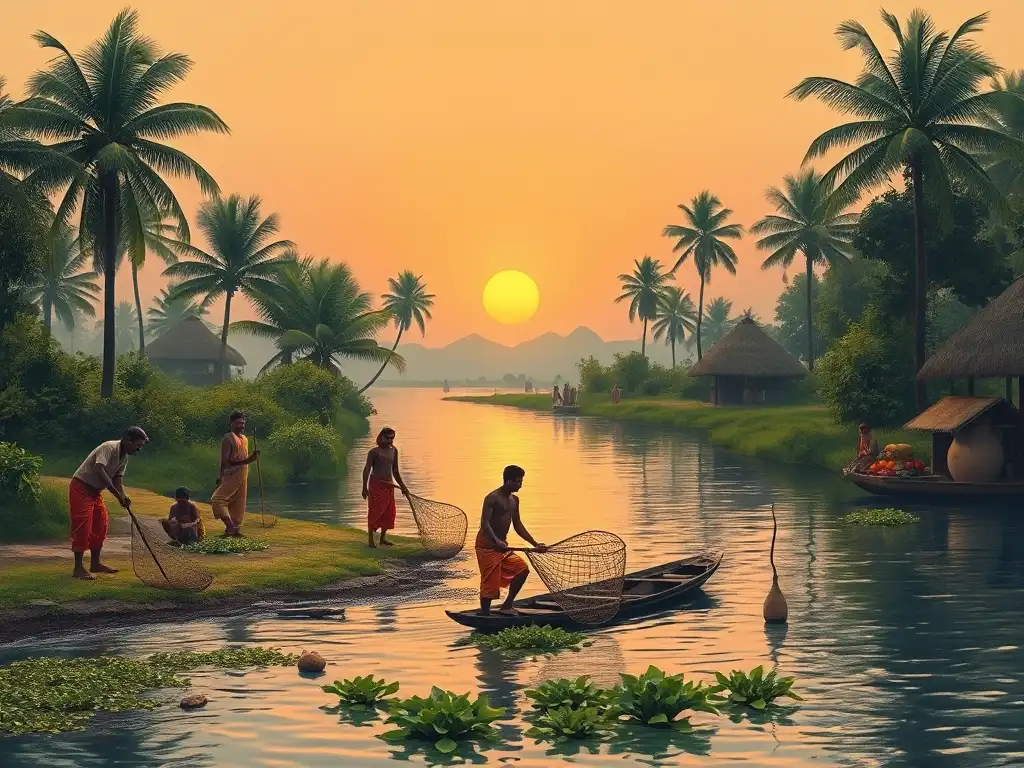
The subsistence economies of ancient India were shaped by a myriad of challenges that influenced fishing and foraging practices. These challenges stemmed from environmental factors, socio-political dynamics, and technological limitations. Understanding these obstacles provides insight into how ancient Indian communities adapted their livelihoods to ensure survival and sustenance.
Environmental Factors Affecting Fishing and Foraging
Ancient Indian subsistence economies relied heavily on the natural environment, particularly in regions where fishing and foraging were primary sources of sustenance. Several environmental factors played a critical role in determining the success of these practices:
- Water Availability:
- Rivers, lakes, and coastal areas were vital for fishing. Seasonal variations in water levels could impact fish populations and accessibility. For example, during monsoons, flooding could either enhance fish habitats or disrupt fishing activities.
- Biodiversity:
- The diverse ecosystems of ancient India provided a variety of foraging options, from wild fruits and nuts to medicinal plants. The health of these ecosystems was crucial; overharvesting or habitat destruction could lead to diminished resources.
- Soil Fertility:
- The fertility of soil affected the availability of edible plants and crops. Regions with rich soil, such as the Gangetic plains, supported a wide range of foraged plants, whereas arid areas limited these resources.
- Seasonal Changes:
- Seasonal fluctuations dictated the abundance of certain fish and plants. Communities had to develop knowledge of seasonal cycles to optimize their foraging and fishing strategies.
- Predator-Prey Relationships:
- The presence of predators influenced the population dynamics of fish and foraged species. Ancient communities needed to understand these relationships to effectively manage their resources.
Impact of Climate Change on Subsistence Practices
Climate change presented significant challenges to ancient Indian subsistence economies, impacting both fishing and foraging practices. The following factors elaborate on the consequences of climate variability:
- Temperature Variations:
- Changes in temperature could affect fish breeding cycles and growth rates, leading to fluctuations in fish populations. Warmer waters might have favored certain species while endangering others.
- Drought and Scarcity:
- Prolonged periods of drought reduced water bodies, limiting fishing opportunities and affecting the growth of foraged plants. Communities had to innovate their practices to cope with these shortages, such as developing storage techniques for dried fish and preserved foraged goods.
- Extreme Weather Events:
- Natural disasters like floods and cyclones could devastate coastal and riverine communities, destroying fishing fleets and foraging areas. The recovery from such events required resilience and adaptability within the community’s subsistence strategies.
- Shifts in Ecosystem Dynamics:
- Climate change could lead to shifts in species distribution, affecting the availability of both fish and foraged resources. Communities had to adjust their knowledge and practices in response to these ecological changes.
- Socioeconomic Pressures:
- As resources became scarce due to climate impacts, competition for these resources intensified, leading to potential conflicts among communities. This necessitated adaptations in labor systems and social structures to ensure equitable access to subsistence resources.
Understanding the challenges faced by ancient Indian subsistence economies reveals the resilience and adaptability of these communities in the face of environmental and climatic pressures. Their strategies not only ensured survival but also laid the groundwork for future agricultural and economic practices in the region.
Conclusion: The Legacy of Ancient Indian Subsistence Economies
The study of ancient Indian subsistence economies, particularly fishing and foraging, reveals a profound understanding of resource utilization and ecological balance. These early economies were not merely about survival; they were intricately linked to the cultural, social, and spiritual fabric of ancient Indian societies. By examining the various methods of fishing and foraging, we see how these practices shaped communities, influenced trade, and contributed to the overall sustenance of civilizations from the Indus Valley to the Gupta Empire.
Importance of Understanding Fishing and Foraging Today
In contemporary society, understanding the ancient practices of fishing and foraging holds significant value. Here are some key reasons:
- Cultural Preservation: By studying these subsistence economies, we can preserve and celebrate the cultural heritage of ancient communities. This understanding fosters pride in traditional practices and encourages their continued relevance.
- Sustainable Practices: Ancient Indian subsistence economies exemplified sustainable practices that modern societies can learn from. Techniques of foraging and fishing were often rooted in an intimate knowledge of ecological systems, emphasizing the importance of biodiversity and seasonal cycles.
- Food Security: In a world facing challenges related to food production and security, insights from ancient economies can inform modern agricultural practices and food systems. For example, implementing diverse foraging practices can enhance local diets and reduce dependence on monocultures.
- Community Engagement: The communal aspects of fishing and foraging in ancient India underscore the importance of community engagement in resource management. Today, these lessons can inspire collaborative efforts toward sustainable resource use and conservation.
Lessons from Ancient Subsistence Practices for Modern Society
The wisdom embedded in ancient Indian subsistence practices offers several lessons applicable to our modern context:
- Resource Management: Ancient communities practiced careful management of their environments. By observing local ecosystems and respecting natural limits, they ensured the longevity of their resources. Modern societies can adopt similar principles to foster sustainability.
- Diversity in Diet: The varied diets resulting from foraging and fishing practices contributed to nutritional health in ancient communities. Emphasizing dietary diversity in modern culinary practices can promote better health outcomes and resilience against food shortages.
- Connection to Nature: The deep connection ancient Indians had with their environment can inspire a renewed appreciation for nature today. Engaging with local landscapes through foraging or sustainable fishing can enhance mental well-being and environmental stewardship.
- Innovative Techniques: Ancient techniques, such as specific fishing nets or foraging methods, can inspire innovation in today's practices. By revisiting these methods, we can develop new strategies that blend traditional knowledge with modern technology.
The exploration of ancient Indian subsistence economies not only enriches our understanding of history but also provides valuable insights for contemporary society. By learning from the past, we can cultivate a more sustainable, connected, and resilient future.
Frequently Asked Questions
What are subsistence economies in ancient India?
Subsistence economies refer to systems where communities primarily focus on meeting their basic needs through local resources, such as fishing and foraging.
How did fishing contribute to ancient Indian subsistence economies?
Fishing provided a vital source of nutrition and resources for communities near water bodies, significantly influencing their livelihood and trade practices.
What role did foraging play in ancient Indian societies?
Foraging allowed ancient Indians to gather wild plants, fruits, and nuts, which complemented their diet and provided essential sustenance during different seasons.
Were there any specific regions in ancient India known for their subsistence economies?
Yes, areas like the Indus Valley and coastal regions were known for their rich natural resources, supporting diverse subsistence practices such as fishing and foraging.
How did these subsistence economies impact ancient Indian culture?
The reliance on fishing and foraging shaped social structures, traditions, and even art, reflecting the deep connection between communities and their environment.
Final Reflection: The Enduring Legacy of Ancient Indian Subsistence Economies
The exploration of ancient Indian subsistence economies reveals a profound connection between communities and their environment, illustrating how fishing and foraging were not merely survival strategies but integral to cultural identity. Today, as we face environmental challenges and a growing disconnection from our food sources, understanding these ancient practices offers invaluable insights into sustainable living and resource management. The wisdom embedded in these subsistence economies is more relevant than ever, reminding us of the delicate balance between humanity and nature.
The influence of ancient Indian subsistence economies extends beyond historical curiosity; it shapes contemporary discussions on sustainability and cultural heritage. As we navigate modern challenges, the lessons learned from these practices encourage us to rethink our relationship with the land and resources. In every walk with nature, one receives far more than he seeks.
– John Muir. This sentiment resonates deeply with the ethos of ancient Indian communities, who thrived by harmonizing their lifestyles with the rhythms of nature.
As we reflect on the significance of fishing and foraging in ancient India, I invite you to consider how these lessons can be applied in your own life. Take a moment to explore your local environment, engage with sustainable practices, and reconnect with the sources of your food. By embracing the wisdom of the past, we can cultivate a more mindful and sustainable future, honoring the legacy of those who came before us while paving the way for generations to come.
Dive Deeper into Ancient Subsistence!
Thank you for exploring the fascinating world of fishing and foraging in ancient India! We hope you’ve gained valuable insights into how these practices shaped subsistence economies. Now, let’s take the next steps to further deepen your understanding and connection to this rich history.
- Embrace the Spirit of Discovery: Visit a local museum or exhibit that showcases ancient tools and practices related to fishing and foraging. Experience the artifacts firsthand!
- Connect with Others: Join an online community focused on ancient history or sustainable practices. Share your thoughts and learn from fellow enthusiasts!
- Try Your Hand at Foraging: Organize a foraging trip in your local area with friends or family. Discover edible plants and learn about sustainable harvesting techniques that honor historical practices.
What aspect of ancient subsistence economies inspires you the most, and how will you explore it further in your own life?