
Ancient Labor Unions: Collective Action in India’s Historical Workforces

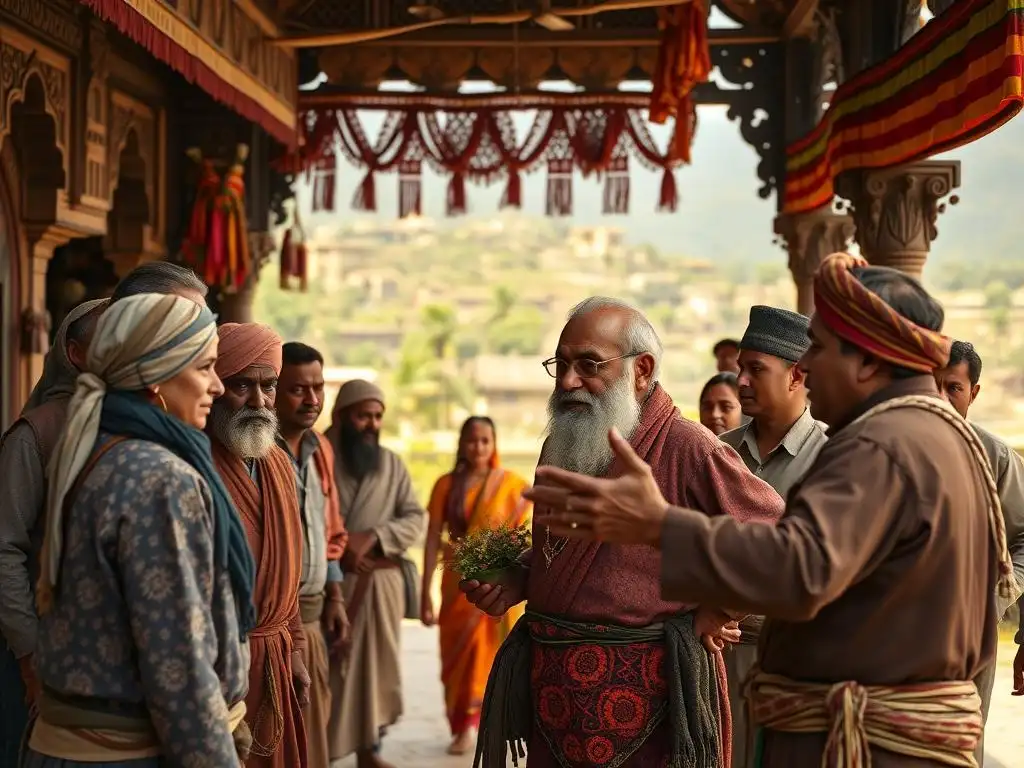
Welcome to Ancient India History, where we embark on a fascinating journey through the rich tapestry of India’s past. Dive into the intriguing world of ancient Indian labor unions—an exploration of collective action that shaped the lives and workforces of early civilizations. Discover how these early unions not only influenced daily life but also laid the groundwork for social structures that resonate even today. Prepare to unlock the secrets of a society that valued collaboration and community as we delve deeper into the remarkable contributions of India’s historical workforces. Your adventure into the annals of time begins now!
The concept of labor unions may seem modern, yet the roots of collective action can be traced back to ancient civilizations, including those in India. The historical labor systems of ancient India were characterized by a rich tapestry of occupations, social stratification, and communal efforts to address the needs and rights of workers.
This article delves into the ancient Indian labor unions, exploring their formation, functions, and significance within the broader context of society and economy. By examining the collective actions taken by various groups, we can gain insights into how these early labor unions contributed to societal structure and labor rights in ancient India, paving the way for future labor movements.
Introduction to Ancient Indian Labor Unions
Labor unions in ancient India were not formal organizations as we understand them today, but rather collective groups that formed among workers to advocate for their rights and improve their working conditions. These groups emerged in response to the challenges faced by artisans, farmers, and other laborers, who often found themselves at the mercy of wealthier landowners and merchants.
- Historical Context: The caste system deeply influenced occupational roles in ancient Indian society, with specific groups assigned particular trades and crafts.
- Formation of Unions: Workers banded together to negotiate wages, work hours, and conditions, often forming guilds or associations that represented their interests.
- Examples of Occupations: Notable occupations involved in these early unions included:
- Artisans (e.g., weavers, potters)
- Farmers
- Laborers in construction
These collective efforts were essential in establishing a sense of solidarity among workers, allowing them to present a united front when dealing with employers. Not only did these unions advocate for better economic conditions, but they also played a role in the social fabric of their communities.
Understanding Collective Action in Ancient India
Collective action in ancient India was driven by various factors, including economic necessity, social injustice, and cultural identity. The significance of these early labor movements can be understood through several key aspects:
- Economic Pressures: Many workers faced exploitation and harsh conditions, prompting them to organize and seek fair treatment.
- Social Dynamics: The interactions between different social groups often dictated the success or failure of collective actions. Labor unions that transcended caste boundaries were particularly significant in fostering unity among diverse worker populations.
- Cultural Identity: Collective action was often rooted in shared cultural practices and traditions, reinforcing the bonds among workers and giving rise to a sense of belonging.
Ancient Indian labor unions, although not formally structured, played a vital role in advocating for workers' rights and shaping the economic landscape of their time. Understanding these early forms of collective action not only sheds light on the labor systems of ancient India but also highlights the enduring legacy of workers' movements throughout history.
- What are ancient Indian labor unions?
- How did collective action manifest in ancient India?
- What role did economic conditions play in the formation of labor unions?
- Can you name any significant labor movements in ancient India?
- How did labor unions influence the social structure in ancient Indian societies?
Historical Context of Labor Unions in Ancient India
Overview of Labor Systems in Ancient Indian Civilizations
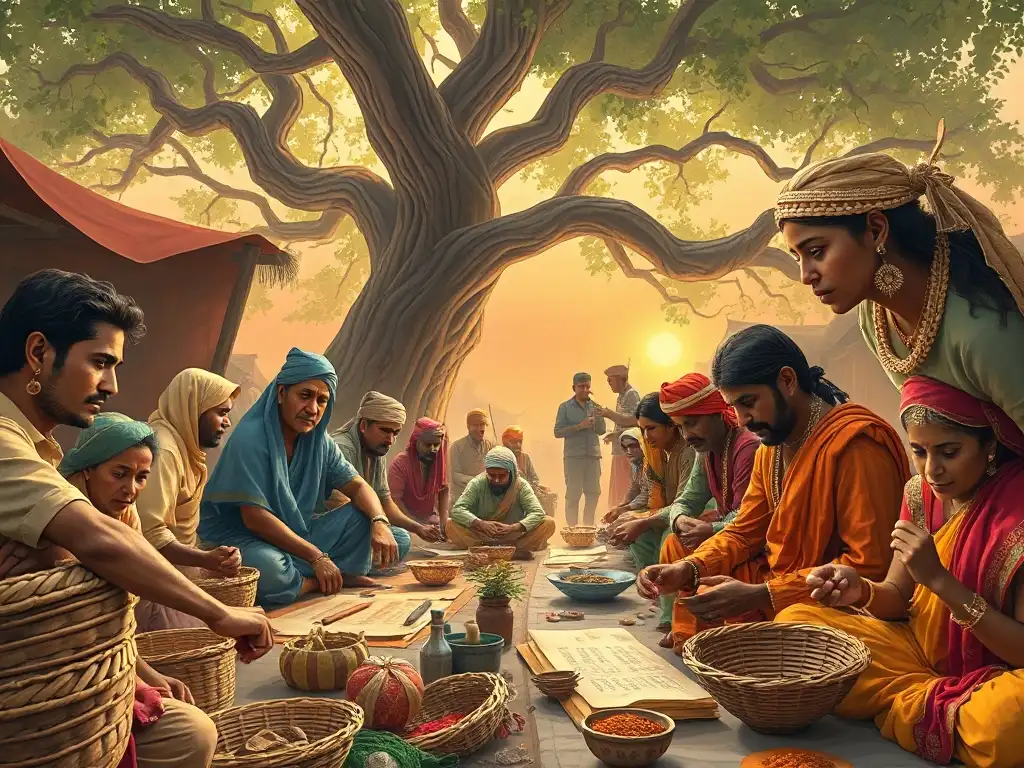
Ancient Indian civilizations exhibited a complex tapestry of labor systems that evolved over millennia. The earliest known society, the Indus Valley Civilization, showcased a well-organized economy with skilled artisans, traders, and laborers. Evidence suggests that different professions were well defined, with specialization evident in pottery, metallurgy, and textile production. As urban centers flourished, labor became increasingly diverse, encompassing agricultural workers, craftsmen, and service providers.
The Vedic period introduced a more structured social hierarchy, famously known as the Varna system, which categorized society into four primary classes: Brahmins (priests), Kshatriyas (warriors), Vaishyas (merchants), and Shudras (laborers and service providers). This stratification impacted labor dynamics, as each group had specific duties and responsibilities. The Shudras, for instance, were tasked with manual labor, while the Vaishyas engaged in trade and agriculture.
The Role of Guilds and Associations in Ancient Society
Guilds, known as "shrenis," were integral to the labor organization in ancient India. Functioning as formal associations, these guilds represented various trades and professions, including carpentry, weaving, and metalwork. They played a crucial role in regulating work conditions, setting standards for craftsmanship, and ensuring fair pricing.
Key functions of guilds included:
- Collective Bargaining: Guilds provided a platform for workers to negotiate wages and work conditions collectively, thus enhancing their bargaining power against employers.
- Training and Apprenticeship: They facilitated the transmission of skills through structured apprenticeship programs, ensuring that knowledge and techniques were passed down generations.
- Community Support: Guilds often acted as mutual aid societies, providing assistance to members in times of need, such as during illness or economic hardship.
The influence of guilds extended beyond economic transactions; they were essential in shaping social identity and cohesion among workers, creating a sense of belonging and collective purpose.
Case Studies of Labor Unions in Various Periods
The Mauryan Empire (322-185 BCE)
During the Mauryan Empire, labor unions began to take a more formal shape. The state recognized various guilds, which were instrumental in trade and agriculture. For instance, the Arthashastra, an ancient Indian treatise on statecraft, economics, and military strategy, outlines the importance of guilds in regulating commerce and ensuring fair practices. Taxation policies were often influenced by guild negotiations, indicating their significant role in the economy.
The Gupta Empire (c. 320-550 CE)
The Gupta period is often termed the "Golden Age" of India, marked by significant advancements in arts, science, and trade. Labor unions during this time, particularly among artisans and merchants, gained prominence. Historical texts suggest that artisans organized themselves to protect their interests, leading to the establishment of local guilds that could negotiate with state officials.
For example, inscriptions from this period reference the "Maha Shreni," a higher council of guilds that represented multiple trades, showcasing a sophisticated level of organization among workers. This period also saw labor unions advocating for workers' rights, influencing policies related to trade regulation and labor conditions.
The Medieval Period
As India transitioned into the medieval period, the rise of regional kingdoms saw the emergence of new labor systems. Craftsmen and laborers in cities like Delhi and Jaipur began forming unions to address grievances related to work conditions and wages. Sufi orders and Bhakti movements also played a role in advocating for the rights of the downtrodden, including laborers, which can be seen as a form of collective action akin to labor unions.
Conclusion
The historical evolution of labor unions in ancient India highlights the rich tapestry of collective action among workers. From guilds in the Mauryan and Gupta empires to the more localized unions in the medieval period, these organizations contributed to the economic framework of ancient Indian society. Their legacy continues to influence modern labor movements, reflecting the enduring spirit of solidarity and collective bargaining.
Structure and Organization of Ancient Indian Labor Unions
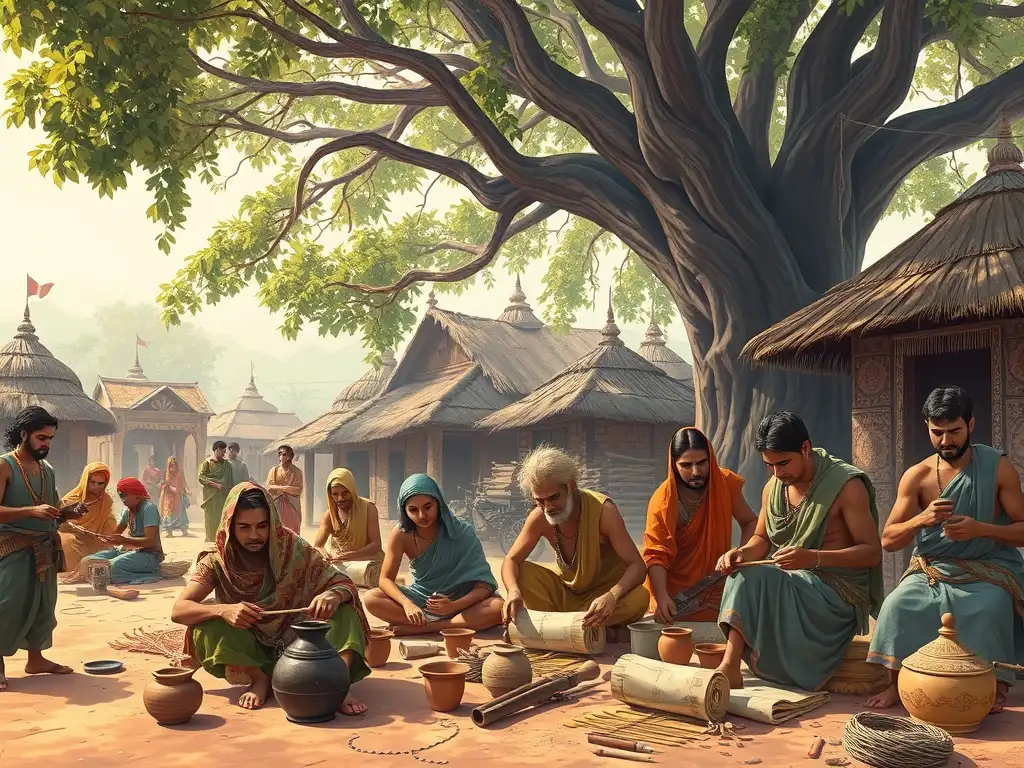
The structure and organization of ancient Indian labor unions were integral to the social fabric of various civilizations throughout India’s history. These unions, often referred to as shrenis or guilds, played a crucial role in facilitating collective action among workers, craftsmen, and traders. They established frameworks that allowed for mutual support, dispute resolution, and the regulation of trade practices within specific occupations.
Types of Labor Unions in Ancient India
Ancient Indian labor unions can be categorized into several types, each serving different sectors of the economy. Here are the primary types:
- Craftsmen's Guilds: These unions consisted of skilled artisans and craftsmen, such as blacksmiths, weavers, and potters. They focused on ensuring quality control and fair pricing of goods, and often provided training for apprentices.
- Trade Associations: Merchants and traders formed unions that facilitated commerce, established trade routes, and negotiated with local authorities. These associations were crucial in maintaining the integrity of trade practices and protecting members' interests.
- Agricultural Cooperatives: In agrarian societies, labor unions were formed by farmers to share resources, such as tools and irrigation systems, which enhanced productivity and minimized risks associated with farming.
- Service Unions: These unions catered to individuals providing services, such as barbers, cooks, and laborers. They often addressed working conditions and wages, advocating for fair compensation.
The existence of these diverse unions highlights the complexity and sophistication of ancient Indian labor relations, which were characterized by collaboration and collective bargaining.
Leadership and Governance in Labor Unions
The governance structure of ancient Indian labor unions typically included elected leaders known as shrenipati or pramukha, who were responsible for overseeing union activities and representing member interests. The leadership structure often featured a council of elders or experienced members who provided guidance and resolved disputes.
- Election Process: Leaders were usually elected by the union members, ensuring that leadership was accountable and reflective of the collective's needs.
- Decision-Making: Major decisions regarding trade practices, conflict resolution, and resource sharing were made collectively, often through assemblies where all members could voice their opinions. This democratic approach fostered a sense of ownership and responsibility among members.
- Conflict Resolution: Unions established internal mechanisms for handling disputes, including mediation by respected members or councils. These practices not only maintained harmony within the union but also protected the interests of workers against external exploitation.
The leadership and governance of ancient Indian labor unions played a pivotal role in maintaining order and enhancing cooperation among members, contributing to the overall stability of the labor force.
Membership and Participation in Collective Action
Membership in ancient Indian labor unions was typically open to individuals within a specific trade or occupation. This inclusivity fostered a sense of community and solidarity among workers, who often faced similar challenges and adversities.
- Criteria for Membership: While some unions required certain skills or trades for membership, many were open to all individuals engaged in a particular occupation. This inclusivity allowed for a diverse representation of voices and experiences.
- Roles and Responsibilities: Members were expected to participate actively in union activities, including meetings, decision-making processes, and collective actions, such as strikes or negotiations. This participation was essential for the union's effectiveness in advocating for members' rights and interests.
- Collective Bargaining: Through organized collective action, unions negotiated better wages, working conditions, and job security. Historical records indicate instances of successful strikes that led to favorable outcomes for workers, demonstrating the power of collective efforts.
Overall, the structure, governance, and membership dynamics of ancient Indian labor unions illustrate a rich tradition of collective action that significantly impacted the lives of workers and the economy of ancient Indian societies.
Functions and Responsibilities of Ancient Indian Labor Unions
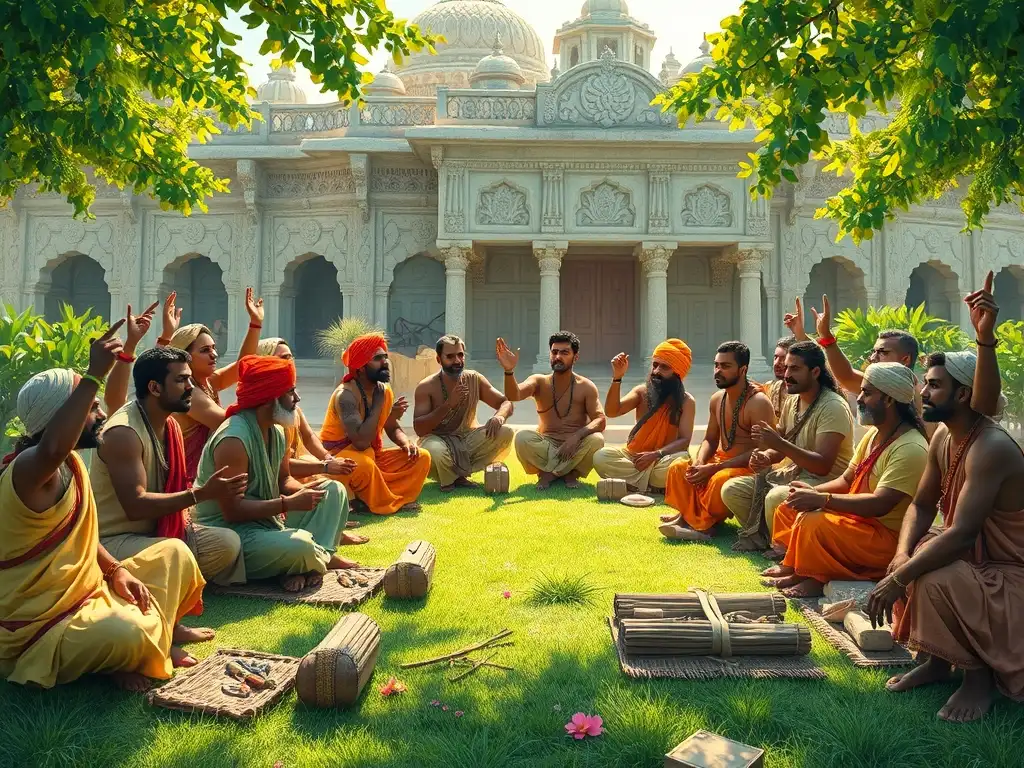
The concept of labor unions in ancient India, while not formally recognized as modern unions, played a critical role in shaping the labor landscape. These early forms of collective organization were essential for the economic stability and social fabric of ancient Indian societies. The functions and responsibilities of these unions can be broadly categorized into three primary areas: economic functions, social and cultural roles, and legal protections for workers.
Economic Functions of Labor Unions
Labor unions in ancient India primarily served to protect the economic interests of workers across various sectors. These unions were often organized by trade, such as agriculture, textiles, and construction, and played a vital role in negotiating wages and working conditions.
- Collective Bargaining: Workers banded together to negotiate fair wages and working hours. For example, artisans in cities like Varanasi and Mathura would form guilds (known as shrenis) to collectively bargain with employers, ensuring equitable pay for their craftsmanship.
- Resource Sharing: Unions facilitated resource sharing among workers. For instance, in agrarian communities, laborers would pool resources for tools and seeds, thereby reducing individual costs and increasing productivity.
- Market Regulation: Labor unions also played a role in regulating market practices. By establishing minimum pricing for goods produced by their members, unions helped maintain fair competition and prevented exploitation by merchants.
The economic functions of ancient Indian labor unions not only benefited individual workers but also contributed to the overall economic development of the region.
Beyond their economic responsibilities, ancient Indian labor unions had significant social and cultural roles within their communities. They fostered a sense of identity and solidarity among workers, which was essential for social cohesion.
- Community Building: Unions acted as a support network for workers and their families. They organized festivals and communal gatherings, which strengthened social ties and reinforced cultural traditions. For example, textile workers in Tamil Nadu would hold annual celebrations that highlighted their craft and the importance of their labor.
- Skill Development: Labor unions often took the initiative in training new members and preserving traditional skills. Through apprenticeship programs, seasoned craftsmen would teach younger workers, ensuring the continuity of specialized trades.
- Advocacy for Rights: Unions served as advocates for the rights of workers, raising awareness about issues such as fair treatment and labor exploitation. This advocacy extended to local governance, where union leaders would interact with village councils to address grievances related to labor practices.
The social and cultural roles of labor unions not only enriched the lives of their members but also contributed to the cultural heritage of ancient Indian society.
Legal Protections and Rights for Workers in Ancient India
Legal protections for workers in ancient India were often informal but crucial to the functioning of labor unions. While there was no codified labor law system, various texts and practices provided a framework for worker rights.
- Dharmashastras and Worker Rights: Ancient legal texts, such as the Manusmriti, outlined the rights and duties of workers and employers. These texts emphasized the importance of fair treatment and moral obligations towards laborers, which unions would invoke in disputes.
- Social Justice Mechanisms: Village assemblies ( panchayats) often served as mediators in labor disputes, providing a platform for workers to voice their concerns. Labor unions would mobilize members to present collective grievances, ensuring that their voices were heard in local governance.
- Protection Against Exploitation: In various ancient texts, there are references to the need for just wages and protection against arbitrary dismissals. Unions would leverage these texts to negotiate better working conditions and protections for their members.
The legal protections and rights for workers, although rudimentary, formed an essential part of the framework within which ancient Indian labor unions operated, ensuring that the interests of workers were safeguarded in their interactions with employers.
By understanding the functions and responsibilities of these ancient labor unions, we gain valuable insights into the complexity of labor relations in ancient India and their impact on the historical development of Indian society.
Major Historical Events Involving Ancient Indian Labor Unions
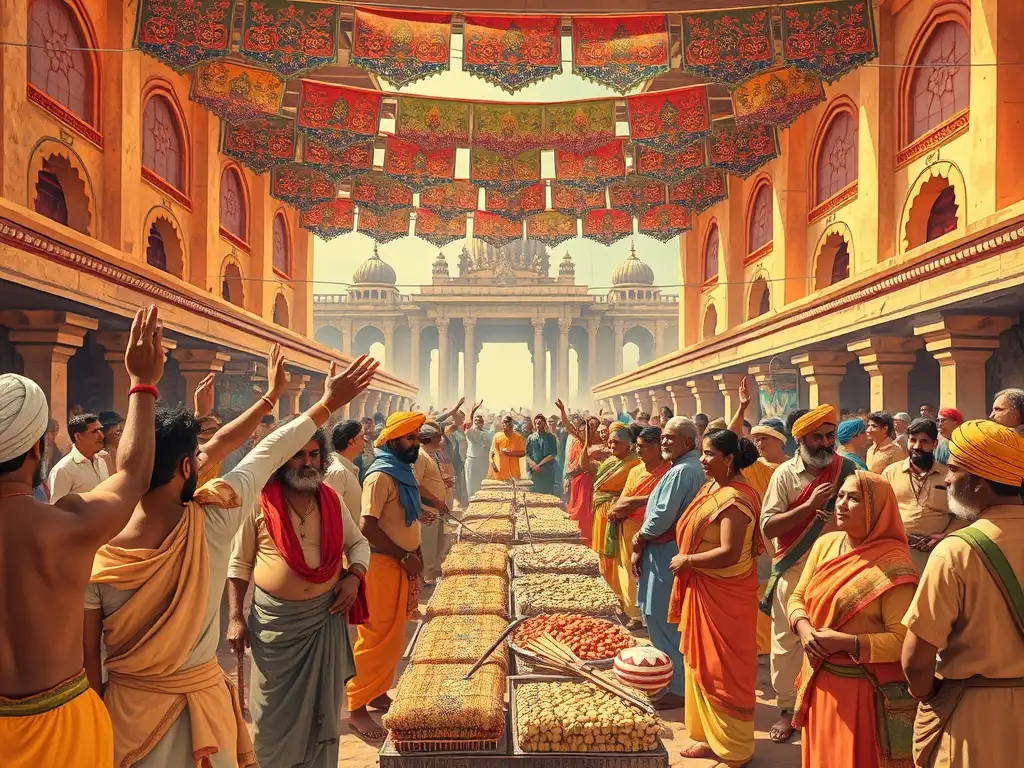
Throughout ancient Indian history, labor unions played a significant role in shaping the socio-economic landscape. Various historical events highlight the collective action of workers and artisans, often leading to reforms and changes in policies that affected their livelihoods. The formation of these unions, primarily in the form of shrenis (guilds), marked a pivotal shift in the dynamics between labor and governance.
Key Movements and Strikes in Ancient India
Labor movements in ancient India emerged as a response to exploitative practices and unfair labor conditions. The shrenis organized various protests and strikes, aiming to protect their members' rights and secure fair wages. One notable instance occurred during the Mauryan Empire (circa 322–185 BCE), where artisans and traders united to demand better working conditions and equitable trade practices.
- Artisan Guilds: These guilds were instrumental in mobilizing workers. They often organized strikes when merchants or rulers attempted to impose unfair taxes or exploitative practices. For example, strikes by weavers against exorbitant taxation were documented in historical texts, reflecting a strong sense of solidarity among workers.
- Landlords and Farmers: The agrarian communities also saw collective actions against landlords, especially during times of drought or famine when the demand for labor surged. Farmers united to negotiate for fairer rents and protections against usury.
- Trade Guilds: In bustling trade centers like Taxila and Pataliputra, trade guilds often went on strike to protest against harsh regulations imposed by the state or rival traders, leading to significant economic disruptions that compelled authorities to reconsider their policies.
These movements were not only acts of resistance but also crucial to the evolution of labor rights in ancient India, establishing a legacy of collective bargaining.
The Impact of Labor Unions on Policy and Legislation
The influence of ancient Indian labor unions on policy and legislation cannot be overstated. As these groups organized and demonstrated their collective strength, they gradually garnered attention from rulers and policymakers.
- Legislative Changes: The demands put forth by shrenis often resulted in legislative changes that aimed to regulate trade practices and labor conditions. For example, the Arthashastra, authored by Kautilya, reflects the recognition of labor's role in economic stability, advocating fair treatment of workers and the need for legal frameworks to protect their interests.
- Tax Reforms: The power of collective action prompted rulers to reconsider tax structures, ensuring that they were fair and sustainable. Historical records indicate instances where excessive taxation was reduced following protests by labor unions.
- Worker Rights: The establishment of regulations concerning hours of work, wages, and working conditions can be traced back to the advocacy efforts of these early unions. Such developments marked the beginning of a more structured approach to labor rights in the subcontinent.
The actions of these unions laid foundational principles for labor relations, emphasizing the importance of worker rights and community solidarity.
Case Study: The Role of the Shreni in Trade Regulation
The shreni, or guilds, were central to the economic and social fabric of ancient India, functioning as both economic collectives and labor unions. Their role in trade regulation cannot be underestimated, as they were pivotal in maintaining standards, ensuring fair trade practices, and protecting the interests of their members.
- Guild Structure: Each shreni was organized hierarchically, often comprising a council of elders who made decisions on behalf of the members. This structure provided a platform for collective decision-making, enabling the guild to act in unison during negotiations with traders and rulers.
- Standardization of Practices: The shrenis established standards for quality and pricing, which were crucial in maintaining the integrity of trades, such as textiles, pottery, and metallurgy. Such standardization not only protected consumers but also ensured that artisans received fair compensation for their work.
- Conflict Resolution: The shrenis served as mediators in disputes between artisans and merchants, providing a framework for conflict resolution that helped maintain harmony within the trade community. This role not only enhanced the reputation of the guilds but also strengthened their bargaining power with external actors.
- Influence on Trade Policies: The collective influence of shrenis on trade policies was significant. They engaged in dialogues with rulers to advocate for favorable trade conditions, such as reduced tariffs and improved infrastructure, which facilitated commerce across the region.
The shreni system exemplifies how ancient Indian labor unions contributed to the regulatory landscape of trade, ensuring that the interests of workers and artisans were represented and defended. Their legacy is a testament to the importance of organized labor in shaping economic and social policies in ancient India.
The Legacy of Ancient Indian Labor Unions
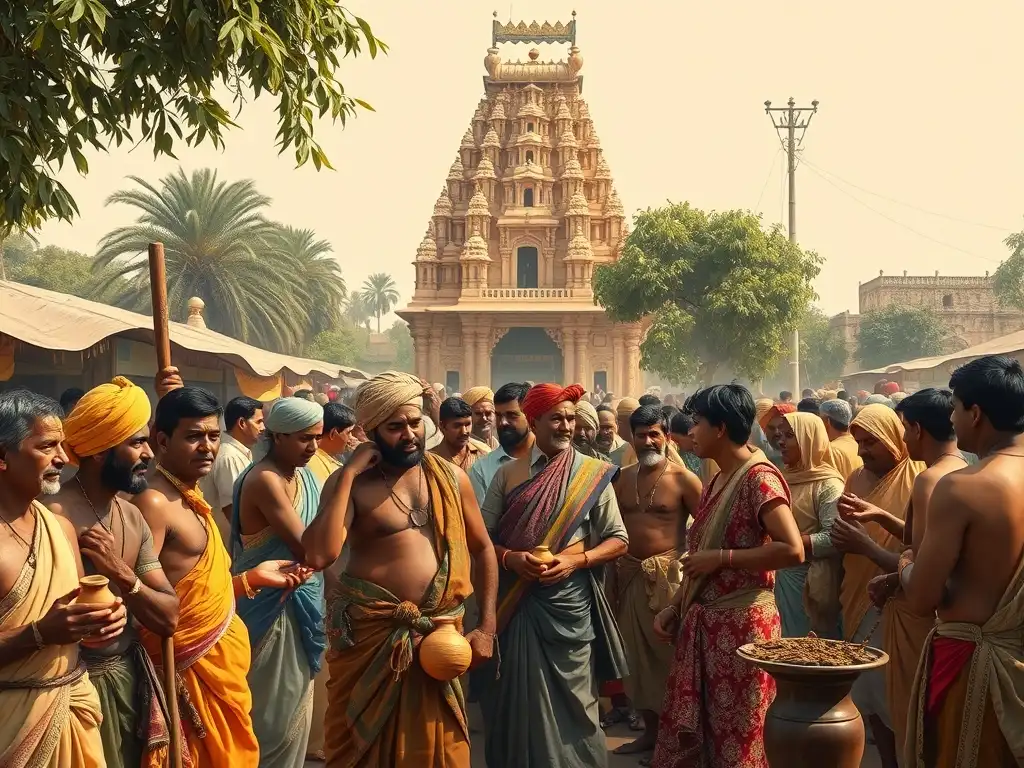
The legacy of ancient Indian labor unions is an often-overlooked aspect of India's rich socio-economic history. These early forms of collective action played a crucial role in shaping labor relations and work cultures that resonate even today. In ancient India, labor unions were not formal organizations as we know them now; instead, they took shape through guilds, trade unions, and cooperative societies that united workers under shared interests.
- Guilds and Trade Unions:
- Ancient Indian guilds, known as shrenis, were instrumental in organizing craftsmen, traders, and laborers. These guilds regulated trade practices, set standards for quality, and ensured fair wages. Their existence is a testament to the early understanding of collective bargaining, where members negotiated terms of work and trade collectively.
- For instance, the craftsmen of the Indus Valley Civilization exhibited a high degree of specialization and collaboration, indicating a form of collective labor organization that prioritized the welfare of its members.
- Role in Society:
- Labor unions in ancient India often transcended mere economic functions. They served as social networks that provided support to their members, helping them navigate societal challenges. This solidarity was pivotal in ensuring the well-being of workers and their families, echoing principles that modern unions uphold.
- Additionally, these unions engaged in social welfare activities, including education and healthcare, which further solidified their importance in the community.
- Cultural Contributions:
- The influence of ancient labor unions extended into cultural domains as well. By promoting local crafts and trades, they contributed to the rich tapestry of Indian culture. The artistic expressions and craftsmanship seen in ancient Indian artifacts can often be traced back to the collaborative efforts of these unions.
Influence on Modern Labor Movements in India
The influence of ancient Indian labor unions on modern labor movements cannot be overstated. While the structures and frameworks of labor organizations have evolved, the fundamental principles of collective action remain deeply rooted in the past.
- Historical Context:
- The resurgence of labor movements in India during the 19th and 20th centuries drew inspiration from earlier practices. Leaders of the labor movement often referenced the legacy of guilds and collective efforts that characterized ancient Indian society to advocate for workers' rights.
- Collective Bargaining:
- Modern labor unions in India, much like their ancient counterparts, emphasize collective bargaining. The ability to negotiate wages and working conditions collectively has been a cornerstone of labor rights movements, reflecting the historical practices observed in ancient guilds.
- Cultural Continuity:
- The cultural values of solidarity, mutual support, and community welfare that were inherent in ancient labor unions continue to resonate in contemporary labor movements. The fight for social justice and equitable treatment of workers today is a direct lineage from the collective actions of ancient Indian labor unions.
Comparative Analysis: Ancient vs. Modern Labor Unions
When comparing ancient Indian labor unions to their modern equivalents, several key differences and similarities emerge.
| Aspect | Ancient Indian Labor Unions | Modern Labor Unions |
|---|---|---|
| Structure | Guilds and informal networks | Formalized unions with constitutions |
| Focus | Trade practices and quality control | Workers' rights and legislation |
| Collective Action | Informal collective bargaining | Organized strikes and protests |
| Social Role | Community support and welfare | Advocacy for rights and protections |
| Cultural Impact | Promotion of local crafts | Influence on labor laws and policies |
- Structure and Formality: Ancient unions were often more informal compared to the formalized structures of modern unions, which have defined roles, regulations, and membership criteria.
- Focus and Goals: While the ancient unions concentrated on trade practices and maintaining quality, modern unions extend their focus to broader labor rights, including health benefits, job security, and working conditions.
- Collective Action: The methods of collective action have evolved. Ancient unions relied on consensus and informal negotiations, whereas modern unions often resort to organized strikes and political advocacy to achieve their goals.
Lessons Learned from Ancient Indian Collective Action
The study of ancient Indian labor unions offers valuable lessons that are applicable to contemporary labor movements:
- Importance of Solidarity: The ancient practice of collective solidarity among workers underscores the necessity of unity in addressing common grievances. This principle is central to the effectiveness of modern labor unions.
- Adaptability: Ancient unions adapted to changing economic conditions and societal needs. Modern unions can learn from this adaptability, embracing flexible strategies that respond to the evolving labor landscape.
- Cultural Engagement: Engaging with cultural narratives and community values is crucial for modern unions to build trust and solidarity among workers. This was a hallmark of ancient unions, which integrated social welfare into their objectives.
- Preserving Heritage: Understanding the history of labor unions can help contemporary movements appreciate their heritage, fostering a sense of pride and continuity in the fight for workers' rights.
The legacy of ancient Indian labor unions, with their emphasis on collective action and community support, continues to influence modern labor movements. By learning from the past, contemporary unions can navigate the complexities of today's labor landscape while honoring the traditions that laid the groundwork for their existence.
Conclusion: The Significance of Ancient Indian Labor Unions in Historical Context
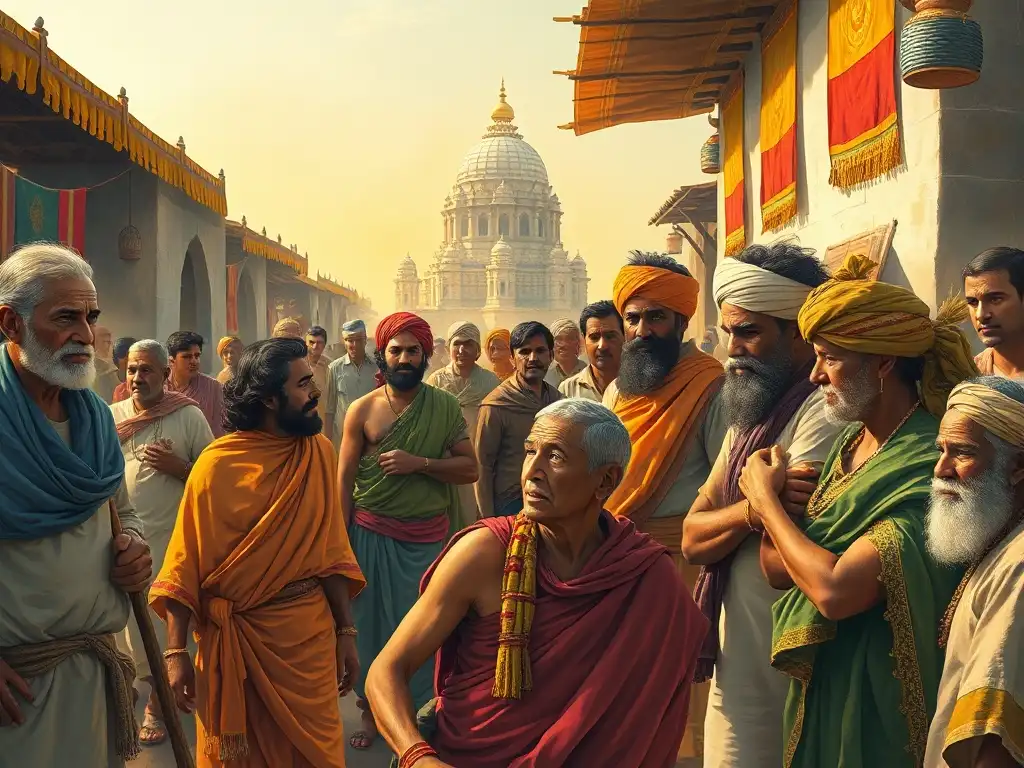
The study of ancient Indian labor unions offers profound insights into the socio-economic fabric of historical Indian civilizations. These early forms of collective organization were not merely about securing better wages or working conditions; they represented a vital expression of community solidarity and social justice. The existence of labor unions in ancient India reveals that collective action was an essential aspect of daily life, deeply intertwined with the cultural and religious practices of the time.
The historical significance of these labor unions can be traced back to various periods, notably within the Indus Valley Civilization, where evidence suggests organized labor systems. Artisans, traders, and agricultural workers engaged in collective bargaining, reflecting a sophisticated understanding of labor rights, despite the absence of formal recognition as seen in contemporary societies. This early form of unionism laid the groundwork for subsequent generations, influencing labor relations in later empires such as the Maurya and Gupta dynasties.
Reflections on the Evolution of Labor Rights in India
As we examine the evolution of labor rights in India, it is essential to acknowledge the foundational role played by these ancient labor unions. The principles of collective action, mutual aid, and community support seen in ancient India resonate through the centuries, influencing modern labor movements. The medieval and colonial periods witnessed the emergence of more structured forms of labor organizations, often inspired by the historical precedents set by their ancient counterparts.
- Historical Continuity: The transition from ancient labor unions to modern labor rights illustrates a continuum of workers' struggles. Each era adapted the collective principles of the past to address contemporary challenges, highlighting the resilience of labor movements.
- Cultural Context: Ancient Indian labor unions were not isolated phenomena; they were embedded within the broader cultural and religious contexts of the time. The Bhakti movement, for instance, promoted notions of equality and collective well-being, which resonated with the principles of labor solidarity.
- Legal Framework: With the advent of British colonial rule, labor rights began to formalize into legal frameworks, albeit through struggle. The historical roots of collective action provided a foundation for the labor rights movements that emerged in the 19th and 20th centuries.
Final Thoughts on Collective Action and its Relevance Today
The legacy of ancient Indian labor unions serves as a critical reminder of the power of collective action in advocating for workers' rights. In today's context, where labor rights are still a contentious issue globally, the lessons from ancient history can inform modern movements.
- Sustaining Solidarity: The spirit of unity that characterized ancient labor unions continues to inspire contemporary workers in their fight for justice and equity. Understanding the historical context of these movements can empower current and future generations to harness collective strength.
- Adapting to Change: Modern labor unions face unique challenges in a rapidly changing economic landscape. By drawing on the wisdom and practices of ancient labor organizations, contemporary unions can adapt strategies that resonate with today's workforce, focusing on inclusivity and equitable treatment.
The exploration of ancient Indian labor unions not only enriches our understanding of historical labor dynamics but also underscores the enduring importance of collective action. As societies continue to evolve, the principles established by these early unions remain relevant, advocating for the rights and dignity of workers everywhere.
Frequently Asked Questions
What are ancient Indian labor unions?
Ancient Indian labor unions refer to organized groups of workers in historical Indian civilizations who banded together to advocate for their rights, improve working conditions, and secure fair wages.
How did collective action manifest in ancient India?
Collective action in ancient India often took the form of guilds and associations that represented various trades and crafts, enabling workers to negotiate better terms and conditions collectively.
What role did economic conditions play in the formation of labor unions?
Economic pressures, such as market fluctuations, exploitation by employers, and the need for job security, were crucial factors that led to the establishment of labor unions in ancient Indian societies.
Can you name any significant labor movements in ancient India?
While formal documentation is scarce, historical texts suggest that guilds of artisans and merchants organized strikes and protests to address grievances, marking early forms of labor movements.
Labor unions contributed to a more organized social structure by empowering workers, fostering a sense of community, and challenging the existing hierarchies that often marginalized laborers.
Final Reflection: The Enduring Legacy of Ancient Indian Labor Unions
The exploration of ancient Indian labor unions reveals their profound relevance in today's society, illustrating how collective action has shaped not only the workforce of the past but also the socio-economic landscape we navigate today. In a world where individualism often overshadows collaboration, the historical examples of unity and solidarity among workers serve as a powerful reminder of the strength found in collective action. The lessons learned from these ancient unions resonate deeply, urging us to recognize the importance of community in advocating for workers' rights and social justice.
The influence of ancient labor unions extends far beyond their historical context; they continue to inspire modern movements for workers' rights and social equity. As we witness contemporary struggles for fair wages and better working conditions, we can draw parallels to the collective efforts of our ancestors. Their courage and determination laid the groundwork for the labor movements we see today. In union, there is strength.
This timeless adage encapsulates the essence of solidarity that has been a driving force in labor history, reminding us that together, we can achieve what seems impossible.
As we reflect on the lessons of ancient Indian labor unions, I invite you to consider how you can apply these principles of collective action in your own life. Engage with your community, support local initiatives, and stand in solidarity with those advocating for change. The spirit of ancient unions lives on in our modern struggles; by embracing their legacy, we can forge a path toward a more equitable future for all. Let us honor the past by taking action today, ensuring that the voices of workers—both ancient and modern—are heard and valued.
Unleash the Power of Collective Action!
Thank you for taking the time to explore the fascinating world of ancient labor unions in India! Your interest in this crucial aspect of history demonstrates a profound understanding of how collective efforts have shaped societies. Now, it's time to transform that knowledge into action!
Here’s how you can get involved:
- Explore further: Delve into other historical movements and their impacts by visiting our archives to uncover stories of resilience and teamwork in various ancient cultures.
- Share your insights: Discuss your learnings with friends and family, emphasizing the importance of unity and collective action in both historical contexts and contemporary society through social media or local discussions.
- Participate in dialogue: Join a forum to discuss the relevance of ancient labor movements to modern workforce issues, or consider hosting a small community talk to foster discussion!
What lessons from ancient labor unions do you believe are still relevant today in your own communities? We would love to hear your thoughts!