
Navigating the World of Ancient Indian Cuisine: Chefs and Food Production

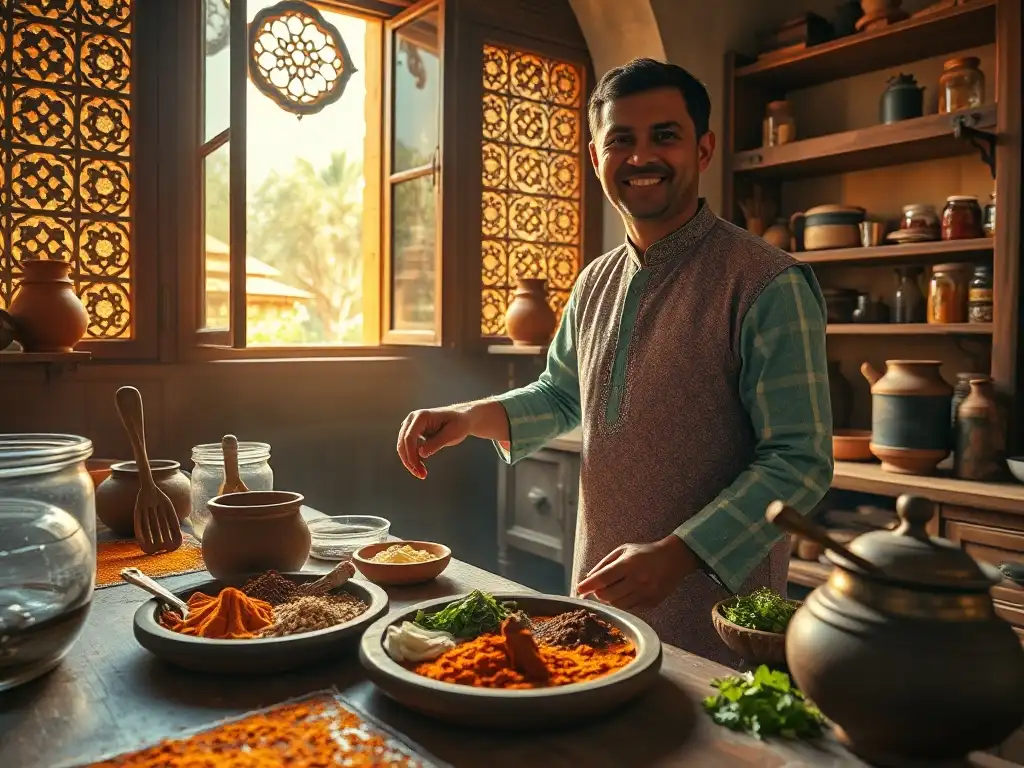
Welcome to Ancient India History, where we embark on a fascinating journey through time to uncover the rich tapestry of ancient Indian civilizations. In this exploration, we delve into the intriguing history of ancient Indian cuisine, revealing not just the flavors but also the cultural significance behind the meals that shaped a society. Have you ever wondered how the culinary practices of the Indus Valley and the Gupta Empire influenced modern Indian cooking?
Join us as we navigate the world of ancient Indian cuisine, highlighting the pivotal roles of chefs and food production in daily life and society. Your adventure into the past starts here—let's dig deeper into this delectable topic!
- Introduction to Ancient Indian Cuisine History
- The Evolution of Ancient Indian Cuisine
- Prominent Chefs in Ancient India
- Food Production Systems in Ancient India
- The Cultural Significance of Ancient Indian Cuisine
- Conclusion: The Legacy of Ancient Indian Cuisine History
- Frequently Asked Questions
- Final Reflection: Embracing the Rich Tapestry of Ancient Indian Cuisine
- Unleash Your Inner Chef and Dive into Ancient Flavors!
Introduction to Ancient Indian Cuisine History
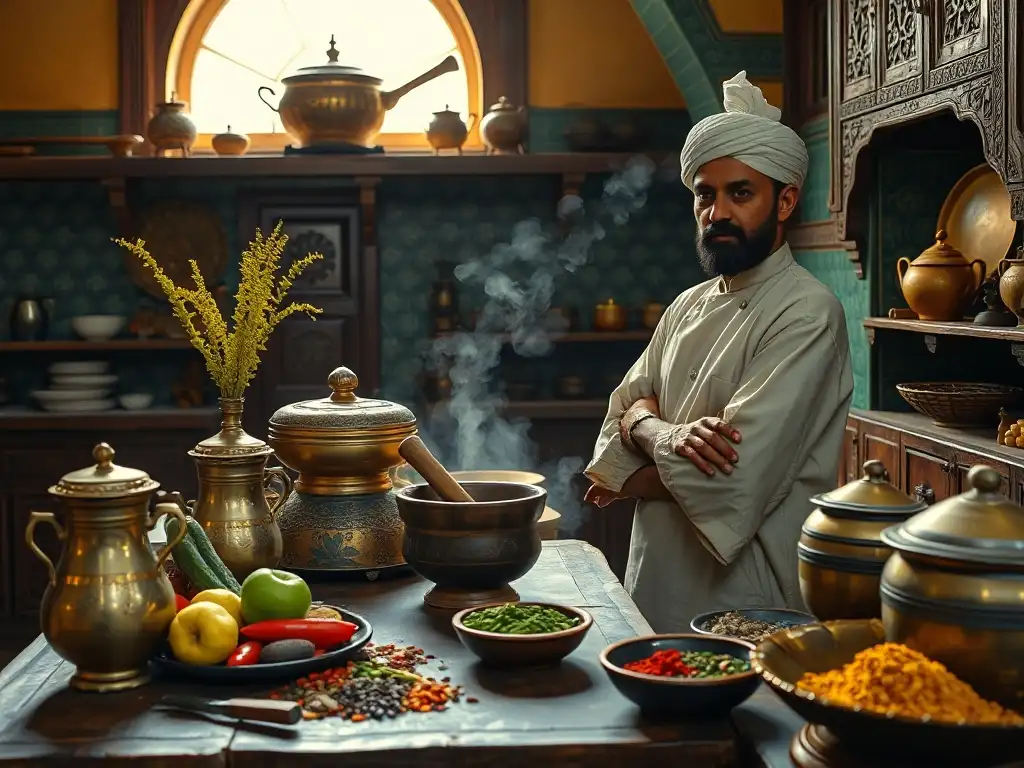
Ancient Indian cuisine stands as a testament to the rich tapestry of cultural, social, and economic influences that have shaped the Indian subcontinent over millennia. From the earliest agricultural practices in the Indus Valley civilization to the sophisticated culinary arts developed during the Gupta Empire, food has played a vital role in the daily lives of ancient Indians.
Understanding the history of ancient Indian cuisine not only illuminates the dietary habits of these civilizations but also highlights the significance of food in rituals, social gatherings, and trade, reflecting the broader socio-economic structures of the time. This article will delve into the intricate web of culinary practices that defined ancient Indian society and explore the contributions of chefs and food production systems that enriched this vibrant heritage.
Overview of Ancient Indian Cuisine and Its Significance
The history of ancient Indian cuisine is as diverse as the country itself, showcasing a variety of flavors, ingredients, and cooking techniques that have evolved over time. The foundations of this cuisine can be traced back to the Indus Valley Civilization (c. 3300–1300 BCE), where evidence suggests that inhabitants cultivated a range of crops, including wheat, barley, and pulses. Archaeological findings reveal remnants of sophisticated cooking tools and storage facilities, indicating a well-organized approach to food production.
Key aspects that highlight the significance of ancient Indian cuisine include:
- Cultural Identity: Food served as a marker of identity across different regions and communities, with local ingredients and traditional recipes reflecting the unique cultural heritage of each area.
- Religious Practices: Many ancient Indian dishes were intertwined with religious rituals and festivals. Offerings to deities often included specially prepared foods, emphasizing the sanctity of meals in spiritual life.
- Trade and Exchange: The spice trade played a crucial role in ancient Indian cuisine, as spices such as turmeric, black pepper, and cardamom were highly sought after in global markets, influencing culinary practices beyond India’s borders.
The Role of Food in Ancient Indian Society
Food in ancient India was more than mere sustenance; it was a fundamental aspect of social structure and community life. Different classes within society had varied access to ingredients and culinary practices, which reflected their status. For instance, the Brahmins, known for their scholarly pursuits, often adhered to vegetarian diets, while the Kshatriyas and Vaishyas included meat in their meals, showcasing the diversity in dietary practices influenced by profession and caste.
Furthermore, communal eating practices fostered a sense of belonging and unity among individuals. The act of sharing meals, whether in family gatherings or larger community feasts, served to strengthen social bonds and reinforce cultural values.
Food production systems were also highly organized:
- Agricultural Practices: Ancient texts like the Arthashastra detail advanced agricultural techniques, crop rotation, and irrigation methods that contributed to the sustainability of food sources.
- Culinary Arts: Chefs, often regarded as skilled artisans, played a pivotal role in refining recipes and cooking techniques, which were passed down through generations, ensuring the continuity of culinary traditions.
The exploration of ancient Indian cuisine and its historical context reveals a complex interplay between food, culture, and society, providing a window into the daily lives of those who shaped the rich heritage of India. Through this lens, we can appreciate not only the flavors of the past but also the enduring legacy of ancient culinary practices that continue to influence modern Indian cuisine.
The Evolution of Ancient Indian Cuisine
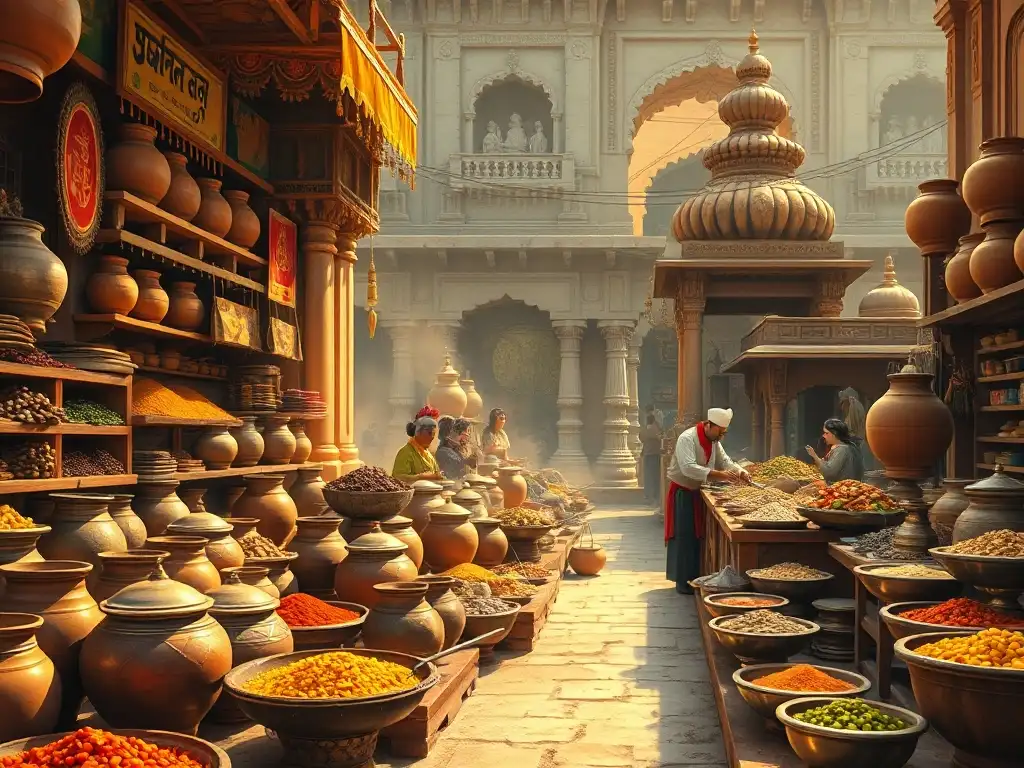
The history of ancient Indian cuisine is a fascinating journey through time, reflecting the myriad cultural influences and agricultural practices that shaped the subcontinent. From the early days of the Indus Valley Civilization to the sophisticated palates of the Gupta Empire, ancient Indian cuisine evolved significantly, integrating diverse ingredients, techniques, and culinary philosophies.
Influences on Ancient Indian Food Culture
Ancient Indian food culture was influenced by various factors, including geography, trade, and invasions. Each of these elements contributed to the rich tapestry of flavors and techniques that define ancient Indian cuisine.
- Geographical Diversity:
- The varied climate and topography across India led to the cultivation of a wide range of crops. For instance, the fertile plains of the Ganges supported rice cultivation, while the dry regions of Rajasthan were more conducive to millet and barley.
- Trade Routes:
- The establishment of trade routes, such as the Silk Road, facilitated the exchange of spices, grains, and cooking methods. Spices like black pepper, cardamom, and cinnamon became integral to Indian cooking, enhancing flavor and preserving food.
- Cultural Interactions:
- Interactions with other civilizations, including the Persians, Greeks, and later the Mughals, introduced new ingredients and cooking styles. For example, the Persian influence is evident in dishes like biryani, which combines rice with meat and aromatic spices.
Key Ingredients in Ancient Indian Cooking
Ancient Indian cuisine is characterized by its use of a diverse array of ingredients, many of which are still staples today. Understanding these key ingredients provides insight into how ancient cooks created their culinary masterpieces.
- Grains:
- Rice: A staple in southern and eastern India, rice was cultivated along riverbanks and became a central part of daily meals.
- Wheat: Predominantly used in northern India, wheat was ground into flour to make bread varieties like roti and paratha.
- Legumes:
- Pulses such as lentils (dal), chickpeas, and pigeon peas were vital sources of protein, especially for vegetarians in ancient society.
- Vegetables and Fruits:
- Seasonal vegetables like eggplant, squash, and leafy greens were essential. Fruits such as mangoes, bananas, and pomegranates not only provided nutrition but also added sweetness to dishes.
- Spices:
- Spices were fundamental in ancient Indian cuisine, valued for both their flavor and medicinal properties. Common spices included turmeric, cumin, coriander, and mustard seeds.
Cooking Techniques of Ancient India
The cooking techniques employed in ancient Indian cuisine were diverse and often dictated by the ingredients available. These methods were passed down through generations and adapted over time.
- Boiling and Steaming:
- Cooking grains and legumes involved boiling, while steaming was used for certain vegetables, preserving their nutrients.
- Frying:
- Shallow frying was common for making various flatbreads and snacks, enhancing texture and flavor.
- Roasting:
- Spices were often dry-roasted to release their essential oils before being ground into powders, intensifying their flavor.
- Slow Cooking:
- Many dishes were prepared using slow cooking methods, allowing flavors to meld. This technique is evident in the preparation of curries and stews, which were simmered for long periods.
The evolution of ancient Indian cuisine reflects a dynamic interplay of geography, culture, and innovation. By exploring the influences, key ingredients, and cooking techniques, we gain a deeper understanding of the ancient Indian cuisine history and its lasting impact on contemporary culinary practices.
Prominent Chefs in Ancient India
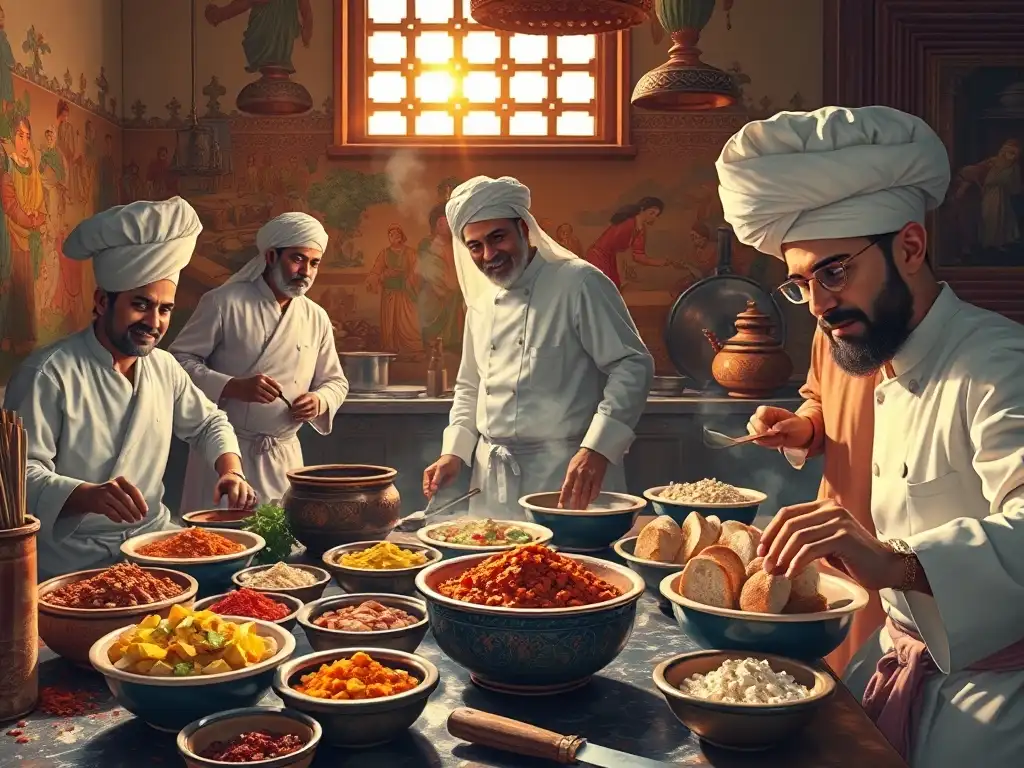
Ancient Indian cuisine was not just a matter of sustenance; it was an art form shaped by culture, tradition, and the expertise of skilled chefs. These culinary masters played a pivotal role in society, influencing not only the flavors of the food but also the very fabric of daily life and celebrations. Chefs in ancient India were revered figures, often serving in royal kitchens or large households where they were responsible for creating elaborate meals that showcased their culinary prowess.
The Role of Chefs in Ancient Indian Society
In ancient Indian society, chefs held a significant position that extended beyond mere cooking. They were often viewed as custodians of culinary traditions, preserving recipes and techniques passed down through generations. The role of chefs included:
- Culinary Educators: Many chefs were responsible for training apprentices, ensuring the continuity of cooking techniques and the use of local ingredients.
- Cultural Ambassadors: Through their dishes, chefs represented regional flavors and culinary practices, fostering cultural exchange across different parts of India.
- Spiritual Significance: Food prepared by skilled chefs was often linked to religious rituals, particularly in Hinduism and Buddhism, where specific dishes were offered to deities during festivals and ceremonies.
The societal status of a chef could vary based on their skill level and the prominence of the household they served. Those in royal kitchens often enjoyed high regard and were compensated well for their craft.
Notable Historical Figures in Ancient Indian Cuisine
Throughout ancient Indian history, several notable figures emerged as pioneers in the culinary arts. Some of these historical figures include:
- Maitreya: A renowned chef in the ancient Maurya Empire, Maitreya is credited with compiling one of the earliest texts on cooking, detailing various recipes and cooking methods that included vegetarian and meat dishes.
- Manasollasa: Authored by the Chalukya king Somesvara III in the 12th century, this text not only covers culinary practices but also documents the life of chefs and their importance in royal courts.
- Bananas and Rice: Although not individual chefs, these staples were integral to ancient Indian cuisine, and their cultivation and preparation were perfected by many unnamed cooks who laid the groundwork for future culinary practices.
These figures exemplify how chefs contributed to the rich tapestry of ancient Indian cuisine and helped establish a legacy that continues to influence culinary practices today.
The Craftsmanship of Cooking in Ancient India
The craftsmanship involved in ancient Indian cooking was marked by a deep understanding of ingredients, techniques, and the cultural significance of food. Key aspects of this craftsmanship included:
- Ingredients: Ancient Indian chefs utilized a wide variety of local ingredients, including spices, grains, vegetables, and fruits. The extensive use of spices like turmeric, cumin, and coriander not only enhanced flavor but also provided health benefits.
- Cooking Techniques: Techniques such as slow-cooking, steaming, and the use of clay pots were prevalent. The tandoor, a clay oven, became a hallmark of Indian cooking, allowing for unique flavors and textures in breads and meats.
- Presentation: The aesthetic aspect of food was vital, with chefs paying attention to the colors, textures, and arrangements of dishes. The presentation was often as important as the taste, especially during feasts and festivals.
- Regional Variations: The vast geography of India allowed for diverse culinary practices. From the rich, creamy dishes of the northern regions to the spicier fare of the south, each area showcased local ingredients and cultural influences.
The craftsmanship of cooking in ancient India was a blend of art and science, ensuring that the food was not only nourishing but also a celebration of life and culture. This intricate knowledge and skill laid the foundation for what we now recognize as ancient Indian cuisine history, a legacy that continues to evolve while honoring its roots.
Food Production Systems in Ancient India
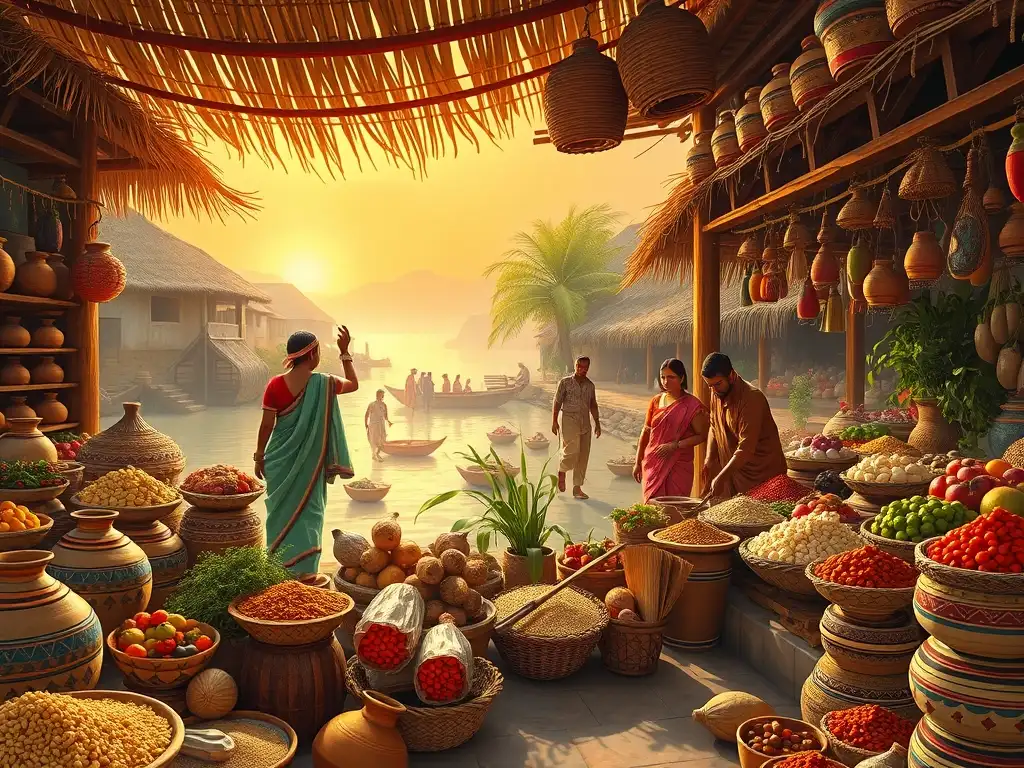
Agricultural Practices in Ancient Indian Civilizations
Agricultural practices in ancient India were foundational to the development of its cuisine and societal structure. The fertile plains of the Indus Valley, particularly around regions like Harappa and Mohenjo-Daro, were among the first to embrace systematic agriculture around 2500 BCE. Here’s a closer look at some key aspects:
-
Crops Cultivated:
- Grains: Wheat and barley were predominant, serving as staples in the diet.
- Legumes: Pulses like lentils and chickpeas were essential for protein.
- Fruits and Vegetables: The cultivation of gourds, melons, and various fruits contributed to dietary variety.
-
Irrigation and Technology:
Ancient Indians developed sophisticated irrigation systems using canals and wells, which not only enhanced crop yield but also influenced culinary diversity. The use of plows, often made from wood, marked a significant advancement in agricultural techniques, allowing for more efficient farming.
-
Seasonal Harvesting:
The agrarian calendar was aligned with seasonal cycles, fostering a deep understanding of monsoon patterns. This knowledge ensured timely planting and harvesting, crucial for sustaining food supplies.
The agricultural practices laid the groundwork for a rich tapestry of ancient Indian cuisine history, as the availability of diverse ingredients encouraged regional culinary variations.
Trade and Its Impact on Ancient Indian Cuisine
Trade played a pivotal role in shaping ancient Indian cuisine, facilitating the exchange of ingredients, cooking techniques, and culinary ideas. The extensive trade networks established during ancient times can be categorized as follows:
-
Regional Trade:
Local markets flourished, where farmers and artisans exchanged surplus produce. This system encouraged the use of local spices and herbs, which became integral to regional dishes.
-
Long-Distance Trade:
Ancient India engaged in trade with civilizations such as Mesopotamia, Egypt, and later the Greeks and Romans. Spices like black pepper, cardamom, and turmeric were highly sought after, leading to their incorporation into everyday cooking.
-
Cultural Exchange:
Through trade, various cultural influences intermingled, introducing new cooking methods and ingredients. For instance, the introduction of rice from Southeast Asia had a lasting impact on southern Indian cuisine, while Persian influences enriched the northern culinary landscape.
The interplay of trade and cuisine not only diversified the food available in ancient India but also laid the groundwork for the culinary heritage that continues to thrive today.
Preservation Techniques of Ancient Indian Foods
Food preservation techniques in ancient India were vital for ensuring food security and enhancing the shelf life of ingredients. Several methods were employed, reflecting a deep understanding of food science:
-
Drying:
Sun-drying was a common practice, especially for fruits, vegetables, and fish. This technique preserved the nutritional value while preventing spoilage, allowing for the creation of dishes like dried fruit chutneys.
-
Fermentation:
Fermented foods such as curd (yogurt) and pickles were staples that not only added flavor but also acted as probiotics, contributing to digestive health. The fermentation process was often accompanied by the use of spices, enhancing flavor and preservation.
-
Salting and Smoking:
Salting was a widely used method for preserving meats and fish, while smoking added an additional layer of flavor. These techniques were particularly important in coastal regions where seafood was abundant.
-
Storage Practices:
Clay pots and jars were commonly used for storage, often sealed with cloth or mud to keep out pests. The cool interiors of these containers helped maintain the freshness of grains and spices.
These preservation methods not only ensured a steady food supply throughout the year but also contributed to the development of unique flavors and dishes that characterize the ancient Indian cuisine history.
The Cultural Significance of Ancient Indian Cuisine
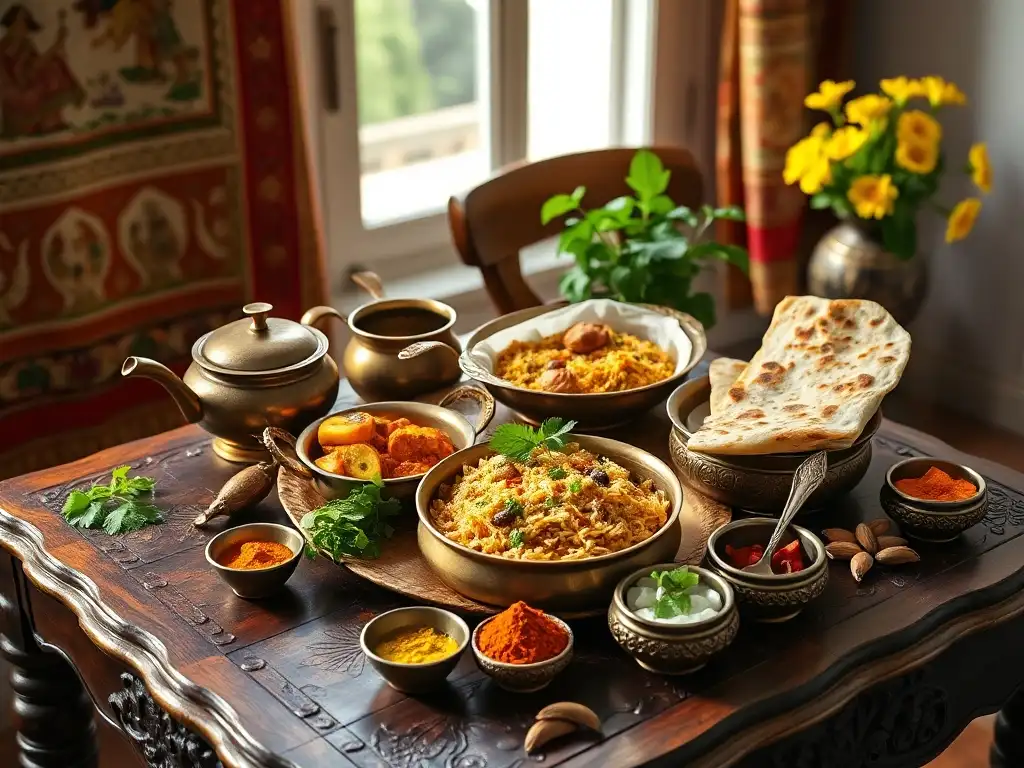
Ancient Indian cuisine is not just a means of sustenance; it embodies a rich tapestry of cultural practices, social structures, and historical narratives. The ways in which food was prepared, served, and consumed reveal much about the values and traditions of ancient Indian societies. From religious rituals to daily meals, food played a pivotal role in shaping communal identities and social hierarchies.
Rituals and Festivals Involving Food
Food has always held a central place in various rituals and festivals throughout ancient Indian history. These events were often marked by specific culinary practices that reflected the spiritual and cultural beliefs of the people.
- Sacrificial Offerings: In Vedic practices, elaborate rituals often included offerings of rice, ghee (clarified butter), and various grains to deities. These offerings were believed to appease gods and ensure prosperity and fertility in the community.
- Harvest Festivals: Festivals like Makar Sankranti and Pongal celebrated the harvest season, where dishes made from freshly harvested grains and fruits were prepared. These festivals not only honored agriculture but also fostered community bonding through shared meals.
- Religious Observances: During fasting periods, specific dishes were prepared that adhered to dietary restrictions, like the consumption of only fruits and nuts. This practice highlighted the connection between food, spirituality, and personal discipline.
These rituals and festivals underscore the belief that food is imbued with spiritual significance, reinforcing community ties and cultural identity.
The Symbolism of Food in Ancient Indian Traditions
Food in ancient India was rich in symbolism, often representing broader concepts and beliefs. Different ingredients and dishes carried meanings that transcended mere sustenance.
- Sattva, Rajas, and Tamas: The ancient Indian philosophical framework classified foods into three categories based on their effects on the body and mind: sattvic (pure and healthy), rajasic (active and stimulating), and tamasic (heavy and dull). This classification influenced dietary choices, where sattvic foods were preferred for purity and spiritual elevation.
- Caste and Culinary Practices: Different castes had distinct culinary practices that reinforced social stratification. Certain foods were associated with specific groups, leading to a complex interplay of food, identity, and status. For example, the consumption of meat was often restricted among higher castes, while lower castes had more varied diets.
- Seasonal Foods: The ancient Indian understanding of seasonal cycles influenced cooking practices, with certain foods being consumed at specific times of the year to maintain health and balance. For instance, cooling foods were preferred during summers, while warming foods were common in winter months.
These symbolic dimensions of food reflect the intricate relationship between cuisine and cultural philosophies in ancient Indian society.
Regional Variations in Ancient Indian Cuisine
The geographical diversity of India contributed to a rich variety of regional cuisines, each with its own unique characteristics and flavors.
- Indus Valley Civilization: Archaeological findings suggest that the people of the Indus Valley had a sophisticated understanding of agriculture and food storage, cultivating crops like wheat, barley, and pulses. They also practiced food preservation techniques that influenced future culinary practices.
- South Indian Cuisine: Known for its emphasis on rice and lentils, South Indian cuisine incorporated spices like mustard seeds, curry leaves, and tamarind. Dishes such as dosa and idli highlight the region's focus on fermentation and rice-based preparations.
- North Indian Cuisine: The northern regions favored wheat-based dishes, with staples like roti and paratha dominating the culinary landscape. Rich gravies and the use of dairy products, such as paneer and yogurt, showcased the area's agricultural abundance.
- Western and Eastern Influences: The cuisine of Gujarat and Rajasthan is characterized by its use of spices and preservation methods, while the coastal regions of Bengal and Kerala emphasize seafood and coconut. Each region's cuisine reflects its environment, agricultural practices, and cultural exchanges.
The regional variations in ancient Indian cuisine not only showcase diverse ingredients and cooking methods but also highlight the interactions between different cultures and traditions throughout history.
The cultural significance of ancient Indian cuisine is multifaceted, encompassing rituals, symbolism, and regional diversity. Understanding these aspects provides deeper insight into the daily lives and societal structures of ancient Indian civilizations, illustrating how food transcended its basic role as nourishment to become a central element of cultural identity and community cohesion.
Conclusion: The Legacy of Ancient Indian Cuisine History
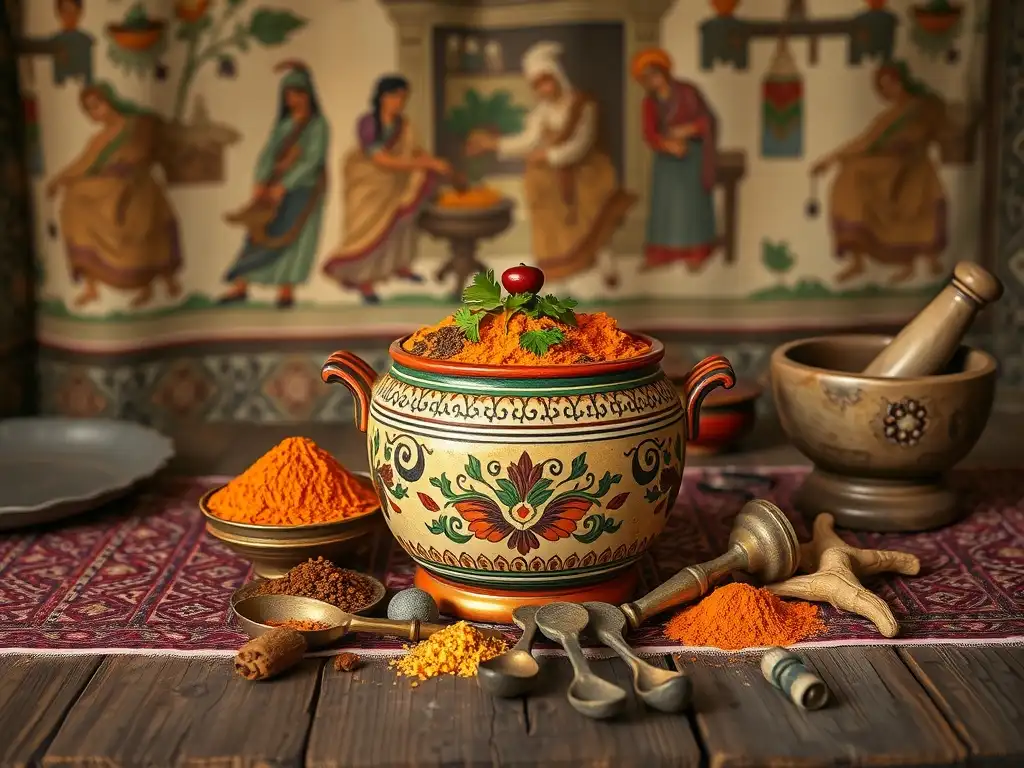
Ancient Indian cuisine history is a tapestry woven from the threads of diverse cultures, regional ingredients, and centuries of culinary innovation. The legacy of this rich culinary tradition continues to influence not only contemporary Indian cooking but also the global culinary landscape. As we reflect on the evolution of food in ancient India, it becomes evident that the practices and philosophies surrounding food production and preparation have left an indelible mark on modern cuisine.
The Influence of Ancient Indian Cuisine on Modern Indian Cooking
The roots of modern Indian cooking can be traced back to the intricate culinary practices established during ancient times. Key elements include:
- Spices and Flavors: Ancient texts such as the Ayurvedic scriptures and Sushruta Samhita outline the medicinal and culinary uses of spices. Ingredients like turmeric, cumin, and coriander, which were prevalent in ancient dishes, continue to be staples in contemporary kitchens.
- Cooking Techniques: The use of specific cooking techniques, such as dum (slow cooking) and tandoor (clay oven), originated in ancient times. These methods have been refined and adapted, forming the backbone of many regional dishes today.
- Regional Variations: Ancient Indian cuisine was characterized by its regional diversity, influenced by geography, climate, and cultural interactions. This diversity persists, with modern Indian cuisine showcasing a rich variety of flavors and recipes from different parts of the country.
- Culinary Texts: The ancient Indian culinary manuals and treatises, like Pakashastra, not only documented recipes but also emphasized the significance of food presentation and the social aspects of dining. These principles still resonate in modern culinary practices, where food is often seen as a means of bringing people together.
The foundation laid by ancient Indian cuisine continues to evolve, merging traditional practices with modern influences, thereby enriching the Indian culinary experience.
Preserving the Heritage of Ancient Indian Culinary Practices
The preservation of ancient Indian culinary practices is crucial for maintaining cultural identity and promoting sustainable food systems. Key strategies for this preservation include:
- Culinary Education: Teaching traditional cooking methods and recipes in culinary schools and community workshops helps to pass down knowledge to future generations. This education fosters a deeper appreciation for the heritage of ancient Indian cuisine.
- Community Involvement: Local communities can play an essential role in preserving culinary traditions. Initiatives such as food festivals, cooking competitions, and heritage walks can highlight the importance of ancient recipes and cooking techniques.
- Documentation and Research: Scholars and culinary historians are increasingly documenting ancient recipes and practices. This research not only aids in preserving knowledge but also provides insights into the socio-cultural contexts of food in ancient India.
- Sustainable Practices: Incorporating ancient agricultural practices, such as permaculture and crop rotation, can enhance sustainability in food production. Many traditional farming techniques have proven to be environmentally friendly and can be integrated into modern agricultural practices.
- Reviving Forgotten Recipes: Efforts to revive and popularize lesser-known ancient dishes can help keep the culinary heritage alive. This can be achieved through restaurants that specialize in traditional cuisine, cookbooks focused on ancient recipes, and online platforms that share these culinary treasures.
Preserving the heritage of ancient Indian culinary practices not only honors the past but also enriches the present and future of Indian cuisine. By valuing and sustaining these traditions, we ensure that the flavors and stories of ancient India continue to be enjoyed by generations to come.
Frequently Asked Questions
What is the significance of ancient Indian cuisine in history?
Ancient Indian cuisine reflects the rich cultural diversity and historical influences that shaped the region. It showcases the culinary traditions and regional specialties that have evolved over centuries.
How did the geography of India influence ancient Indian cuisine?
The geographical diversity of India, from mountains to rivers, allowed for a wide variety of ingredients and cooking techniques. This led to the development of distinct regional cuisines based on local resources.
What were some common ingredients used in ancient Indian cooking?
Ancient Indian cuisine featured spices, grains, and vegetables as staples. Ingredients like rice, wheat, lentils, and a variety of spices were essential for flavoring and nutritional balance.
How did trade impact ancient Indian cuisine?
Trade routes facilitated the exchange of spices and cooking techniques with various cultures, enriching ancient Indian cuisine. This interaction introduced new ingredients and flavors, leading to a more diverse culinary landscape.
What role did chefs play in ancient Indian food production?
Chefs in ancient India were considered skilled artisans and played a crucial role in food production. Their expertise in preparation and presentation helped elevate the status of food within social and cultural contexts.
Final Reflection: Embracing the Rich Tapestry of Ancient Indian Cuisine
The exploration of ancient Indian cuisine history reveals not only the culinary techniques and flavors that have shaped our palates but also the cultural narratives that continue to resonate today. As we delve into the intricate tapestry of spices, ingredients, and cooking methods passed down through generations, we uncover a profound connection to our heritage that is as relevant now as it was centuries ago. The legacy of ancient Indian cuisine serves as a reminder of the importance of preserving our culinary traditions in an ever-globalizing world.
The influence of ancient Indian cuisine extends beyond mere sustenance; it is a celebration of community, identity, and shared experiences. The practices and philosophies surrounding food production and preparation have woven themselves into the very fabric of society, shaping social interactions and cultural rituals. As we reflect on this, we are reminded of the words of renowned chef Vikas Khanna: Food is not just about sustenance; it is about love, culture, and the stories we tell.
This sentiment encapsulates the essence of ancient Indian cuisine, emphasizing its role in fostering connections and nurturing relationships.
As we look toward the future, let us take a moment to reflect on how we can honor and integrate the lessons of ancient Indian cuisine into our own lives. I invite you to explore your culinary roots, experiment with traditional recipes, and share the stories behind your favorite dishes with others.
By doing so, we not only celebrate our heritage but also contribute to the ongoing narrative of food as a bridge between cultures and generations. Embrace the flavors, techniques, and stories of ancient Indian cuisine, and let them inspire you to create a more connected and flavorful world.
Unleash Your Inner Chef and Dive into Ancient Flavors!
Thank you for exploring the rich tapestry of ancient Indian cuisine with us! You've uncovered valuable insights into the chefs and food production that shaped culinary traditions. Now, it's your chance to bring these age-old flavors to life and connect with a vibrant community.
Here’s how you can get involved today:
- Create your own dish inspired by ancient Indian recipes and share your cooking experience with us! Capture the flavors and textures that amazed you the most.
- Dive deeper into the history: Explore more articles on our site to expand your understanding of the ingredients and techniques used in traditional kitchens.
- Join the conversation: Share this article with friends or in food forums to spark a discussion about the influence of ancient Indian gastronomy.
What unique flavor from ancient India are you excited to explore and recreate in your own kitchen?