
Festivals of Love: How Ancient Indian Celebrations Strengthened Family Bonds

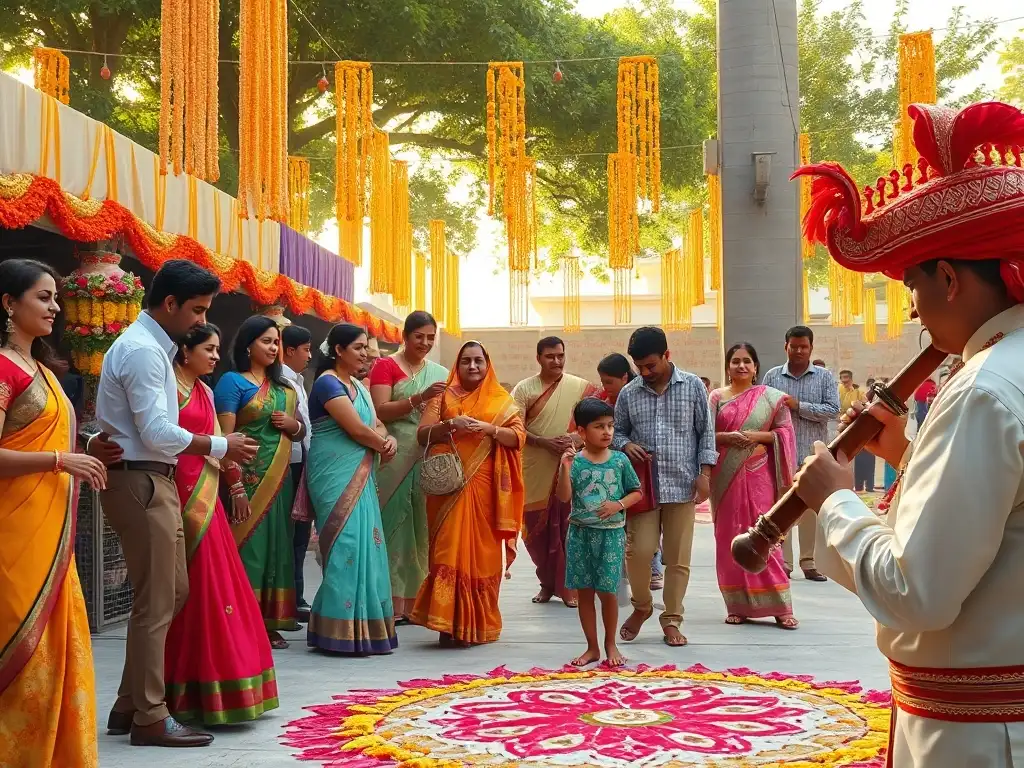
Welcome to Ancient India History, where we invite you to embark on an enthralling journey through the rich tapestry of ancient Indian civilizations. In this exploration, we delve into the captivating world of ancient Indian love festivals, revealing how these vibrant celebrations not only honored romance but also strengthened family bonds across generations. As you uncover the significance and traditions behind these festivals, you'll discover the profound impact they had on society and culture. Ready to dive deeper into the heart of ancient Indian life? Let’s illuminate the past together!
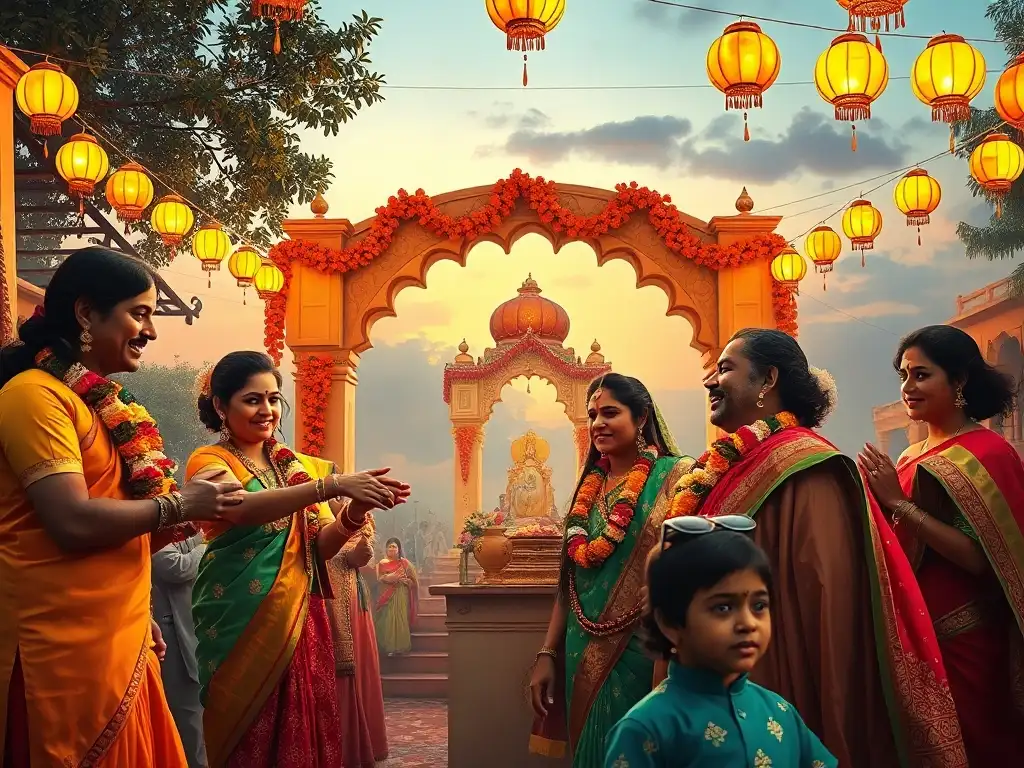
Introduction to Ancient Indian Love Festivals
The rich tapestry of ancient Indian history is interwoven with diverse cultural practices, many of which celebrated love and familial bonds through grand festivals. These ancient Indian love festivals not only served as occasions for joyous celebration but also played a crucial role in strengthening family ties and community relationships.
From vibrant rituals to heartfelt expressions of affection, these festivals encapsulated the essence of love, unity, and respect that permeated ancient Indian society. Understanding these celebrations provides valuable insight into the social fabric of the time, highlighting the significance of love as a guiding principle in familial and societal structures.
Overview of Love Festivals in Ancient India
In ancient India, love festivals were characterized by unique customs and traditions that varied by region and community. Some notable aspects include:
- Rituals and Offerings: Families would often engage in specific rituals, such as making offerings to deities associated with love and relationships, seeking blessings for harmony and happiness within the family.
- Symbolic Acts: Acts such as exchanging gifts, decorating homes, and performing traditional dances symbolized love and joy.
- Community Participation: These festivals fostered a sense of community, where families came together to celebrate shared values and relationships.
Importance of Family Bonds in Ancient Indian Society
Family was the cornerstone of ancient Indian society, shaping individuals' identities and social roles. Key points regarding family bonds include:
- Social Structure: Families were typically extended, with multiple generations living together, reinforcing support systems and shared responsibilities.
- Cultural Transmission: Festivals served as a medium for transmitting cultural values, traditions, and social norms from one generation to the next.
- Emotional Support: The celebration of love through festivals emphasized emotional connections, ensuring that family members felt valued and supported.
Historical Context of Ancient Indian Love Festivals
Understanding the historical context of ancient Indian love festivals requires a closer examination of their evolution and the civilizations that embraced them.
The Evolution of Love Festivals Through the Ages
Love festivals in ancient India evolved significantly over time, influenced by various cultural, religious, and social changes. Important stages include:
- Indus Valley Civilization: Early evidence of celebrations that emphasized fertility and prosperity, reflecting the reverence for love and family.
- Vedic Period: With the emergence of Hinduism, many rituals became intertwined with religious practices, leading to festivals that honored deities associated with love and marriage.
- Medieval Influences: As different dynasties rose and fell, new customs were integrated into existing celebrations, enriching the diversity of love festivals.
Key Ancient Civilizations Celebrating Love Festivals
Several ancient civilizations in India contributed to the tradition of love festivals, each bringing its own flavors and significance:
- Indus Valley Civilization: This civilization is believed to have celebrated love through agricultural festivals, emphasizing fertility and abundance.
- Maurya Empire: Under the Mauryan rule, festivals became more organized, often incorporating state-sponsored celebrations that promoted love and unity among citizens.
- Gupta Empire: The Gupta era is noted for its artistic and cultural achievements, with festivals reflecting the social and familial values of the time, emphasizing love as a fundamental aspect of life.
Through an exploration of these aspects, we can appreciate how ancient Indian love festivals not only entertained but also played a vital role in cultivating strong family bonds and a sense of community.
Major Ancient Indian Love Festivals and Their Significance
Ancient India was home to a myriad of festivals that not only celebrated love but also reinforced family bonds. These festivals were often steeped in tradition, symbolizing the emotional connections between family members and communities. They served as occasions for families to come together, fostering unity and reinforcing the values of love and kinship. Some of the most significant ancient Indian love festivals include Holi, Diwali, and Makar Sankranti, each marked by unique rituals and cultural practices that emphasized familial relationships.
Celebrations of Holi: The Festival of Colors and Love
Holi, often referred to as the Festival of Colors, epitomizes the spirit of joy and love in ancient Indian culture. Celebrated during the full moon in the month of Phalguna, Holi marks the arrival of spring and the triumph of good over evil. The festival is famous for its vibrant colors, where families and friends come together to throw colored powders at each other, symbolizing the joy of love and the bonds that tie them together.
The significance of Holi extends beyond mere revelry. It is a time for forgiveness, renewal, and the mending of broken relationships. Families often engage in communal celebrations, sharing sweets and traditional snacks, which further strengthens their ties. The festival also honors the divine love stories, such as that of Radha and Krishna, illustrating the power of love in overcoming obstacles.
Diwali: The Festival of Lights and Family Unity
Diwali, the Festival of Lights, is another important celebration in ancient India that underscores the essence of family unity and love. Celebrated over five days, Diwali signifies the victory of light over darkness and knowledge over ignorance. Families come together to decorate their homes with oil lamps, candles, and rangoli, creating a warm and inviting atmosphere.
During Diwali, families partake in the worship of Lakshmi, the goddess of wealth and prosperity, seeking her blessings for a prosperous future. The act of sharing gifts, sweets, and meals during this festival reinforces familial bonds. The joyous gatherings, fireworks, and cultural performances create an environment of love and togetherness, making Diwali a cornerstone of ancient Indian family traditions.
Makar Sankranti: Harvest Festival and Family Gatherings
Makar Sankranti is celebrated across India to mark the transition of the sun into the zodiac sign of Capricorn, symbolizing the end of the winter solstice. This harvest festival is significant for families, as it is a time to express gratitude for the bountiful harvest and to celebrate with loved ones.
During Makar Sankranti, families often gather to prepare traditional dishes made from newly harvested crops, such as sesame seeds and jaggery. Kite flying is a popular activity, symbolizing the soaring of aspirations and the joy of togetherness. The festival encourages family reunions and strengthens the ties between relatives, as people travel long distances to celebrate with their families.
Rituals and Traditions Associated with Love Festivals
The love festivals of ancient India are rich in rituals and traditions that not only enhance the celebratory atmosphere but also reinforce family connections. These practices are integral to the festivals, embodying the spirit of togetherness and love that characterizes these occasions.
Rituals That Strengthened Family Bonds
Rituals during ancient Indian love festivals often involved collective participation of family members, fostering a sense of unity. For instance, during Holi, families would engage in a ritual of applying colors to one another, symbolizing affection and camaraderie. Similarly, during Diwali, families would come together to perform the Lakshmi Puja, invoking blessings for prosperity and harmony.
These rituals also included the exchange of gifts and sweets, which served as tokens of love and appreciation. The collective nature of these rituals not only reinforced familial ties but also promoted a sense of belonging and community among extended family members.
Traditional Foods and Offerings During Love Festivals
Food plays a central role in ancient Indian love festivals, acting as a medium for expressing love and gratitude. Each festival features traditional dishes that families prepare and share together. For example, during Diwali, families often make sweets like ladoos and barfis, which are offered to guests and shared among relatives as a symbol of goodwill.
During Makar Sankranti, special foods such as til (sesame) laddus and khichdi are prepared, celebrating the harvest and the abundance of nature. These culinary traditions not only enhance the festive spirit but also serve as a means of bringing family members together, as they bond over the preparation and enjoyment of these special dishes.
Music, Dance, and Their Role in Family Celebrations
Music and dance are integral components of ancient Indian love festivals, adding vibrancy and joy to the celebrations. Each festival features traditional songs and dances that families participate in, fostering a sense of togetherness and cultural continuity.
For instance, during Holi, playful songs known as "Holi Geet" are sung while dancing, allowing family members to express their love and joy. Similarly, during Diwali, families often engage in traditional dances, such as Garba or Dandiya, which not only enhance the festive atmosphere but also create opportunities for bonding and shared experiences.
The incorporation of music and dance into these festivals serves to deepen emotional connections, as families come together to celebrate their heritage and express their love through art.
The Role of Myths and Legends in Love Festivals
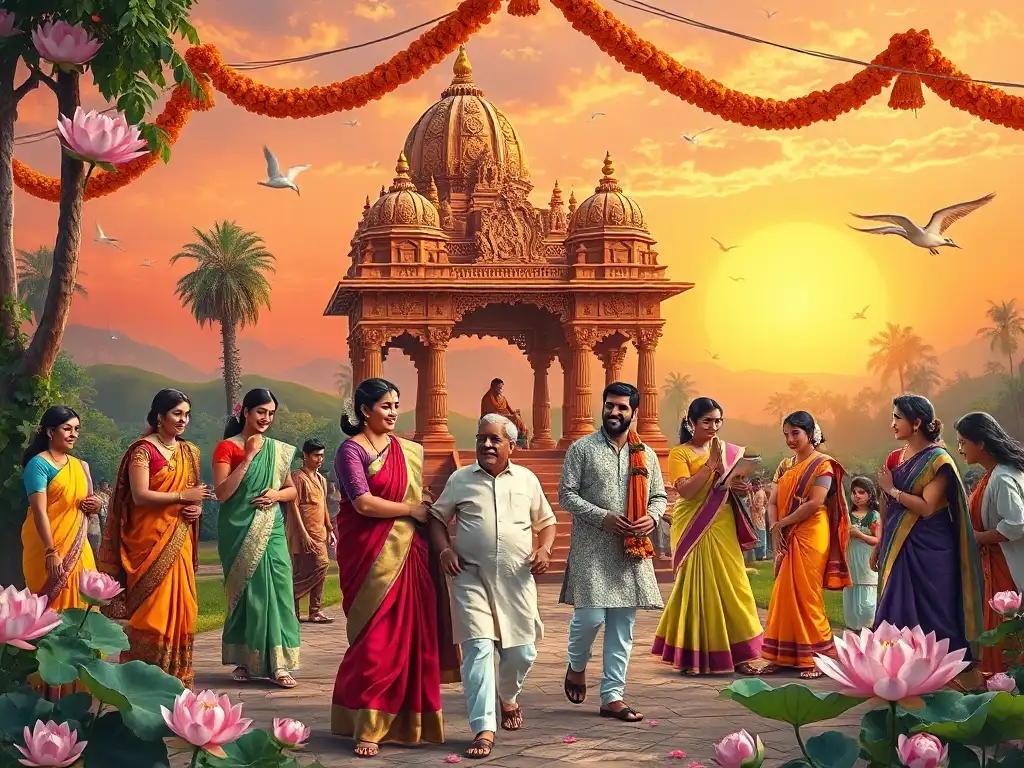
Myths and legends have always played a crucial role in shaping the cultural landscape of ancient India, particularly in the context of love festivals. These narratives often serve to explain the significance of festivals, providing deeper meanings behind the rituals and practices associated with them. Love festivals are frequently intertwined with mythological tales that celebrate romantic ideals, familial love, and the importance of community bonds.
In ancient Indian traditions, myths are not merely stories; they are vital components of social identity and communal memory. They often narrate the journeys of divine lovers, such as Radha and Krishna, whose love story epitomizes the ideals of devotion and sacrifice. Such stories are celebrated during festivals like Holi, where the playful spirit of Krishna and Radha becomes a focal point for family gatherings, encouraging joyous interactions and strengthening familial ties.
Moreover, these legends often include moral lessons that reinforce the values of love, respect, and unity within families. By embodying these ideals, the narratives inspire individuals to uphold familial relationships, making festivals not just a time for celebration but also an opportunity for reflection and bonding.
Mythological Stories Celebrating Love and Family
The rich tapestry of ancient Indian mythology is filled with stories that celebrate love and family, serving as the foundation for various love festivals. One of the most prominent tales is that of Sita and Rama, from the epic Ramayana. Their unwavering love and commitment to each other are often highlighted during festivals like Diwali, which commemorates their return to Ayodhya after overcoming trials together. The celebration of their reunion emphasizes the importance of marital fidelity and the strength of family bonds.
Another significant myth is the love story of Shiva and Parvati, which is celebrated during Maha Shivaratri. Their relationship, marked by devotion and perseverance, illustrates the significance of partnership in family life. The rituals performed during this festival, such as fasting and night vigils, reflect the commitment that couples must nurture within their relationships, promoting harmony and familial love.
Additionally, the tale of Radha and Krishna not only celebrates romantic love but also highlights the importance of community and family through the lens of devotion. Festivals like Janmashtami are steeped in these legends, bringing families together to share in the joy of their divine love, thereby reinforcing familial bonds.
Influence of Epics on Love Festival Traditions
The influence of ancient Indian epics on love festival traditions is profound and multifaceted. Epics such as the Mahabharata and Ramayana have deeply embedded cultural values and moral principles that influence the way love and family are celebrated during festivals. The narratives provide a framework through which families can understand their roles and responsibilities towards one another.
For instance, the story of Draupadi's marriage to the Pandavas in the Mahabharata not only explores complex relationships but also emphasizes the importance of loyalty and mutual respect within a family. Festivals that commemorate these stories often involve communal feasting and rituals that encourage families to come together and celebrate their ties, thereby fostering unity and understanding.
Moreover, many love festivals incorporate rituals that reflect the teachings and values found in these epics. For example, during Karva Chauth, the festival where married women fast for the long life of their husbands, the underlying principles of love and duty drawn from epic narratives resonate with participants. This act of devotion reinforces the bonds of marriage and family, highlighting the role of epics in shaping contemporary practices.
The Impact of Ancient Indian Love Festivals on Family Dynamics
Ancient Indian love festivals have had a significant impact on family dynamics, serving as opportunities for strengthening relationships and fostering a sense of belonging among family members. These celebrations create spaces where love and affection can be openly expressed, allowing families to reconnect and reinforce their bonds.
Strengthening Intergenerational Relationships
One of the most notable impacts of ancient Indian love festivals is their ability to strengthen intergenerational relationships within families. Festivals often involve rituals and traditions passed down through generations, allowing the younger members to learn from the elders. For example, the preparation of traditional sweets during festivals like Raksha Bandhan not only serves as a culinary tradition but also as a means for grandparents to share stories from the past, instilling a sense of identity and continuity.
These gatherings provide a platform for sharing experiences and wisdom, helping to bridge the gap between different generations. The act of coming together to celebrate love and familial ties fosters respect and understanding among family members, creating a nurturing environment for both young and old.
Promoting Unity Among Extended Families
Ancient Indian love festivals also play a crucial role in promoting unity among extended families. Festivals such as Eid, Diwali, and Pongal often see families coming together from various branches, reinforcing the concept of a larger family unit. The shared celebration of love and togetherness during these times creates lasting memories and strengthens bonds across generations.
The rituals and customs observed during these festivals encourage collaboration and participation from all family members, promoting a sense of collective identity. Activities such as communal meals, games, and storytelling create an atmosphere of joy and connection, which is vital in maintaining family unity in an increasingly fragmented world.
Through these practices, ancient Indian love festivals serve as a reminder of the importance of family ties and the role they play in shaping individual identities and collective memories, ensuring that love remains a cornerstone of familial relationships.
Modern-Day Relevance of Ancient Indian Love Festivals
The ancient Indian love festivals have left an indelible mark on contemporary society, influencing how love, commitment, and family bonds are celebrated today. These festivals were not just occasions for celebration; they served as a means to reinforce relationships and communal ties. In modern India, many of these traditions have been adapted or revived, highlighting their ongoing significance.
Festivals such as Karva Chauth, where wives fast for their husbands' long life, and Bhaidooj, which celebrates the bond between brothers and sisters, resonate with the values of love and familial devotion rooted in ancient times. These observances embody the spirit of unity and affection that characterized ancient celebrations, showcasing how they continue to nurture familial relationships today.
How Ancient Traditions Influence Contemporary Celebrations
Ancient Indian love festivals often revolved around themes of devotion, unity, and familial ties, which are still echoed in modern celebrations. For instance, Makar Sankranti, initially a harvest festival, signifies new beginnings and prosperity, promoting family gatherings that strengthen bonds. Similarly, Holi, the festival of colors, serves as a reminder of love and forgiveness among family members and friends, fostering a sense of togetherness and joy.
The influence of ancient traditions is also evident in the incorporation of rituals and customs during contemporary weddings and family events. Many couples and families draw inspiration from these festivals to create their own personalized celebrations that honor their heritage while adapting to modern sensibilities. This blending of the old with the new ensures that the essence of love festivals remains alive and relevant.
Reviving Love Festivals in Modern Indian Society
In recent years, there has been a concerted effort to revive and promote ancient love festivals that may have been overshadowed by more commercialized festivities. Organizations and community leaders are increasingly recognizing the importance of these traditions in fostering a sense of identity and belonging. Initiatives to celebrate lesser-known festivals like Teej, which honors the bond between spouses through fasting and rituals, are gaining popularity.
Social media platforms play a crucial role in this revival, as they allow families to share their experiences and stories related to these festivals, inspiring others to participate. Additionally, workshops and cultural programs focusing on traditional practices related to love festivals are being organized, emphasizing their historical significance and contemporary relevance. These efforts not only breathe new life into these celebrations but also ensure that the values they represent are passed down to future generations.
Conclusion: The Enduring Legacy of Ancient Indian Love Festivals
The enduring legacy of ancient Indian love festivals lies in their ability to adapt and resonate with contemporary values while maintaining their core essence. These celebrations have evolved over time but continue to serve as powerful reminders of the importance of love, commitment, and familial bonds.
Summary of Their Role in Strengthening Family Bonds
Ancient Indian love festivals have historically played a crucial role in strengthening family bonds. By providing opportunities for family members to come together, share in rituals, and celebrate relationships, these festivals reinforce the emotional connections that form the foundation of familial love. The values of respect, devotion, and unity that these festivals promote are essential in nurturing healthy family dynamics, making them relevant even in today's fast-paced world.
Future Perspectives on Love Festivals in India
Looking ahead, the future of love festivals in India appears promising. As society continues to evolve, there is a growing acknowledgment of the importance of cultural heritage and its role in shaping identity. With increasing interest in preserving traditional practices, love festivals are likely to see a resurgence, blending modern lifestyles with age-old customs. This integration will not only enhance the emotional fabric of society but also ensure that the values of love and family remain at the forefront of Indian culture for generations to come.
- Introduction to Ancient Indian Love Festivals
- Historical Context of Ancient Indian Love Festivals
- Major Ancient Indian Love Festivals and Their Significance
- Rituals and Traditions Associated with Love Festivals
- The Role of Myths and Legends in Love Festivals
- The Impact of Ancient Indian Love Festivals on Family Dynamics
- Modern-Day Relevance of Ancient Indian Love Festivals
- Conclusion: The Enduring Legacy of Ancient Indian Love Festivals
Frequently Asked Questions
What are ancient Indian love festivals?
Ancient Indian love festivals were celebrations that honored romantic relationships and familial bonds, often featuring rituals, music, and dance to promote unity and affection within families.
How did these festivals strengthen family bonds?
These festivals emphasized togetherness and celebration of love, providing opportunities for family members to engage in activities that reinforced their emotional connections and cultural traditions.
Can you name some notable love festivals from ancient India?
Some notable love festivals include Makar Sankranti, which celebrates the harvest, and Holi, known for its vibrant colors and expressions of love among families and friends.
What role did mythology play in these celebrations?
Mythology played a critical role by providing stories and symbols that represented love and devotion, often inspiring the themes of the festivals and the rituals performed during them.
How are ancient Indian love festivals reflected in modern celebrations?
Many modern celebrations still incorporate elements of ancient traditions, highlighting the enduring significance of love and family in Indian culture, as seen in festivals like Karva Chauth and Teej.
Final Reflection: Celebrating Love Through Time
The essence of family bonds and love celebrated in ancient Indian festivals remains profoundly relevant today. In a world that often feels fragmented and disconnected, these age-old traditions remind us of the importance of nurturing our relationships and cherishing the connections that define us. The vibrant festivals that once brought families together continue to resonate, highlighting the timeless nature of love and unity.
These ancient Indian love festivals have not only shaped cultural practices but have also left an indelible mark on our social fabric. The values of love, respect, and togetherness that these celebrations embody are crucial in fostering a sense of belonging in our increasingly fast-paced lives. As we navigate modern challenges, we can draw inspiration from the wisdom of our ancestors. Festivals are the heartbeat of our culture, reminding us that love is the thread that weaves us together.
As we reflect on the lessons from these ancient celebrations, I invite you to consider how you can incorporate the spirit of these festivals into your own life. Take a moment to celebrate the love within your family and community, creating your own traditions that honor these bonds. By doing so, you not only pay homage to the past but also cultivate a future rich in connection and understanding. Let us embrace the beauty of love and the power of togetherness, ensuring that these values continue to thrive in our hearts and homes.
Embrace the Spirit of Love: Strengthen Your Bonds!
Thank you for diving into the enchanting world of ancient Indian festivals and their role in fortifying family connections! Your interest in this rich cultural heritage equips you with the unique ability to deepen relationships within your own family. Now, it’s time to take that knowledge and put it into action!
Here are a few ways you can celebrate love and strengthen your family bonds:
- Organize a Family Celebration: Choose an ancient festival, gather your loved ones, and bring its traditions to life! Share stories, create rituals, or cook traditional dishes together.
- Explore History: Research other ancient festivals and their significance. Share your findings during a family gathering to inspire deeper conversations about your roots and values.
- Start a Family Tradition: Create your own festival or ritual that embodies love and gratitude. Make it an annual event that everyone can look forward to!
How will you incorporate the beauty of ancient traditions into your family's life this year?