
The Evolution of Occupations in India: From Ancient Times to the Present

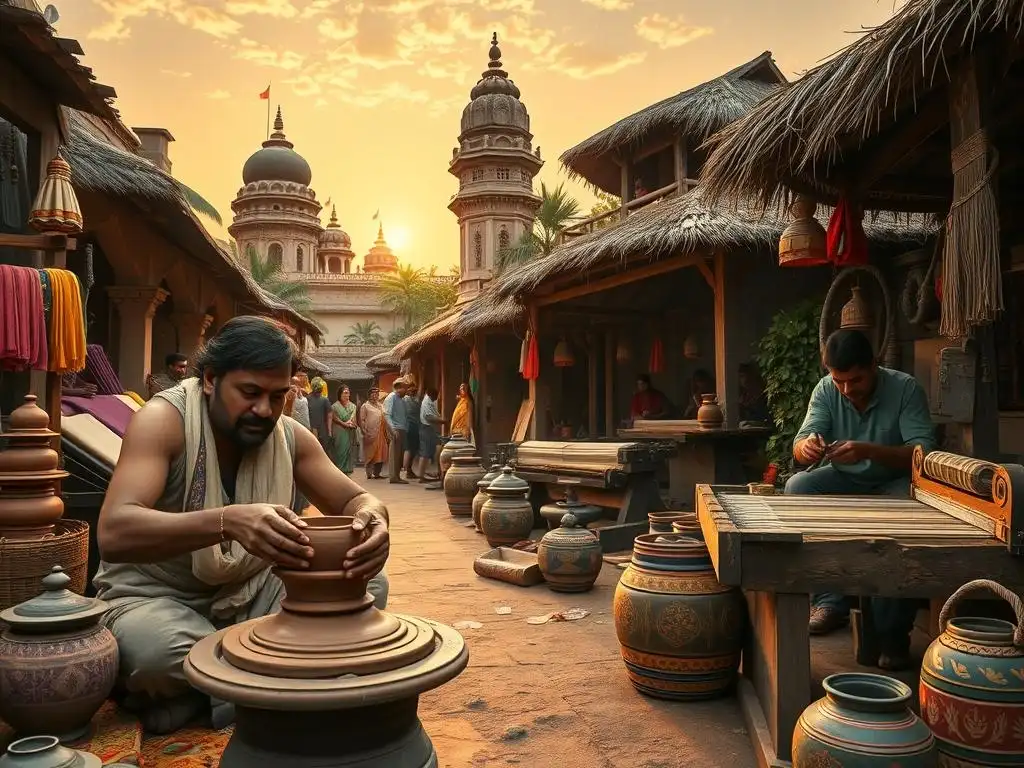
Welcome to Ancient India History, where we embark on a fascinating journey through the rich tapestry of ancient Indian civilizations. Delve into the evolution of occupations in India, a topic that unravels the intricate connections between daily life and societal roles from the Indus Valley to the Gupta Empire. What did the artisans, traders, and farmers contribute to the vibrant cultures that shaped their time?
Join us as we explore the dynamic history of ancient Indian occupations and discover how these roles influenced the very fabric of society. Your exploration begins now—let's uncover the stories that have stood the test of time!
- Introduction to Ancient Indian Occupations History
- The Historical Context of Occupations in India
- The Evolution of Occupations in Ancient India
- Specialized Occupations in Ancient India
- Transition of Occupations through the Ages
- Case Studies of Notable Ancient Occupations
- Conclusion: The Legacy of Ancient Indian Occupations
- References and Further Reading
-
Frequently Asked Questions
- What were the primary occupations in ancient India?
- How did the social structure influence occupations in ancient India?
- What role did trade play in ancient Indian occupations?
- How did technological advancements impact occupations in ancient India?
- What were some key contributions of ancient Indian occupations to modern society?
- Final Reflection: The Enduring Legacy of Ancient Indian Occupations
- Embrace the Future of Work: Explore Your Path Forward!
Introduction to Ancient Indian Occupations History
The history of ancient Indian occupations is a fascinating tapestry woven with the threads of diverse cultures, traditions, and economic practices that have evolved over millennia. From the sophisticated urban centers of the Indus Valley Civilization to the flourishing trade routes of the Gupta Empire, occupations in ancient India were not merely means of livelihood but integral to the very fabric of society.
Through a detailed examination of these occupations, we gain insights into the social structure, technological advancements, and cultural practices that defined various periods of Indian history. Understanding this evolution not only enriches our knowledge of ancient Indian societies but also highlights the continuity and changes in labor systems that have shaped modern India.
Overview of Occupations in Ancient India
Ancient India was characterized by a plethora of occupations that catered to the needs of its diverse population. The division of labor was often influenced by factors such as caste, geography, and technological advancements. Here’s a brief overview of some prominent occupations during various ancient periods:
-
Agriculture:
The backbone of the ancient economy, agriculture was practiced widely, with crops like rice, wheat, and pulses being cultivated. Farmers utilized advanced techniques such as irrigation and crop rotation.
-
Trade and Commerce:
Trade routes, both overland and maritime, facilitated commerce with neighboring regions. Artisans and merchants played vital roles in the economy, dealing in textiles, spices, and precious metals.
-
Craftsmanship:
Skilled artisans were responsible for creating intricate jewelry, pottery, and textiles. The craftsmanship was often passed down through generations, leading to the establishment of specialized communities.
-
Services and Professions:
Various roles emerged, including teachers, healers (Ayurvedic practitioners), and priests, who contributed to the educational and spiritual fabric of society.
-
Military:
As kingdoms rose and fell, military occupations became crucial, with warriors and strategists playing significant roles in the protection and expansion of territories.
This rich diversity in occupations reflects not only the economic needs of ancient societies but also their cultural values and social hierarchies.
Importance of Understanding Occupations in Ancient Societies
Studying ancient Indian occupations provides critical insights into the socio-economic dynamics of historical communities. The examination of these occupations reveals:
-
Social Structure:
Occupations often delineated social stratifications, influencing power dynamics and relationships within communities. Understanding these relationships helps us grasp the complexities of ancient social hierarchies.
-
Cultural Practices:
Many occupations were intertwined with cultural and religious practices. For instance, agricultural festivals not only marked seasonal changes but also reinforced community ties and traditions.
-
Technological Advancements:
The evolution of occupations highlights technological progress in areas such as agriculture, metallurgy, and textile production, showcasing the ingenuity of ancient Indian civilizations.
-
Economic Interactions:
The trade networks established by ancient occupations laid the groundwork for economic systems in modern India, illustrating the long-lasting impacts of these early practices.
By delving into the history of occupations in ancient India, we can better appreciate the complexities of daily life in these civilizations and their contributions to the broader narrative of human history.
The Historical Context of Occupations in India
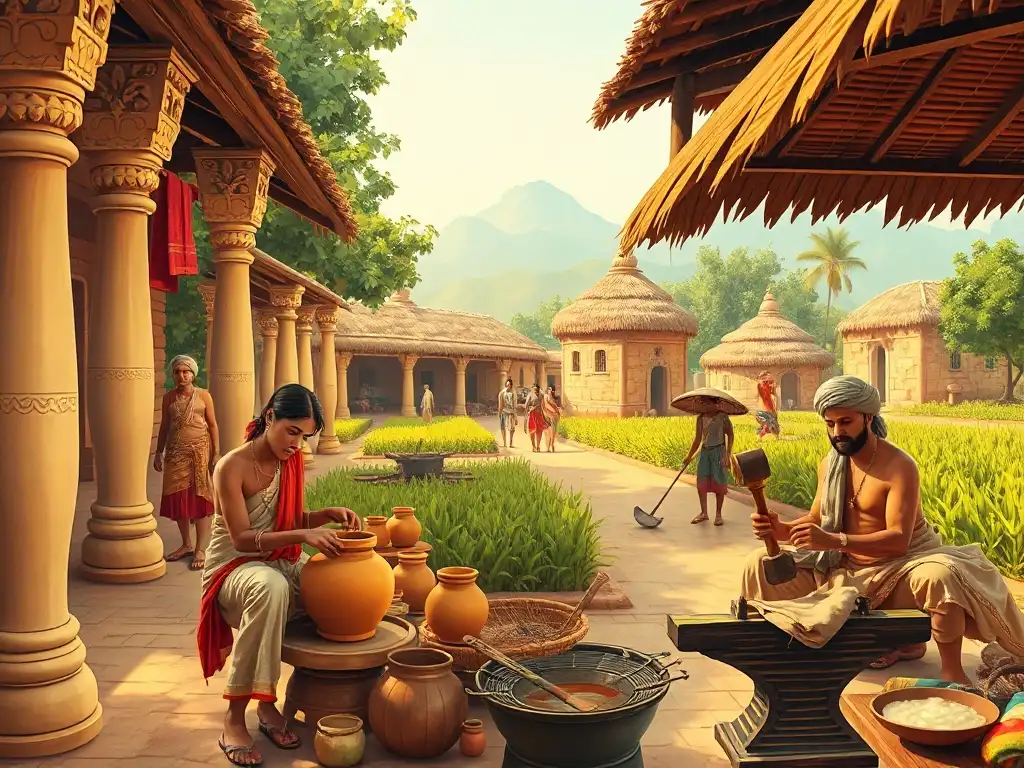
Ancient Indian Civilizations and Their Labor Systems
The evolution of occupations in ancient India is deeply intertwined with its diverse civilizations, each contributing unique labor systems that reflected their social, economic, and cultural contexts. From the Indus Valley Civilization (circa 3300–1300 BCE) to the Gupta Empire (circa 320–550 CE), the occupations of the people evolved significantly, influenced by technological advancements and shifts in societal structures.
- Indus Valley Civilization: This civilization exhibited a sophisticated urban planning and economic system that included various occupations. Archaeological findings suggest the presence of:
- Agriculturalists: With a focus on crops like wheat, barley, and cotton, farming was a primary occupation. The use of irrigation techniques showcased advanced agricultural practices.
- Artisans and Craftsmen: Skilled workers engaged in pottery, bead-making, and metallurgy, contributing to both local needs and trade.
- Merchants: Trade networks extended as far as Mesopotamia, indicating a vibrant commercial sector.
- Vedic Period: Following the decline of the Indus Valley Civilization, the Vedic Age saw the emergence of the varna system, which classified society into four primary groups:
- Brahmins: Priests and scholars responsible for religious rituals and education.
- Kshatriyas: Warriors and rulers tasked with protection and governance.
- Vaishyas: Merchants and landowners engaged in trade and agriculture.
- Shudras: Laborers and service providers, supporting the upper three varnas.
- Maurya and Gupta Empires: With the establishment of powerful empires, occupations became more stratified:
- Administrative Roles: Bureaucracy expanded, requiring scribes and record-keepers.
- Agricultural Innovations: The introduction of new tools and methods led to increased productivity, allowing for diversification in farming.
- Cultural Contributions: Artists, scholars, and philosophers thrived, particularly during the Gupta Empire, known as the "Golden Age" of India.
The ancient Indian occupations history is a testament to the adaptability and resilience of its people, illustrating how labor systems evolved in response to changing socio-political landscapes.
Influence of Geography and Climate on Occupations
Geography and climate have played pivotal roles in shaping the occupations of ancient India. The subcontinent’s diverse landscapes—from the fertile plains of the Ganges to the arid deserts of Rajasthan—determined the types of occupations that flourished in various regions.
- Fertile River Valleys: The Indus and Ganges river basins provided rich alluvial soil, ideal for agriculture. Consequently, farming became the dominant occupation, with:
- Rice and Wheat Cultivation: Regions like Punjab and Bengal became known for specific crops due to favorable climatic conditions.
- Irrigation Practices: Innovations in irrigation allowed for multi-crop farming, leading to surplus production and trade.
- Coastal Regions: The proximity to the sea influenced occupations in coastal areas:
- Fishing: Communities along the coasts relied on fishing as a primary source of food and trade.
- Maritime Trade: Ports like Lothal emerged as vital trade centers, facilitating commerce with distant lands.
- Himalayan Regions: The rugged terrain and harsh climates shaped the livelihood of communities in the north:
- Pastoralism: Nomadic herding of sheep, goats, and yaks became essential for survival.
- Seasonal Agriculture: In the valleys, some communities practiced agriculture adapted to the shorter growing seasons.
- Desert Regions: In areas like the Thar Desert, occupations reflected the need for resilience:
- Trade Caravan Routes: Merchants capitalized on the Silk Road, establishing trade routes that connected India to Central Asia and beyond.
- Craftsmanship: Artisans specializing in textiles and metalwork thrived, producing goods for both local consumption and export.
Geography and climate have been instrumental in defining the ancient Indian occupations history, influencing the livelihoods of people and the development of distinct regional economies throughout ancient India.
The Evolution of Occupations in Ancient India
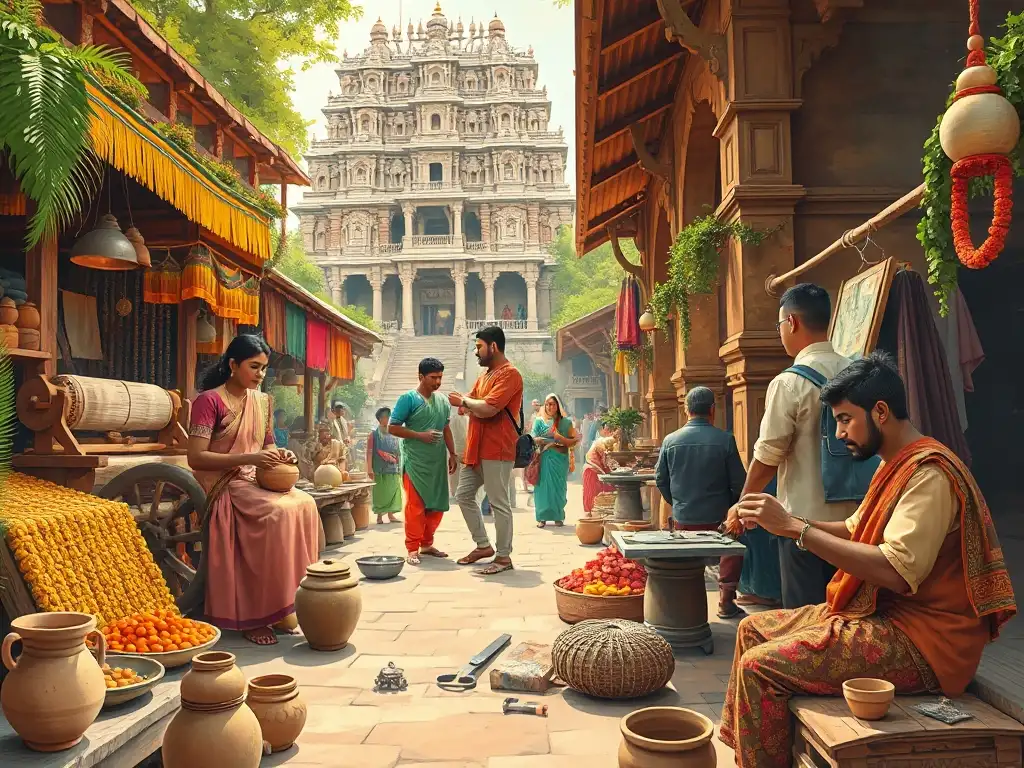
Occupations in the Indus Valley Civilization
The Indus Valley Civilization, flourishing around 2500 BCE in what is now Pakistan and northwest India, presents a fascinating glimpse into the early occupations that shaped ancient Indian society. This civilization is known for its advanced urban planning, sophisticated drainage systems, and a rich culture that influenced subsequent societies.
Agricultural Practices and Farming Occupations
Agriculture was the backbone of the Indus Valley economy, with evidence suggesting that the inhabitants practiced a form of mixed farming. Key crops included wheat, barley, peas, and cotton, which were cultivated using advanced techniques.
- Irrigation Systems: The Indus Valley people developed intricate irrigation systems, including canals and reservoirs, to manage water supply effectively. This innovation allowed for higher crop yields and supported a growing population.
- Livestock Farming: Domestication of animals such as cattle, goats, and sheep played a vital role in agriculture. Livestock provided not only meat but also milk and labor for plowing fields, illustrating a symbiotic relationship between farming and animal husbandry.
- Occupational Specialization: As agriculture flourished, various specialized occupations emerged, including farmers, laborers, and landowners. This specialization laid the groundwork for social structures that would evolve in later periods.
Craftsmanship and Trade in the Harappan Era
The Indus Valley Civilization was also marked by its impressive craftsmanship and trade practices, which contributed to its economic prosperity.
- Artisan Professions: Skilled artisans engaged in pottery, metallurgy, bead-making, and textile production. The use of standardized weights and measures indicates a sophisticated level of trade and commerce.
- Trade Networks: The Harappan people established extensive trade routes, connecting them with distant regions like Mesopotamia and Egypt. Goods such as lapis lazuli, semi-precious stones, and cotton textiles were exchanged, showcasing the importance of trade in ancient Indian occupations.
- Marketplaces: Archaeological evidence points to well-organized marketplaces, which facilitated the exchange of goods and ideas, fostering economic growth and cultural interactions.
Occupations during the Vedic Period
The Vedic Period, spanning from around 1500 BCE to 500 BCE, brought significant changes to the occupational landscape of ancient India, influenced by the establishment of social hierarchies and the emergence of ritualistic practices.
Emergence of Varna System and Its Impact on Labor
The Varna system, a social stratification model, emerged during the Vedic Period and had a profound impact on occupations.
- Classification of Society: Society was divided into four main categories: Brahmins (priests and scholars), Kshatriyas (warriors and rulers), Vaishyas (traders and agriculturists), and Shudras (laborers and service providers). This division influenced the roles individuals played in society.
- Occupational Restrictions: The Varna system imposed restrictions on occupational mobility, often determining one's profession at birth. This rigidity affected the labor market and the distribution of skills across different social groups.
- Cultural Significance: The system emphasized the importance of dharma (duty), directing individuals to fulfill their prescribed roles, which shaped the ethical framework of society.
Roles of Brahmins, Kshatriyas, Vaishyas, and Shudras
Each Varna played a distinct role in the occupational hierarchy, contributing to the socio-economic fabric of Vedic society.
- Brahmins: Responsible for religious rituals, education, and the preservation of sacred texts, Brahmins were highly respected and held significant influence over societal norms.
- Kshatriyas: As protectors and rulers, Kshatriyas were involved in governance, military service, and the maintenance of law and order, ensuring stability in society.
- Vaishyas: Engaged in agriculture, trade, and commerce, Vaishyas were crucial for economic development, facilitating the exchange of goods and services.
- Shudras: Tasked with serving the other three Varnas, Shudras performed labor-intensive jobs, from farming to handicrafts, playing an essential role in supporting the economy.
The evolution of occupations in ancient India reflects a dynamic interplay between agriculture, craftsmanship, and social structures. Understanding these early labor systems provides valuable insights into the development of Indian society and its lasting legacy.
The Maurya and Gupta Empires: Economic Development and Occupations
The Maurya and Gupta Empires marked significant periods in ancient Indian history, characterized by substantial economic development and a diversification of occupations. Under the Mauryan Empire, which flourished from the 4th to the 2nd century BCE, India saw the establishment of a centralized administration that facilitated trade, agriculture, and various industries. The Gupta Empire, succeeding the Mauryas from the 4th to the 6th century CE, further built upon this foundation, leading to a golden age of culture and economy.
During these periods, agriculture remained the backbone of the economy, with farmers cultivating crops such as rice, wheat, and barley. However, the agrarian economy began to evolve, with the introduction of irrigation systems and new farming techniques that increased productivity. This agricultural surplus not only supported a growing population but also enabled the rise of urban centers, where commerce and craft industries thrived.
Growth of Trade and Commerce
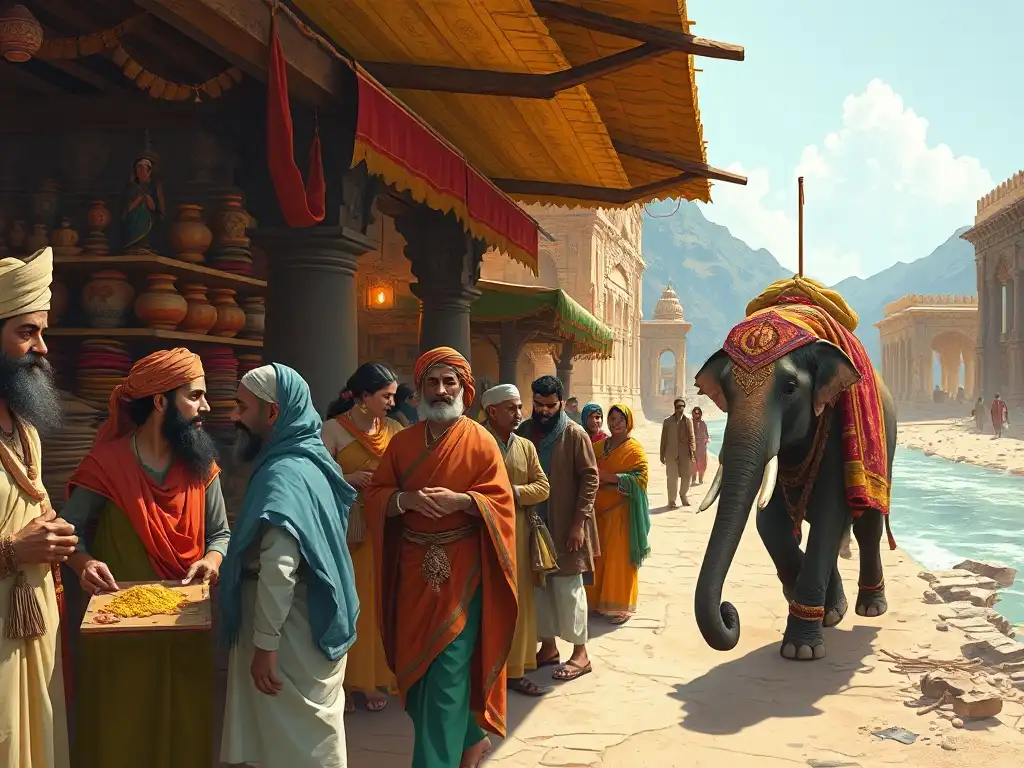
The growth of trade and commerce during the Maurya and Gupta Empires was pivotal in shaping the economic landscape of ancient India. The Mauryan Empire established extensive trade routes that connected various regions of India with Central Asia, the Middle East, and Southeast Asia. These trade networks facilitated the exchange of goods such as spices, textiles, precious stones, and metals, significantly boosting local economies.
The introduction of standardized weights and measures further enhanced trade efficiency, allowing merchants to conduct transactions with greater accuracy. The use of coins, particularly during the Gupta period, also played a crucial role in simplifying trade and commerce. The Gupta rulers issued gold coins, which became a medium of exchange and were widely accepted across the empire.
Additionally, the bustling markets and fairs that emerged during this time became cultural melting pots, where not only goods but also ideas and practices were exchanged. This exchange of culture contributed to a rich tapestry of social and economic life in ancient India.
Professional Guilds and Their Roles
Professional guilds, or "shrenis," were integral to the economic framework of ancient Indian society during the Maurya and Gupta Empires. These guilds represented various trades and crafts, ranging from weaving and metalwork to pottery and agriculture. Each guild ensured quality control, set prices, and regulated the conduct of its members, creating a sense of community and mutual support among artisans and traders.
Guilds played a vital role in the training of new craftsmen, often operating their own schools where skills and techniques were passed down through generations. This system not only preserved traditional crafts but also encouraged innovation, leading to advancements in various industries.
Moreover, guilds were involved in trade negotiations and often acted as intermediaries between producers and consumers. They could wield significant economic power, and their influence extended to the political realm, as many guild leaders were involved in local governance and decision-making processes.
The Maurya and Gupta Empires fostered a dynamic economic environment where occupations flourished. The growth of trade and commerce, alongside the establishment of professional guilds, contributed to a vibrant and diverse occupational landscape that laid the groundwork for future developments in India's economic history.
Specialized Occupations in Ancient India
Artisans and Craftsmen: Skills and Contributions
In ancient India, artisans and craftsmen played a pivotal role in shaping the cultural and economic landscape through their specialized skills. These skilled individuals were responsible for producing a diverse range of goods, from intricate textiles to exquisite metalwork and pottery. The craftsmanship seen in artifacts from the Indus Valley Civilization (circa 3300–1300 BCE) showcases advanced techniques and artistic expression.
Key Contributions:
- Textile Production: The art of weaving was highly developed, with evidence of cotton and silk production. The famous Mohenjo-Daro site revealed loom weights and spindle whorls, indicating sophisticated weaving techniques.
- Metalwork: The use of metals such as bronze and copper was prevalent. Artisans crafted tools, weapons, and decorative items, which not only fulfilled functional needs but also served as status symbols.
- Pottery: Potters employed a variety of techniques to produce utilitarian and ceremonial vessels, often decorated with intricate designs. The use of the potter's wheel around 3000 BCE marked a significant advancement in pottery production.
The guild system, known as shreni, organized these craftsmen into communities, ensuring the preservation and transmission of skills across generations. The legacy of these artisans is evident in the continued reverence for traditional crafts in modern India, highlighting their lasting impact on Indian culture.
Merchants and Traders: Economic Impact of Ancient Indian Occupations
The role of merchants and traders in ancient India was crucial for economic development and cultural exchange. Commerce flourished with the establishment of trade routes that connected India to regions as far as the Mediterranean and Southeast Asia.
Economic Significance:
- Trade Routes: The Silk Road and maritime routes facilitated the exchange of goods such as spices, textiles, and precious stones, enhancing India's economic stature globally.
- Marketplaces: Urban centers became hubs of trade, where merchants operated in bustling markets. Cities like Taxila and Pataliputra were known for their vibrant trade activities.
- Currency Development: The introduction of standardized coins during the Mahajanapadas period marked a significant evolution in trade practices. The use of coins streamlined transactions and facilitated long-distance trade.
Moreover, the establishment of trade agreements and regulations fostered a sense of trust and reliability among traders, which was crucial for economic stability. The contributions of these merchants laid the groundwork for India's rich commercial identity, influencing future generations of entrepreneurs.
Farmers: Techniques and Innovations in Agriculture
Agriculture was the backbone of ancient Indian society, sustaining the population and driving economic growth. Farmers employed various techniques and innovations to enhance productivity and adapt to diverse environmental conditions.
Agricultural Practices:
- Irrigation: Ancient Indians developed sophisticated irrigation systems, including canals and wells, to harness water resources effectively. The Indus Valley Civilization exemplified advanced urban planning with its water management practices.
- Crop Diversification: Farmers cultivated a variety of crops, including rice, wheat, barley, and pulses. This diversification not only ensured food security but also contributed to the development of regional specialties.
- Tools and Implements: The use of iron plows and sickles improved agricultural efficiency. These tools enabled farmers to cultivate larger areas and increase yields.
Innovations in agricultural practices were often documented in texts like the Arthashastra, where Kautilya outlined farming techniques and land management strategies. The agricultural foundations laid during ancient times have had a lasting impact, contributing to India's agricultural practices today and ensuring food supply for a growing population.
Transition of Occupations through the Ages
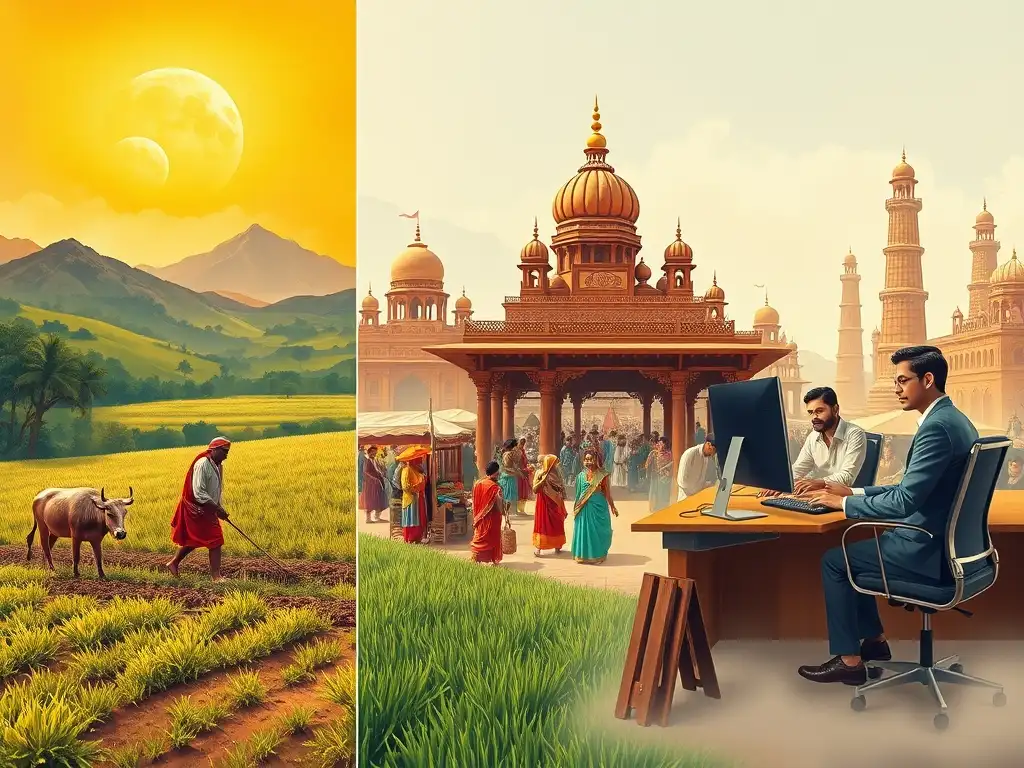
The evolution of occupations in India has witnessed significant transitions from ancient times through various cultural and societal changes. Each period brought with it new challenges and opportunities that shaped the labor landscape. Understanding these transitions offers insight into the broader socio-economic dynamics of ancient India and how they laid the groundwork for modern occupations.
The Decline of Ancient Occupations and the Rise of New Roles
As ancient Indian societies evolved, many traditional occupations began to decline due to various factors, including changes in technology, trade routes, and social structures. For instance, the decline of the Indus Valley Civilization led to the diminishing importance of artisanal crafts that were once prevalent.
- Agricultural Shifts: The introduction of new farming techniques and crops during the Vedic period transformed agricultural practices. This transition saw a decline in certain traditional farming methods, as larger-scale production became necessary to support growing populations.
- Rise of Urban Centers: The emergence of urban centers during the Maurya and Gupta empires brought about new occupational roles. Craftsmen, traders, and service providers began to thrive in urban settings, marking a departure from the predominantly agrarian economy of earlier times.
- Specialization and Guilds: With urbanization came the formation of guilds, which organized various crafts and trades. This shift not only resulted in the decline of generalized labor but also led to the emergence of specialized occupations, paving the way for a more structured economy.
Influence of Foreign Invasions and Cultural Exchanges
The rich tapestry of ancient Indian occupations was also shaped by foreign invasions and cultural exchanges. Each interaction brought new ideas, technologies, and occupational practices that influenced local economies.
- Persian and Hellenistic Influence: The invasions by the Persians and later the Greeks introduced new administrative and military roles. The incorporation of foreign soldiers and officials into Indian armies and courts expanded the spectrum of available occupations.
- Trade Routes: The establishment of trade routes, especially during the Gupta Empire, facilitated the exchange of goods and ideas. This connectivity led to the rise of merchant classes and traders who specialized in both local and long-distance trade, enhancing economic diversity.
- Cultural Syncretism: The blending of different cultural practices introduced new skills and crafts. For example, the arrival of artisans from various regions contributed to the diversification of artistic occupations, particularly in pottery, textiles, and metalwork.
The Role of Religion and Philosophy in Shaping Occupations
Religion and philosophy have historically played a crucial role in defining the structure and hierarchy of occupations in ancient India. The caste system, rooted in religious texts, significantly influenced occupational choices and social mobility.
- Varna System: The division of society into four main varnas (Brahmins, Kshatriyas, Vaishyas, and Shudras) dictated occupational roles. Brahmins primarily engaged in religious and scholarly pursuits, while Kshatriyas took on military and administrative roles. Vaishyas were involved in commerce and agriculture, whereas Shudras performed menial labor.
- Philosophical Teachings: Philosophical doctrines, such as those found in the Bhagavad Gita, emphasized the importance of one’s duty (dharma) in life. This notion reinforced the idea that individuals should adhere to their prescribed roles, which influenced occupational continuity across generations.
- Impact of Religious Institutions: Temples and religious institutions became centers of economic activity, providing employment in various sectors. They employed priests, artisans, and laborers, thus creating a complex web of occupational roles intertwined with spiritual duties.
The transition of occupations in ancient India reflects the resilience and adaptability of its civilizations. By examining the interplay between various factors—declining ancient roles, foreign influences, and religious structures—we can gain a deeper understanding of the intricate history of occupations in this remarkable region.
Case Studies of Notable Ancient Occupations
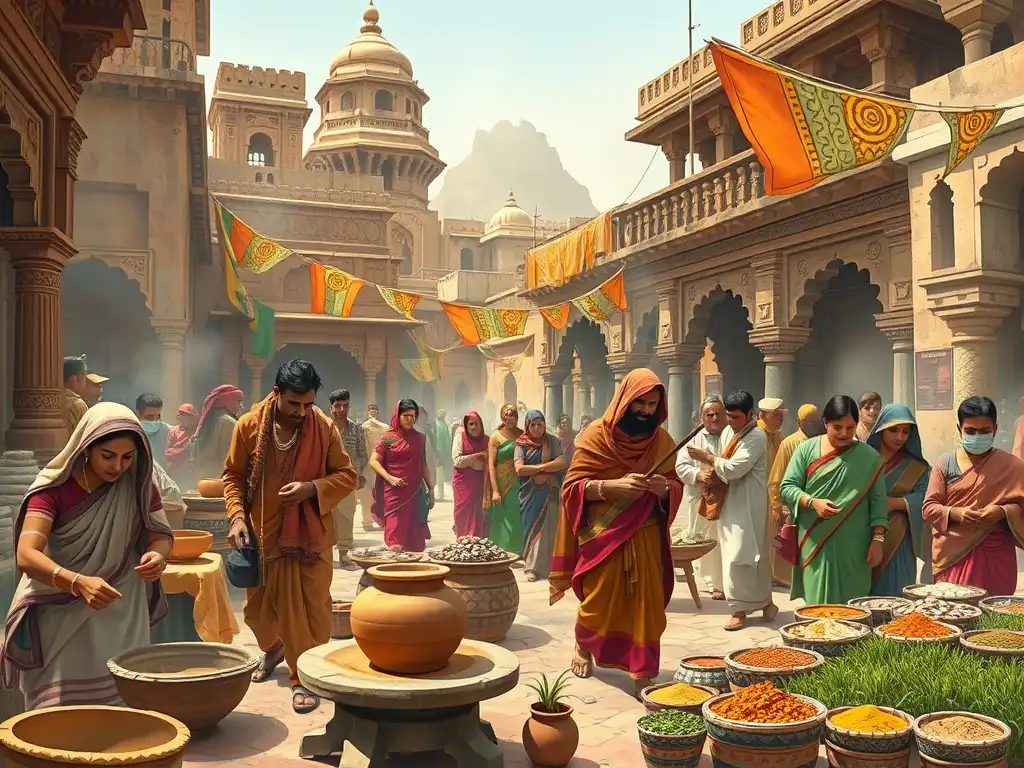
The study of ancient Indian occupations provides a window into the lives of its people, their skills, and their contributions to society. Various occupations emerged, each uniquely shaping the social and economic landscape of ancient India. This section explores three significant occupations: pottery, weaving, and metalworking, highlighting their techniques, cultural significance, and impact on daily life.
Analysis of Specific Occupations: Pottery, Weaving, and Metalworking
Pottery
Pottery was one of the earliest crafts in ancient India, with evidence dating back to the Indus Valley Civilization (c. 3300–1300 BCE). The potters utilized locally available clay and employed techniques like coiling and molding.
- Types of Pottery:
- Painted Pottery: Often adorned with intricate designs, reflecting the cultural aesthetics of the time.
- Utility Pottery: Used for everyday purposes such as cooking and storage.
Pottery not only served functional purposes but also played a ceremonial role. For instance, burial pottery found at sites like Harappa indicates its significance in rituals and the afterlife.
Weaving
Weaving has been an essential occupation in India for millennia, with references found in Vedic texts. Ancient weavers utilized natural fibers like cotton, silk, and jute, showcasing remarkable craftsmanship.
- Techniques:
- Handlooms: Traditional looms were operated manually, producing intricate patterns.
- Dyeing: Natural dyes from plants and minerals were used to create vibrant textiles.
The impact of weaving extended beyond economic aspects; it was a means of cultural expression. The patterns and motifs often represented regional identities and social status, influencing trade and community interactions.
Metalworking
Metalworking flourished in ancient India, particularly during the Maurya and Gupta periods (c. 322 BCE–550 CE). Artisans crafted tools, weapons, and ornaments using metals such as copper, bronze, and iron.
- Innovations:
- Iron Smelting: The development of iron smelting technology revolutionized agriculture and warfare.
- Craftsmanship: Noteworthy artifacts like the Iron Pillar of Delhi exemplify the advanced metallurgical skills of the time.
Metalworking was crucial in daily life, affecting agriculture through the production of tools, and enhancing trade with the creation of metal coins. This occupation significantly contributed to the economic prosperity of ancient Indian civilizations.
The Impact of Occupations on Daily Life and Society
The occupations of ancient India were intricately woven into the fabric of daily life and societal structure. They influenced social hierarchies, economic exchanges, and cultural practices.
- Social Structure:
- Occupations often determined social status, leading to the formation of guilds and communities based on crafts and trades.
- The caste system also emerged in part due to occupational specialization, with different groups assigned specific trades.
- Economic Impact:
- The production of goods like textiles and pottery facilitated trade, both locally and with foreign civilizations.
- Craftsmanship contributed to wealth accumulation, allowing artisans and traders to gain prominence in society.
- Cultural Influence:
- Artisans frequently incorporated cultural motifs and religious symbols into their work, preserving and promoting traditions.
- Festivals and rituals often revolved around the crafts, highlighting their significance in community life.
Ancient Indian occupations like pottery, weaving, and metalworking not only reflect the technical skills of the time but also embody the social, economic, and cultural dimensions of ancient Indian civilization. Understanding these occupations provides essential insights into the daily lives of people and the evolution of society throughout ancient India.
Conclusion: The Legacy of Ancient Indian Occupations
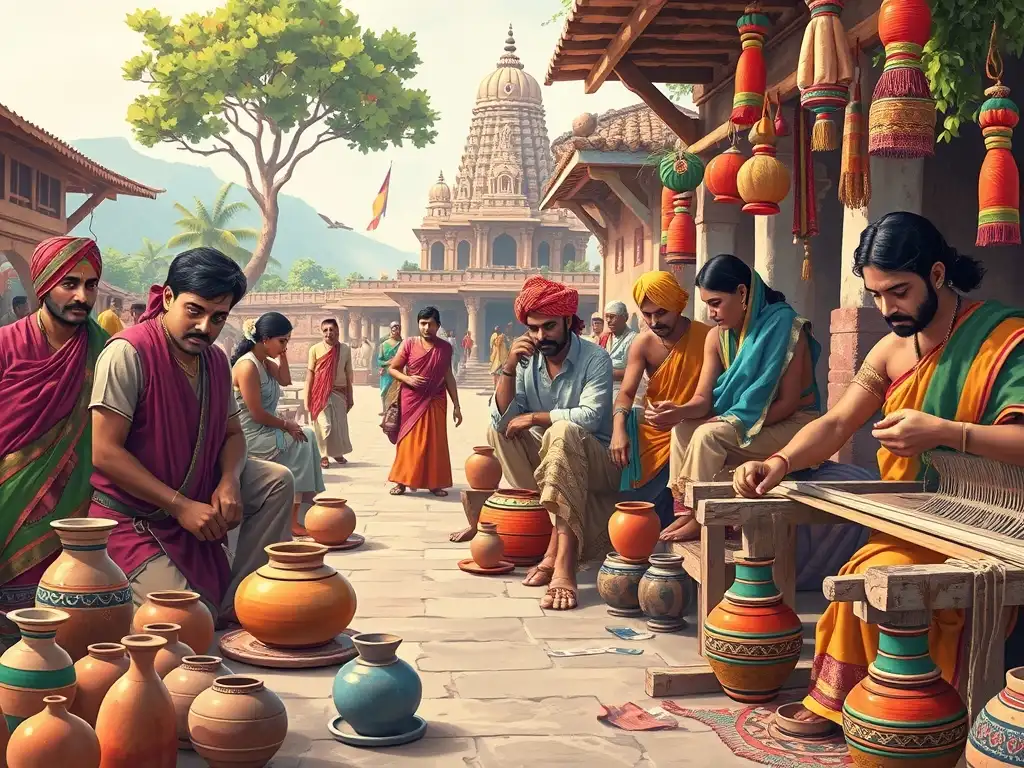
The evolution of occupations in ancient India reflects a profound interconnectedness between society, culture, and economic practices. The labor systems that emerged during this period not only shaped the daily lives of individuals but also laid the groundwork for the diverse occupational landscape we see today. Understanding the ancient Indian occupations history allows us to appreciate the complexities of social stratification, skills specialization, and the economic frameworks that were established in ancient civilizations.
Reflection on the Evolution of Labor Systems in India
The labor systems in ancient India evolved through various phases, influenced by factors such as geography, trade, technological advancements, and cultural exchanges. From the agrarian societies of the Indus Valley Civilization to the more complex feudal systems during the Gupta Empire, each epoch introduced new forms of occupation that catered to the needs of the time.
- Agriculture emerged as the cornerstone of the economy, with communities dedicating themselves to cultivating crops, which was further supported by innovations in irrigation and land management.
- Artisans and craftsmen began to flourish, creating a rich tapestry of goods ranging from textiles to metalworks. This specialization not only enhanced productivity but also fostered trade networks that connected various regions.
- Trade and commerce developed significantly, with merchants playing a crucial role in the economic systems. This evolution marked the advent of a more complex economic structure that included a variety of occupations focused on both local and international markets.
The ancient Indian occupations history illustrates an adaptive labor system that responded to environmental and societal changes. Such adaptability has been crucial in shaping the diverse occupational practices that persist in modern India.
Relevance of Ancient Occupations in Contemporary Society
The legacy of ancient Indian occupations continues to influence contemporary society in numerous ways. Many traditional crafts, agricultural practices, and trade routes established in ancient times still exist, albeit transformed to meet modern demands.
- Cultural Heritage:
- The skills passed down through generations, such as pottery, weaving, and metalwork, remain integral to India's cultural identity. Festivals and fairs often celebrate these ancient crafts, sustaining their relevance in today’s economy.
- Agricultural Practices:
- Techniques and knowledge from ancient agrarian societies are still employed by farmers, particularly in organic and sustainable farming practices. The understanding of local ecosystems, which was critical in ancient times, is now being revisited to address contemporary challenges in food security.
- Economic Systems:
- The foundations of trade established during ancient times have evolved into modern economic practices, including e-commerce and global trade networks. The spirit of entrepreneurship that flourished in ancient Indian markets continues to drive innovation today.
The ancient Indian occupations history is not merely a relic of the past; it is a living legacy that informs and enhances the present. The adaptability, creativity, and resilience of these occupations underscore their significance in the ongoing narrative of India’s socio-economic development. Recognizing this connection allows for a deeper appreciation of how ancient practices shape modern life, highlighting the importance of preserving these traditions for future generations.
References and Further Reading
Suggested Literature on Ancient Indian Occupations History
To gain a comprehensive understanding of the ancient Indian occupations history, several key texts provide valuable insights into the labor systems, societal structures, and economic practices of ancient Indian civilizations. Below is a curated list of suggested literature:
- "The Economic History of India" by Romesh Dutt
- This seminal work explores the economic systems, including occupations prevalent in ancient India, detailing trade practices and the impact of colonialism.
- "The Indus Civilization: A Contemporary Perspective" by Gregory L. Possehl
- Possehl's research delves into the Indus Valley civilization, highlighting the various occupations and crafts practiced by its inhabitants, including pottery, metallurgy, and trade.
- "Ancient Indian Society and Culture" by R. S. Sharma
- Sharma examines the social dynamics and the evolution of occupations from early Vedic times through the Maurya and Gupta empires, focusing on class structures and labor divisions.
- "Crafts and Craftsmen of Ancient India" by S. P. Gupta
- This book provides an in-depth look at artisanship in ancient India, detailing various crafts, the role of craftsmen, and their contributions to society.
- "Society in Ancient India" by D. N. Jha
- Jha’s analysis covers the social stratification and occupations within ancient Indian societies, emphasizing the roles played by different communities.
Online Resources for Exploring Ancient Indian Labor Systems
In addition to literature, numerous online resources can facilitate further exploration into the ancient Indian occupations history. Here are some recommended platforms:
-
Digital South Asia Library
A comprehensive resource offering access to a variety of texts, maps, and images related to South Asian history, including ancient occupations.
-
India History Congress
This platform hosts papers and proceedings from various historical conferences, providing insights into ongoing research in ancient Indian history and occupations.
-
Archaeological Survey of India (ASI)
The official website of ASI contains reports and findings on archaeological sites, which often include information on ancient occupations based on excavation results.
-
Online Journals and Databases
Websites like JSTOR and Project MUSE provide access to scholarly articles focused on Indian labor systems and historical occupations, offering a wealth of peer-reviewed research.
-
YouTube Educational Channels
Channels like "CrashCourse" and "The History Guy" often feature episodes on ancient civilizations, including segments on occupations in ancient India that can visually enrich understanding.
These resources serve as an excellent starting point for anyone interested in delving deeper into the fascinating history of occupations in ancient India, revealing the complexity and diversity of labor systems that shaped its rich cultural heritage.
Frequently Asked Questions
What were the primary occupations in ancient India?
In ancient India, agriculture was the backbone of the economy, alongside trading, craftsmanship, and fishing. These occupations formed the basis of societal structure and contributed significantly to cultural development.
The caste system played a crucial role in determining one’s occupation. Each caste was associated with specific occupational roles, which were often hereditary, influencing the economic and social dynamics of ancient Indian society.
What role did trade play in ancient Indian occupations?
Trade was vital for economic growth, allowing ancient Indians to exchange goods such as spices, textiles, and artifacts. This interaction with other civilizations led to the development of new occupational sectors and cultural exchanges.
How did technological advancements impact occupations in ancient India?
Technological advancements, such as improvements in agricultural tools and craft techniques, significantly enhanced productivity. This allowed for the emergence of new occupations and the specialization of labor in various sectors.
What were some key contributions of ancient Indian occupations to modern society?
Ancient Indian occupations laid the groundwork for various industries today, including agriculture, handicrafts, and trade practices. Their legacy continues to influence contemporary economic activities and cultural identity.
Final Reflection: The Enduring Legacy of Ancient Indian Occupations
The evolution of occupations in India is not just a historical narrative; it is a testament to the resilience and adaptability of a civilization that has thrived for millennia. Today, as we navigate a rapidly changing global economy, understanding the roots of our labor practices and the diverse skill sets that have emerged over time is crucial. The rich tapestry of ancient Indian occupations history offers invaluable insights into how cultural, social, and economic factors shape our work and identity.
The influence of these ancient occupations continues to permeate our modern society, reminding us of the interconnectedness of our past and present. From artisans and farmers to scholars and traders, each profession has contributed to the cultural fabric of India, fostering a sense of community and shared purpose.
As Mahatma Gandhi once said, "> The best way to find yourself is to lose yourself in the service of others." This quote encapsulates the essence of how ancient occupations were not merely a means of survival but a way to contribute to the greater good, a principle that remains relevant today.
As we reflect on the lessons from ancient Indian occupations, I invite you to consider how these insights can inform your own life and career choices. What skills or values from our rich history can you incorporate into your daily work? Embrace the spirit of adaptability and service that has characterized Indian occupations for centuries. By doing so, you not only honor the legacy of those who came before us but also pave the way for a more meaningful and impactful future.
Embrace the Future of Work: Explore Your Path Forward!
Thank you for taking the time to dive into the fascinating journey of occupations in India! From the ancient artisans to today’s innovators, understanding this evolution offers invaluable insights into our careers and society. Now, it’s your turn to embrace this knowledge and forge your own path.
Here’s how you can take action:
- Reflect on Your Skills: **Identify a traditional craft or occupation that resonates with you** and explore how you can incorporate its principles into your current work or hobbies.
- Share Your Knowledge: **Discuss this article with friends or family**, sparking conversations about how occupations have shaped our lives—this discovery could inspire others too!
- Join a Community: **Look for local workshops or online courses** that celebrate ancient skills or trades, allowing you to connect with like-minded individuals and expand your horizons.
What ancient occupation inspires you to innovate in your own career? **Share your thoughts below! **