
How Trade Routes Influenced the Caste System in Ancient Indian Society

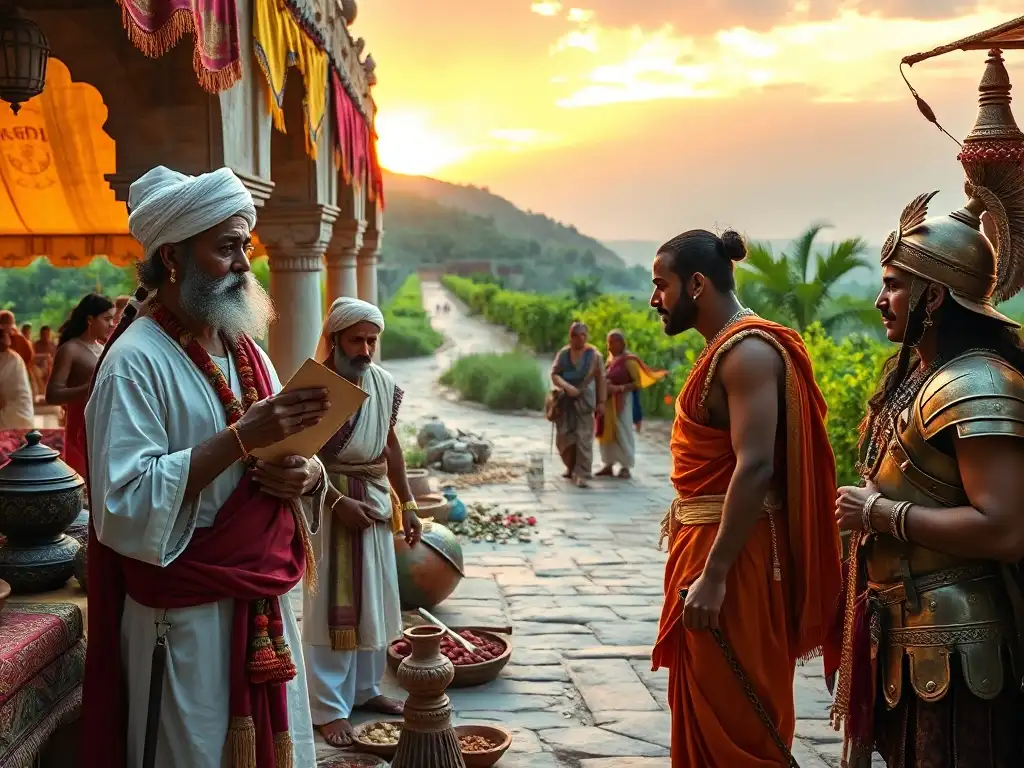
Welcome to Ancient India History, where we embark on an enthralling journey through the rich tapestry of ancient Indian civilizations! Dive into the fascinating interplay between trade routes and the caste system—two pivotal elements that shaped the daily life and society of this remarkable era. Discover how the bustling corridors of commerce influenced social structures and cultural exchange, igniting your curiosity about the intricate dynamics of ancient India.
As you explore our main article, “How Trade Routes Influenced the Caste System in Ancient Indian Society,” prepare to uncover the threads that connect commerce and community in a world that is both distant and profoundly influential. Your adventure into the past begins now!
- Introduction to Trade Routes and the Caste System in Ancient India
- The Development of Trade Routes in Ancient India
- The Caste System: An Overview
- Influence of Trade Routes on the Caste System
- Case Studies of Trade Routes Impacting Caste Dynamics
- The Interplay Between Trade and Caste in Daily Life
- Conclusion: Lasting Impact of Trade Routes on Caste System
- Frequently Asked Questions
- Final Reflection: The Enduring Legacy of Trade Routes and the Caste System
- Transform Your Understanding of Ancient Societies!
Introduction to Trade Routes and the Caste System in Ancient India
In ancient India, the intricate tapestry of society was woven from a multitude of influences, one of which was the dynamic interplay between trade routes and the caste system. This article delves into how these trade routes not only facilitated commerce but also shaped the social hierarchy and interactions among various groups within ancient Indian civilization.
The caste system, a complex social stratification that defined individuals' roles, responsibilities, and status, was both influenced by and responded to the economic opportunities created by trade. Understanding this relationship provides valuable insights into the development of ancient Indian society, showcasing how economic factors can intertwine with social structures in profound ways.
Overview of Ancient Indian Society
Ancient Indian society was characterized by a rich diversity of cultures, languages, and traditions. The social structure was primarily organized around the caste system, which divided people into distinct groups based on their occupations and social roles. This system was not merely a rigid hierarchy; it allowed for some degree of mobility and interaction among different castes, particularly influenced by economic factors.
Key features of ancient Indian society included:
- Varna System: The four primary categories—Brahmins (priests), Kshatriyas (warriors), Vaishyas (traders and agriculturists), and Shudras (laborers and service providers)—defined social roles and responsibilities.
- Occupational Specialization: Each caste was associated with specific occupations, contributing to the economy and cultural practices of the time.
- Religious Influences: The caste system was deeply intertwined with religious beliefs, impacting marriage, dietary practices, and social interactions.
Understanding these foundational aspects of ancient Indian society is crucial for analyzing how trade routes influenced the evolution and dynamics of the caste system.
Importance of Trade Routes in Ancient India
Trade routes played a pivotal role in the economic development of ancient India, facilitating not only the exchange of goods but also the movement of ideas, cultures, and social practices. The major trade routes included:
- Silk Road: Connected India with Central Asia and beyond, allowing for the exchange of silk, spices, and other luxury goods.
- Maritime Routes: Sea routes linked India with the Middle East, Southeast Asia, and Africa, promoting trade in textiles, precious stones, and spices.
The significance of these routes can be highlighted through several points:
- Economic Prosperity: Trade routes contributed to the wealth of cities and states, leading to urbanization and the growth of markets.
- Cultural Exchange: Interaction with traders from various regions facilitated the exchange of ideas, religions, and cultural practices, enriching the social fabric.
- Impact on Society: Increased trade created new economic opportunities, allowing for the emergence of merchant classes, which began to challenge traditional caste boundaries.
Thus, the importance of trade routes in ancient India extends beyond mere commerce; they were instrumental in shaping societal dynamics.
The interplay between trade and the caste system in ancient India is a fascinating study of how economic factors can influence social structures. As trade flourished, it led to the following developments:
- Emergence of New Castes: The rise of a merchant class (Vaishyas) created a new layer within the caste system, leading to greater economic mobility and interaction among different castes.
- Shift in Social Norms: Increased wealth among traders began to challenge the traditional dominance of the land-owning and warrior classes (Kshatriyas), leading to a re-evaluation of social status based on economic power rather than birth.
- Regional Variations: Different regions experienced unique effects based on their trade relationships, leading to variations in the caste system and practices across the subcontinent.
This connection underscores the complexity of ancient Indian society, illustrating how trade not only fostered economic growth but also influenced social stratification and interactions among diverse groups. The legacy of these interactions can still be traced in the modern social landscape of India, making this topic not only relevant for historians but also for understanding contemporary societal dynamics.
The Development of Trade Routes in Ancient India
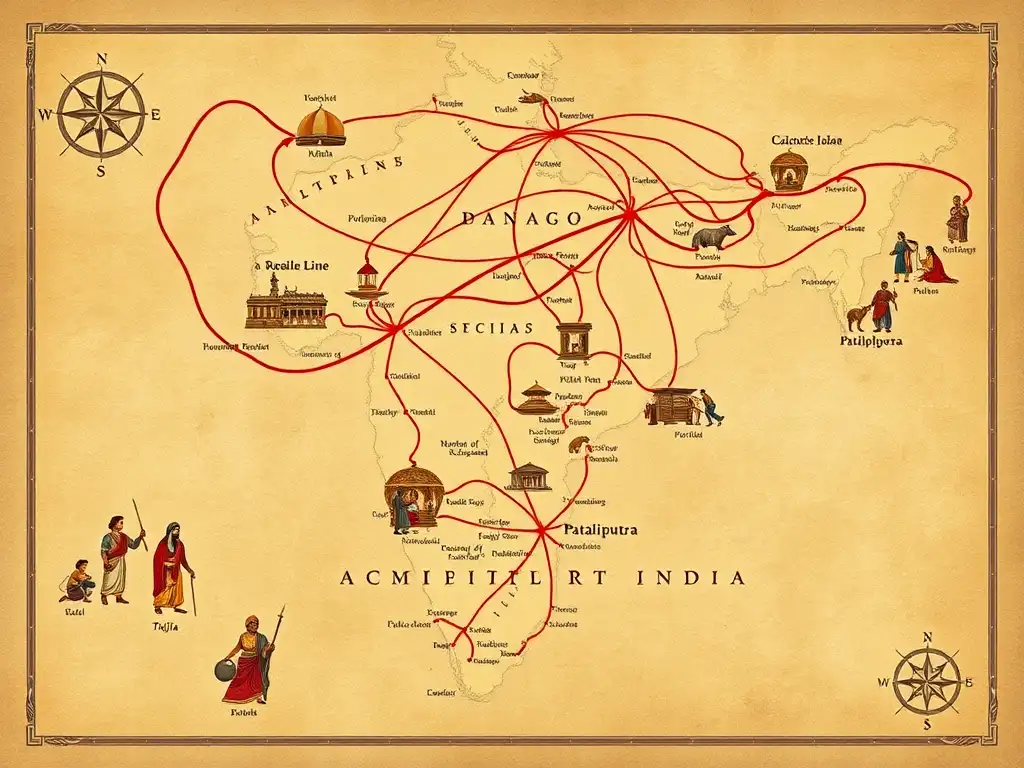
The development of trade routes in ancient India was a significant catalyst for economic, cultural, and social transformations. These routes not only facilitated the exchange of goods but also played a pivotal role in shaping the societal structure, including the caste system. The flourishing trade networks connected various regions of India with the broader world, allowing for the movement of commodities, ideas, and people.
Major Trade Routes of Ancient India
Several key trade routes emerged in ancient India, each contributing uniquely to the economy and society.
- Silk Road:
- This famous route linked India with Central Asia, the Middle East, and beyond. It facilitated trade in silk, spices, and precious stones.
- The interactions along the Silk Road led to the incorporation of diverse cultural practices and ideas, impacting social structures, including caste dynamics.
- Maritime Trade Routes:
- Coastal trade routes connected India with regions like Southeast Asia, the Arabian Peninsula, and East Africa.
- Important ports such as Lothal and Sopara became bustling centers for maritime commerce, promoting cultural exchanges that enriched local traditions and lifestyles.
- Overland Trade Routes:
- Routes through the northwestern passes served as conduits for traders from Persia and beyond, introducing new goods and cultural influences.
- The establishment of trade cities along these routes fostered urbanization, which in turn influenced social stratification and the formation of new caste identities.
Influences of Geography on Trade
The geographical features of ancient India significantly influenced the development and expansion of trade routes.
-
Natural Barriers:
The Himalayas and the Thar Desert acted as both barriers and gateways, directing trade towards specific paths while also protecting regions from invasions.
- Mountain Passes: Routes through mountain passes allowed for trade with Central Asian civilizations, leading to interactions that impacted local societies.
-
Rivers:
Major rivers like the Ganges and Indus provided vital water routes for transporting goods. These waterways not only enabled trade but also supported agriculture, which was fundamental to the sustenance of various communities.
- As trade flourished along these rivers, settlements developed, leading to the emergence of different occupational groups that gradually became associated with specific castes.
Cultural Exchange Through Trade Networks
Trade networks served as conduits for cultural exchange, which influenced the social fabric of ancient Indian society and the evolution of the caste system.
-
Introduction of New Ideas:
The influx of foreign ideas, religions, and practices through trade led to a more complex social structure. The arrival of Buddhism and Jainism, for instance, challenged the rigidities of the existing caste system, promoting ideas of equality and moral behavior.
- Syncretism: Trade fostered syncretism, where local customs blended with foreign traditions, leading to the formation of new practices that transcended traditional caste boundaries.
-
Occupational Diversification:
As trade expanded, different occupations emerged, leading to the creation of new castes. Artisans, merchants, and traders developed specialized skills, which contributed to the evolution of the caste system.
- This diversification allowed for greater mobility within certain groups, challenging the stratifications of the traditional caste hierarchy.
The intricate interplay between trade routes and the caste system in ancient India reveals the profound ways in which commerce influenced social structures. As trade flourished, it not only facilitated economic growth but also encouraged cultural exchanges that reshaped the identities and roles within society.
The Caste System: An Overview
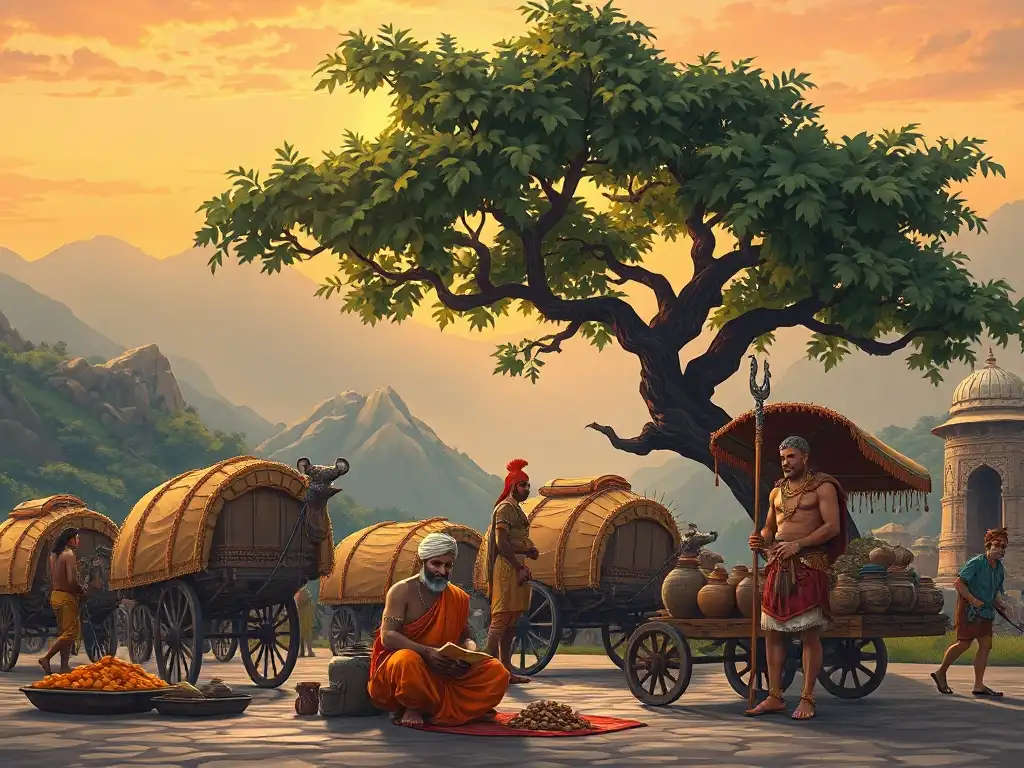
The caste system in ancient India is a complex social stratification that has deep historical roots and has played a significant role in shaping the societal framework of the region. It primarily categorizes individuals into hierarchical groups based on their occupation, social status, and ritual purity. This system has evolved over centuries, influenced by various factors, including trade routes that facilitated cultural exchange and economic interactions.
Definition and Origins of the Caste System
The term "caste" is derived from the Portuguese word "casta," meaning lineage or breed. In ancient India, the caste system can be traced back to the Vedic texts, particularly the Rigveda, which mentions the concept of "varna." The origins of the caste system are often linked to the division of labor in society, where specific groups were assigned distinct roles, leading to the establishment of social hierarchies.
The caste system is traditionally classified into four main categories, known as Varnas:
- Brahmins: The priestly class, responsible for religious rituals and the preservation of sacred texts.
- Kshatriyas: The warrior and ruling class, tasked with protecting and governing the land.
- Vaishyas: The merchant and agricultural class, engaged in trade and commerce.
- Shudras: The laboring class, responsible for serving the other three varnas.
The origins of the caste system are complex and may have also been influenced by geographical and economic factors, including the development of trade routes that linked various regions of India and beyond.
The Four Main Varnas in Ancient Indian Society
The four Varnas represent the primary social divisions in ancient Indian society, each with distinct roles, responsibilities, and societal functions.
- Brahmins: As the highest caste, Brahmins held significant power and prestige in society. They were the keepers of sacred knowledge and rituals, and their influence extended to educational and spiritual domains. Their role was not only limited to performing rituals but also included teaching and providing counsel to rulers.
- Kshatriyas: This warrior class was essential for maintaining order and protection in society. Kshatriyas were responsible for military leadership and governance. The ruling dynasties of ancient India, such as the Mauryas and Guptas, were predominantly composed of Kshatriyas, emphasizing their critical role in the political landscape.
- Vaishyas: Engaged in trade, agriculture, and commerce, the Vaishyas played a vital role in the economic development of ancient India. Their participation in trade routes facilitated the exchange of goods and ideas, contributing to the prosperity of urban centers and markets.
- Shudras: As the laboring class, Shudras performed various menial tasks and services for the upper three varnas. Their contributions were essential for the functioning of society, although they often faced social stigmas and limited opportunities for upward mobility.
While Varnas provide a broad classification of society, the concept of jatis introduces a more intricate layer to social stratification in ancient India. Jatis are sub-castes or communities that emerged within the varna system, often based on specific occupations, regional identities, and cultural practices.
- Occupational Specialization: Jatis allowed for greater specialization in various trades and crafts. For example, within the Vaishya varna, different jatis emerged for merchants, artisans, and farmers, each with distinct practices and customs.
- Regional Variations: The diversity of India led to the emergence of numerous jatis that reflected local customs and traditions. This regionalism contributed to the rich tapestry of Indian society, where each community maintained its own identity while adhering to the broader varna framework.
- Influence of Trade Routes: Trade routes significantly impacted the formation and evolution of jatis. As trade flourished, interactions between different communities led to the exchange of ideas and practices, which in turn influenced social structures. For instance, communities involved in trade often attained higher social status, leading to the formation of new jatis within the Vaishya varna.
The caste system in ancient India, with its four primary varnas and numerous jatis, reflects a complex interplay of social, economic, and cultural factors. The influence of trade routes on this system highlights the dynamic nature of ancient Indian society and its capacity for adaptation and change.
Influence of Trade Routes on the Caste System
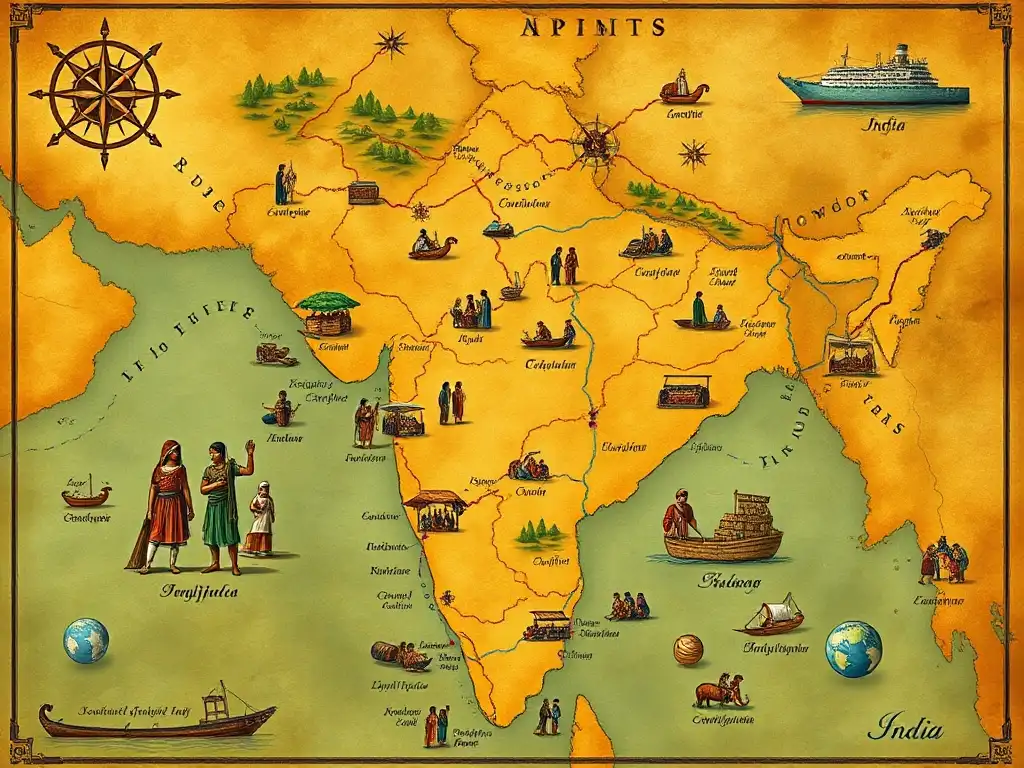
The trade routes in ancient India played a pivotal role in shaping the socio-economic landscape, directly influencing the caste system. As these routes expanded and diversified, they facilitated not only the exchange of goods but also the intermingling of cultures, ideas, and social structures. Trade routes, including the famous Silk Road and maritime paths, connected India to various civilizations, leading to significant changes in how communities interacted and evolved. This interaction was crucial in redefining occupational roles and social hierarchies within the caste system.
Economic Factors Shaping the Caste System
The establishment of trade routes had profound economic implications that directly impacted the caste system. As trade flourished, new economic activities emerged, leading to an increased demand for various goods and services. This economic growth allowed certain groups to gain wealth and power, which, in turn, began to challenge traditional caste hierarchies.
- Increased Demand for Artisans and Merchants:
- With the rise of trade, there was a higher demand for skilled artisans and merchants.
- This demand led to the formation of new sub-castes or varnas, particularly among those engaged in trade and craftsmanship.
- Wealth Accumulation and Social Status:
- Wealth became a significant factor in determining social status, often overshadowing traditional caste distinctions.
- Successful traders and artisans could attain higher social recognition, which began to erode the rigid boundaries of the caste system.
- Regional Variations in Caste Dynamics:
- Different regions experienced varying impacts based on their trade relationships.
- For instance, coastal areas engaged in maritime trade often saw a blend of cultures, leading to unique adaptations of caste roles.
The Emergence of New Occupational Groups
As trade routes expanded, the need for diverse occupational roles became apparent, leading to the emergence of new occupational groups that did not fit neatly into the established caste system.
- Formation of New Castes:
- The influx of goods and the necessity for specialized skills resulted in the creation of new castes, such as merchants (Vaishyas) and various artisan groups.
- These new castes often developed their own identity and social practices, contributing to the evolving nature of the caste system.
- Integration of Foreign Influences:
- Trade brought in foreign influences that introduced new crafts and practices.
- For example, the interaction with Persian and Greek traders led to the adoption of new techniques in metallurgy and art, which created new opportunities for artisans.
- Changing Roles of Traditional Castes:
- Traditional castes, such as farmers and laborers, began to diversify their roles within the economy.
- Many took on additional responsibilities related to trade, such as logistics and transportation, further blurring the lines of caste-defined occupations.
Trade routes not only influenced the economic landscape but also facilitated social mobility, allowing individuals to transcend traditional caste boundaries.
- Opportunities for Economic Advancement:
- Individuals who engaged in trade often had the potential to amass wealth, which could lead to a higher social standing.
- Successful merchants were sometimes able to gain recognition and respect previously reserved for higher castes.
- Inter-caste Marriages:
- The interactions among different communities along trade routes led to increased socialization and inter-caste marriages.
- Such unions often resulted in the blending of cultural practices and the gradual acceptance of new social norms.
- Cultural Exchange and Acceptance:
- As different groups interacted, there was a mutual exchange of ideas and customs, which fostered a more inclusive societal structure.
- This cultural exchange often led to a more flexible interpretation of the caste system, allowing for greater social fluidity.
The influence of trade routes on the caste system in ancient India was significant and multifaceted. Economic factors played a crucial role in shaping the dynamics of caste, while the emergence of new occupational groups and opportunities for social mobility contributed to a more complex and evolving social structure. The intricate relationship between trade and the caste system highlights the adaptability of ancient Indian society in response to changing economic and social realities.
Case Studies of Trade Routes Impacting Caste Dynamics
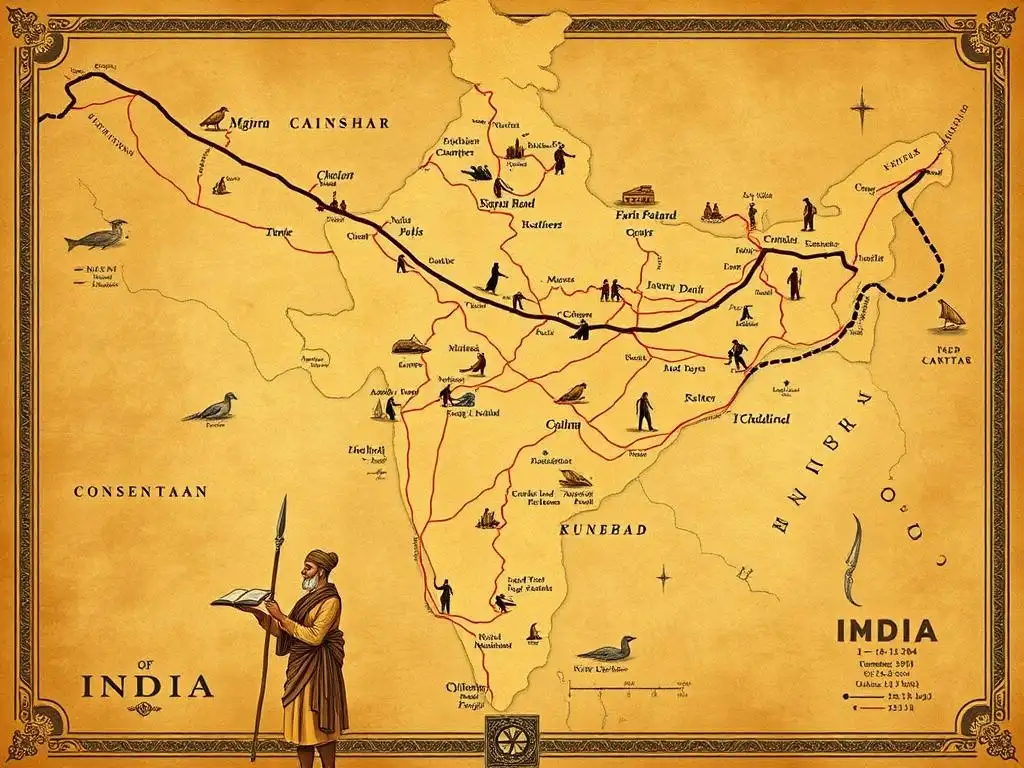
The intricate relationship between trade routes and the caste system in ancient India presents a fascinating study of social dynamics. As trade flourished, it not only facilitated economic transactions but also influenced social hierarchies and interactions between different caste groups. In this section, we explore specific case studies that illustrate how various trade routes shaped caste dynamics.
The Silk Road, a network of trade routes connecting the East and West, had profound implications for ancient Indian society. Stretching from China to the Mediterranean, this route enabled the exchange of goods, ideas, and cultures.
- Cultural Exchange: As merchants traveled along the Silk Road, they brought with them not only products such as silk, spices, and precious stones but also cultural and religious ideas. This interaction led to a blending of cultures, where local communities began to adopt foreign customs, affecting their traditional caste practices.
- Economic Mobility: The wealth generated through trade allowed certain caste groups, particularly the Vaishyas (the merchant class), to gain prominence. As these traders amassed wealth, their social status began to rise, challenging the rigid structures of the caste system. This shift facilitated greater social mobility and interaction among different castes, leading to a more fluid social environment.
- Formation of New Caste Groups: The influx of merchants and traders from different regions contributed to the formation of new caste identities. For example, communities of foreign traders often settled in Indian cities, leading to the emergence of merchant castes that were distinct from the traditional agrarian castes.
Maritime Trade Routes and Caste Interaction
In addition to overland trade, maritime trade routes played a crucial role in shaping the caste system in coastal regions of India. These sea routes connected India with Southeast Asia, the Arabian Peninsula, and beyond.
- Cross-Cultural Relations: Maritime trade facilitated interactions between Indian traders and foreign merchants, resulting in a rich tapestry of cultural exchange. The arrival of traders from diverse backgrounds created opportunities for inter-caste interactions, leading to the sharing of ideas, customs, and practices.
- Community Integration: Coastal trading hubs often became melting pots of different cultures, which impacted the traditional caste structure. Local communities adapted to the influx of new influences, leading to changes in their social practices. For instance, intermarriage between local populations and foreign traders occasionally occurred, resulting in the formation of new social groups that were more inclusive and less strictly defined by caste.
- Economic Influence on Caste Status: The economic benefits derived from maritime trade allowed certain castes, particularly those involved in shipping and trade, to elevate their status within the social hierarchy. The rise of merchant communities along the coasts challenged traditional agrarian dominance, causing a re-evaluation of caste roles.
Local Trade Networks and Community Structure
Local trade networks, often overlooked in the grand narrative of ancient Indian trade, played a significant role in influencing caste relationships within specific regions.
- Regional Trade Hubs: Towns and villages that served as trade centers witnessed a convergence of various caste groups. The interactions that occurred in these hubs allowed for the exchange of goods and services, fostering a sense of community among diverse castes.
- Caste Interdependence: The necessity of collaboration in local trade often blurred the strict boundaries of the caste system. For instance, artisans, farmers, and traders relied on each other for their livelihoods, which encouraged a degree of social interaction and interdependence that was less prevalent in more isolated communities.
- Adaptation and Evolution: As local economies evolved, so did the caste system. New professions and trades emerged, leading to the adaptation of caste identities. This evolution was particularly evident in urban areas where economic opportunities prompted individuals to redefine their roles within society.
The influence of trade routes on the caste system in ancient India is a testament to the dynamic interplay between economy and social structure. The case studies of the Silk Road, maritime routes, and local trade networks demonstrate that trade not only facilitated economic exchanges but also reshaped the very fabric of social interactions, leading to a more complex and nuanced understanding of caste dynamics in ancient Indian society.
The Interplay Between Trade and Caste in Daily Life
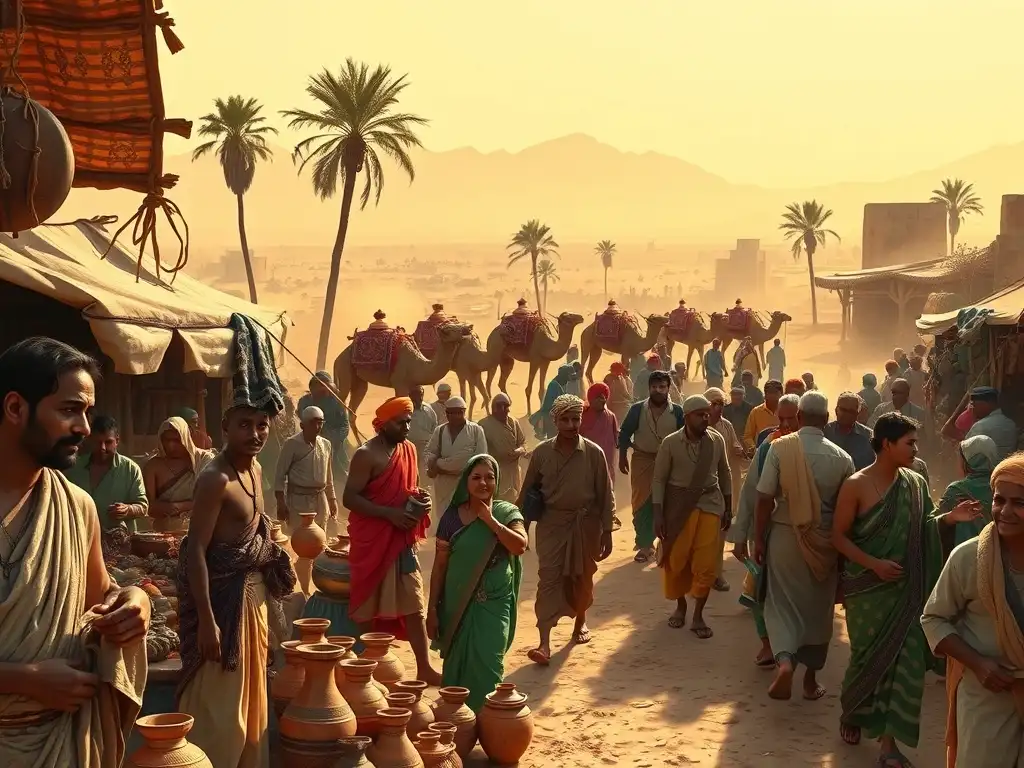
The relationship between trade routes and the caste system in ancient India is complex and multifaceted, influencing various aspects of daily life, social interactions, and economic practices. As trade flourished along key routes, it not only facilitated commerce but also reshaped social dynamics, allowing for a nuanced interplay between economic activity and caste hierarchies.
Daily Life of Traders and Merchants in Caste Society
In ancient Indian society, traders and merchants occupied a unique position within the caste system, often being part of the Vaishya varna, which was traditionally associated with commerce and agriculture. However, the reality of their daily lives was influenced heavily by the regions they operated in and the trade routes they utilized.
- Role and Status: Traders could achieve a considerable level of wealth and influence, allowing them to negotiate their status within the caste hierarchy. For instance, successful merchants from the Vaishya caste often interacted with higher castes, leading to a certain degree of social mobility.
- Regional Variability: The status of merchants varied by region. In bustling trade centers like Taxila and Pataliputra, merchants enjoyed higher social standing due to the economic importance of their activities, while in rural areas, they might still face restrictions related to traditional caste norms.
- Commercial Networks: The establishment of trade routes, such as the Silk Route and the Spice Route, created extensive networks that connected different regions and cultures. This connectivity allowed for the exchange of not just goods but also ideas, leading to a gradual transformation in social norms surrounding caste.
Trade routes served as conduits for cultural exchange, which contributed to the evolution of social practices. The daily lives of traders were, therefore, characterized by a blend of traditional caste obligations and the emerging realities of commercial success and cultural interchange.
Rituals and Practices Influenced by Trade Relationships
The interactions between different castes, facilitated by trade, led to the emergence of new rituals and practices that reflected the blending of cultures. Trade relationships significantly influenced the rituals and practices of communities, leading to a dynamic social fabric.
- Culinary Exchange: As traders traveled along trade routes, they brought with them various culinary practices and ingredients. This exchange enriched local cuisines, prompting communities to adopt new cooking styles and food items, which often transcended caste boundaries.
- Religious Syncretism: Trade also encouraged the exchange of religious ideas and practices. Merchants often engaged in rituals that combined elements from various belief systems, fostering a sense of communal identity that transcended strict caste divisions. For example, festivals involving merchants might incorporate elements from both local traditions and those from distant regions.
- Marriage Alliances: Inter-caste marriages became more common among wealthy merchants, as social status began to shift based on economic power rather than strictly adhering to caste lines. These alliances not only facilitated trade but also helped in creating bonds between different communities.
The rituals and practices influenced by trade relationships thus contributed to a more fluid understanding of caste, allowing some communities to navigate and sometimes challenge traditional hierarchies.
Case Examples of Caste Fluidity and Trade
Historical examples illuminate the ways in which trade routes led to increased caste fluidity in ancient India. Certain regions exhibited notable shifts in caste dynamics due to economic and social interactions facilitated by trade.
- Merchants of Surat: In the 17th century, Surat emerged as a major trading port. Wealthy merchants from various castes, including Muslims and Jains, engaged in lucrative trade with European powers. Their economic success allowed them to gain significant social influence, leading to a blending of caste identities and practices.
- Silk Route Traders: Along the Silk Route, traders from different backgrounds came into contact, leading to the establishment of trade guilds that included members from various castes. This cooperation fostered a sense of unity among traders that often transcended individual caste identities.
- The Role of Jati: The concept of jati, or sub-caste, allowed for greater flexibility within the caste system. As trade expanded, new jatis emerged based on occupational roles within trade, allowing individuals to redefine their social standing based on economic contributions rather than purely hereditary status.
These case examples underscore the profound impact of trade routes on the caste system in ancient India, illustrating how economic forces could challenge and reshape traditional social structures. The interactions fostered by trade not only facilitated commerce but also contributed to a more complex social landscape where caste fluidity became increasingly possible.
Conclusion: Lasting Impact of Trade Routes on Caste System
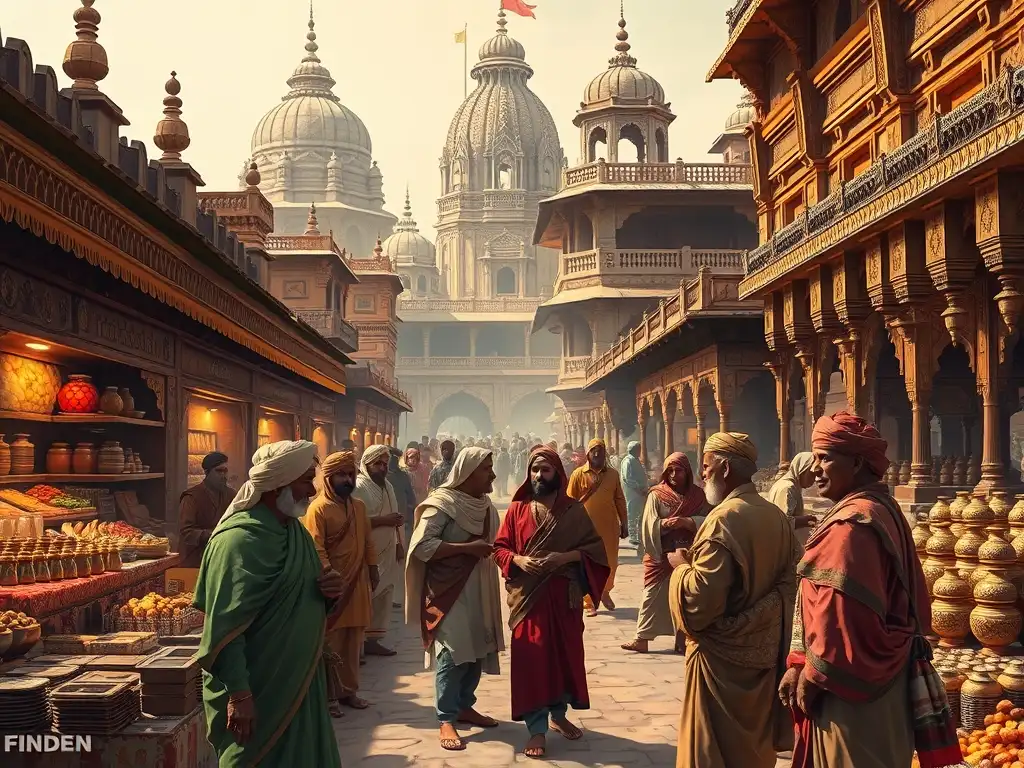
Summary of Key Points
The intricate relationship between trade routes and the caste system in ancient India has been a significant factor in shaping social structures. Key points that underscore this influence include:
- Economic Opportunities: Trade routes facilitated economic interactions among various communities, leading to the emergence of new occupational groups. As merchants and traders gained wealth, their social status began to rise, challenging traditional caste hierarchies.
- Cultural Exchange: The movement of people along trade routes introduced diverse cultural practices and ideas. This exchange often blurred caste boundaries, as interactions with different communities fostered a degree of social fluidity not previously experienced.
- Regional Variations: The impact of trade on the caste system varied across different regions. For instance, areas along the Silk Road experienced a more pronounced integration of merchants into the social fabric, while more isolated regions maintained stricter caste divisions.
- Legislative Changes: The growing importance of trade led to the development of new laws and regulations governing commerce, which in turn influenced caste dynamics. The need for merchants to form guilds prompted a reevaluation of social roles and responsibilities.
The evolution of social structures in ancient India was deeply intertwined with the dynamics of trade routes. The caste system, traditionally viewed as a rigid framework, exhibited a remarkable degree of adaptability in response to external influences.
- Inter-caste Relationships: As trade flourished, inter-caste relationships became more common. This phenomenon allowed for a gradual merging of identities and the creation of new sub-castes, especially among traders and artisans who worked closely together.
- Integration of Outsiders: The caste system, while initially exclusive, began to incorporate outsiders, particularly those involved in trade. This inclusion led to the emergence of new social identities, which contributed to a more complex societal structure.
- Influence of Religion and Philosophy: The interaction of traders with diverse cultures also brought about philosophical exchanges that questioned the rigidity of the caste system. The influx of ideas from Buddhism and Jainism, for instance, encouraged a more egalitarian view of society.
The Legacy of Trade Routes and Caste System in Modern Context
The legacy of trade routes and the caste system continues to resonate in modern India, influencing social dynamics and economic practices.
- Economic Stratification: While the caste system has officially been abolished, remnants of its influence persist in economic stratification. Certain castes still dominate specific industries, reflecting historical trade roles.
- Cultural Preservation: Many communities that thrived along ancient trade routes continue to uphold their unique cultural identities, which can be traced back to their historical engagements in commerce.
- Social Mobility: The historical interplay between trade and caste has laid the groundwork for ongoing discussions about social mobility in contemporary society. Understanding this legacy helps in addressing the challenges faced by marginalized communities today.
The examination of how trade routes influenced the caste system in ancient India reveals a complex interplay of economic, cultural, and social factors that shaped the very fabric of Indian society. The historical context provides valuable insights into the ongoing evolution of social structures and their implications in the modern world.
Frequently Asked Questions
What were the main trade routes in ancient India?
Ancient India's trade routes included the Silk Road, the Maritime Spice Route, and various overland paths connecting major cities, facilitating the exchange of goods and culture.
How did trade routes contribute to the caste system?
The trade routes allowed for increased interaction between different communities, which led to the solidification of the caste system as economic roles and social hierarchies became more defined.
What role did merchants play in the caste system?
Merchants often formed a distinct caste, which was crucial for the economic development of ancient India, influencing both trade practices and social structures within the caste system.
Were there any exceptions to the caste system in trade?
Yes, exceptions existed, especially among trading communities that gained wealth and status, allowing for some mobility within the rigid caste structure due to their economic contributions.
How did the Gupta Empire impact trade and the caste system?
The Gupta Empire enhanced trade through infrastructure improvements, which further entrenched the caste system by establishing specific economic roles, thereby reinforcing social divisions.
Final Reflection: The Enduring Legacy of Trade Routes and the Caste System
The intricate relationship between trade routes and the caste system in ancient Indian society reveals not only the complexities of economic interactions but also the profound social hierarchies that shaped human experiences. Today, as we navigate a globalized world, the echoes of these ancient trade networks continue to resonate, reminding us that the flow of goods and ideas can significantly influence societal structures. The past teaches us that understanding these connections is crucial for addressing contemporary issues of inequality and social stratification.
The impact of trade routes on the caste system has left an indelible mark on the cultural and social landscape of India. This historical interplay serves as a lens through which we can examine our own societal frameworks.
The caste system, while deeply rooted in ancient practices, is still relevant today, as it informs discussions about privilege, access, and opportunity. As Mahatma Gandhi once said, “The best way to find yourself is to lose yourself in the service of others.” This quote encapsulates the essence of recognizing our interconnectedness and the responsibility we hold to challenge outdated systems that perpetuate inequality.
As we reflect on the lessons of the past, let us embrace the opportunity to foster inclusivity and understanding in our own communities. Consider how the dynamics of trade and social structures shape your environment. I invite you to engage with the history of trade routes and the caste system, not just as a distant memory, but as a catalyst for change. By acknowledging and addressing the legacies of these systems, we can work towards a more equitable future, where every individual has the opportunity to thrive, regardless of their background.
Transform Your Understanding of Ancient Societies!
Thank you for exploring the intriguing connections between trade routes and the caste system in ancient India. Your interest in this complex topic highlights your desire to understand the interplay of culture and economics in shaping societies. Now, let's take that knowledge a step further and dive deeper into this fascinating history!
Here are some actionable steps you can take to expand your understanding:
- Join a discussion group focused on ancient Indian history to share insights and engage with fellow enthusiasts.
- Explore local museums or online exhibits that showcase artifacts from ancient trade routes and their societal impact.
- Consider writing an article or blog post to share your thoughts on how these trade routes influenced India and the broader context of global trade dynamics.
What aspect of the trade routes' influence on society do you find most surprising, and why? Share your thoughts in the comments below!